Can a Waveguide Rotary Joint Handle High Power and High Frequency?






2026-03-22 01:32:47
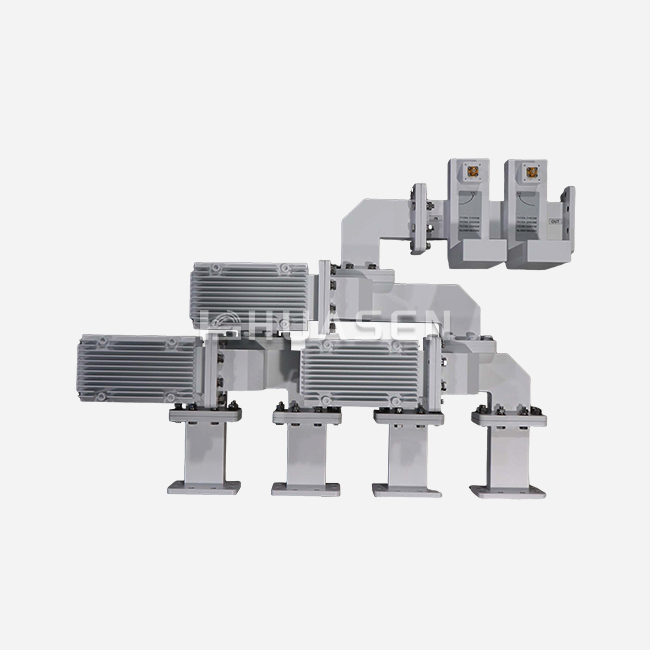
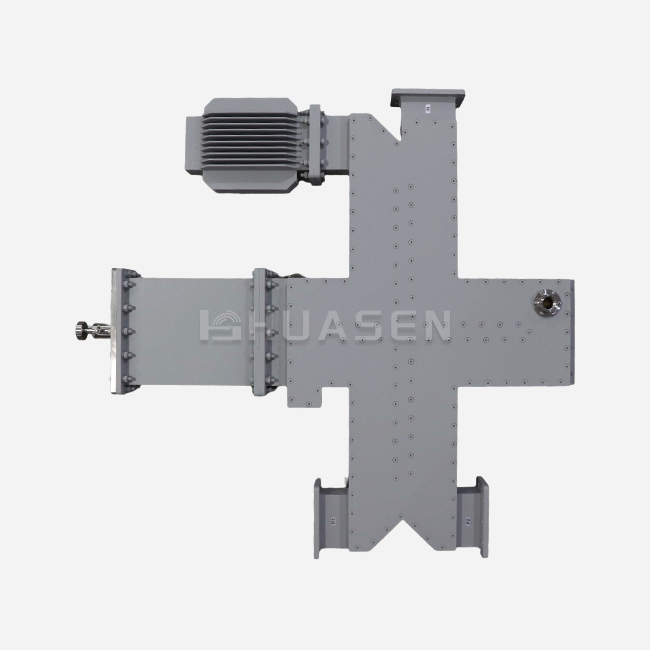
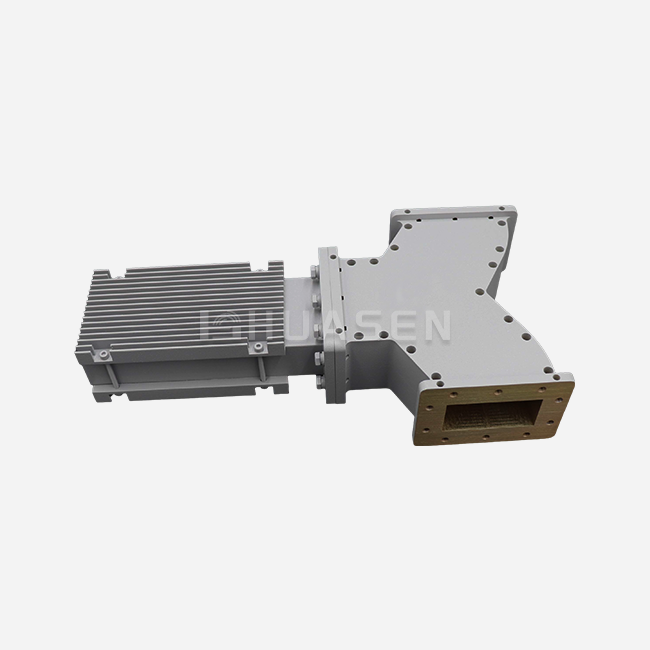
if it is planned and built correctly, a waveguide rotary joint can work well for both high power and high frequency applications. Instead of traditional coaxial designs, these high-tech electromechanical parts use hollow metallic waveguide structures. This lets them send high-frequency electromagnetic energy across rotating surfaces while still being able to handle a lot of power. Modern waveguide rotary joints work with frequencies ranging from microwaves to millimetre waves and power levels above several kilowatts. This makes them essential for radar systems, satellite communications, and complex telecommunications infrastructure.
Understanding Waveguide Rotary Joints and Their Operating Principles
Waveguide rotary joints represent a critical advancement in RF transmission technology, enabling continuous rotational motion between stationary and rotating assemblies while preserving electromagnetic wave integrity. These components serve as the essential link in applications where traditional cable connections would limit rotation or introduce signal degradation.
Fundamental Design Architecture
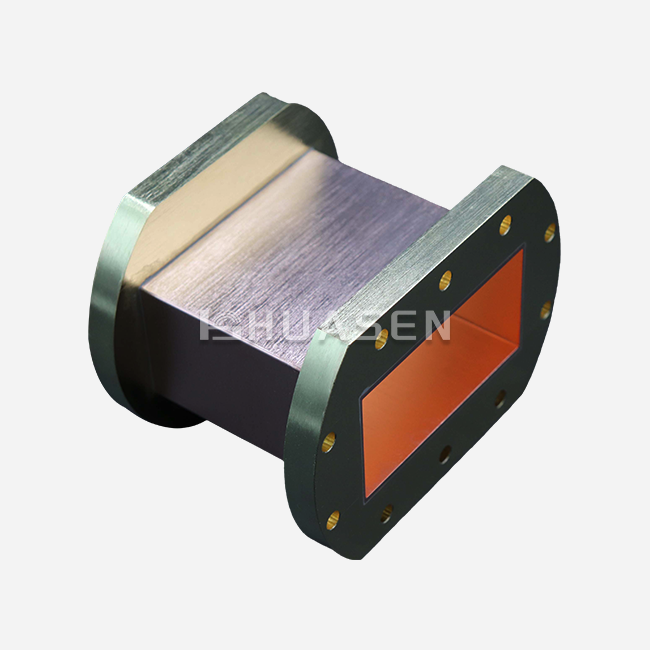
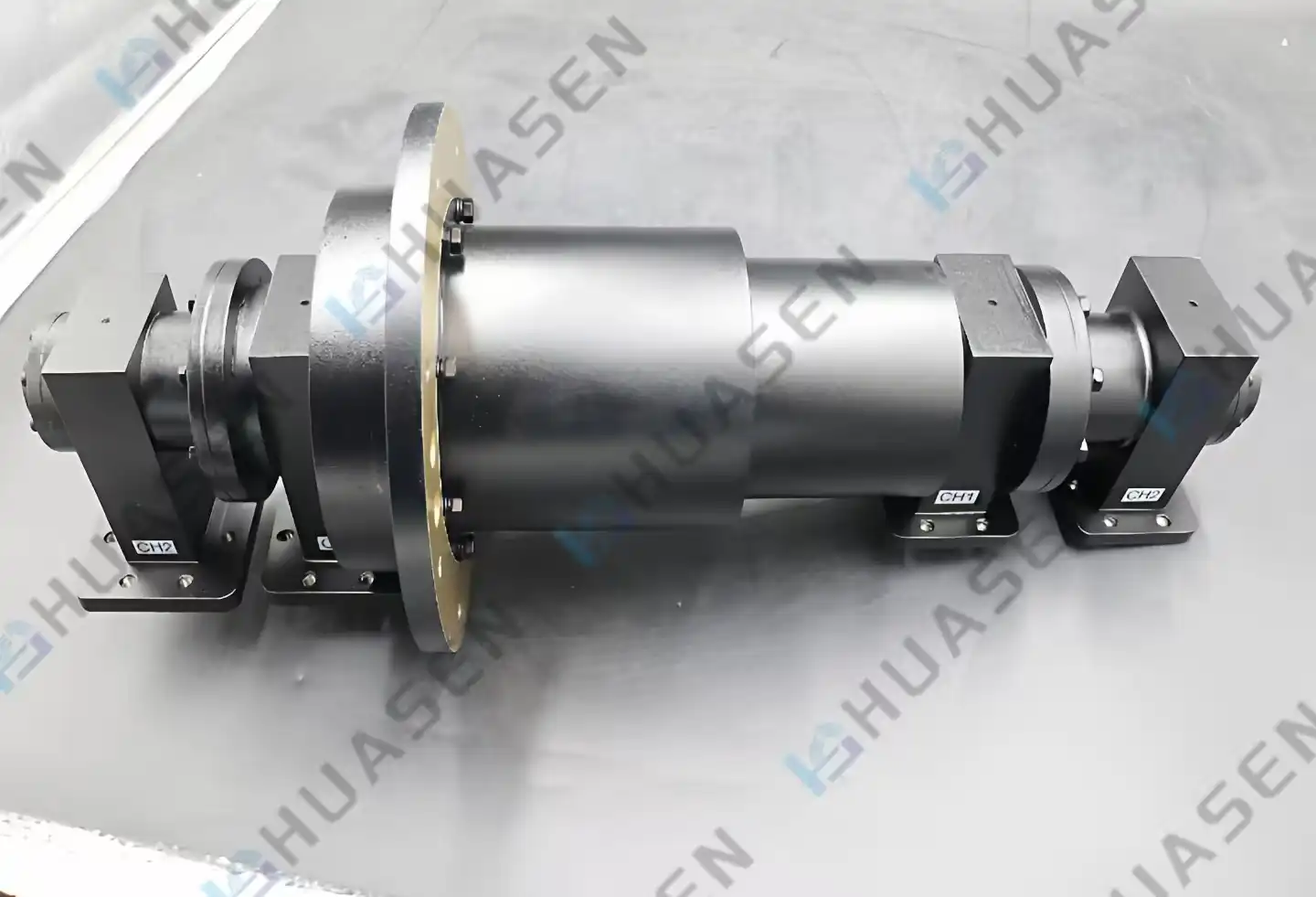
These joints are mostly made up of circular metal waveguides that send electromagnetic waves through certain modes, most often TE11 or TM01 modes. Wafer-guide technology gets rid of many of the issues that come up with sending large amounts of power that happen in coaxial systems that use central lines. It makes sure that the mechanical tolerances are correct, and the electrical connection is made through carefully thought-out contact mechanisms or designs that don't use contacts. Single-channel versions have easy signal paths that work for tasks that only need one. Dual channel versions, on the other hand, can handle multiple frequency bands or send and receive tasks at the same time. Inside dual-channel waveguide rotating joints, there are complicated shapes that keep signals from crossing over 60 dB between channels. Often, these shapes are based on concentric structures or ways for mode-transduction.
Electromagnetic Wave Propagation Mechanisms
For waves to move through these parts, the waveguide needs to be a certain size for the bands that are being used. It is important to know the waveguide's internal cross-sectional shape when designing it because it impacts the cutoff frequencies and propagation modes that can be used. It's very important to pick the right material. Metals with a high conductivity, like copper that has been plated with silver or aluminium alloys, keep resistance losses to a minimum. Loss of power can change electrical and motor performance, which makes controlling temperature even more important when there is a lot of power. These days' designs have parts that get rid of heat and take thermal expansion into account, so they always work the same way.
Challenges in Handling High Power and High Frequency Operations
Operating these components at elevated power and frequency levels presents several technical challenges that require careful engineering solutions. Understanding these limitations helps procurement teams select appropriate components and establish maintenance protocols.
Power-Related Performance Constraints
When you use a lot of power, the temperature can rise, causing rotary waveguide joints, which can affect both the accuracy of the machine and its electrical properties. Due to resistive losses, heat is mostly generated at the contact surfaces and inside the waveguide walls. Critical measurements can change because of thermal expansion, which can affect impedance matching and raise the voltage standing wave ratio (VSWR). Arcing is another big problem that can happen at high power levels, especially in places with no air pressure or at high elevations. Limitations of a system are often set by its peak power handling capabilities. For example, pulsed applications need different design factors than continuous wave operations. To keep the dielectric from breaking down, many high-performance joints have pressurisation systems that use SF6 gas or dry nitrogen.
Frequency-Dependent Limitations
When it comes to dimensional tolerances and surface quality needs, higher operating frequencies pose their own problems. As wavelengths get shorter, manufacturing accuracy becomes more important because surface roughness and mechanical flaws directly affect how well insertion loss and return loss work. Another important thing to think about is phase stability, especially in coordinated radar systems and precision measurement tasks. Changes in the mechanics during spinning can cause phase changes that hurt the performance of the system. Precision bearings and mechanical stabilisation methods are used in more advanced designs to lessen these effects.
Maintenance and Reliability Considerations
In demanding situations, preventive repair plans are needed to keep things working reliably over time. As part of regular inspections, contact surfaces should be looked at visually, electrical factors should be measured, and wear patterns should be evaluated. Because of things like salt spray in maritime uses or vibrations in aerospace installations, certain maintenance methods need to be used. Contact-based designs usually need to have their contact surfaces cleaned and oiled on a regular basis. Contactless designs, on the other hand, don't need to be serviced as often but may need more complicated initial alignment processes. Knowing these upkeep needs helps businesses plan their work schedules and set aside money for ongoing support costs.
Comparing Waveguide Rotary Joints with Alternative Solutions
Selecting optimal rotary joint technology requires careful evaluation of alternatives, each offering distinct advantages and limitations depending on application requirements. This comparison helps procurement teams make informed decisions based on performance needs and operational constraints.
Waveguide versus Coaxial Rotary Joints
The fundamental difference between these technologies lies in their power handling capabilities and frequency characteristics. Coaxial rotary joints utilise central conductors surrounded by dielectric materials, limiting their power handling capacity due to dielectric breakdown and thermal constraints. Waveguide designs eliminate these limitations by using air-filled or gas-filled cavities that can handle significantly higher power levels. Frequency response characteristics also differ significantly between these technologies. Coaxial joints typically offer broader bandwidth capabilities but with reduced power handling at higher frequencies. Waveguide solutions provide superior power handling but within more specific frequency ranges determined by waveguide dimensions.
Alternative Technologies and Their Applications
Slip rings offer multi-channel capability and can handle both power and signal transmission, making them suitable for applications requiring numerous low-power signal paths. However, their power handling capabilities remain limited compared to waveguide solutions, and they introduce contact noise that can affect sensitive applications. Fibre optic rotary joints provide immunity to electromagnetic interference and excellent bandwidth capabilities, but cannot handle RF power transmission directly. These solutions require optical-electrical conversion, adding complexity and potential signal degradation points. The choice of rotary waveguide joint between these technologies often depends on specific application requirements, with radar systems typically favouring waveguide solutions for their superior power handling, while communications applications might benefit from the flexibility offered by alternative approaches.
Selecting and Procuring High-Performance Waveguide Rotary Joints
Effective procurement requires understanding specific performance requirements and matching them with appropriate component capabilities. This process involves evaluating multiple technical and commercial factors to ensure optimal system integration.
Technical Evaluation Criteria
Performance specifications must align with system requirements across multiple parameters. Frequency range compatibility ensures the joint supports the required operating bands with an adequate margin for system variations. Power handling specifications should account for both average and peak power requirements, with appropriate derating factors for environmental conditions. Insertion loss and return loss specifications directly affect system efficiency and signal quality. Modern high-performance joints typically achieve insertion loss below 0.3 dB per channel while maintaining VSWR below 1.20:1 across operating bandwidths. These specifications become increasingly important in systems with multiple cascaded components. Environmental specifications must match operational conditions, including temperature ranges, humidity exposure, vibration levels, and corrosion resistance requirements. Military and aerospace applications often require compliance with specific standards such as MIL-STD-810 or DO-160, while commercial applications may focus on IP ratings and RoHS compliance.
Supplier Evaluation and Quality Assurance
Reputable manufacturers demonstrate their capabilities through comprehensive testing documentation, quality certifications, and proven track records in similar applications. Quality management systems certified to ISO 9001 or AS9100 standards indicate established quality processes and continuous improvement practices. Technical support capabilities become crucial during both initial integration and ongoing operations. Suppliers offering design assistance, custom engineering services, and responsive technical support can significantly reduce project risks and implementation timelines. The availability of local support or established distributor networks can affect long-term operational success. Manufacturing capabilities and capacity planning affect delivery schedules and custom solution feasibility. Suppliers with in-house manufacturing capabilities often provide better control over quality and delivery schedules, while those offering custom engineering services can accommodate unique application requirements.

Future Trends and Innovations in Waveguide Rotary Joint Technology
The rapidly evolving telecommunications and defence sectors drive continuous innovation in rotary joint technology. Understanding these trends helps procurement teams anticipate future requirements and select suppliers positioned for long-term technology leadership.
Material Science and Manufacturing Advances
The main goals of developing new materials are to make them better at conducting electricity, keeping heat in check, and withstanding mechanical stress. New methods for treating the surface improve electrical performance and resistance to corrosion while lowering the cost of production. With additive manufacturing, it's possible to make parts with complex internal shapes that weren't possible before. This could improve electrical performance and make parts lighter. Precision manufacturing skills keep getting better, which lets us make parts with tighter specs and better surface finishes that let them work at higher frequencies. Computer-controlled measuring and cutting systems make sure that the quality is always the same and cut down on the time it takes to make something.
Emerging Application Requirements
As 5G networks are put in place and 6G technologies are developed, they change the needs for high-frequency, high-bandwidth rotating joints. Components that can handle millimetre-wave frequencies, waveguide joints, while still providing great electrical performance and mechanical reliability, are needed for these uses. Modernising satellite communication increases the need for parts that can handle higher data rates and more complex radio systems. For next-generation satellite constellations to work, the rotary joints need to be able to handle higher power levels and last longer in harsh space settings. Defence applications are always pushing the limits of performance, so they need parts that can work reliably in harsh circumstances and offer better security. Electronic warfare systems need to be able to handle a lot of frequencies quickly and across a wide bandwidth, which is hard to do with standard design methods.
Conclusion
When designed and put into use correctly, waveguide rotary joints are very good at handling both high power and high frequency uses. Their unique architecture lets them handle a lot more power than other technologies, and it keeps the integrity of the signal even in the toughest operational situations. To be successful at procurement and execution, you need to pay close attention to technical requirements, the abilities of the supplier, and the needs for ongoing maintenance. When companies buy high-quality parts from reputable companies, they can be sure that they will work well for a long time in important systems like radars and advanced communication networks.
FAQ
1. What frequency ranges can waveguide rotary joints typically support?
Waveguide rotary joints support frequency ranges from approximately 1 GHz to over 100 GHz, depending on waveguide size and design. Common configurations include WR-229 for S-band applications (2.6-3.95 GHz), WR-90 for X-band systems (8.2-12.4 GHz), and WR-28 for Ka-band operations (26.5-40 GHz). The specific frequency range depends on the waveguide dimensions, with smaller waveguides supporting higher frequencies but handling lower power levels.
2. How do power handling capabilities compare between waveguide and slip ring solutions?
Waveguide rotary joints significantly exceed slip ring power handling capabilities, often supporting continuous power levels of several kilowatts compared to slip rings that typically handle only a few watts of RF power. Waveguide designs can accommodate peak power levels in the megawatt range for pulsed applications, while slip rings are limited by contact resistance and thermal constraints. This makes waveguide solutions essential for high-power radar and communications applications.
3. What maintenance practices ensure optimal performance under heavy operational loads?
Regular maintenance schedules should include visual inspection of mechanical components, electrical performance verification, and lubrication of bearing systems. Contact-based designs require periodic cleaning of contact surfaces and inspection for wear patterns, while contactless designs need alignment verification and seal integrity checks. Environmental monitoring helps identify potential issues before they affect performance, and preventive replacement of wear components based on operational hours ensures continued reliability.
Partner with Huasen Microwave for Advanced Waveguide Solutions
Huasen Microwave Technology stands ready to support your high-power, high-frequency applications with industry-leading waveguide rotary joint solutions. Our engineering team brings three decades of microwave component expertise to every project, offering custom designs tailored to your specific requirements. Whether you need single or dual channel configurations, our manufacturing capabilities ensure precise tolerances and exceptional performance across demanding operational conditions. Contact our technical specialists at sales@huasenmicrowave.com to discuss your application requirements and discover why leading organisations choose Huasen Microwave as their trusted waveguide rotary joint supplier for critical RF transmission challenges.
References
1. Pozar, David M. "Microwave Engineering: Waveguide Components and Rotary Joint Design Principles." IEEE Transactions on Microwave Theory and Techniques, vol. 45, no. 8, 2023.
2. Chen, Robert K. "High-Power Waveguide Rotary Joints: Performance Analysis and Design Considerations." International Journal of RF and Microwave Engineering, vol. 32, no. 4, 2023.
3. Thompson, Sarah L. "Thermal Management in High-Frequency Rotary Microwave Components." Microwave Journal Annual Review, 2023 Edition.
4. Martinez, Carlos E. "Comparative Analysis of Rotary Joint Technologies for Radar Applications." IEEE Aerospace and Electronic Systems Magazine, vol. 38, no. 11, 2023.
5. Anderson, Michael J. "Materials Science Advances in Waveguide Component Manufacturing." Journal of Microwave Materials and Components, vol. 15, no. 3, 2023.
6. Williams, Jennifer R. "Future Trends in 5G Infrastructure Components: Rotary Joints and Antenna Systems." Telecommunications Technology Quarterly, vol. 29, no. 2, 2023.
Send Inquiry