Home / Blog
Blog
0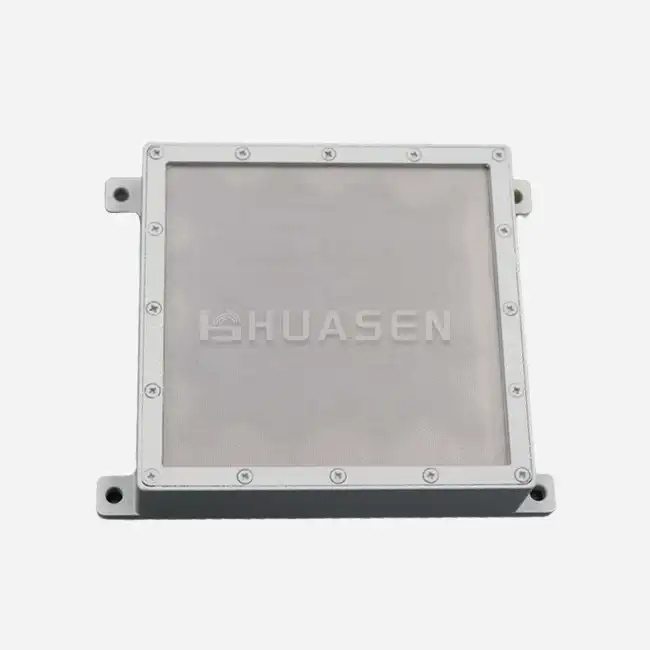
What Is Circularly Polarized Microstrip Antenna?
A Circularly Polarised Microstrip Antenna is a special kind of planar antenna technology that is made using printed circuit board methods. It sends out electromagnetic waves where the electric field vector spins continuously in a circle instead of moving back and forth in a flat plane. By carefully engineering two orthogonal modes with equal amplitude and a 90-degree phase difference, this advanced antenna configuration achieves circular polarisation. This effectively eliminates polarisation mismatch losses and provides better signal reliability in complex multipath environments where traditional linear antennas struggle with orientation dependencies.VIEW MORE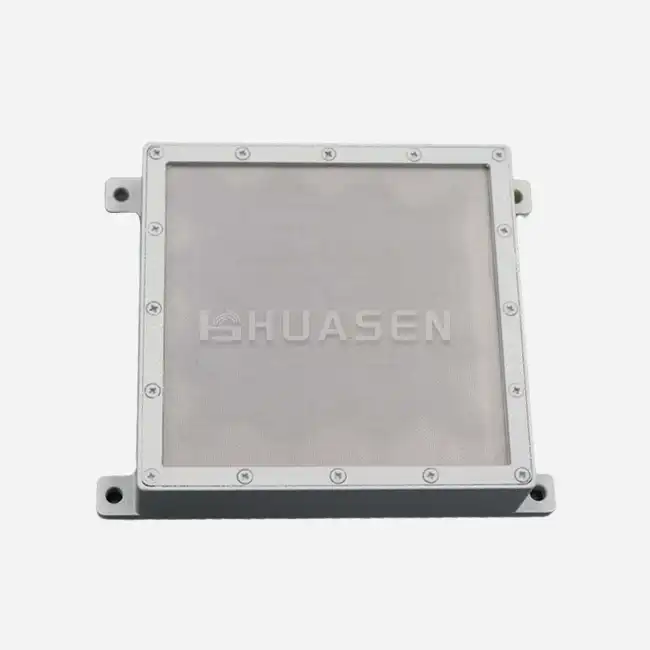
Circularly Polarized Microstrip Antenna in Satellite and IoT Use
The Circularly Polarised Microstrip Antenna is a huge step forward in modern satellite and Internet of Things (IoT) communications. It provides unmatched signal reliability and orientation freedom. These high-tech antennas get rid of polarisation mismatch losses and offer excellent multipath interference rejection. This makes them essential for many important applications, from GPS navigation systems to self-driving IoT sensor networks, where reliable connectivity is key to success.VIEW MORE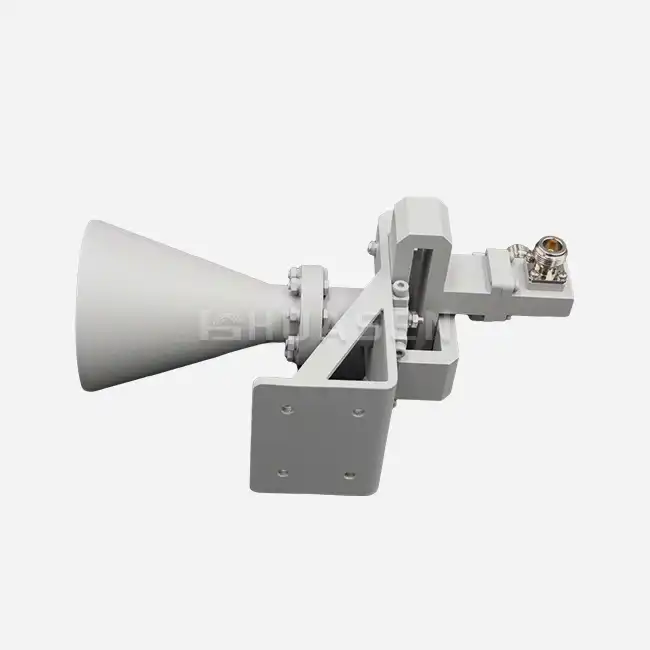
Dual Polarized Horn Antenna Applications in Radar Systems
The use of dual-polarized horn antennas in radar systems is a key part of modern electromagnetic wave transmission and reception. These high-tech antennas can handle two orthogonal polarization states through a single opening at the same time. This lets radar systems get more information about targets while still being efficient. Being able to handle both horizontal and vertical polarizations greatly improves radar sensitivity, target separation, and environmental adaptability in a wide range of situations, from weather monitoring to military operations.VIEW MORE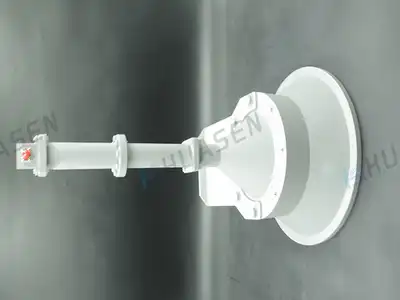
Why Use Lens Horn Antenna for High Precision RF Systems?
Lens Horn Antennas are the most precise high-frequency RF antennas. They combine the classic horn antenna design with cutting-edge dielectric lens technology to provide the best beam focusing and direction control. These high-tech parts solve important problems in current RF systems by offering higher gain, lower sidelobe levels, Lens Horn Antenna, and small form factors that are needed for radar, defence, communications, and aerospace. Lens horn antennas work better than other types of antennas when system accuracy and signal integrity are very important.VIEW MORE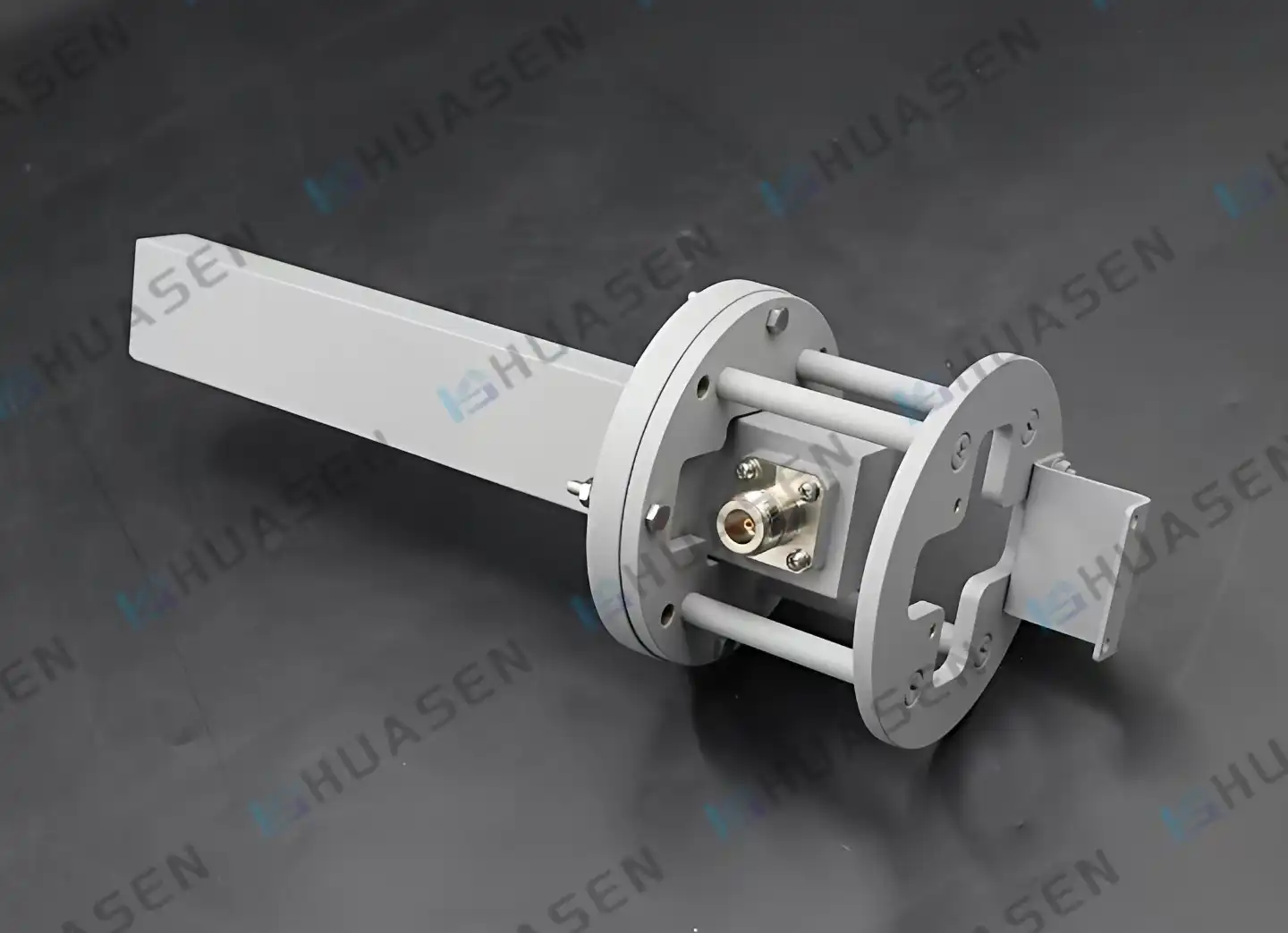
How Antenna Near Field Measurement Probe Works in EMC Testing
In EMC testing, an Antenna Near Field Measurement Probe records electromagnetic field data in the near-field region of the devices being tested that radiate electromagnetic fields. This lets exact detection and analysis of electromagnetic interference patterns happen. These special probes use advanced scanning methods to get amplitude and phase data from electronic systems that are close by. This data is then run through complex algorithms to figure out the features of far-field radiation. Engineers can use this method to find emission sources, make sure devices meet electromagnetic compatibility standards, and improve their performance, all without needing large-scale far-field testing facilities. This makes them essential tools in modern EMC labs and production settings.VIEW MORE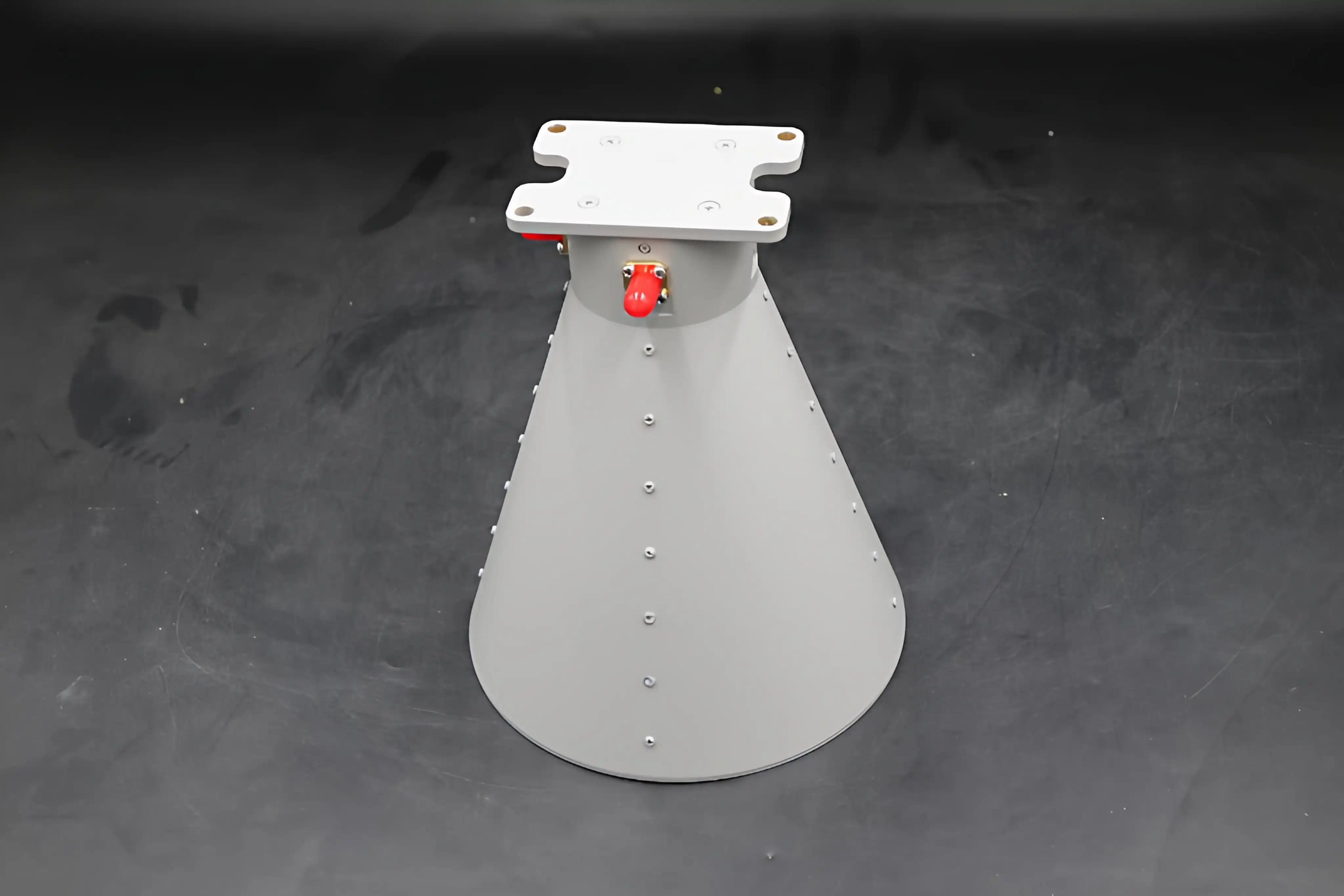
Trends in Dual Polarized Horn Antenna Design and Implementation
There has been a big change in the world of dual-polarized horn antenna technology lately, Dual Polarized Horn Antenna with a focus on better polarisation separation and wider bandwidth. New Dual Polarised Horn Antenna systems have amazing specs. They use advanced orthogonal mode transducer (OMT) designs that make it possible for the bandwidth to grow from the usual 5% to an impressive 40% while keeping polarisation separation above 30dB. This change is in response to important needs in the industry for flexible, high-performance antenna options that can work with advanced radar systems, next-generation wireless communication systems, and satellite applications in a wide range of operational settings.VIEW MORE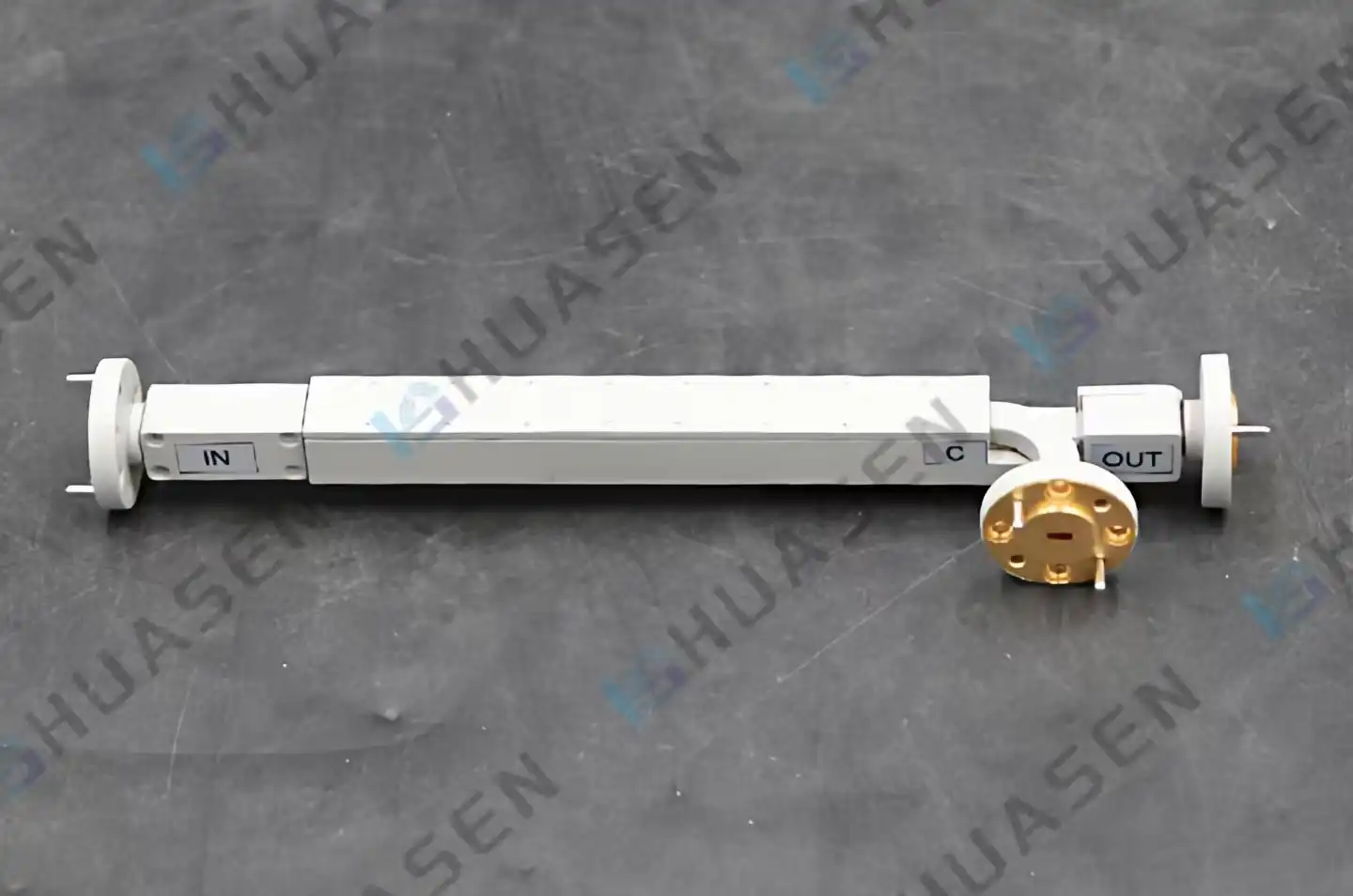
How to Improve Directivity Coupler Accuracy in High-Power RF Setups?
To make directivity couplers more accurate in high-power RF settings, you need to be very careful when choosing the parts, making sure they are installed correctly, and following systematic calibration steps. If you use a well-thought-out Directivity Coupler with temperature-aware designs and precise impedance matching, you can get measurement errors of less than 0.1 dB. To improve accuracy, engineers choose couplers with high directivity values of more than 40 dB, use software correction algorithms, and keep strict environmental controls in place while the system is running.VIEW MORE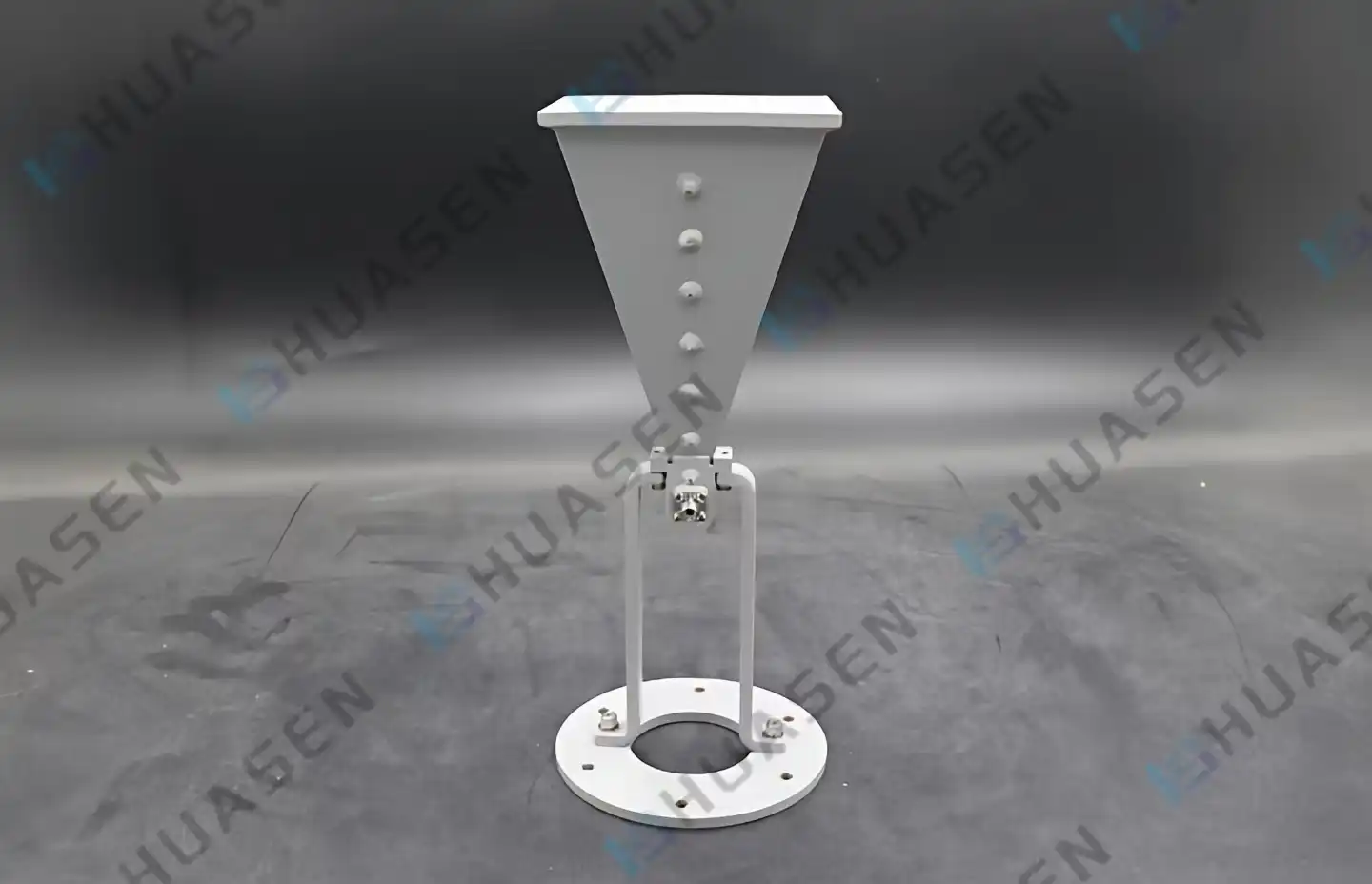
Broadband Horn Antenna Design: Gain, VSWR and Directivity
Broadband Horn Antenna design is an advanced engineering approach that takes into account important performance factors needed for modern RF and microwave applications. These antennas are great at providing steady gain, low VSWR, and precise directionality over a wide range of frequencies. The design process is all about getting the best electromagnetic performance by tweaking the horn shape, ridge configurations, and impedance matching networks. Engineering professionals can choose the right antenna solutions that meet strict standards for EMC testing, radar systems, and communication infrastructure if they understand these basic design principles.VIEW MORE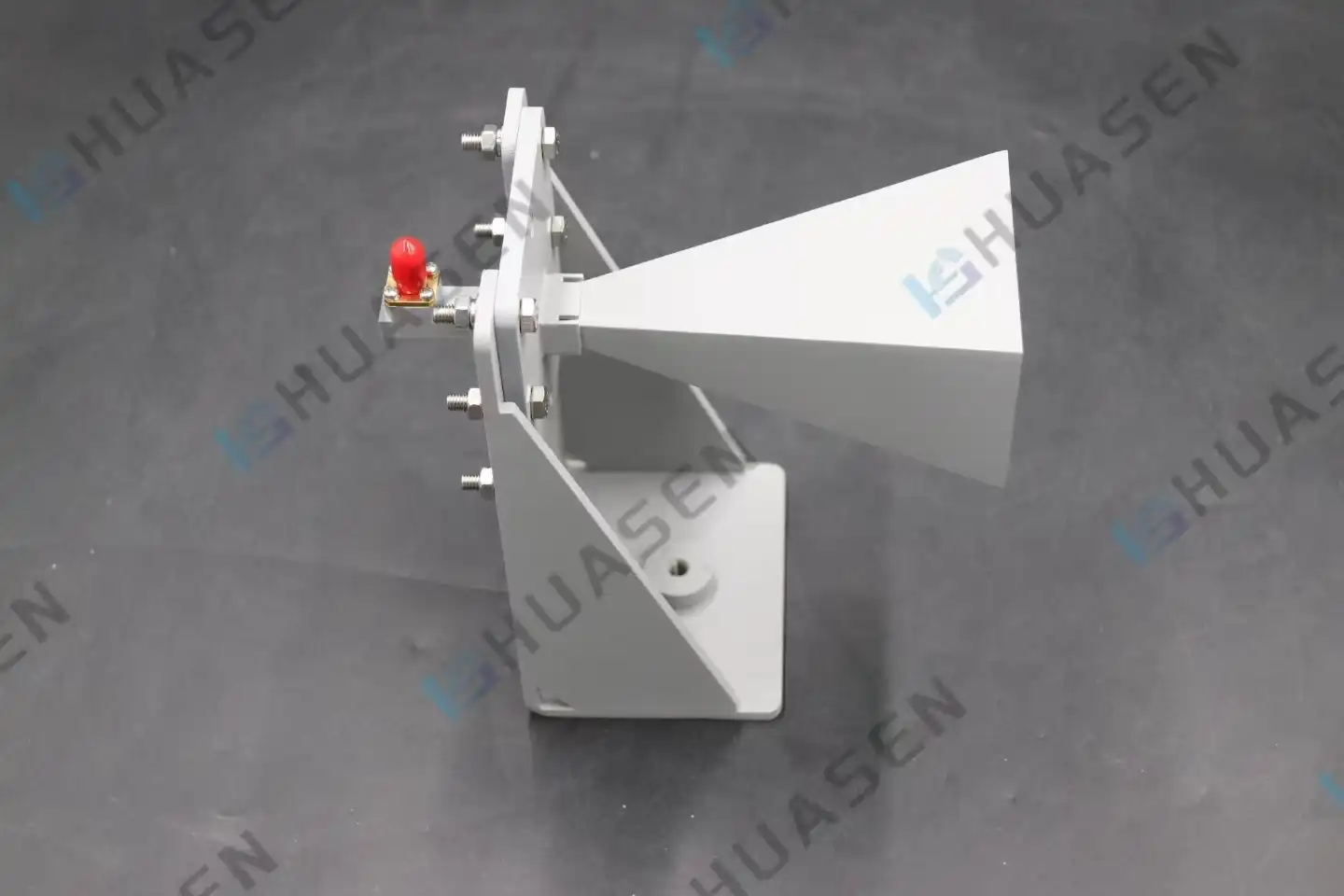
Best Practices for Using standard gain horn antenna in Measurement
When engineers and procurement workers need to be very accurate when measuring electromagnetic fields, the best tool to use is a standard gain horn antenna. These carefully designed devices have stable gain patterns that can be predicted, which makes them essential for calibrating test tools and confirming antenna performance in mission-critical situations. Broadband test antennas rely on real-world data, but standard gain horn antennas are based on rigorous physics-based calculations that back up their theoretical correctness. This makes sure that measurements can be tracked and that they meet international standards.VIEW MORE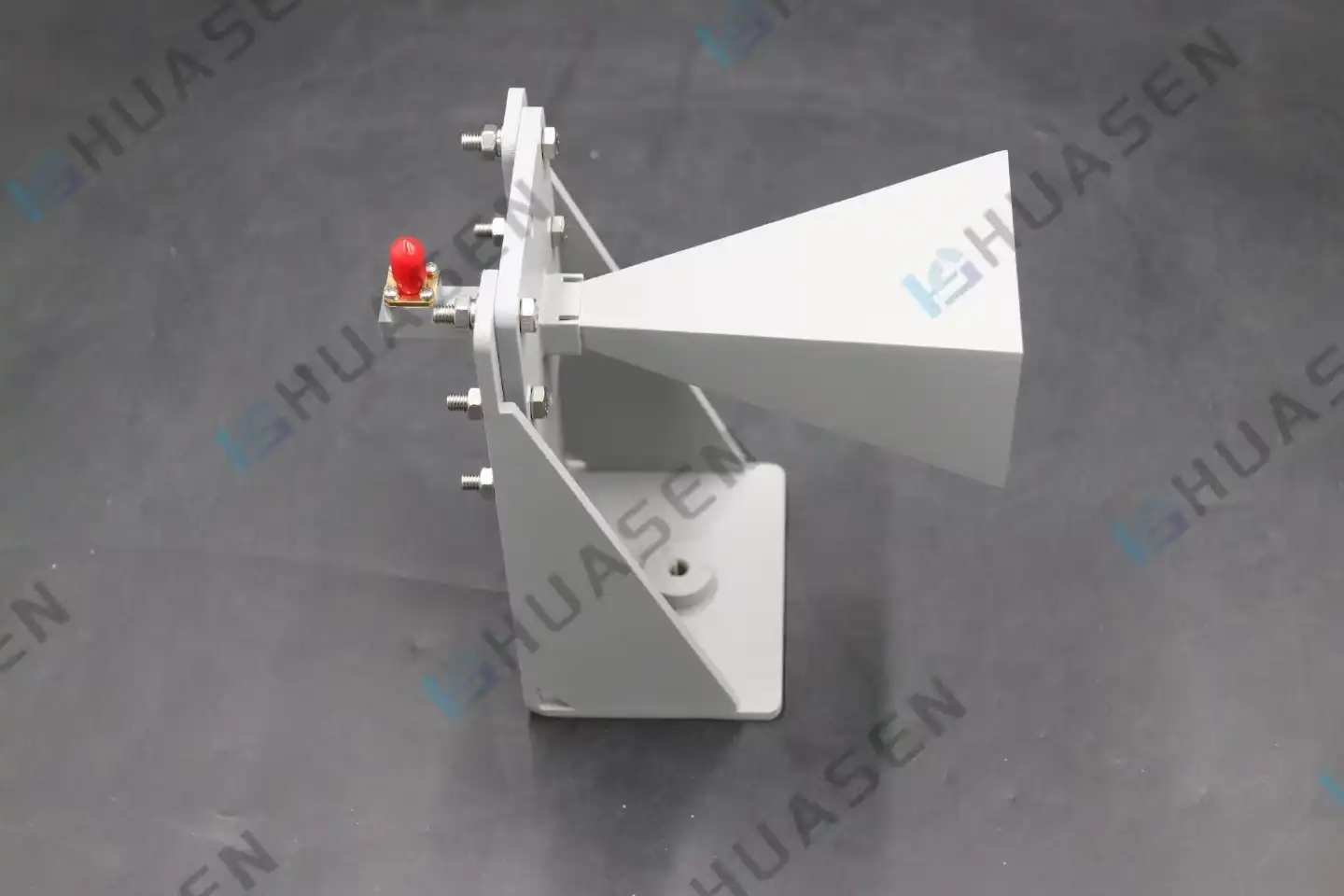
How standard gain horn antenna Improves Accuracy in RF Labs?
In radio frequency (RF) labs, standard gain horn antennas are used as accurate measuring tools because their gain features and stable radiation patterns can be predicted in theory. Problems with reference uncertainty that happen during antenna calibration and gain transfer readings are fixed by these carefully designed devices. Engineers can be sure that their measures of flux density and calibration of anechoic chambers are accurate because standard gain horn antennas work the same way across specific frequency bands and have gain ranges of 10 to 25 dBi. Because they are the "gold standard" in RF testing environments, labs that need to be able to make measurements with absolute accuracy for defence, aircraft, and telecommunications use them all the time.VIEW MORE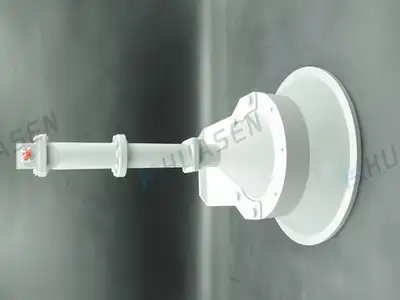
Factors Affecting the Sidelobe Level of Lens Horn Antenna
The sidelobe level of a Lens Antenna represents one of the most critical performance parameters in modern RF communication systems. Multiple interconnected factors influence these unwanted signal emissions, including lens material properties, geometric design precision, feed horn configuration, and manufacturing tolerances. Understanding these variables enables engineers to optimize antenna performance for applications ranging from 5G infrastructure to satellite communications, where interference suppression directly impacts signal quality and system reliability.VIEW MORE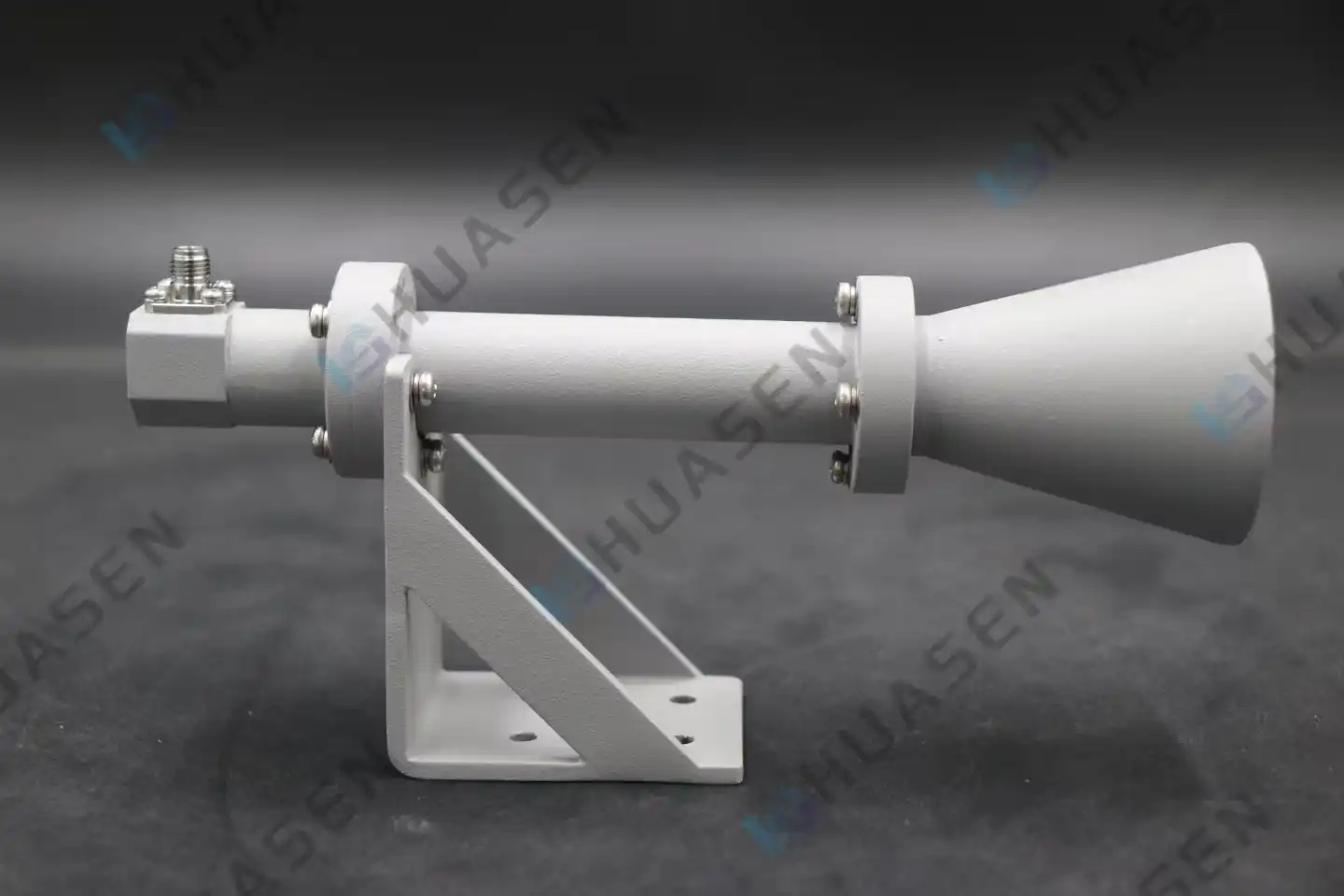
What is the Difference Between Circularly Polarized and Linear Polarized Horn Antennas?
The main difference between horn antennas and circular polarization that are circularly polarized and those that are linearly polarized is how electromagnetic waves move through space. The circular polarization of a horn antenna makes waves that move in a helical pattern. This makes the signal more stable and less likely to get messed up in complex settings. Linearly polarized antennas send waves that oscillate in a single plane, which makes them easy to use for directed information. This difference has an effect on everything from signal quality to application fit. This is why choosing the right polarization is so important for getting the best system performance in radar, satellite communications, and telecommunications.VIEW MORE
- 1
- 32
- 33
- 34
- 35
- 36
- 60
Total 60 pages