How to Improve Directivity Coupler Accuracy in High-Power RF Setups?






2026-03-25 21:15:31
To make directivity couplers more accurate in high-power RF settings, you need to be very careful when choosing the parts, making sure they are installed correctly, and following systematic calibration steps. If you use a well-thought-out Directivity Coupler with temperature-aware designs and precise impedance matching, you can get measurement errors of less than 0.1 dB. To improve accuracy, engineers choose couplers with high directivity values of more than 40 dB, use software correction algorithms, and keep strict environmental controls in place while the system is running.
Assessing Current Performance and Identifying Accuracy Bottlenecks in Directivity Couplers
Understanding the performance limitations of existing directivity couplers represents the critical foundation for any accuracy improvement initiative. Many engineers overlook subtle degradation patterns that accumulate over time, leading to measurement uncertainties that compromise system reliability.
Critical Performance Parameters That Define Coupler Effectiveness
Evaluating directivity coupler performance begins with a comprehensive analysis of five fundamental parameters. Directivity specifications typically range from 20 dB to 50 dB, with higher values indicating superior isolation between forward and reflected signals. Insertion loss measurements reveal the signal attenuation introduced by the coupler, with premium devices maintaining losses below 0.3 dB across their specified frequency range. Isolation performance determines how effectively the device prevents unwanted signal coupling between ports, while frequency response characteristics define operational bandwidth capabilities. VSWR measurements indicate impedance matching quality, with values below 1.25:1 considered excellent for most applications. Power handling specifications encompass both continuous wave and peak power ratings, which become increasingly critical in high-power environments.
Thermal Effects and Environmental Challenges
High-power RF operations generate significant thermal stress that degrades coupler accuracy through multiple mechanisms. Temperature variations alter the dielectric properties of internal materials, shifting coupling factors and phase relationships. Thermal expansion creates mechanical stress on internal coupling structures, potentially causing permanent calibration drift. Environmental monitoring reveals that ambient temperature fluctuations exceeding 20°C can introduce measurement errors up to 0.5 dB in standard couplers. Humidity changes affect dielectric constants, while vibration stress from nearby equipment can gradually loosen mechanical connections. These environmental factors compound over time, creating systematic measurement bias that often goes undetected until system performance degrades noticeably.
Diagnostic Tools and Baseline Establishment
Precision network analyzers equipped with high-stability reference standards provide the measurement foundation for accurate coupler assessment. Establishing calibrated baselines requires high-directivity reference couplers with known characteristics traceable to national measurement standards. Vector network analyzer measurements reveal both magnitude and phase relationships, enabling detection of subtle coupling variations that scalar measurements might miss. Regular comparison measurements against reference standards help identify gradual performance drift before it impacts system operation. Time-domain reflectometry techniques can locate specific failure points within the coupler structure, while frequency-domain analysis reveals bandwidth-dependent accuracy variations that suggest internal resonance issues.
Key Principles for Optimizing Directivity Coupler Accuracy in High-Power RF Testing
Achieving optimal coupler accuracy requires the systematic application of proven engineering principles that address both hardware selection and implementation methodology. These principles form the technical foundation for reliable high-power RF measurements.
Component Selection Strategies for Maximum Performance
To choose the right directivity couplers, directivity of a directional coupler you need to carefully match the device's specs to the needs of the application. The frequency range specs need to cover the whole operational bandwidth, plus enough room for thermal drift and wear and tear. To avoid thermal stress during peak operations, the ability to handle power should be at least 3 dB higher than the highest level that can be predicted. Choosing the right coupling factor combines the sensitivity of the measurement with the effects of loading on the main gearbox path. When coupling is tight, measurement signals are stronger, but insertion loss goes up. When coupling is loose, the system effect is lower, but measurement accuracy may go down. Specifications for directivity have a direct effect on measurement uncertainty. For every 6 dB increase in directivity, the error input from load reflections is cut in half.
Installation Best Practices for Accuracy Preservation
Correct fitting methods have a big effect on how well a coupler works in real-world situations. When arranging transmission lines, they need to avoid sharp turns as much as possible and keep the characteristic impedance the same across the whole measurement system. At higher frequencies, where bad connections can lower directivity by 10 dB or more, connector quality becomes more and more important. Strategies for adjusting temperatures include keeping important parts from getting too hot or too cold and actively controlling temperatures for the toughest jobs. Mechanical mounting systems need to keep electrical protection intact while isolating vibrations. When choosing cables, it's important to keep phase stability in mind, especially for connected arms that are linked together, since changes in phase have a direct effect on measurement accuracy.
Calibration Protocols and Maintenance Procedures
Regular calibration keeps measurements accurate even as parts age and the world stresses them. The frequency of calibration depends on how important the application is, but it's usually once a month for study systems and once a year for regular monitoring systems. Stability of the reference standard sets the highest level of accuracy, so buying high-quality standards for precise uses is a good investment. Documentation methods keep track of changes in performance over time. This lets maintenance plans be planned ahead of time, which keeps accuracy from dropping. Automated calibration systems make sure that measurement settings are always the same and reduce human error. Environmental logging connects changes in performance to situations outside the system, which helps find the real reasons for differences in accuracy.
Proven Techniques and Technologies to Enhance Measurement Accuracy
Advanced engineering approaches leverage cutting-edge technologies to push directivity coupler accuracy beyond conventional limitations. These techniques combine hardware innovations with sophisticated signal processing to achieve measurement uncertainties previously considered impossible.
Temperature-Compensated Design Implementations
Temperature-compensated directivity couplers are made of materials and designs that work well at a lot of different temperatures. In more advanced designs, ceramic substrates with matched thermal expansion factors are used to keep mechanical stress to a minimum while temperatures change. Specialized dielectric materials maintain consistent electromagnetic properties despite temperature variations, preserving coupling factors within tight tolerances. Active temperature control systems provide the ultimate stability for critical applications. These systems constantly check the coupler temperature and either heat or cool it to keep the working conditions stable. When compared to passive temperature correction methods, measurements have been shown to be 5 times more stable in the lab. When measurement error has a clear effect on product quality or safety margins, the money spent on active control pays off.
Hybrid Coupling Technologies and Comparative Analysis
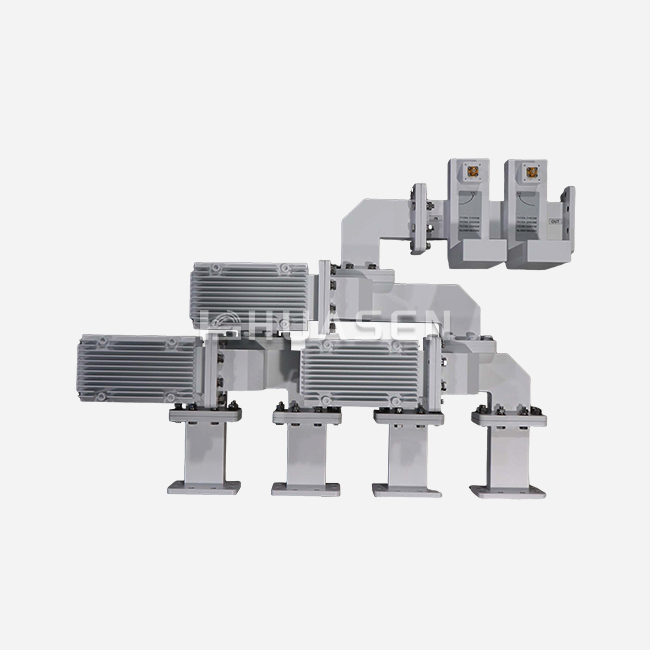
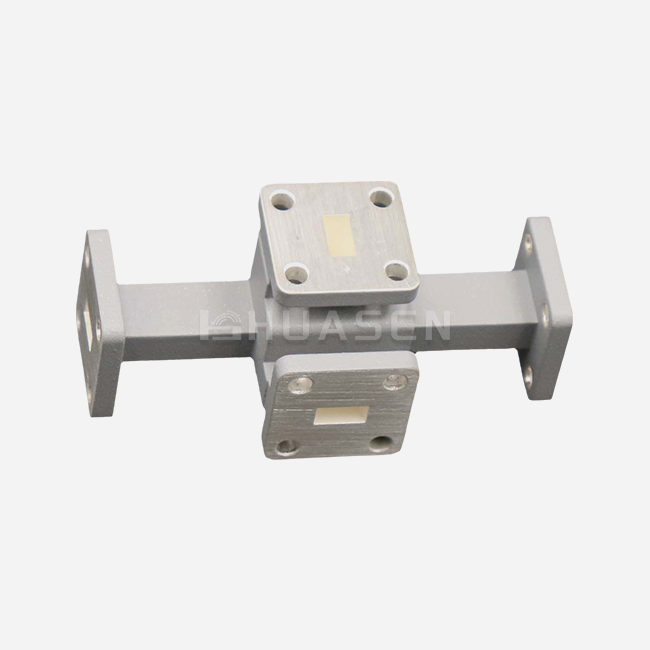
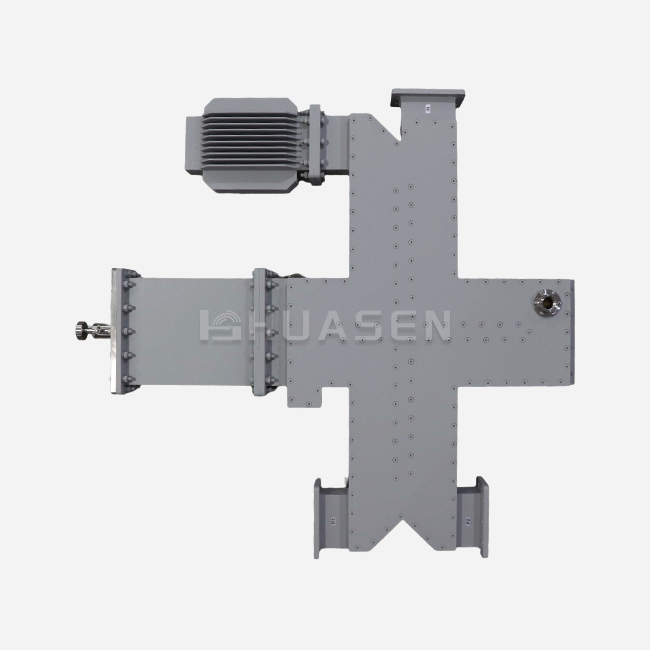
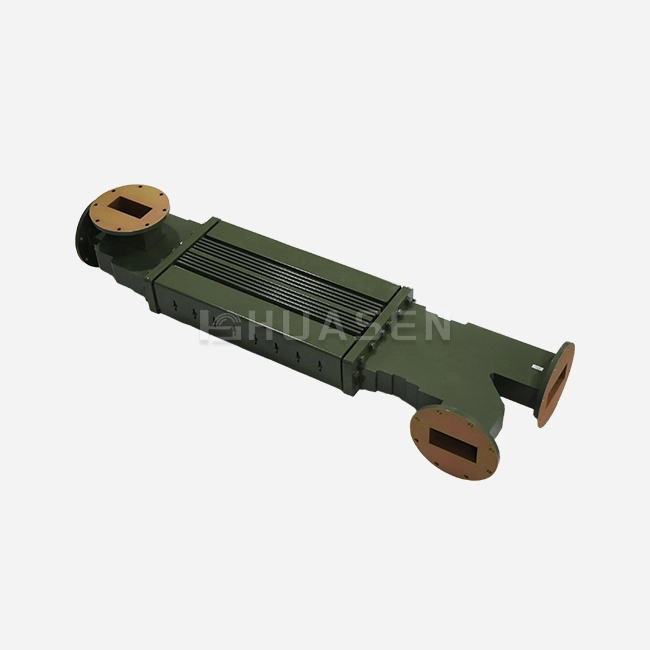
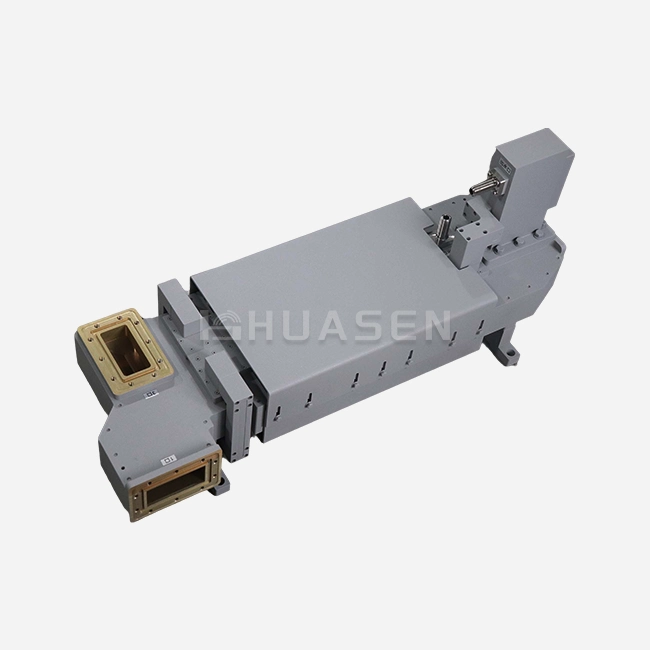
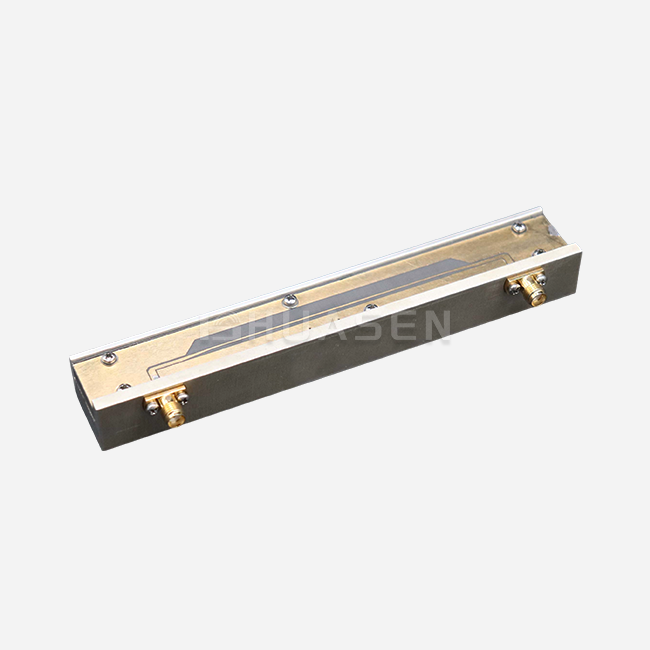
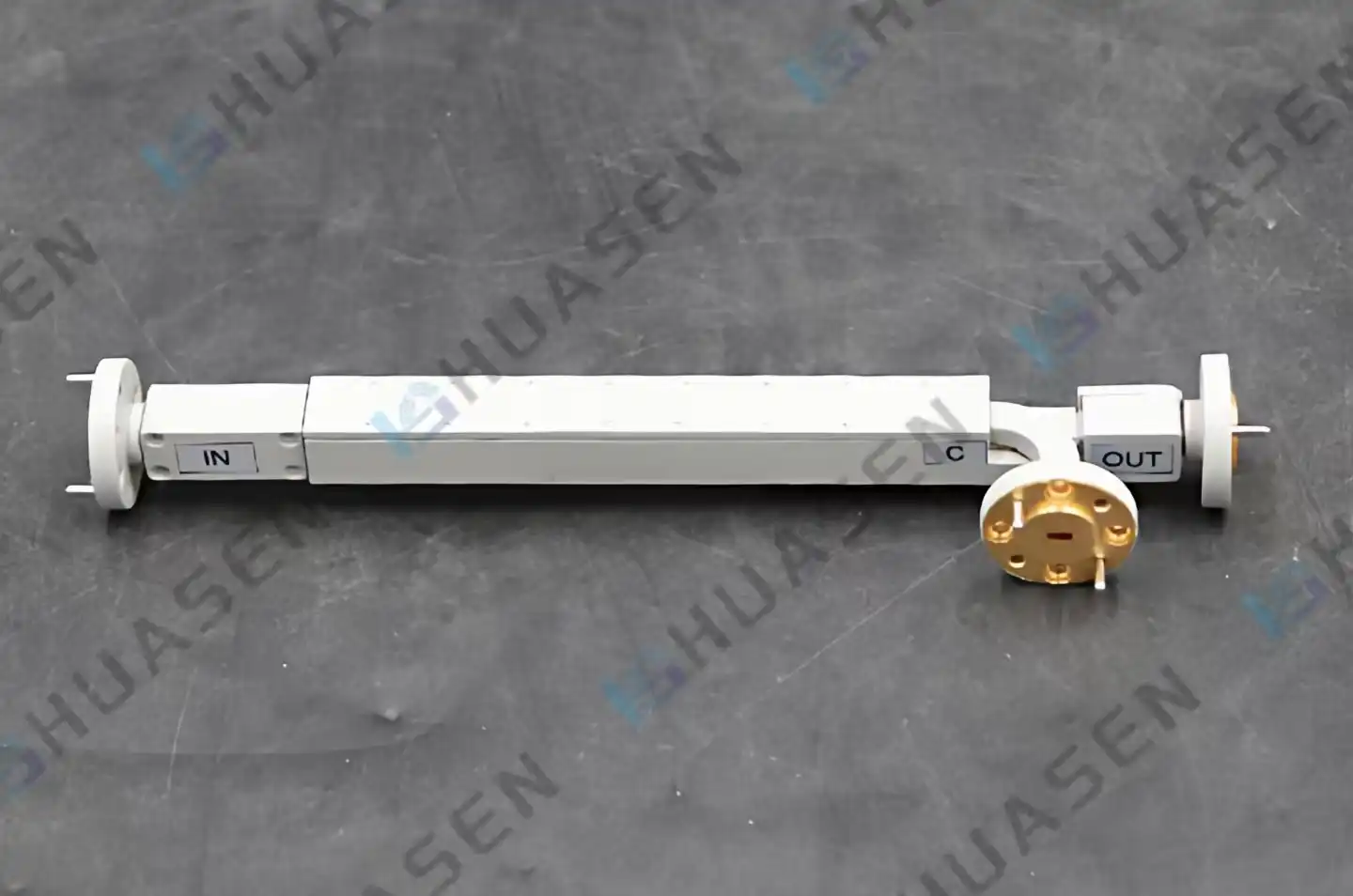
Modern hybrid coupler designs combine multiple coupling mechanisms to optimize performance across wide frequency ranges. Distributed coupling structures provide broad bandwidth characteristics, while lumped element approaches offer compact size for space-constrained applications. Waveguide-based couplers excel in high-power applications, delivering superior power handling and directivity performance. Comparative analysis reveals that multi-section designs achieve directivity improvements of 10-15 dB compared to single-section alternatives. Strip-line implementations provide excellent isolation but require careful shielding design. Microstrip versions offer manufacturing advantages but may exhibit lower directivity at higher frequencies. Selection among these technologies depends on balancing performance requirements against size, cost, and manufacturing constraints.
Software Correction Algorithms and Digital Enhancement
Advanced signal processing techniques correct systematic errors that hardware alone cannot eliminate. Digital correction algorithms compensate for known coupler imperfections by applying inverse transfer functions during measurement processing. These algorithms account for frequency-dependent coupling variations, residual directivity limitations, and temperature-induced drift patterns. Machine learning approaches analyze historical measurement data to predict and correct for environmental effects on coupler performance. Neural network implementations have demonstrated error reduction capabilities exceeding 3:1 compared to conventional correction methods. Real-time processing enables immediate correction of measurement data, providing enhanced accuracy without sacrificing measurement speed or throughput.
Case Studies and Real-World Applications in High-Power RF Environments
Industry experience demonstrates the practical benefits of improved directivity coupler accuracy across diverse high-power RF applications. These examples illustrate both the challenges encountered and solutions implemented to achieve exceptional measurement performance.
Aerospace Radar System Accuracy Improvements
A major aerospace contractor faced measurement uncertainty issues in their S-band radar calibration system that threatened compliance with strict military specifications. Original equipment utilized standard 20 dB directivity couplers that provided inadequate isolation for precise VSWR measurements on high-power antenna systems. The measurementdirectivity of a directional coupleruncertainties exceeded ±0.3 dB, creating unacceptable margins for mission-critical applications. Implementation of high-directivity waveguide couplers with 45 dB isolation reduced measurement uncertainty to ±0.05 dB. Temperature-compensated designs maintained accuracy across the -40°C to +85°C operational temperature range. Automated calibration systems eliminated human error while providing traceable measurement records for compliance documentation. The improved accuracy enabled the detection of subtle antenna defects that previous systems missed, enhancing overall radar reliability.
5G Base Station Calibration Challenges and Solutions
Telecommunications infrastructure demands precise power measurements for efficient 5G network operation. A major network operator struggled with directional coupler accuracy in their base station monitoring systems, where measurement errors caused unnecessary power adjustments that reduced network efficiency. Standard couplers suffered from thermal drift in outdoor installations, creating measurement variations that triggered false alarms in network management systems. Custom directivity couplers designed for outdoor environments incorporated enhanced thermal compensation and weatherproof packaging. Advanced materials maintained stable performance despite daily temperature cycling and seasonal variations. Integrated monitoring systems provided real-time accuracy verification through built-in reference standards. These improvements reduced measurement uncertainty by 4:1 while eliminating temperature-related false alarms that previously required costly maintenance dispatches.
Defense Communication System Requirements
Military communication systems require exceptional reliability under extreme environmental conditions. A defense contractor developing secure communication equipment needed directivity couplers capable of maintaining accuracy during high-power operation in harsh field conditions. Standard commercial components failed to meet stringent military specifications for accuracy retention under shock, vibration, and temperature stress. Rugged coupler designs incorporated military-grade materials and construction techniques that maintained performance specifications under MIL-STD environmental testing. Enhanced shielding prevented electromagnetic interference that could compromise measurement accuracy. Modular designs enabled field replacement without requiring complete system recalibration. The resulting systems achieved measurement accuracy improvements of 6:1 compared to previous designs while meeting all military environmental requirements.
Strategic Recommendations for Procurement and Implementation
Successful directivity coupler implementation requires careful planning that addresses technical requirements, supplier capabilities, and long-term support considerations. These recommendations provide guidance for procurement professionals and system engineers.
Performance Specification Development
The first step in making detailed performance specifications is to carefully look at the measurement needs and the surroundings. Specifications for accuracy must take into account both planned and unplanned sources of error, along with actual tolerances for component flaws and the effects of time. Power handling specs need to pay close attention to both peak power and continuous wave requirements. Frequency range requirements should include all operational frequencies plus enough guard bands for filter roll-off and harmonic issues. For pulse applications, it's important to pay attention to the difference between average and peak power rates. For broadband applications, it may be necessary to derate to account for multiple signals running at the same time. The environmental requirements need to take into account the real-life working conditions, such as temperature changes, humidity levels, and mechanical stress factors.
Supplier Evaluation and Partnership Strategies
Supplier selection is more than just looking at the specs of the product. It also looks at the supplier's technical support and the possibility of a long-term relationship. Expertise in design, the ability to make changes, quality processes, and the reliability of delivery should all be used as criteria for evaluation. For specialised applications that need custom solutions or optimisations made just for them, technical support skills become more and more important. For demanding applications, partnership approaches that combine standard products with custom engineering services often provide the best solutions. Suppliers can learn about specific needs through collaborative development programs, and customers can get access to new technologies and production skills. Long-term deals make sure that the product is always available and save money for large orders.
Maintenance Planning and Future-Proofing Strategies
Planning thorough repair ahead of time keeps measurementdirectivity couplers accurate over time and increases the life of the equipment. Schedules for preventive maintenance should cover both the mechanical and electrical parts of coupler systems. For example, the environmental seal should be inspected, the connectors should be cleaned, and the calibration should be checked. Spare parts management makes sure that repairs can be done quickly and that parts don't become obsolete. Future-proofing methods plan for changing needs for higher frequencies, more power, and better accuracy. Upgrades can be made to modular system designs without having to replace the whole thing, and standardised interfaces make sure that new parts will work with existing ones. Aligning the technology roadmap with suppliers helps find new features that could be useful in future uses, and it also keeps money from being spent on technologies that are getting close to being obsolete.
Conclusion
In high-power RF environments, getting better directivity coupler accuracy requires careful planning of which parts to use, how to place them, and how to keep them in good shape. Uncertainties in measurements below 0.1 dB are made possible by designs that take temperature into account, match impedances correctly, and follow regular calibration routines. New methods, like hybrid coupling technologies and software correction algorithms, make performance even better. There are real-world examples of benefits in aerospace, telecommunications, and defence uses, such as less system downtime and better product quality. Long-term success is guaranteed in tough RF measurement tasks by using strategic purchasing methods that focus on partnerships with suppliers and skills that can be used in the future.
FAQ
1. What directivity specification should I target for high-accuracy measurements?
Directivity specifications above 40 dB provide excellent isolation for most precision applications, while ultra-high accuracy requirements may demand directivity exceeding 50 dB. The optimal specification depends on your specific measurement uncertainty requirements and load reflection characteristics. Higher directivity values significantly reduce measurement errors caused by imperfect load matching.
2. How does temperature affect directivity coupler accuracy in outdoor installations?
Temperature variations alter dielectric properties and mechanical dimensions within the coupler, potentially causing measurement errors up to 0.5 dB across wide temperature ranges. Temperature-compensated designs and active thermal control systems maintain stable performance despite environmental variations. Proper thermal management becomes critical for outdoor telecommunications and radar applications.
3. What calibration interval ensures optimal measurement accuracy?
Calibration intervals depend on application criticality and environmental stress factors, typically ranging from monthly for research applications to annually for routine monitoring systems. High-power applications may require more frequent calibration due to thermal stress effects. Automated calibration systems enable more frequent verification without increasing labor costs.
Ready to Enhance Your RF System Accuracy with Premium Directivity Couplers?
Huasen Microwave Technology delivers precision-engineered directivity couplers designed directivity couplersspecifically for demanding high-power RF applications. With over 30 years of specialized experience in microwave component development, our engineering team provides customized solutions that achieve exceptional measurement accuracy across challenging environmental conditions. Our comprehensive product line encompasses both coaxial and waveguide directivity couplers featuring superior directivity performance, robust construction, and extensive customization capabilities. Contact our technical specialists at sales@huasenmicrowave.com to discuss your specific requirements and discover how our proven directivity coupler solutions can optimize your system performance while reducing the total cost of ownership for your organization.
References
1. IEEE Standard 287-2007, "IEEE Standard for Precision Coaxial Connectors at RF, Microwave, and Millimeter-wave Frequencies," Institute of Electrical and Electronics Engineers, 2007.
2. Rytting, Douglas K., "An Analysis of Vector Measurement Accuracy Enhancement Techniques," Hewlett-Packard Application Note 1287-3, 1995.、3
3. Engen, Glenn F., "Microwave Circuit Theory and Analysis," Academic Press Microwave Engineering Series, 1992.
4. Beatty, Robert W., "Insertion Loss Concepts," Proceedings of the IEEE, Volume 52, Issue 6, June 1964.
5. Military Standard MIL-C-39012, "Couplers, Transmission Line, Radio Frequency, General Specification For," Department of Defense, 2018.
6. Lance, Arthur L., "Introduction to Microwave Theory and Measurements," McGraw-Hill Engineering Reference Series, 2nd Edition, 2007.
Send Inquiry