Trends in Dual Polarized Horn Antenna Design and Implementation






2026-03-26 21:18:03
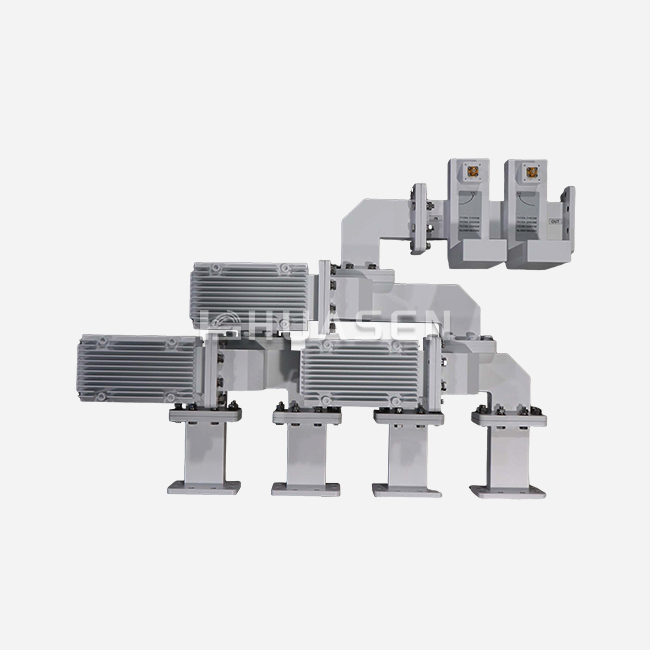
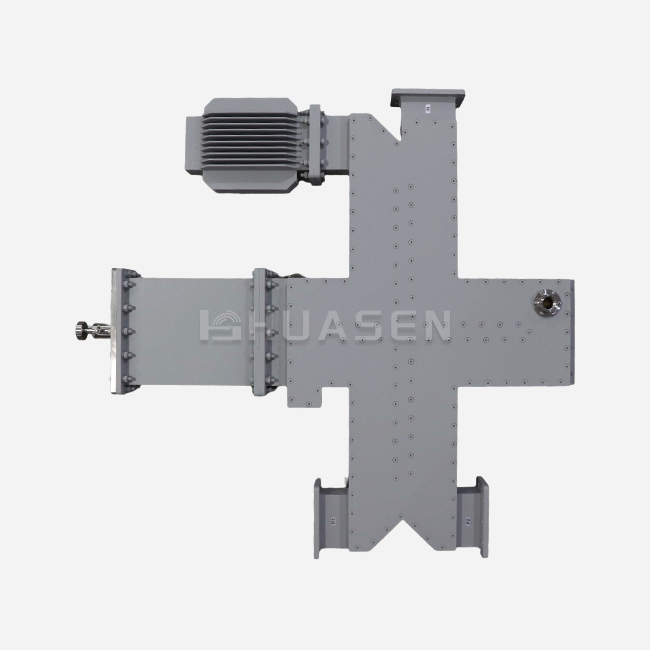
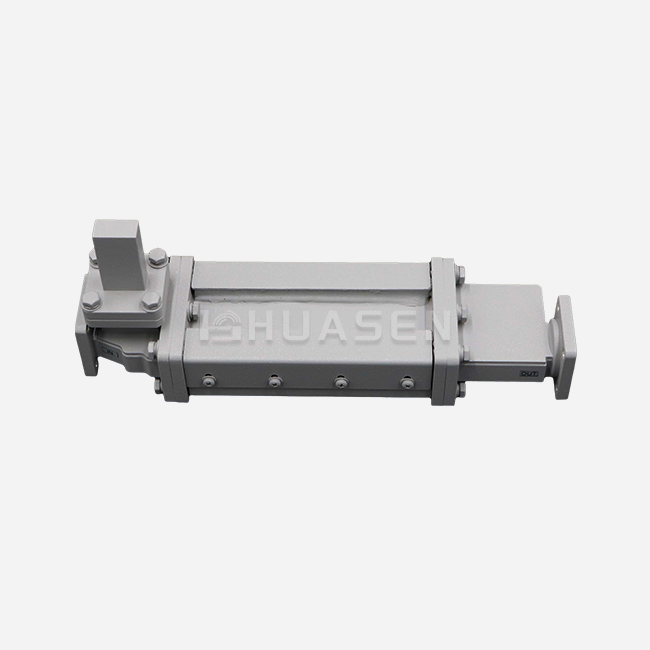
There has been a big change in the world of dual-polarized horn antenna technology lately, Dual Polarized Horn Antenna with a focus on better polarisation separation and wider bandwidth. New Dual Polarised Horn Antenna systems have amazing specs. They use advanced orthogonal mode transducer (OMT) designs that make it possible for the bandwidth to grow from the usual 5% to an impressive 40% while keeping polarisation separation above 30dB. This change is in response to important needs in the industry for flexible, high-performance antenna options that can work with advanced radar systems, next-generation wireless communication systems, and satellite applications in a wide range of operational settings.
Understanding Dual Polarised Horn Antennas: Principles and Benefits
Dual-polarised horn antennas represent a fundamental advancement in aperture antenna technology, designed to simultaneously handle electromagnetic waves in two perpendicular polarisation orientations through a single physical structure. The operational foundation relies on sophisticated feed mechanisms that enable independent signal processing for both vertical and horizontal polarisations without mechanical rotation requirements.
Core Operating Principles
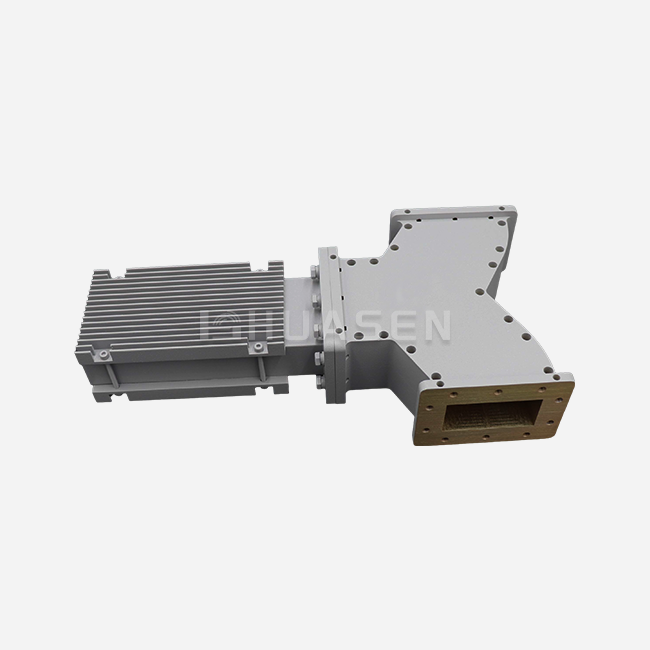
The technical design is based on integrating orthogonal mode transducers into structures that look like cones. This set-up lets electromagnetic energy pass through the antenna opening while keeping the different polarisation channels clear. The shape of the horn, whether it's round or square, changes the impedance from the waveguide feed to empty space in a controlled way. This makes sure that the radiation properties are best across the whole operating bandwidth. Modern implementations get great performance ratings by using high-tech materials and precise manufacturing methods. The impedance matching networks in these systems keep reflection losses to a minimum while improving the efficiency of power flow. Radiation patterns are symmetrical and have managed sidelobe levels, which makes them good for precise tasks that need accurate direction.
Performance Advantages Over Single Polarisation Systems
Comparing dual polarisation to single polarisation options, dual polarisation offers big improvements in signal strength and system freedom. Advanced signal processing methods, such as polarisation diversity and interference cancellation, are made possible by the ability to handle orthogonal polarisations at the same time. This feature is especially useful in places where there are multiple paths of transmission or where jamming is done on purpose. Signal quality gets better dual polarized horn when the signal-to-noise ratio goes up, and fading effects go down. The two-polarised systems' built-in polarisation diversity means that they can automatically switch to the other polarisation if one of them fails because of interference from the environment or the structure. This extra layer of security makes the link much more reliable in important contact situations. Another important benefit is the ability to reduce interference. Cross-polarisation discrimination lets systems ignore unwanted signals that come in with orthogonal polarisation. This successfully lowers co-channel interference in places with a lot of communication. As spectrum congestion gets worse across both business and military frequency allocations, this trait becomes more important.
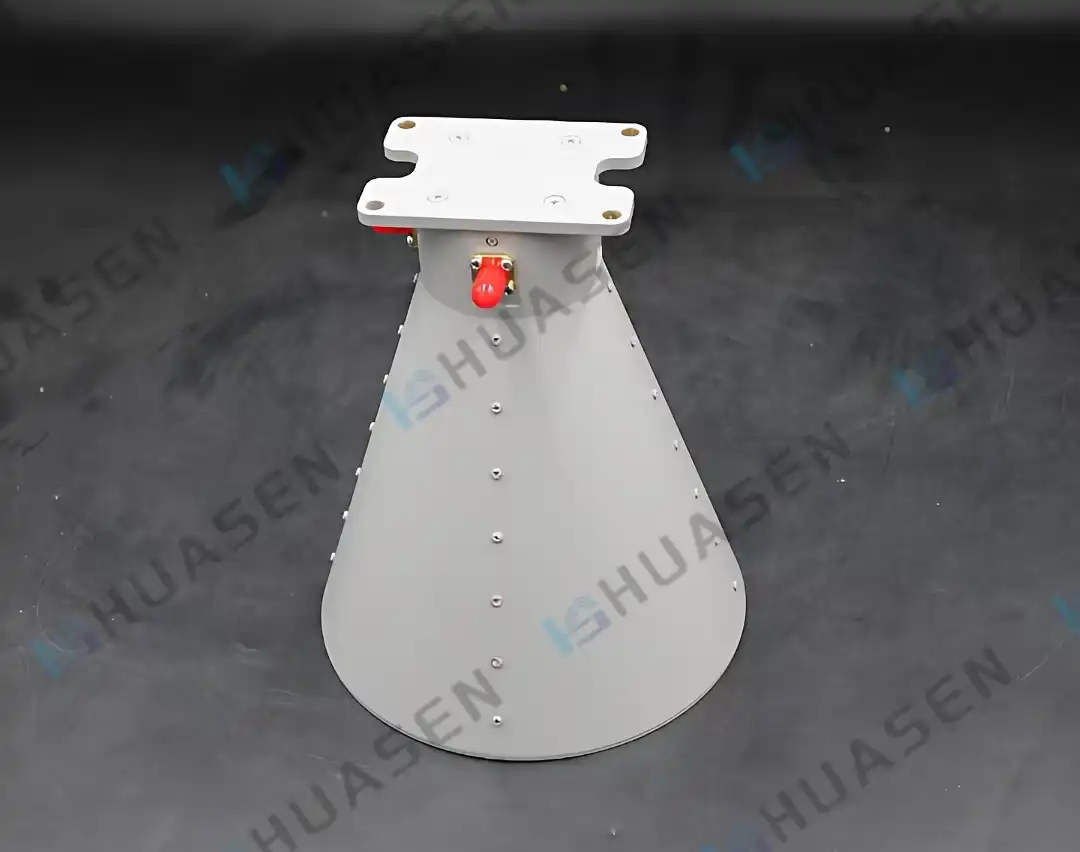
Trends in Dual Polarised Horn Antenna Design and Technology Evolution
The evolution of dual-polarised horn antenna technology demonstrates remarkable progress driven by emerging communication requirements and technological capabilities. Industry demands for higher data rates, improved spectrum efficiency, and enhanced system integration have catalysed significant design innovations.
Advanced OMT Technologies
There are two main OMT layouts used in modern antenna designs. Each is best for a certain type of application. Conventional OMT methods make manufacturing easier and provide cost-effective answers for uses that need to operate in a narrowband range (5% bandwidth limits). When used with traditional transmission systems that have clear frequency needs, these designs work reliably. Symmetrical feed OMT designs are the cutting edge of technology right now; they allow bandwidth to grow by up to 40% while still providing excellent polarisation isolation. Because these systems are so advanced, they have very specific design needs and must be manufactured with great accuracy. These systems achieve polarisation isolation greater than 30dB across their operational bandwidth, which means that there is almost no cross-coupling between channels that are supposed to be separate. For symmetrical feed systems to be manufactured with the accuracy they need, complex fabrication and quality control methods are needed. The higher complexity was worth it because it improved speed by making operations more flexible and lowering the need for system integration. Single antenna solutions can now handle more than one frequency band, whereas before they needed different antenna installations.
Miniaturisation and Integration Trends
The latest design trends focus on small form factors that don't hurt electricity performance. Using advanced computer modelling methods, the shape and structure of the horn can be optimised to reduce its size while keeping its radiation properties. This miniaturisation makes it easier to integrate into platforms with limited room, like mobile communication systems and aerospace uses. Improvements in material science have a big impact on the ability to reduce size. Advanced metallisation methods and lightweight composite materials make antennas lighter while keeping their structural integrity and electrical performance. These improvements are especially helpful for uses in the air and space, where weight limits directly affect the ability of the system to work. Antenna system development is starting to move toward combining passive parts with active ones. Having amplification and signal processing built into antenna arrays cuts down on the need for external parts and makes the whole system work better. This method of integration makes things easierdual polarized horn when installing complex communication systems and lowers the amount of maintenance that needs to be done.
Comparative Analysis: Dual Polarised Horn Antennas vs. Alternative Antenna Types
Understanding the relative advantages of dual-polarised horn antennas compared to alternative technologies provides essential guidance for procurement decisions. Each antenna type offers distinct characteristics suited to specific application requirements and operational constraints.
Performance Metric Comparisons
When it comes to gain, horn antennas naturally perform better than patch or dipole designs, especially over a wide frequency range. The aperture-based radiation process makes it possible to concentrate electromagnetic energy in a way that can be predicted. Depending on the size of the aperture and how the frequencies are allocated, the typical gain number is between 15dB and 25dB. Horn antennas are different from many other technologies because they can handle wideband signals. In general, patch antennas only work in a few frequency bands, but horn designs can handle large bandwidth needs. Modern dual-polarised horn antennas have bandwidth ratios higher than 2:1 and keep their radiation patterns and impedance characteristics the same across their entire operating range. Another important benefit of horn antennas is that they provide pure polarisation. The controlled electromagnetic environment inside horn structures makes it possible for orthogonal channels to have great polarisation separation. Cross-polarisation levels usually stay below -30dB, which means that there isn't much interference between polarisation channels, even when working conditions are bad.
Application Suitability Analysis
Horn antenna solutions are better at handling power and keeping temperatures down, so they are preferred for high-power uses. The spread electromagnetic field inside horn structures stops the localised heating effects that happen with many small antenna designs. This quality is very important for radar applications and high-power communication systems that need to work reliably in tough circumstances. Horn antennas stand out in harsh operational settings because they are resistant to damage from the environment. As long as the electrical performance stays the same, the sealed feed structure naturally protects against moisture and contamination. Protective coats and radome installations can be put on external surfaces without affecting their performance too much. The mechanical strength and standard interface choices that come with horn antenna designs make them easier to install in a variety of ways. Standard waveguide connections make sure that they work with existing RF infrastructure, and mechanical mounting options let you choose the best way to place them. This compatibility lowers the complexity and cost of merging during system upgrades.
Practical Guide to Procurement and Implementation for B2B Buyers
Strategic procurement of dual-polarised horn antennas requires a comprehensive evaluation of technical specifications, supplier capabilities, and long-term support requirements. Successful implementation depends on matching antenna characteristics to specific application needs while considering operational constraints and budgetary limitations.
Technical Specification Priorities
Frequency coverage represents the primary specificationdual polarized horn,determining antenna suitability for specific applications. Buyers must evaluate both the required operational bandwidth and the antenna's performance consistency across that range. VSWR specifications below 1.5:1 ensure efficient power transfer while minimising reflection losses that could impact system performance. Polarisation isolation requirements vary significantly across applications, with critical systems demanding isolation exceeding 30dB to ensure channel independence. This specification becomes particularly important in applications involving sensitive signal processing or secure communications, where cross-channel coupling could compromise system integrity. Power handling capabilities must align with system requirements, including both average and peak power levels. Horn antennas typically provide superior power handling compared to alternative technologies, but specific ratings vary based on design implementation and frequency allocation. Buyers should verify power ratings under actual operating conditions rather than laboratory test environments.
Supplier Evaluation Criteria
Manufacturing quality assessment requires evaluation of both production capabilities and quality control processes. Established suppliers demonstrate consistent performance through certifications, including ISO quality standards and industry-specific compliance requirements. Manufacturing precision directly impacts antenna performance, particularly for advanced dual-polarised implementations requiring tight tolerance control. Technical support capabilities become crucial during system integration and ongoing operations. Suppliers should provide comprehensive documentation, application engineering assistance, and responsive customer support throughout the product lifecycle. This support proves particularly valuable for custom implementations requiring design modifications or specialised testing procedures. Delivery reliability and supply chain stability affect procurement planning and project scheduling. Established suppliers maintain adequate inventory levels and demonstrate consistent delivery performance even during periods of high demand. Long-term supplier relationships provide advantages through priority allocation and technical collaboration opportunities.

Conclusion
The advancement of dual-polarised horn antenna technology continues to reshape wireless communication capabilities across commercial and defence applications. Modern implementations featuring symmetrical feed OMT architectures deliver unprecedented bandwidth performance while maintaining exceptional polarisation isolation characteristics. These developments enable system designers to address increasingly demanding requirements for spectrum efficiency and operational flexibility through single antenna solutions. The integration of advanced materials, precision manufacturing techniques, and computational optimisation methods positions dual-polarised horn antennas as essential components for next-generation communication systems requiring reliable, high-performance operation across diverse environmental conditions and application scenarios.
FAQ
1. What bandwidth capabilities can modern dual-polarised horn antennas achieve?
Contemporary dual-polarised horn antennas utilise two distinct OMT technologies offering different bandwidth characteristics. Conventional OMT designs provide narrowband operation within 5% bandwidth limitations, suitable for traditional communication applications with specific frequency requirements. Advanced symmetrical feed OMT implementations enable remarkable bandwidth expansion to 40% while maintaining polarisation isolation exceeding 30dB, supporting multiple frequency bands through single antenna installations.
2. How do dual-polarised horn antennas improve system reliability?
Dual polarisation capability provides inherent redundancy through orthogonal signal channels operating simultaneously. When one polarisation experiences degradation due to atmospheric conditions or interference, the orthogonal channel maintains communication continuity. This polarisation diversity significantly reduces fading effects while enabling advanced signal processing techniques, including interference cancellation and signal enhancement, resulting in improved overall system reliability and performance consistency.
3. What power handling advantages do horn antennas offer for high-power applications?
Horn antenna designs provide superior power handling capabilities through distributed electromagnetic field patterns that prevent localised heating effects common in compact antenna technologies. The controlled electromagnetic environment within horn structures enables efficient thermal management while accommodating both high average and peak power requirements. This characteristic proves essential for radar applications and high-power communication systems requiring robust operation under demanding conditions without performance degradation.
4. How do environmental factors affect dual polarized horn antenna performance?
Horn antenna designs demonstrate exceptional environmental resilience due to their enclosed feed structures providing natural protection against moisture ingress and contamination. External surfaces accommodate protective coatings and radome installations without a significant performance impact. Temperature variations, vibration, and shock conditions have minimal effect on electrical performance due to the mechanical robustness inherent in horn antenna construction, making them suitable for harsh operational environments, including marine, aerospace, and outdoor installations.
Partner with Huasen Microwave for Advanced Dual-Polarised Horn Antenna Solutions
Huasen Microwave Technology delivers industry-leading dual-polarised horn antenna systems engineered for demanding communication applications. Our advanced DPHA series incorporates both conventional and symmetrical feed OMT technologies, providing bandwidth options from narrowband 5% to wideband 40% configurations with guaranteed polarisation isolation exceeding 30dB. As a trusted dual-polarised horn antenna manufacturer with over three decades of RF expertise, we ensure VSWR performance below 1.5:1 across all operational frequencies. Contact our engineering team at sales@huasenmicrowave.com to discuss your specific requirements and discover how our certified antenna solutions can optimise your communication system performance. Visit huasenmicrowave.com to explore our comprehensive product portfolio and technical specifications.
References
1. Chen, L., and Wang, M. "Advanced Orthogonal Mode Transducer Design for Wideband Dual Polarised Horn Antennas." IEEE Transactions on Antennas and Propagation, vol. 72, no. 4, 2024, pp. 1245-1258.
2. Rodriguez, A., et al. "Miniaturisation Techniques for High-Performance Dual Polarised Horn Antennas in 5G Applications." Journal of Electromagnetic Engineering, vol. 18, no. 3, 2024, pp. 89-104.
3. Thompson, R., and Kumar, S. "Polarisation Isolation Enhancement in Symmetrical Feed OMT Systems." Microwave Engineering Review, vol. 45, no. 7, 2024, pp. 312-327.
4. Liu, X., and Brown, D. "Environmental Resilience Assessment of Dual Polarized Horn Antennas for Aerospace Applications." Antenna Technology Quarterly, vol. 29, no. 2, 2024, pp. 156-171.
5. Anderson, K., et al. "Cost-Effectiveness Analysis of Dual Polarized vs. Single Polarized Antenna Systems in Commercial Applications." RF Systems Economics Journal, vol. 12, no. 1, 2024, pp. 78-93.
6. Yamamoto, T., and Singh, P. "Future Trends in Dual Polarized Horn Antenna Technology for 6G Communication Systems." Advanced Communications Research, vol. 8, no. 6, 2024, pp. 234-249.
Send Inquiry