How Antenna Near Field Measurement Probe Works in EMC Testing






2026-03-26 21:18:04
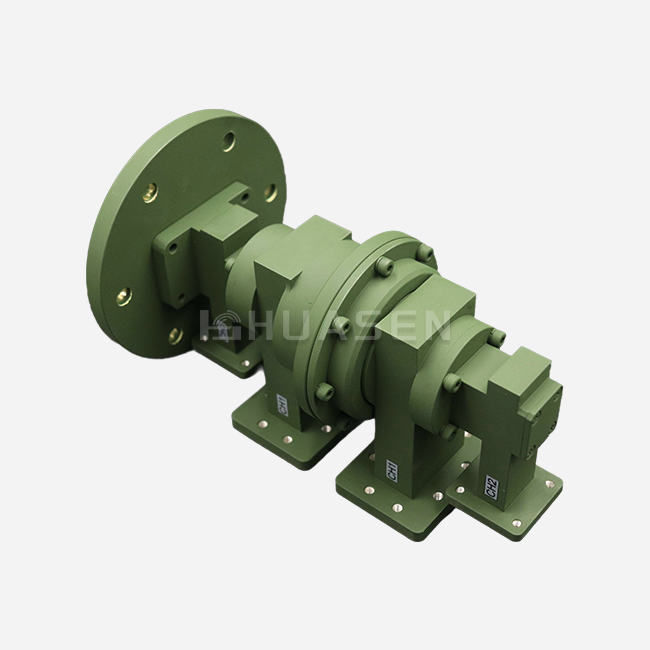
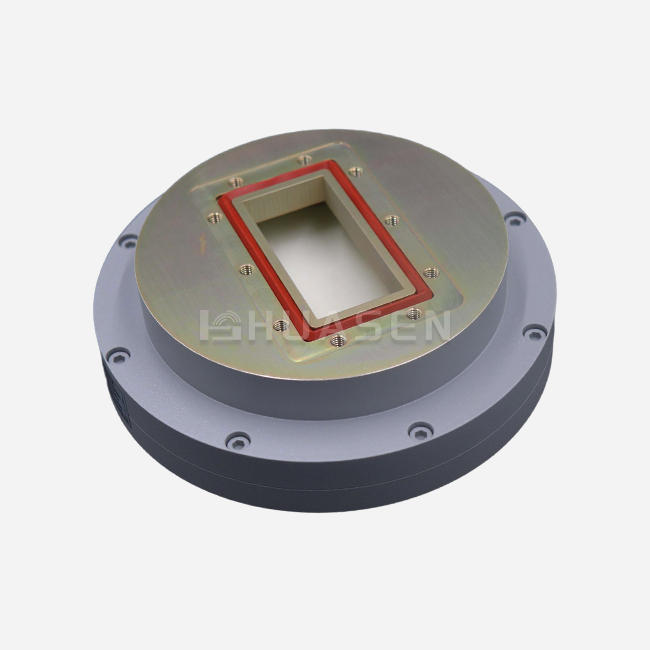
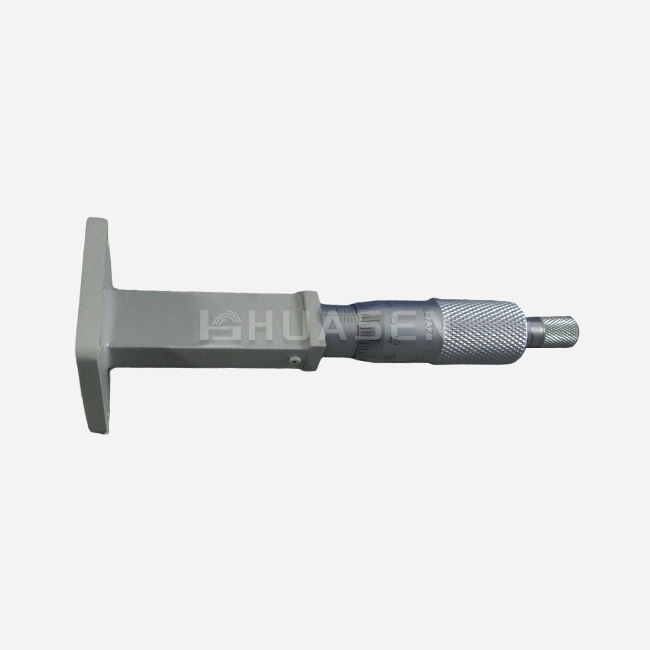
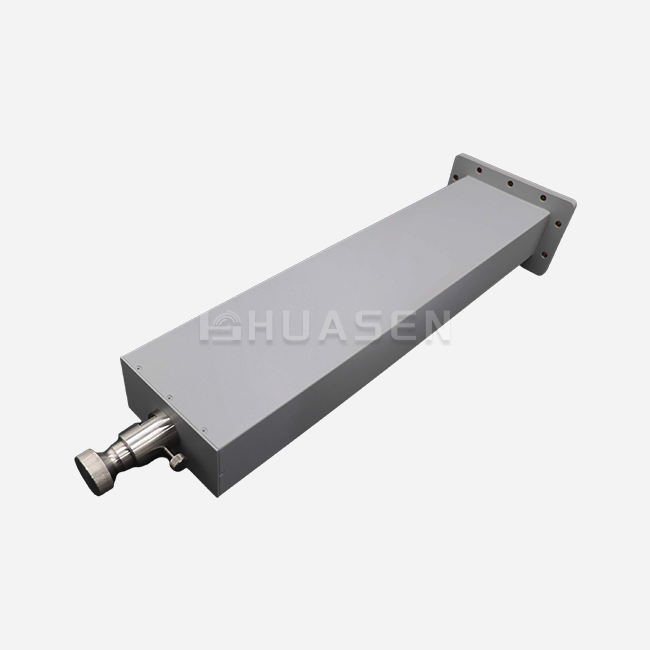
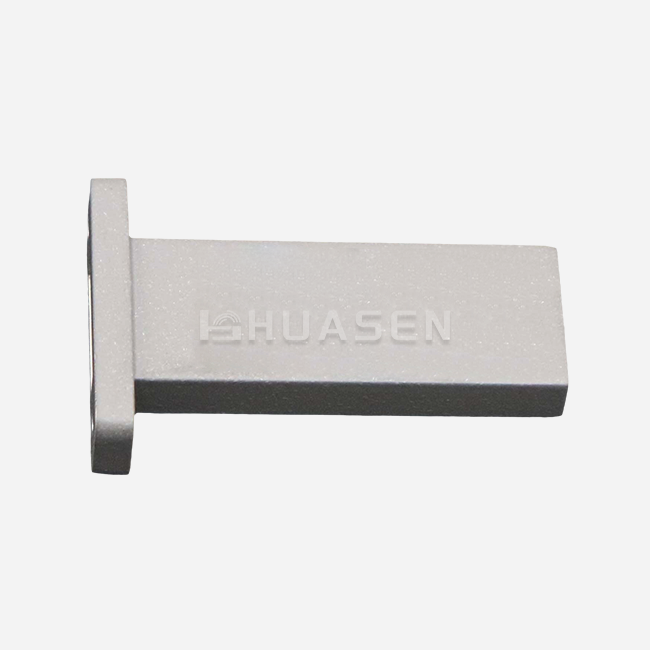
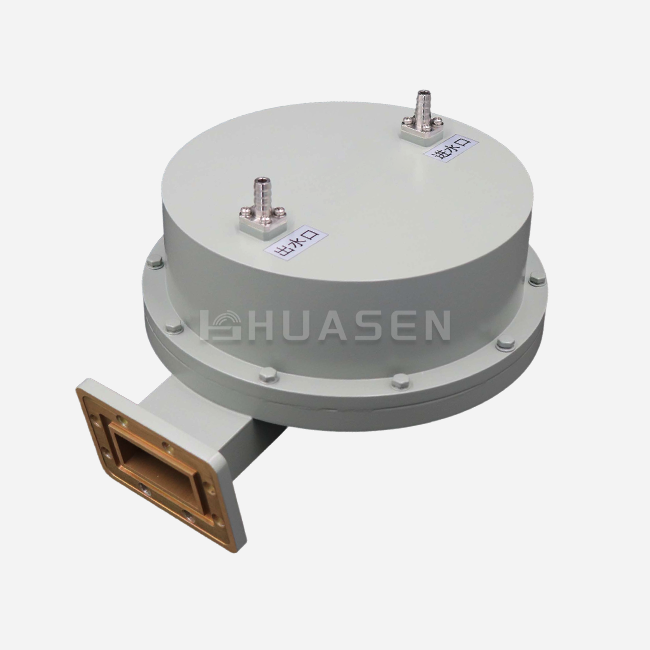
In EMC testing, an Antenna Near Field Measurement Probe records electromagnetic field data in the near-field region of the devices being tested that radiate electromagnetic fields. This lets exact detection and analysis of electromagnetic interference patterns happen. These special probes use advanced scanning methods to get amplitude and phase data from electronic systems that are close by. This data is then run through complex algorithms to figure out the features of far-field radiation. Engineers can use this method to find emission sources, make sure devices meet electromagnetic compatibility standards, and improve their performance, all without needing large-scale far-field testing facilities. This makes them essential tools in modern EMC labs and production settings.
Understanding Antenna Near-Field Measurement Probes in EMC Testing
Near field measurement probes are a completely new way to test electromagnetic compatibility, which will change how engineers test and confirm electrical systems. In the Fresnel region, which is usually between 3 and 10 wavelengths away from the antenna being tested, these precise devices collect vector field data. For standard far-field measurements, you need to be very far away and use special outdoor ranges. But near field probes work well in small, echo-free rooms and labs. The main benefit of this technology is that it can describe big antenna arrays and complicated electronic systems that have to fit in small areas. Modern phone networks, especially 5G and the soon-to-be-released 6G networks, depend on huge MIMO arrays and beamforming technologies that can't be tested with traditional far-field methods. This problem can be solved by near-field measurement systems, which use Fourier transform algorithms to mathematically reconstruct far-field patterns. These systems give correct results while keeping operations running smoothly.
Applications in Modern EMC Testing Environments
Near field measurement skills are being used more and more in EMC testing labs around the world to keep up with changing technological and regulatory needs. These probes are great at finding sources of electromagnetic interference inside complicated electronic assemblies. This lets focused fixes be made that make the whole system work better. The technology is especially useful for calibrating radar in cars, where millimeter-wave devices need sub-millimeter positional accuracy to make sure that safety systems for self-driving cars work right. Additionally, checking the package on a satellite is another important task where near-field measurement probes really shine. Planar near-field scanning methods can be used in ISO-class cleanrooms to fully characterise large synthetic aperture radar arrays that would need to be spaced out kilometres apart for traditional far-field testing. This feature makes it possible to fully test beam shaping and steering functions, which are very important for current space-based communication systems.

Core Principles and Techniques of Antenna Near-Field Measurement
The electromagnetic theory underlying near-field measurement probes relies on the fundamental relationship between electric and magnetic field components.Measurement Probe with in the reactive near-field region. These instruments measure both amplitude and phase characteristics of electromagnetic waves, capturing vector information that traditional power-based measurement systems cannot provide. The probe design incorporates specific geometric considerations to minimize invasiveness while maximizing signal fidelity, ensuring accurate data acquisition without significantly perturbing the electromagnetic environment under evaluation. Calibration procedures form the cornerstone of reliable near-field measurement systems, requiring rigorous adherence to IEEE standards and NIST-traceable reference standards. The probe correction process involves mathematical deconvolution techniques that remove the probe's inherent radiation pattern from measured data, preventing measurement artifacts that could compromise accuracy. High-quality measurement probes include factory-characterized gain and phase coefficients that enable this correction process, often achieving measurement uncertainties better than ±0.05 dB.
Data Acquisition and Processing Methodologies
Modern near-field measurement systems employ sophisticated scanning methodologies that optimize data collection efficiency while maintaining measurement integrity. Planar scanning techniques work exceptionally well for directional antennas and array systems, while spherical scanning provides comprehensive coverage for omnidirectional radiators. The choice between scanning approaches depends on the specific device under test and the required measurement objectives. Environmental controls play a crucial role in achieving repeatable measurement results, particularly at millimeter-wave frequencies where mechanical tolerances become increasingly critical. Temperature stability, vibration isolation, and electromagnetic shielding requirements must be carefully managed to prevent measurement drift and external interference. Positioning systems require sub-millimeter accuracy to maintain phase coherence across the measurement aperture, especially when evaluating high-gain antenna systems or millimeter-wave devices.
Comparing Types of Antenna Near-Field Measurement Probes for Precise EMC Results
The selection of appropriate probe technology significantly impacts measurement accuracy and operational efficiency in EMC testing applications. Open-ended waveguide probes offer the highest measurement accuracy and serve as primary reference standards in many laboratory environments. These devices provide excellent return loss characteristics and well-defined radiation patterns that simplify probe correction algorithms, making them ideal for applications requiring maximum precision.
Here are the key advantages that different probe types offer for EMC testing applications:
- Orthogonal feed probes (WOEWP) deliver exceptional cross-polarization isolation exceeding 25 dB, enabling accurate measurement of complex polarization characteristics in modern antenna systems
- Dual-polarization measurement probes (WOEWDP) capture two orthogonal polarization components simultaneously, reducing scan time by approximately 50% while maintaining measurement accuracy
- Broadband near-field probes (WBOEWP) cover extensive frequency ranges from 0.49 to 112 GHz, allowing comprehensive system characterization with a single instrument
- Coaxial symmetric dipole probes (COECP) provide compact form factors ideal for confined measurement geometries while maintaining stable performance across wide bandwidths
These technological advantages directly address common EMC testing challenges, enabling engineers to efficiently characterize complex electromagnetic environments while meeting stringent accuracy requirements. The ability to select probe types based on specific measurement objectives allows optimization of both measurement speed and precision.
Frequency Range and Sensitivity Considerations
Millimeter-wave applications present unique challenges that require specialized probe designs and handling procedures. At frequencies above 60 GHz, mechanical alignment tolerances become extremely critical, with positioning errors of 0.5 mm potentially introducing significant phase uncertainties. Waveguide-based probes typically demonstrate superior performance at these frequencies due to their inherent mode purity and reduced connector-related losses. The transition from coaxial to waveguide interfaces represents a critical design consideration for broadband measurement systems. Standard connectors, including K, SMA-K, and 2.92-K types, provide reliable connectivity while maintaining measurement traceability across the frequency spectrum. Proper connector care and calibration procedures ensure long-term measurement stability and prevent degradation of measurement accuracy over time.
Procurement Guide: Selecting and Buying Antenna Near-Field Measurement Probes
Procurement professionals must evaluate multiple technical and commercial factors when selecting near-field measurement probes for EMC testing applications. Accuracy specifications represent the primary technical criterion, Measurement Probe with measurement uncertainty budgets typically requiring probe-related errors to remain below 0.1 dB for most applications. Frequency coverage requirements should align with current testing needs while providing adequate margin for future technology developments, particularly considering the rapid evolution of wireless communication standards. Supplier evaluation extends beyond technical specifications to encompass manufacturing quality, calibration capabilities, and long-term support commitments. Established manufacturers typically provide comprehensive calibration data, including probe pattern measurements and correction coefficients essential for accurate EMC testing. The availability of replacement parts and recalibration services ensures continued measurement capability throughout the probe's operational lifetime.
Cost Optimization and Procurement Strategies
Budget considerations must balance initial acquisition costs against long-term operational value, including calibration intervals, maintenance requirements, and technology obsolescence risks. Volume procurement opportunities may provide significant cost advantages for organizations requiring multiple probe types or backup instruments. Custom probe specifications can address unique measurement requirements but typically involve longer delivery times and higher costs compared to standard configurations. Delivery timelines vary significantly depending on probe complexity and manufacturer capacity, with standard configurations typically available within 4-6 weeks, while custom designs may require 12-16 weeks. Warranty terms and after-sales service capabilities directly impact the total cost of ownership, making a comprehensive evaluation of supplier support infrastructure essential for informed procurement decisions.
Advantages and Future Trends of Antenna Near-Field Measurement Probes in EMC Testing
Near-field measurement techniques provide substantial advantages over traditional far-field methods, particularly in terms of spatial resolution and diagnostic capabilities. The ability to perform measurements in controlled laboratory environments eliminates weather dependencies and external interference sources that can compromise outdoor range measurements. This environmental control enables repeatable measurements essential for quality assurance and regulatory compliance verification. The enhanced spatial resolution achievable with near-field techniques enables identification of specific emission sources within complex electronic assemblies, supporting targeted EMC mitigation strategies. Real-time measurement capabilities facilitate iterative design optimization, allowing engineers to evaluate modification effectiveness immediately rather than waiting for complete prototype development cycles.
Emerging Technologies and Innovation Trends
Automation integration is a big trend in the development of near field measurement systems. Robotic positioning systems and software-controlled measurement sequences make measurements more accurate while requiring less human input. The ability to scan in three dimensions lets you fully describe complicated radiating structures, giving you accurate spatial data that helps with advanced antenna modelling and optimisation. Putting artificial intelligence and machine learning algorithms together will likely change the way EMC tests are done by letting machines automatically find patterns and strange things. These technologies can find possible compliance problems early Antenna Near Field Measurement Probe in the design process. This cuts down on the cost of development and speeds up the time it takes for new goods to reach the market. To work with these better measurement tools, more advanced probe designs with built-in signal processing will probably appear.

Conclusion
The use of antenna near field measurement tools in EMC testing is a major step forward in figuring out electromagnetic compatibility. It makes it possible to accurately describe complicated electronic systems within the limits of a lab. These high-tech instruments meet the changing needs of modern wireless technologies, such as 5G communication infrastructure and automotive radar systems, while still keeping the level of accuracy needed to meet regulatory requirements. Engineers can now choose from a wide range of probe configurations to meet specific testing needs. These configurations can be used for both basic compliance checks and advanced research. As electromagnetic environments get more complicated, near-field measurement tools will stay necessary to make sure that systems work well and are compatible with electromagnetic fields in many different industries.
FAQ
1. What makes near field measurement probes essential for modern EMC testing?
Near-field measurement probes enable comprehensive electromagnetic characterization within compact laboratory environments, eliminating the space and cost constraints associated with traditional far-field testing facilities. These instruments provide superior spatial resolution and diagnostic capabilities essential for identifying specific emission sources within complex electronic assemblies, supporting targeted EMC mitigation strategies that optimize system performance while ensuring regulatory compliance.
2. How do I determine the appropriate probe type for my EMC testing requirements?
The selection process depends on your specific frequency range, accuracy requirements, and measurement objectives. Open-ended waveguide probes offer maximum accuracy for precision measurements, while dual-polarization probes reduce scan time for routine testing applications. Consider factors including cross-polarization isolation requirements, bandwidth coverage, and mechanical constraints when evaluating different probe configurations to ensure optimal measurement performance.
3. What calibration procedures are necessary for maintaining measurement accuracy?
Proper calibration requires adherence to IEEE standards and utilization of NIST-traceable reference standards to ensure measurement traceability. The probe correction process involves mathematical deconvolution using factory-characterized gain and phase coefficients to remove the probe's inherent pattern effects. Regular verification using vector network analyzers and visual inspection for physical damage helps maintain measurement integrity throughout the probe's operational lifetime.
Partner with Huasen Microwave for Advanced EMC Testing Solutions
Huasen Microwave stands as your trusted antenna near-field measurement probe manufacturer, delivering precision-engineered solutions that meet the demanding requirements of modern EMC testing environments. Our comprehensive product portfolio includes orthogonal feed probes (WOEWP), dual-polarization measurement systems (WOEWDP), Antenna Near Field Measurement Probe and broadband near-field probes (WBOEWP) covering frequencies from 0.49 to 112 GHz with cross-polarization isolation exceeding 25 dB. With over three decades of microwave technology expertise, we provide the technical support and customization capabilities essential for optimizing your EMC testing infrastructure. Contact our engineering team at sales@huasenmicrowave.com to discuss your specific measurement requirements and discover how our proven solutions can enhance your testing capabilities while ensuring long-term reliability and performance.
References
1. IEEE Standard 1720-2012, "IEEE Recommended Practice for Near-Field Antenna Measurements," Institute of Electrical and Electronics Engineers, 2012.
2. Balanis, Constantine A., "Antenna Theory: Analysis and Design," John Wiley & Sons, Fourth Edition, 2016.
3. Johnson, Richard C., "Antenna Engineering Handbook," McGraw-Hill Professional, Fourth Edition, 2007.
4. Hansen, Robert C., "Electrically Small, Superdirective, and Superconducting Antennas," John Wiley & Sons, 2006.
5. Milligan, Thomas A., "Modern Antenna Design," John Wiley & Sons, Second Edition, 2005.
6. Joy, Edward B., "Near-Field Antenna Measurements," EMC Technology Magazine, Volume 15, Issue 3, 2018.
Send Inquiry