Dual Polarized Horn Antenna Applications in Radar Systems






2026-03-27 21:40:44
The use of dual-polarized horn antennas in radar systems is a key part of modern electromagnetic wave transmission and reception. These high-tech antennas can handle two orthogonal polarization states through a single opening at the same time. This lets radar systems get more information about targets while still being efficient. Being able to handle both horizontal and vertical polarizations greatly improves radar sensitivity, target separation, and environmental adaptability in a wide range of situations, from weather monitoring to military operations.
Understanding Dual Polarized Horn Antennas in Radar Systems
The fundamental architecture of dual-polarized horn antennas centers on their capability to manage electromagnetic waves in two distinct polarization states simultaneously. Unlike conventional single-polarized antennas that require mechanical rotation or multiple units to achieve polarization diversity, these advanced designs integrate sophisticated feed structures that maintain complete isolation between orthogonal channels.
Basic Working Principles and Design Architecture
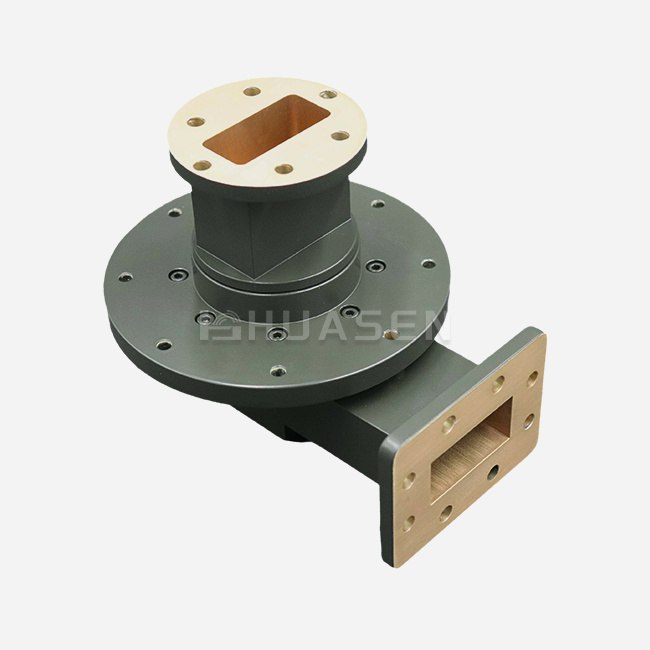
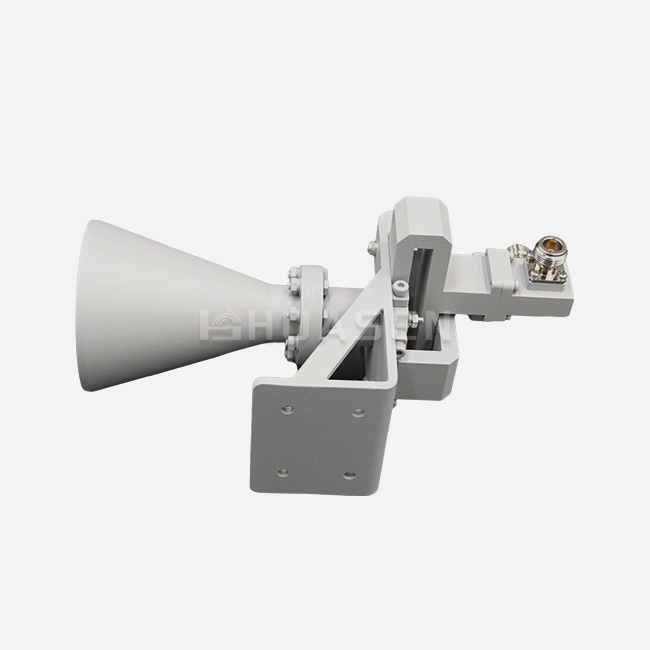
Modern dual-polarized horn antennas use Orthogonal Mode Transducers (OMT) along with either a circular or a square conical horn shape to send and receive linearly polarized waves independently. There are two orthogonal modes inside the waveguide structure. The OMT is the key part that separates and joins them. This way of designing gets rid of the technical complexity that comes with rotating antenna systems while still giving them better performance. These antennas have a very good balance in their radiation pattern across both polarization planes. Depending on the aperture size and frequency band, they can usually achieve gain values between 15 and 25 dBi. Because the beamwidth stays the same across all polarizations, these antennas work reliably across the whole operational spectrum. This makes them perfect for precision radar uses where angular accuracy is very important.
Polarization Types and Performance Metrics
Dual-polarized horn antennas work with two linear polarizations that are 90 degrees from each other. These are usually called vertical and horizontal orientations. A key performance factor is the polarization isolation between these channels. High-quality designs achieve isolation values above 30 dB across the operational bandwidth. Cross-coupling between channels can't happen because of this excellent isolation, which keeps the signal integrity in harsh radar settings. Depending on how the OMT was designed, the frequency response features are very different. Standard OMT configurations make production easier, but their narrowband performance is usually limited to a 5% fractional bandwidth. Newer symmetrical feed OMT designs can handle a lot more bandwidth, up to 40% fractional bandwidth, while still meeting the same high standards for separation. With these broad features, radar systems can work on a number of different frequency bands without having to change their antennas.
Core Applications of Dual Polarized Horn Antennas in Radar Systems
The versatility of dual-polarized horns has established them as essential components across numerous radar applications, each leveraging the unique advantages of simultaneous dual-polarization operation.
Meteorological Radar Systems
Dual-polarized horn antennas are used a lot in weather radar systems to improve their ability to analyze precipitation and characterize storms. Meteorologists can get a very accurate picture of particle form, size distribution, and hydrometeor classification by sending and receiving both horizontal and vertical polarizations at the same time. The polarimetric data is very helpful for telling the difference between rain, snow, hail, and other weather events. When you use dual polarization to measure differential reflectivity, you can learn a lot about how strong storms are and how they form. When large weather service sites switch from single-polarized to dual-polarized antenna systems, the accuracy of the forecasts gets a lot better. The better ability to tell the difference between targets has been especially useful in aviation weather services, where correctly identifying the type of precipitation has a direct effect on choices about flight safety.
Military and Defense Applications
Dual-polarized horn antennas are used in defense radar systems to make it easier to find targets and block electronic countermeasures. These antennas offer a range of polarizations, which makes radar cross-section readings more accurate and lets more advanced target classification algorithms work. Military installations are less vulnerable to polarization-based jamming methods. This is because enemy electronic warfare systems can't easily predict or block both polarization channels at the same time. Dual-polarized antennas are used in air defense radar networks to make it easier to find stealthy airplanes and targets that are hard to see. Automatic target recognition systems work better and have fewer false alarms in crowded areas because polarization analysis gives them more information. Defense companies have said that when dual-polarized antennas are used instead of single-polarized ones, target tracking accuracy improves by a large amount.
Air Traffic Control Systems
Dual-polarized horn antennas are being used more and more in commercial aviation radar systems to improve their ability to find airplanes and avoid bad weather. These antennas let air traffic controllers keep an eye on both the weather and the planes at the same time. This helps them make better choices about changing flight paths and dealing with delays caused by bad weather. Better clutter reduction through polarization processing makes it much easier for planes to see in places where it's raining. Dual-polarized antennas make it easier to tell the difference between targets, which is especially helpful for airport surveillance radar sites that are in difficult environments with a lot of ground clutter or atmospheric interference. The variety of polarization helps tell the difference between weather events and aircraft targets, which makes controllers' jobs easier and improves the general efficiency of air traffic management.
Comparative Analysis for Procurement Decisions
Procurement professionals evaluating antenna options for radar applications must consider multiple performance factors that distinguish dual-polarized horn antennas from alternative technologies.
Performance Comparison with Single Polarized Antennas
When it comes to information content and operational freedom, dual-polarized horn antennas are much better than single-polarized designs. To get polarization diversity with a single-polarized antenna, it needs to be mechanically rotated or installed in various places. With a dual-polarized unit, you can get the same result with just one aperture. This merging makes the system easier to set up, less complicated to maintain, and smaller overall. When a full target study is needed, the cost-benefit analysis strongly suggests using dual-polarized antennas. Initial purchase prices are usually 40–60% higher than single-polarized options, but operational savings and better capabilities make the investment worth it for most professional radar installations. Getting rid of the mechanical rotation mechanisms makes the system much more reliable and lowers the costs of long-term upkeep.
Integration with Emerging Technologies
The compatibility of dual-polarized horn antennas with 5G dual-polarized horn and advanced radar technologies represents a crucial consideration for future-oriented procurement strategies. These antennas seamlessly integrate with modern digital signal processing systems and adaptive beamforming networks, enabling software-defined radar capabilities that can adapt to evolving operational requirements. The high isolation and stable performance characteristics of quality dual-polarized antennas support MIMO radar implementations and advanced waveform processing techniques. This compatibility ensures that current antenna investments remain viable as radar technologies continue evolving toward more sophisticated signal processing approaches.
Procurement Guide: Sourcing Dual Polarized Horn Antennas for Radar Systems
Successful procurement of dual-polarized horn antennas requires careful attention to technical specifications, vendor capabilities, and long-term support considerations.
Technical Specifications and Performance Requirements
The selection process begins with clearly defining operational requirements, including frequency range, gain specifications, and environmental conditions. VSWR requirements typically specify values below 1.5:1 across the operational bandwidth, while polarization isolation should exceed 30 dB for professional radar applications. Power handling capabilities must accommodate both average and peak power requirements, particularly in pulsed radar systems where instantaneous power levels can be substantial. Connector specifications and mechanical interfaces require careful consideration to ensure compatibility with existing radar systems. Standard connector types include WR-series waveguide flanges for higher frequency applications and coaxial interfaces for lower frequency bands. The mechanical mounting provisions must accommodate installation requirements while providing adequate environmental protection for outdoor deployments.
Vendor Evaluation and Supply Chain Considerations
Vendor selection involves evaluating technical expertise, manufacturing capabilities, and long-term support commitments. Established manufacturers with extensive radar antenna experience typically provide more reliable products and better technical support than generic antenna suppliers. The ability to provide customization services for specific application requirements often proves crucial for specialized radar installations. Supply chain reliability has become increasingly important as global logistics challenges affect component availability. Vendors with established manufacturing facilities and robust inventory management systems can better support critical radar installations with predictable delivery schedules and responsive technical support. Quality certifications, including MIL-STD compliance and ISO certifications, indicate vendor commitment to consistent manufacturing standards.
Future Trends and Performance Optimization in Radar Antennas
The radar antenna industry continues evolving toward more sophisticated designs that enhance performance while reducing system complexity and operational costs.
Advanced Materials and Manufacturing Techniques
Recent developments in antenna materials and manufacturing processes are driving improvements in dual-polarized horn antenna performance and durability. Advanced composite materials provide enhanced environmental resistance while reducing weight, particularly beneficial for mobile and airborne radar applications. Precision manufacturing techniques enable tighter tolerance control, resulting in improved electrical performance and more consistent production quality. The integration of additive manufacturing techniques is beginning to impact custom antenna designs, enabling complex geometries that were previously impractical with conventional machining methods. These manufacturing advances support more sophisticated OMT designs that can achieve broader bandwidth and improved performance characteristics.
Performance Optimization Strategies
Radar system operators can optimize dual-polarized antenna performance through careful attention to installation practices and system integration techniques. Proper antenna alignment and calibration procedures ensure maximum polarization isolation and accurate measurement results. Regular maintenance protocols, including connector inspection and weather seal verification, help maintain long-term performance in outdoor installations. The implementation of remote monitoring systems enables proactive maintenance and performance optimization for critical radar installations. These systems can detect performance degradation before it affects operational capabilities, supporting predictive maintenance strategies that minimize downtime and extend equipment life.
Conclusion
Due to their complex dual-polarization design, dual-polarized horn antennas used in radar systems have completely changed how electromagnetic signals can be sensed today. These high-tech devices make it easier to tell the difference between targets, better understand the weather, and work more efficiently in defense, meteorology, and air traffic control. Being able to handle orthogonal polarization states at the same time in a single aperture gets rid of mechanical complexity while still providing complete target information. As radar technologies keep getting better at signal processing and MIMO, dual-polarized horn antennas will still be necessary to make sure that systems work well and will be compatible with new technologies in the future.
FAQ
1. What distinguishes dual-polarized horn antennas from conventional radar antennas?
Dual-polarized horn antennas simultaneously transmit and receive electromagnetic waves in two orthogonal polarization states through a single aperture, whereas conventional antennas typically handle only one polarization. This capability eliminates the need for mechanical rotation or multiple antenna installations while providing enhanced target discrimination and comprehensive polarimetric information for advanced radar analysis.
2. How does polarization isolation affect radar system performance?
Polarization isolation directly impacts the accuracy and reliability of dual-polarization measurements in radar systems. High isolation levels exceeding 30 dB prevent cross-coupling between orthogonal channels, ensuring that horizontal and vertical polarization data remain independent. Poor isolation can corrupt measurement results and reduce the effectiveness of polarimetric analysis techniques used in weather radar and target classification applications.
3. What bandwidth capabilities should procurement teams consider?
Bandwidth requirements depend on specific radar applications and operational flexibility needs. Conventional OMT designs typically provide narrowband performance with 5% fractional bandwidth, suitable for single-frequency radar systems. Symmetrical feed OMT configurations offer wideband performance up to 40% fractional bandwidth, supporting multi-band operations and future system upgrades without antenna replacement.
4. How do environmental conditions impact antenna selection?
Environmental factors, including temperature extremes, humidity, precipitation, and mechanical stress, significantly influence antenna performance and longevity. Outdoor radar installations require antennas with robust environmental sealing, corrosion-resistant materials, and stable electrical performance across temperature ranges. Indoor applications may prioritize electrical performance over environmental protection, allowing for different design optimization approaches.
Partner with Huasen Microwave for Advanced Dual-Polarized Horn Antenna Solutions
Huasen Microwave Technology delivers cutting-edge Dual Polarized Horn Antenna solutions engineered specifically for demanding radar applications requiring exceptional performance and reliability. Our comprehensive product portfolio features both conventional and symmetrical feed OMT designs, supporting bandwidth options from narrowband 5% to wideband 40% configurations with polarization isolation exceeding 30 dB and VSWR below 1.5. Since 1993, our engineering expertise in high-frequency microwave and millimeter-wave components has established us as a trusted dual-polarized horn antenna manufacturer for telecommunications, radar, aerospace, and defense sectors. Contact our technical specialists at sales@huasenmicrowave.com to discuss your specific requirements and receive detailed specifications tailored to your radar system needs.
References
1. Skolnik, Merrill I. "Radar Handbook, Third Edition." McGraw-Hill Education, 2008.
2. Bringi, V.N. and Chandrasekar, V. "Polarimetric Doppler Weather Radar: Principles and Applications." Cambridge University Press, 2001.
3. Milligan, Thomas A. "Modern Antenna Design, Second Edition." IEEE Press, 2005.
4. Volakis, John L. "Antenna Engineering Handbook, Fourth Edition." McGraw-Hill Education, 2007.
5. IEEE Standard for Definitions of Terms for Antennas. "IEEE Std 145-2013." Institute of Electrical and Electronics Engineers, 2013.
6. Zrnic, Dusan S. and Ryzhkov, Alexander V. "Polarimetry for Weather Surveillance Radars." Bulletin of the American Meteorological Society, 1999.
Send Inquiry