Home / Blog
Blog
0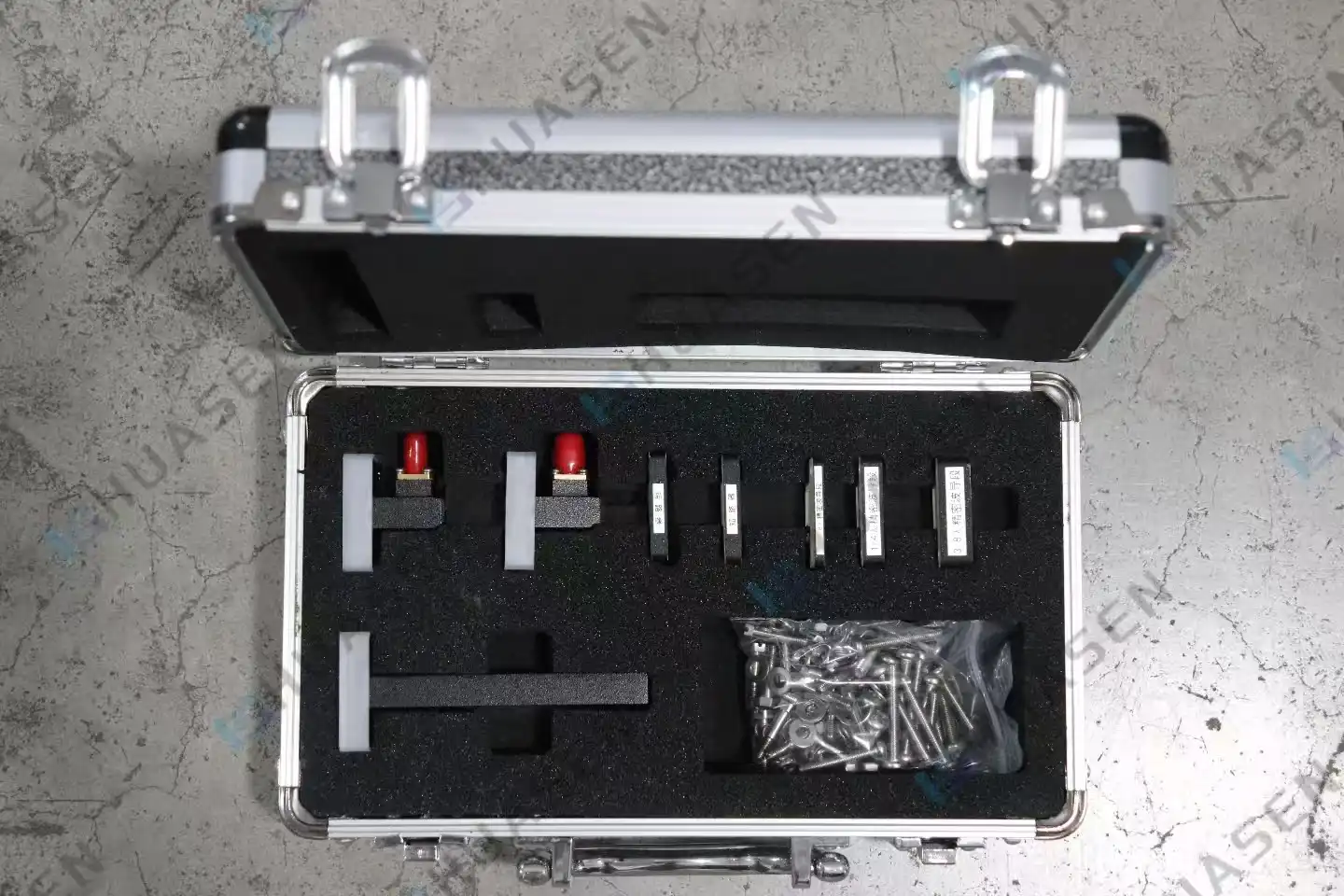
Selecting Waveguide Calibration Kits for High-Power Microwave Systems
In high-power microwave uses, picking the right Waveguide Calibration Kit has a big impact on how accurate measurements are and how reliable the system is. There are carefully designed parts in a Waveguide Calibration Kit that get rid of systematic mistakes in vector network analyzers that work across waveguide frequency bands. This makes sure that the measured S-parameters correctly reflect the device being tested and not just measurement flaws. These kits fix important problems like directivity errors, source match mismatches, and reflection tracking errors, giving NIST-traceable accuracy that is needed for millimeter-wave and terahertz testing settings. These calibration standards are used by procurement managers and system engineers in research, defense, telecommunications, and the aerospace industry to keep operating trust high and avoid costly downtime in mission-critical applications.VIEW MORE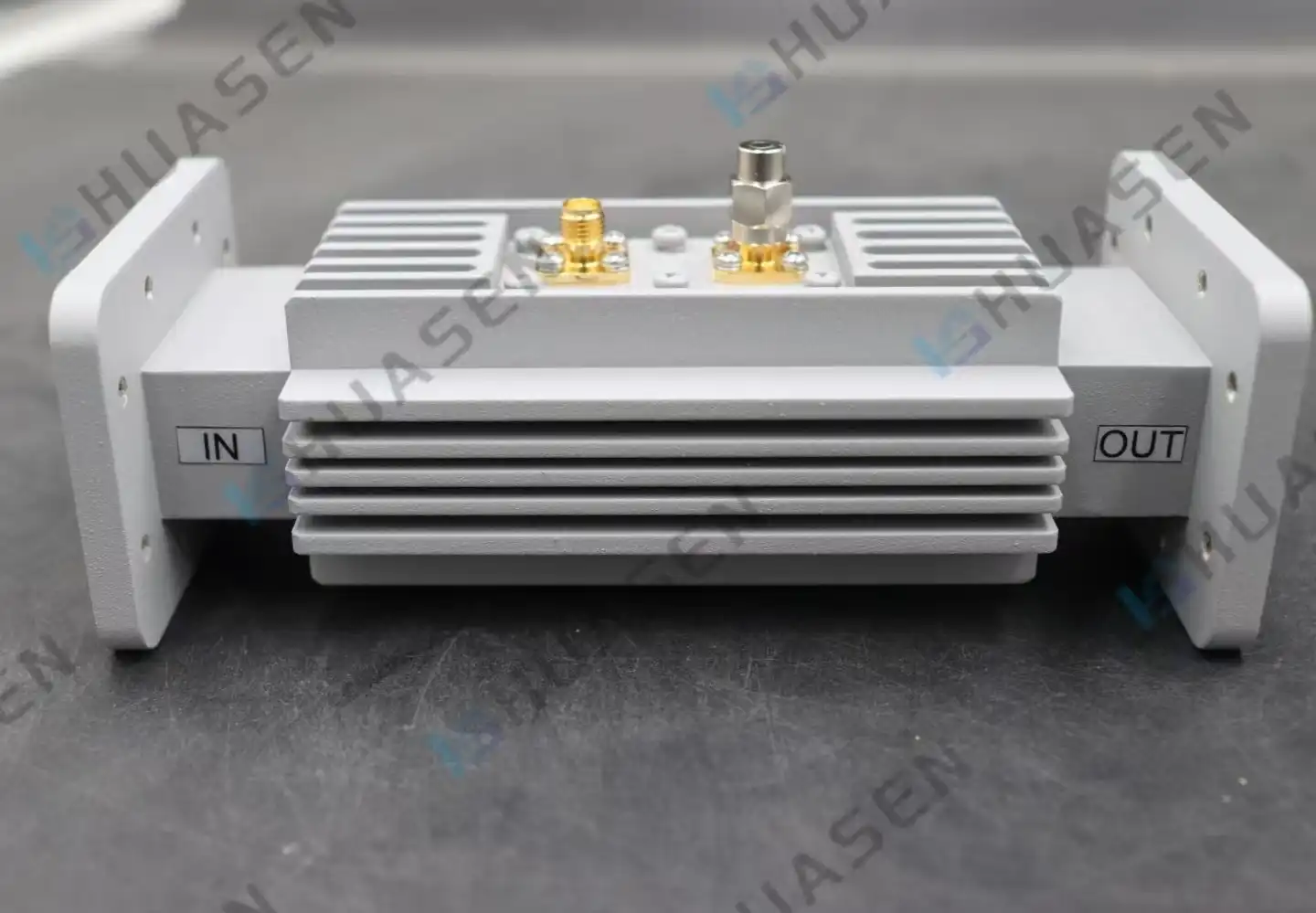
How Waveguide Loop Couplers Work in Millimeter Wave Test Systems
The Waveguide Loop Coupler is an important passive component of millimeter wave test systems that work between 30 GHz and 300 GHz. It lets exact electromagnetic power sampling happen without getting in the way of the main signal path. In these devices, a conductive loop probe is placed inside the waveguide structure in a way that intercepts magnetic flux lines. This creates a linked output signal that is proportional to the main transmission power. This non-intrusive monitoring feature solves the main problem that test engineers have to deal with: getting accurate power readings while keeping the signal's integrity and reducing insertion loss in high-frequency settings where even small impedance mismatches can hurt system performance.VIEW MORE
How to Select Waveguide Filters for Radar System Applications
To choose the right Waveguide Filter for radar use, you have to balance technical requirements with practical needs. The main factors that affect the choice are frequency range compatibility, power handling capacity, and insertion loss traits. In places where electromagnetic crowding could affect the accuracy of tracking, radar systems need filters that keep the signal's purity while blocking out-of-band interference. The decision process is based on knowing the working band of your system, such as S-band, X-band, or millimeter-wave. Mechanical limitations, needs for long-term performance in harsh environments, and compatibility with current waveguide standards are all very important. A careful look at these factors will make sure that the filter you choose improves radar performance instead of hurting it.VIEW MORE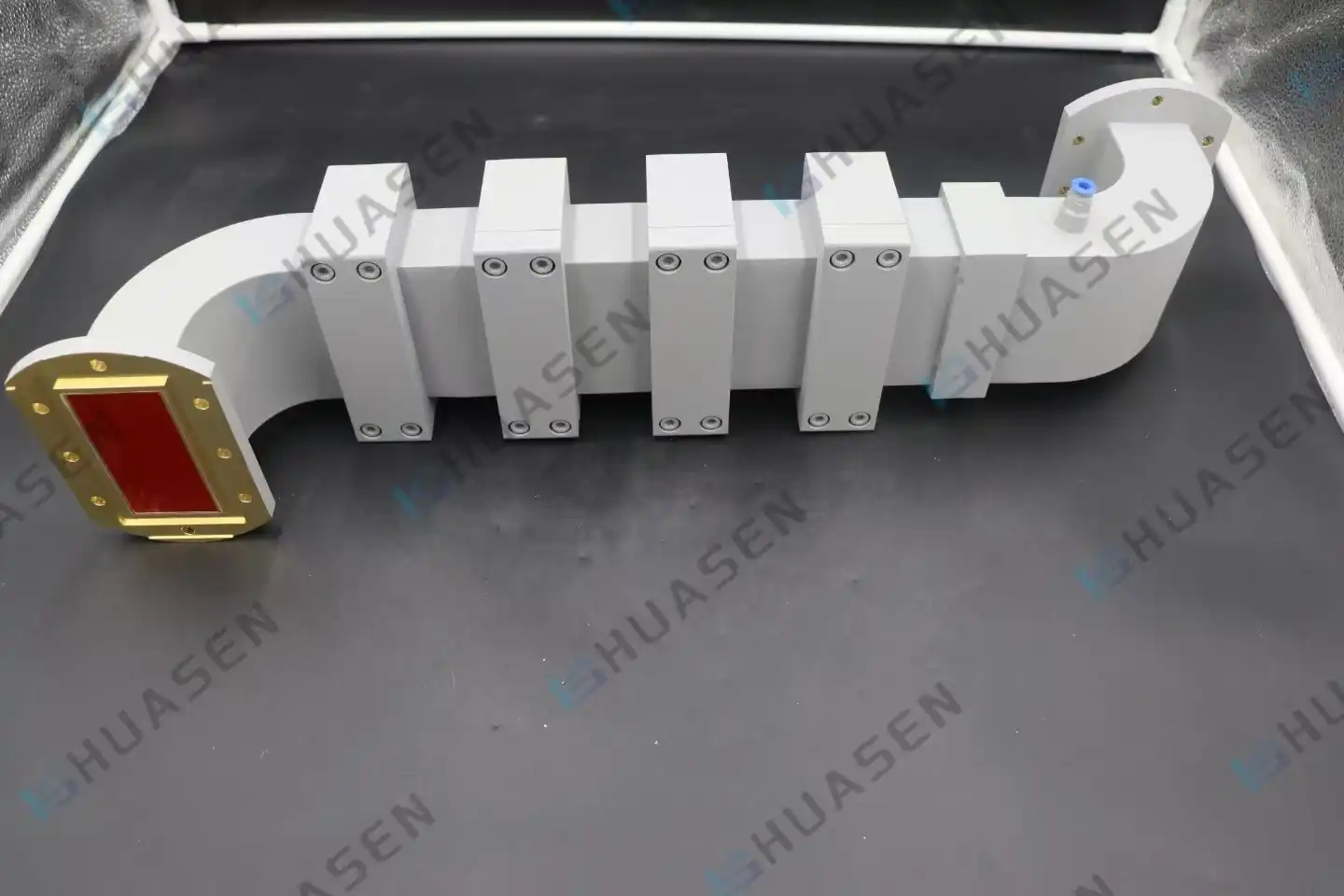
Inflatable Waveguide Bend in Emergency Systems
When there is a disaster and communication networks go down, first responders need RF transfer options that can be set up right away without affecting performance. An Inflatable Waveguide Bend is an inflated, bendable microwave part that was made to keep its integrity while directing high-power RF signals in emergency communication systems that are quickly Inflatable Waveguide Bend put together. Unlike regular rigid waveguides that need to be perfectly aligned and take a long time to install, these parts have gas-pressurized cores that stop moisture from getting in and arcing. This means that during emergencies, field teams can set up reliable satellite uplinks, mobile base stations, and tactical radar systems in minutes instead of hours.VIEW MORE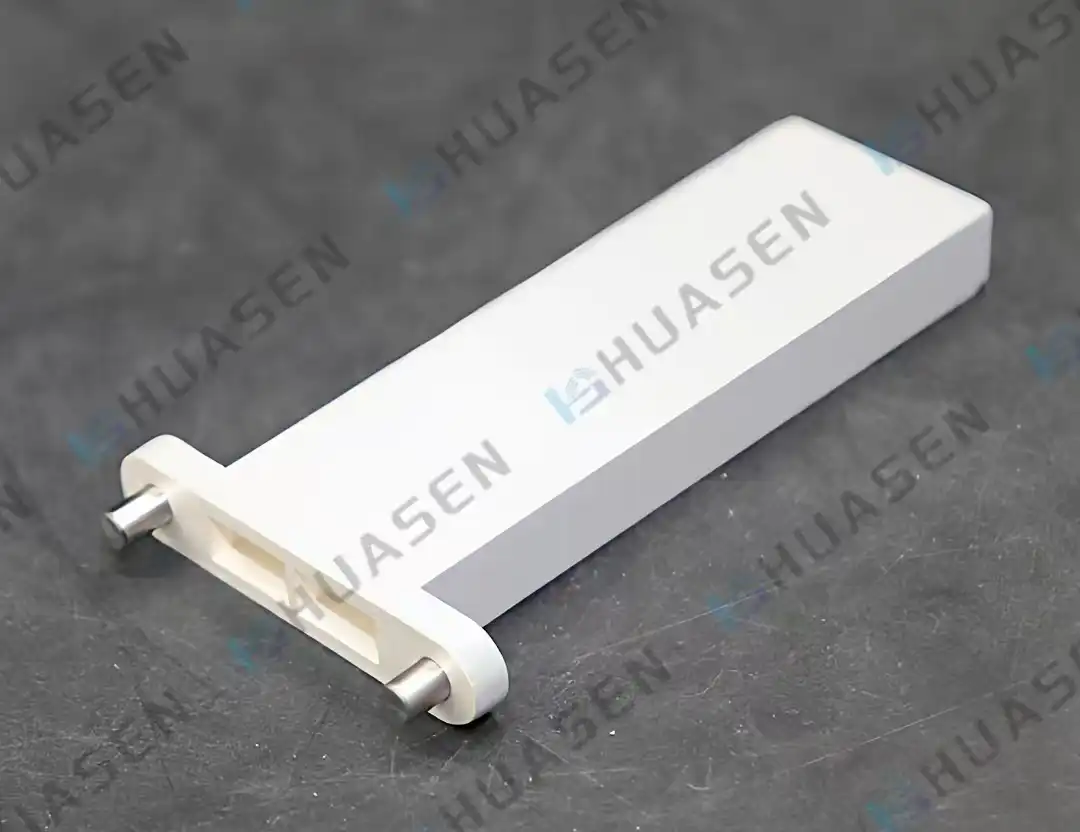
Troubleshooting Overheating of Waveguide Terminations in RF Circuits
When waveguide terminations get too hot, they lower the stability of the RF system and can even cause severe hardware failure. When a matched load takes in electromagnetic energy, it turns that energy into heat. This is a normal process, but it can become a problem when heat loss can't keep up with power gain. Too much heat breaks down absorbing materials, changes the impedance properties, and raises VSWR, which creates harmful reflection paths back to sensitive amplifiers and emitters. To fix burning, you need to find and fix problems with power handling limits, thermal management, and impedance mismatches in a planned way. This will ensure safe working conditions and protect important infrastructure.VIEW MORE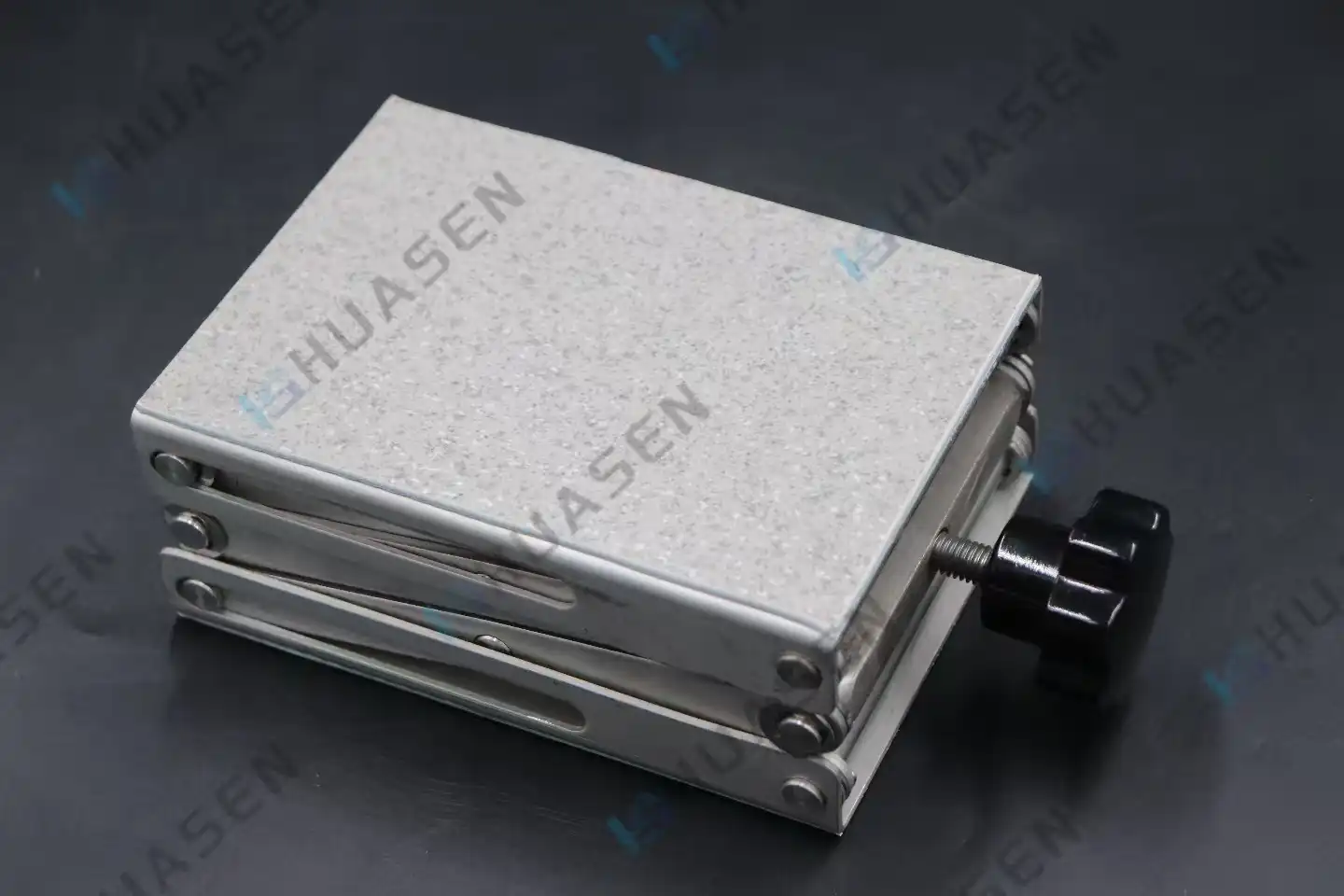
Safety Design of Waveguide Elevating Platform
The Waveguide Elevating Platform is an important mechanical positioning system for setting up RF testing equipment or millimeter-wave measurement areas. This special machine solves the tricky problem of moving rigid microwave transmission lines vertically while keeping their phase stability and mechanical alignment. The safety design of these platforms goes beyond what is normally done in lift engineering. It takes into account things like electromagnetic compatibility, precise load handling, and fail-safe systems that keep expensive RF components from getting damaged. Because these platforms have expensive equipment on them, like high-power amplifiers and precise radio feeds, safety is very important to protect both people and money in test settings.VIEW MORE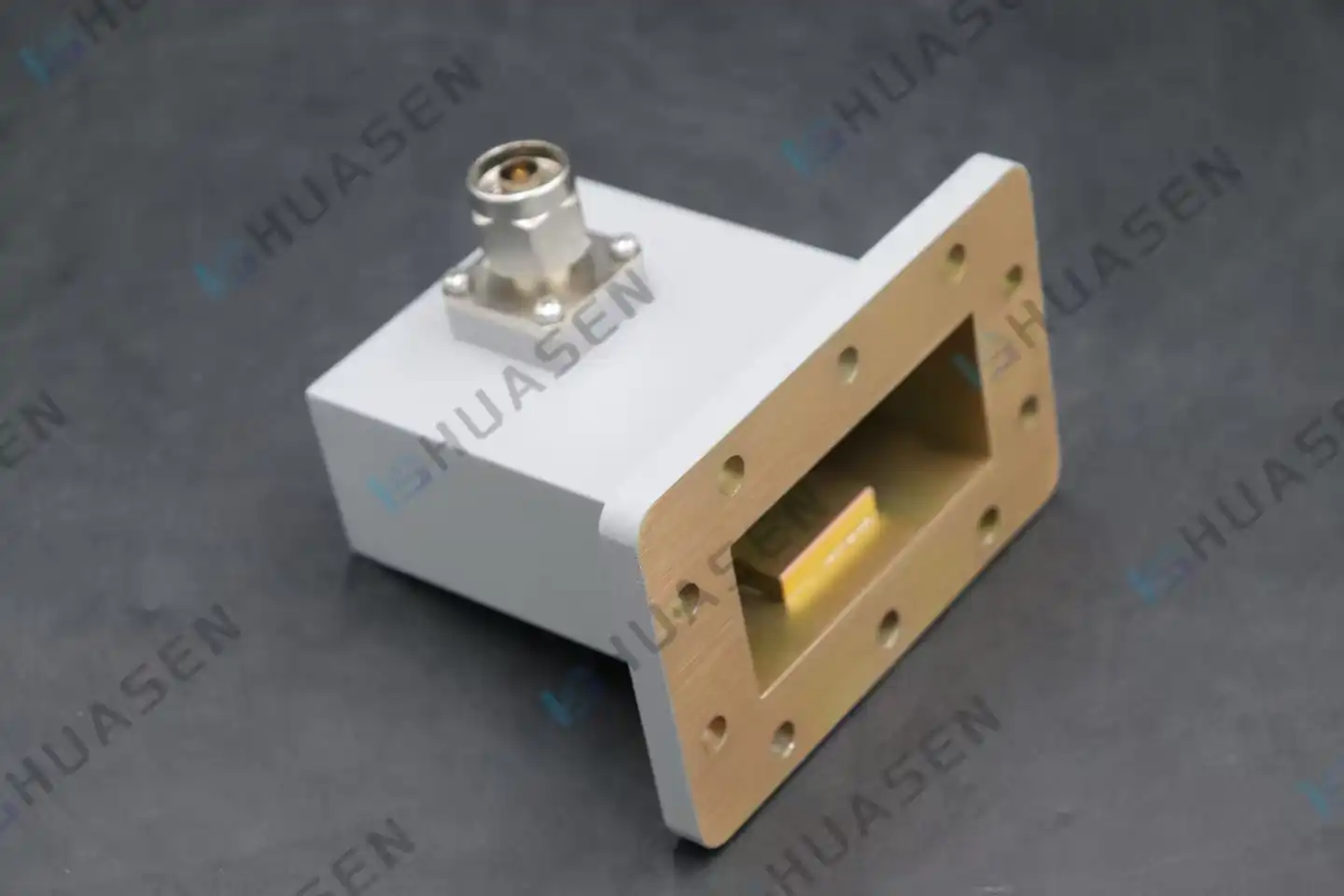
90° Waveguide to Coaxial Adapter Installation Guide for RF Applications
When putting together an RF system, 90° waveguide to coaxial adapters are very important because they make it possible for signals to go from waveguide transmission lines to coaxial links without any problems. These special waveguide adapters are made to keep the signal's integrity while giving sites limited by space the angular configuration they need. Knowing the right way to put something together makes sure that it works well in demanding situations like 5G base stations and satellite communication systems.VIEW MORE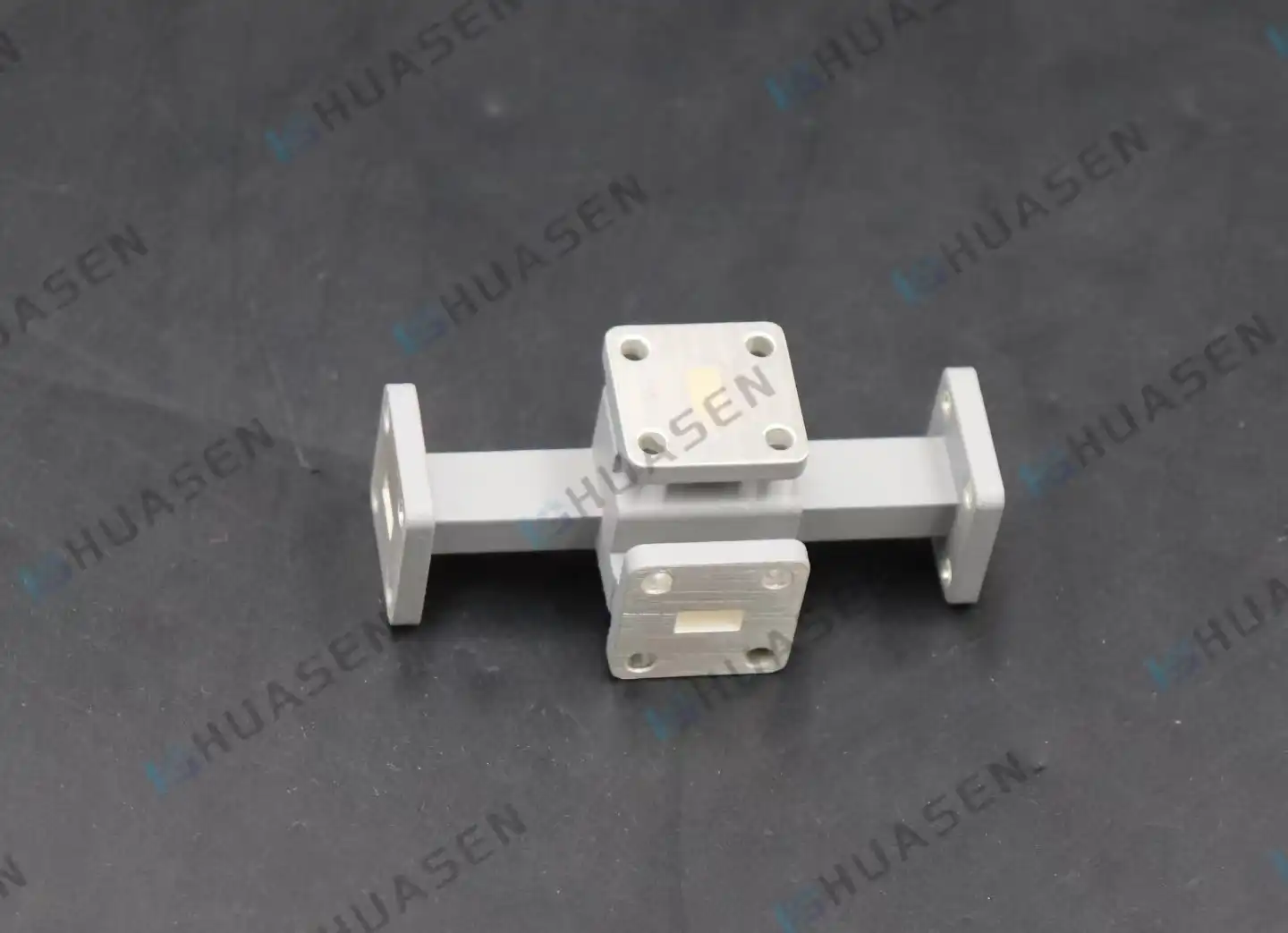
Top Manufacturers of High-Isolation Waveguide Magic Ts
There are a lot of makers that offer different levels of quality, customisation, and technical support when procurement professionals are looking for reliable suppliers of high-isolation waveguide magic Ts. These important passive microwave parts are the basis of modern communication systems. They need to be supplied by companies that know both the technical needs and the business facts of the RF engineering market today. To find the best waveguide magic T manufacturer, you need to look at more than just the product specs. You should also think about the possibility of a long-term relationship, the reliability of the supply chain, and the manufacturer's technical support services.VIEW MORE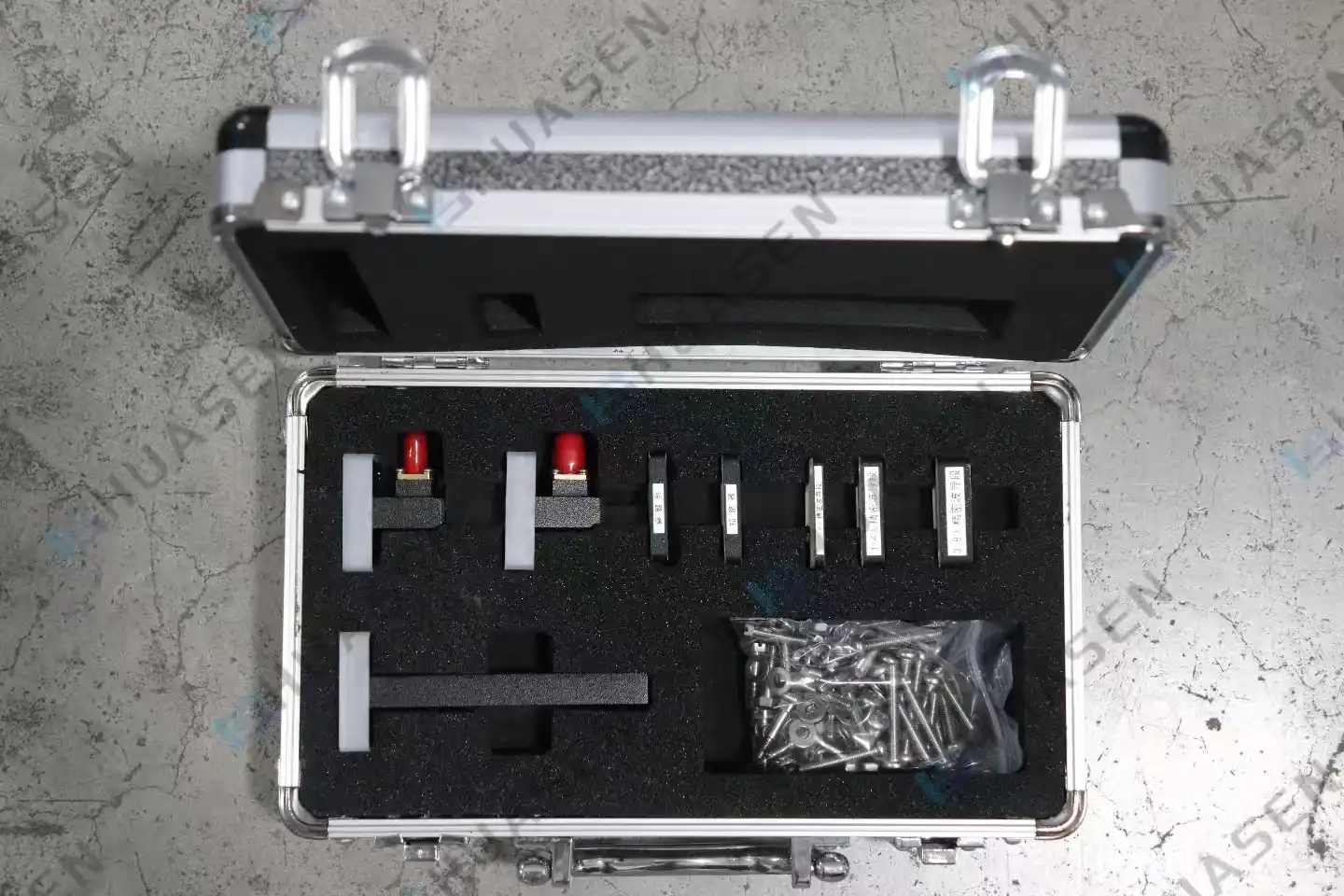
Military-Grade Waveguide Calibration Kit Standards and Specifications
Precision metrology assemblies are what military-grade waveguide calibration kits are made of to get rid of systematic errors in vector network analysers that work in tough defence settings. There are 12 error-correcting parts in these special kits that make sure the right characterisation of waveguide parts at microwave and millimetre-wave frequencies. Military-grade solutions, on the other hand, meet strict MIL-STD standards, which means they are very reliable even in the harshest operational conditions and keep measurement traceability, which is important for mission-critical applications in radar, electronic warfare, and satellite communication systems.VIEW MORE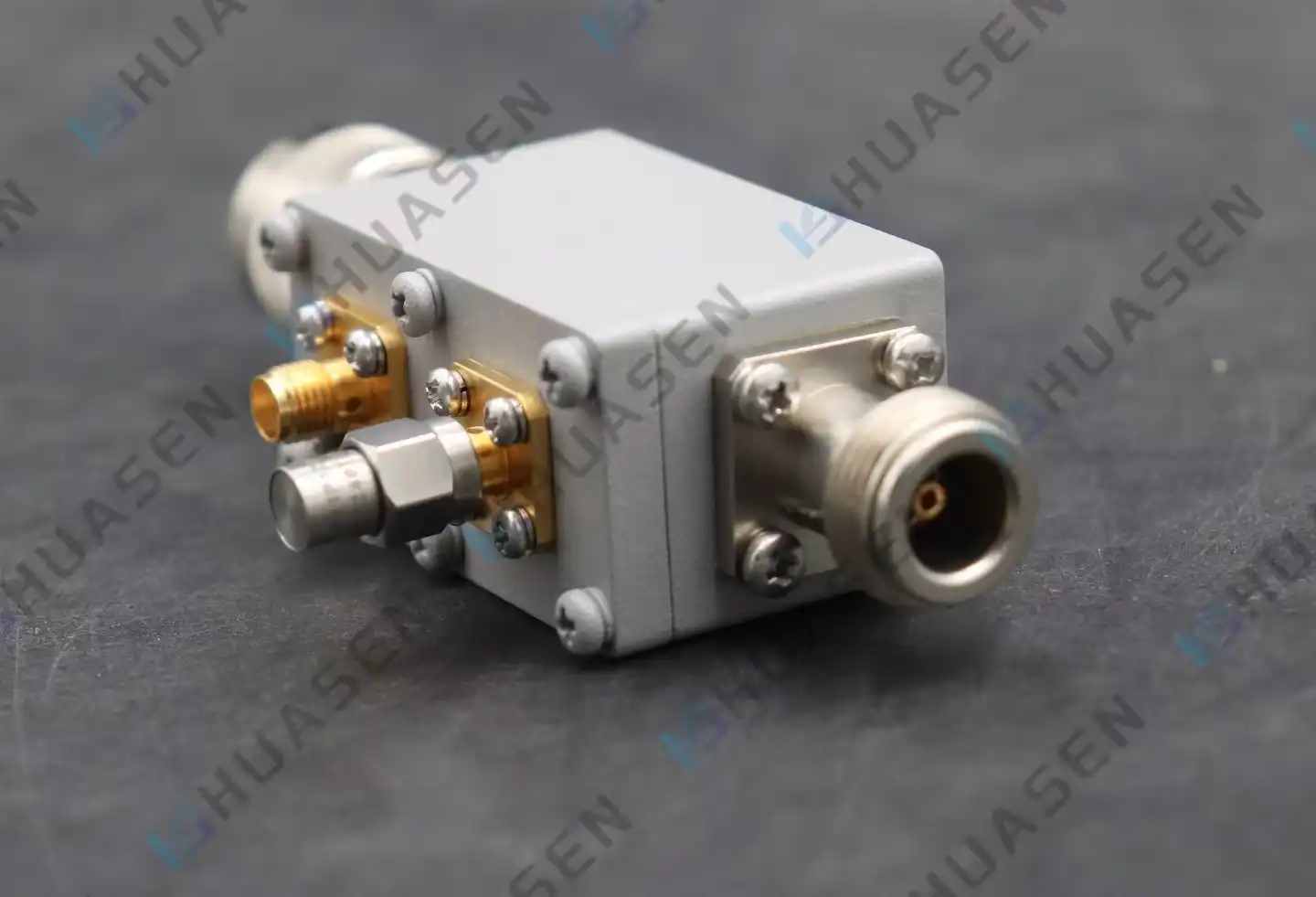
When to Use a Directional Coupler Instead of a Power Splitter?
When your RF system needs to sample signals without blocking the main transmission line, you must choose a directional coupler over a power splitter. A power splitter splits signals evenly, but a directional coupler lets engineers precisely watch signals through electromagnetic coupling. This is possible by sampling forward power while keeping reflected signals very far away. Because of this, directional couplers are needed for real-time signal tracking, measuring VSWR, and feedback control loops where the integrity of the signal and accuracy of the measurements are very important.VIEW MORE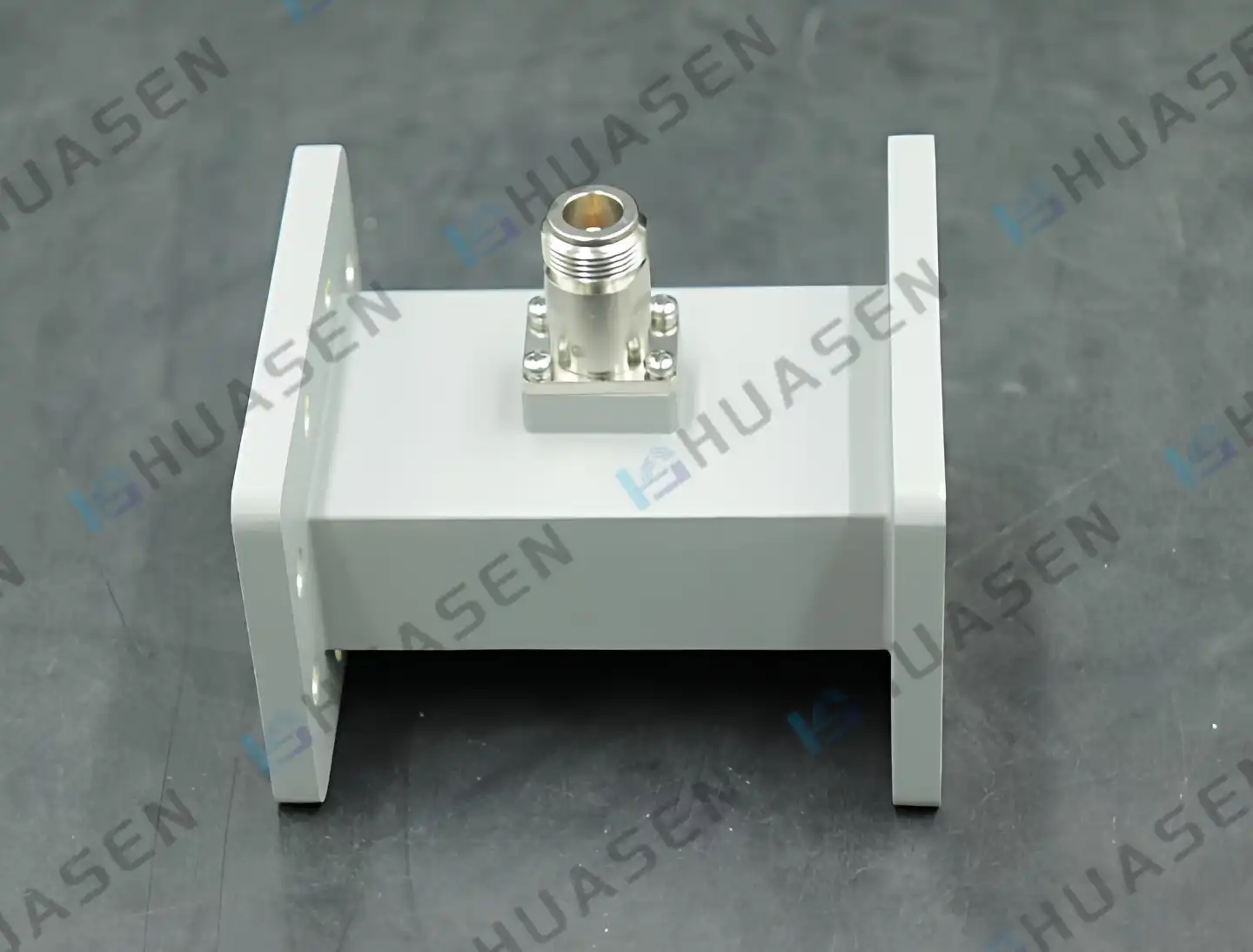
Where to Buy Waveguide Probe Couplers for Aerospace and 5G Labs?
When buying waveguide probe couplers for 5G millimetre-wave lab uses and aerospace radar systems, procurement teams need to find sources that can provide precision-engineered parts that meet strict performance standards. The Waveguide Probe Coupler is a key part of the connection between coaxial transmission lines and Waveguide Probe Coupler rectangular waveguides. It makes it possible to watch signals, sample power, and find faults without any problems in high-frequency settings where accuracy and dependability are very important.VIEW MORE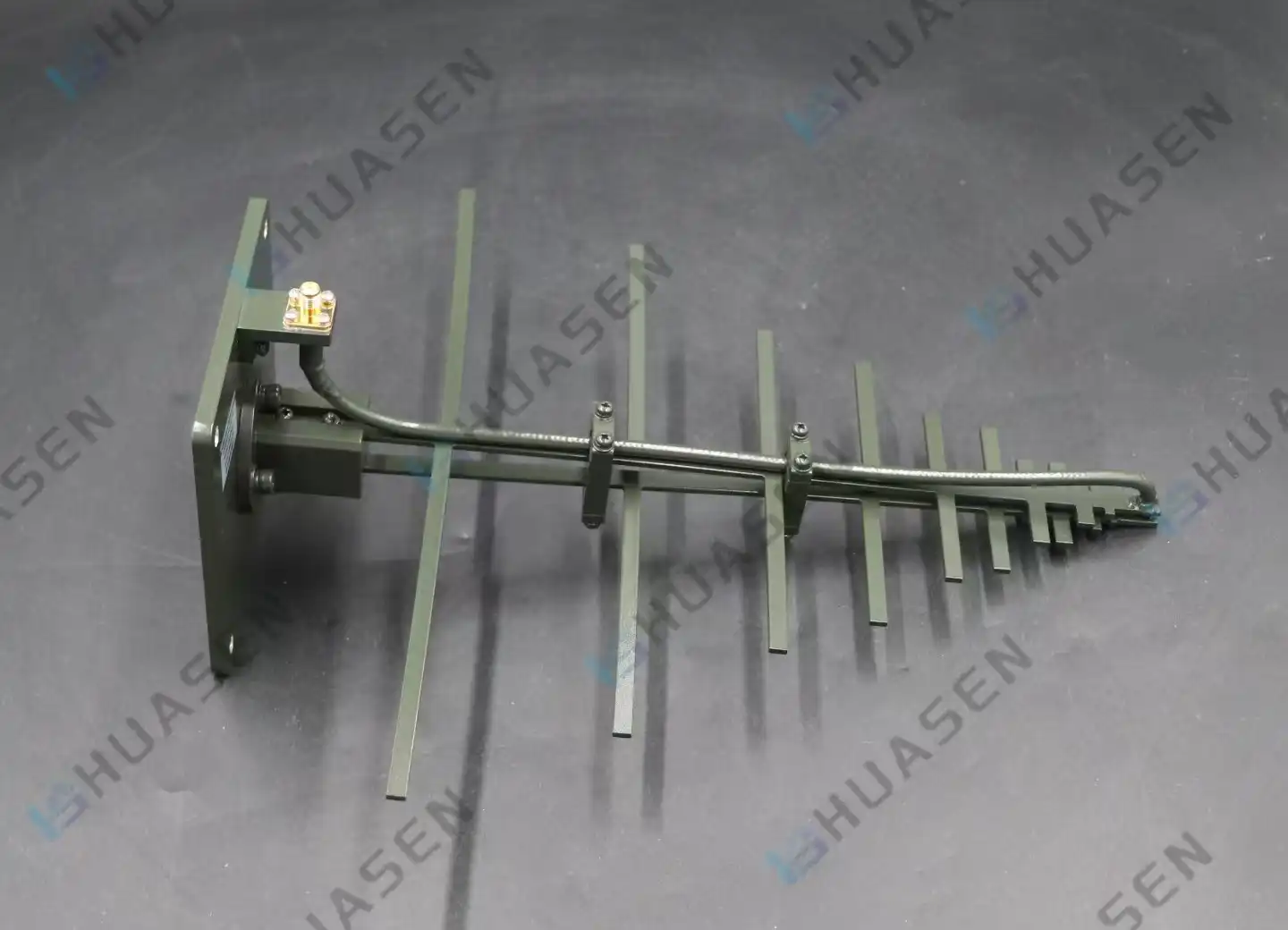
How to Choose Log Periodic Antenna for High Frequency Test Systems?
Engineers have to look at frequency coverage, gain features, power handling capabilities, Log Periodic Antenna, and environmental durability when choosing a log periodic antenna for high-frequency test systems. The best option strikes a balance between wideband performance and measurement accuracy, making sure that it works with existing test equipment and meets the needs of the application. Log periodic antennas work great in test settings because their impedance stays the same and their radiation patterns stay fixed across a wide range of frequency bands.VIEW MORE
- 1
- 29
- 30
- 31
- 32
- 33
- 60
Total 60 pages