Selecting Waveguide Calibration Kits for High-Power Microwave Systems






2026-04-08 21:08:24
In high-power microwave uses, picking the right Waveguide Calibration Kit has a big impact on how accurate measurements are and how reliable the system is. There are carefully designed parts in a Waveguide Calibration Kit that get rid of systematic mistakes in vector network analyzers that work across waveguide frequency bands. This makes sure that the measured S-parameters correctly reflect the device being tested and not just measurement flaws. These kits fix important problems like directivity errors, source match mismatches, and reflection tracking errors, giving NIST-traceable accuracy that is needed for millimeter-wave and terahertz testing settings. These calibration standards are used by procurement managers and system engineers in research, defense, telecommunications, and the aerospace industry to keep operating trust high and avoid costly downtime in mission-critical applications.
Understanding Waveguide Calibration Kits and Their Importance
Waveguide calibration standards are basically different from coaxial calibration parts because they handle TE/TM propagation modes inside hollow metal guides instead of TEM modes that are found in coaxial systems. When working with frequencies above 18 GHz, this difference becomes very important because waveguide connections are the best way to send signals because they have lower insertion losses and can handle more power.
How Waveguide Calibration Standards Work
In the calibration process, known standards are used to set a mathematical reference plane. These standards are usually shorts, offset shorts, paired loads, and precision transmission line sections. When you connect these standards to a vector or scalar network analyzer, the tool figures out how they respond and what the error correction terms are. These measurements are used by modern calibration algorithms like TRL (Thru-Reflect-Line), SOLT (Short-Open-Load-Thru), and SSL (Short-Short-Load) to create error models that theoretically get rid of systematic flaws in future measures. This process directly deals with the 12-error-correction model, taking into account errors in both the forward and backward measurement paths related to directivity, source match, load match, transmission tracking, reflection tracking, and isolation.
Tangible Benefits for High-Power Systems
By properly calibrating your waveguides, you can see measurable changes in all of your testing equipment. Better measurement repeatability lowers production uncertainty, which lets tolerances be set more closely for parts like diplexers, filters, and high-power amplifiers that are used in radar front-ends and 5G base stations. Signal loss from test setups that aren't calibrated can hide real performance problems in your devices. This could lead to poor parts being put into defense systems or satellite packages, where failures in the field could have very bad effects. By using precision Waveguide Calibration Kits for regular calibration, you can avoid these problems and make your vector network analyzers last longer by keeping them accurate between maker recalibration rounds.
Key Criteria for Selecting Waveguide Calibration Kits
To choose calibration standards, you need to make sure that theWaveguide CalibrationKit'sspecs fit your measurement setting and how it will be used. When making your choice, you should think about technical speed, compatibility, and the total cost of ownership over the duration of the product.
Frequency Band and Waveguide Size Compatibility
The most important thing to look for in a selection kit is that it works with the frequency range and waveguide standard you need. Waveguides come in a range of sizes, such as WR-90 for the X-band (8.2-12.4 GHz), WR-62 for the Ku-band (12.4-18 GHz), WR-42 for the Ka-band (18-26.5 GHz), and even smaller sizes for millimeter-wave and terahertz bands. There is a cutoff frequency below which transmission can't happen for each waveguide size and an upper frequency where higher-order modes start to propagate, which makes measurements difficult. While keeping these physical limits in mind, your Waveguide Calibration Kit must cover your whole working span. Broadband kits that cover more than one waveguide band make it easier to keep track of supplies, but they are usually less accurate than band-specific standards that are made for narrow frequency ranges.
Calibration Accuracy and Component Quality
There is a certain amount of uncertainty in the reflection coefficients and transmission properties of the precision standards used in Waveguide Calibration Kits. High-precision kits have short circuits with VSWR ≥ 60 and matching loads with VSWR ≤ 1.03. This gives well-defined reference impedances. Uncertainty in calibration is directly related to the mechanical limits of waveguide measurements, flange surfaces, and internal discontinuities. Gold plating on the contact areas makes sure that connections are steady and won't rust. This is especially important in labs where kits are connected and disconnected many times. The quality of the part's construction also affects its long-term stability. For example, precision-machined metal or brass bodies keep their dimensions more accurately over time and through changes in temperature and mechanical stress than cheaper options.
Compatibility with Network Analyzers
Both physically and through the instrument's calibration software, your calibration kit needs to work well with your measuring tools. Vector network analyzers made today by companies like Keysight, Anritsu, and Rohde & Schwarz can use more than one calibration method and can also read special calibration coefficient files. Waveguide-to-coaxial adapters, which usually have Type-N or 3.5mm connections, are part of standard kits. They connect the waveguide measurement area to the coaxial test ports on your analyzer. The kit should include all the standard formulas, offset delays, and polynomial coefficients you need to correctly program the error-correction methods in your analyzer. Universal support means that one kit can work with different analyzer systems across your company. This saves money on equipment and training.
Environmental Durability and Certification Standards
When calibration standards are used in harsh settings, like anechoic chambers for measuring radar cross-section or thermal vacuum chambers for testing satellite payloads, they need to be more mechanically sturdy. Temperature-stable materials keep their shape even when they go through high temperature changes. Precision surfaces in marine or outdoor testing centers are kept safe by coatings that don't rust. Certifications like MIL-STD compliance show that quality standards for the military are being met, which gives defense companies and aircraft makers peace of mind. Calibration certificates that are ISO/IEC 17025-accredited can track the accuracy of measurements back to national standards labs. This meets the needs of quality systems and is popular in the making of business telecommunications equipment.
Comprehensive Guide to Types and Components of Waveguide Calibration Kits
Knowing the differences in how different types of Waveguide Calibration Kits are built can help you find solutions that fit your testing needs and process.
Mechanical Versus Electronic Calibration Standards
Mechanical calibration kits are made up of only inactive parts, like precision-machined ends, loads, and transmission line sections. These parts provide very stable, traceable references for many years of use. These kits need each standard to be connected by hand during the calibration process. This adds some human variability, but the kits are very accurate in the long run and don't cost as much to buy. Electronic calibration modules combine several solid-state switching networks into a single unit that is placed on a connector. This lets software handle all of the calibration steps for a single link. Electronic modules greatly shorten the time it takes to calibrate and get rid of connection repeatability mistakes. However, they are more expensive to buy, need to be recalibrated at the factory on a regular basis, and may move, which means they need to be checked more often than mechanical standards.
Standard Components in Precision Calibration Kits
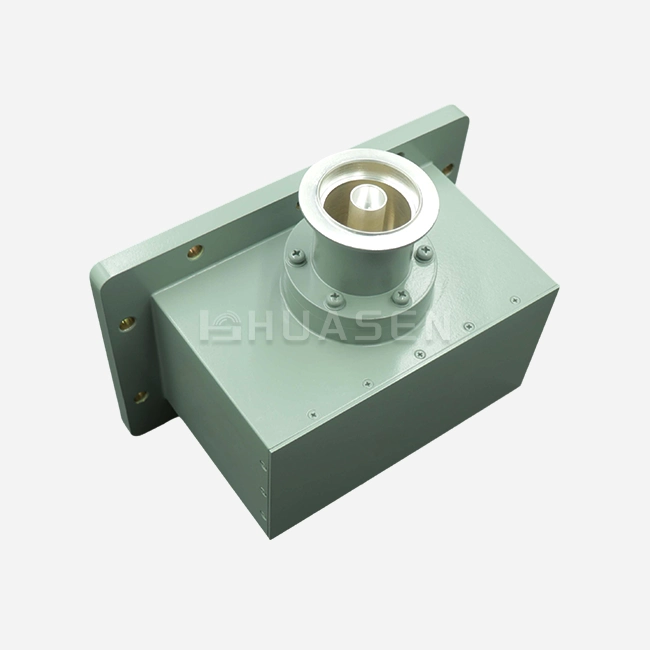
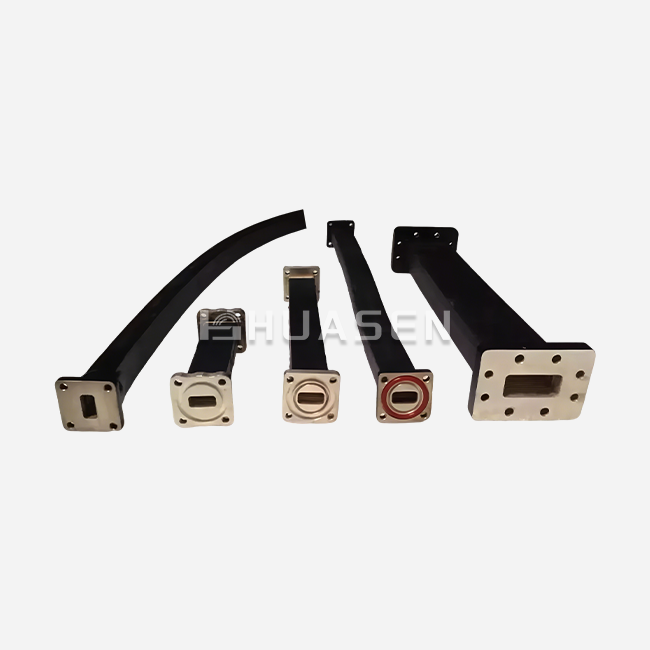
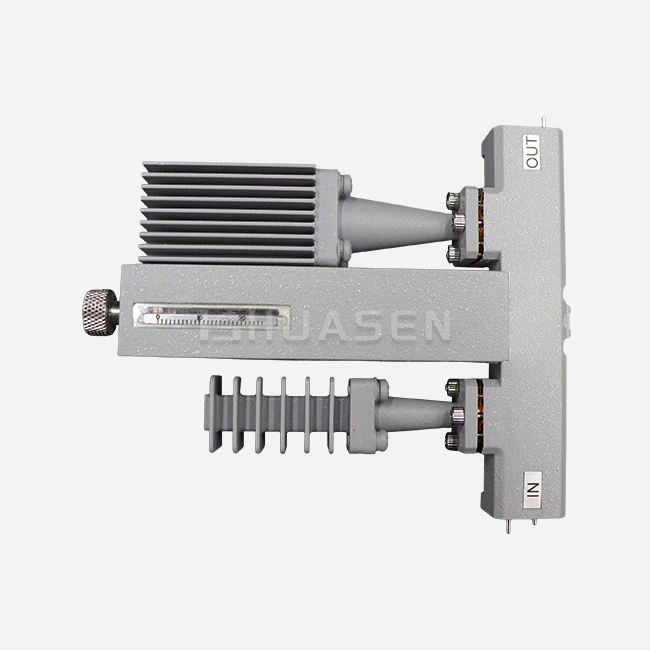
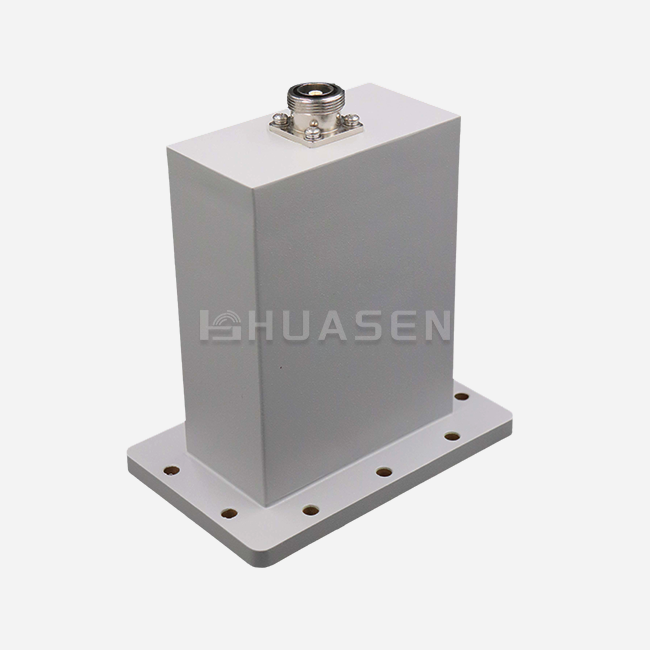
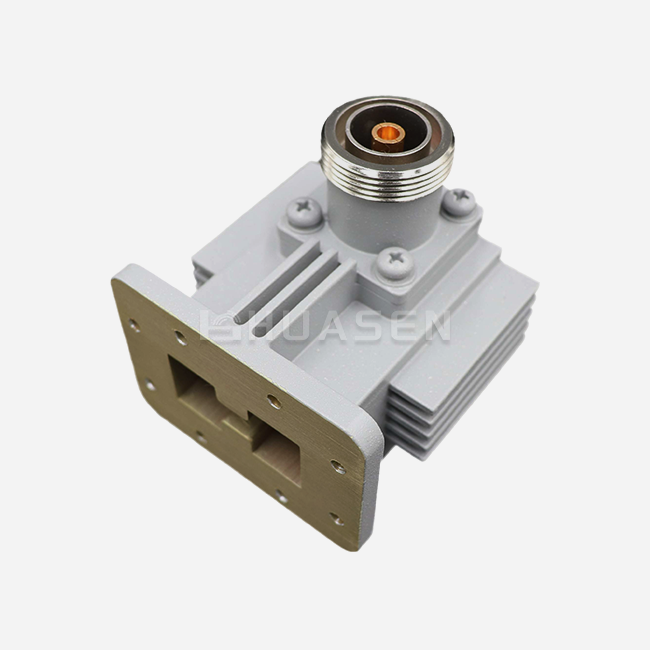
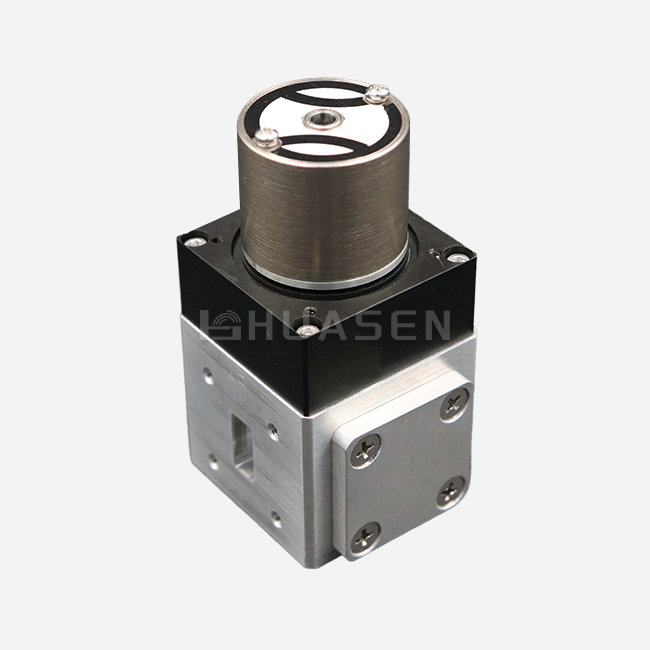
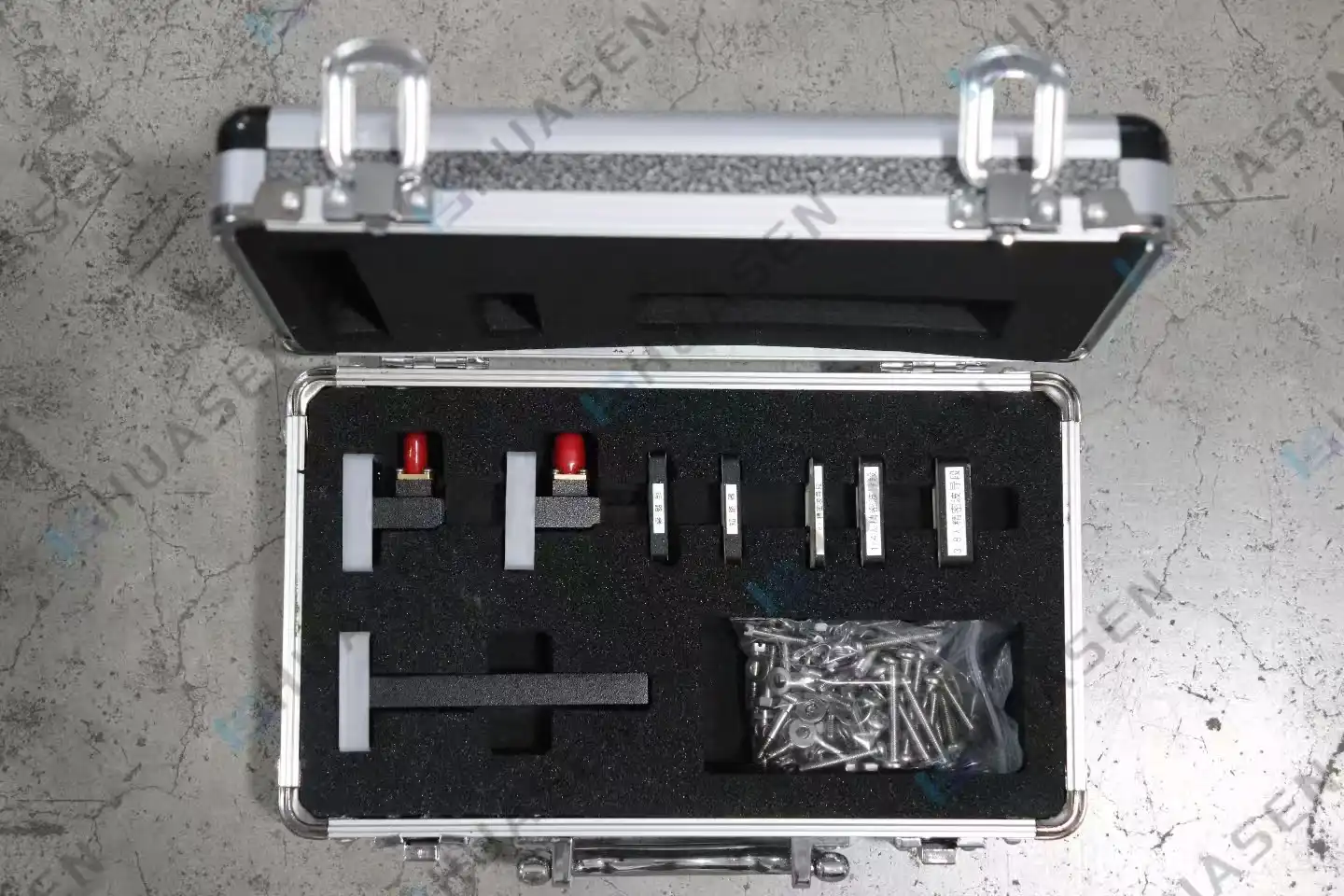
For 12-error-correction, a full Waveguide Calibration Kit has certain parts that set up known resistance states and transmission standards. The waveguide-to-coaxial adapters, which are usually J-type and K-type connectors, make the link between the waveguide and coaxial domains possible, allowing for a normal vector network analyzer test port to be used. The waveguide matched load has a nearly perfect termination with VSWR ≤ 1.03, which sets the standard for characteristic impedance. If you have a fixed waveguide short plate with VSWR > 60, you get a clear reflection coefficient of -1, which is the extreme reflection situation. For TRL calibration methods, precision waveguide sections with lengths of 1/4λ, 1/8λ, and 3/8λ give known transmission line delays. These parts come in a protective aluminum alloy case with measured torque wrenches to make sure that the flange connections are always the same and that the measurement accuracy stays the same through multiple calibration rounds.
Best Practices for Kit Maintenance and Usage
To keep calibration accuracy, you need to follow strict handling rules and keep up with regular upkeep. Before each link, use lint-free wipes and rubbing alcohol to clean the flange surfaces. This gets rid of any dirt or dust that could affect the measurements. To get the best electrical contact without damaging precision surfaces, use the torque values recommended by the maker. For millimeter-wave flanges, these are usually 7 to 10 inch-pounds. To keep standards from rusting, keep them in their secure boxes in places with controlled humidity. Regularly look at flanges under a microscope for signs of wear, scoring, or gold plate decline that could affect electrical contact. Set up ways to check your work by comparing it to reference standards or measurement check standards. This will help you find drift before it changes production measurements.
Latest Trends and Innovations in Waveguide Calibration Technology
The business of calibration standards is always changing to meet the needs of new measurement problems that come up in 5G/6G systems, terahertz applications, and automatic production testing settings.
Precision Automation and Software Integration
Software-guided procedures are becoming more and more common in modern calibration processes. These procedures cut down on human mistakes and paperwork. Software for calibration management keeps track of how kits have been used in the past, sets up checkpoints, and makes compliance reports for quality system checks. Some high-tech vector network analyzers have built-in machine vision systems that check the correct standard connections during calibration processes. If workers find a problem, like using too much torque or dirty flanges, they are warned before the measurements are taken. Real-time tests check the quality of the calibration and highlight any unusual results that could mean that the standards are broken or that the analyzer hardware needs repair.
Customization and Designs for Modular Kits
Manufacturers are aware that Waveguide Calibration Kits that are one size do not meet the needs of all users in the research, aircraft, and telecoms sectors. Modular kit designs let buying teams choose the exact frequency ranges, waveguide sizes, and tuning methods that are needed for production tests. This method lowers capital costs by getting rid of parts that aren't needed while still covering all mission-critical frequency bands. You can choose between UG-flange standards, IEC flange specifications, or private interfaces that are used in old radar systems when it comes to mechanical connections. When you can add special standards like offset shorts with different delay times or precision attenuators for dynamic range testing, you can make calibration solutions that are flexible and adapt to new test needs.
Sustainability and Supply Chain Considerations
Materials buying, manufacturing environmental effect, and product end-of-life management are becoming more and more important to global B2B purchases. Leading makers of calibration kits now put a lot of emphasis on packages that can be recycled, less hazardous materials that meet RoHS requirements, and take-back programs for old standards. Supply chain openness and the ability to make things locally cut down on wait times and the carbon emissions that come with shipping goods around the world. These things fit with business sustainable rules that a lot of big system integrators and telecommunications equipment makers have. These rules say that buying things should be based on bigger environmental, social, and political goals.
Practical Tips for Procurement and After-Sales Support
Getting the right Waveguide Calibration Kit requires more than just Waveguide Calibration Kit following the original purchase instructions. It also involves building relationships with suppliers, figuring out the total cost, and getting ongoing technical help.
Identifying Qualified Suppliers and Distribution Channels
When making decisions about where to get things, you should give more weight to suppliers who have proven experience in precision microwave parts and well-established quality control systems. Manufacturers like Huasen Microwave, which was founded in 1993, have decades of experience designing and making high-frequency waveguide components. This means that customers can get access to scientific information that helps them choose the best kit for their needs and get help with their applications. Authorized wholesalers offer helpful translation services, such as regional supplies, faster shipping, and technical support in the country, which cuts down on response times for urgent needs. When comparing buying directly from a maker to buying through a wholesaler, you need to look at the total delivered costs, the freedom of the payment terms, and the availability of complementary goods such as vector network analyzers, test fixtures, and measurement software that may offer better bundle prices.
Negotiating Commercial Terms and Warranty Coverage
Organizations that need calibration kits on a regular basis across multiple sites or product lines can get better prices through volume purchasing deals. Talk about the guarantee terms that cover mechanical problems, loss of dimensional accuracy, and the length of time that the calibration certificate is good, which is usually between 12 and 24 months, based on how much it is used. Some providers offer longer warranties or calibration insurance programs that include discounted verification services on a regular basis. This helps quality assurance teams plan their budgets more accurately. Payment terms that work with budget cycles, like net-60 or quarterly billing, make it easier to handle cash flow while still allowing access to important data equipment.
Leveraging Technical Support and Training Resources
To use precision testing kits effectively, operators must be skilled and have access to professional help when problems arise. Check out the training programs that each provider offers. These can be anything from online lessons that teach basic testing techniques to in-person workshops that teach advanced error analysis techniques. When production test systems show strange measurement results that could mean calibration problems instead of device breakdowns, quick technical help becomes very important. Suppliers who let engineers talk to customers directly by email, phone, or video chat can quickly figure out what's wrong, preventing costly production delays. Good documentation, like specific calibration processes, uncertainty budgets, and troubleshooting guides, lets internal teams handle regular problems on their own while also knowing when they need help from outside the company.
Conclusion
When choosing the right Waveguide Calibration Kits, you need to think about the total cost of ownership, technical specs, and application needs. The right calibration solution gives measurement trust that is needed for high-power microwave systems in military, aerospace platforms, and telecommunications infrastructure, where performance margins have a direct effect on operational success. By learning about calibration methods, indicators of component quality, and new technology trends, procurement professionals can make smart choices that improve measurement accuracy while keeping costs low and supplier relationships flexible enough to meet changing testing needs.
FAQ
1. How often should I recalibrate my waveguide calibration kit?
Recalibration should be done once a year according to industry guidelines for normal lab use. More regular checking may be needed if there are a lot of high-frequency connection cycles, if the surroundings is harsh, or if the flanges are clearly worn down. Set up internal check standard processes to keep an eye on the stability of the calibration between formal recalibration events. This will help you find any accuracy drift that could affect production readings early on.
2. Can I use a single calibration kit across different waveguide bands?
Due to limitations in space, one kit can't cover waveguide sizes that don't meet. Each waveguide standard has its own cutoff frequencies and size requirements that are related to the range of frequencies it covers. For businesses that use more than one band, they need different kits for each waveguide size. However, some suppliers offer cheap multi-band packages that include popular standards like WR-90, WR-62, and WR-42 in sets that work together.
3. What distinguishes high-precision calibration kits from standard offerings?
High-precision kits are made with better materials, stricter testing methods, and tighter production limits. The VSWR values for matched loads are lower (≒1.02 vs. ≒1.05), and the reflection coefficients for short circuits are higher. Better specs mean lower measurement uncertainty budgets, which is very important for tasks like studying the properties of materials or fine-tuning high-performance filters where small measurement mistakes have a big effect on the results.
Partner with Huasen Microwave for Superior Calibration Solutions
Huasen Microwave makes precise Waveguide Calibration Kits that are designed to meet the toughest needs in the defense, aerospace, and telecoms industries. Our wide range of products includes 12-error-correction calibration sets that work with all the main vector and scalar network analyzers. These sets come with Waveguide Calibration Kitwaveguide-to-coaxial adapters, precision loads with VSWR ≤ 1.03, and official reference standards that can be tracked back to national measurement institutes. We have been in business since 1993 and have over 30 years of experience. We help buying teams choose the best calibration solutions that improve measurement accuracy and practical efficiency by combining deep technical knowledge with quick response times to customer needs. Get in touch with our applications engineers at sales@huasenmicrowave.com to talk about your needs with a reputable Waveguide Calibration Kit maker that cares about quality, dependability, and the success of long-term partnerships.
References
1. Johnson, R. T., & Williams, K. L. (2021). Precision Calibration Techniques for Millimeter-Wave Network Analysis. Boston: Artech House Publishers.
2. Chen, H., & Rodriguez, M. (2020). Waveguide measurement uncertainty analysis in high-power microwave systems. IEEE Transactions on Microwave Theory and Techniques, 68(4), 1523-1537.
3. National Institute of Standards and Technology. (2022). Guidelines for Vector Network Analyzer Calibration. NIST Technical Note 1927. Washington, DC: U.S. Department of Commerce.
4. Sinclair, G. (2019). Microwave and RF Test and Measurement: A Guide for Engineers. London: Institution of Engineering and Technology.
5. Marks, R. B., & Williams, D. F. (2018). Fundamentals of waveguide calibration standards for network analyzers. Journal of Research of the National Institute of Standards and Technology, 123, 123007.
6. European Telecommunications Standards Institute. (2023). Calibration and Testing Procedures for Microwave Components (ETSI EN 302 217-4-2). Sophia Antipolis: ETSI Publications.
Send Inquiry