How to Select Waveguide Filters for Radar System Applications






2026-04-08 21:08:21
To choose the right Waveguide Filter for radar use, you have to balance technical requirements with practical needs. The main factors that affect the choice are frequency range compatibility, power handling capacity, and insertion loss traits. In places where electromagnetic crowding could affect the accuracy of tracking, radar systems need filters that keep the signal's purity while blocking out-of-band interference. The decision process is based on knowing the working band of your system, such as S-band, X-band, or millimeter-wave. Mechanical limitations, needs for long-term performance in harsh environments, and compatibility with current waveguide standards are all very important. A careful look at these factors will make sure that the filter you choose improves radar performance instead of hurting it.
Understanding Waveguide Filters in Radar Systems
What Makes Waveguide Filters Essential in Radar Applications
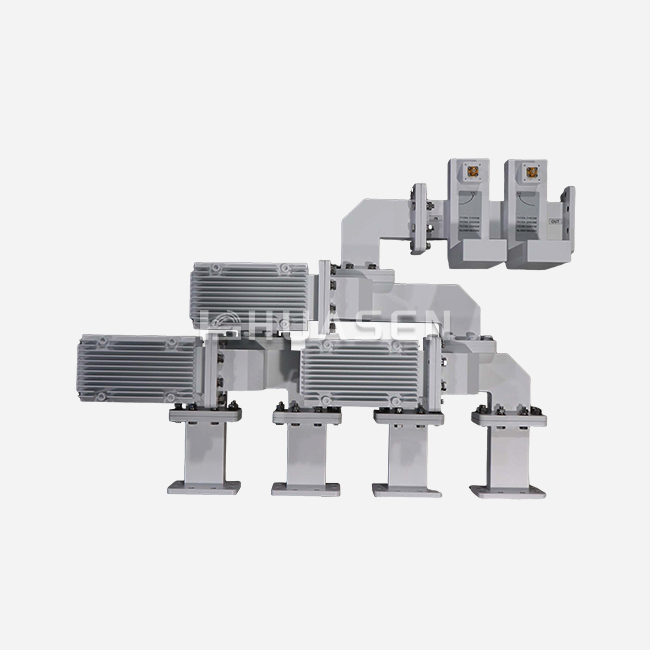
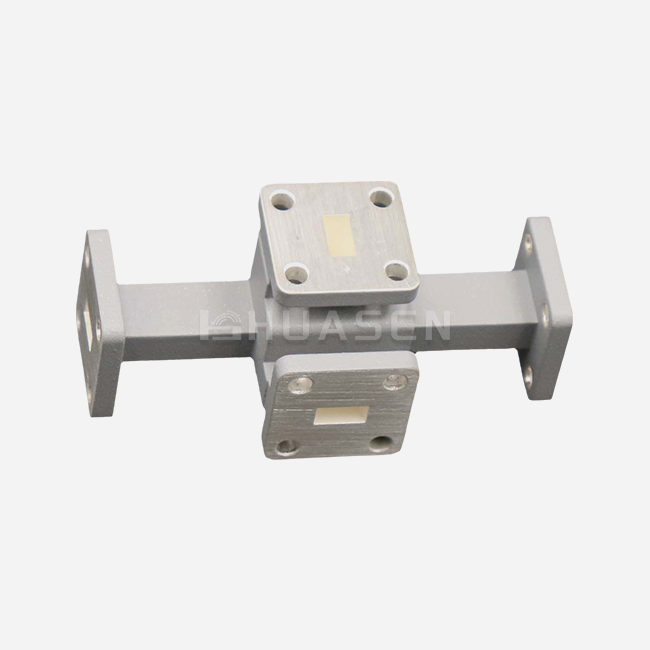
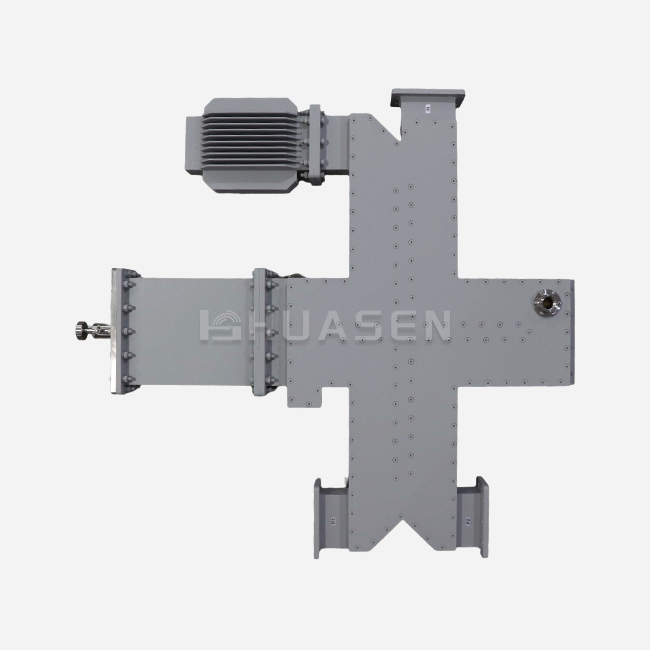
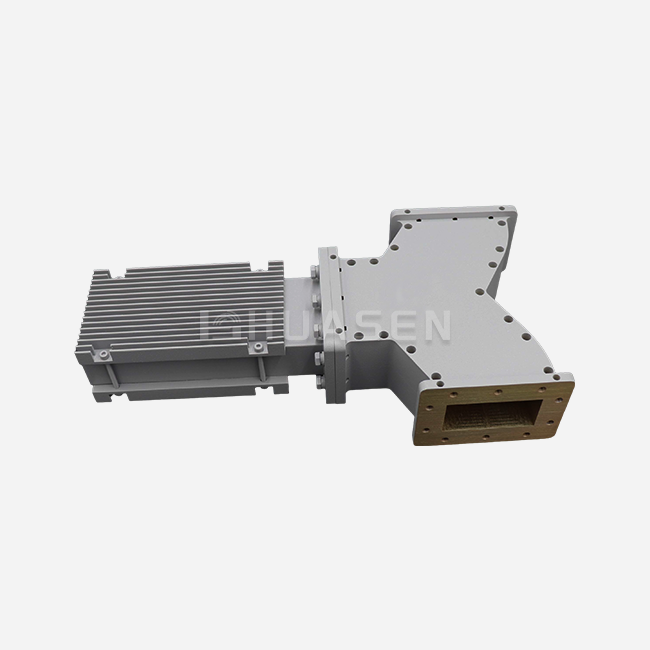
To tell the difference between targets and background noise, radar systems need to precisely control the frequencies they use. Waveguide filters act like guards, letting only the signals you want through and blocking frequencies you don't want that could hide important returns. These hollow metal structures work much better than coaxial options at microwave and millimeter-wave frequencies thanks to air-filled spaces and resonant coupling. The structure, which usually has irises or posts linking cavities next to each other, makes transfer functions that radar makers can count on to work consistently.
Construction and Operating Principles
The actual form is based on metal tubes that are either rectangular or circular and are sized to allow electromagnetic waves to travel at certain frequencies. Cavity resonators inside the framework temporarily store energy, which makes frequency-selective behavior possible through both positive and negative interference. Bandwidth and denial are controlled by the coupling processes between cavities. This completely inactive method gets rid of the problems with noise generation and power usage that come with active filtering methods.
Performance Advantages Over Alternative Technologies
In the passband, waveguide systems often have insertion losses below 0.5 dB, which is a huge benefit when every decibel affects the greatest detection range. Because air-dielectric holes naturally have a high Q-factor, they have sharp roll-off features that let channels be close together without interfering with bands next to them. The thermal stability is very good even at very high or very low temperatures, so the frequency accuracy stays the same without any active adjustment. This mechanical toughness is very important for radar systems that work in marine or aircraft environments, where vibrations and changes in temperature are often.
Practical Impact on Radar Selectivity
Nearby transmission signals are always getting in the way of weather radar devices that use the X-band frequency. When properly set up, bandpass filters separate the 9.3–9.5 GHz working band, blocking cellular and satellite downlink frequencies that would make sensors less sensitive otherwise. Similar things happen with naval fire-control radars, where high-pass setups stop low-frequency jamming signals from being too strong for the front-end boosters. Each example shows how strategically placing waveguide bandpass filters can turn the rough electromagnetic environment into a clean signal area that can be used.
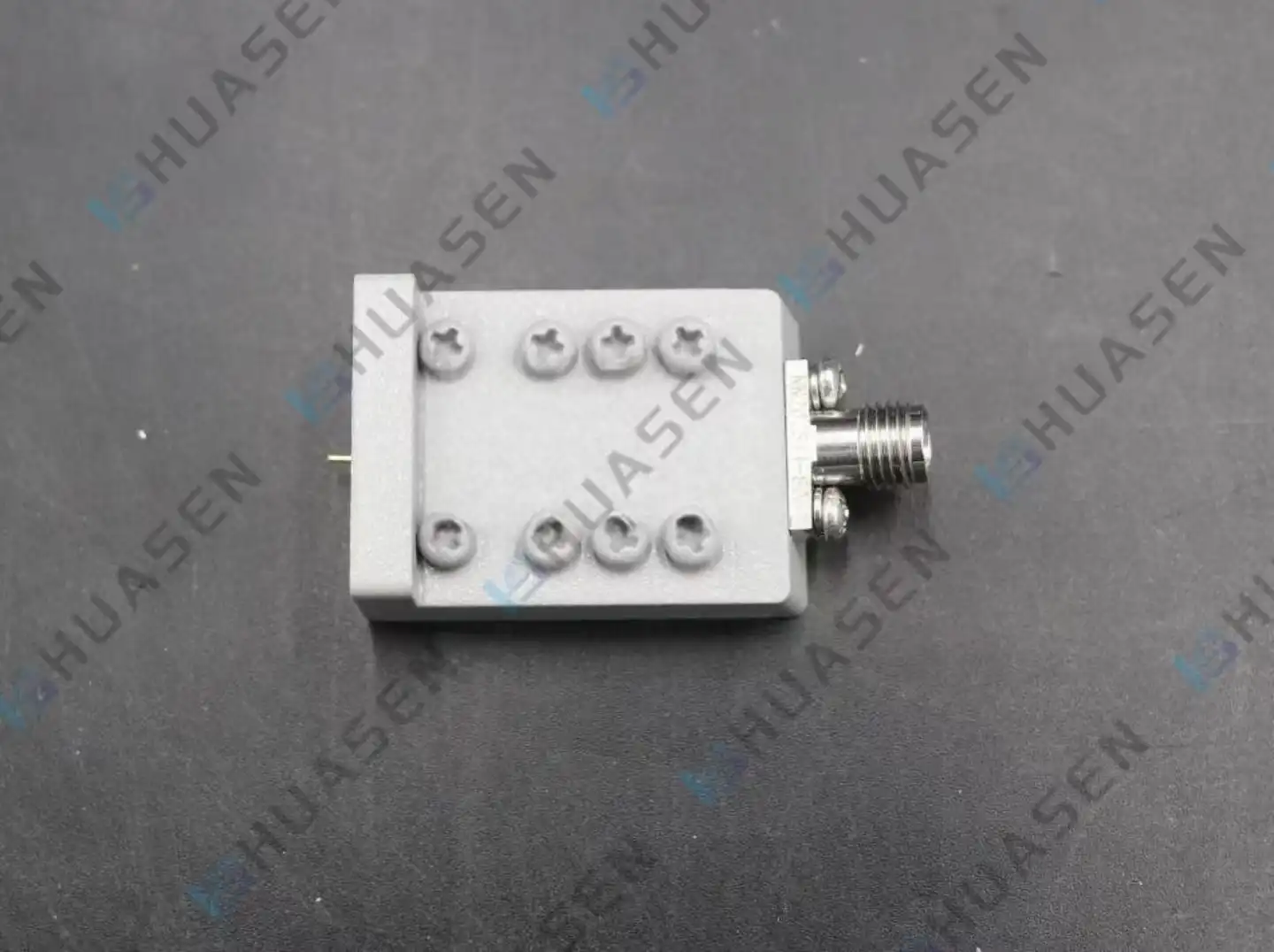
Key Performance Metrics and Design Basics for Waveguide Filters
Understanding Critical Specifications
The frequency range tells you the range of frequencies that the Waveguide Filter can handle while still working as expected. The center frequency and bandwidth are directly related to the size of the hollow. Bigger structures can handle lower frequencies, but they weigh more and take up more space. Insertion loss measures how much the signal is weakened in the passband. It usually falls between 0.3 dB and 1.5 dB, but this depends on how complicated the design is. Return loss, which is often written as VSWR (Voltage Standing Wave Ratio), shows how well the impedance matches. Values below 1.3:1 mean that signals will be reflected as little as possible. The filter's rejection performance, which is recorded in decibels at certain offset frequencies, shows how well it blocks out unwanted sounds.
Filter Topology Comparisons
Cavity resonator filters are most common in high-power radar uses where signals at the kilowatt level need to be strong. Multiple resonant parts are stacked in these designs, and each one adds to the general transfer function. Dielectric-loaded versions are smaller because they fill gaps with high-permittivity ceramics. They give up some power handling to be smaller, which is a good trade-off for flying radar pods that need to save room. Lumped-element methods are mostly used in low-frequency situations where waveguide sizes are too big, but they can't be used in very demanding situations because they cause insertion loss.
Material Selection and Its Consequences
Most industrial radar filters are made from aluminum alloys, which are strong enough to carry electricity but not too heavy. Plating something with silver or gold lowers the surface resistance, which in turn lowers insertion loss. This is especially helpful above 20 GHz, where the skin depth drops to a few microns. Invar or Kovar constructions are used in precise uses that need very little thermal expansion and need to keep frequency stable when temperatures change. To make the choice, you have to weigh the electricity performance, the mechanical qualities, and the cost limits that are unique to each deployment situation.
Waveguide Dimensions and Frequency Relationship
Standard waveguide sizes are based on well-known standards, such as WR-90 for X-band or WR-28 for Ka-band. Each name is linked to a certain set of internal measurements that allow single-mode propagation within certain frequency bands. When you work too close to the cutoff frequency, the data gets distorted, and there is more loss. On the other hand, when you work with too much frequency margin, you waste room. Radar system designers need to make sure that the filter ports they choose fit with the current waveguide infrastructure. Interfaces that don't match can cause extra loss and mechanical problems during assembly.
How to Choose the Right Waveguide Filter for Your Radar System
Aligning Specifications with System Requirements
The first step in the choosing process is to write down how your system works. The passband is set by the transmit and receive frequencies, and the out-of-band messages that need to be blocked are found through danger analysis. Peak and average power levels limit the Waveguide Filter choices. For example, devices that are designed for 100W of steady waveguide bandpass filter operation fail completely when exposed to the kilowatt bursts that are typical in surveillance radar. Environmental requirements are just as important as performance requirements. For example, sites on ships need to be resistant to salt fog, while stations in space need to be able to handle low pressures without breaking down. Power handling is an example of a regular design mismatch. Radar emitters send out short, high-amplitude bursts that stress filter parts in a way that is different from continuous-wave signals. Manufacturers usually rate products for both CW power and peak pulse power, but buying teams need to make sure that both values are higher than the system's maximums by a sufficient amount. When high power is applied to filters that are too small, arcing damage happens, which can cause them to fail right away or slowly lose their performance.
Physical Integration Constraints
Mounting options have a big effect on the actual choice. Baseplate-mounted designs make thermal management easier by sending heat straight to the equipment chassis. Flange-mounted designs, on the other hand, let you choose the direction. Interface standards, like UG-style flanges or finely cut choke flanges, must match current parts so that adapters don't have to be made from scratch. When used in UAVs or missiles, size and weight restrictions may push people to choose dielectric-loaded small versions, even though they can't handle as much power.
Technology Trade-offs and Alternatives
Below 10 GHz, coaxial filters are a good option because they come in smaller packages and cost less. But at higher frequencies, their insertion loss goes up very quickly, and they can't handle much power because the filler material breaks down dielectrically. Microstrip versions make it possible to put components on circuit boards, but they cause substrate losses and temperature reactivity that are not acceptable for precision radar. Waveguide technology is the most popular in radar because it has low loss, high power, and frequency scaling, which are all benefits that other methods can't offer at the same time.
Procurement Considerations That Matter
Lead times are very different for stock items and unique designs. Standard X-band bandpass filters can be shipped within a few weeks, but it takes months to validate the design and make a millimeter-wave diplexer. Complexity affects pricing. A simple three-cavity filter might cost a few hundred dollars, but an eight-cavity design with exact specs can cost thousands of dollars. When filters are used in radar systems that cost millions of dollars, supplier trustworthiness is very important. Well-known makers offer qualification data, long-term uptime guarantees, and quick technical support that many foreign options can't match.
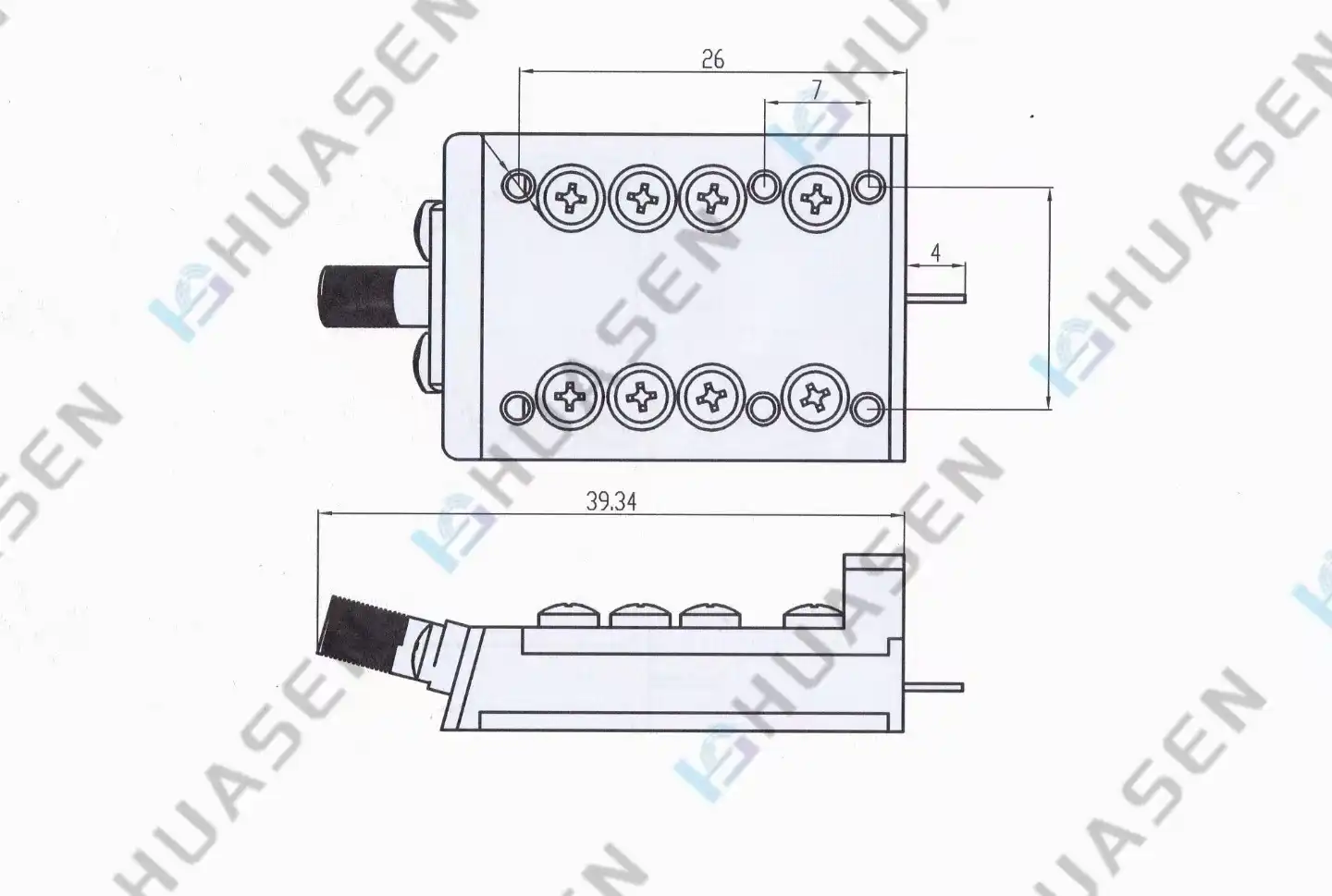
Evaluating Leading Waveguide Filter Manufacturers and Suppliers
Industry Landscape and Specialization Areas
There are clear market groups for Waveguide Filter based on frequency range and application focus. Pasternack keeps huge files of standard designs that cover popular radar bands. These are useful for projects that can use parts that are already on the market. RF-Lambda focuses on special engineering and works closely with customers to make filters work best with their radar systems. Krytar focuses on high-power handling and broadband solutions for monitoring radar applications where cost is not as important as operating freedom. Using its history in making test equipment, Keysight offers precisely tuned filters with detailed performance data. This is useful when radar systems need repeatable specs for certification.
Interpreting Technical Documentation
Datasheets show important information below the Waveguide Filter headline numbers. S-parameter plots show the real performance across frequencies, showing passband noise and rejection slope that aren't clear from single-number specs. Temperature factors show how the center frequency changes when the world does. This is very important for radar systems that work in all seasons or at all heights. Mechanical sketches show the patterns of mounting holes, the sizes of the waveguide interfaces, and the thermal expansion factors that affect how the installation is planned. Before agreeing to buy orders, procurement specialists should ask for this paperwork early and make sure it works with what they need.
Custom Filter Development Process
Filters that aren't in the list are often needed for complex radar designs. Engineers turn system needs into thorough specs, such as frequency response masks, power levels, and environmental conditions, which are the first step in custom development. After prototyping, samples are made for interaction testing and making sure the prototype works well. Manufacturers who can try their products in-house can speed up this process by checking the real performance before spending money on production tools. Clear communication is needed for the partnership to work. Specifications that aren't clear lead to redesign versions that cost more and take longer.
Support Infrastructure and After-Sales Services
Premium suppliers are different from commodity vendors because they offer responsive expert help. Before a sale, engineering help guides buyers through standard trade-offs, frequently showing cost-cutting improvements that don't affect performance. Sample programs let you try how well they work before committing to a large order, which lowers the risk of integration in complicated radar front ends. Post-delivery help takes care of problems in the field by giving troubleshooting advice and new units when they break. Well-known companies keep quality systems that can be tracked back to standards like ISO 9001 and provide paperwork that meets military requirements for approval.
Conclusion
In order to choose the best Waveguide Filter for radar systems, you need to carefully look at their electrical performance, any mechanical limitations, and the supplier's abilities. Implementations that work well balance the need for insertion loss against the need for rejection, while also meeting the needs for power handling and weather longevity. The main benefits of the technology—low loss, high power, and frequency stability—explain why it remains the best choice for challenging radar uses, even though new options are coming out. Getting experienced providers involved early in the design process speeds up the process of refining specifications and lowers the risk of integration failure. As radar systems move toward millimeter-wave frequencies and electromagnetic surroundings get busier, choosing the right waveguide filter becomes more and more important for completing missions.
FAQ
1. What are typical lead times for custom waveguide filters?
Most standard stock filters are sent out two to four weeks after the order is placed. Custom Waveguide Filter designs take longer to make: reviewing the specifications and getting approval for the design takes one to two weeks, making a prototype takes three to six weeks, and making the production tools takes four to eight weeks more. It could take six months from the first contact to delivery of complex millimeter-wave filters or systems that meet military standards. By planning purchase schedules around these facts, program delays can be avoided, and the necessary schedule margin can be gained by involving suppliers during the system design phases rather than the integration stages.
2. How do waveguide filters compare to coaxial alternatives?
Above 10 GHz, waveguide systems are the best because they don't lose as much signal as coaxial cables do, and they also handle more power better. Below this point, coaxial filters come in smaller packages and are easier to install, especially when the system plan already has coaxial infrastructure built in. The crossing point depends on the needs; for example, high-power radar systems may prefer a waveguide even at lower frequencies, while transmission systems with low power may like the ease of use of coaxial. When comparing insertion loss at X-band, waveguides usually have benefits of 0.5 to 1.0 dB, which may not seem like much, but is important when radar detection range depends on the total link budget.
3. Can multi-band operation use single filters?
Due to the way waveguides work, working at the same time across widely separated bands like S-band and X-band needs separate filters. Cavity dimensions that work well at 3 GHz can't handle 10 GHz signals well. Broadband designs that cover both ranges are sometimes possible, though, when bands are adjacent or harmonically linked. Instead of trying to find a single-device answer, radar systems that need to switch bands quickly usually use mechanical or solid-state switches to connect several bandpass filters. When choosing an architecture, you have to weigh the number of parts against how flexible it is. The decision is based on the cost and complexity of the system.
Partner with Huasen Microwave for Your Radar Filtering Solutions
Radar system engineers and buying specialists looking for dependable Waveguide Filter suppliers can find all the help they need at Huasen Microwave. Our three decades of specialization in high-frequency microwave and millimeter-wave component manufacturing position us to address your most demanding filtering requirements. We maintain an extensive inventory across standard radar bands while offering full customization capabilities for specialized applications. Our engineering team collaborates closely during specification development, ensuring selected filters integrate seamlessly with your radar architecture while meeting environmental and certification standards. Contact our technical sales team at sales@huasenmicrowave.com to discuss your project requirements and receive detailed quotations supported by complete technical documentation.
References
1. Matthaei, G.L., Young, L., and Jones, E.M.T. (1980). Microwave Filters, Impedance-Matching Networks, and Coupling Structures. Artech House Publishers.
2. Pozar, David M. (2011). Microwave Engineering, 4th Edition. John Wiley & Sons, Chapter 8: Microwave Filters.
3. Hunter, Ian C. (2001). Theory and Design of Microwave Filters. Institution of Engineering and Technology (IET) Electromagnetic Waves Series.
4. Cameron, Richard J., Kudsia, Chandra M., and Mansour, Raafat R. (2007). Microwave Filters for Communication Systems: Fundamentals, Design, and Applications. Wiley-Interscience.
5. Skolnik, Merrill I. (2008). Radar Handbook, 3rd Edition. McGraw-Hill Professional, Chapter 3: Radar Transmitters and Receivers.
6. IEEE Standard 149-1979 (Reaff 2008). IEEE Standard Test Procedures for Antennas. Institute of Electrical and Electronics Engineers, Sections on Filter Measurements in Antenna Systems.
Send Inquiry