Where to Buy Waveguide Probe Couplers for Aerospace and 5G Labs?






2026-04-05 22:16:28
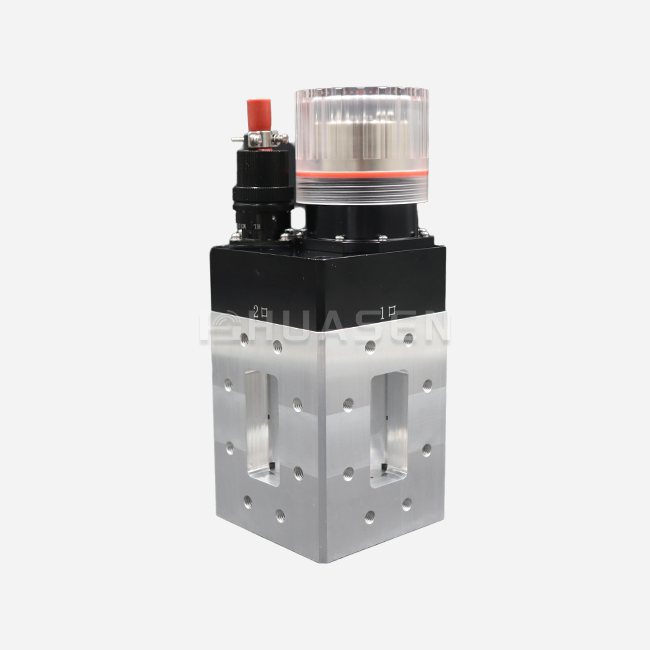
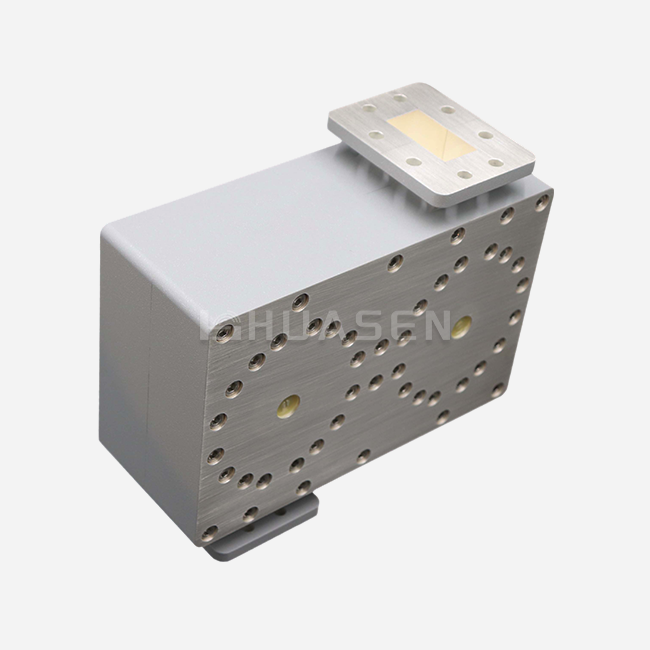
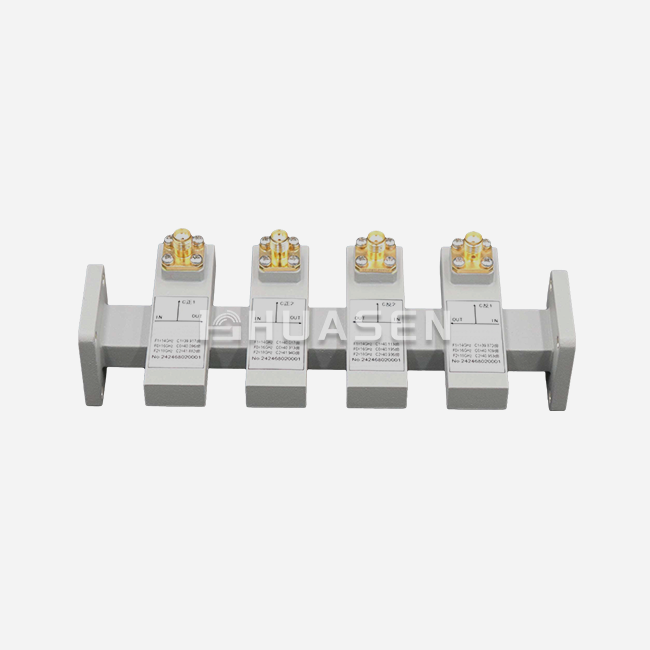
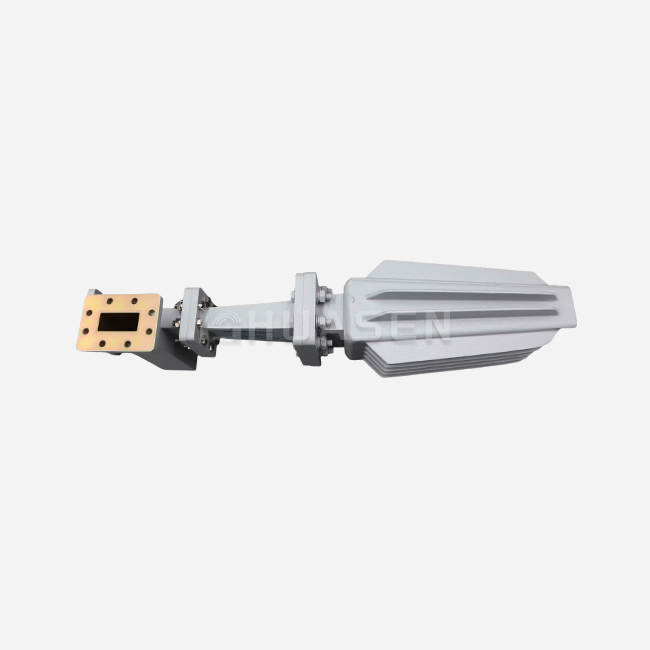
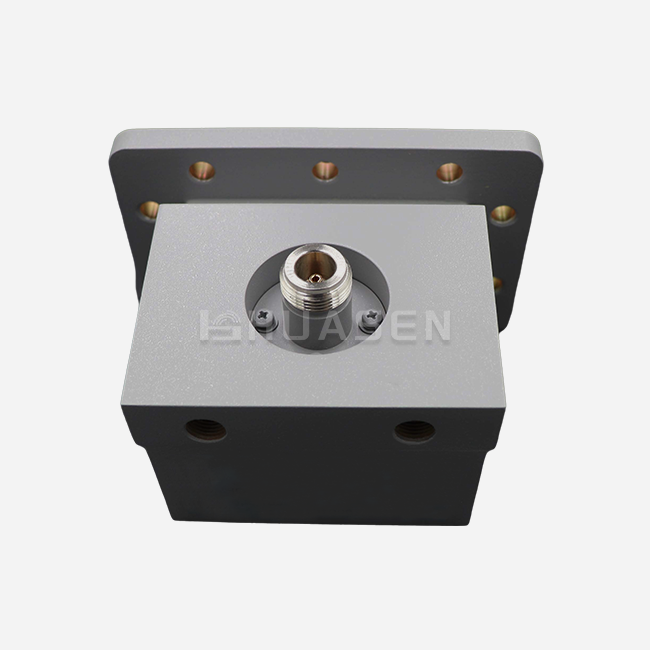
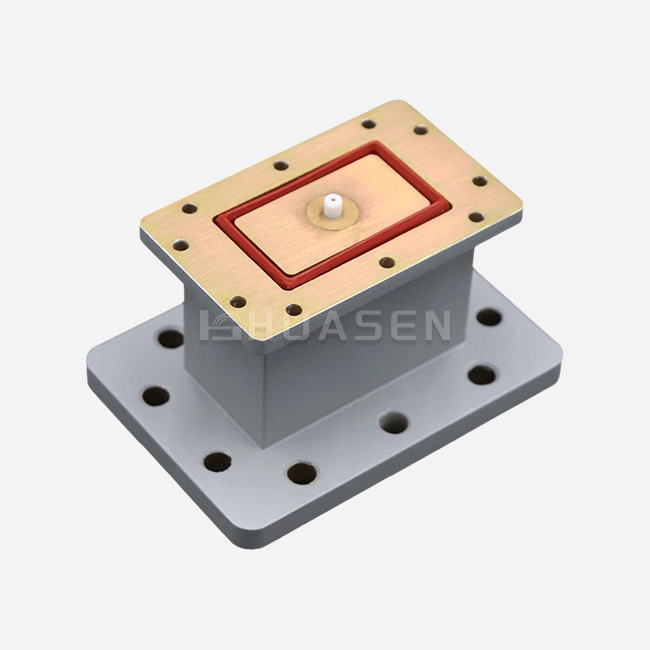
When buying waveguide probe couplers for 5G millimetre-wave lab uses and aerospace radar systems, procurement teams need to find sources that can provide precision-engineered parts that meet strict performance standards. The Waveguide Probe Coupler is a key part of the connection between coaxial transmission lines and Waveguide Probe Coupler rectangular waveguides. It makes it possible to watch signals, sample power, and find faults without any problems in high-frequency settings where accuracy and dependability are very important.
Understanding Waveguide Probe Couplers and Their Role in Aerospace & 5G Labs
As precise electromagnetic transition parts, waveguide probe couplers change microwave energy between coaxial transmission lines that work in TEM mode and rectangular waveguides that use TE10 propagation modes. To get the desired propagation properties, these devices use a conductive probe element that is placed within the waveguide's electric field in a smart way, usually a quarter-wavelength away from a short-circuit back wall.
Technical Specifications and Operating Principles
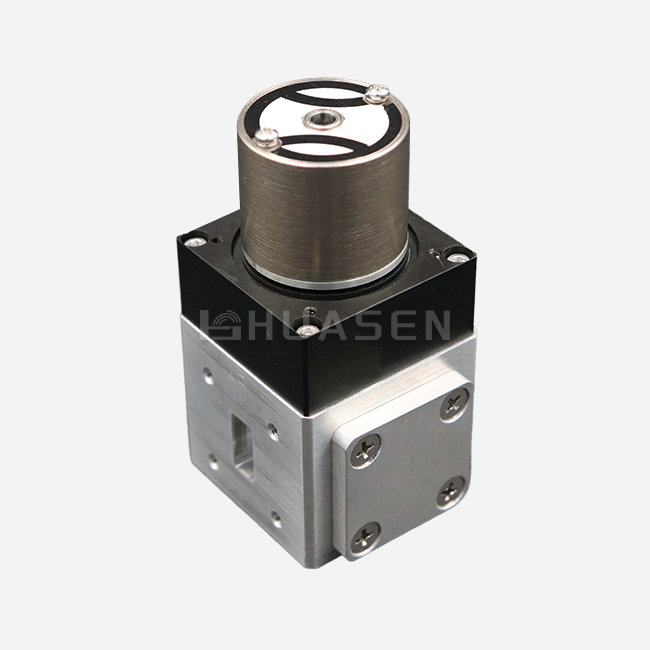
There are two main types of modern waveguide couplers: fixed (WTC) and adjustable (WVTC). The degree of coupling is between 10 and 60dB, which gives engineers a lot of choices to meet different signal monitoring needs. The theory behind the design of these parts is non-directional, which means that they put simplicity and dependability over complicated directional coupling mechanisms. The small size of these devices makes them useful in places with limited room, like aerospace and 5G labs. Because they take up little space, they can be added to systems with a lot of other parts without affecting speed. Because these parts are easy to use, technicians can quickly put them together during system assembly or repair.
Applications in Critical RF Systems
In aircraft radar networks, these couplers let high-power signals be monitored without getting in the way. They do this without causing a lot of insertion loss or arcing events. The devices work great in ground stations for satellite communication because they can send Ku or Ka-band signals straight from feed horns to electronics on a PCB while keeping the signal's integrity.5G millimetre-wave labs use Vector Network Analysers to precisely characterise parts with these couplers. The parts make it possible to measure waveguide filters and antennas' S-parameters accurately, which helps the development of next-generation wireless infrastructure. Engineers can check signal levels with power sampling without messing up the main transmission line.

Comparing Waveguide Probe Couplers: Making the Right Technical Choice
Selecting appropriate waveguide coupling solutions requires careful evaluation of performance parameters relevant to specific aerospace and 5G applications. Engineers must consider insertion loss characteristics, which typically remain below 0.2 dB for high-quality components, and Voltage Standing Wave Ratio specifications that should achieve better than 1.25:1 performance.
Material Considerations and Design Variations
The choice between brass, aluminium, and copper construction has a big effect on how well and how long a gadget works. High Without Oxygen Copper parts with high conductivity have better electricalwaveguide coupler qualities and less skin effect loss, which makes them perfect for high-frequency uses. Silver or gold plating makes something more resistant to corrosion while still allowing it to carry electricity very well. Field tunability and bandwidth efficiency are affected by differences in design between sliding and fixed backshort configurations. Technicians can improve performance for certain narrowband frequencies with sliding backshort designs, while fixed setups offer broadband operation that is already calibrated and ready for use in a wide range of situations.
Environmental and Dimensional Constraints
For aerospace uses, parts need to be able to handle harsh environmental conditions like changing temperatures, vibrations, and shock loads that meet MIL-STD-810G standards. Probe couplers' small, orthogonal shape makes them useful in situations where mechanical packaging is limited, like in spaceship and aircraft systems. In 5G lab sets, space limitations often mean that parts need to have a small footprint while still meeting exact connector interface standards. It works with SMA, N-type, and waveguide flange standards, so it can be easily added to test and measurement systems that are already in use.
Where to Buy Waveguide Probe Couplers: Trusted Suppliers and Manufacturers
The global marketplace for precision RF components includes several established manufacturers known for delivering high-quality waveguide coupling solutions. Keysight Technologies offers comprehensive test and measurement solutions with waveguide components designed for laboratory environments. Their products emphasise calibration accuracy and measurement repeatability essential for 5G development work.
Leading Industry Suppliers
Pasternack specialises in RF and microwave components with extensive waveguide product lines suitable for both aerospace and telecommunications applications. Their rapid prototyping capabilities and standard product availability support diverse procurement timelines. Huber+Suhner maintains a strong presence in aerospace markets, offering components certified for harsh environmental conditions. Teledyne Technologies provides advanced waveguide solutions for defence and aerospace applications, emphasising high-power handling and reliability under extreme conditions. Flann Microwave focuses on precision test components for laboratory applications, offering custom solutions for specialised measurement requirements.
Custom Manufacturing Options
Standard off-the-shelf solutions address manycommon applications of waveguide couplers, while custom manufacturing becomes necessary for specialised frequency bands or unique mechanical requirements. Custom development processes typically involve detailed specification reviews, prototype development, and validation testing phases. Lead times for custom components range from 8-16 weeks, depending on complexity and supplier capacity. Minimum order quantities vary significantly among suppliers, with some manufacturers accommodating single-unit prototypes while others require higher volumes for custom configurations. Understanding these requirements early in the procurement process helps avoid project delays and budget overruns.
How to Evaluate Pricing and Procurement Terms for Waveguide Probe Couplers
Pricing structures for waveguide coupling components reflect material composition, manufacturing complexity, and performance specifications. High-frequency components utilising precious metal plating command premium pricing compared to standard brass constructions. Custom frequency bands or specialised connector interfaces typically involve additional engineering costs and tooling investments.
Best Practices for Competitive Sourcing
For procurement strategies to work, they need to ask multiple suppliers for detailed quotes while giving them detailed technical specs. Engineers should ask for full datasheet packages that include S-parameter data, mechanical models, and environmental requirements. Sample evaluation apps let you check the performance of a component before you buy a lot of them. For volume agreements, especially for standard configurations used on multiple projects, there are often chances to negotiate. Setting up ties with preferred suppliers can help you get better prices and be given priority when the supply chain is slow.
Supply Chain Risk Management
In the aerospace market, standard parts usually arrive within 4 to 12 weeks, while custom designs can take up to 20 weeks. Shorter lead times are often needed for 5G lab applications, so the ability of the supplier to handle inventory and make predictions is an important factor in choosing them. Finding other providers for important parts helps reduce reliance on a single source and keeps the project running. Export control compliance for military and aerospace uses is one thing that needs to be thought about when sending goods internationally. For cross-border shipments of parts, especially high-frequency devices that could be used for more than one thing, suppliers must keep the right licenses and approvals.
Ensuring Quality and Long-Term Reliability: Key Purchasing Considerations
Quality assurance programs for waveguide components must address both electrical performance and mechanical reliability requirements. MIL-STD compliance ensures components meet aerospace environmental and performance standards, while 3GPP specifications validate suitability for 5G infrastructure applications.
Certification and Technical Compliance
Suppliers with a good reputation use ISO 9001 quality control systems that have specific steps for making and testing RF components. Calibrated measuring tools make sure that the performance is accurately described, and recorded traceability helps with quality checks and making sure that regulations are followed. RoHS compliance is about making sure that electrical parts follow environmental rules. Comprehensive warranty policies protect against flaws in the manufacturing process and show that the source trusts the reliability of the product. Having technical support skills, like helping with design and application engineering, is very helpful during the system integration stages. Technical questions and problems in the field can be solved quickly with responsive customer service.
Performance Validation and Case Studies
Successful implementations of aerospace radarWaveguide Probe Coupler show how important high-quality waveguide couplers are for keeping system efficiency high. For weather radar to work, its parts need to be able to keep their calibration accuracy over a wide range of temperatures and handle the mechanical stress that comes from antenna movement systems. Precision couplers are useful for satellite transmission systems because they have low insertion loss and stable electrical properties. In 5G labs, it's clear how important it is for measurements to be accurate and stable over time. For accurate component characterisation and system validation, test engineers depend on couplers that work the same way every time. The small size lets it be added to automatic test systems while still being easy to access by hand for calibration tasks.
Conclusion
To buy waveguide probe couplers for 5G and aerospace uses, you need to carefully look at the technical specs, the supplier's skills, and their long-term support promises. Knowing the main differences between fixed and adjustable configurations, as well as material and design factors, helps you make smart choices that meet the needs of your particular application. The market has a wide range of suppliers, from well-known test equipment makers to specialised companies that make RF components. Comprehensive technical evaluation, competitive sourcing, and strong seller qualification processes are all important parts of good procurement strategies. Quality assurance and compliance are still the most important things to think about when trying to make sure that a system will work well and be reliable in the long run.
FAQ
1. What factors determine the power handling capability of waveguide probe couplers?
Power handling limitations primarily stem from breakdown voltage characteristics at the coaxial connector interface and air gaps surrounding the probe element. High peak power applications may experience arcing or multipaction effects, particularly in high-altitude or vacuum environments common in aerospace systems.
2. How does backshort positioning affect coupler performance?
The backshort position, typically located one-quarter wavelength from the probe, critically influences impedance matching and bandwidth characteristics. Thermal expansion or improper tuning can create reactive mismatches that significantly degrade VSWR performance and reduce operational bandwidth.
3. Can probe couplers support full waveguide frequency bands?
Standard probe designs typically achieve 20-30% bandwidth coverage due to impedance matching constraints. Full waveguide band operation requires advanced techniques such as ridge loading or multi-stage impedance transformation networks, which increase complexity and cost.
Partner with Huasen Microwave for Premium Waveguide Solutions
Huasen Microwave Technology stands as a trusted waveguide probe coupler manufacturer with over three decades of expertise in high-frequency component development. Our comprehensive product portfolio includes both Fixed (WTC) and Adjustable (WVTC) configurations with coupling degrees from 10 to 60dB, specifically engineered for aerospace and 5G laboratory applications. With rigorous quality control processes and MIL-STD compliance capabilities, we deliver reliable solutions that meet the most demanding technical requirements. Contact our engineering team at sales@huasenmicrowave.com to discuss your specific waveguide coupling needs and experience our commitment to excellence in RF component manufacturing. Visit huasenmicrowave.com to explore our complete range of precision microwave solutions designed for mission-critical applications.
References
1. Collin, Robert E. "Foundations for Microwave Engineering," Second Edition, McGraw-Hill Education, 2001.
2. Pozar, David M. "Microwave Engineering," Fourth Edition, John Wiley & Sons, 2012.
3. IEEE Standard 149-2021, "IEEE Standard Test Procedures for Antennas," Institute of Electrical and Electronics Engineers, 2021.
4. MIL-STD-461G, "Requirements for the Control of Electromagnetic Interference Characteristics of Subsystems and Equipment," Department of Defense, 2015.
5. Thompson, James R. "Waveguide Components for Aerospace Applications: Design and Performance Considerations," Microwave Journal, Vol. 65, No. 3, 2022.
6. Chen, Li Wei et al. "5G Millimeter-Wave Test and Measurement Techniques Using Precision Waveguide Components," IEEE Transactions on Microwave Theory and Techniques, Vol. 70, No. 8, 2022.
Send Inquiry