Troubleshooting Overheating of Waveguide Terminations in RF Circuits






2026-04-07 21:05:51
When waveguide terminations get too hot, they lower the stability of the RF system and can even cause severe hardware failure. When a matched load takes in electromagnetic energy, it turns that energy into heat. This is a normal process, but it can become a problem when heat loss can't keep up with power gain. Too much heat breaks down absorbing materials, changes the impedance properties, and raises VSWR, which creates harmful reflection paths back to sensitive amplifiers and emitters. To fix burning, you need to find and fix problems with power handling limits, thermal management, and impedance mismatches in a planned way. This will ensure safe working conditions and protect important infrastructure.
Understanding Waveguide Termination and Its Role in RF Circuits
Waveguide terminations are important passive components of microwave and radio frequency (RF) systems because they receive electromagnetic energy and stop harmful reflections. Any change in resistance along transmission lines sends standing waves that lower efficiency and could hurt parts like magnetrons, klystrons, and solid-state power amps that are further up the line. If you build the matched load correctly, it will have the same characteristic impedance as the waveguide. This means that the load will absorb almost all of the energy, and return loss will be kept to a minimum.
Core Function of Matched Loads in High-Frequency Systems
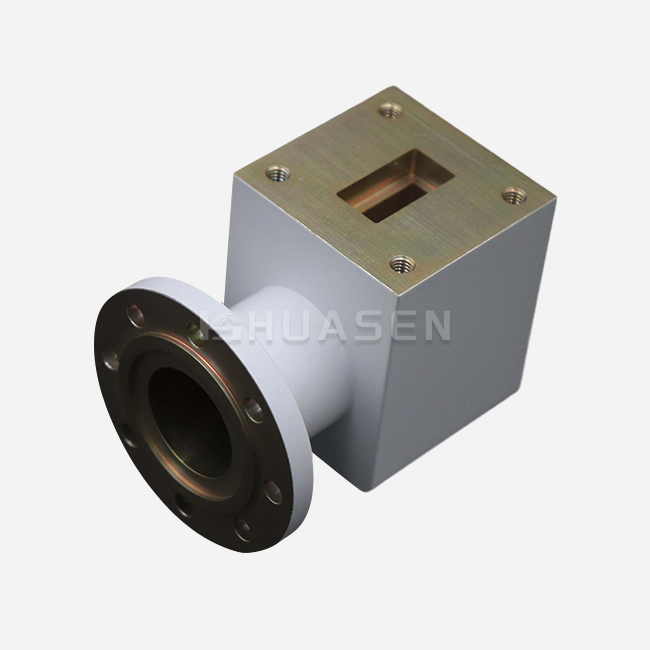
Matched loads play many parts in radar, satellite, and internet systems. They mimic ideal antenna conditions during system calibration so that messages don't get sent into the spectrum. This is important for testing in the lab and making sure everything is okay before deployment. In high-power radar sites, dummy loads take in the transmitter's output during repair periods. This keeps people from being exposed to radiation while checking the transmitter's performance. Through dielectric loss processes, the absorption element inside these devices changes microwave energy into thermal energy. This means that controlling temperature is an integral part of electrical performance.
Types of Termination Devices and Material Selection
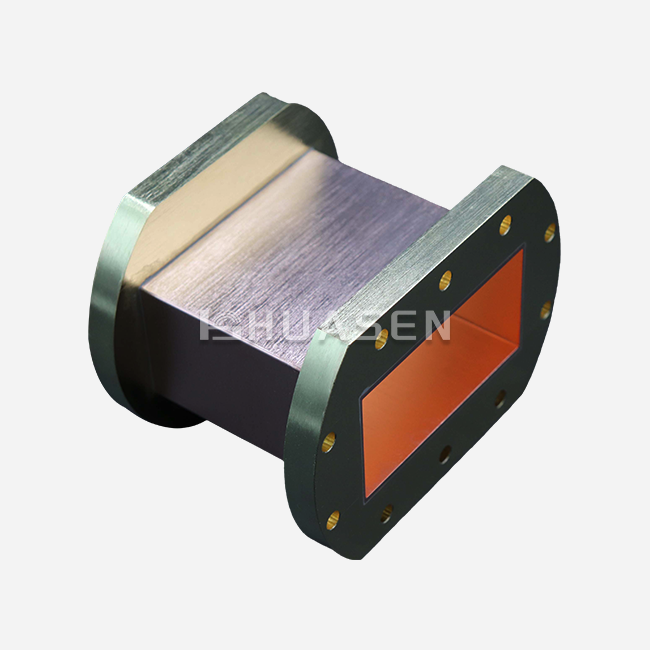
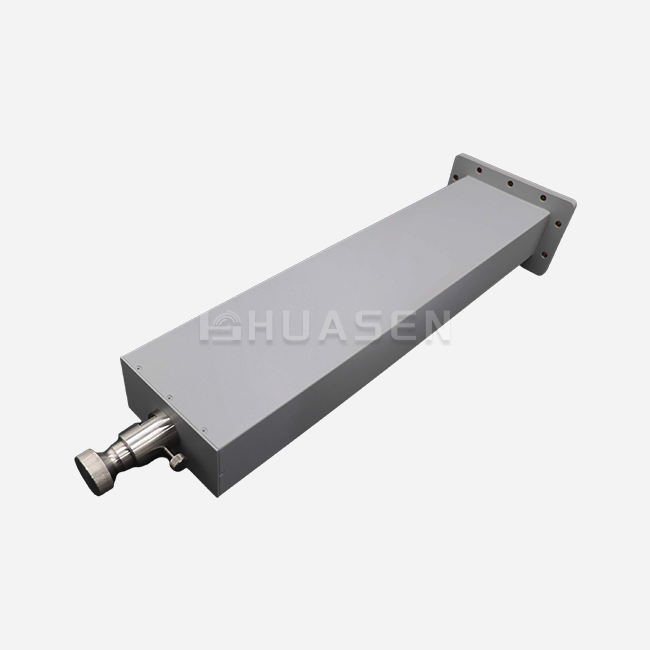
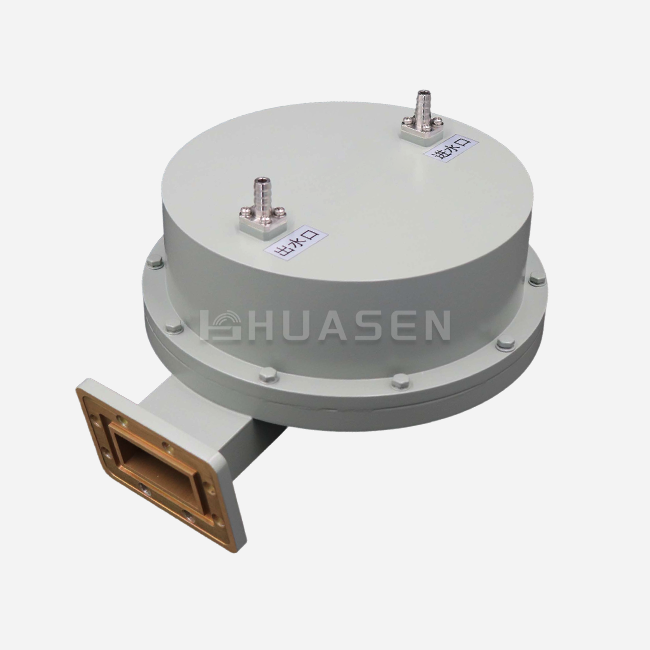
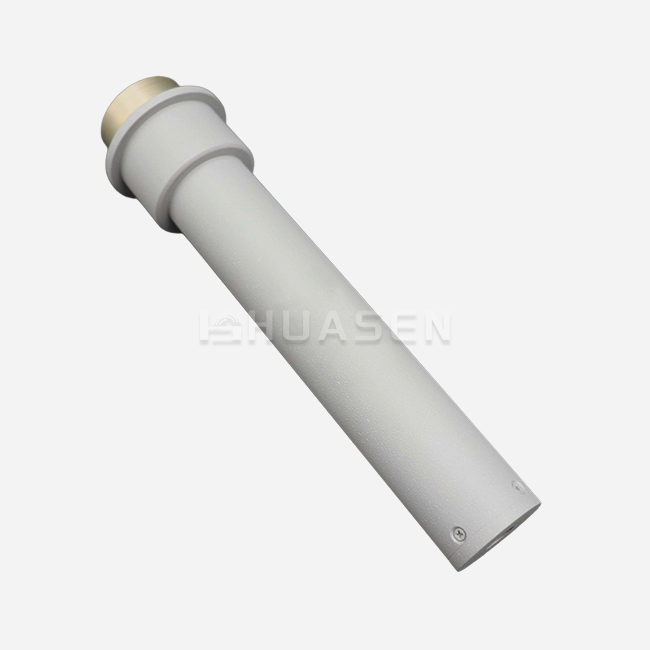
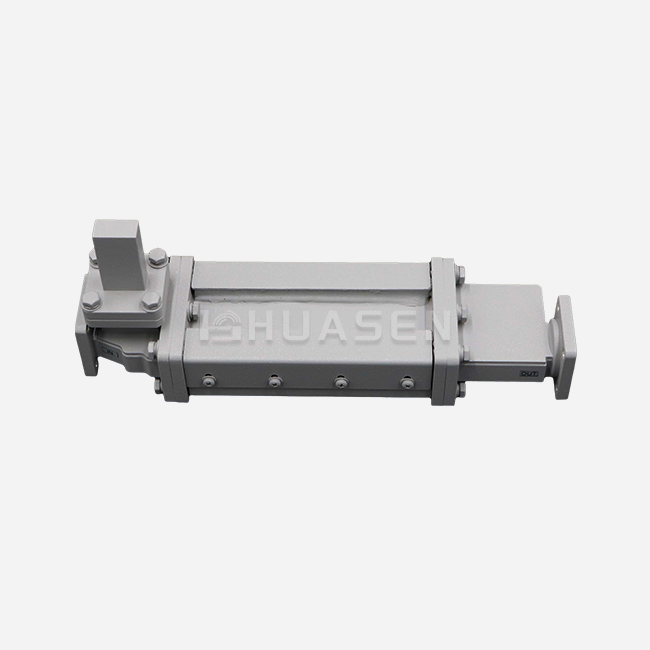
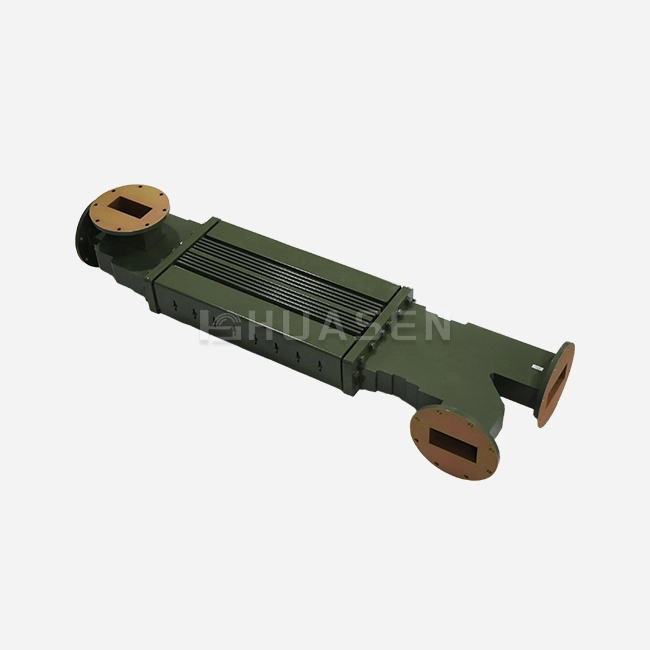
Termination designs need to be different for each application. Fixed broadband loads make general-purpose testing easier, and slide terminations allow precise VNA tuning by letting you change the phase features. Choosing the right material has a direct effect on how it reacts to heat. For example, carbon composite absorbers are a cheap option for low power levels, while ceramic and ferrite materials can handle high thermal cycling in defense and aircraft applications. Megawatts of power are lost in particle accelerators and fusion research. Water-cooled terminations stop this from happening because forced flow gets rid of heat faster than passive radiation alone.
Frequency Compatibility and Loss Characteristics
The physical measurements and loss rates are set by the operating frequency. Lower microwave bands (L, S, and C) can handle bigger shapes with gradual tapers. But millimeter-wave terminations (Ka, V, and W bands) need to be carefully machined to keep return loss below 0.05 dB across narrow bandwidths. Because dielectric losses change with frequency, absorption efficiency changes across the working range. At certain frequencies, some materials show resonance heating. When engineers choose components, they need to keep these traits in mind so that there aren't any areas that speed up wear,waveguide terminations,or failure.

Causes and Analysis of Overheating in Waveguide Terminations
Electrical, mechanical, and weather factors all affect matched loads and can cause them to fail at high temperatures. When buying teams and field engineers understand these processes, they can find weak spots in the system before small temperature increases cause equipment to break.
Impedance Mismatch and Reflected Power
Even small changes from ideal impedance matching cause power to be reflected, which raises the net amount of energy absorbed. If a waveguide termination that was made for 1.15:1 VSWR drops to 1.40:1 because of rust in the connection or mechanical stress, it will get much hotter. This mirrored energy makes standing wave patterns inside the absorber, which concentrates thermal stress at current maximum points instead of spreading it out evenly. In a harmful feedback loop, these hotspots break down organic binders or crack ceramic surfaces over time, making the electrical performance even worse.
Inadequate Thermal Dissipation Design
Power rating standards are based on certain mounting arrangements and environmental factors. A 100-watt air-cooled termination that is placed inside a sealed box with no air flow may overheat at 50 watts because there isn't enough convective cooling. There is a buildup of thermal impedance that makes it hard for heat to escape from the absorber to the mounting flange, from the mounting flange to the chassis, and from the chassis to the air outside. Coatings, anodizing, and surface finishes change the way heat moves through radiant paths, while mounting pressure changes the way heat moves through electrical paths. These are things that are often forgotten during installation.
Material Degradation and Environmental Stress
Outdoor placements are subject to UV light, water, and changes in temperature that weaken absorber materials and glue ties over time. Military and aircraft systems are subject to vibration and shock loads that put mechanical stress on the contact between the absorber and the housing. This causes microcracks to form that change how heat moves through the system. Repeated rounds of thermal expansion and contraction wear down materials, especially where two different types of material meet, and their coefficients of thermal expansion don't match up, which causes shear stress. These environmental insults add up over time and make it harder to handle power, which means that originally reasonable thermal margins aren't enough. Case studies from satellite ground stations show that terminations on circulator isolation ports often fail because the antenna VSWR goes up when bad weather happens. When rain or ice changes the impedance of an antenna, power bursts through the circulator and into the termination, going over the design limits and quickly burning. In the same way, 5G base station operations have had early termination failures because cooling provisions were too small for real job cycles due to inadequate thermal analysis.
Step-by-Step Troubleshooting Guide for Overheating Waveguide Terminations
To find and fix thermal problems, you need to use a methodical approach that includes direct inspection, electrical readings, and thermal imaging. This organized method cuts down on downtime while focusing on finding root causes instead of symptoms.
Initial Assessment and Visual Inspection
First, turn off the RF system safely and give it enough time to cool down before doing a physical check. Check the end box for discoloration, warping, or melting materials, which are all clear signs of being exposed to too much heat. Check the fitting hardware for signs of loosening and the right amount of torque. Loose hardware makes it harder for heat to move to the frame. Check the surfaces of connectors for rust, carbon tracking, or mechanical damage that makes contact resistance higher and causes localized heating. Take pictures of the conditions at the start so that you can compare them with later reports.
Electrical Performance Measurements
A calibrated vector network tester withwaveguide terminationscan be used to measure VSWR across the working bandwidth. Check the readings you have now against the manufacturer's specs and the data from the baseline acceptance test. When return loss drops more than 0.5 dB from the quoted values, it means that the resistance has changed because of changes in the material or damage inside the device. Measure the reflection coefficient at different frequencies to find resonant irregularities that could mean that the material is partially delaminating or absorbing water. If it's possible, use time-domain reflectometry to find impedance discontinuities along the waveguide termination absorbing taper. This will help you spot where the flaws are physically.
Thermal Imaging Analysis
Use infrared thermal cameras to make a picture of how the surface temperatures are distributed while the system is running at 30 to 50 percent of its rated capacity. Normal operation is shown by uniform temperature slopes, while localized spikes show problems inside the system or bad thermal paths. Check the recorded temperatures against the thermal limits that were given. For example, most ceramic absorbers should stay below 150°C, while organic materials break above 85°C. To get a good sense of the thermal context, write down the atmospheric temperature, airflow conditions, and duty cycle while readings are being taken.
Corrective Actions and Component Replacement
Using the results of the diagnostic, put in place focused answers. If a drop in resistance leads to overheating, you can fix the problem by setting the system or repairing any broken interconnects. Adding forced air movement, upgrading mounting hardware for better conduction, or switching to water-cooled terminations for high-power uses are all ways to improve cooling. When material degradation or mechanical damage happens, the part needs to be replaced. Choose new terminations that have higher power levels and better thermal specs that are based on real-world working conditions instead of theoretical design parameters. Routine monitoring after repairs validates effectiveness. Set up thermal inspections every three months and electricity performance checks once a year to find slow drift before it leads to major failures. Keep specific maintenance logs that connect recorded factors, power levels, and environmental conditions to figure out when to do maintenance next.
Choosing the Right Waveguide Termination to Prevent Overheating: A Buyer's Guide
Before launch, problems with overheating can be avoided by choosing waveguide terminations with enough thermal buffer and the right material properties. Electrical efficiency, mechanical strength, and total term cost should all be taken into account when making purchases.
Critical Procurement Specifications
Power handling ability must be higher than the worst possible working conditions, with enough room for degradation due to age and the environment. For a system that uses 50 watts of power all the time, the terminations should be rated for 100 watts or more to handle mirrored power spikes and heat buildup. Check both the average and peak power values. Pulsed radar applications need a high peak power limit even though the average dissipation isn't very high. Specifications for thermal resistance (°C/W) measure how well heat moves, with lower numbers showing better cooling ability. The temperature range for operating should include both extremes in the outdoors and heating inside the building. For outdoor systems, this range is usually -40°C to +85°C.
Material and Construction Trade-offs
Carbon fiber dampers are cheaper and have a wider frequency range, but they can't handle a lot of power and are sensitive to temperature changes. Even though they are more expensive, ceramic terminations are perfect for aircraft and defense uses because they can handle higher temperatures and power densities while keeping their stable electrical qualities. Ferrite-loaded systems offer great wideband performance in small packages, but they need careful thermal control because of the temperature coefficients of the magnetic materials. Check the quality of the building by looking at the specs for the connecting contact, the material of the housing (aluminum, brass, or stainless steel), and the methods used for sealing to protect the environment.
Supplier Evaluation and Logistics
The best makers give a lot of detailed information, like S-parameter data files, thermal models, and stability test results. When looking at providers, make sure they have ISO 9001 certification and follow the right military standards (MIL-STD-202, MIL-STD-348) for defense uses or RoHS/REACH for business communications. Check out the minimum order sizes, wait times for normal vs. custom configurations, and price models for buying in bulk. Some providers give application engineering help for custom frequency coverage, power scaling, or environmental hardening. This is a useful service when the needs go beyond what is listed in the catalog. Before agreeing to large orders, ask for sample units to be tested in real-world situations to make sure they meet the requirements. Early in the buying process, prototype evaluation finds problems with compatibility, thermal performance, and mechanical fit. Set up redundant supply chains with approved alternative sources, especially for long-term production projects where there is a chance that parts will become obsolete.
Best Practices to Maintain Waveguide Termination Efficiency and Avoid Overheating
Preventative maintenance and using the right fitting methods can make waveguide terminations last longer and stop them from failing too soon due to heat. These practices lower the total cost of ownership waveguide terminationsby making things more reliable and cutting down on the cost of replacing them in an emergency.
Installation Protocols and Mechanical Assembly
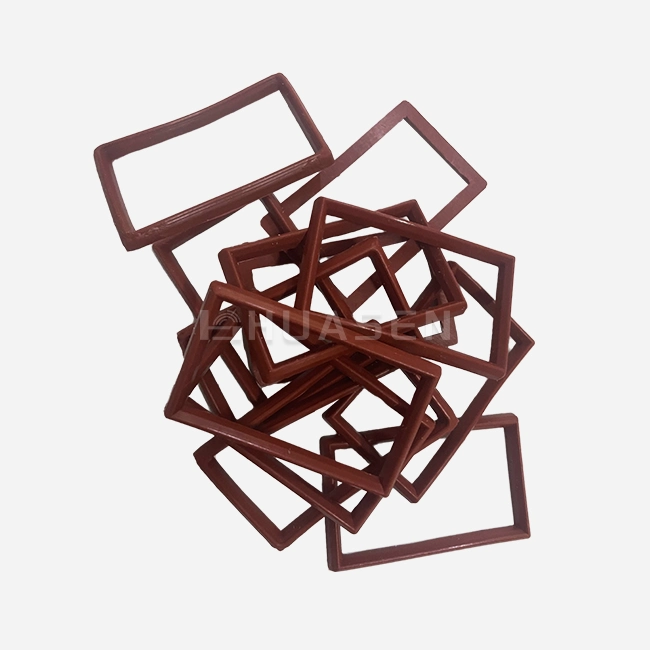
When putting together a connection, make sure you follow the manufacturer's torque specs to the letter. Not enough torque causes thermal contact resistance, and too much torque breaks threads or crushes gaskets. For outdoor installs, use the right anti-seize chemicals on threaded connections to stop galvanic corrosion, which lowers the ability to conduct heat and electricity. Make sure that devices that are cooled by wind are set up correctly, with the cooling fins facing upwards to encourage natural airflow. Keep enough space around housings for air flow—generally, two to three inches is the minimum distance between housings and neighboring components or enclosure walls.
Preventive Inspection and Monitoring
Set inspection times based on how often the system is used: high-power systems should be checked every month, moderately used systems should be checked every three months, and spare or backup systems should be checked once a year. Using infrared cameras for thermal scans can help find gradual temperature rises before they cause damage. Meanwhile, taking regular VSWR readings can show how electrical performance is declining. Write down what you find during inspections in maintenance logs so you can look for patterns that could mean things are aging faster or that external stress is building up. If the temperature rises by 10% or the return loss drops by 0.3 dB compared to the standard readings, the terminations should be replaced.
Field Troubleshooting for On-Site Engineers
If the system overheats while it's running, lower the power right away to a safe level while keeping the system available if you can. Check that the cooling systems (fans, heat exchanges) are working properly and that there are no blocks in the airflow lines. Look for recent changes to the system that raised the working power or changed the duty cycles in ways that went beyond what was expected by the original designers. If troubleshooting doesn't reveal any clear ways that something is failing or if replacement parts show the same symptoms, pointing to problems at the system level rather than component flaws, you should contact the manufacturer's expert support.
Conclusion
Waveguide termination overheating can happen when power rates aren't high enough, thermal control isn't good enough, or impedance mismatches cause energy to be concentrated in harmful areas. Systematic troubleshooting that uses eye inspection, electrical measurement, and thermal imaging to find the root causes lets you take focused steps to fix the problem. In tough RF settings, mistakes can be avoided by choosing parts with the right power handling margins, better materials, and confirmed thermal specs. Consistent upkeep and the right way to put things protect expensive upstream hardware from reflection damage and extend the life of the system. When engineers and procurement teams understand these principles, they can come up with solid solutions that keep the integrity of the system for use in radar, satellites, and telecommunications.
FAQ
1. What causes waveguide terminations to overheat during normal operation?
Overheating usually results from power levels exceeding design ratings, insufficient thermal dissipation to the ambient environment, or impedance degradation increasing reflected power absorption. Environmental factors like inadequate ventilation, elevated ambient temperatures, or mechanical vibration, accelerating material fatigue, also contribute to thermal stress accumulation beyond safe operating limits.
2. How do I accurately measure termination temperature under operating conditions?
Infrared thermal cameras can map the temperature of the housing surface without touching it. This shows where the hotspots are and how the thermal gradients are spread out. Surface-mounted thermocouples or resistance temperature monitors (RTDs) can keep an eye on things all the time, but they need to be installed before the components can be put together. When comparing observed values to manufacturer thermal ratings, make sure to take into account the fact that surface and internal absorber temperatures may be different depending on where the measurements were taken.
3. Can custom-designed terminations solve persistent overheating problems?
Custom waveguide terminations solve certain thermal and power handling problems by using better absorber materials, better cooling shapes, or impedance curves that are tuned to the frequency. Manufacturers can add liquid or forced-air cooling, switch to high-temperature ceramics, or make the product bigger to boost its thermal mass and surface area. When standard catalog parts keep breaking down in application-specific situations or weather stresses, custom solutions are a cost-effective alternative.
Partner with Huasen Microwave for Reliable Waveguide Termination Solutions
To solve problems with burning, you need parts that are specially made for your power levels, frequency bands, and surroundings. Huasen Microwave Technology has been in business since 1993 and has over 30 years of experience making RF and microwave parts for use in defense, aircraft, telecommunications, and radar. Our engineering team creates custom-matched loads that are reliable for a long time by using the best materials, managing heat well, and following strict testing procedures. As a maker of specialized waveguide terminations, we help procurement teams by providing technical advice, quick prototyping, and customizable production amounts that can meet both short-term replacement needs and long-term supply deals. If you email our applications engineers at sales@huasenmicrowave.com, you can talk about your thermal management needs and get personalized suggestions based on detailed performance data and quick technical help.
References
1. Pozar, D. M. (2011). Microwave Engineering (4th ed.). Wiley.
2. Baden Fuller, A. J. (1990). Microwave Measurements (2nd ed.). IET.
3. Saad, T. S. (1971). Microwave Engineers' Handbook (Vol. 2). Artech House.
4. Collin, R. E. (2001). Foundations for Microwave Engineering (2nd ed.). Wiley-IEEE Press.
5. Lance, A. L. (1964). Introduction to Microwave Theory and Measurements. McGraw-Hill.
6. Harvey, A. F. (1963). Microwave Engineering. Academic Press.
Send Inquiry