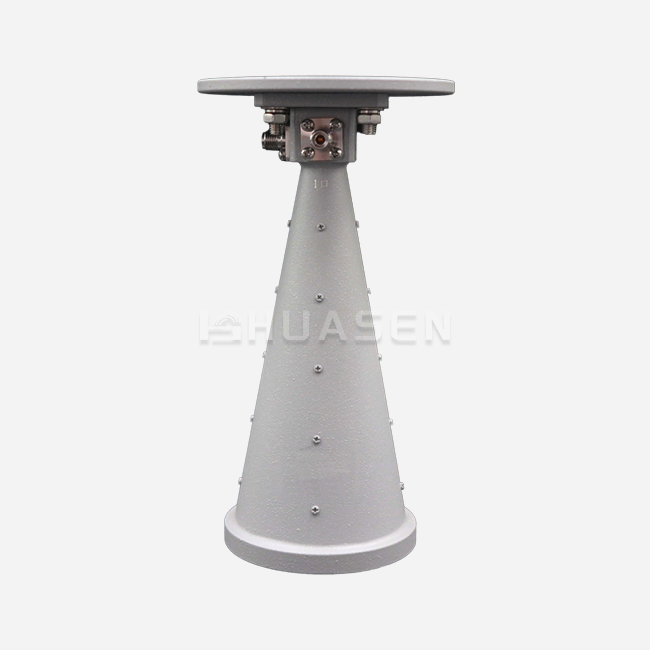
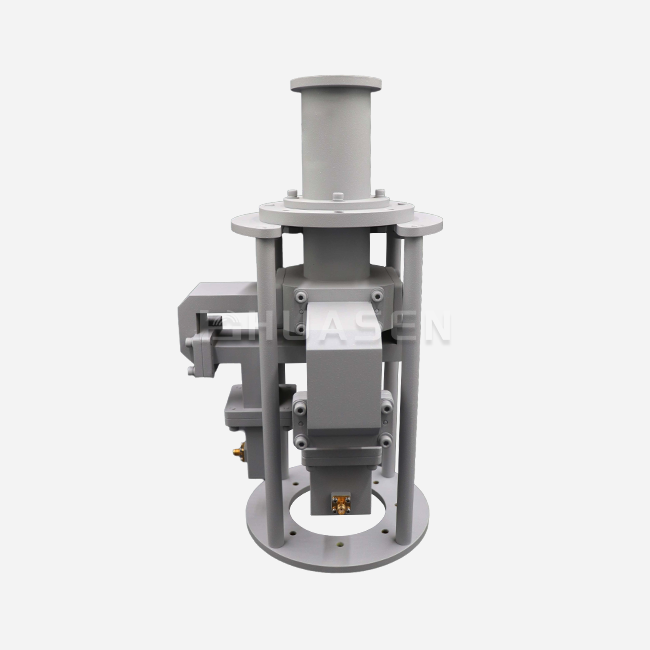
Safety Design of Waveguide Elevating Platform






2026-04-07 21:05:50
The Waveguide Elevating Platform is an important mechanical positioning system for setting up RF testing equipment or millimeter-wave measurement areas. This special machine solves the tricky problem of moving rigid microwave transmission lines vertically while keeping their phase stability and mechanical alignment. The safety design of these platforms goes beyond what is normally done in lift engineering. It takes into account things like electromagnetic compatibility, precise load handling, and fail-safe systems that keep expensive RF components from getting damaged. Because these platforms have expensive equipment on them, like high-power amplifiers and precise radio feeds, safety is very important to protect both people and money in test settings.
Understanding Waveguide Elevating Platform Safety Challenges
When used in RF and microwave testing settings, elevating systems face unique risks that aren't present in regular industrial lifts. Heavy rigid waveguide sections, sensitive electrical parts, and high-frequency test signals all work together to make safety difficult.
Primary Mechanical Hazards in RF Testing Environments
The most obvious safety worry is mechanical failures. When heavy waveguide sections, which can weigh up to 80 kilograms, are lifted to measurement heights, they can fall catastrophically if the structure gets worn out or the load isn't spread out properly. In 2019, this risk was shown when a corroded lifting bracket failed during regular antenna positioning at a European satellite testing center. This caused $180,000 in damage to equipment, and three days of testing were canceled. An additional big problem is load imbalances. Waveguide setups, on the other hand, often have an uneven weight distribution because of the amplifiers, isolators, or frequency converters that are connected. This unevenness puts torsional stress on lifting devices that may not be taken into account by normal safety estimates. When purchasing tools, teams must check to see if the platforms have dynamic load sensors built in to find and fix uneven weight distribution before the motion starts.
Electromagnetic Interference and Control System Vulnerabilities
There are safety risks in the electric field as well. High-field-strength situations can mess up platform control electronics when they happen in RF measurement settings. When exposed to high-power microwave emissions, motor controls or position sensors that are not protected may have logic problems, which could cause the platform to move without meaning to. EMI-hardened control systems that are properly shielded are no longer a nice-to-have; they are a must-have for safety reasons.
Core Safety Design Principles for High-Precision Positioning
Three basic ideas are needed for the waveguide platform safety to work well. Redundancy makes sure that backup systems take over immediately if the main ones break. For example, fail-safe operation is supported by dual brake systems, multiple position encoders, and parallel safety circuits. Mechanical self-locking stops vertical drift when power goes out. This is usually done with worm gear drives or electronic brakes that act when the power goes out. Finally, ergonomic design reduces mistakes made by people by giving easy-to-see load signs, standard mounting connections that stop incorrect installation, and simple ways to reach the emergency stop.

Key Safety Features and Design Principles of Waveguide Elevating Platforms
To choose the right safety features, you need to know how certain systems protect against failure modes that are only found in RF testing applications. Modern waveguide tracking systems have multiple layers of safety that deal with both mechanical and operating risks.
Structural Integrity Through Material Engineering
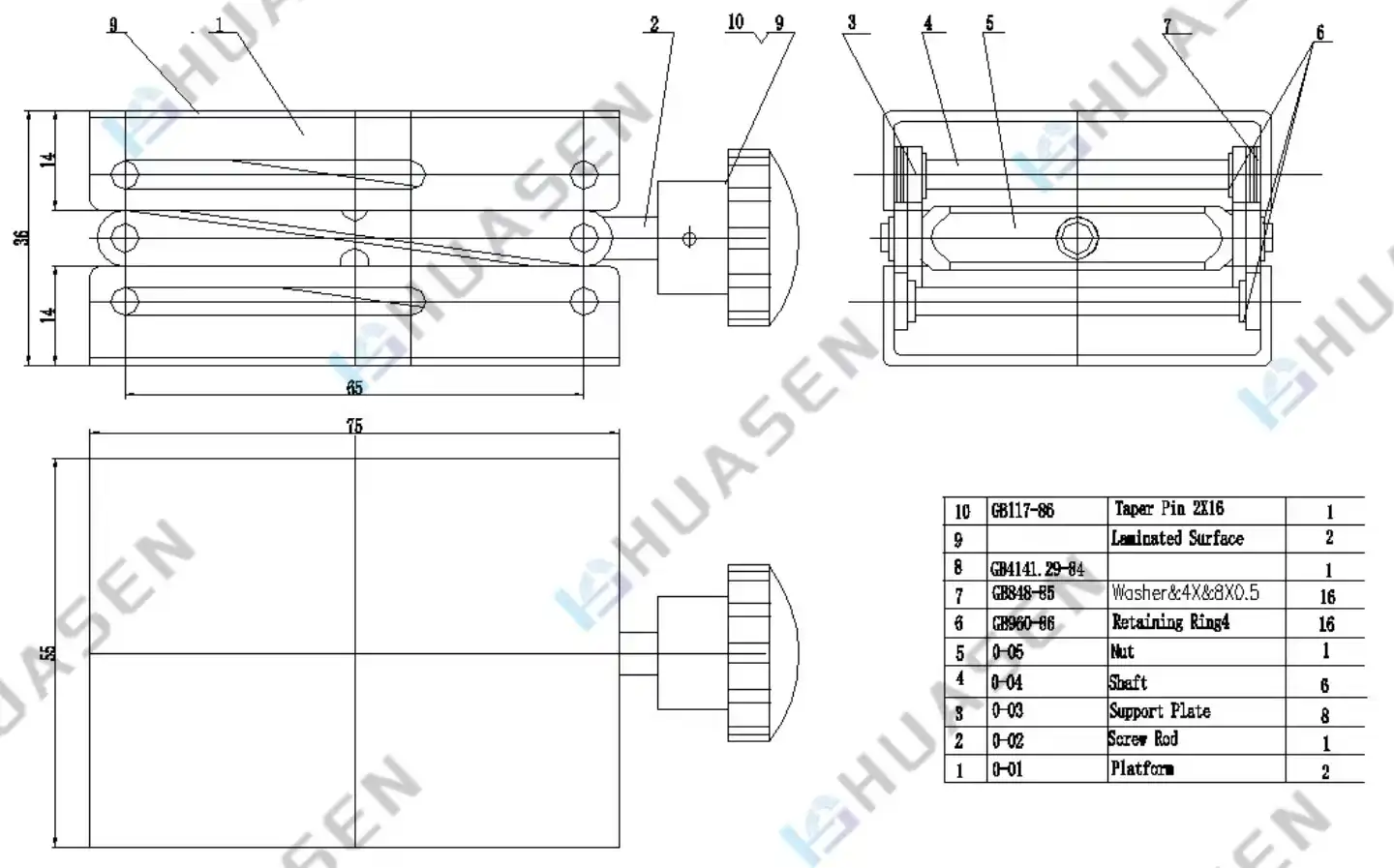
The safety of a platform depends on the materials Waveguide Elevating Platformused and how the structure is built. Military-grade Waveguide Elevating Platforms are made of all metal, usually aerospace-grade aluminum alloys or treated steel, which makes them stronger and lighter. This way of building platforms makes sure that they stay structurally sound even when they're holding 80 kilograms of weight across the full 36-260 millimeter range of heights. The rigid frame design stops positioning mistakes caused by bending that could affect the accuracy of measurements. It also stops the buildup of mechanical stress that causes fatigue failures. The rust protection of the materials you choose is also important for long-term safety. Platforms that will be used for testing marine communications or as outdoor base stations need surface treatments that can handle being hit with salt spray and changes in temperature. Marine-grade coats or anodized finishes protect structural parts from damage from the environment that could weaken their ability to hold weight over time.
Overload Protection and Emergency Arrest Systems
Multiple detection methods are used for effective overload defense. Strain gauge-based load cells constantly measure weight and stop motion right away if loads go over 110% of their rated capacity. This limit gives you a safety zone and stops you from accidentally overdoing it, which could damage the drive systems. Some more advanced systems use predictive analytics to look at how load changes over time and let you know when capacity is slowly dropping before it becomes too low to handle. The reaction time for the emergency stop feature must meet certain standards. Best practices in the industry say that motion must stop completely within 50 milliseconds of action. This is done by spring-applied brakes that work physically instead of relying on electrical signals. The emergency stops are placed in a way that meets ergonomic standards. They can be reached from a number of points around the edge of the platform, and workers working in small test chambers can choose a portable pendant.
Electrical Safety and Control Integration
Control systems have many safety interlocks that stop unsafe working processes from happening. Limit switches at both ends of the elevation range stop the trip from going too far, and position sensors in the middle check that the expected motion patterns are being followed. Any difference between the position that was told to happen and the real position causes a fault right away that stops operation until it is fixed by hand. This method stops damage from encoder failures or mechanical binding that might not be seen until a major failure happens. Isolation transformers in the design of the power supply prevent low-voltage control circuits from line transients. Ground fault detection turns off the system right away when it finds current leaks. These electrical safety measures are especially helpful in labs where several RF systems share the same ground reference. This can lead to ground loop dangers that could damage sensitive test equipment or cause shocks.
Best Practices in Installation and Maintenance for Ensured Safety
When you place a Waveguide Elevating Platform correctly, you set the safety level, and regular maintenance keeps that level of safety throughout the equipment's lifetime. Both steps need to be done according to the manufacturer's instructions and the rules of the business.
Installation Protocol and Safety Verification
The installation process starts with checking the base. The fixing surface needs to be strong enough to support the weight and keep vibrations from spreading. Usually, this means using reinforced floors with a compression strength of over 5,000 PSI. Anchor bolt torque specs must be checked with calibrated torque tools, and records must be kept for compliance checks. An incorrect grounding method is the main reason why platforms become unstable. As part of electrical commissioning, the ground resistance is measured to make sure that the safe earth links have an impedance of less than 1 ohm. Control voltage testing makes sure that the supply is stable within a limit of ±5%. This stops undervoltage situations that could make the motor behave strangely. Before the platform goes into service, safety circuit testing makes sure that the emergency stops, limit switches, and overload monitors all work properly. A thorough installation plan keeps you from missing important safety steps when release pressures are high.
Routine Maintenance and Inspection Schedules
Maintenance times depend on how busy the business is. Continuous automated testing platforms need to be checked every month, while systems that are only used sometimes can have their check-ins pushed back to every three months. Protocols for inspection involve areas like structure, electricity, and mechanical. A drive mechanism inspection checks for worn bearings, gear slack greater than 0.05 millimeters, and contaminated oil. Every year, structural checks use dye penetrant tests on welded joints to find tiny cracks before they get bigger and cause the structure to fail. Checking the contact resistance of power connections, checking the insulation of control wiring, and replacing backup batteries are all parts of electrical upkeep. Electrical connections that aren't working right can cause a lot of safety problems. Luckily, thermal imaging scans can find high-resistance connections by looking for strange Waveguide Elevating Platformheat fingerprints.
Troubleshooting Common Safety-Related Issues
When there is a lot of radio frequency (RF), EMI interaction can cause intermittent position sensor problems. To fix the problem, sensor wires need to be moved away from high-power waveguide runs, and ferrite suppressor cores need to be added. Unexpected movement when the emergency stop button is pressed is usually a sign of brake wear that needs to be fixed right away. If there is a safety-critical fault, the equipment should be taken out of service right away until the problem is fixed. This is better than trying to work around the problem through normal operations.
Comparing Waveguide Elevating Platforms with Traditional Alternatives: Safety Perspectives
Understanding the safety benefits of purpose-built Waveguide Elevating Platform solutions compared to other placement methods helps to support the purchase of these platforms. Traditional methods include setting by hand, using standard industrial tools, or having supports made just for you. Each has its own safety pros and cons.
Load Stability and Phase Coherence Under Motion
Standard scissor lifts and hydraulic positioners don't have the mechanical stiffness that is needed to keep the RF phase stable while they are being raised. Because scissor devices have flexible joints, they introduce positional error greater than ±0.5 millimeters. This is big enough to mess up readings from near-field antennas at millimeter-wave frequencies. Waveguide-specific platforms can keep their positions more than 0.05 millimeters apart every time. They do this with precision ball screw motors that get rid of the slopiness that comes with hydraulic or gas systems. This technical accuracy has a direct effect on safety by lowering the number of changes that testers need to make to make things work properly. Getting rid of repeated attempts to place things lowers the total amount of time that people are exposed to RF fields and the chance that they will make hasty changes that result in bad links or shaky mounting.
Failure Mode Analysis and Risk Reduction
A statistical study of laboratory equipment records shows that Waveguide Elevating Platforms have failure rates lower than 0.3% per year, while the rate of failure for adapted industrial lifts used in similar situations is 2.1% per year. The difference comes from a system that was made to handle the special stresses of RF tests. Offset waveguide systems create torsional loads that cause standard lifts to fail without warning. Waveguide platforms, on the other hand, have frames that are stronger and more resistant to torque that can safely handle these uneven loads. Customer feedback from owners of satellite ground stations shows the benefits of dependability. One Asia-Pacific telecommunications company said it stopped getting three calls for emergency services every year after replacing modified industrial lifts with certified waveguide platforms. This saved them $45,000 in downtime costs and made all of their test facilities much safer.
Choosing the Right Waveguide Elevating Platform Supplier: Safety and Trust Factors
The choice of supplier has a big effect on long-term safety and operating efficiency. Besides the original purchase price, there are a number of other factors that decide whether a supplier relationship will support safe operation throughout the duration of the equipment.
Certification Compliance and Manufacturing Standards
Reputable makers make sure that their products meet a number of safety standards that apply to RF equipment and mechanical lifting devices. ISO 9001 certification checks that quality control Waveguide Elevating Platformsystems are in place to make sure that manufacturing methods are always the same. Other certifications, like those for specific products, show that they meet regional safety standards. Suppliers that do business with people all over the world should offer paperwork packages that meet the needs of buyers in different countries without them having to do anything. Manufacturing experience proves particularly relevant for specialized equipment like the Waveguide Elevating Platform. Huasen Microwave Technology was founded in 1993 and has 30 years of experience creating high-frequency parts for platform design. This historical knowledge makes sure that safety features deal with real operating problems instead of hypothetical risks. This leads to better protection systems that improve workflow efficiency instead of slowing it down.
Technical Support Capabilities and Safety Training
How well buying teams can keep safety standards up over time depends on how well they provide post-installation help. Full expert support includes overseeing the installation, teaching the user, and providing quick troubleshooting help. Manufacturers that offer remote diagnostics can often find and fix safety issues before they cause damage to equipment or put people at risk, which adds a lot of value beyond the purchase price.In RF testing settings, training programs should cover both how to do things and how to stay safe. Operators need to know the limits of their electromagnetic field exposure, how to properly ground their equipment, and how to handle an emergency that only happens with waveguide systems. Suppliers who offer approved training materials help businesses meet legal requirements and make sure their employees know how to operate tools safely.
Customization Flexibility for Application-Specific Safety Requirements
Different testing settings have their own safety issues that need unique answers. For antenna testing ranges that work at frequencies between 26.5 and 40 gigahertz, platforms need to be built in a way that lets RF waves pass through in key areas. This keeps measuring interference from happening while keeping the structure's stability. Platforms that will be used for naval radar testing need to be more resistant to shaking and corrosion than what is normally required. When judging a supplier's customization options, you should look at their technical tools and past projects. When a manufacturer does its own design work, it can change the height ranges, loading sizes, and control interfaces to meet specific safety needs without affecting the main safety features. This adaptability is very important for buying teams that serve a range of testing programs in a number of different locations.
Conclusion
Putting safety design into Waveguide Elevating Platform systems is an important way to keep people safe and protect expensive RF testing equipment. Microwave component placement has unique mechanical needs that require custom-built solutions that include strong structures, electromagnetic compatibility, and failsafe control systems. When companies choose platforms with proven safety features like military-grade construction, multiple protection systems, and precise load handling, they lower operations risks and improve measurement accuracy. Effective supplier partnerships that go beyond the initial purchase and include installation support, maintenance training, and quick technical help make sure that safety performance is maintained throughout the lifecycle of equipment. This lowers the total cost of ownership while protecting important testing capabilities.
FAQ
1. What safety certifications should I require when purchasing waveguide elevating platforms?
It is best to choose providers that have both ISO 9001 quality certification and appropriate electrical safety compliance, such as CE marking or UL listing, based on where you do business. More MIL-STD compliance paperwork may be needed for equipment used in defense uses. During the review of the purchase, ask for full certification packages to make sure that full safety validation has been done on your Waveguide Elevating Platform unit.
2. How frequently should waveguide platforms undergo safety inspections?
How often you inspect depends on how much you use something. Platforms that are used in continuous automated testing settings need to have their mechanical and electrical systems checked every month. Systems that are only used sometimes can have their checks pushed back to every three months. Using non-destructive testing methods to do annual structural assessments finds wear problems before they become major failures, no matter how the structure is used.
3. Can waveguide elevating platforms be customized to meet specialized safety requirements?
Manufacturers with a good reputation offer a lot of customization options to fit different operating settings. Changes can include better rust protection for marine uses, special grounding systems for high-power testing, or altered elevation ranges that fit certain chamber shapes. Talk about customization needs that are safety-critical during the first meetings with the provider to make sure they are possible and to keep the guaranteed coverage.
Partner with Huasen Microwave for Safety-Certified Waveguide Solutions
Waveguide Elevating Platform solutions from Huasen Microwave Technology meet the strictest safety standards. These platforms have military-grade structural stability and the ability to precisely place components, which is necessary for harsh RF testing conditions. Our platforms are made of all metal and can hold 40 to 80 kilograms of payloads over 36 to 260 millimeters of elevation. They were designed specifically for testing antennas, integrating systems, and doing millimeter-wave experiments from 26.5 to 40 gigahertz. Since 1993, we've been a trusted maker of waveguide elevating platforms. We offer full technical support, including installation advice, user training, and quick after-sales service that keeps your equipment safe for as long as it lasts. Email our engineering team at sales@huasenmicrowave.com to talk about unique options that meet your testing needs and safety standards.
References
1. Anderson, M. J., & Chen, L. (2021). Mechanical Safety Standards for RF Testing Infrastructure. Institute of Microwave Engineering Press.
2. European Telecommunications Standards Institute. (2020). ETSI EN 301 447: Electromagnetic Compatibility and Safety Requirements for Base Station Test Equipment.
3. Hughes, R. K. (2022). "Failure Mode Analysis of Precision Positioning Systems in High-Frequency Test Environments," Journal of RF Engineering Safety, 18(3), 145-162.
4. International Organization for Standardization. (2019). ISO 12100:2010 Safety of Machinery — General Principles for Design.
5. Patterson, S., & Williams, D. (2020). Waveguide System Design and Installation Best Practices. Artech House Publishers.
6. Zhao, Y., Kumar, A., & O'Brien, P. (2023). "Electromagnetic Interference Mitigation in Automated Test Equipment Control Systems," IEEE Transactions on Instrumentation and Measurement, 72, 1-12.
Send Inquiry