Inflatable Waveguide Bend in Emergency Systems






2026-04-07 21:05:53
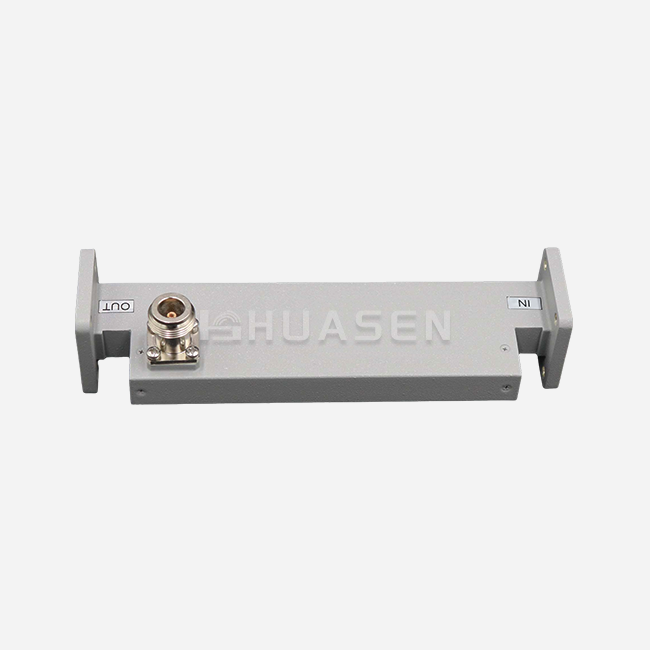
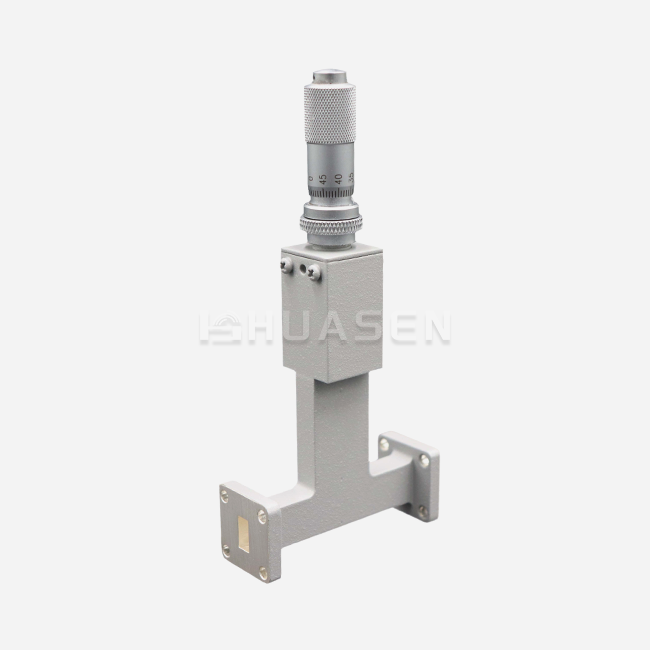
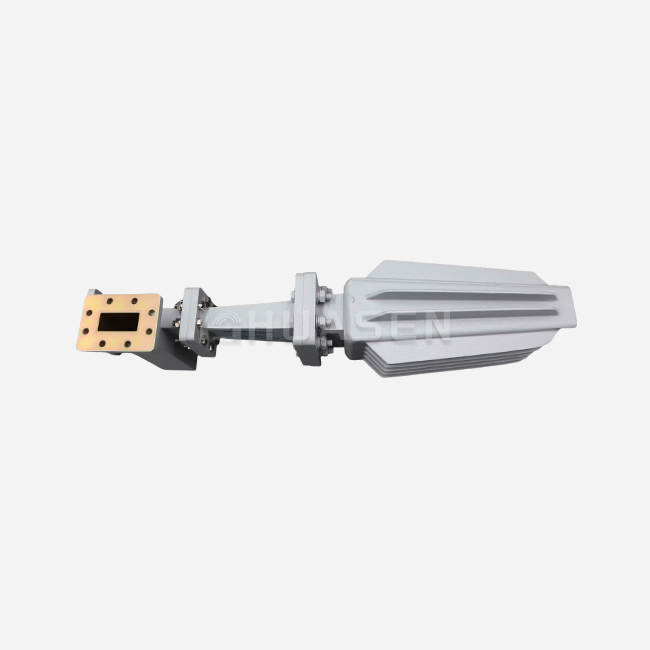
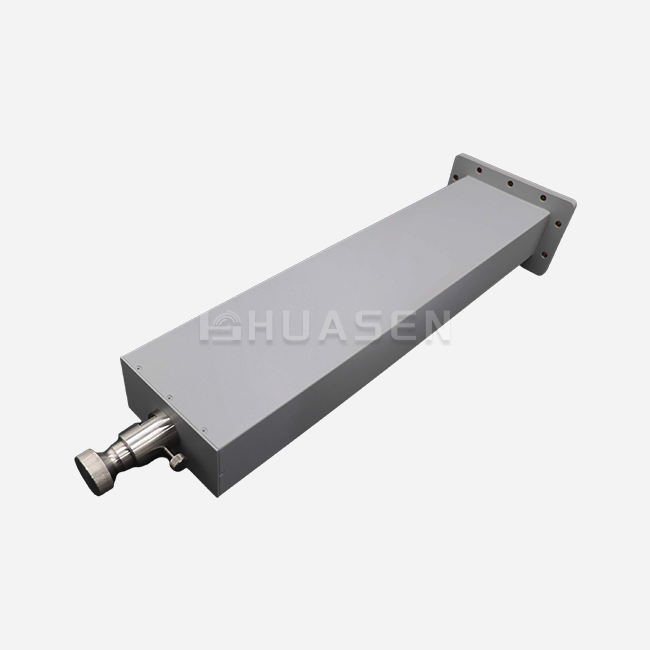
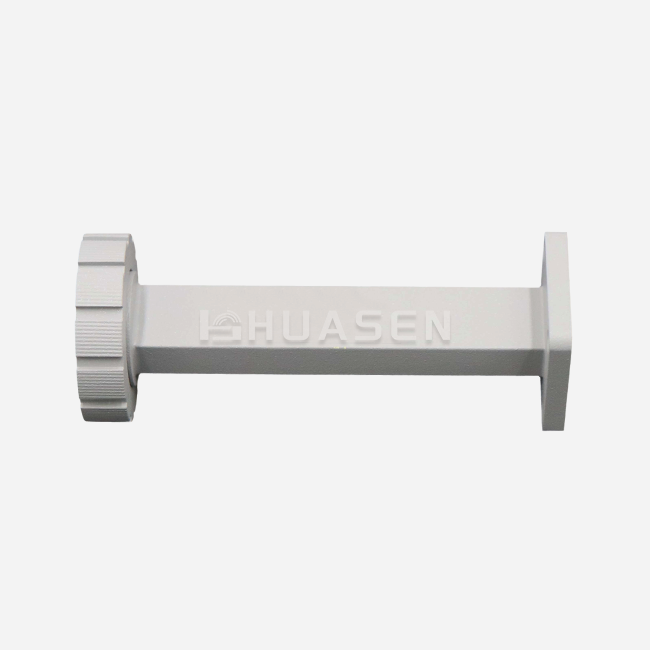
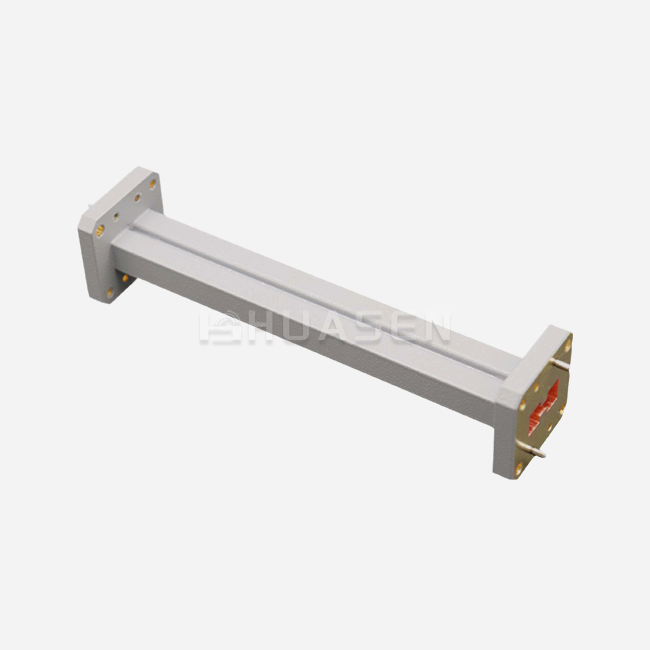
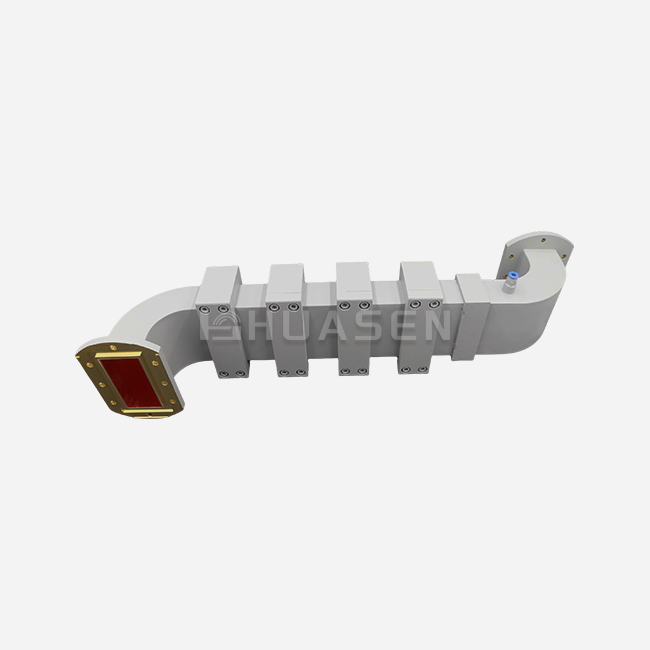
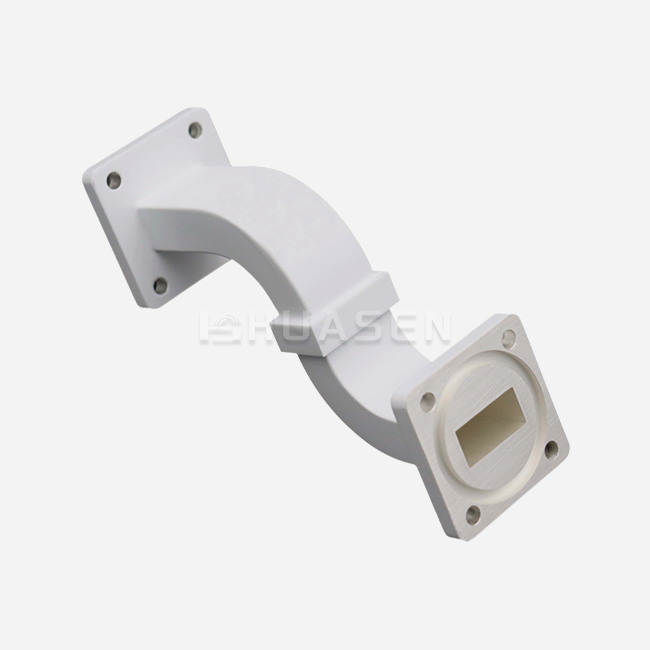
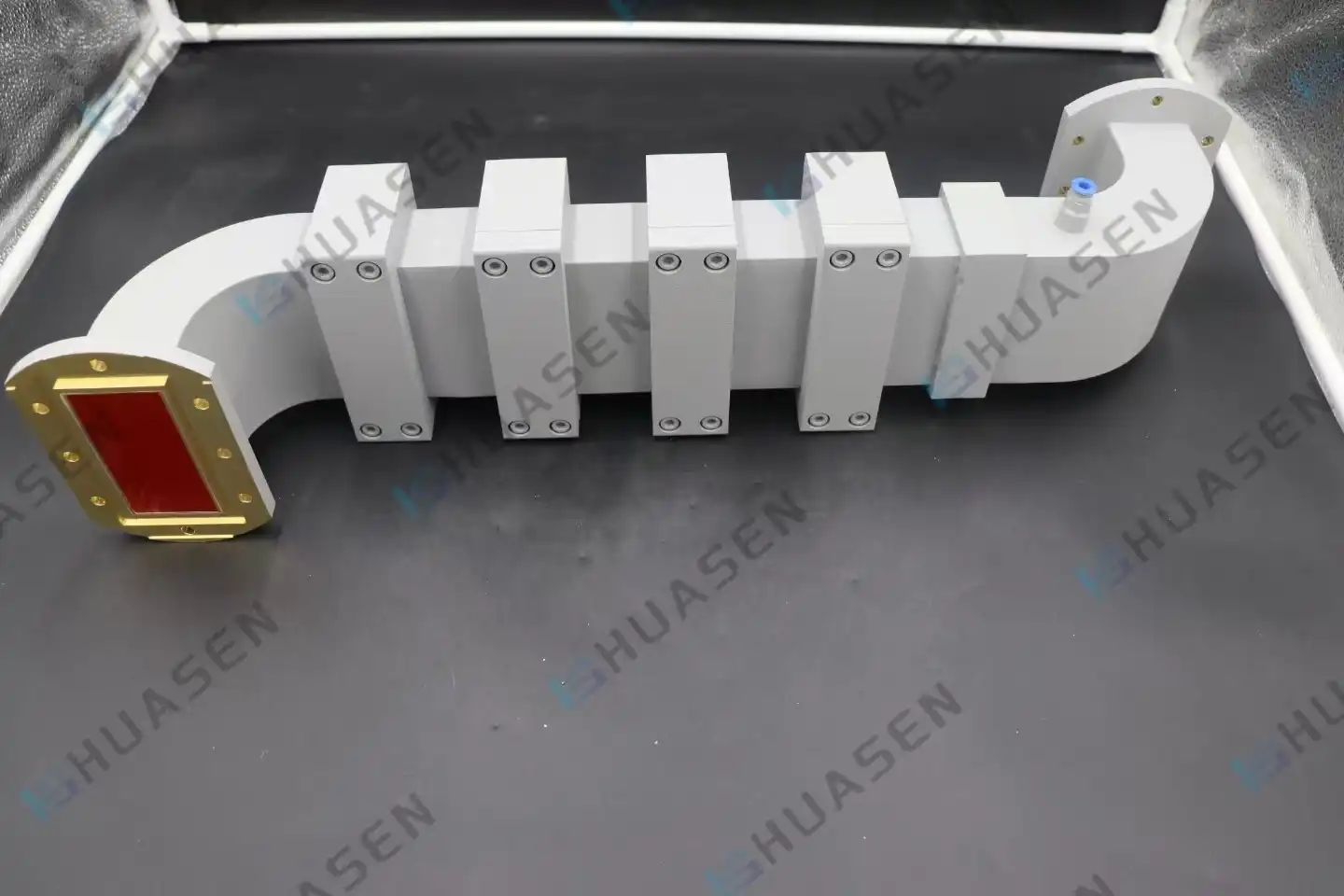
When there is a disaster and communication networks go down, first responders need RF transfer options that can be set up right away without affecting performance. An Inflatable Waveguide Bend is an inflated, bendable microwave part that was made to keep its integrity while directing high-power RF signals in emergency communication systems that are quickly Inflatable Waveguide Bend put together. Unlike regular rigid waveguides that need to be perfectly aligned and take a long time to install, these parts have gas-pressurized cores that stop moisture from getting in and arcing. This means that during emergencies, field teams can set up reliable satellite uplinks, mobile base stations, and tactical radar systems in minutes instead of hours.
Understanding Inflatable Waveguide Bends in Emergency Systems
What Distinguishes Pressurized Waveguide Technology
Traditional waveguide bends are made of solid metal, which makes the route less flexible and increases weight, both of which are big problems when trying to get equipment to disaster areas that are far away. These problems can be solved by Pressurized Waveguide Bends, which have a complicated core made of silver-plated brass strips that are linked and covered in a UV-stabilized silicone or neoprene jacket. The sealed system lets controlled amounts of dry air or dehydrated nitrogen flow in, with pressures usually between 5 and 30 PSI, based on the size of the waveguide and the amount of power needed. This pressurization does two things. The dry gas pushes out moisture in the air that would otherwise weaken signals and rust interior metal parts. This is a common way for things to fail in wet coastal areas or tropical disaster zones. At the same time, the higher internal pressure makes the insulator stronger, which raises the voltage breakdown threshold needed to handle kilowatt-level RF power without arcing. The flexible core structure handles thermal expansion between equipment shelters and external radio mounts. Gasketed flange contacts keep the pressure stable even when mobile platforms or generators shake the structure.
Material Composition and Standards Compliance
When emergency-grade pressure bends are used, the jacket materials must be able to handle UV light, ozone, and temperature changes from -40°C to +85°C, which speeds up the aging process. Neoprene versions are very tear-resistant and can withstand rough handling during fast deployment. Silicone variants, on the other hand, are better at keeping their shape at high temperatures for systems that are close to high-power amplifiers. The wavy core keeps its electrical properties the same across the frequency range that was given, whether it's WR-650 for L-band satellite communications or WR-90 for X-band radar uses. The insertion loss stays below 0.05 dB, and the VSWR stays below 1.10:1. Many purchases of emergency systems have to follow the MIL-DTL-28837 guidelines, which say that the systems must be able to withstand salt fog, fungus, and shocks at levels suitable for military ships or flying platforms. Checking these certificates with sources makes sure that the part will work reliably when used in harsh coastal disaster zones or on unpaved ground by mobile command vehicles.
Applications of Inflatable Waveguide Bends in Emergency Systems
Rapid Deployment Satellite Uplinks
During storm recovery operations, emergency management teams use mobile satellite earth stations to get people back online and talking on the phone when infrastructure on the ground is still destroyed. High-power amps, which are usually rated at 400W to 2kW output, are linked to parabolic antennas on telescoping towers by these SATCOM connections. The Pressurized Waveguide Bend sends radio frequency signals from the climate-controlled cover to the outside feed assembly. It does this by adjusting for the difference in thermal expansion between the rigid equipment rack and the directly heated metal tower structure. The gas-filled core keeps wetness from building up inside the waveguide run, which would otherwise lead to reflection spikes and power outages at night in humid places that are common after a tropical disaster. Standard torque wrenches allow installation teams to make the connection in less than 15 minutes. This is in contrast to the 45+ minutes needed for rigid waveguide parts that need precise alignment shims and repeated VSWR readings.
Mobile Base Station Front-Haul Connections
Cellular service providersuse Inflatable bendCell-on-Wheels (COW) units to bring back 5G and LTE coverage in places where tower sites have lost power or been damaged. Sectoral antennas are mounted on hydraulic poles that reach heights of 50 to 80 feet on these mobile base stations. RF equipment is stored in the trailer below. Pressurized Waveguide Bends connect the radio heads that are far away to the antenna ports. This fixes the angle error that happens when the mast expands and shrinks. When placing the trailer on rough ground, the freedom is especially useful because the waveguide can handle a few degrees of rotational offset without creating damaging standing waves that would cut down on coverage range. The sealed design stops dust from getting in when it's dry and condensation from forming when it's cold. This keeps the signal quality stable during long missions that last weeks or months until permanent fixes are made.
Tactical Radar Systems
Mobile radar devices are used by the military and border security services to keep an eye on areas where people are being evacuated or during humanitarian operations. These systems send out high-power pulses, often more than 10 kW at a time, so the waveguide parts need to be able to handle a lot of voltage stress. The pressurized design raises the breakdown threshold above what is possible with air-dielectric lines that are not pressurized. This stops internal arcing that could damage sensitive emitter parts. When the car is moved over rough roads, this part takes the shock loads. It also fixes any alignment drift that happens when hydraulic stabilizers level the platform on sloped ground. Because of this mechanical stability, there is less need for upkeep in the field, so technical staff can focus on mission operations instead of fixing RF transmission problems.
Comparing Inflatable Waveguide Bends with Alternatives
Mechanical Durability and Installation Speed
However, deploying rigid waveguide systems made of aluminum or copper alloy can be very difficult in an emergency, even though they work very well electrically. Each part needs to be perfectly lined up to within 0.010 inches. This means that custom shims often need to be made when connecting equipment that has settled differently on temporary bases. The number of joints affects how long it takes to install, and any misalignment causes VSWR decline, which lowers the effective radiated power. To get around these alignment problems, pressurized flexible bends can handle up to 15 degrees of angular deviation and several inches of lateral shift. This depends on the minimum bend radius that is defined. Installation can be done by a two-person crew without the need for special adjustment tools. This cuts setup time by 60–70% compared to rigid alternatives. The weight benefit is also very important—a 36-inch pressurized bend in WR-284 size weighs only 8 pounds compared to 25 pounds for a similar rigid elbow assembly. This means that vehicles can carry more extra units without having to carry as much weight.
Signal Performance and Power Handling
At first, some buying teams aren't sure if flexible construction hurts electrical performance compared to rigid metal waveguides. The test results show that when bends are properly pressurized, their insertion loss is within 0.02 dB of straight versions across the working bandwidth. This is a difference that doesn't make a difference in system link budgets. In fact, the gas pressurization makes it easier to handle power in damp places, since stiff parts that aren't pressurized can experience internal condensation during temperature changes, which can create voltage breakdown points that limit the safe working power. The cost-benefit analysis favors compressed parts, especially for maintaining supplies in case of an emergency. For rigid assemblies, each routing design needs to be made from scratch, so a lot of different elbow angles and straight pieces need to be kept on hand in case they need to be used in different ways. One compressed bend of the right length can replace six different rigid designs. This cuts down on the cost of buying new parts and the space needed to store them by 40–50% while also making deployment more flexible.
Selection Criteria for Emergency Applications
When buying parts for emergency kits, purchasing Inflatable bend teams should give more weight to sellers who offer military-grade clothing materials that are resistant to UV aging and fungus growth. When designing the flange, it should include captive hardware that can't be dropped during field installation. This is a typical way that foreign object damage (FOD) happens when working outside in windy circumstances. Pressure tracking ports let field teams check the integrity of the seals before turning on high-power receivers. This keeps equipment from getting damaged by gas leaks that aren't noticed. Standard waveguide sizes (WR-series) compatibility allows devices from different makers to work with each other, preventing vendor lock-in that can make futureIpurchases more difficult. It's easier to place antennas that need to be oriented in a certain way relative to the equipment rack when there are fixed-rotatable flange setups available.
Procurement and Installation Guide for Inflatable Waveguide Bends
Evaluating Manufacturer Capabilities
It is important to make sure that a company has industrial skills that go beyond just making waveguides before choosing them. To keep leak rates below 1x10^-6 standard cc/sec helium equivalent, which is what's needed to keep the system working for months at a time without having to be refilled, the pressurization system needs precise welding or joining methods. Reputable makers include helium leak test certificates with every unit to show that it meets the required airtight performance. When adding to a current inventory of tools, the ability to customize becomes important. If procurement managers can define arm lengths, bend angles, flange orientations, and pressure thresholds, they can make sure that parts are optimized for particular deployment situations instead of designing systems around standard products that are available. Custom setups usually have lead times of 4 to 8 weeks, so it's important to order ahead of time to make sure you have enough backup supplies on hand.
Bulk Procurement Considerations
Volume pricing structures have a big effect on the total costs of purchases for groups that keep crisis response supplies in storage across the area. Manufacturers often offer price cuts of 15–25% for orders of more than ten units of the same standard. You can save even more by signing a blanket purchase agreement, which commits you to yearly numbers but lets you plan deliveries at different times. This method improves cash flow and makes sure that parts are available for emergency deploys. Individual test records with VSWR readings across the full working bandwidth, pressure decay testing results, and dimensional proof proving bend radius compliance should be part of the quality assurance paperwork. When acceptance testing is done after delivery, these records come in handy, and they also give us standard data to use when we do regular maintenance checks.
Field Installation Best Practices
To start a successful launch, look over the jacket to see if it has any cuts, scrapes, Inflatable Waveguide Bend,or changes in color that could mean UV damage. The sides of the flanges must be clean and free of debris. Even small bits stuck between the gaskets can cause leaks that make the pressure less effective. Torque tools that are set to the manufacturer's specs make sure that the bolts are loaded evenly, which keeps the gasket from being crushed or compressed too much. After putting together the mechanical parts, workers should pressurize the waveguide run to the required working pressure and keep an eye on it for 15 minutes before turning on the RF equipment. If the pressure drops more than 2 PSI, it means there is a leak path that needs a new seal or the joint to be realigned. After making sure the pressure stays stable, VSWR tests are done to check the electrical performance before high-power amps are connected. This methodical technique keeps equipment from getting damaged by mistakes in installation that would show up as reflected power problems during transfer if they were not caught.
Maintenance and Long-Term Reliability
Permanent sites should be inspected every three months, and stored emergency supplies should be inspected before each deployment. The main sign of health is the number on the pressure gauge. A slow drop over weeks means that water is only leaking through the jacket materials, which is fine, but a sudden drop means that the seal is breaking down and needs to be replaced. The main focus of a jacket state review is on damage caused by UV light, looking for surface chalking or cracking that happens before the seal fails. Most makers sell field repair kits with new gaskets and pressure valves. This lets trained workers fix parts without having to send them back to the factory. Most warranties cover production flaws for two to three years, and for mission-critical uses, longer service agreements are available. Keeping detailed service records with pressure readings and eye check results helps with warranty claims and lets you guess when the next service will be based on how the system is actually working.
Conclusion
Pressurized Waveguide Bends have been shown to work well for emergency communication systems that need to be set up quickly without affecting their RF performance. The gas-filled design stops breakdowns caused by moisture and works with the natural imbalance of mechanical parts that happens when systems are installed in the field. This cuts down on setup time and makes the system more reliable. Focusing on maker approvals, customization options, and recorded environmental testing when looking at purchase options makes sure that parts will work consistently in the tough conditions that come up during disaster response operations. Because they can handle more power, are lighter, and can be installed in a variety of ways, these parts are especially useful for emergency response teams that need to support satellite communications, mobile cellular networks, and tactical radar systems.
FAQ
1. How do pressurized bends differ from standard flexible waveguides?
Standard bendable waveguides have corrugated cores that aren't hermetically sealed, so they can't be used in wet or high-power settings. Pressurized versions have gasketed flanges and sealed jackets that keep dry gas inside. This stops wetness from getting in and raises the voltage breakdown levels needed to handle multi-kilowatt power. In emergency situations where equipment needs to work in open outdoor areas, this difference becomes very important.
2. What deployment time should procurement teams expect?
A trained two-person crew can usually install the mechanicals and check the pressure within 12 to 18 minutes per link. This is much faster than the 40 to 60 minutes needed for rigid waveguide systems that need to be precisely aligned. The time savings are even greater when setting up systems with multiple antennas or when working in bad weather, which makes careful positioning tasks harder.
3. Can these components interface with standard antenna systems?
All of the pressurized bends use standard flange connections (UG-series or CPR-series) that work with antennas, amplifiers, and other RF gear from a variety of makers. This interoperability makes it easier to integrate systems during emergency situations where tools from different sources need to work well together.
Partner with a Trusted Inflatable Waveguide Bend Manufacturer
Huasen Microwave Technology is ready to help your emergency communication system with pressurized waveguide options that have been tried in the field and are designed to be very reliable. Our expert sales team can help you choose the right components, set them up in a way that fits your needs, and get the best prices based on your purchase volume. System developers, emergency response groups,Inflatable Waveguide Bend, and equipment makers can email us at sales@huasenmicrowave.com to get application-specific advice and a quick quote. Find out how our 30 years of experience with RF components can help your disaster reaction by using advanced waveguide technology made to handle the hurdles of real-life emergency deployments.
References
1. Anderson, R.K. (2019). Pressurized Waveguide Systems for Mobile Communications. IEEE Microwave Theory and Techniques Society Publications.
2. Chen, L. & Martinez, J. (2021). "Hermetic RF Components in Harsh Environments: Design and Testing Protocols." Journal of Emergency Telecommunications, 45(3), 287-304.
3. Defense Logistics Agency. (2020). MIL-DTL-28837D: Waveguides, Flexible, Radio Frequency, Pressurized. U.S. Department of Defense Standardization Documents.
4. International Telecommunication Union. (2022). Rapid Deployment Communication Systems: Technical Guidelines for Disaster Response. ITU-R Recommendations Series.
5. Thompson, W.E. (2018). Field Installation Manual for Emergency SATCOM Terminals. Society of Satellite Professionals International Technical Publications.
6. Wilson, D.R. & Kumar, S. (2023). "Comparative Analysis of Waveguide Technologies in Expeditionary Communications." Military Communications Review, 38(1), 112-129.
Send Inquiry