
Home / Blog
Blog
0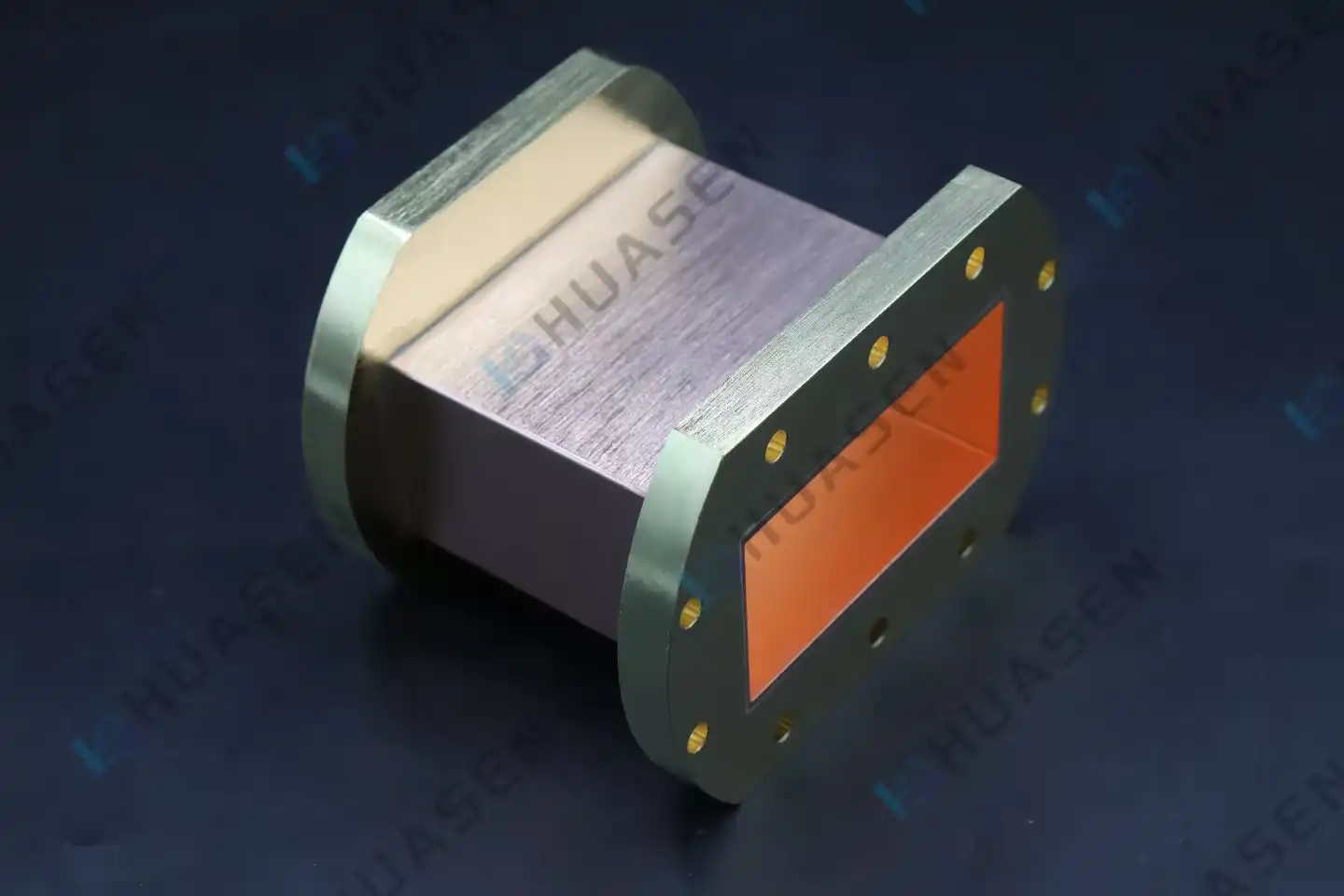
Common Problems with Waveguide Tubes and How to Troubleshoot Them Effectively
It is very important to keep data transmission stable when working with microwave and millimetre-wave systems. As precise transmission lines, waveguide tubes make it possible for electromagnetic waves to move quicklyacross high-frequency bands with little loss. Even though Waveguide Tube, these parts are built to last, they sometimes have problems that make the system less effective. Recognising and addressing these issues promptly protects investment value and prevents cascade failures in complex RF architectures. This complete guide shows you how to find problems, how to fix them, and how to make smart purchases so that your important radar, satellite, and communication systems keep working at their best.VIEW MORE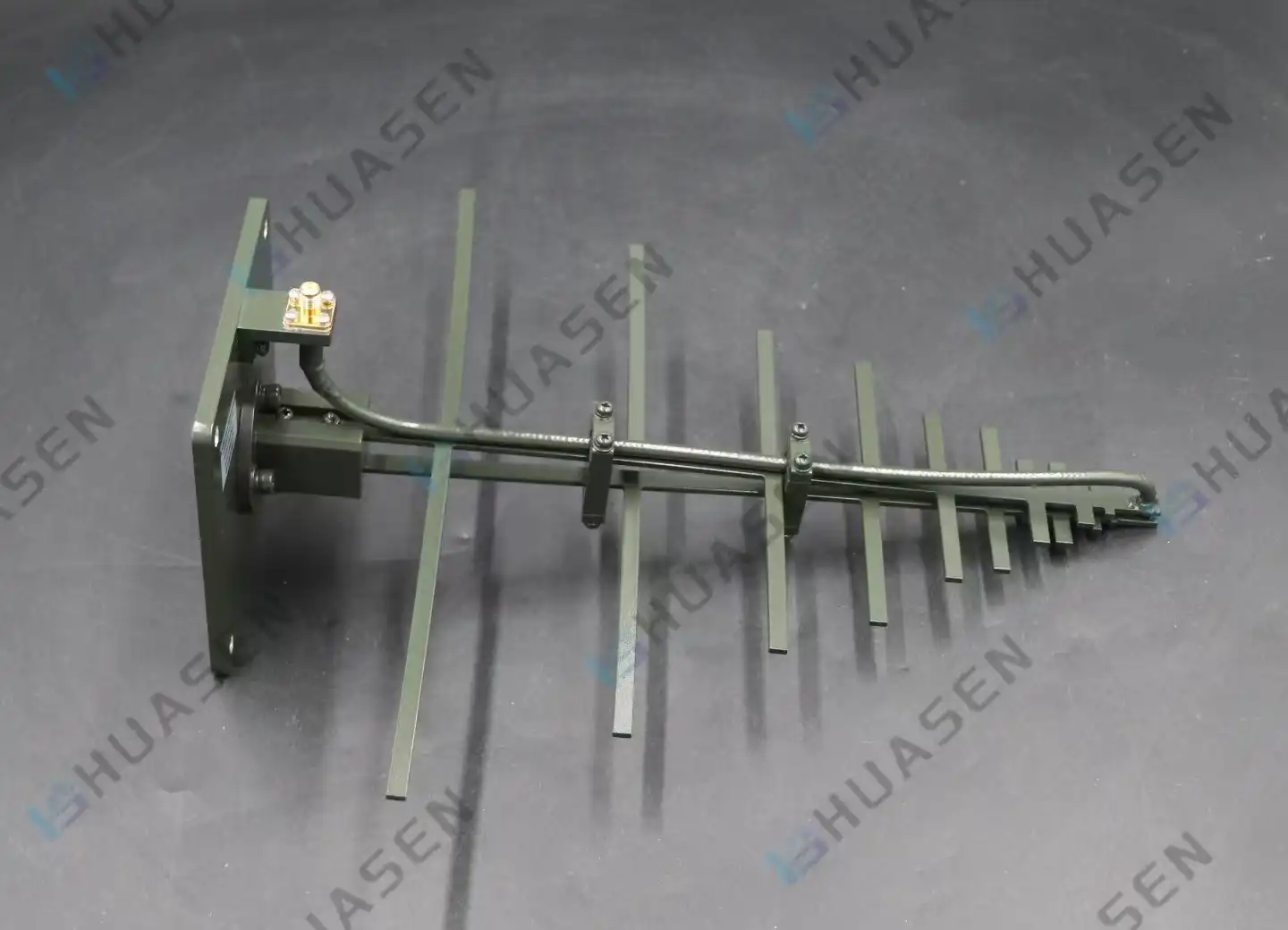
What Makes Log Periodic Antenna Directional and Broadband?
The Log Periodic Antenna works well in both directions and across a wide range of frequencies thanks to its mathematically accurate geometric scaling. Each dipole element is the right size and spread out based on a logarithmic ratio. This makes a "active region" that moves along the boom as the frequency changes. With this design, the antenna can keep its resistance, radiation patterns, and gain constant over a wide range of frequency range, often 10:1 or more. The forward-firing directional pattern is caused by phased interactions between elements, and the broadband coverage means that you don't need multiple narrowband antennas for demanding RF uses.VIEW MORE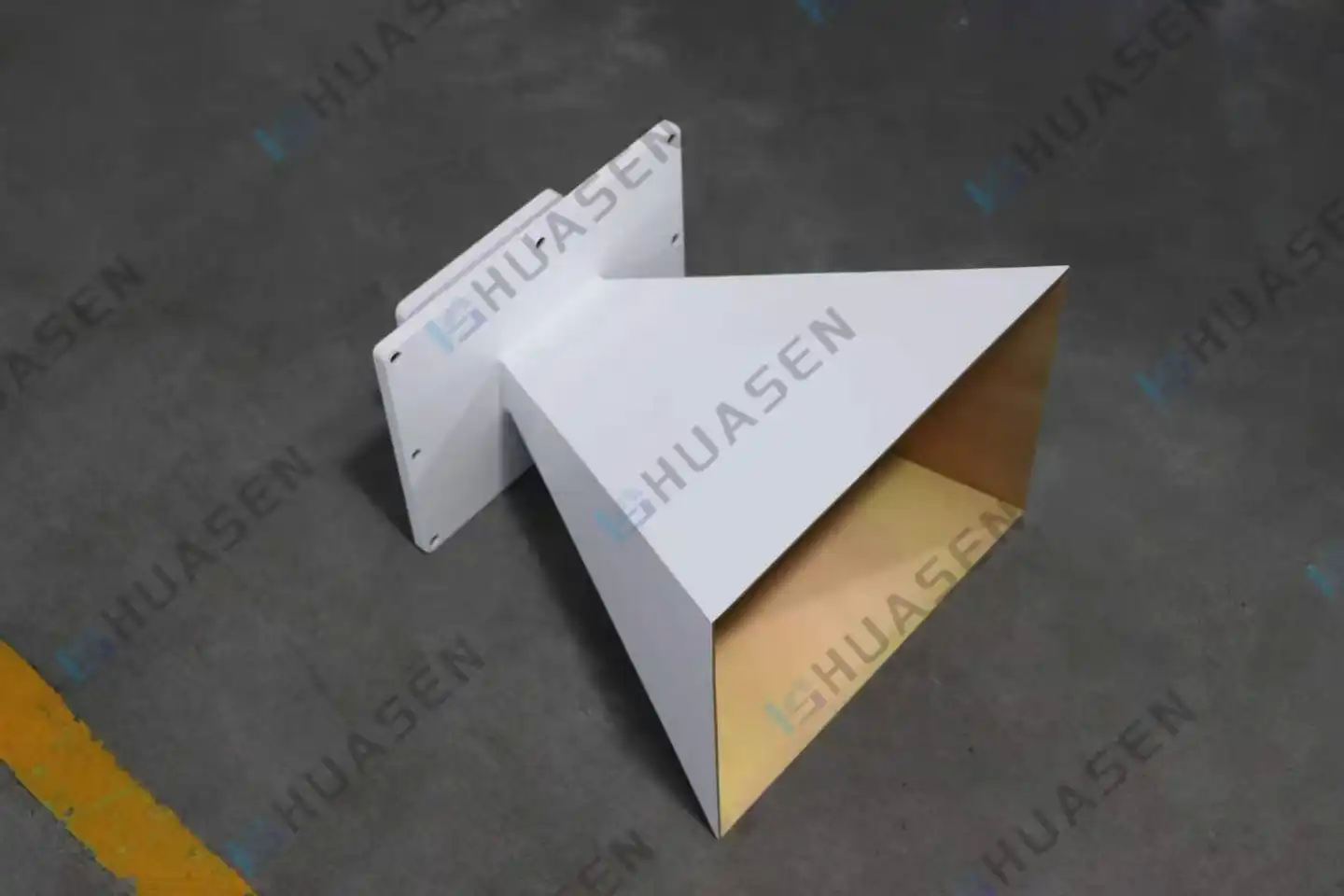
Pyramidal Horn Antenna Performance in Direction Finding
When precision matters in signal localization, the Pyramidal Horn Antenna stands as an indispensable tool for direction finding systems. This specialized microwave antenna leverages a pyramidal flare geometry that gradually transitions rectangular waveguide dimensions to free-space impedance, minimizing reflections and maximizing directional accuracy. Its predictable radiation patterns, controlled beamwidth, and exceptional polarization purity make it the preferred choice for applications demanding reliable signal detection—from military electronic surveillance to 5G base station diagnostics. The antenna's inherent structural simplicity, combined with low VSWR and high power handling capacity, addresses critical pain points faced by system integrators who require stable, repeatable performance in complex RF environments where accuracy directly impacts operational success.VIEW MORE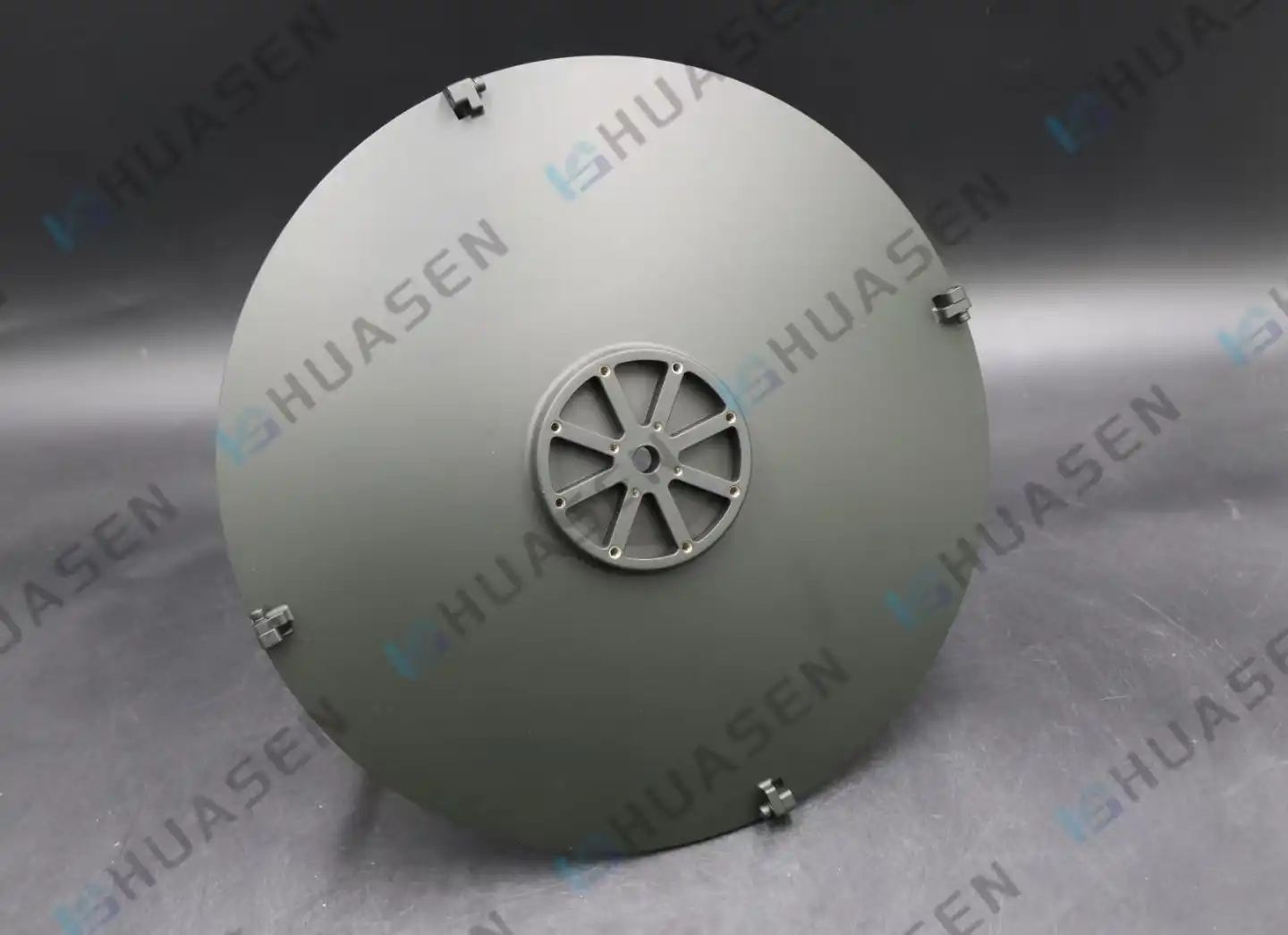
Parabolic Antenna Performance in Satellite and Wireless Systems
When it comes to high-performance wireless contact over long distances, parabolic antennas are the best way to send and receive signals accurately. These reflector-based devices,Parabolic Antenna,use a parabolic shape to focus electromagnetic waves, turning spherical wavefronts into beams that are focused and collimated. This basic feature gives the device a very high gain—often more than 30 to 50 dBi depending on the diameter and frequency—while keeping the beamwidths narrow. This keeps interference to a minimum and maximises spectrum efficiency for radar, microwave backhaul, and satellite uplinks.VIEW MORE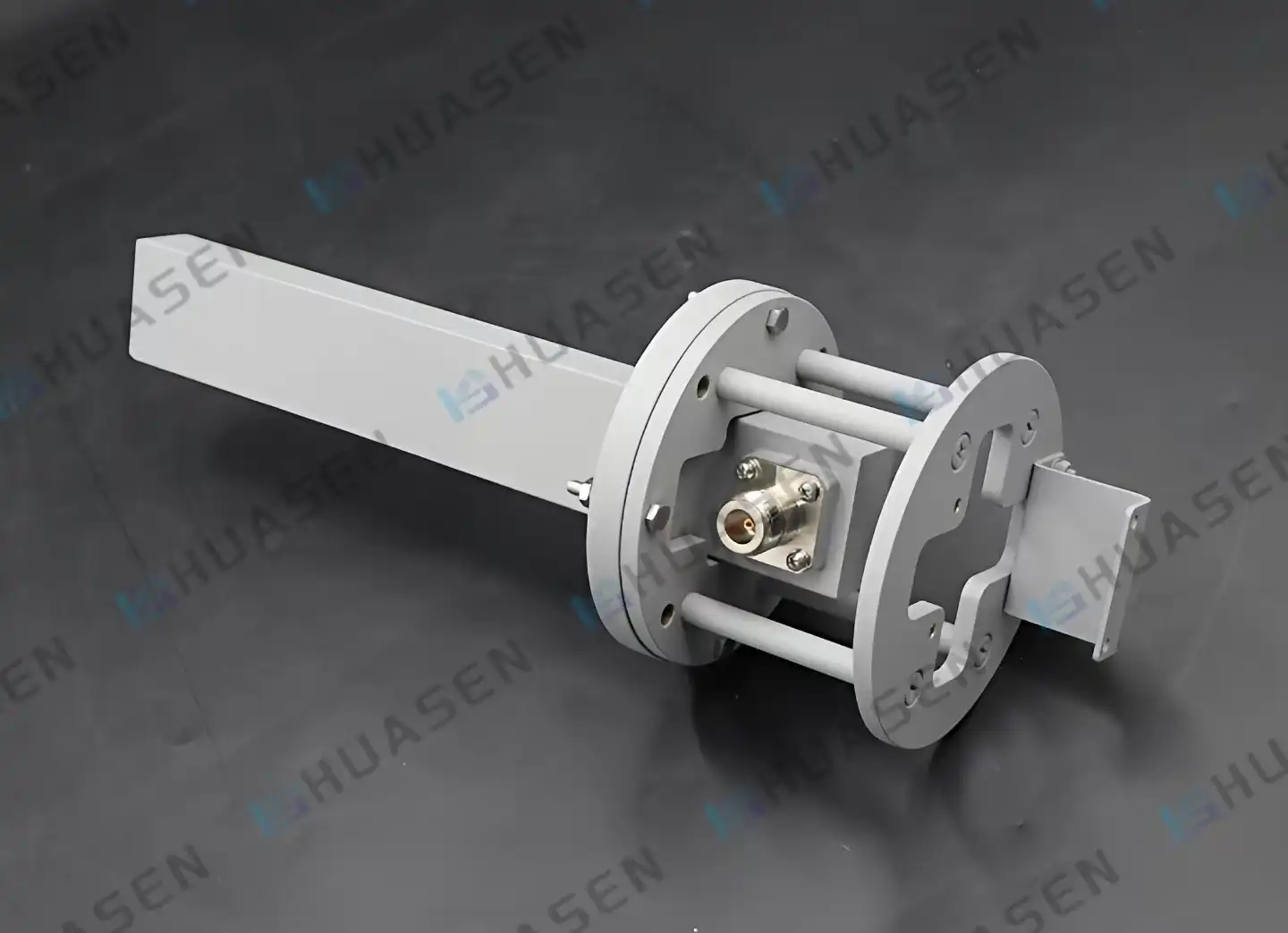
Applications of Antenna Near Field Measurement Probe in Signal Analysis
VIEW MORE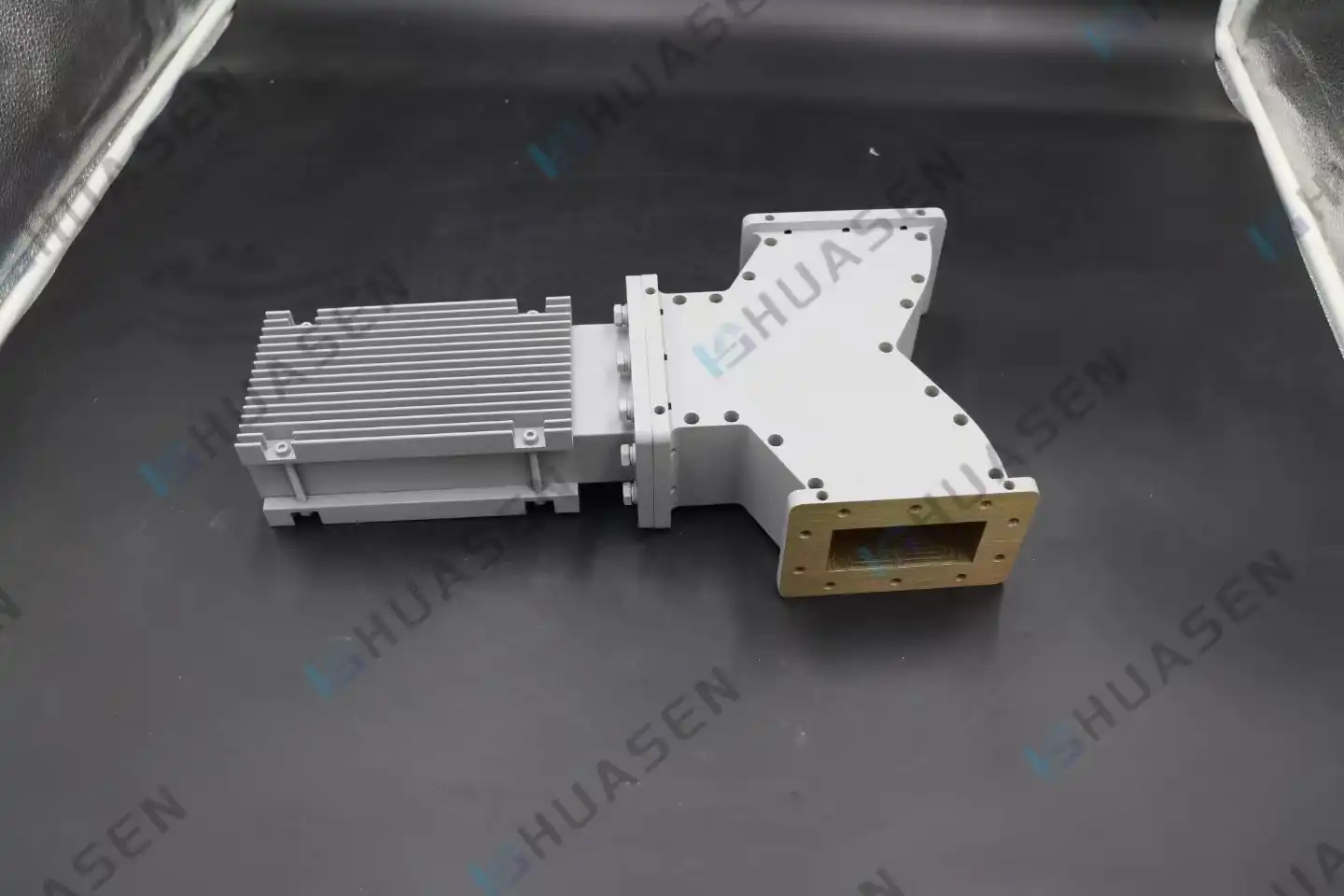
Key Parameters When Selecting Waveguide Isolator
To choose a waveguide isolator that works well for your system, you need to know the important scientific details. These passive ferrite devices only let electromagnetic signals flow in one direction, forward. They absorb the energy that flows backwards, which protects sensitive signal sources and boosters from damage caused by reflected power. Key factors include frequency band compatibility, isolation performance (usually 20–30 dB), insertion loss (usually less than 0.5 dB), power handling capacity (from watts to kilowatts), VSWR standards, and ratings for how long the product will last in different environments. By choosing the right parameters, you can make sure that your equipment works well with radar systems, satellite data links, 5G infrastructure, and test equipment. You can also avoid expensive equipment failures caused by impedance mismatches.VIEW MORE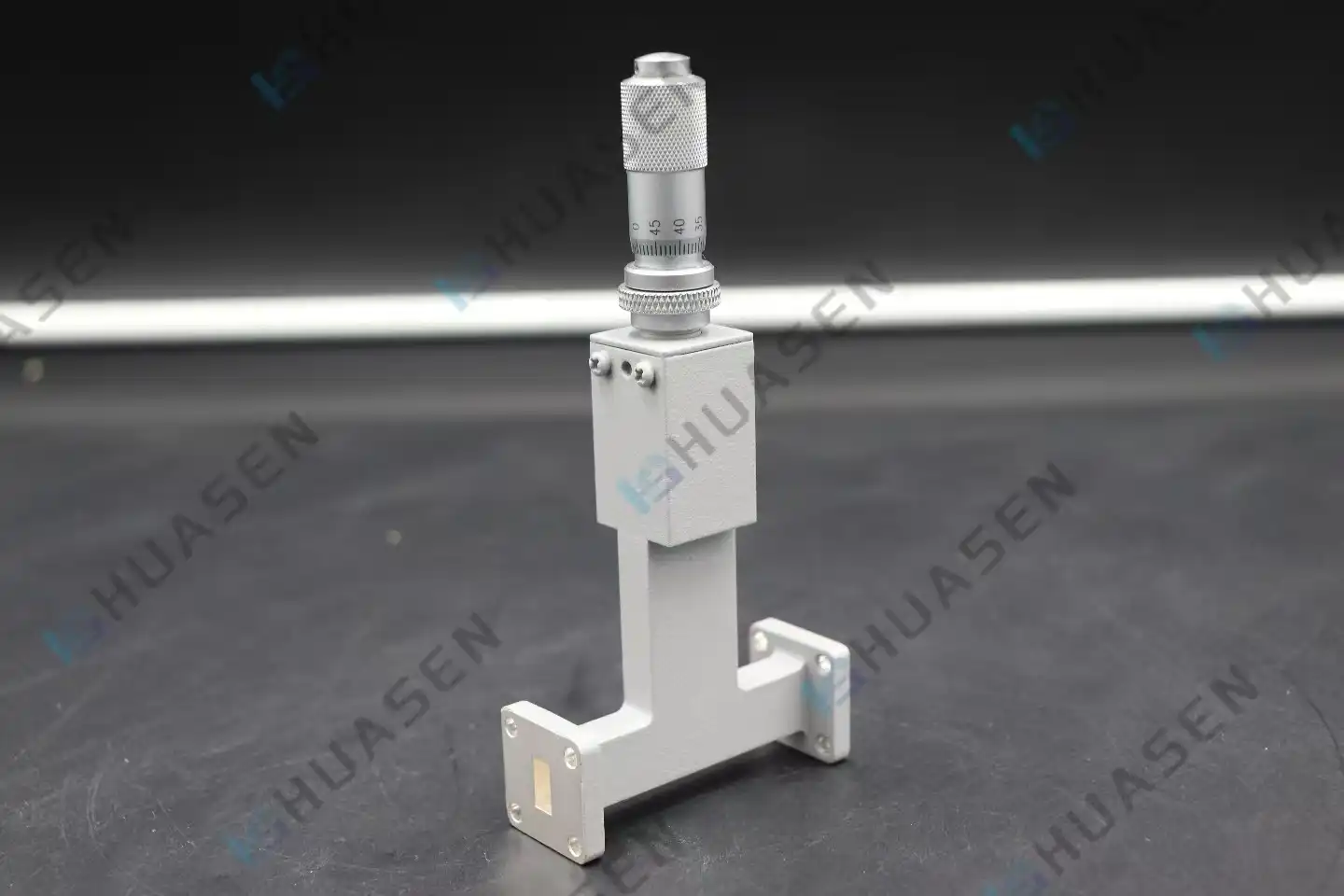
Phase Resolution Testing for Millimeter Wave Digital Phase Shifters
Phase resolution testing for millimeter wave digital phase shifters represents a cornerstone evaluation process that validates a device's capability to execute precise incremental phase adjustments. At its essence, this testing measures the smallest achievable phase step—a parameter that fundamentally determines beam steering accuracy in phased arrays,digital phase shifters,and signal fidelity in modern RF systems. A digital phase shifter employs discrete logic-controlled states rather than continuous tuning, enabling engineers to command exact phase angles through TTL or CMOS interfaces. Within millimeter wave applications spanning 30 GHz to 110 GHz, even minor phase inaccuracies cascade into degraded antenna patterns or compromised data throughput, making rigorous resolution verification essential during procurement and integration.VIEW MORE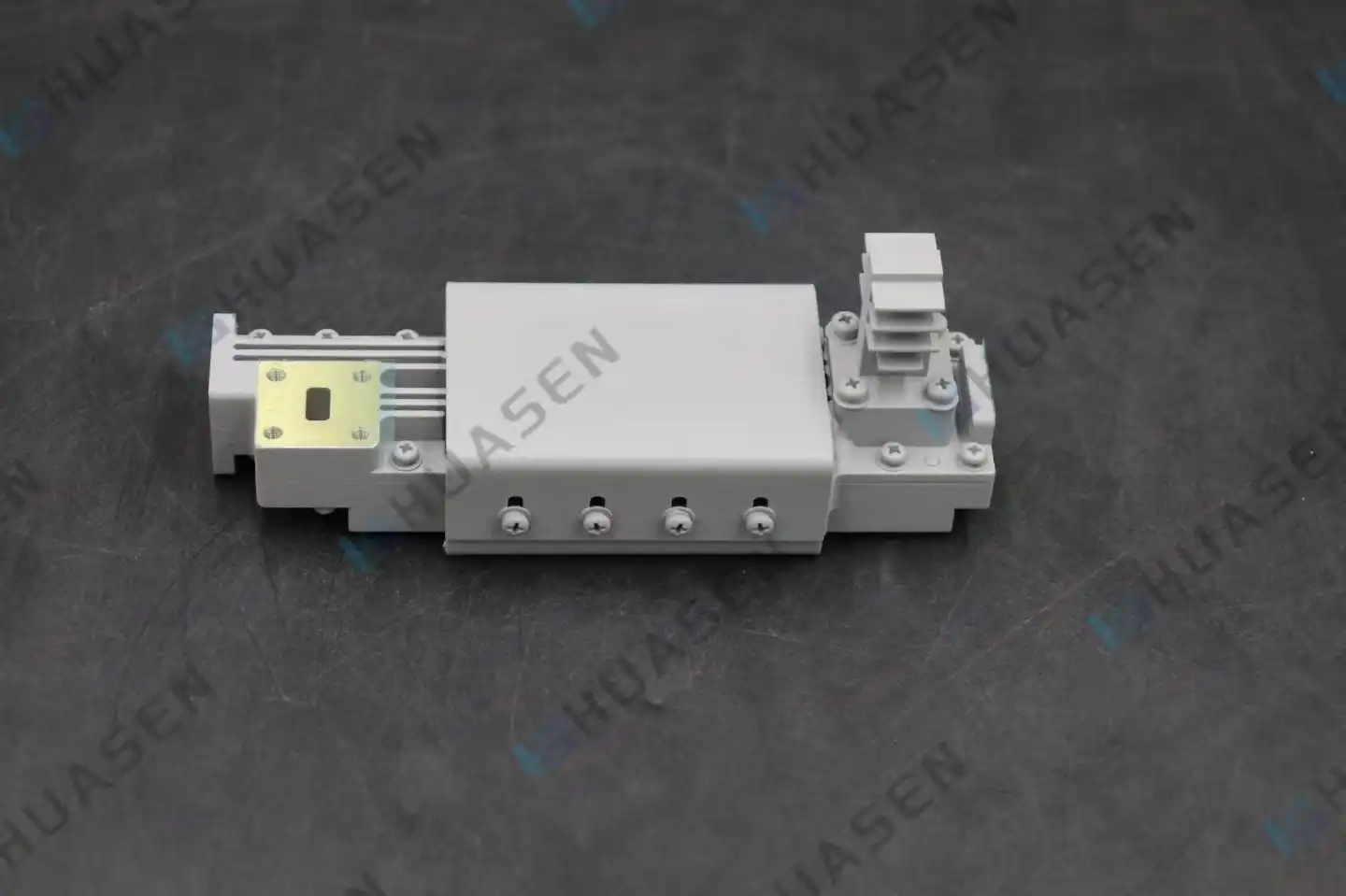
High Power Differential Phase Shift Circulator Overview
When engineers are making plans for the next generation of radar systems, satellite communication networks, or industrial microwave installations, they often have to make a tough choice: how to keep expensive, high-power RF sources safe from harmful mirrored energy without affecting the integrity of the signal? The High Power Waveguide Differential Phase Shift Circulator is a beautiful way to solve this problem. These advanced four-port devices don't work like regular junction circulators, which focus energy on a center ferrite disc and risk overheating and performance loss. Instead, they spread power across split waveguide paths. Because of their design, they can handle continuous wave power of more than 100 kW and peak power of several megawatts. This makes them essential in situations where they must be reliable under high thermal and electromagnetic stress.VIEW MORE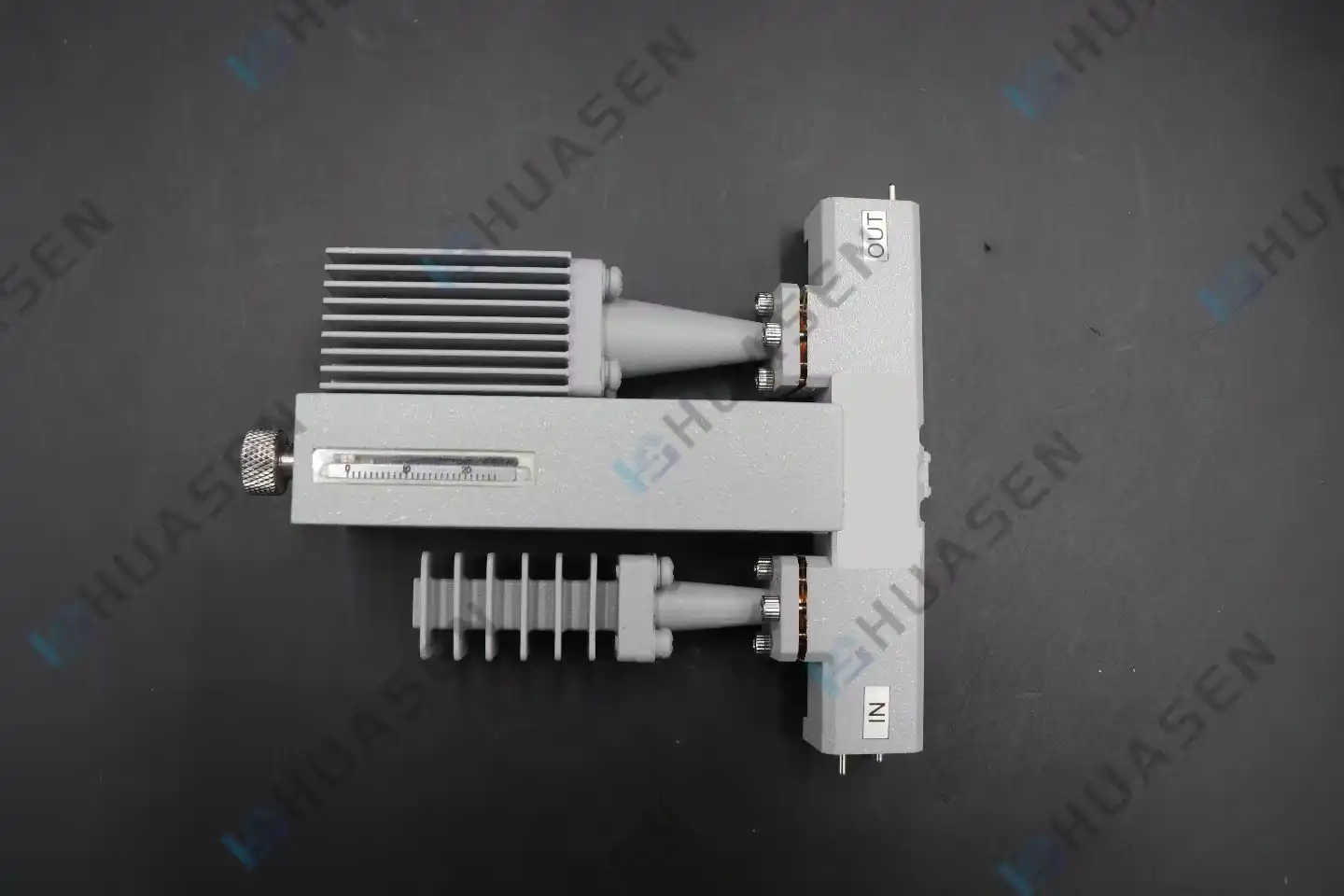
How Variable Waveguide Attenuator Improves Test Accuracy
Variable Waveguide Attenuators fundamentally improve test accuracy by enabling precise, adjustable control of signal power levels in RF and microwave testing environments. These components allow engineers to simulate real-world signal conditions, calibrate sensitive measurement equipment within optimal operating ranges, and maintain consistent test parameters across frequency bands from 0.96 GHz to 112 GHz. By offering attenuation ranges of 0-30 dB with minimal insertion loss and exceptional VSWR stability, they eliminate signal saturation risks in receivers, protect expensive test instruments from overload damage, and deliver repeatable measurement results that fixed attenuators simply cannot achieve in dynamic test scenarios.VIEW MORE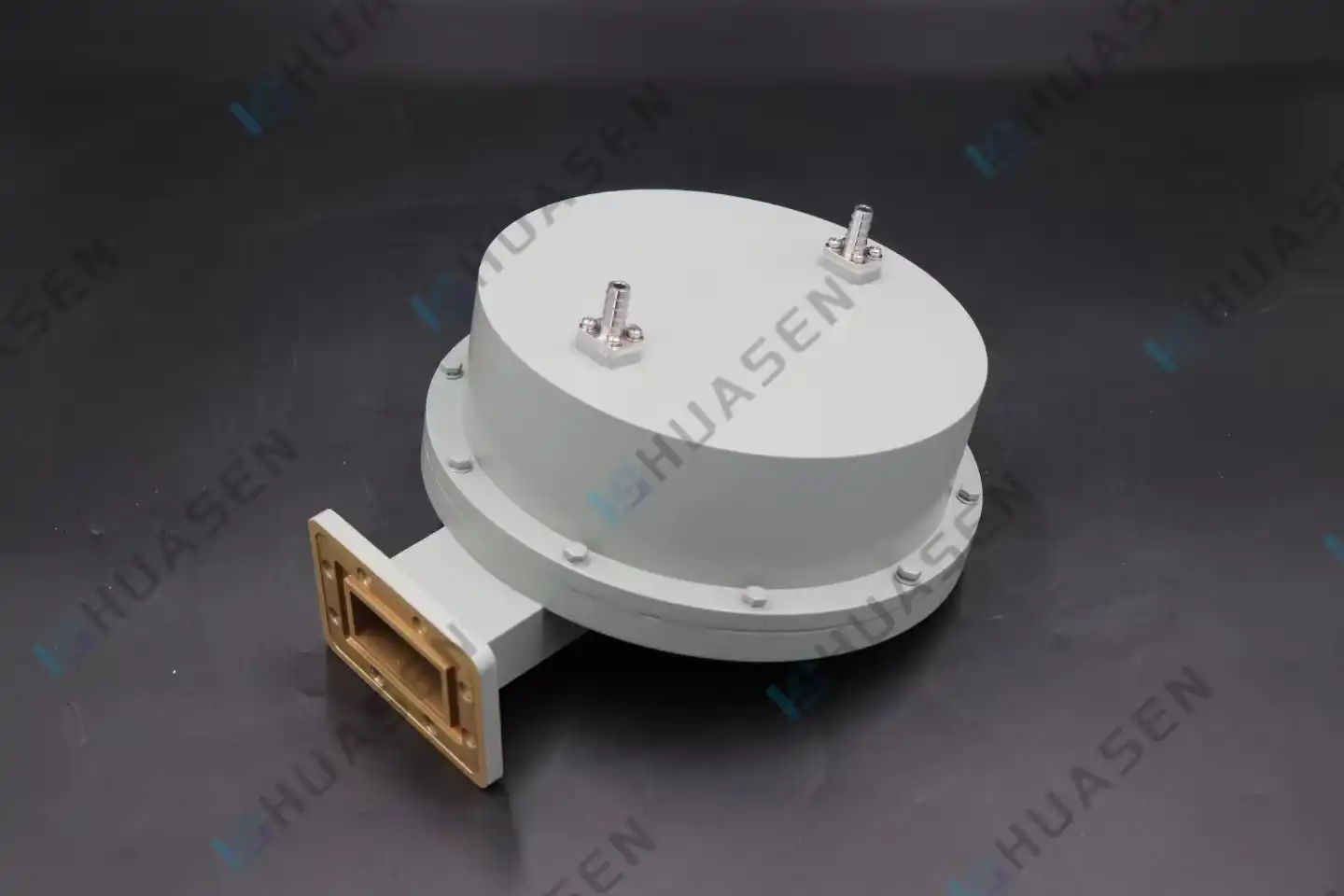
Water Cooled Load Thermal Design Considerations
When designing high-power RF testing systems, thermal management becomes the critical Water Cooled Load factor separating reliable equipment from catastrophic failure. A water-cooled load stands at the intersection of electrical precision and thermal engineering—it absorbs kilowatts or even megawatts of RF energy and converts it into manageable heat through circulating coolant. Understanding the thermal design considerations ensures your testing infrastructure operates safely, accurately, and economically across demanding applications in radar, telecommunications, and satellite communications.VIEW MORE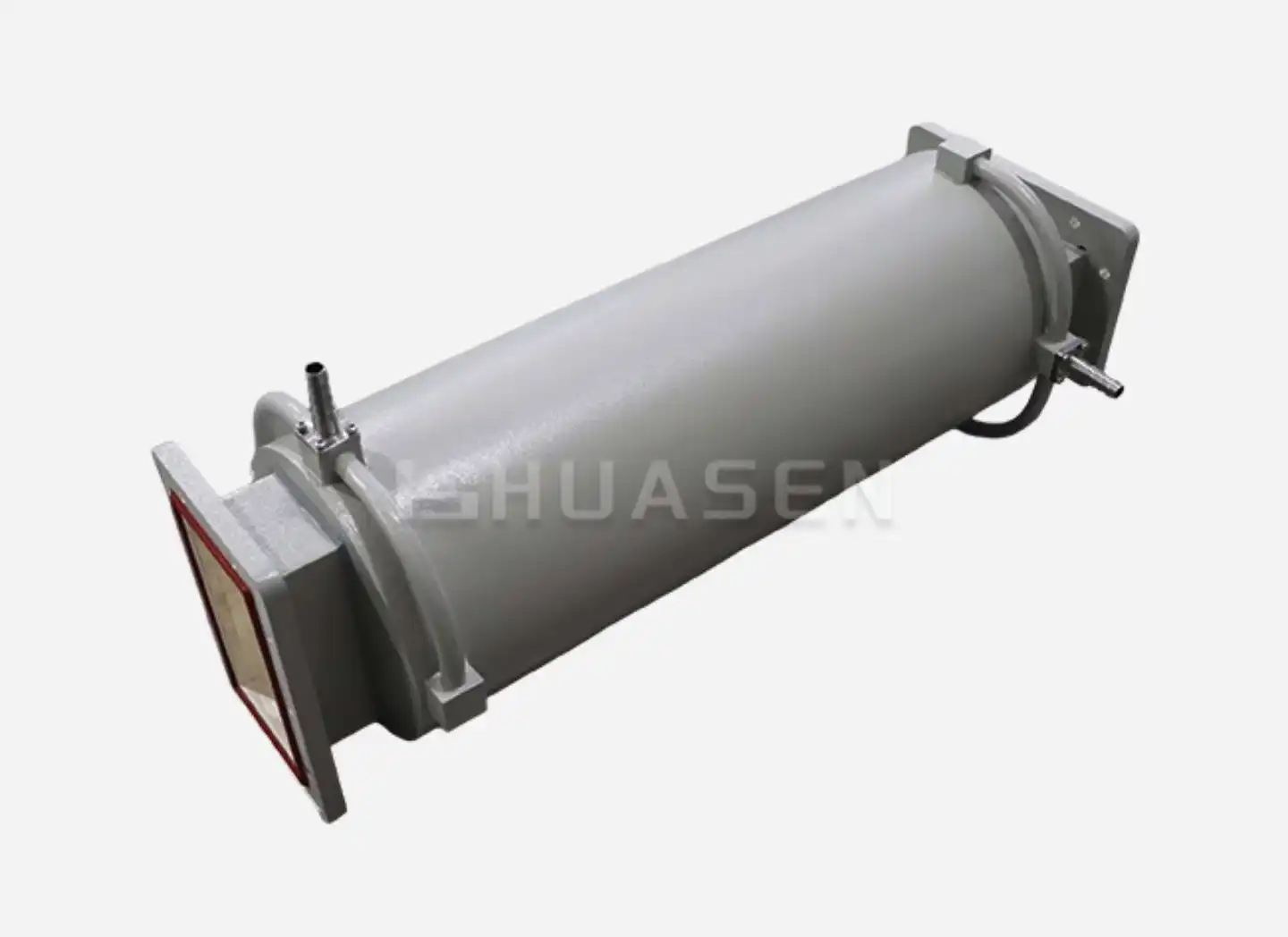
Water Cooled Coax Waveguide for High Power Transmission
Water-cooled coax waveguide systems are a big step forward in dealing with water-cooled coax waveguide heat problems in high-power RF transmission equipment. These special parts have precision-engineered liquid cooling channels built right into the gearbox path. This lets operators handle signals from kilowatts to megawatts without affecting the purity of the signal or the lifespan of the parts. By moving coolant through carefully placed internal pathways, these devices get around the main problem with standard air-cooled assemblies, which is that they can't get rid of heat quickly enough when high power is applied for a long time. This technology is now essential for infrastructure that supports telecommunications, defence radar installations, and industrial RF heating tasks that must be reliable and work well.VIEW MORE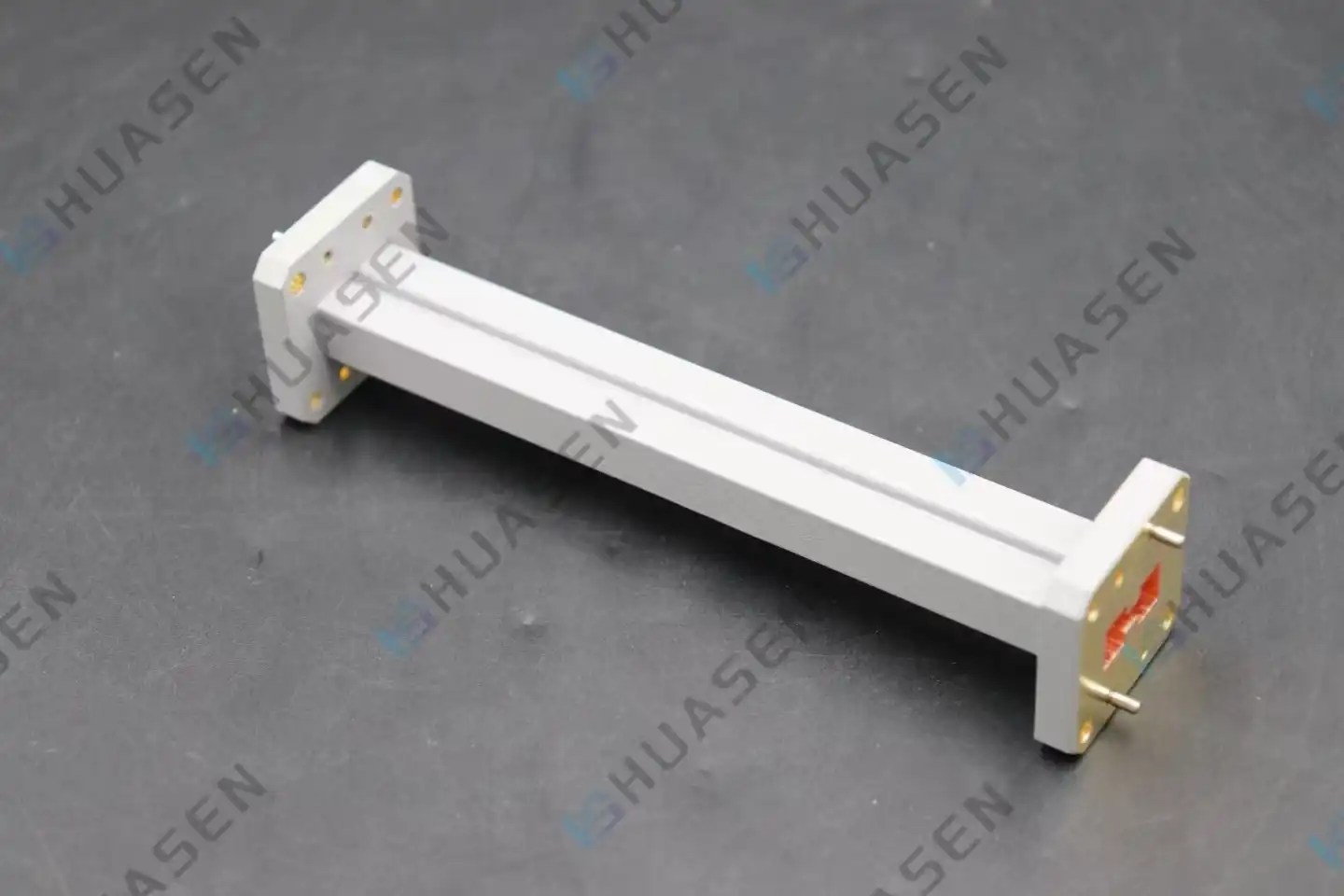
Double Ridged Straight Waveguide in Broadband Labs
In broadband laboratory environments, the Double Ridged Straight Waveguide represents a transformative solution for engineers facing bandwidth constraints and signal integrity challenges. This specialized passive microwave component features internal conductive ridges along the center of the top and bottom broad walls, capacitively loading the structure to dramatically lower the cutoff frequency while extending single-mode bandwidth. Unlike standard rectangular waveguides limited to bandwidth ratios around 1.5:1, double ridged configurations achieve multi-octave coverage—often 2.4:1 to 3.6:1—within a single compact footprint, addressing the critical need for wide frequency band coverage without hardware switching.VIEW MORE
- 1
- 27
- 28
- 29
- 30
- 31
- 60
Total 60 pages
