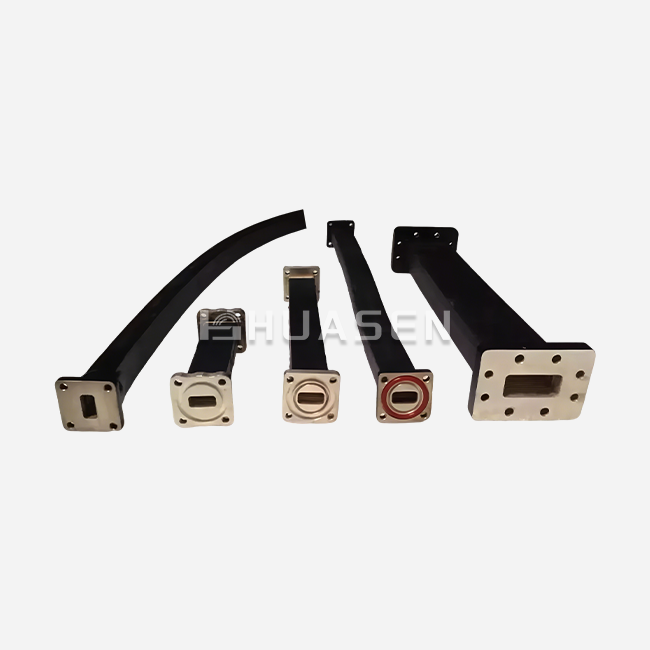
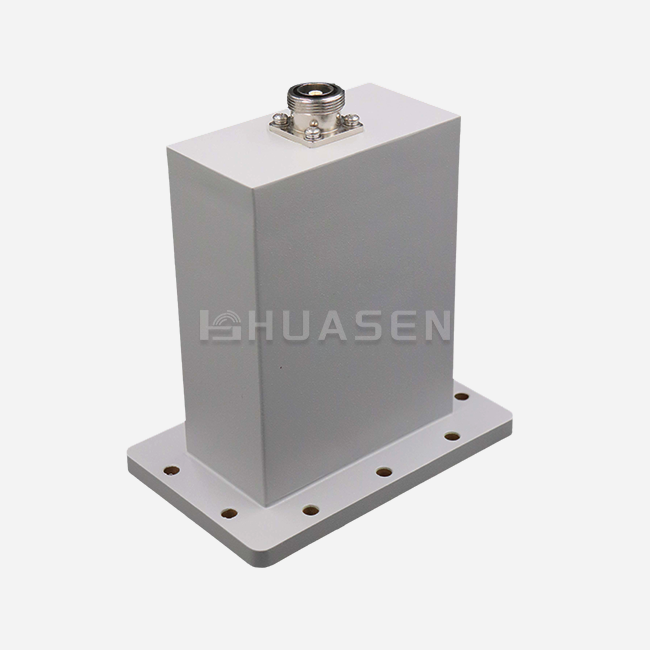
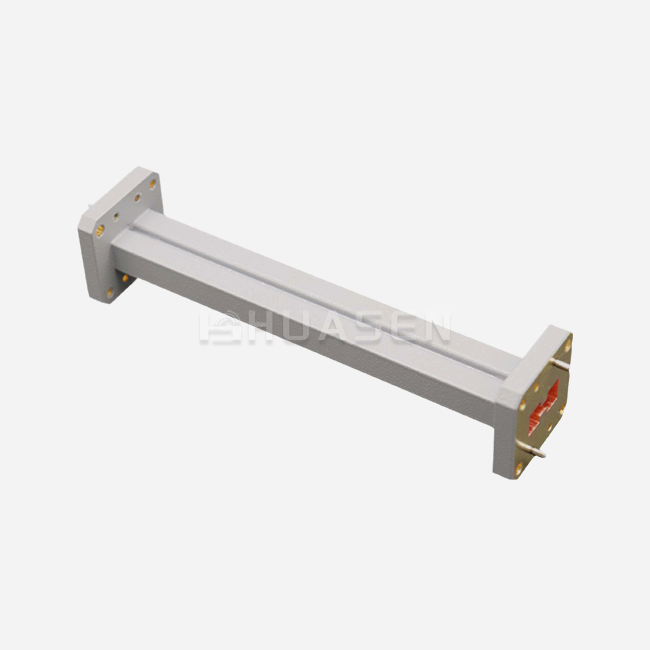
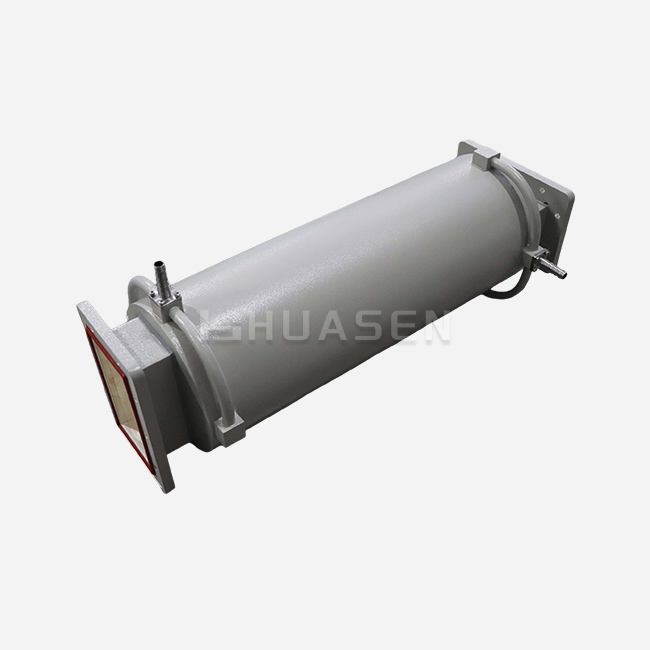
Water Cooled Load Thermal Design Considerations






2026-04-13 22:40:19
When designing high-power RF testing systems, thermal management becomes the critical Water Cooled Load factor separating reliable equipment from catastrophic failure. A water-cooled load stands at the intersection of electrical precision and thermal engineering—it absorbs kilowatts or even megawatts of RF energy and converts it into manageable heat through circulating coolant. Understanding the thermal design considerations ensures your testing infrastructure operates safely, accurately, and economically across demanding applications in radar, telecommunications, and satellite communications.
Understanding Water Cooled Load Thermal Principles
The foundation of effective thermal management begins with grasping how these devices transform electromagnetic energy into thermal energy and then transport it away from critical components.
How Fluid Circulation Dissipates High-Power RF Heat
RF energy comes in through waveguides or coaxial connections and hits resistive or absorptive materials inside a water-cooled termination device. These materials turn electromagnetic waves into heat. This heat moves to structures made of copper or aluminium that are close to water lines inside them. As coolant flows through these pathways, it soaks up heat energy and sends it to heat exchangers or chiller systems outside the system. The closed-loop design keeps temperatures stable even when it's dealing with constant power levels above 10 kW, which would be too much for passive cooling methods to handle. Keeping the flow turbulent within the channels is very important for this process to work well. The convective heat transfer coefficient is highest when there is turbulence. This coefficient is usually between 3,000 and 15,000 W/m²·K and depends on the flow speed and channel shape. If there isn't enough turbulence, laminar flow makes boundary layers that are very protective and make cooling much less effective.
Critical Components: Water Channels and Heat Exchangers
To get the right mix between hydraulic resistance and heat transfer area, water channels must be carefully machined. When lines are narrow, there is more surface contact, but the pressure drops more, so pumps need to be stronger. Wide channels cut down on the need for pumping but make heat movement less effective. When engineers optimise this trade-off for certain power ratings, they usually aim for channel hydraulic diameters between 5 and 12 mm. Heat exchangers are the second important node where thermal energy leaves the system. Plate-type exchangers have small footprints that make them good for rack-mounted installations. Shell-and-tube designs, on the other hand, have more capacity for megawatt-class uses. Choosing the right type of exchanger has a direct effect on both the original costs and the long-term costs of running the business because it affects how much energy is used.
Comparing Cooling Efficiency Across Load Types
It's easier to understand why procurement teams choose water-based thermal management in certain situations when you know how it compares to other options: air-cooled RF loads use forced airflow with fans and finned heat sinks. Even though they are easier to use and don't need any wiring, they aren't useful for power needs above about 2 kW continuous. Because they need to be big to have enough surface area and make a lot of noise from fast airflow, they can't be used in equipment cabinets with a lot of other equipment or in quiet labs. Dry loads absorb energy through ceramic or resistive materials without actively cooling, so they can only be used for short-term, low-power tasks. Their small size makes them useful for testing on the go, but they can't handle prolonged operation above a few hundred watts because of their thermal mass. Oil-filled coaxial terminators are in the middle; they can handle more heat than air-cooled versions without the complexity of a water system. While these units are useful in some situations, they can't compare to actively flowing water systems when they need to use a lot of power all the time.
Thermal Design Variables That Enhance Performance
Flow rate, temperature difference, and heat transfer,Water Cooled Loadcoefficient are the three most important factors in thermal design optimisation. Depending on how much power is needed, the flow rate is usually between 2 and 20 litres per minute. Too little flow makes hot spots and increases the chance of boiling in the channels, while too much flow wastes pumping energy without increasing cooling. The difference in temperature between the water entering and leaving the system can be used to measure the amount of power that is absorbed using the formula Power = Flow Rate × Specific Heat × ΦT. Thermal stability is achieved by keeping this difference within certain limits, usually 5 to 15°C. The total heat transfer coefficient is made up of conduction through metal walls, convection at the coolant interface, and thermal contact resistance between components. Wider differences mean that there isn't enough flow or that the heat transfer surfaces are dirty and need to be cleaned. This composite number is affected by the choice of material, the finish on the surface, and the mechanical assembly torque. High-end versions have coefficients above 10,000 W/m²·K thanks to electroplated copper surfaces and very careful assembly steps.
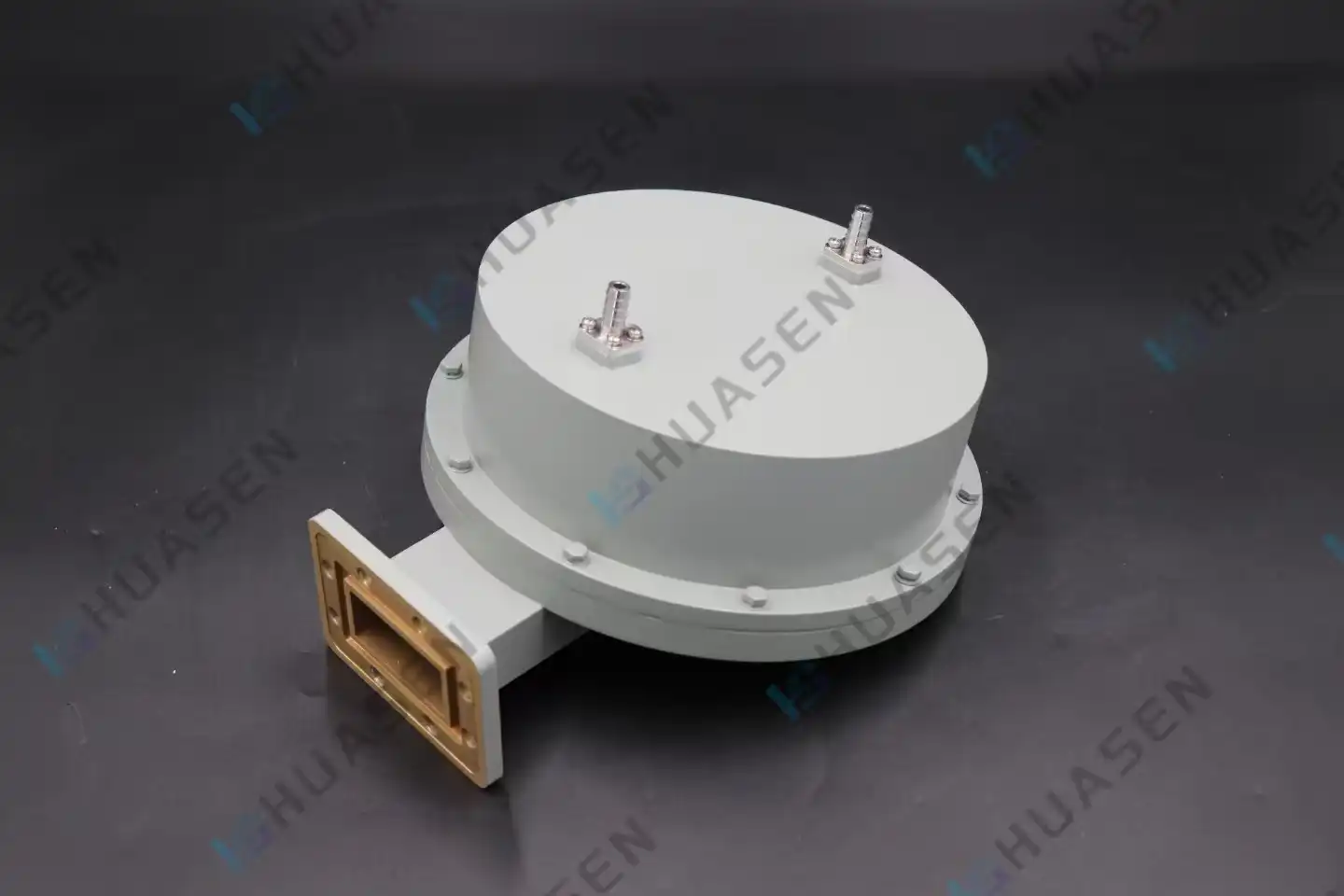
Key Thermal Design Considerations for Water-Cooled Loads
Achieving reliable thermal management requires integrating multiple subsystems into a cohesive architecture that responds to varying load conditions while preventing failure modes.
Component Selection for Cooling System Integration
Pumps must deliver adequate pressure to overcome system hydraulic resistance while maintaining reliable operation across ambient temperature extremes. Centrifugal pumps dominate industrial installations due to their continuous-duty ratings and smooth flow characteristics. Magnetic drive variants eliminate shaft seals, preventing coolant leaks that could damage adjacent electronics. Redundant pump configurations in mission-critical applications ensure testing continuity even during maintenance. Temperature sensors provide the feedback necessary for automated thermal control. Resistance temperature detectors (RTDs) offer superior accuracy and stability compared to thermocouples, with Pt100 and Pt1000 variants commonly installed at inlet, outlet, and critical internal monitoring points. Digital sensor interfaces simplify integration with programmable logic controllers and SCADA systems. Material compatibility prevents galvanic corrosion and coolant degradation. Copper and aluminum dominate load construction, but direct contact between dissimilar metals accelerates electrochemical corrosion in the presence of water. Manufacturers address this through careful material selection, protective coatings, or isolating dissimilar metals with gaskets and insulators. Stainless steel fittings and Viton seals provide long-term durability in deionized water circuits.
Temperature Control Strategies: Preventing Overheating
Modern RF testing demands precise thermal conditions to ensure measurement repeatability. Automated control loops maintain load temperatures within ±2°C by modulating coolant flow or chiller setpoints based on real-time sensor feedback. This stability directly translates to consistent VSWR and power measurement accuracy. Redundant overheat protection operates independently of primary control systems. Dedicated thermostats interrupt RF input power if coolant flow ceases or temperatures exceed safe limits. This failsafe architecture protects both the load device and expensive transmitters feeding it. Regulatory standards for laboratory safety increasingly require such interlocks in high-power installations.
Addressing Uneven Heat Distribution Challenges
Non-uniform power dissipation within absorptive materials creates thermal gradients that induce mechanical stress. Repeated thermal cycling can crack brittle ceramics or delaminate bonded interfaces. Advanced designs incorporate finite element analysis during development to identify hot spots and optimize coolant channel routing. Thermal expansion mismatches between materials also demand careful attention. A copper heat spreader expands significantly more than alumina ceramic when heated. Designers accommodate this through compliant interfaces, controlled preload, or matched-coefficient materials. Ignoring these considerations leads to premature failures that tarnish supplier reputation and increase the total cost of ownership.
Maintenance Practices Sustaining Cooling Efficiency
Even well-designed systems degrade without regular maintenance. Coolant quality inspection should occur quarterly, measuring pH, conductivity, and dissolved solids. Deionized water gradually absorbs carbon dioxide from the air, lowering pH and increasing corrosivity. Corrosion inhibitors and biocides extend coolant life but require periodic replenishment according to manufacturer specifications. Particulate filters prevent debris from clogging narrow water channels. Screens or cartridge water-cooled loadfilters installed at the pump inlets capture scale, pipe dope, and manufacturing debris before they enter expensive components. Differential pressure gauges across filters indicate when replacement becomes necessary, preventing flow restriction that reduces cooling capacity. Annual system flushing removes accumulated deposits from internal surfaces. This preventive measure costs far less than emergency repairs following a thermal failure during critical testing campaigns. Documentation of maintenance activities supports ISO 9001 quality systems and provides evidence of due diligence should warranty claims arise.
Comparing Water Cooled Loads with Alternative Cooling Methods
Selecting the optimal cooling technology requires understanding not just performance capabilities but also total lifecycle economics and operational characteristics.
Heat Dissipation and Durability in Continuous Operation
Water-based thermal management excels in continuous-duty applications where sustained power dissipation exceeds several kilowatts. The high specific heat capacity of water—4.18 kJ/kg·K—combined with practical flow rates enables compact physical designs that would require massive heat sinks if air-cooled. This density advantage becomes critical in space-constrained transmitter rooms or aboard ships where volume comes at a premium. Durability stems from maintaining component temperatures well below material limits. Air-cooled systems often operate absorptive elements at 150°C or higher, accelerating aging mechanisms. Water cooling typically holds these same elements below 80°C, dramatically extending operational life. Over a 10-year service period, this translates to fewer replacement cycles and higher system availability.
Acoustic and Environmental Advantages
High-velocity cooling fans generate substantial acoustic energy, with levels often exceeding 70 dBA at one meter. This noise pollution creates unpleasant working conditions in laboratories and may violate occupational health regulations in industrial settings. Water-cooled installations operate nearly silently aside from pump vibration, which simple isolation mounts attenuate to negligible levels. Environmental considerations increasingly influence procurement decisions. Water systems consume less electrical energy than equivalent fan-based cooling because water's superior thermal properties reduce the parasitic power overhead. Glycol mixtures enable operation in freezing environments without electric heating, further improving efficiency. Closed-loop designs minimize water consumption compared to once-through cooling approaches used in older installations.
Cost-Benefit Analysis for Procurement Teams
Initial acquisition costs favor simpler air-cooled devices, typically priced 30 to 50 percent below water-cooled equivalents in the same power class. Budget-constrained laboratories sometimes select air cooling for this reason despite operational compromises. Experienced procurement managers recognize that the total cost of ownership tells a different story. Operating expense differences accumulate significantly over equipment lifetimes. Lower energy consumption in water-cooled systems generates monthly utility savings. Reduced failure rates decrease spare parts inventory and emergency repair costs. Extended component life defers capital replacement expenses. Quiet operation improves worker productivity and reduces hearing protection requirements. Quantifying these factors through lifecycle cost modeling often reveals a breakeven point within three to five years, after which water cooling delivers superior economic returns.
Industry-Leading Thermal Design Implementations
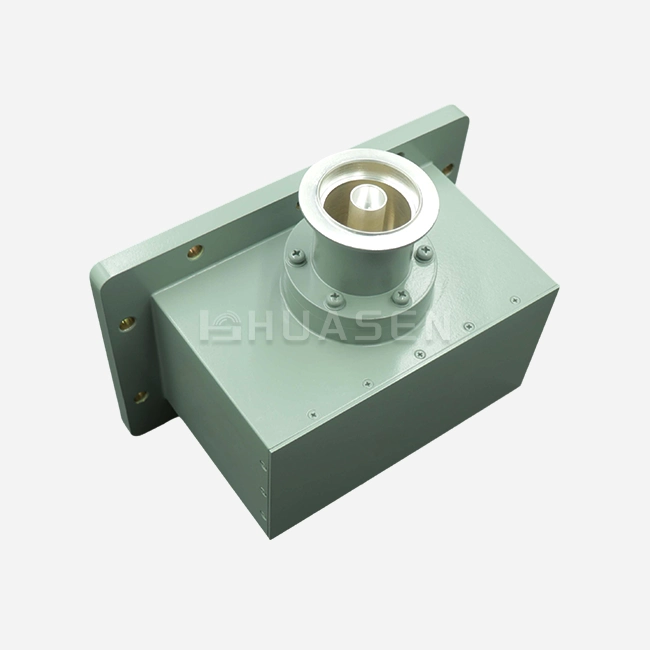
Premium manufacturers differentiate themselves through innovative thermal engineering. Aeroflex pioneered the use of turbulence-inducing inserts within coolant channels, boosting heat transfer coefficients by 40 percent without increasing pressure drop. Bird Technologies developed modular heat exchanger interfaces allowing field upgrades to match evolving cooling infrastructure. Kaufman's precision-machined copper construction and electroplated surfaces minimize thermal interface resistance. Sierra implements computational fluid dynamics during design validation, ensuring uniform coolant distribution across all channels. Huasen Microwave incorporates decades of thermal engineering expertise into our waveguide water-cooled load product line. Our designs reflect lessons learned from installations spanning 5G base station testing, satellite ground stations, and defense radar applications. This proven reliability influences supplier selection processes for system integrators demanding components that perform consistently throughout multi-year deployment cycles.
Procurement Guidelines for Water Cooled Loads with Optimal Thermal Design
Successful acquisition of RF test equipment balances technical specifications against commercial considerations, ensuring purchased systems align with both immediate needs and long-term strategic requirements.
Defining Application-Specific Thermal Requirements
Accurate requirement definition begins with characterizing the RF signals the load must absorb. Continuous wave applications demand a steady-state thermal design where average power drives cooling capacity. Pulsed radar testing introduces peak-to-average power ratios requiring thermal mass calculations to ensure components don't exceed temperature limits during individual pulses, even though average power remains modest. Environmental conditions shape thermal architecture choices. Outdoor installations face ambient temperature swings from -40°C to +50°C, demanding coolant formulations that remain fluid across this range. High-altitude locations reduce air cooling effectiveness but don't impact liquid cooling performance. Corrosive maritime atmospheres necessitate enhanced material protection beyond standard industrial grades.
Evaluating Supplier Credibility and Support
Authorized manufacturers provide documentation traceability essential for regulated industries. Material certificates, calibration data, and environmental testing reports demonstrate compliance with MIL-STD-202, ISO 9001, and RoHS directives. Third-party certifications from agencies like TÜV or UL validate claimed specifications and safety characteristics. Warranty coverage reveals the manufacturer's confidence in their thermal designs. Premium suppliers offer three to five-year warranties reflecting design margins and manufacturing quality. Limited warranties or numerous exclusions suggest marginal thermal performance that may require frequent service interventions. After-sales responsiveness determines downtime duration when issues arise. Domestic service centers, technical support staffing, and spare parts availability all factor into total operational risk. International procurement introduces complications around customs, shipping delays, and communication barriers that must be weighed against potential cost savings.
Balancing Cost and Performance Metrics
Price structures vary significantly across suppliers. Some quote equipment-only pricing, leaving customers to source compatible chillers, pumps, and plumbing fittings separately. Turnkey system pricing simplifies budgeting and assigns single-source accountability but may include premium margins. Detailed quote comparison requires normalizing specifications and the included scope. Lead times influence project schedules and opportunity costs. Standard catalog items typically ship within weeks, while custom configurations may require three to six months. Rush fees can compress delivery schedules but add 15 to 30 percent cost premiums. Strategic buyers maintain a buffer inventory of critical items or establish blanket purchase agreements with preferred suppliers to mitigate urgency-driven costs. Value-added services differentiate sophisticated suppliers from commodity vendors. Application engineering support during system design prevents mismatched specifications. Sample testing programs allow performance validation before volume commitments. Calibration services traceable to national standards ensure measurement accuracy. These services carry costs but reduce technical risk and accelerate Water Cooled Loaddeployment timelines.
Troubleshooting and Optimizing Water-Cooled Load Thermal Performance
Even well-designed systems occasionally exhibit thermal anomalies requiring diagnostic intervention. Systematic troubleshooting methodologies quickly isolate root causes and restore optimal operation.
Diagnosing Common Thermal Issues
Overheating symptoms include rising coolant outlet temperatures, thermal shutdown activation, or VSWR degradation at higher power levels. Insufficient coolant flow represents the most frequent cause. Closed isolation valves, clogged filters, or failed pumps all restrict flow. Differential pressure measurements across the load and filter cartridges quickly identify restrictions. Flow meters confirm actual flow rates against design specifications. Coolant leaks manifest as puddles beneath equipment, declining reservoir levels, or unexplained humidity increases. External leaks at fittings or hose connections are readily visible. Internal leaks within the load body itself present diagnostic challenges. Pressure testing the isolated cooling circuit reveals leaks through pressure decay measurements. Helium leak detection identifies exact failure locations for targeted repairs. Temperature instability shows erratic variations in outlet readings despite constant input power. Air pockets trapped within cooling channels cause this symptom by periodically insulating surfaces from coolant. Purging air through high-point vent ports restores stable operation. Automatic air elimination valves prevent recurrence during subsequent operations.
Step-by-Step Optimization Methods
Adjusting coolant flow represents the simplest optimization lever. Increasing flow reduces temperature differentials and lowers peak component temperatures. Modern variable-frequency drives enable precise pump speed control, allowing fine-tuning of flow rates to match actual loading conditions. This flexibility reduces energy consumption during low-power testing while providing maximum cooling capacity during high-power campaigns. Coolant temperature setpoint adjustment trades chiller energy consumption against component longevity. Lowering inlet temperatures extends material life but increases refrigeration costs. Engineering analysis determines the economically optimal setpoint, balancing these competing factors. Many installations successfully operate at 20°C inlet temperature, though specialized applications may require 10°C or 30°C, depending on circumstances. Upgrading isolated components offers performance improvements without complete system replacement. Retrofitting larger heat exchangers increases cooling capacity. Installing higher-efficiency pumps reduces electrical consumption. Adding inline filters protects newly refurbished loads from contamination. These incremental upgrades extend useful equipment life and defer major capital investments.
Implementing Predictive Maintenance Analytics
Real-time monitoring data enables predictive maintenance strategies that prevent failures before they occur. Trending coolant outlet temperature over weeks reveals gradual fouling as heat transfer efficiency declines. Addressing this through scheduled maintenance prevents emergency shutdowns during critical testing. Vibration monitoring on pump bearings detects developing mechanical issues. Elevated vibration spectra indicate worn bearings requiring replacement before catastrophic failure occurs. This proactive approach reduces spare parts inventory costs since replacements occur during planned maintenance windows rather than emergency overnight shipments. Automated data logging creates historical records supporting root cause analysis and warranty claims. Time-stamped temperature, flow, and power measurements document operating conditions during equipment lifetime. This evidence proves whether failures resulted from manufacturing defects or misapplication beyond design limits, clarifying liability in dispute situations.
Conclusion
Thermal design represents the invisible foundation upon which reliable high-power RF testing depends. Water-cooled loads deliver unmatched heat dissipation in compact packages, enabling measurement accuracy and equipment longevity that justify their selection across telecommunications, defense, and aerospace applications. Understanding circulation principles, component integration, and maintenance requirements empowers procurement teams to specify optimal solutions. Comparing cooling technologies through total lifecycle cost models reveals economic advantages that compound over equipment service life. Effective troubleshooting and predictive maintenance practices sustain performance across decades of operation, maximizing return on capital investments while minimizing operational disruptions.
FAQ
1. What power levels do water-cooled loads typically handle?
Standard catalog designs range from 1 kW to 50 kW continuous wave, with custom configurations extending beyond 500 kW for specialized radar and industrial heating applications. Peak power handling often exceeds average ratings by factors of 10 or more in pulsed operation, depending on duty cycle and thermal mass characteristics.
2. How often should coolant be replaced in these systems?
Deionized water circuits typically require annual coolant replacement, though quarterly testing of pH and conductivity guides actual change intervals. Glycol mixtures used in freezing environments may extend to 24-month intervals. Contaminated coolant showing signs of biological growth or corrosion products needs immediate replacement regardless of schedule.
3. Can existing air-cooled loads be retrofitted to water cooling?
Fundamental architectural differences usually prevent practical retrofits. Air-cooled designs lack internal water channels and use different absorptive materials optimized for convective rather than conductive heat transfer. Replacing an air-cooled unit with an equivalent water-cooled model represents the most cost-effective upgrade path.
4. What coolant types work best for RF load applications?
Deionized water provides optimal thermal properties and electrical safety. Ethylene glycol mixtures enable operation below 0°C but reduce heat capacity by approximately 15 percent. Propylene glycol offers lower toxicity in the food industry installations. Avoid tap water due to mineral content, causing scale deposits and corrosion.
Partner with Huasen Microwave for Premium Thermal Solutions
Huasen Microwave brings over 30 years of RF component manufacturing expertise to every water-cooled load supplier relationship we establish. Our thermal engineering team collaborates with system integrators and equipment manufacturers to optimize cooling architectures for specific power levels, frequency bands, and environmental conditions. Whether you require COTS waveguide terminations for laboratory applications or custom coaxial loads for airborne radar testing, our design capabilities and production capacity deliver reliable solutions meeting stringent MIL-STD and ISO certification requirements.
We maintain comprehensive technical documentation supporting your water-cooled loadqualification processes and provide responsive after-sales support through knowledgeable applications engineers. Our facility certifications and quality management systems ensure supply chain stability for multi-year programs. Contact our team at sales@huasenmicrowave.com to discuss your thermal management challenges and discover how Huasen Microwave's water-cooled load product line can enhance your testing infrastructure reliability while reducing the total cost of ownership.
References
1. Pozar, David M. "Microwave Engineering, 4th Edition." Wiley, 2011. Chapter 7: RF Power Amplifiers and Loads.
2. Incropera, Frank P., and David P. DeWitt. "Fundamentals of Heat and Mass Transfer, 7th Edition." Wiley, 2011. Chapter 8: Internal Flow Convection.
3. MIL-DTL-3928E, "Detail Specification: Loads, Waveguide, Matched Termination." U.S. Department of Defense, 2015.
4. IEEE Standard 149-1979, "IEEE Standard Test Procedures for Antennas." Institute of Electrical and Electronics Engineers, 1979.
5. Ginzton, Edward L. "Microwave Measurements." McGraw-Hill, 1957. Chapter 11: High-Power Measurements and Loads.
6. ASHRAE Handbook—HVAC Systems and Equipment, 2020 Edition. American Society of Heating, Refrigerating and Air-Conditioning Engineers. Chapter 48: Cooling Towers and Evaporative Condensers.
Send Inquiry