Common Problems with Waveguide Tubes and How to Troubleshoot Them Effectively






2026-04-15 21:22:38
It is very important to keep data transmission stable when working with microwave and millimetre-wave systems. As precise transmission lines, waveguide tubes make it possible for electromagnetic waves to move quicklyacross high-frequency bands with little loss. Even though Waveguide Tube, these parts are built to last, they sometimes have problems that make the system less effective. Recognisingand addressing these issues promptly protects investment value and prevents cascade failures in complex RF architectures. This complete guide shows you how to find problems, how to fix them, and how to make smart purchases so that your important radar, satellite, and communication systems keep working at their best.
Understanding Common Waveguide Tube Problems
Operating failures in waveguide assemblies typically manifest through degraded signal quality, unexpected power loss, or complete transmission interruption. Understanding the underlying mechanisms behind these failures enables faster diagnosis and more effective remediation strategies.
Signal Attenuation Beyond Specification Limits
Too much insertion loss is often a sign of internal contamination, oxidation of conducting surfaces, or water getting into the hollow structure. When metal surfaces lose their ability to conduct electricity because of corrosion or the growth of particles, the skin-depth current distribution changes, which directly makes resistive losses worse. This effect is especially strong on systems that work near the coast or in humid areas, where salt spray and condensation speed up the breakdown of materials. Temperature cycling makes this problem worse because it makes different parts of the system expand at different rates, which could create tiny gaps that stop current flow.
Mechanical Deformation and Dimensional Drift
If you break the cross-sections of a rectangular or circular waveguide, it changes the basic electromagnetic conditions that are needed for modes to propagate properly. A 0.5 mm hole in a WR-90 standard tube is an example of a small change that can cause cutoff frequencies to shift and parasitic mode conversion to happen. Vibration stress in mobile platforms like aeroplanes, drones, or ships causes wear and tear that bends stiff structures over time. Installing torque on flange connections that isn't applied properly also leads to localised compression, which changes the internal geometry and lowers VSWR performance across the operating bandwidth.
Flange Interface Degradation
The weakest parts of any waveguide structure are the connection points. If the surfaces of the flanges aren't completely flat or have tiny scratches on them, they cause impedance discontinuities that send energy back to the source. The materials used for gaskets break down over time, and they can't keep the electrical contact even around the edges. Cover screws that come loose due to vibration cause variable contact resistance, which leads to sporadic faults that are hard to figure out with standard testing methods. When you mix waveguide parts from different makers or standard systems (WR vs. EIA designations), these interface problems get even worse.
Material Compatibility and Corrosion Issues
When two different metals touch each other in the presence of an electrolyte, like collected water, this is called galvanic corrosion. When aluminium waveguide sections are bolted to copper flanges, they break down faster at junction points if proper isolation methods are not used. When exposed to sulphur chemicals in industrial settings, silver plating,Waveguide Tube, which is often used to improve conductivity, can tarnish or flake. These changes to the surface make it harder for the contact to make good contact and create hot spots in certain areas when the power is high. This could cause the temperature to rise too high in transmitter users.
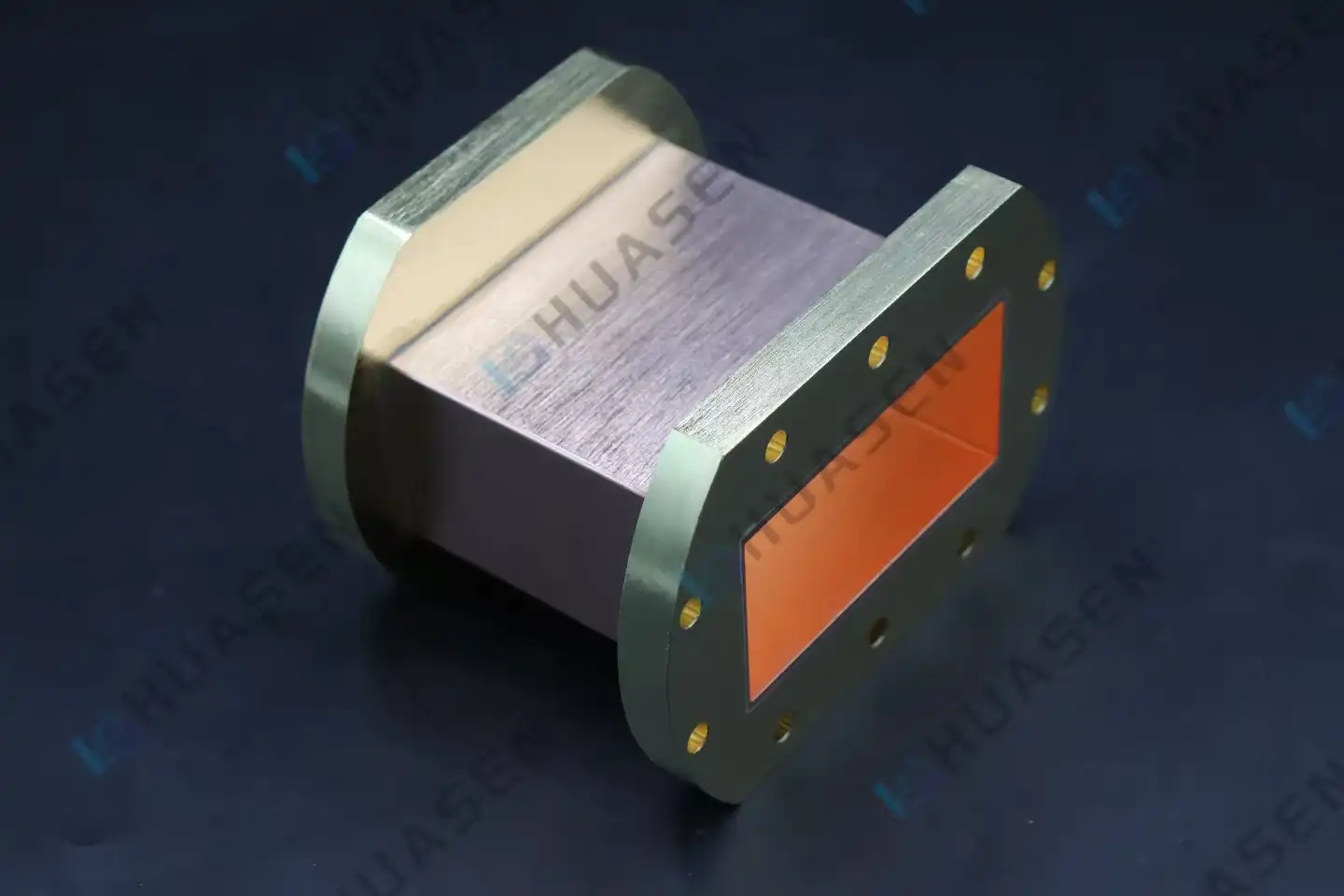
Troubleshooting Procedures and Best Practices
Systematic diagnosis begins with establishing baseline performance metrics before component-level investigation. This methodology isolates problem areas efficiently while preserving system integrity.
Initial Visual and Environmental Assessment
Start every troubleshooting step with a full check from the outside. Check around sealing surfaces for clear physical damage, loose hardware, or signs of water getting in. Make sure that all of the mounting brackets are still in place and that nothing outside the waveguide system touches it. Check that the environment fits the part's recommended working range. Extreme temperatures or high or low humidity levels can cause occasional failures that go away during bench testing. Take pictures of the installation's shape and the conditions around it to help with future research.
Quantitative RF Performance Measurement
Testing with a vector network analyser gives accurate information about phase, insertion loss, and return loss over the design frequency range. Check the S-parameters at different power levels to find nonlinear behaviour that could mean spark discharge or contact heating. If the observed data is different from the manufacturer's datasheets by more than 0.3 dB for insertion loss or 1 dB for return loss, write it down. If the dimensions have changed, sweep tests outside the nominal passband show if the cutoff frequencies have moved. With time-domain reflectometry, breaks can be pinpointed to exact places along the gearbox path. This makes repairs more targeted and effective.
Cleaning and Surface Restoration Techniques
To restore conductivity without hurting protective coatings, contaminated internal surfaces need to be cleaned with care. To get rid of oils, dust, and biological growth from easy-to-reach places, use lint-free brushes that have been dampened with isopropyl alcohol. Compressed dry nitrogen gets rid of loose bits from complicated shapes without adding water. Avoid rough materials that could scratch metal surfaces; even very small surface roughness can increase loss at millimetre-wave frequencies. After cleaning, use a micro-ohmmeter to check the surface resistivity to make sure that the conductive lines have been properly restored.
Alignment and Mechanical Adjustment
Electrical and mechanical stress build up when flanges are not lined up correctly. Check that the flanges are parallel to each other within 0.05 mm across the whole diameter using precision straightedges and feeler gauges. Instead of tightening each point one at a time, apply torque to the fasteners in a star design, slowly increasing it until it reaches the desired level. This method evenly applies the clamping force and stops local distortion. Flexible waveguide sections need extra care when it comes to bend radius limits—exceed the minimum radius specification by at least 20% to keep the internal geometry within tolerance. To figure out when it's cheaper to replace a part than to keep fixing it, you need to look at both the short-term and long-term costs. Surface cleaning alone is not a reliable way to fix corrosion that has gone deep into base metals. If structural damage affects the accuracy of dimensions beyond what is allowed by production tolerances, performance is permanently harmed. When high-power uses show signs of arcing or thermal stress, the metals usually change in ways that will lead to failures in the future, even after the surface is fixed. In these situations, getting new parts fromwell-known Waveguide Tubecompanies guarantees consistent performance and protects your warranty.
Comparison of Waveguide Tube Troubleshooting with Related Technologies
Different transmission line technologies present distinct diagnostic challenges and maintenance requirements based on their physical construction and operational principles.
Waveguide Systems Versus Coaxial Cable Assemblies
Coaxial cables offer flexibility and ease of installation, but suffer dielectric losses that become prohibitive above 20 GHz. Their centre conductor and outer shield require consistent spacing maintained by polymer insulators that degrade under UV exposure or thermal stress. Troubleshooting coaxial systems focuses on connector integrity and dielectric breakdown, using TDR to locate shield faults or impedance bumps. Rectangular waveguide assemblies eliminate dielectric loss by propagating energy through air or vacuum, achieving superior efficiency in high-power radar and satellite ground station applications. Their rigid structure demands precise alignment during installation but provides inherent immunity to electromagnetic interference that penetrates coaxial shield braids.
Selection Criteria Based on Operating Requirements
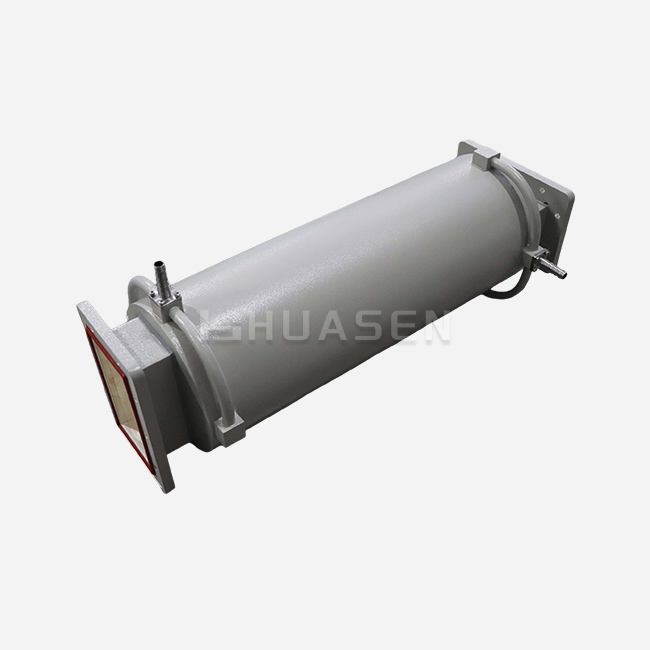
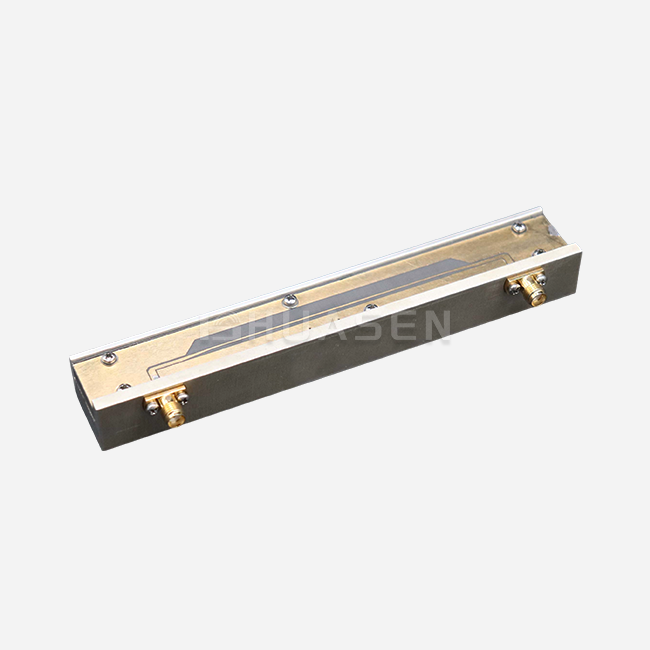
Choosing between standard rectangular, single-ridge, or dual-ridge configurations directly impacts maintenance complexity and performance characteristics. Dual-ridge designs expand operational bandwidth by lowering cutoff frequency while maintaining compact external dimensions—this proves valuable in multiband systems requiring coverage from 2 to 18 GHz within constrained equipment racks. Single-ridge waveguides balance size reduction with power handling, making them ideal for portable military communications equipment and airborne electronic warfare pods. Standard rectangular sections offer maximum power capacity and the lowest loss, but consume more installation space. Matching these characteristics to specific application demands reduces troubleshooting frequency by ensuring components operate within their optimal design envelope. Huasen Microwave's standard rectangular waveguide portfolio includes both single-ridge and dual-ridge variants engineered for diverse deployment scenarios. The dual-ridge configuration expands effective bandwidth while reducing cutoff frequency, accommodating broadband applications in telecommunications and radar systems. Single-ridge options deliver an optimised balance between compact form factor and robust performance, particularly suitable for space-constrained installations in base stations and aerospace platforms. When selecting configurations, engineers should match cutoff frequency specifications to system operating bands, choose single-ridge variants where installation volume is limited, and leverage interchangeability between national and American waveguide standards to streamline global supply chain logistics.
Procurement and Supplier Considerations for Reliable Waveguide Tubes
Component quality begins at the manufacturing stage, where material selection and process control determine long-term reliability and maintenance burden.
Manufacturing Standards and Material Certification
Reputable suppliers maintain documented quality management systems compliant with ISO 9001 and AS9100 standards for aerospace applications. Material certifications trace copper alloy compositions and silver plating thickness to ensure conductivity meets design requirements. Dimensional inspection reports verify that internal cross-sections remain within micron-level tolerances across production batches. These certifications become critical when integrating components into systems requiring MIL-STD-810 environmental qualification or FCC type acceptance. Requesting certificate packages during procurement provides documentation needed for regulatory compliance and enables root-cause analysis if field failures occur.
Evaluating Supplier Technical Capabilities
Beyond basic manufacturing competence, assess whether potential suppliers offer engineering support for system-level integration challenges. Can they provide S-parameter files for electromagnetic simulation? Do they maintain calibration labs capable of verifying performance at millimetre-wave frequencies? Technical responsiveness during the quotation phase often predicts support quality after delivery. Suppliers offering design assistance for custom flange configurations or specialised coatings demonstrate deeper expertise than catalogue distributors. This engineering depth becomes invaluable when troubleshooting complex installation issues or optimising system performance through component-level refinements.
Custom Solutions Versus Standard Products
Standard catalogue components offer immediate availability,WaveguideTube,andproven interchangeability, but may require system-level compromises. Custom waveguide assemblies tailored to specific mounting geometries, interface standards, or environmental sealing requirements eliminate many installation challenges that cause subsequent troubleshooting needs. Huasen Microwave, established in 1993, brings three decades of specialised experience in high-frequency microwave and millimetre-wave component development. The company's engineering team collaborates with clients to optimise waveguide designs for telecommunications infrastructure, radar platforms, aerospace systems, and defence applications. This customisation capability addresses unique frequency requirements, mechanical constraints, and power handling specifications that off-the-shelf products cannot accommodate.
Supply Chain Stability and Lead Time Management
Global component shortages and logistics disruptions emphasise the importance of supplier diversification and strategic inventory. Evaluate manufacturers' production capacity, raw material sourcing strategies, and geographic distribution of facilities. Suppliers operating multiple manufacturing locations provide continuity when regional disruptions affect individual sites. Understanding typical lead times for standard versus custom products enables better maintenance planning—keeping critical spare assemblies on-site prevents extended downtime when troubleshooting reveals component replacement as the optimal solution. Bulk purchasing agreements can secure favourable pricing while ensuring availability, though minimum order quantities must align with actual consumption rates to avoid obsolescence.
Preventive Strategies to Avoid Common Problems with Waveguide Tubes
Proactive maintenance and careful installation practices substantially reduce failure rates and extend service life across diverse operating environments.
Design-Stage Considerations for Enhanced Reliability
Choose waveguide systems that have large environmental margins above and beyond what is expected to be exposed to. Components that are designed to work in temperatures between -55°C and +85°C can sometimes be exposed to temperatures outside of this range without immediately breaking. In naval and industrial settings, materials that don't rust, like gold-plated copper or anodised aluminium alloys, keep things from breaking down. Installing pressure-equalisation vents with hydrophobic membranes outside will keep moisture from building up and stop flowing water from getting in. These improvements to the design cost a little more to buy, but they save a lot of money in maintenance costs and unplanned downtime over the lifetime of the system.
Installation Best Practices That Minimise Future Issues
Handling things correctly during installation keeps mechanical damage from happening, which leads to later performance loss. Long waveguide runs should be supported every one metre or so to keep them from sagging, which causes stress to build up at the ends. To get an even clamping force on all screws without putting too much stress on threaded inserts, use calibrated torque wrenches. Don't put too much conductive grease on the surfaces of flanges; too much will attract dust, and not enough will cause oxidation sites. As much as possible, move parts away from sources of mechanical vibration and thermal cycling. Take pictures of finished installations before they are put into service to make sure they are set up correctly for future care.
Scheduled Maintenance Protocols
Set up inspection plans based on how bad the environment is and how important the application is. Visual checks every three months are enough for controlled indoor environments, but every month checks are needed for sites near the coast or mobile platforms that are subject to vibration stress. Checklists for inspections should make sure that the flange is tight, there is no corrosion, the support bracket is properly engaged, and there are no items in the way. Every year, network analysers record performance trends that let you know when to replace something before a catastrophic failure stops activities. Maintain calibrated test equipment that can be traced back to national standards to ensure accurate measurements. Baseline data is useless if test equipment drift introduces uncertainty similar to component degradation signals. Protective measures go beyond the components themselves and include design choices at the system level. Using dry nitrogen to pressurise waveguide assemblies stops internal corrosion and keeps bugs from building nests in outdoor setups. Putting in lightning arrestors and surge suppressors guards against short-term overvoltages that can damage transition parts or punch through flange gaps. Managing thermal stress by ensuring there is enough air flow or using forced cooling stops the buildup of temperature stress that speeds up the ageing process of materials. These all-encompassing methods get to the root causes of common failures instead of just treating the symptoms. This has made the average time between failures in equipment fleets significantly longer.
Conclusion
To keep waveguide transmission systems working at their best, you need to know how they could fail, set up systematic ways to find problems, and work with makers who care about quality and customer service. Managing the problems of signal loss, mechanical deformation, and environmental damage is easier when you check things before they break, install them correctly, and choose the right parts. Modern waveguide designs, such as single-ridge and dual-ridge layouts, offer performance optimisation for bandwidth, size, and power handling needs in radar, satellite, and telecommunications. Long-term reliability and maintenance costs are directly affected by choices about what materials to buy based on their certification, manufacturing standards, and technical capabilities of the supplier. By using these fixing methods and preventative measures during operations, engineering teams can reduce downtime and get the most out of their investments in infrastructure.
FAQ
1. What causes high insertion loss in waveguide assemblies?
Excessive insertion loss typically results from internal surface contamination, oxidation of conductive coatings, moisture accumulation, or dimensional changes affecting electromagnetic boundary conditions. Environmental exposure accelerates material degradation, while improper installation techniques can introduce mechanical stress that alters critical dimensions. Regular cleaning and environmental sealing significantly reduce these failure modes.
2. How do I verify frequency compatibility before purchasing waveguide components?
Match the component's cutoff frequency to your system operating band, ensuring adequate margin above cutoff (typically 25 per cent) to maintain efficient propagation. Review manufacturer datasheets for passband specifications and request S-parameter files for simulation verification. Cutoff frequency relates directly to internal dimensions, so waveguide size designations (such as WR-90 for X-band) provide initial guidance that detailed specifications confirm.
3. What advantages do custom waveguide designs offer over standard products?
Custom configurations optimise mounting geometry, interface compatibility, environmental sealing, and frequency response for specific applications. They eliminate mechanical adapters that introduce loss and potential failure points. While standard products offer immediate availability, custom solutions reduce installation complexity and improve long-term reliability when application requirements don't align perfectly with catalogue specifications. Lead times range from four to eight weeks, depending on design complexity.
Contact Huasen Microwave for Expert Waveguide Solutions
Huasen Microwave Technology specialises in manufacturing high-performance waveguide tube assemblies engineered for demanding telecommunications, radar, aerospace, and defence applications. Our comprehensive product line includes standard rectangular, single-ridge, and dual-ridge configurations supporting frequencies from 300 MHz through millimetre-wave bands. With three decades of RF expertise since our establishment in 1993, we provide custom design assistance, rapid prototyping, and volume production capabilities backed by ISO-certified quality systems. Whether you need guidance selecting optimal components for your specific application or require tailored solutions for unique mechanical and electrical requirements, our engineering team delivers responsive technical support throughout procurement and deployment. Contact sales@huasenmicrowave.com today to discuss your project requirements with experienced waveguide tube suppliers committed to your operational success.
References
1. Pozar, David M. "Microwave Engineering, Fourth Edition." John Wiley & Sons, 2011. Chapter 3: Transmission Lines and Waveguides.
2. Collin, Robert E. "Foundations for Microwave Engineering, Second Edition." IEEE Press, 2001. Section 5: Rectangular Waveguides.
3. Saad, Theodore S. "Microwave Engineers' Handbook, Volume 1." Artech House Publishers, 1971. Chapter 4: Waveguide Components and Assemblies.
4. Skolnik, Merrill I. "Radar Handbook, Third Edition." McGraw-Hill Education, 2008. Chapter 14: Waveguide and Coaxial Transmission Systems.
5. IEEE Standard 147-2017: "IEEE Standard for Definitions of Terms for Waveguide Components." Institute of Electrical and Electronics Engineers, 2017.
6. Johnson, R.C. "Antenna Engineering Handbook, Fourth Edition." McGraw-Hill Professional, 2007. Chapter 28: Microwave Antenna Measurements and Waveguide Feeds.
Send Inquiry