Applications of Antenna Near Field Measurement Probe in Signal Analysis






2026-04-14 21:33:51
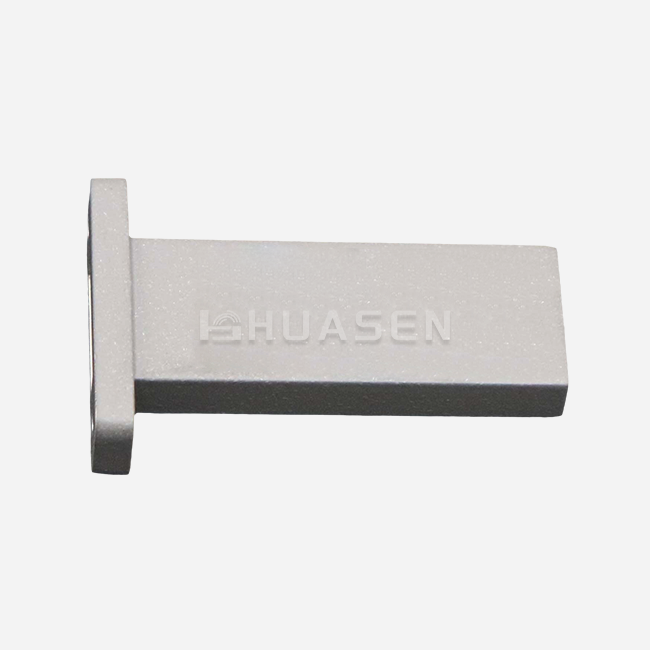
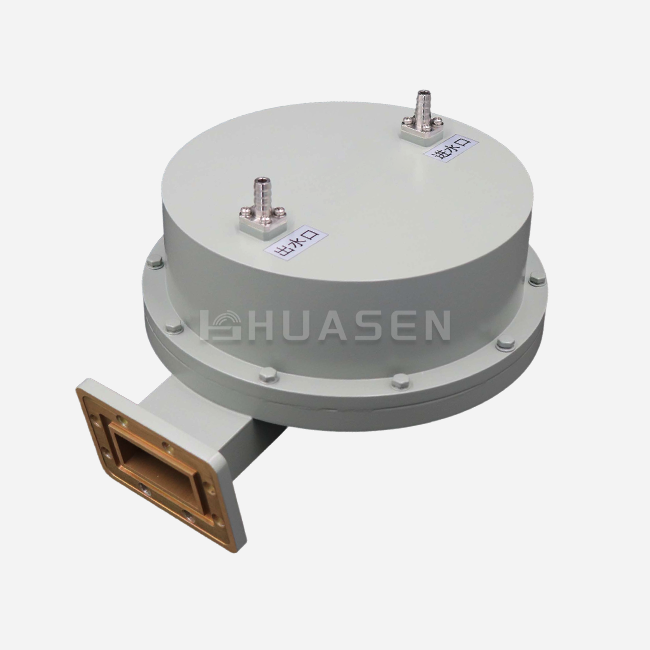
Antenna near field measurement probes serve as precision electromagnetic sensors capturing detailed vector field data—both amplitude and phase information—within the radiative Fresnel region of an antenna under test. These specialized devices enable engineers to characterize antenna performance in compact laboratory settings, transforming near-field measurements into far-field radiation patterns through sophisticated Fourier transform algorithms. This technology addresses a fundamental industry challenge: testing large-scale satellite arrays, 5G massive MIMO systems, and high-gain radar antennas without requiring impractical outdoor test ranges spanning hundreds of meters.
Introduction
Modern wireless communications and radar systems demand unprecedented precision in antenna characterization. As telecommunications advances toward 6G networks, satellite constellations proliferate, and autonomous vehicle radar becomes safety-critical, the ability to analyze electromagnetic signal characteristics with extreme accuracy has become non-negotiable. Traditional far-field measurement techniques, while conceptually straightforward, often prove logistically impossible when characterizing physically large antennas or operating at millimeter-wave frequencies where required test distances exceed available facilities. Near-field measurement methodologies emerged to solve this fundamental constraint. By capturing electromagnetic field distributions close to the antenna aperture—typically within three to ten wavelengths—engineers can perform comprehensive signal analysis in controlled indoor environments. This capability proves invaluable across telecommunications infrastructure deployment, aerospace payload validation, defense system qualification, and consumer device certification. The measurement probe itself functions as the critical interface between the physical electromagnetic environment and the digital analysis domain, making its performance characteristics directly influence measurement fidelity. Throughout this exploration, we examine how these specialized sensors enable breakthrough capabilities in signal integrity assessment, interference diagnosis, and performance optimization. Understanding their operational principles, application contexts, and selection criteria empowers procurement teams and engineering organizations to make informed technology investments that accelerate product development cycles while ensuring regulatory compliance.

Understanding Antenna Near-Field Measurement Probes and Their Principles
What Distinguishes Near-Field Measurements
The electromagnetic space surrounding any radiating structure divides into distinct regions based on distance from the aperture. The reactive near field exists immediately adjacent to the antenna, where energy storage dominates over radiation. Beyond this lies the radiating near field (Fresnel region) where wavefront curvature remains significant but propagating waves begin to predominate. The far field (Fraunhofer region) exists at distances where wavefronts appear planar and angular radiation patterns become independent of measurement distance. Near-field measurement capitalizes on capturing field distributions within the Fresnel region where sufficient spatial information exists to mathematically reconstruct far-field performance. This approach offers compelling advantages: dramatically reduced facility requirements, elimination of atmospheric absorption effects at millimeter-wave frequencies, and enhanced measurement security for classified antenna systems. The technique requires specialized probes exhibiting well-characterized radiation patterns, minimal invasiveness to the field under test, and stable phase centers across the operating bandwidth.
Core Operating Principles
The measurement process involves systematically scanning the probe across a defined surface—planar, cylindrical, or spherical—while recording complex field values at each spatial location. Data acquisition systems capture both magnitude and phase relationships between the probe output and a reference signal locked to the transmitting antenna. This creates a holographic representation of the electromagnetic field distribution from which far-field characteristics can be computed. Mathematical rigor demands that probe characteristics themselves be precisely known and compensated through probe correction algorithms. The probe's own radiation pattern, polarization purity, and phase center stability directly influence measurement accuracy. High-performance probes maintain cross-polarization isolation exceeding 25 dB and voltage standing wave ratios below 1.5:1 to preserve signal fidelity throughout the measurement bandwidth.
Technical Specifications That Matter
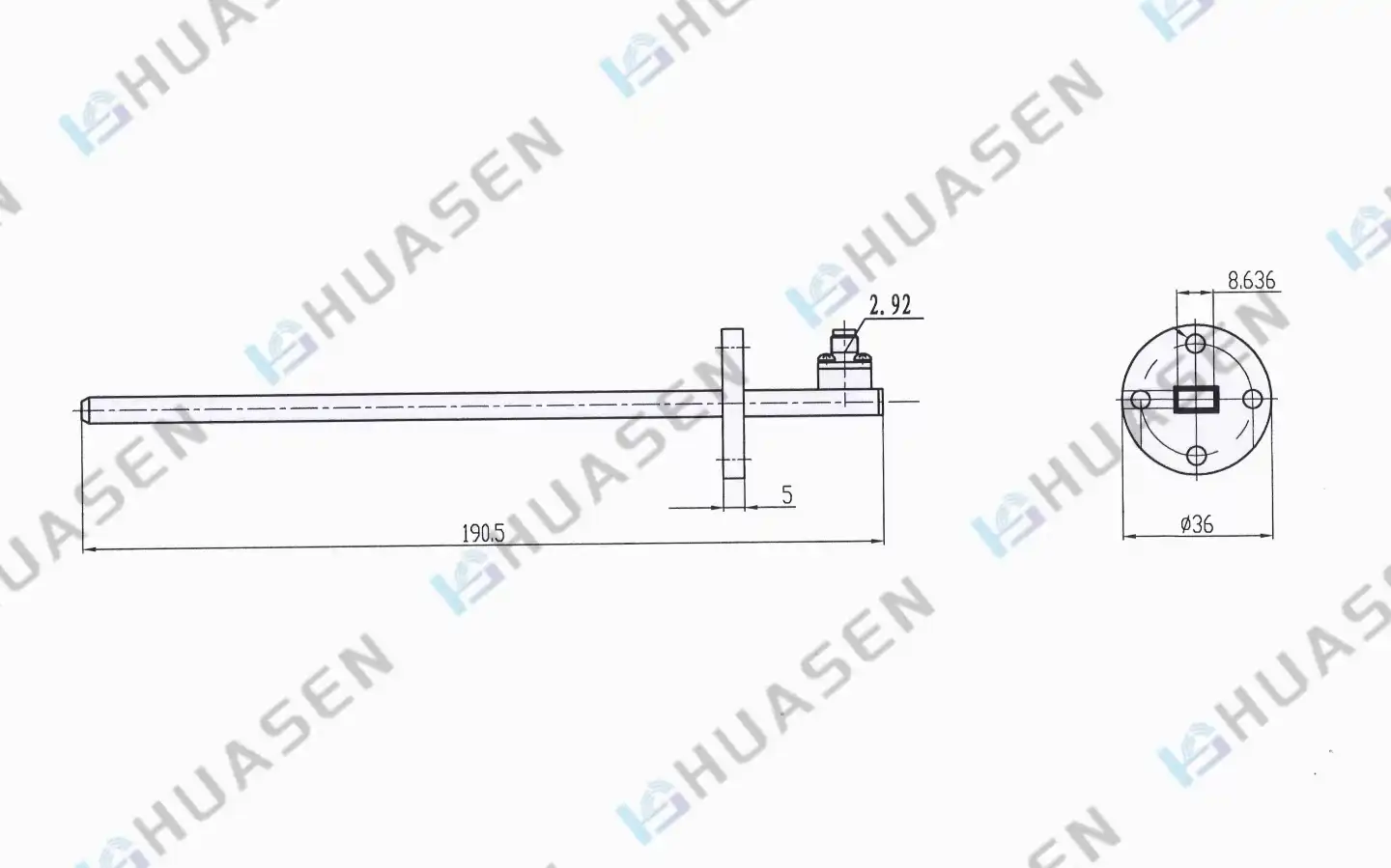
Frequency coverage defines the probe's operational envelope, with modern devices spanning from 490 MHz through 112 GHz to address applications from UHF broadcasting through W-band satellite communications. Bandwidth capability proves especially critical for organizations testing multi-band systems or requiring measurement infrastructure that accommodates future frequency allocations without capital reinvestment. Phase center stability ensures that the effective point of electromagnetic reception remains constant across the frequency range. Deviations manifest as systematic errors in the computed radiation patterns. Precision-machined waveguide structures with gold-plated internal surfaces maintain mechanical and electrical stability across temperature variations and extended operational periods. Connector standardization using K-type, SMA-K, or 2.92-K interfaces ensures compatibility with existing test instrumentation while supporting field-replaceable maintenance practices.
Applications of Antenna Near-Field Measurement Probe in Signal Analysis
Understanding how these measurement tools function,Measurement Probewithin actual industrial workflows reveals their strategic value. Different sectors leverage near-field capabilities to solve distinct technical challenges that would prove intractable through conventional approaches.
Telecommunications Infrastructure Development
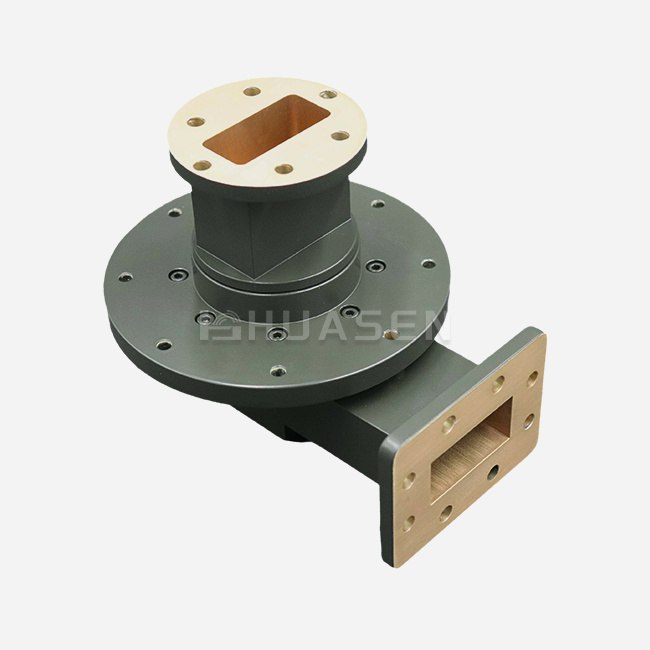
The transition to 5G New Radio and early 6G research creates unprecedented antenna complexity. Massive MIMO base stations incorporate 64, 128, or even 256 individual radiating elements operating in coordinated beamforming configurations. Characterizing these active antenna systems requires measuring not just passive radiation patterns but also verifying beam steering accuracy, null depth performance, and inter-element coupling effects. Our dual-polarization near-field measurement probes (WOEWDP) enable comprehensive characterization of these complex arrays within anechoic chambers measuring just 10 meters in length—facilities that might otherwise require 300-meter outdoor ranges for equivalent far-field testing at FR2 frequencies. The probes capture co-polarized and cross-polarized field components simultaneously, reducing measurement time while ensuring complete polarization characterization essential for MIMO channel modeling. Engineering teams validate beamforming algorithms, optimize element excitation coefficients, and identify manufacturing defects before deploying infrastructure representing millions in capital investment.
Satellite Payload Qualification
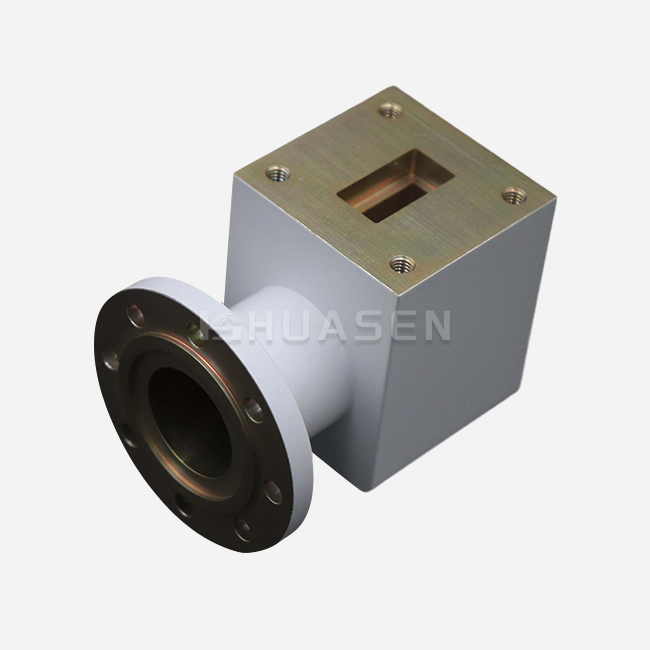
Commercial and military satellite programs demand exhaustive antenna validation before launch commitments. A single communications satellite may carry multiple antenna systems operating across C, Ku, Ka, and Q/V bands, each requiring precise gain, sidelobe, and coverage pattern verification. Launch costs averaging $10,000 per kilogram make post-deployment corrections economically catastrophic. Near-field measurement using our waveguide orthogonal feed probes (WOEWP) enables complete three-dimensional pattern characterization of satellite reflectors and phased arrays within thermal vacuum chambers simulating orbital environments. The probes' operational stability across temperature extremes and their minimal back-scattering characteristics prevent measurement artifacts that could mask subtle pattern distortions. Signal analysis reveals anomalies in feed illumination, reflector surface accuracy, and deployment mechanism alignment that might otherwise escape detection until on-orbit commissioning.
EMI/EMC Compliance and Troubleshooting
Electromagnetic compatibility verification constitutes a mandatory milestone in product development across consumer electronics, automotive systems, and medical devices. Regulatory frameworks enforced by the FCC, ETSI, and equivalent global authorities establish emission limits protecting spectrum allocations and preventing interference with safety-critical services. When initial compliance testing reveals emission violations, locating the specific circuit elements or aperture locations responsible for excessive radiation becomes detective work. Our broadband near-field measurement probes (WBOEWP) covering multi-decade frequency spans enable spatial mapping of radiated emissions with centimeter-scale resolution. Engineers scan device enclosures while the system operates, creating electromagnetic field distribution maps that pinpoint problematic circuit board regions, cable routing paths, or inadequate shielding. This diagnostic capability reduces troubleshooting iterations from weeks to days, preventing costly schedule delays. These diagnostic capabilities extend beyond initial design validation into production quality assurance. Manufacturers of wireless devices integrate near-field scanning into end-of-line testing, verifying that each unit meets specifications before shipping. The rapid measurement capability—often completing assessments in under 60 seconds—makes this economically viable even in high-volume manufacturing environments.
Aerospace and Defense System Validation
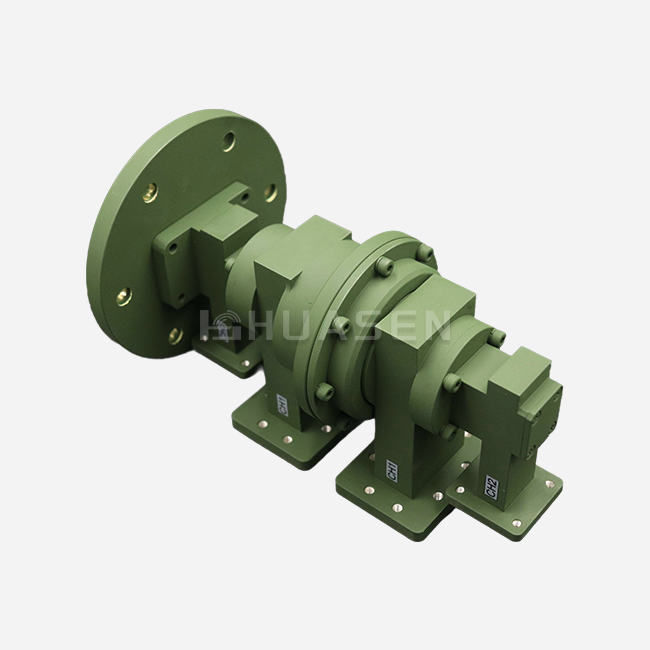
Military radar systems, electronic warfare equipment, and aircraft-mounted communications antennas operate under demanding specifications where performance margins directly influence mission success and operator safety. These applications frequently involve classified specifications requiring testing within secured facilities, precluding outdoor ranges. Our coaxial symmetric dipole probes (COECP) address unique requirements in this sector, offering extremely stable performance across shock and vibration profiles typical of airborne platforms. The probes characterize phased array radars for fighter aircraft, validating beam agility, gain performance, and sidelobe suppression ratios critical to low-observable operation. Signal analysis identifies manufacturing variations, assembly tolerances, and environmental degradation effects before systems enter operational service. Testing at millimeter-wave frequencies for next-generation seekers and communications links leverages our waveguide termination feed probes (WOEWPE) operating through 112 GHz. These measurements validate antenna performance at frequencies where atmospheric absorption and hardware limitations make far-field testing exceptionally challenging.
How to Choose the Right Antenna Near-Field Measurement Probe for Your Business
Selecting appropriate measurement infrastructure requires aligning technical capabilities with specific application requirements while considering long-term flexibility as product roadmaps evolve.
Defining Your Measurement Requirements
Begin by documenting the frequency ranges your organization currently tests and those anticipated within your strategic planning horizon. A probe covering 18-40 GHz addresses current 5G FR2 deployments but may prove inadequate as spectrum allocations extend into V-band. Our broadband solutions spanning 0.49-112 GHz provide investment protection against evolving frequency requirements. Accuracy specifications must align with your performance margins. Telecommunications infrastructure typically demands measurement uncertainties below 0.5 dB, achievable with properly calibrated systems using high-quality probes. Consumer device testing may tolerate slightly relaxed specifications where cost optimization takes priority. Consider whether your applications require single or dual-polarization capability—dual-polarization probes accelerate testing and ensure complete field characterization essential for MIMO systems.
Comparing Available Technologies
The market offers several probe architectures, each withMeasurement Probe distinct tradeoffs. Open-ended waveguide designs provide excellent cross-polarization purity and pattern stability, making them ideal for precision applications. Ridged horn configurations extend bandwidth at some cost to cross-polarization performance. Dipole-based probes offer very small form factors beneficial for testing in confined spaces or measuring devices with electrically small antennas. Our orthogonal feed Type I probes (WOEWPI) represent optimized waveguide designs balancing bandwidth, pattern purity, and mechanical robustness. The precision manufacturing ensures cross-polarization isolation exceeding 25 dB across the specified bands—a critical specification enabling accurate assessment of antenna polarization purity. This performance level substantially exceeds typical commercial probes, reducing measurement uncertainty and improving test repeatability.
Certification and Calibration Considerations
Traceability to national standards establishes measurement credibility essential for regulatory submissions and customer acceptance. Reputable suppliers provide calibration certificates traceable to NIST or equivalent national metrology institutes. These certifications document probe radiation patterns, return loss, and polarization characteristics across the operating frequency range.Plan for periodic recalibration—typically annually or following any mechanical damage or repair. Organizations with high measurement volumes may justify investment in on-site calibration capabilities using compact range reflectors or reference antennas. Others benefit from establishing relationships with calibration laboratories offering rapid turnaround to minimize equipment downtime.
Procurement Insights: How to Buy Antenna Near-Field Measurement Probes Efficiently
Strategic procurement extends beyond initial purchase price to encompass total cost of ownership, supplier reliability, and support capabilities that sustain long-term operational effectiveness.
Evaluating Supplier Capabilities
Decades of manufacturing experience directly correlate with product reliability and technical support quality. Huasen Microwave Technology, established in 1993, brings over 30 years of specialized expertise in high-frequency microwave and millimeter-wave component manufacturing. This longevity reflects accumulated process knowledge, mature quality systems, and proven supply chain stability that newer market entrants cannot match. Assess whether potential suppliers maintain in-house design, manufacturing, and testing capabilities or simply resell third-party products. Vertically integrated manufacturers like Huasen Microwave offer distinct advantages: customization capabilities addressing unique application requirements, direct technical support from engineering teams familiar with product design decisions, and quality control extending from raw materials through final verification.
Balancing Performance and Investment
While premium probes command higher initial costs, their superior specifications translate to measurable operational benefits. Enhanced cross-polarization discrimination reduces measurement uncertainty, potentially eliminating costly redesign cycles when marginal antenna designs prove non-compliant. Broader bandwidth coverage consolidates test infrastructure, reducing equipment inventory and calibration overhead. Calculate total cost considering not just hardware acquisition but also calibration expenses, potential downtime from equipment failures, and opportunity costs from schedule delays due to measurement problems. Our probes' gold-plated precision waveguide construction ensures mechanical and electrical stability over years of service, minimizing maintenance requirements and maximizing availability.
Engaging with Technical Support
Effective supplier relationships extend beyond transactional equipment purchases to collaborative partnerships where technical expertise flows bidirectionally. Evaluate suppliers' responsiveness during pre-sales technical discussions—this previews the support quality you'll experience throughout the product lifecycle. Huasen Microwave's engineering team assists with application-specific probe selection, integration guidance for automated scanning systems, and troubleshooting support when measurement results seem anomalous. This consultative approach helps customers maximize infrastructure investment and accelerate time-to-result for critical measurements.
Future Trends and Innovations in Antenna Near-Field Measurement Technology
The measurement technology landscape continues evolving, driven by both application demands and enabling technology advances that reshape what becomes practically achievable.
Integration with Artificial Intelligence
Machine learning algorithms increasingly augment traditional signal processing chains. Neural networks trained on extensive measurement databases can identify antenna defects from subtle pattern anomalies that escape human analysis. AI-assisted systems predict far-field performance from sparse near-field sampling, reducing measurement time while maintaining accuracy. These capabilities prove especially valuable in production environments where testing throughput directly impacts Antenna near field measurement probesmanufacturing economics. Intelligent systems automatically adjust measurement parameters based on device characteristics, optimize scanning strategies, and flag units requiring detailed analysis—all without human intervention.
Miniaturization and Enhanced Sensitivity
Advances in semiconductor fabrication and micro-machining enable probe miniaturization without sacrificing performance. Smaller probes reduce field perturbation when testing electrically small antennas or operating in close proximity to device enclosures. Enhanced sensitivity from low-noise amplifier integration extends dynamic range, enabling characterization of extremely low sidelobe levels critical for interference mitigation and spectrum sharing scenarios. These developments support testing of emerging applications, including IoT sensors, implantable medical devices, and wearable communication systems, where antenna dimensions measured in millimeters must deliver reliable performance despite severe size constraints.
Supporting Industry 4.0 Manufacturing
Smart factory initiatives demand seamless integration of test equipment within automated production workflows. Modern measurement systems expose data through standardized industrial protocols, enabling real-time quality monitoring and statistical process control. Near-field measurement systems increasingly function as nodes within enterprise manufacturing execution systems rather than standalone laboratory instruments. This connectivity enables capabilities like automated defect classification, predictive maintenance scheduling based on measurement drift patterns, and production yield optimization through correlation analysis linking manufacturing parameters to measured antenna performance.
Conclusion
Antenna near-field measurement probes have evolved from specialized laboratory curiosities to indispensable instruments supporting wireless technology advancement across telecommunications, aerospace, defense, and IoT sectors. Their ability to deliver precise electromagnetic field characterization in compact facilities enables organizations to accelerate development cycles, ensure regulatory compliance, and validate performance before costly deployment or manufacturing commitments. The technical sophistication embodied in modern probes—spanning ultra-wide bandwidths from sub-GHz through millimeter-wave frequencies with exceptional polarization purity—directly addresses industry pain points around measurement facility constraints, testing throughput demands, and accuracy requirements. As wireless systems continue increasing in complexity and operating frequencies extend toward terahertz bands, investment in high-quality measurement infrastructure becomes not merely advantageous but essential for competitive success.
FAQ
1. What differentiates near-field from far-field antenna measurements?
Near field measurements capture electromagnetic field distributions close to the antenna—typically within several wavelengths—where wavefront curvature remains significant. Mathematical transforms convert this data into far-field patterns. Far field measurements occur at distances where wavefronts appear planar, and patterns become distance-independent. Near field approaches dramatically reduce facility size requirements while enabling testing in controlled environments free from atmospheric effects and external interference.
2. How frequently should near-field probes be calibrated?
Annual calibration represents industry standard practice for maintaining measurement traceability and accuracy. Organizations operating under ISO 17025 accreditation or supporting regulatory certification testing must adhere to documented calibration schedules. More frequent verification becomes prudent following mechanical damage, connector replacement, or when measurement results appear inconsistent with expectations. Establishing baseline performance through periodic verification testing helps identify gradual degradation before it compromises data validity.
3. Which probe types optimize 5G millimeter-wave testing?
Broadband waveguide probes covering FR2 spectrum allocations (24.25-52.6 GHz) with dual-polarization capability prove most versatile for 5G infrastructure testing. The Huasen Microwave WBOEWP series addresses these requirements while extending coverage beyond current allocations to accommodate future spectrum assignments. Cross-polarization isolation exceeding 25 dB ensures accurate characterization of polarization-diverse MIMO systems fundamental to 5G and emerging 6G architectures.
Partner with Huasen Microwave for Precision Signal Analysis Solutions
Huasen Microwave Technology has delivered precision RF and microwave components to global telecommunications, aerospace, and defense organizations since 1993. Our comprehensive portfolio of antenna near field measurement probes—including orthogonal feed (WOEWP), dual-polarization (WOEWDP), Antenna near field measurement probes,and broadband configurations (WBOEWP) spanning 0.49-112 GHz—addresses diverse signal analysis requirements with industry-leading cross-polarization isolation exceeding 25 dB. When your programs demand measurement infrastructure combining technical excellence with long-term reliability, our engineering team provides application-specific guidance, ensuring optimal probe selection for your operational context. Discover why leading manufacturers choose Huasen Microwave as their trusted antenna near-field measurement probe supplier. Contact our team at sales@huasenmicrowave.com to discuss your specific requirements and receive detailed technical specifications tailored to your signal analysis challenges.
References
1. Stutzman, W. L., and Thiele, G. A. (2012). Antenna Theory and Design, 3rd Edition. Hoboken: John Wiley & Sons.
2. IEEE Standard 1720-2012. (2012). Recommended Practice for Near-Field Antenna Measurements. New York: Institute of Electrical and Electronics Engineers.
3. Yaghjian, A. D. (1986). "An Overview of Near-Field Antenna Measurements." IEEE Transactions on Antennas and Propagation, 34(1), 30-45.
4. Hansen, J. E. (1988). Spherical Near-Field Antenna Measurements. London: Peter Peregrinus Ltd.
5. Balanis, C. A. (2015). Antenna Theory: Analysis and Design, 4th Edition. Hoboken: John Wiley & Sons.
6. Gregson, S. F., McCormick, J., and Parini, C. G. (2007). Principles of Planar Near-Field Antenna Measurements. London: Institution of Engineering and Technology.
Send Inquiry