Key Parameters When Selecting Waveguide Isolator






2026-04-14 21:33:50
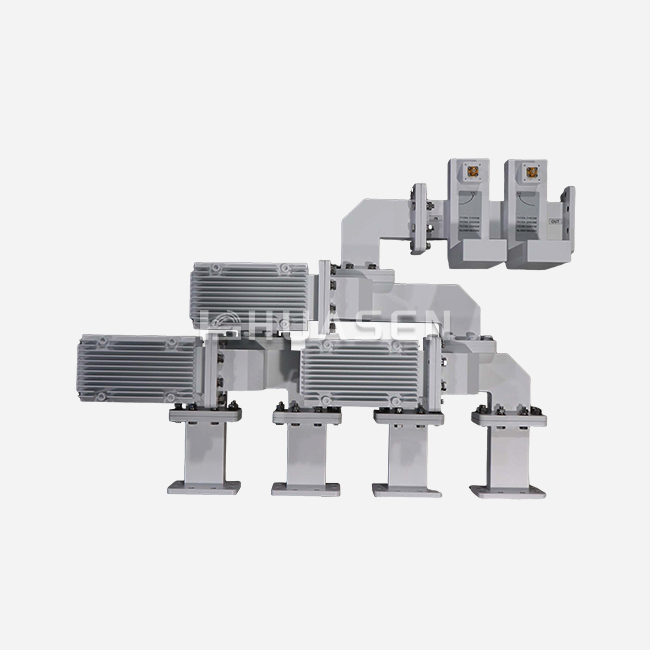
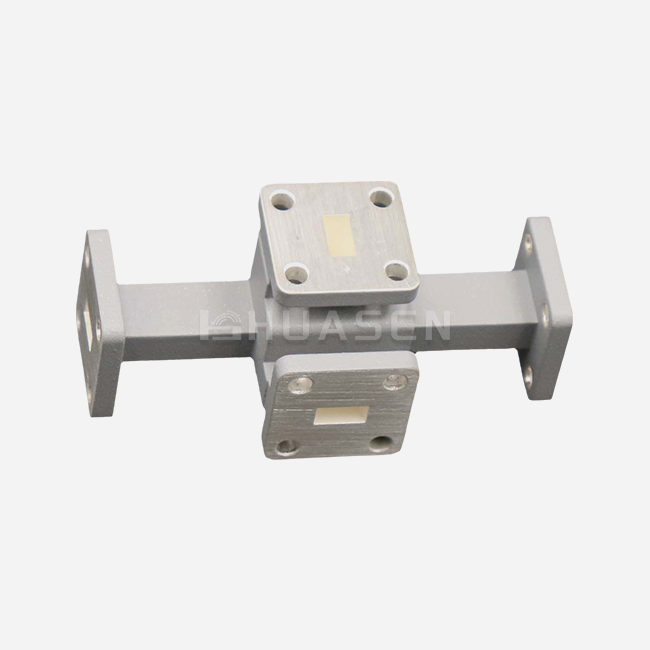
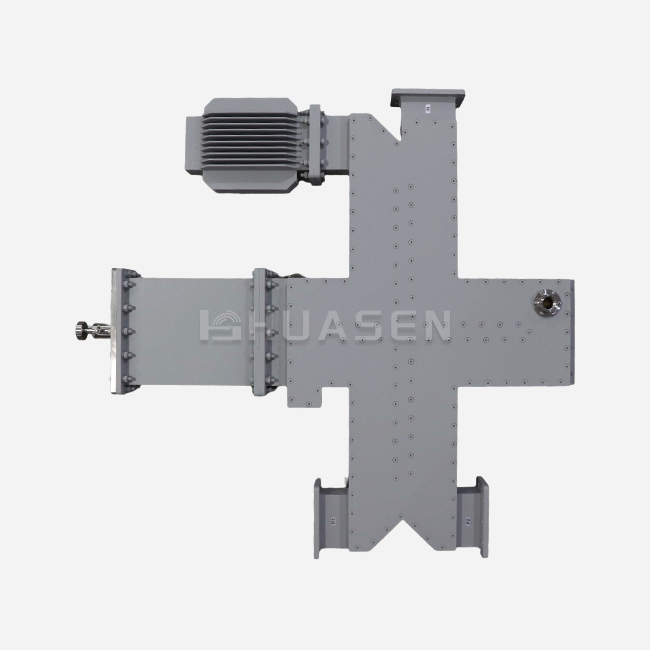
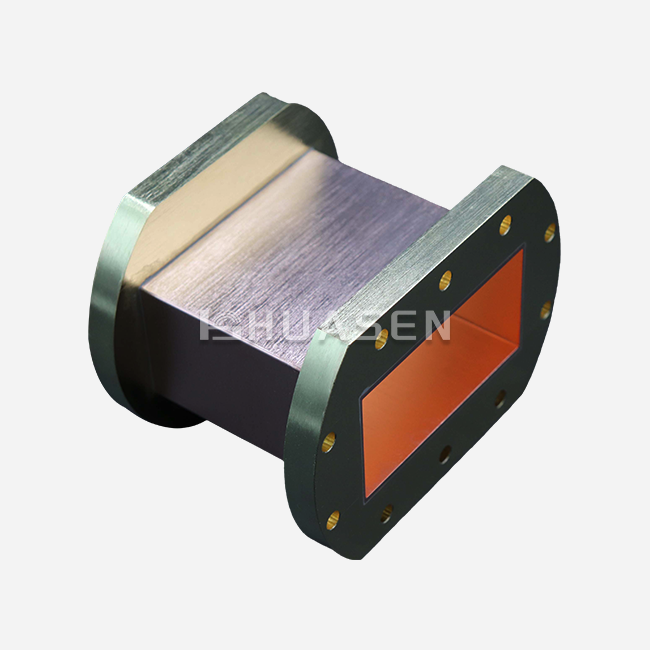
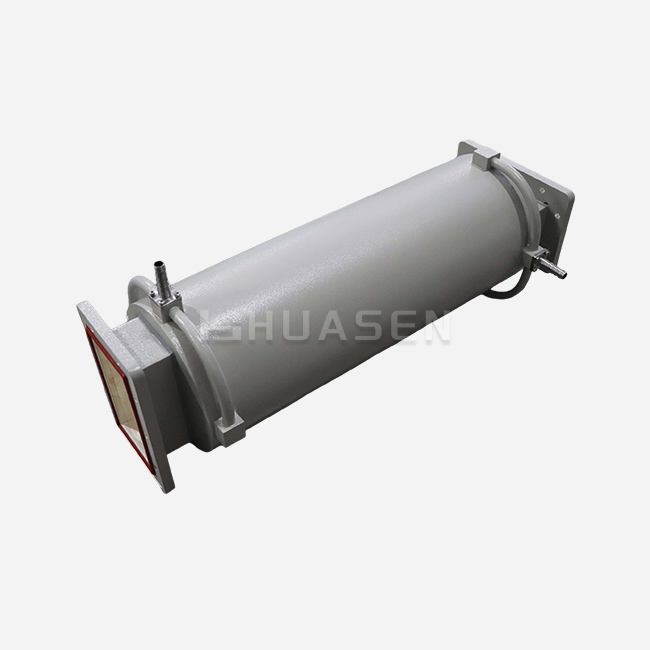
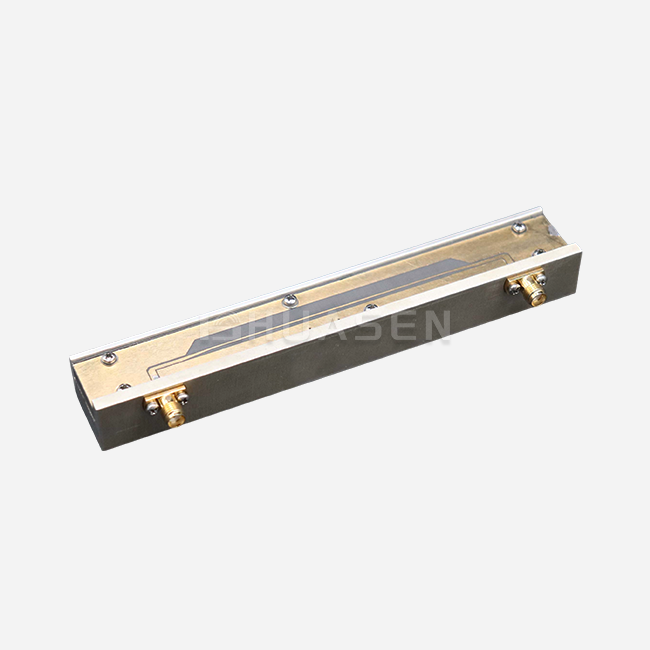
To choose a waveguide isolator that works well for your system, you need to know the important scientific details. These passive ferrite devices only let electromagnetic signals flow in one direction, forward. They absorb the energy that flows backwards, which protects sensitive signal sources and boosters from damage caused by reflected power. Key factors include frequency band compatibility, isolation performance (usually 20–30 dB), insertion loss (usually less than 0.5 dB), power handling capacity (from watts to kilowatts), VSWR standards, and ratings for how long the product will last in different environments. By choosing the right parameters, you can make sure that your equipment works well with radar systems, satellite data links, 5G infrastructure, and test equipment. You can also avoid expensive equipment failures caused by impedance mismatches.
Introduction
Reflected energy travelling backward can destabilise or permanently damage expensive RF sources, which is a problem that microwave communication systems have to deal with all the time. This is where inactive defence is really important. Waveguide-based isolators act as one-way gatekeepers in high-frequency circuits, sending forward signals with little loss and redirecting reverse power into internal termination loads. We've seen many procurement decisions get messed up because of a lack of technical knowledge or specifications that weren't aligned. Engineers who work on 5G backhaul networks, satellite ground stations, military radar sites, and communication platforms for space travel need parts that work reliably in harsh operating conditions. This guide explains the technical side of these ferrite devices and helps procurement managers and system designers read through specification sheets, judge the skills of suppliers, and match the features of parts to the needs of an application. In areas where reliability can't be sacrificed, the choices made when choosing components have a direct effect on how well the gearbox works, how long equipment lasts, and, in the end, the success rates of projects.
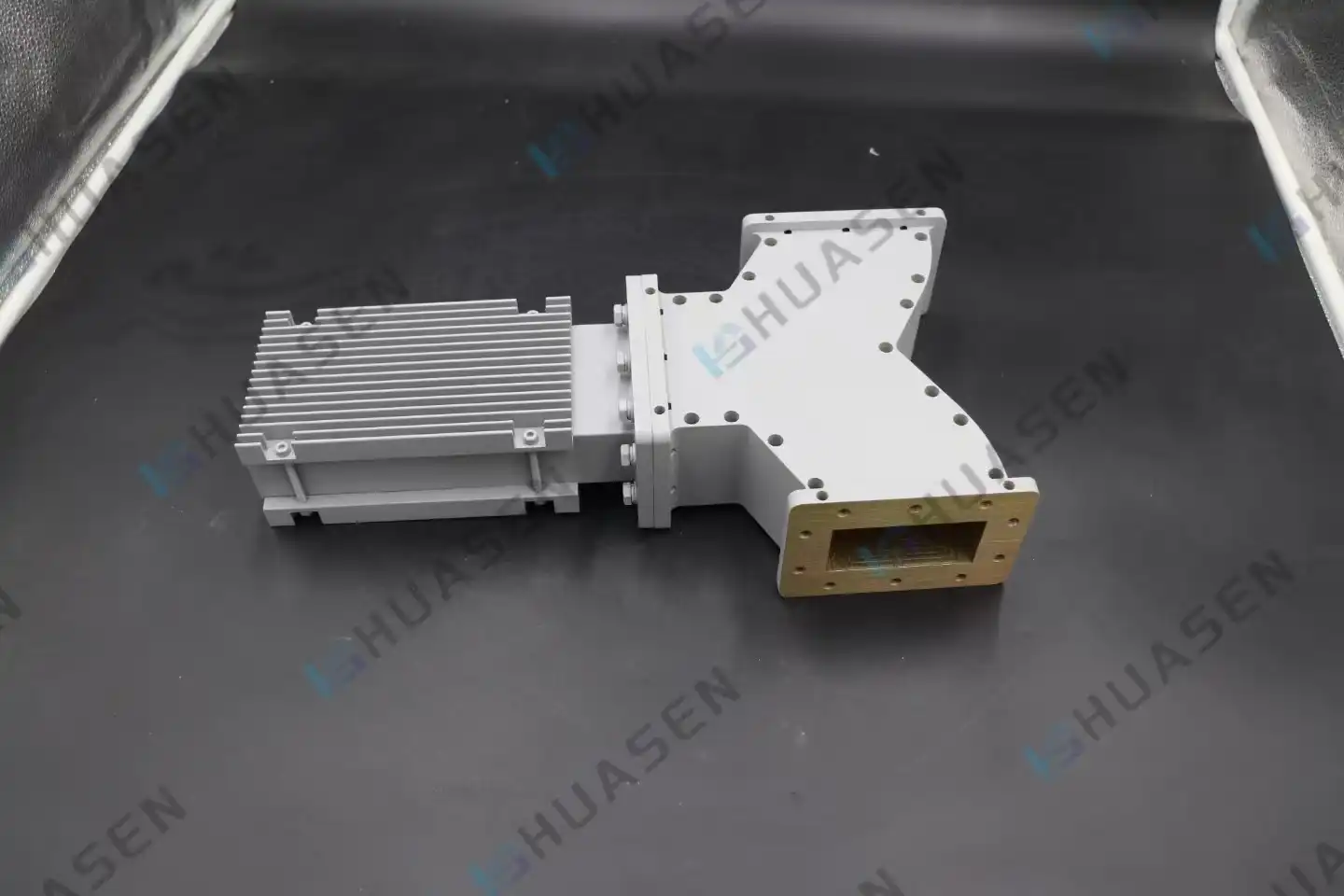
Understanding Waveguide Isolator Basics
Operational Principles and Signal Integrity
These special parts use the way magnetic fields interact with ferrite materials to make gearbox features that aren't symmetrical. Inside the gadget, a permanent magnet fills up the ferrite element, making it possible for electromagnetic waves to move forward with little resistance. When energy moves backwards, it meets very different magnetic permeability conditions. This means that it is taken by a load inside the system instead of going back to the source. When the VSWR is high, this Faraday rotation principle works like a "microwave check valve" to protect travelling wave tubes, magnetrons, and solid-state amplifiers from frequency pulling and possible burnout.
Essential Technical Specifications Explained
Isolation performance, which is usually given in decibels, shows how well the gadget blocks reverse signals. Commercial units usually offer 20 to 25 dB of separation, but for some military uses, 30 dB or more may be needed. Insertion loss is the signal attenuation in the forward direction. High-end devices get below 0.3 dB across their operating bands, which saves valuable transmission power. Power handling specs are broken up into two groups: normal and peak. Peak power is based on waveguide breakdown voltage limits, while average power is based on thermal dissipation capacity. Standard rectangular waveguides, such as WR-90 (which supports the 8.2-12.4 GHz X-band) or WR-28 (which supports the 26.5-40 GHz Ka-band), describe how well two dimensions work together and what frequencies they can handle.
Comparative Analysis with Alternative Technologies
Coaxial isolators come in small packages that work for uses with frequencies below 18 GHz, but they can't handle as much power as waveguide configurations. Optical isolators work with very different frequency ranges and depend on the rotation of polarisation in optical fibres. Circulator devices have three ports, but the isolation between them changes. This gives designers more options when making transceivers. Waveguide isolators work great in high-power, high-frequency situations where controlling temperature and breakdown voltage are very important. Communication systems in space and radar stations on the ground always choose waveguide solutions when the peak power is more than a few kilowatts or when the working frequencies reach millimetre waves.
Core Parameters for Selecting the Right Waveguide Isolator
Frequency Band Compatibility and Transmission Integrity
Matching the device's operational bandwidth, Waveguide Broadband Isolator to your system's frequency range prevents catastrophic insertion loss and reflection issues. Narrowband designs optimize performance within 10-15% fractional bandwidth around a center frequency, ideal for fixed-frequency radar applications. Broadband variants cover entire waveguide bands—approaching 40% fractional bandwidth—enabling frequency-agile electronic warfare systems and wideband test equipment to operate without mechanical tuning. When specifying frequency requirements, account for temperature-induced drift and aging effects. Temperature coefficients of ferrite materials shift center frequency performance, so quality manufacturers incorporate temperature-compensated permanent magnets to maintain specifications across -40°C to +85°C operating ranges.
Isolation Performance and Signal Quality Protection
Isolation levels directly determine how effectively the component shields your transmitter from load variations. Applications involving long transmission lines, antenna systems exposed to weather, or dynamically changing impedances benefit from higher isolation figures. A 20 dB specification means reflected power returns at 1% of its original magnitude—adequate for stable laboratory conditions. Military countermeasure systems or satellite uplink chains handling megawatt-level peak power demand require 25-30 dB isolation to prevent even minute reflections from destabilizing sensitive local oscillators or causing intermodulation distortion in adjacent channels. When reviewing datasheets, verify that isolation specifications hold across the entire stated bandwidth, not just at the center frequency.
Insertion Loss Impact on System Efficiency
Every tenth of a decibel matters when cascading multiple components or operating at the margins of link budgets. Premium ferrite formulations and precision machining achieve insertion loss below 0.3 dB, while economy variants may exhibit 0.5-0.8 dB losses. In a satellite ground station transmitting 1 kW, a 0.5 dB insertion loss wastes approximately 110 watts as heat, requiring additional cooling infrastructure and reducing effective radiated power. Multi-stage amplifier chains accumulate these losses quickly. Calculate total chain loss, including cables, switches, filters, and isolators, to ensure adequate power margin reaches your antenna feed. Some broadband designs sacrifice insertion loss uniformity across their range, showing degradation at band edges that may prove acceptable or problematic depending on your operational frequency distribution.
Power Handling Capacity Distinctions
Average power ratings correlate with the internal termination load's thermal dissipation capability. Devices rated for 10 watts average power can continuously absorb that reverse energy level without thermal runaway when perfectly matched output conditions exist. Peak power specifications address instantaneous voltage breakdown limits in the waveguide structure and ferrite material. Pulsed radar systems generating microsecond-duration, megawatt-level pulses require isolators rated for those peak conditions even when average power remains modest. Pressurized waveguide designs increase breakdown thresholds for extreme peak power applications. When selecting between high-power and standard-power variants, analyze both your reflected power budget under worst-case VSWR conditions and your duty cycle to avoid undersizing.
Environmental Durability Requirements
Outdoor telecommunications towers, shipboard installations, and airborne platforms subject components to temperature extremes, humidity, vibration, and corrosive atmospheres. Military-specification devices meeting MIL-STD-810 endure thermal cycling from arctic to desert conditions, maintain hermeticity against salt fog, and survive shock loads from carrier launches or weapon recoil. Commercial telecommunications hardware requires IP65 or IP67 ingress protection ratings for tower-mounted applications. Ferrite materials exhibit temperature-dependent magnetic properties, so internal compensation mechanisms become vital for maintaining electrical specifications across environmental ranges. Aluminum housing with chromate conversion coatings resists corrosion in marine environments, while specialized nickel plating protects against industrial chemical exposure.
Evaluating Performance and Efficiency: What to Expect
Interpreting Datasheets and Technical Documentation
Experienced procurement teams recognize that Waveguide Broadband Isolatorspecification sheets require careful interpretation beyond headline numbers. Isolation and insertion loss curves plotted across frequency reveal performance uniformity—watch for sharp degradation at band edges that might coincide with your operating frequencies. VSWR specifications at input and output ports indicate how well the device matches your transmission line impedance; values below 1.20:1 ensure minimal additional reflections introduced by the isolator itself. Temperature coefficient data shows how parameters drift across operating ranges, critical for outdoor installations experiencing daily thermal cycling. Some manufacturers provide only room-temperature typical values rather than guaranteed limits across temperature extremes, introducing risk into critical applications.
Real-World Performance in Critical Applications
We've observed measurable improvements when properly specified isolators integrate into complex systems. A meteorological radar installation suffering transmitter instability traced issues to reflected power from ice-laden antenna feeds. Installing a waveguide isolator with 25 dB isolation and 500W average power handling immediately stabilized the magnetron tube's operating frequency, eliminating false returns and extending tube lifespan by an estimated 40%. In satellite ground station uplink chains, isolators positioned after high-power amplifiers prevent load variations during satellite handover from pulling the amplifier out of its optimal operating point, maintaining constant output power and spectral purity. Another case involved a 5G millimeter-wave backhaul link where component reflections created standing waves that degraded signal-to-noise ratio during temperature swings. Broadband isolators covering the entire n258 band (24.25-27.5 GHz) decoupled the power amplifier from load impedance variations, stabilizing output across the -30°C to +60°C operational envelope. Quality test laboratories serving aerospace contractors integrate isolators between signal generators and devices under test, preventing DUT reflections from corrupting the source's output characteristics during swept-frequency measurements.
Quality Assurance and Reliability Indicators
Reputable manufacturers subject each unit to insertion loss verification across frequency using calibrated vector network analyzers, ensuring compliance with datasheet specifications. Isolation testing under various load conditions confirms adequate reverse attenuation. High-power models undergo thermal cycling under rated power to verify termination load integrity and detect premature aging of ferrite materials. Lifespan evaluation through accelerated testing predicts field reliability; quality devices maintain specifications beyond 100,000 operational hours when operated within ratings. Certification to ISO 9001 quality management systems demonstrates process control, while AS9100 certification indicates aerospace-grade manufacturing discipline. Request test data packages with individual serial numbers for critical applications requiring full traceability.
Market Options and Cost Considerations
Supplier Reputation and Quality Verification
The global market for ferrite-based RF components includes established manufacturers with decades of proven reliability alongside newer entrants offering competitive pricing. Supplier selection should weigh technical capability, production capacity, and after-sales support. Companies serving defense contractors typically maintain rigorous quality controls and offer customization capabilities, but command premium pricing. Commercial telecommunications suppliers optimize for cost efficiency and shorter lead times, suitable for volume deployments where individual unit failures can be tolerated. Customer feedback provides valuable insight into real-world performance beyond marketing claims. Engineers appreciate suppliers who provide measured S-parameter files for each device rather than generic datasheets, enabling accurate system simulations. Responsiveness to technical inquiries during the quotation phase often predicts post-sale support quality. Established players maintain extensive application notes, design guides, and integration examples that reduce engineering time during system development.
Pricing Factors and Total Ownership Costs
Unit pricing varies dramatically based on frequency band, power handling, bandwidth, and customization level. Standard X-band units handling 10W average power may cost several hundred dollars, while custom Ka-band isolators rated for kilowatt-level peak power can exceed several thousand dollars. Volume pricing structures significantly impact large deployments—quantities above 50 units often trigger 20-30% discounts, while production runs exceeding 200 units may justify custom tooling investments that reduce per-unit costs further. Total cost analysis extends beyond purchase price to include shipping for heavy, fragile waveguide components, import duties for international procurement, and integration labor. Lifetime operating costs factor in potential equipment damage from inadequate isolation—a burnt-out traveling wave tube replacement costing tens of thousands of dollars dwarfs isolator investment. Extended warranty coverage and advanced replacement programs minimize downtime costs in critical infrastructure applications. Calibration services and periodic verification testing ensure continued specification compliance throughout operational life.
Customization and Volume Procurement Advantages
Standard catalog products address common frequency bands and power levels, but specialized applications often require tailored solutions. Custom ferrite formulations optimize performance for narrow frequency windows or extreme temperature ranges. Mechanical modifications adapt mounting interfaces, waveguide flange types (CPR, UG, etc.), or overall dimensions to fit constrained installation spaces. Power handling upgrades incorporating forced-air or liquid cooling extend average power ratings of thewaveguide isolator for continuous high-power applications. Manufacturers offering rapid prototyping capabilities deliver engineering samples within weeks, enabling system validation before committing to production quantities. Volume procurement agreements lock in pricing and delivery schedules for multi-year deployments, protecting against supply chain disruptions and component obsolescence. Just-in-time delivery arrangements reduce inventory carrying costs for system integrators managing multiple concurrent projects.
Procurement Process and Best Practices
Verification and Standards Compliance
Successful procurement begins with detailed specification documentation derived from system-level requirements. Frequency range, insertion loss limits, minimum isolation, power handling (average and peak), VSWR tolerances, operating temperature range, and mechanical interface requirements form the foundation. Cross-reference these against manufacturer datasheets, noting whether specifications represent typical, minimum, or guaranteed values. Request clarification on test conditions—some manufacturers specify isolation with matched terminations rather than under realistic mismatch scenarios. Industry standards compliance varies by application sector. Military systems require MIL-STD-202 environmental testing, MIL-STD-461 electromagnetic compatibility verification, and often DFARS-compliant domestic manufacturing. Telecommunications infrastructure may mandate NEBS Level 3 certification for central office environments. Aerospace applications demand AS9100 manufacturing certification and full material traceability. RoHS and REACH compliance address environmental regulations in European markets. Verify that test reports and certifications accompany shipments, particularly for applications requiring documentation packages for regulatory approval.
Technical Support and Warranty Considerations
Post-purchase support quality dramatically impacts project success, especially for complex custom designs. Evaluate manufacturer capabilities through their response to pre-sale technical questions—do they provide application-specific guidance or merely recite catalog specifications? Access to RF engineers for integration troubleshooting proves invaluable when unexpected system interactions occur. Some suppliers offer on-site commissioning support for critical installations, verifying proper installation and performance in the actual operating environment. Warranty coverage typically spans one to three years, protecting against manufacturing defects and premature failures. Understand coverage limitations—warranties often exclude damage from misapplication, such as exceeding power ratings or operating outside specified environmental conditions. Advance replacement programs ship replacement units immediately upon failure notification, minimizing downtime while failed units undergo analysis. Depot repair services extend component life beyond warranty periods, offering cost-effective alternatives to replacement for out-of-production models.
Conclusion
To choose the right isolators for microwave transmission systems, you have to weigh a lot of technical factors against the needs of the application and your budget. The main things that are used to make decisions are frequency compatibility, isolation performance, insertion loss, power handling, and reliability in harsh environments. Understanding how these specifications relate to system-level requirements helps avoid costly mistakes and guarantees that the component will work reliably for its entire life. Getting suppliers involved early in the design phase can help the procurement process by using their application knowledge to choose the best components. Checking that the product meets the necessary standards, carefully studying the datasheet, and checking the reputation of the seller by looking at what customers say about them all lower risk in important applications. A total cost study that looks at more than just the unit price and includes costs for integration, operation, and possible failures shows that it is worth it to spend more on high-quality parts when reliability is very important.
FAQ
1. How Do I Select the Correct Frequency Range for My Application?
Match the isolator's operational bandwidth to your transmitter's frequency output. Narrowband designs suit fixed-frequency systems like dedicated radar installations, while broadband models accommodate frequency-agile applications such as electronic warfare systems or multi-band test equipment. Account for frequency drift due to temperature variations and component aging when specifying bandwidth margins.
2. What Benefits Do Established Manufacturers Provide Over Budget Suppliers?
Reputable suppliers offer consistent quality through certified manufacturing processes, extensive testing documentation, and proven field reliability. Their technical support teams assist with integration challenges, and their established supply chains ensure component availability throughout your system's production life. While initial costs exceed budget alternatives, reduced failure rates and comprehensive support often deliver lower total ownership costs.
3. Can Isolators Be Customized for Specific System Requirements?
Manufacturers routinely customize frequency response, power handling, mechanical interfaces, and environmental ratings to match unique application needs. Custom ferrite formulations optimize performance for narrow bands, while modified cooling systems extend power ratings. Prototype development validates custom designs before production commitment, though minimum order quantities may apply for specialized configurations.
Partner with Huasen Microwave for Reliable Isolator Solutions
Huasen Microwave Technology brings over three decades of RF component manufacturing expertise to your most demanding applications. Our waveguide isolator product line spans frequency ranges from L-band through W-band, supporting power levels from laboratory-grade milliwatt devices to industrial kilowatt-rated units. As an established waveguide isolator manufacturer, we maintain comprehensive quality systems certified to ISO 9001 standards, ensuring consistent performance across production runs.
Our engineering team provides application-specific waveguide isolatorguidance throughout the selection process, analyzing your system requirements to recommend optimal configurations. Custom solutions address unique frequency bands, environmental conditions, or mechanical integration challenges that standard catalog products cannot satisfy. Rigorous testing protocols verify electrical and mechanical specifications before shipment, with full S-parameter documentation included. Contact our technical sales team at sales@huasenmicrowave.com to discuss your project requirements and receive detailed quotations with competitive lead times for both prototype and volume production quantities.
References
1. Pozar, David M. "Microwave Engineering, Fourth Edition." John Wiley & Sons, 2011.
2. Baden Fuller, A.J. "Ferrites at Microwave Frequencies." Peter Peregrinus Ltd., 1987.
3. Institute of Electrical and Electronics Engineers. "IEEE Standard 149-1979: Test Procedures for Antennas." IEEE Standards Association, 1979.
4. Collin, Robert E. "Foundations for Microwave Engineering, Second Edition." McGraw-Hill, 1992.
5. Helszajn, Joseph. "Principles of Microwave Ferrite Engineering." John Wiley & Sons, 2018.
6. U.S. Department of Defense. "MIL-STD-202: Test Methods for Electronic and Electrical Component Parts." Defense Standardization Program Office, 2016.
Send Inquiry