
Home / Blog
Blog
0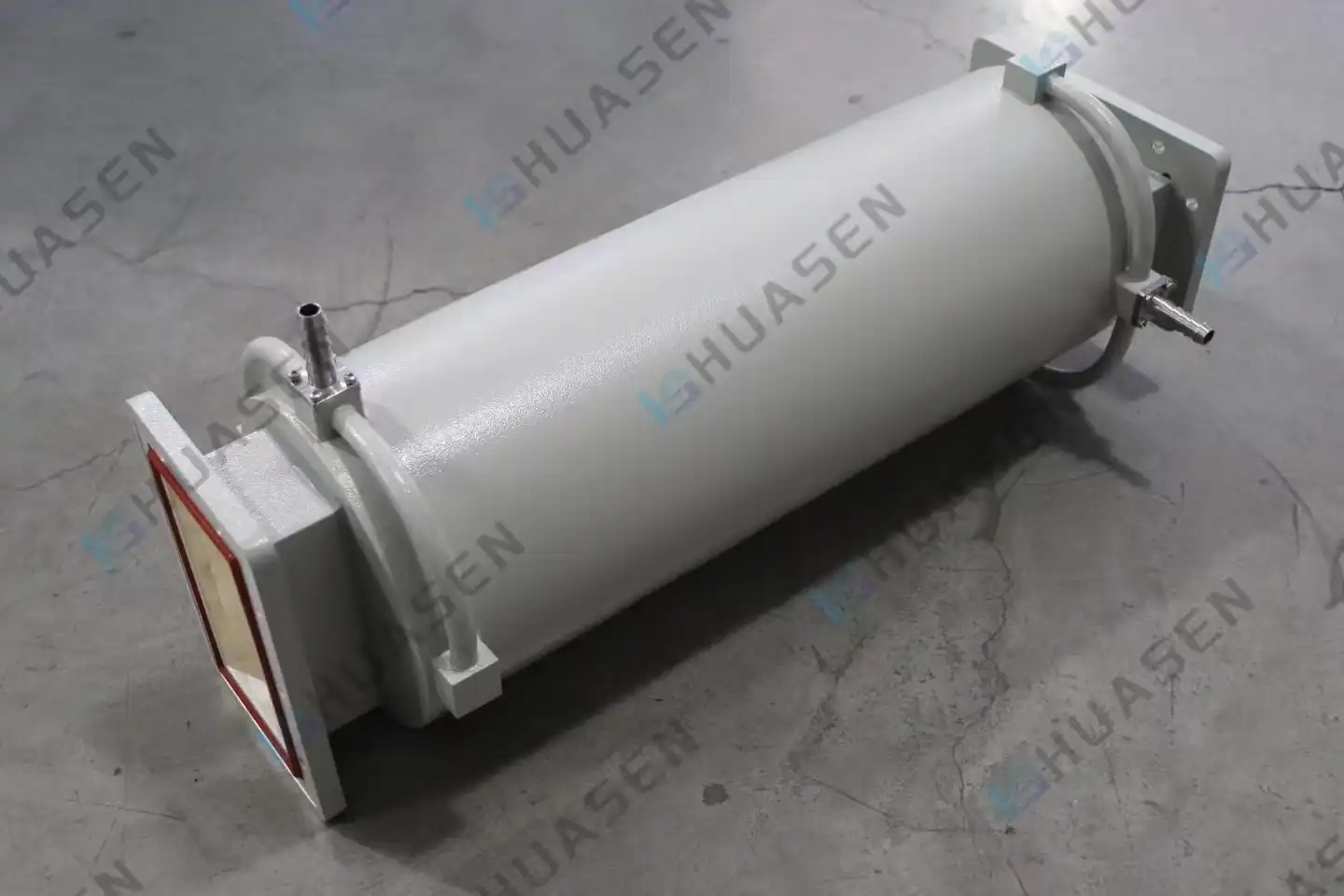
Thermal Stability of Water Cooled Twist Waveguide
Engineers who work with high-power RF and microwave systems are still very concerned about thermal stability. It's very hard to keep the signal strong while managing heat when designing transmission lines for demanding uses like 5G base stations and radar installations. This is exactly what a water-cooled twist waveguide does by combining the ability to rotate polarization with built-in liquid cooling channels. This special part stops performance loss, structural warping, and electrical breakdown caused by heat that happens with air-cooled alternatives when they are used continuously at high power levels. By moving deionized water through carefully machined paths, these waveguides keep their electrical properties stable even when sending kilowatt-level signals. This makes them essential for applications in aerospace, satellite ground stations, and telecommunications infrastructure where dependability is key.VIEW MORE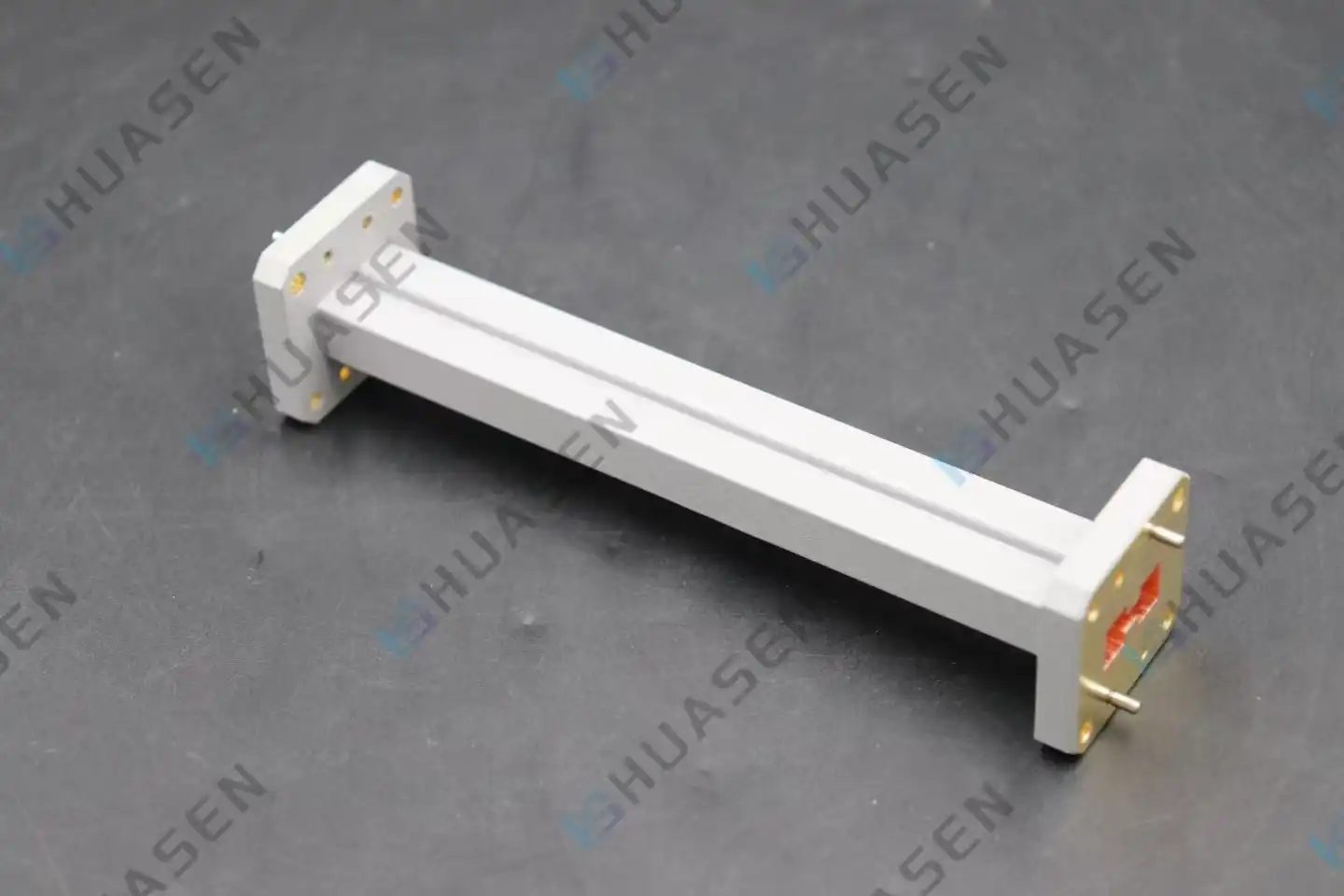
Double Ridged Straight Waveguide Wideband Advantage
One of the best things about a double-ridged straight waveguide is that it can cover a wide range of frequencies, usually two to three octaves in a single component. This waveguide design lowers the cutoff frequency of the dominant mode while blocking higher-order modes. This is done by adding parallel conductive ridges along the wide walls. This makes it possible to get bandwidth ratios that aren't possible with regular rectangular waveguides. This feature meets the important need for multi-band operation in the industry, making systems simpler, lowering inventory costs, and making installation easier in defense, aerospace, and telecommunications uses.VIEW MORE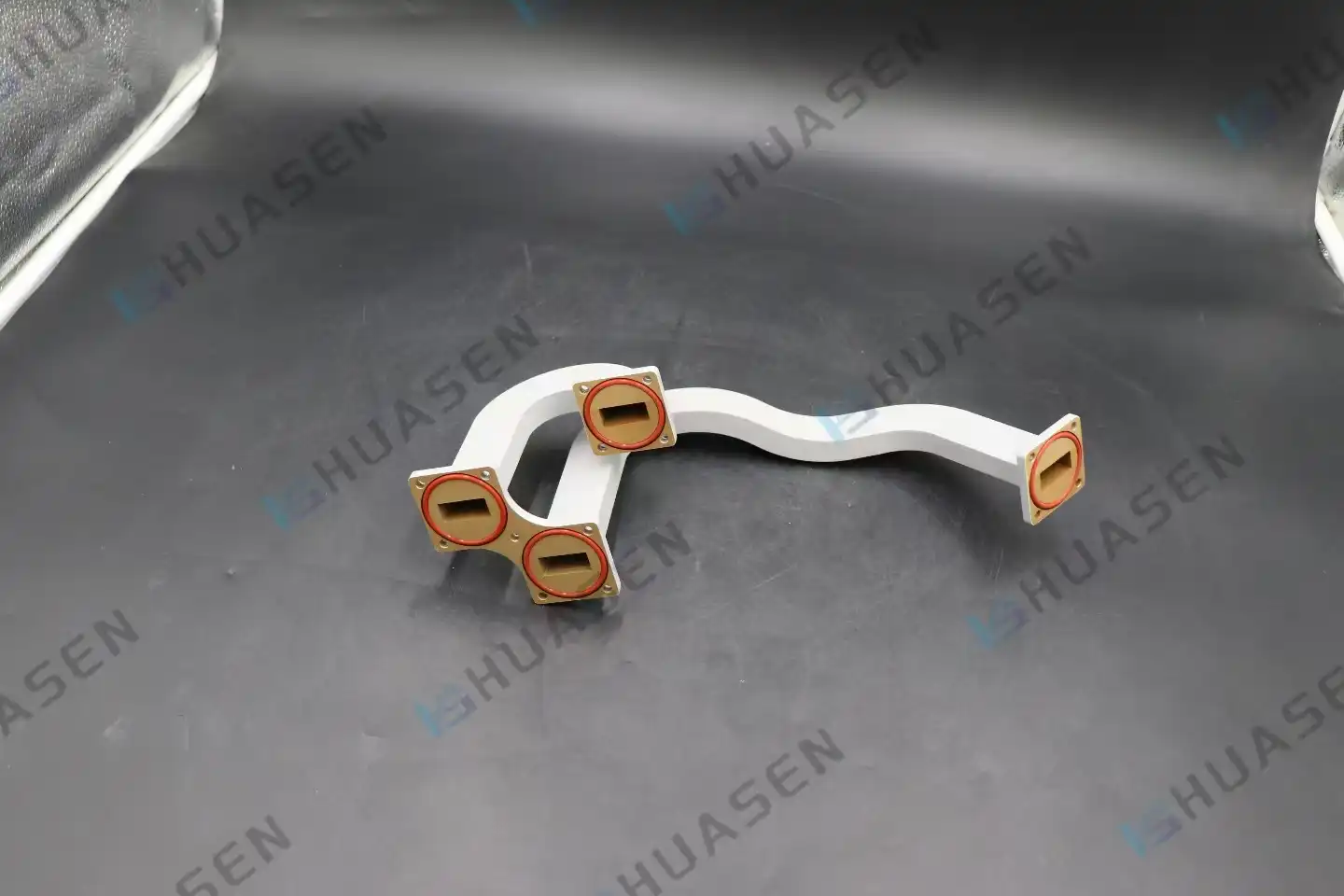
Designing Multi Bend Waveguide Assemblies
When designing multi-bend waveguide assemblies, you need to think carefully about electromagnetic principles, mechanical limitations, and the needs of your specific application. A multi-bend waveguide is a carefully designed passive part that has many E-plane and H-plane bends in a single, continuous structure. This lets high-frequency microwave and radio frequency signals pass through complicated 3D shapes. These assemblies get rid of a lot of the flange connections that cause insertion loss and VSWR degradation. This makes them essential for applications that need to save space, like radar, satellite communications, and defense systems. The design process strikes a balance between mechanical integrity and electrical performance. This makes sure that the phase stays stable and the signal stays true even in harsh environments.VIEW MORE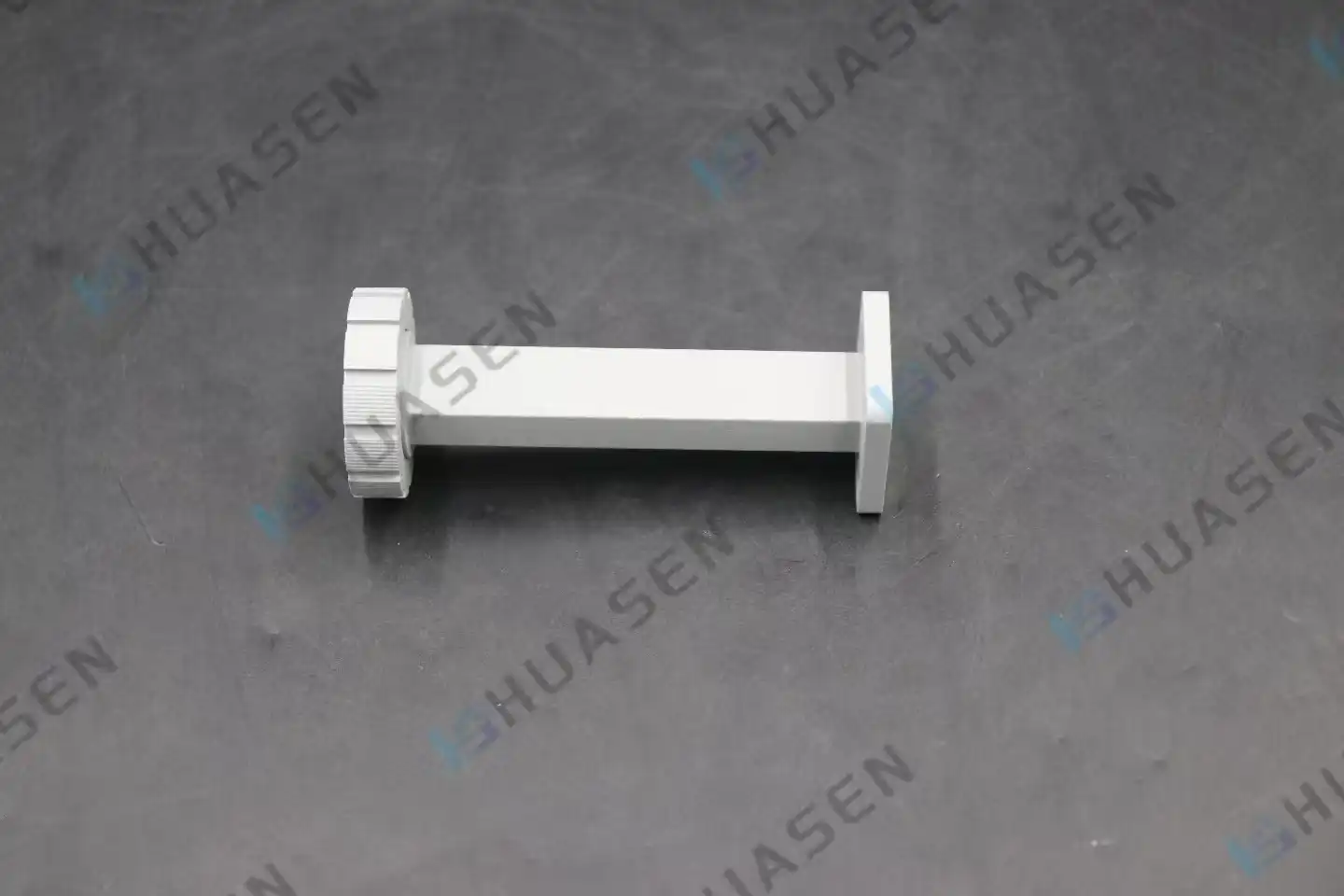
Waveguide Straight Section in High Power Systems
When engineers design radar arrays or satellite ground stations, they always have to deal with the problem of how to send kilowatts or even megawatts of microwave power over long distances without damaging the signal or causing catastrophic arcing. The waveguide straight section solves this basic issue by giving us a hollow metal tube that sends electromagnetic waves through internal reflection instead of dielectric materials that easily break. Coaxial cables have trouble with frequencies above 10 GHz, but these precision-machined tubes can handle frequencies from 320 MHz to 220 GHz with insertion losses measured in hundredths of a decibel per meter. This makes them essential for applications where reliability must be maintained, such as in defense systems, scientific instruments, and telecommunications infrastructure.VIEW MORE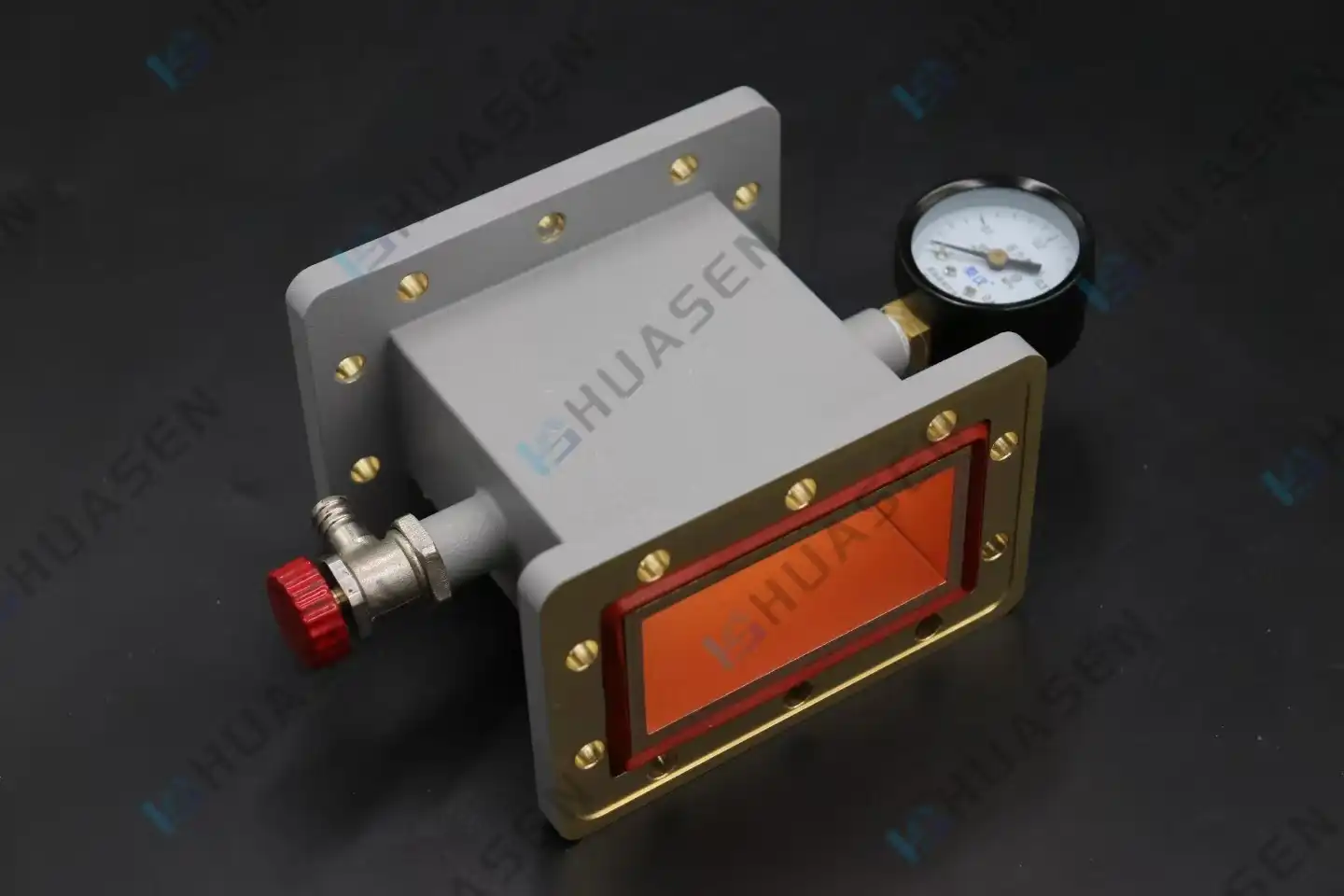
Inflatable Straight Waveguide for Temporary Links
The choice of RF transmission infrastructure determines the success of a mission when setting up temporary communication links for satellite operations, defense installations, or emergency response situations. Inflatable straight waveguide systems are a big step forward in deployable electromagnetic technology. They give procurement teams a way to save weight, install quickly, and keep the signal strong. These special parts keep the shape of the waveguide by controlling the air pressure inside. They're easier to ship than traditional rigid metal structures and give the same RF performance. There has been a lot of adoption in tactical communication setups where deployment time has a direct effect on operational readiness.VIEW MORE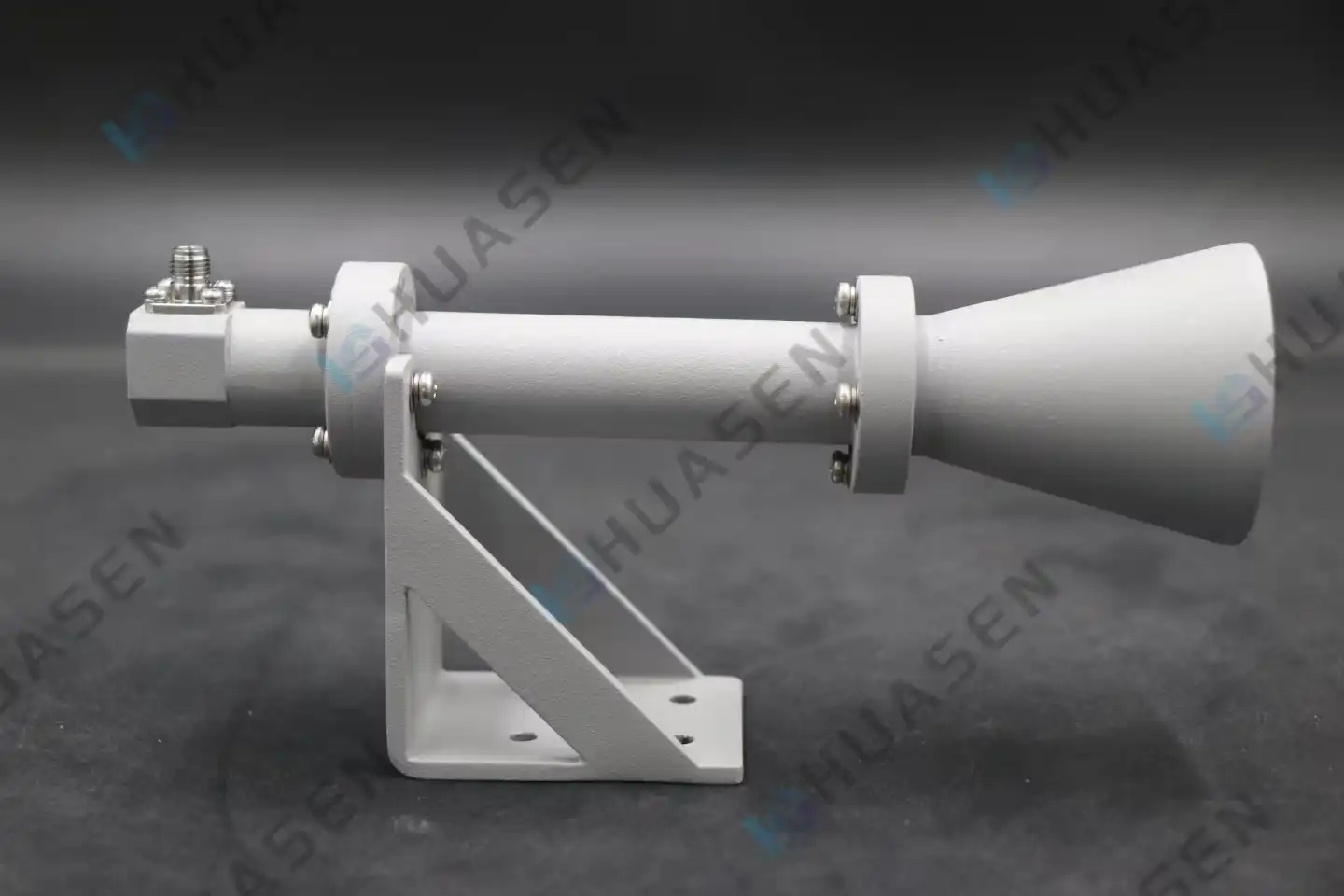
Circularly Polarized Horn Antenna vs Linear Polarization Explained
Selecting a circularly or linearly polarized horn antenna, such as a circularly polarized horn antenna, will greatly affect how well your system works in areas with varying tracks, how stable the signal is, and how easy it is to use. Electrical field waves that are circularly polarized move in a spiral shape. As a result, the signal is less sensitive to direction, and the fade takes longer. Least-squares polarized light waves move in a straight line. Just the right amount of waves is needed for this to make sense. By understanding these differences, engineers can pick the best choice for tasks like checking RF signals, satellite communications, and tracking systems that must not interfere with the signal.VIEW MORE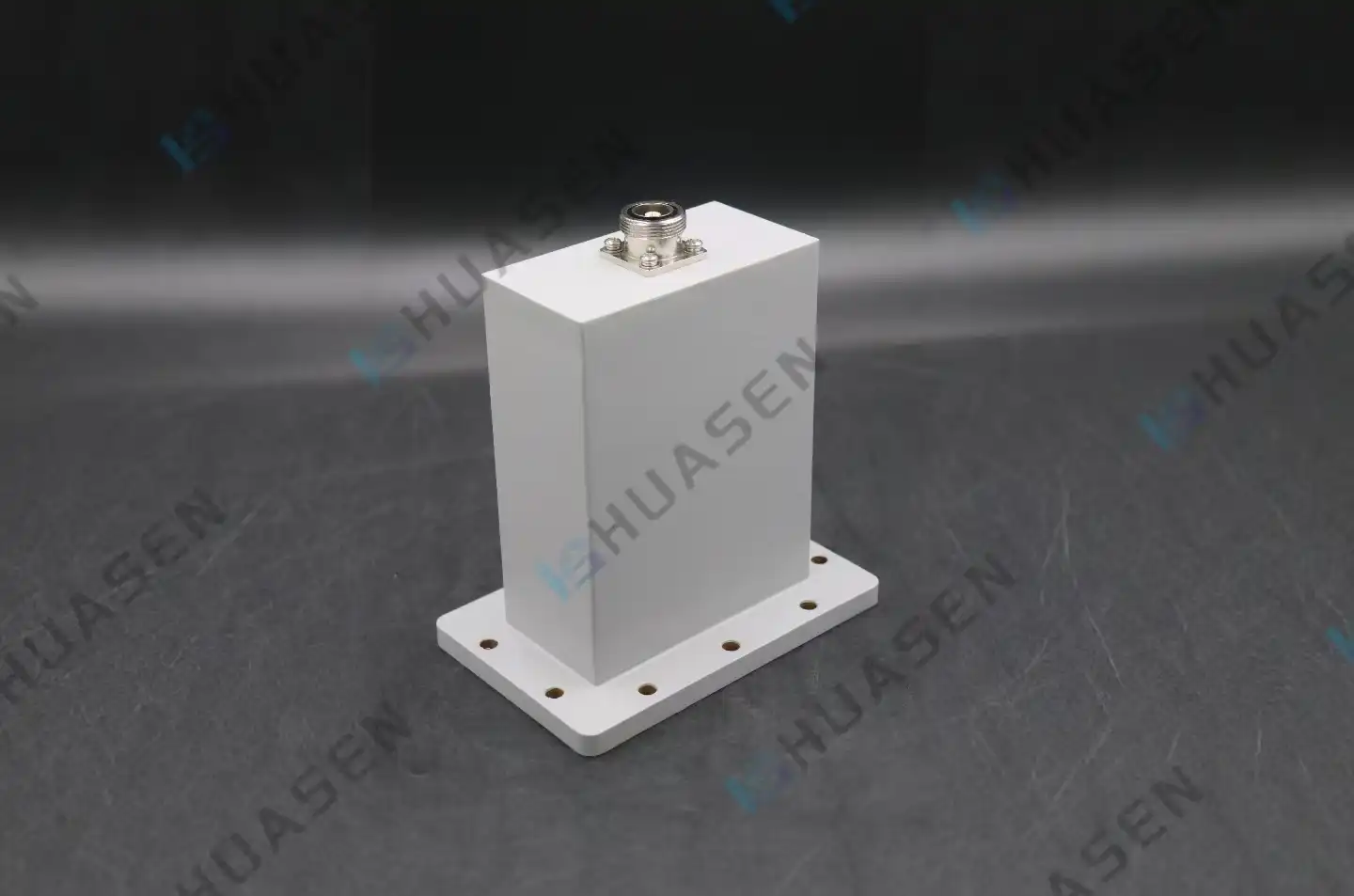
Waveguide to Coax Integration with End Launch Adapter
Adding waveguide to coax and end launch adapters is an important part of modern RF and microwave systems. An end launch waveguide to coaxial adapter is a precise interface that moves electromagnetic energy from rectangular waveguide structures working in TE10 mode to coaxial connectors working in TEM mode. It does this by using an inline geometry that works well in high-density settings where space is limited. This design makes it possible for signal transfer to happen without any problems between waveguide systems and standard 50-ohm coaxial architectures. This makes it an essential tool for use in defense, aerospace, and telecommunications.VIEW MORE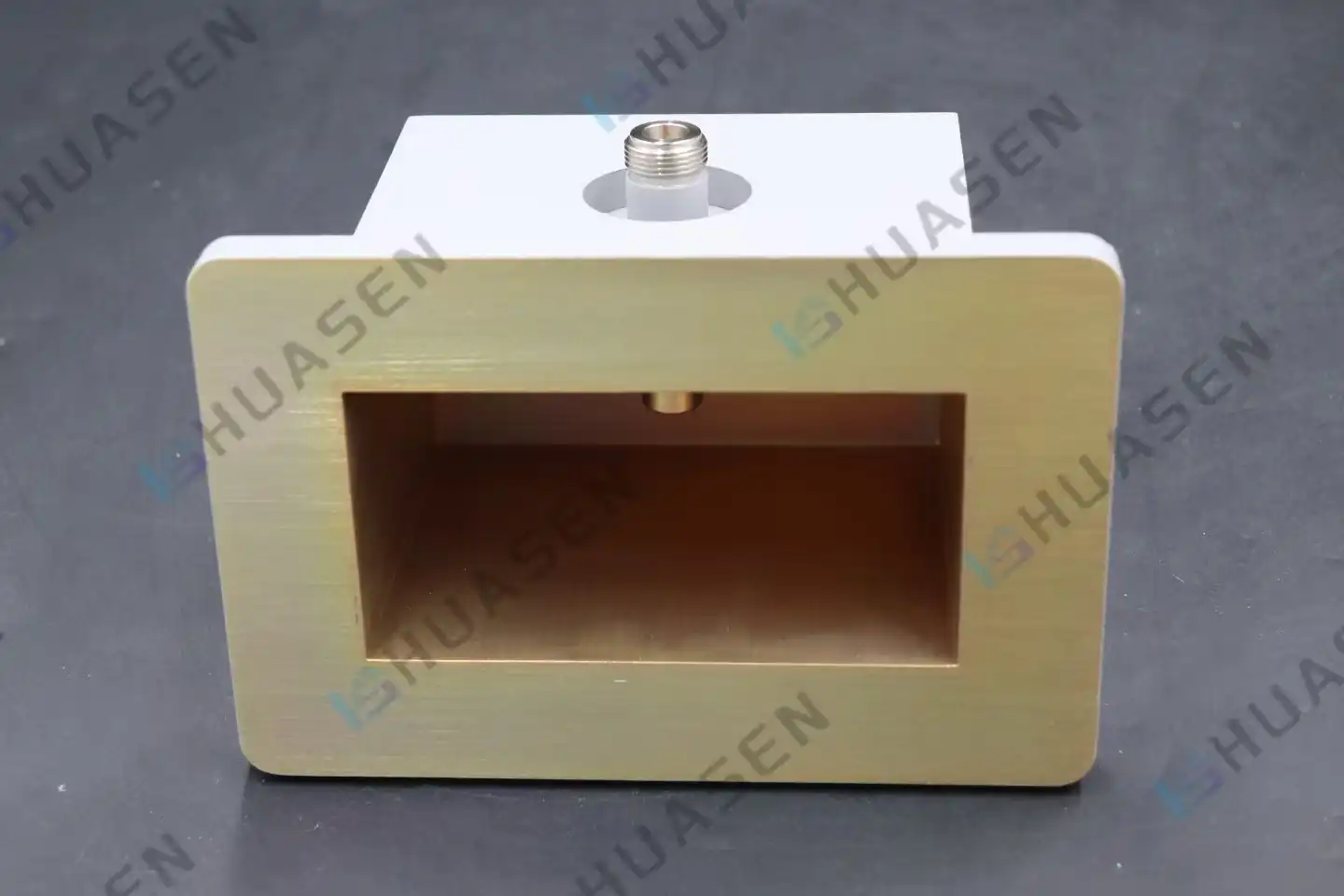
Why Use Water Cooled Coax Waveguide in Radar?
Water-cooled coax waveguides are specialized RF parts that handle high temperatures in high-power radar systems. They can usually handle continuous wave operations from 30 kW to over 100 kW. Unlike other options that use air cooling, these devices use built-in cooling channels to move deionized water around the inner conductor. This keeps catastrophic failures from happening due to resistive heating and dielectric breakdown. The active liquid cooling system keeps the impedance matching stable and the signal strong even when the duty cycle is high. This directly addresses the important problem of thermal runway, which lowers radar accuracy and shortens the life of parts in environments that are used 24 hours a day, seven days a week.VIEW MORE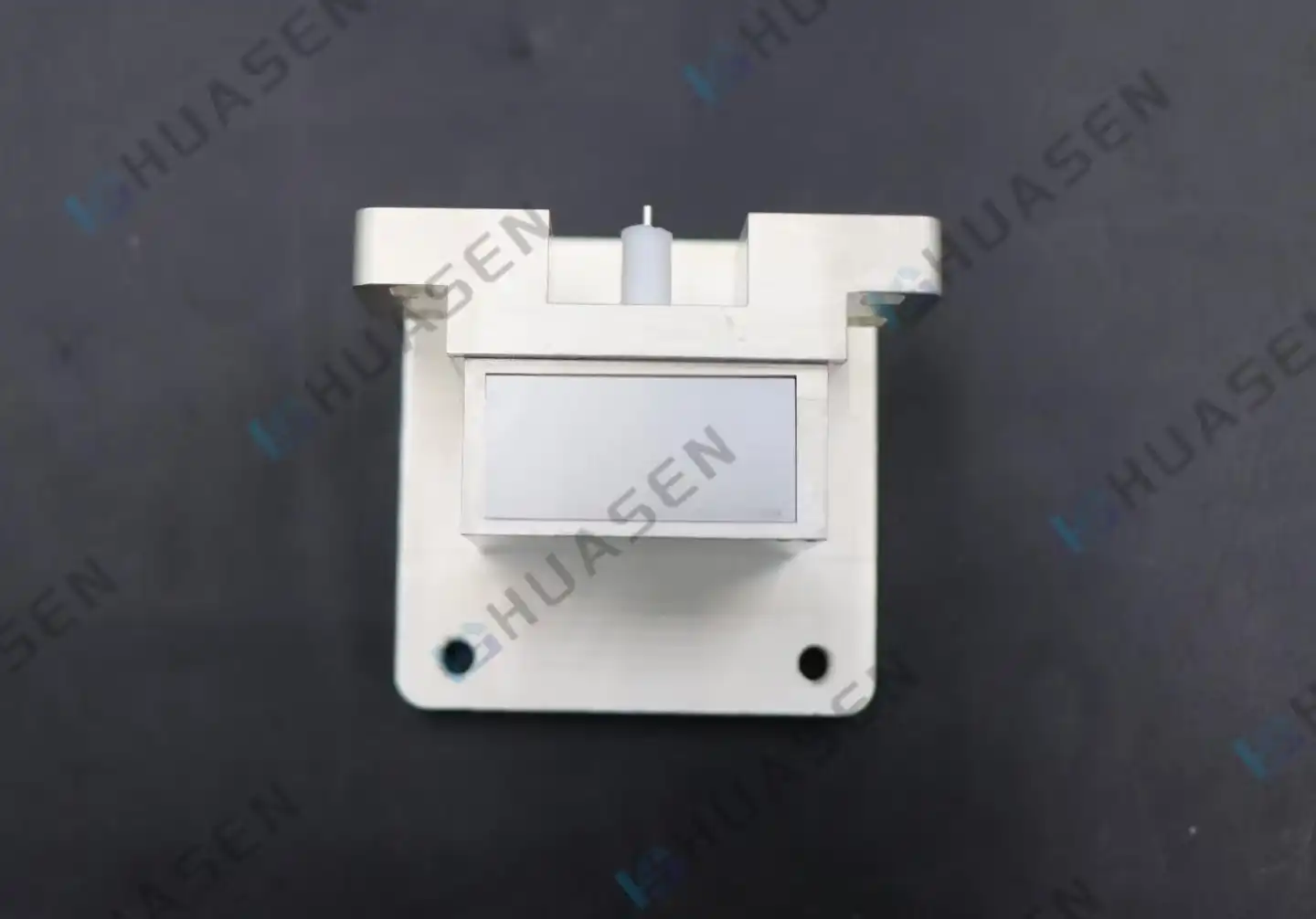
Waveguide to Microstrip Transition Basics Explained
In RF and microwave systems, a waveguide to microstrip transition is an important electromechanical interface part that connects hollow metal waveguides to flat microstrip transmission lines. It changes the main TE₁₀ mode of rectangular waveguides into the quasi-TEM mode of microstrip circuits. It also matches the impedance of the waveguides, which are usually higher than 300 ohms, to the standard 50-ohm microstrip system. This important part fixes problems with impedance mismatch, lowers radiative losses, and allows high-power waveguide systems to be combined with small monolithic microwave integrated circuits (MMICs). This makes it a must-have for hybrid RF architectures.VIEW MORE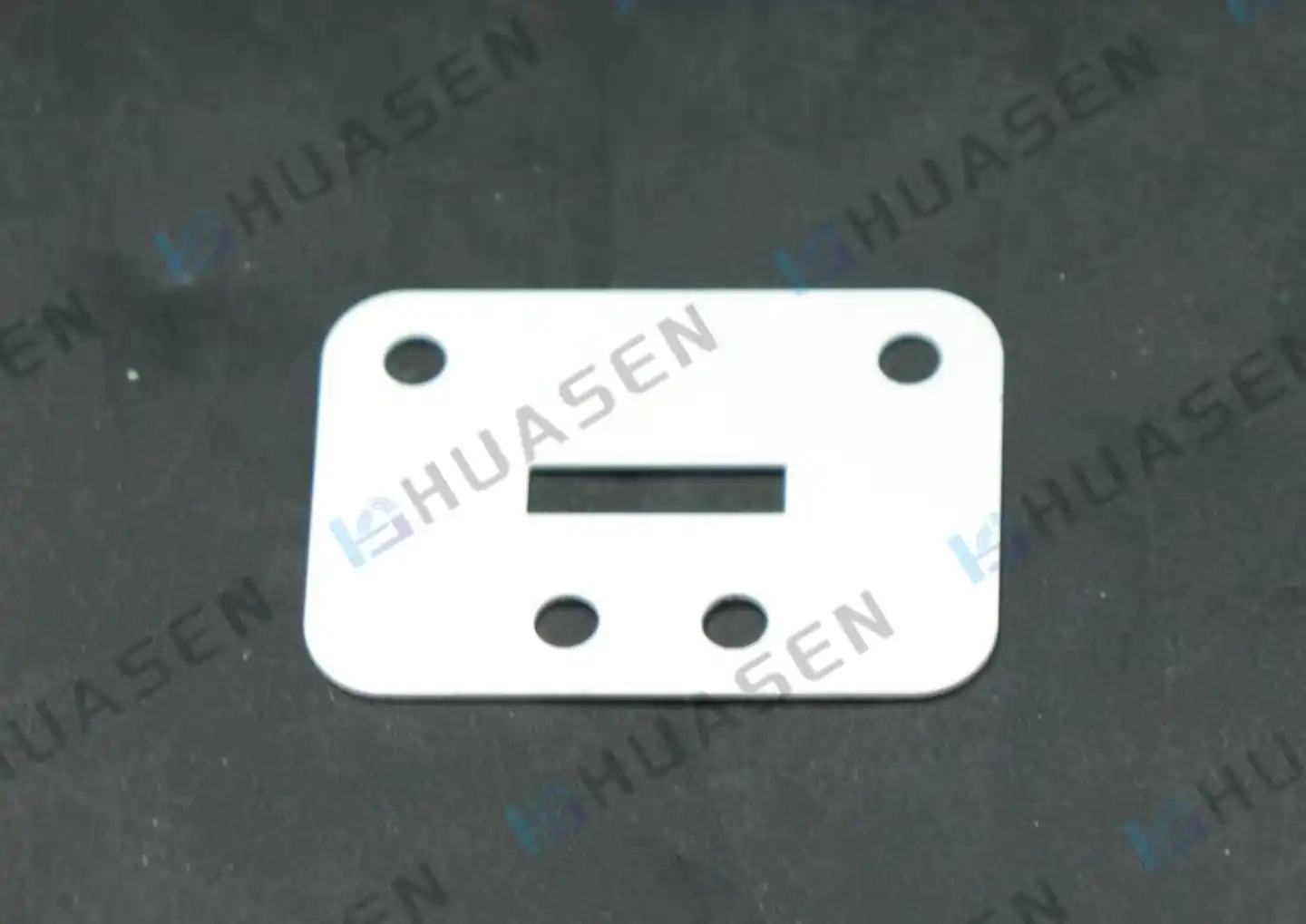
Waveguide Gasket Temperature Limits
When we talk about waveguide gasket temperature limits, we're addressing a critical performance boundary that directly affects system reliability in high-frequency applications. A waveguide gasket must maintain its sealing integrity and electromagnetic shielding effectiveness across its specified thermal range—typically from -55°C to +200°C depending on material composition. Operating beyond these thresholds causes dimensional instability, loss of compression set resistance, and degradation of conductive filler networks, leading to RF leakage and environmental seal failure in telecommunications, radar, and satellite systems.VIEW MORE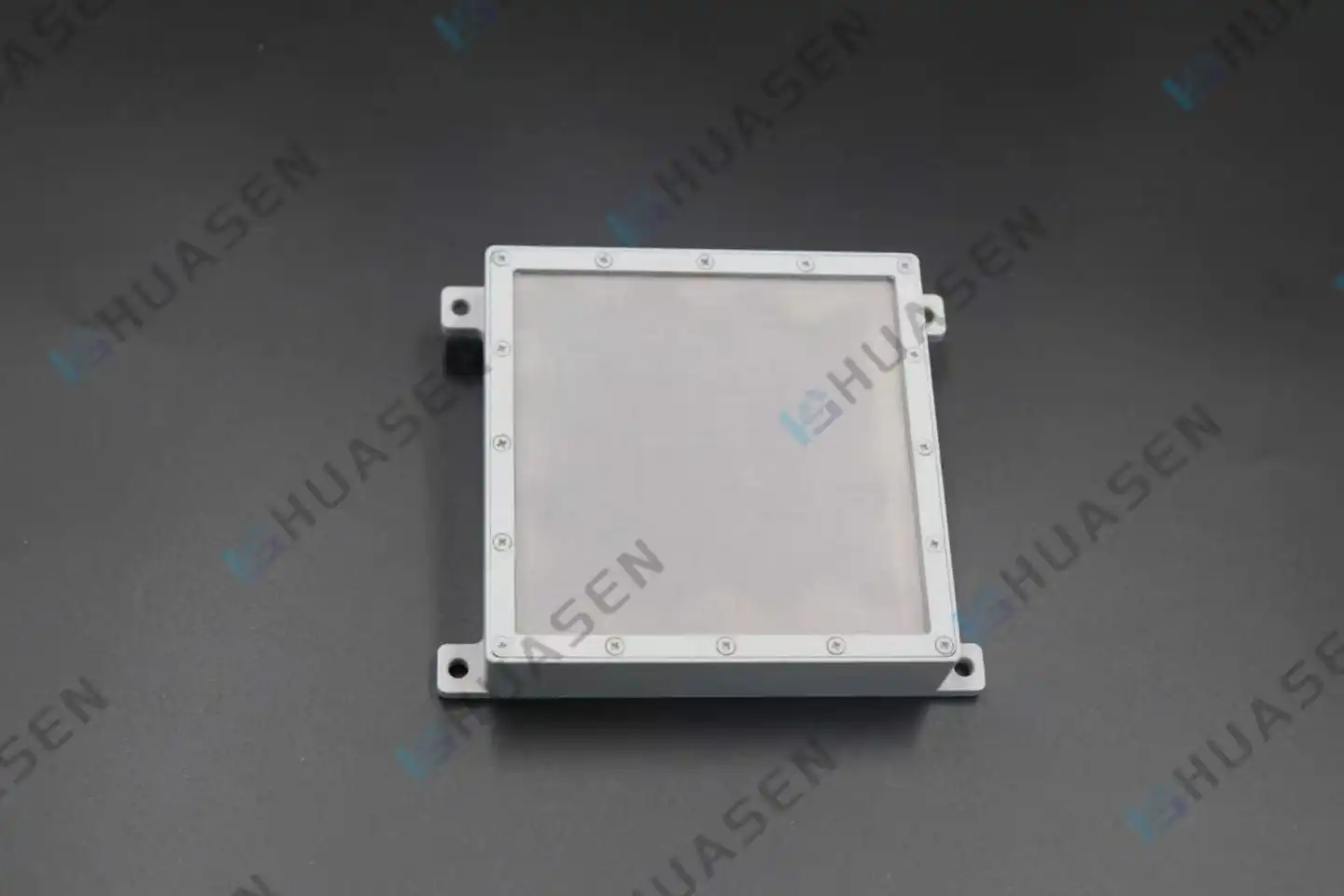
Benefits of Circularly Polarized Microstrip Antenna in 5G
When we look at the rapid expansion of 5G networks across the United States, one component consistently emerges as critical for maintaining robust, reliable communication: the circularly polarized microstrip antenna. This advanced antenna design offers unique advantages that directly address the demanding requirements of fifth-generation wireless infrastructure. Unlike traditional linear polarization systems, circular polarization eliminates orientation-dependent signal loss, ensuring consistent connectivity regardless of device movement or positioning. For network operators deploying massive MIMO systems and beam-forming technologies, this polarization flexibility translates to fewer dropped connections, improved signal quality in urban environments, and simplified installation procedures across diverse mounting scenarios. Over the past three decades, we at Huasen Microwave have witnessed the evolution of wireless communication technologies firsthand. The transition to 5G has brought unprecedented challenges in signal propagation, interference mitigation, and bandwidth efficiency. Through our extensive R&D efforts and manufacturing experience since 1993, we've developed microstrip antenna solutions that specifically address these modern networking demands while maintaining the thin profile and lightweight characteristics essential for contemporary base station deployments.VIEW MORE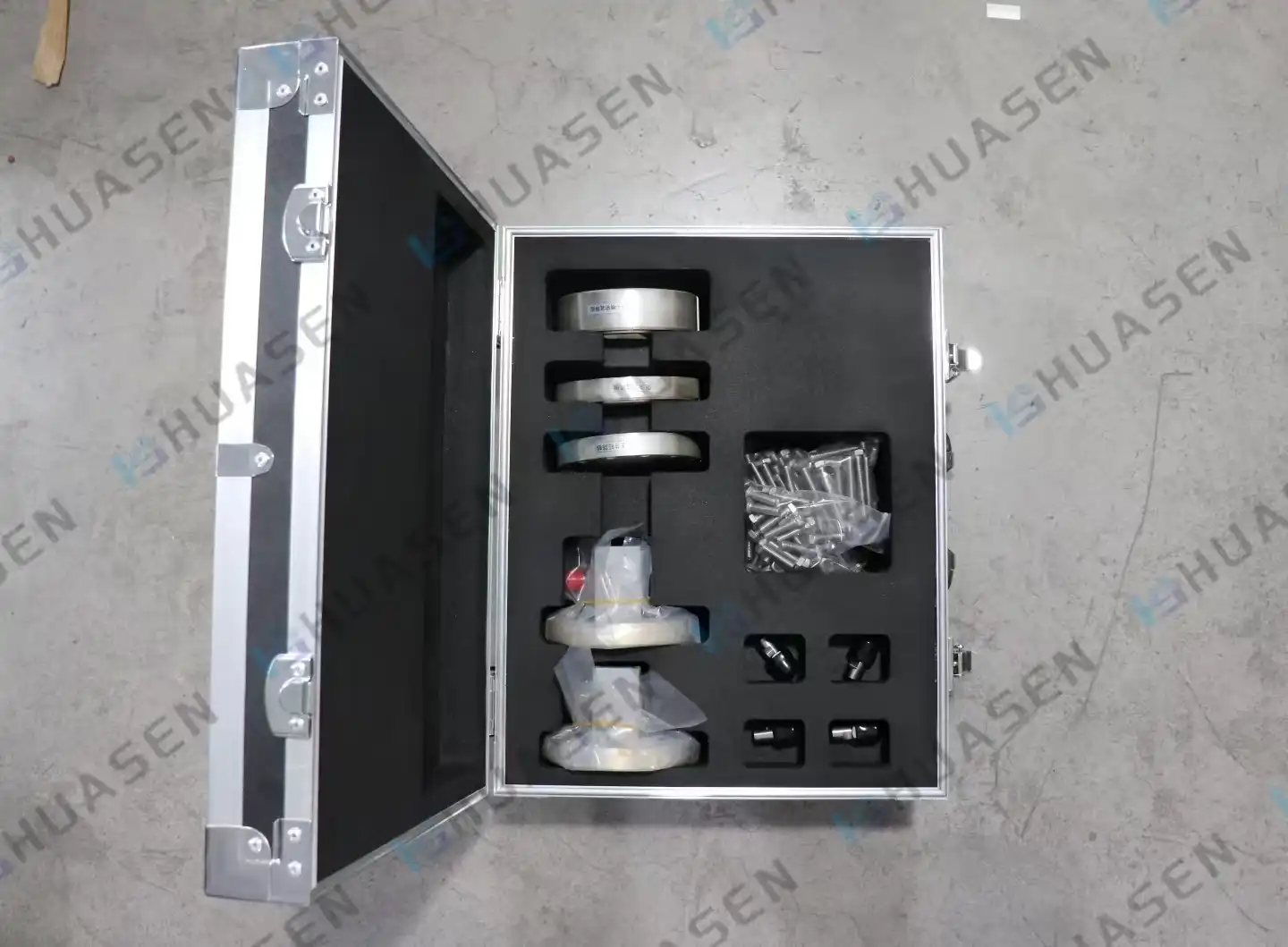
Waveguide Calibration Kit Solutions for Anechoic Chamber Testing
In anechoic chambers used for testing radar systems, satellite communication payloads, or 5G millimeter-wave parts, accurate measurements depend on the calibration being done correctly. A waveguide calibration kit gives you the exact reference standards you need to get rid of systematic errors in vector network analyzers. This makes sure that measurements show the real performance of the devices being tested and not any errors caused by test equipment or connectors. These kits come with all 12 error-correcting parts you need to accurately characterize RF and microwave signals in controlled, reflection-free environments where signal integrity can't be compromised.VIEW MORE
- 1
- 24
- 25
- 26
- 27
- 28
- 60
Total 60 pages
