Designing Multi Bend Waveguide Assemblies






2026-04-27 22:22:58
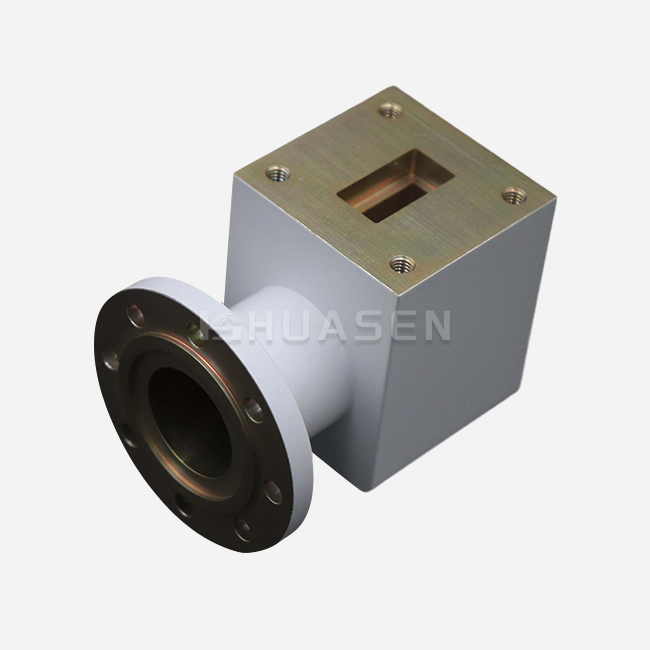
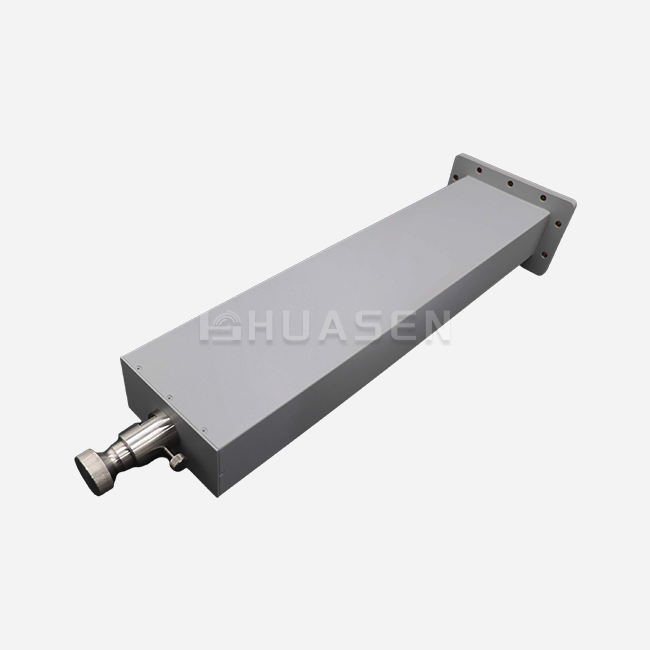
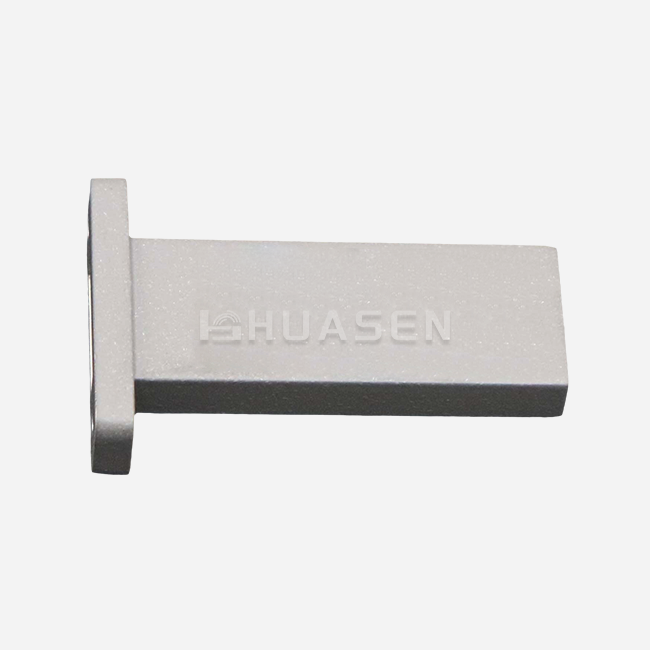
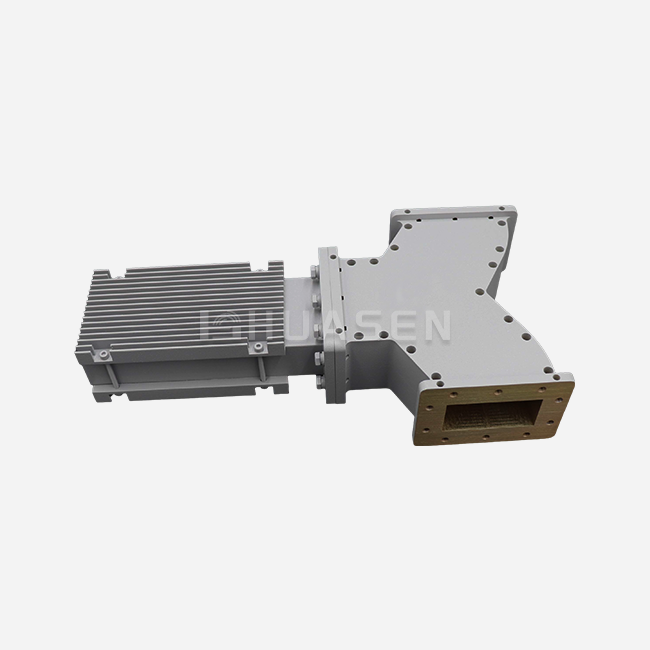
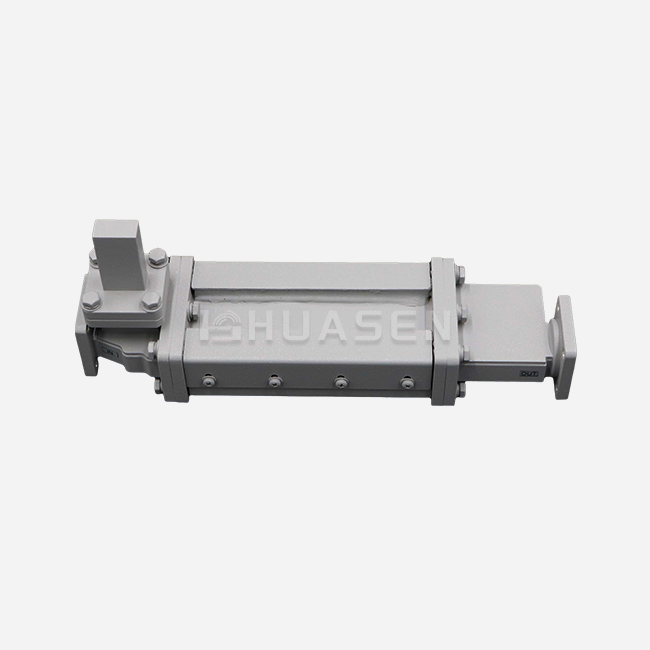
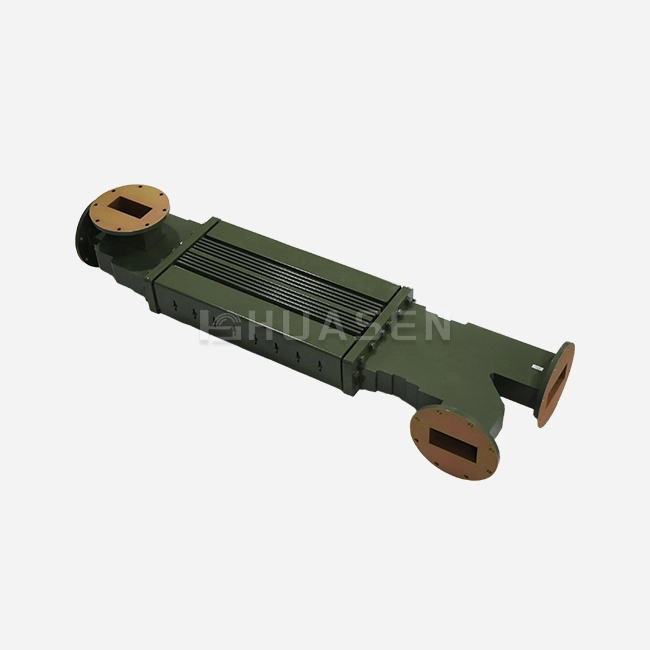
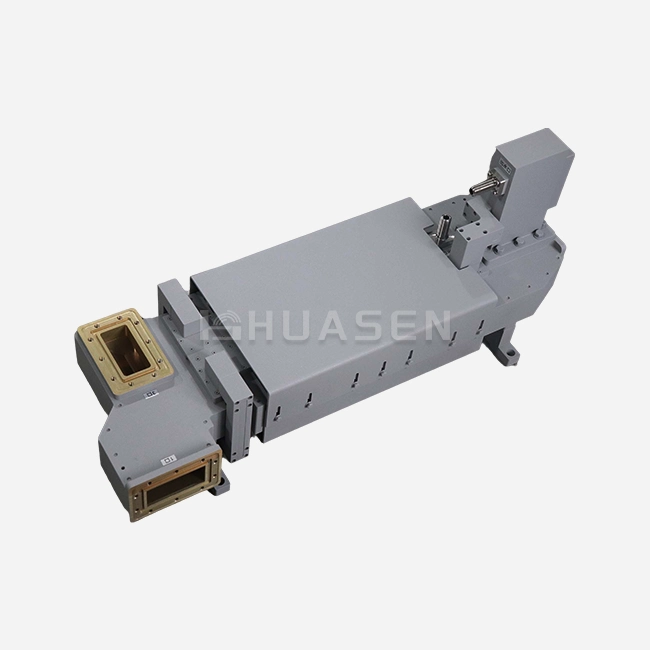
When designing multi-bend waveguide assemblies, you need to think carefully about electromagnetic principles, mechanical limitations, and the needs of your specific application. A multi-bend waveguide is a carefully designed passive part that has many E-plane and H-plane bends in a single, continuous structure. This lets high-frequency microwave and radio frequency signals pass through complicated 3D shapes. These assemblies get rid of a lot of the flange connections that cause insertion loss and VSWR degradation. This makes them essential for applications that need to save space, like radar, satellite communications, and defense systems. The design process strikes a balance between mechanical integrity and electrical performance. This makes sure that the phase stays stable and the signal stays true even in harsh environments.
Understanding Multi-Bend Waveguides: Fundamentals and Design Principles
Core Electromagnetic Concepts in Waveguide Routing
Waveguide assemblies work by keeping electromagnetic energy inside a hollow metal structure. This lets signals travel with less loss than coaxial options. Engineers have to think about how each bend affects mode propagation and impedance matching when they make assemblies that change directions more than once. The E-plane bend changes the direction of the electric field, and the H-plane bend changes the way the magnetic field is spread out. When you combine both types into one assembly, you can do three-dimensional routing that you can't do with straight sections alone. This adaptability is very important for getting around structural problems in satellite payloads or radar enclosures, where every cubic centimeter counts.
Critical Design Parameters That Define Performance
How well a bent waveguide assembly works in the real world depends on a number of basic factors. The bend radius is probably the most important factor. If it's too sharp, you get a lot of reflection and mode conversion; if it's too gradual, you lose the advantage of compactness that led to the multi-bend waveguide design in the first place. Choosing the right material has a direct effect on conductivity and thermal behavior. Copper with high conductivity that doesn't contain oxygen and aluminum 6061 are two common options that offer different weight and performance trade-offs. The thickness of the wall has to be thick enough to provide enough mechanical rigidity to keep the exact internal cross-section dimensions that determine the cutoff frequency from changing when the structure is vibrated. At microwave frequencies, where current flows mostly along the conductor surface, surface treatment, especially silver or gold plating on the inside walls, reduces skin-effect losses.
Advantages Over Conventional Waveguide Configurations
System integrators and procurement managers looking at component strategies can see clear benefits when they compare multi-bend waveguide designs to traditional methods. A continuous bent assembly gets rid of multiple flanged connections, which add about 0.05 to 0.15 dB of insertion loss and could be places where RF leaks out. The phase stability is much better because the rigid structure stops the mechanical drift that happens in flexible waveguides when they are exposed to changes in temperature or vibration. You can cut down on weight by finding the best exact routing path instead of putting together heavy modular straight sections with adapter hardware. The seamless design also improves the ability to handle power by getting rid of the hot spots that can form at poorly joined flange interfaces when high power is being sent.

Performance Comparison and Evaluation of Multi-Bend Waveguides
Electrical Performance Metrics Across Waveguide Types
Several measurable parameters make it possible to compare different waveguide configurations in an objective way. VSWR values below 1.15:1 across the operating bandwidth show good impedance matching. Multi-bend waveguide assemblies can reach these numbers by carefully optimizing the radius and tuning them after they are made. Depending on the frequency band and plating quality, insertion loss per unit length is usually between 0.03 and 0.10 dB per meter. This is a lot less than flexible options, which can show 0.5 dB per meter or more. The amount of power that can be handled depends on the cross-sectional area and the pressure. When properly designed, WR-90 multi-bend waveguide assemblies can handle several hundred kilowatts of peak power when filled with dielectric gases such as sulfur hexafluoride. When the temperature changes, rigid bent structures keep their phase stability better than semi-rigid or flexible ones, with less than a five-degree phase shift across a 100°C temperature range.
Cost Analysis for Procurement Decision-Making
To get a sense of the total cost of ownership, you need to look at more than just the purchase price. You also need to think about other costs and effects on the whole system. Because they have to be made to order, Multi-Bend Waveguide assemblies cost more up front than simple straight sections. Prices usually range from a few hundred to a few thousand dollars, depending on how complicated they are and what frequency band they are used in. Getting rid of multiple flanges, adapters, and mounting hardware, on the other hand, lowers the total cost of materials and makes assembly easier. When reliability goes up, maintenance costs go down over the life of the system. This is especially helpful in satellite applications where replacing parts would be too expensive. When spread out over a large amount of production, the per-unit economics get better for system designs that need complicated routing geometries.
Testing and Validation Methodologies
For accurate performance verification, simulation validation during design and physical measurement after fabrication are both needed. Engineers can use electromagnetic simulation software to make models of S-parameters, field distributions, and higher-order mode excitation before they spend a lot of money on making prototype tools. Using precise calibration standards to measure network analyzers figures out the real insertion loss, return loss, and phase response across the given bandwidth. The acceptance criteria are usually spelled out in the procurement contract. Testing with a lot of power under pressure makes sure that the thermal management and peak power handling work without breaking down or causing multipactor discharge. Environmental qualification testing based on MIL-STD-810 or similar standards confirms that the mechanical integrity can withstand vibration, thermal shock, and humidity in the environment where it will be used.
Fabrication Process and Supply Chain Considerations
Manufacturing Techniques for Complex Geometries
To make Multi-Bend Waveguide assemblies, you need special fabrication skills that set experienced suppliers apart from general machine shops. Precision extrusion or hydroforming is usually the first step in the process. This makes straight waveguide sections whose internal dimensions exactly match standard waveguide sizes like WR-90, WR-62, or WR-28. Computer-controlled bending equipment slowly makes the angles needed while keeping the integrity of the internal cross-section by supporting the mandrel or controlling the hydraulic pressure. The assembly is then put through electrical discharge machining or precision milling to add flanges, mounting holes, and any vacuum ports or pressurization valves that are needed. Electropolishing the inside of a surface gets rid of microscopic roughness before silver or gold plating is used to reach the right level of conductivity. The last step in the assembly process is to braze or weld the flanges together. This is followed by leak testing for applications that need to be under pressure and electrical tuning to improve VSWR performance.
Global Supplier Landscape and Sourcing Strategies
Because making waveguides is so specialized, production is limited to a small group of qualified suppliers around the world. For defense and aerospace customers who need to follow ITAR rules and prefer to buy from domestic manufacturers, North American companies usually offer shorter communication paths and faster prototype turnaround times. Custom multi-bend waveguide assemblies, including waveguide bend assembly, usually take four to eight weeks to deliver from the time the design is approved to the time it is delivered. However, established designs may ship more quickly from stock or on shorter schedules. Different suppliers have very different minimum order quantities. Some will accept prototypes made of a single piece, while others need batch quantities of ten or more units to cover the cost of amortizing custom tools. When making decisions about regional sourcing, things like currency fluctuations, import duties, protecting intellectual property, and the ability to do quality checks on-site during production runs must all be taken into account.
Quality Standards and Reliability Assurance
Specifications for buying things for important uses call for strict quality control all the way through the production process. Material certifications check the electrical and chemical makeup of base metals and plating materials to make sure that all production lots are the same. Coordinate measuring machines are used for dimensional inspection to make sure that the bend angles, flange alignment, and internal cross-sections meet the drawing tolerances, which are usually within 0.001 inches. By electrically testing every unit instead of just a few, you can keep track of everything and find any units that aren't working quite right before they are shipped. Suppliers that have been around for a while have ISO 9001 quality management systems and often have AS9100 aerospace certifications that show they are good at controlling processes and keeping records. Most warranties cover problems with the workmanship or the materials. For important applications where failures in the field could have serious effects, some suppliers offer longer warranties or performance guarantees.
Selecting the Right Multi-Bend Waveguide Solution for Your Application
Matching Technical Specifications to System Requirements
To choose the right components, you must first be very clear about the electrical and mechanical needs of your application. The right waveguide size depends on the frequency range. For example, WR-90 covers 8.2 to 12.4 GHz, while WR-28 covers 26.5 to 40 GHz. Each has a different trade-off between size, loss, and power handling. How much reflected power your transmitter can handle and how much signal degradation your receiver can handle while still being sensitive enough are both affected by the maximum VSWR tolerance. Wall thickness, pressurization needs, and thermal management features to keep things from breaking down or overheating are all based on peak and average power needs. Material choices and protective coatings are based on things like the operating temperature range, vibration levels, and exposure to wet or corrosive environments. Specifications for mechanical interfaces need to include mounting options, connector types, and space limitations that spell out the necessary bend shape.
Custom Solutions Versus Standard Product Options
When choosing between custom-designed assemblies and catalog products, you have to weigh the benefits of better performance against the costs and delivery times. Standard off-the-shelf waveguide components are cheaper and available right away, but they limit the way your system is designed to fit the configurations that are available. Custom solutions let you use exact routing geometries that work best for your enclosure layout, keep the overall size of the assembly as small as possible, and meet the exact electrical performance needs of your application. Huasen Microwave's multi-bend waveguides can be bent into a number of different shapes and sizes. They can also be designed to fit specific needs, which is especially helpful when integrating them into existing mechanical systems or working with oddly shaped spaces. Customization goes beyond basic geometry and includes easy changes to sizes, bending angles, arm lengths, and interface requirements. This lets you adapt to different mounting situations and connector needs that standard products can't meet. Customized inflatable pressure sealing solutions make it possible to use these solutions in high-power situations that need to pressurize dielectric gas for better breakdown voltage margins.
Supplier Evaluation and Partnership Considerations
Finding the right manufacturing partner is more than just comparing prices and technical specs. It's also about figuring out how long the relationship could last. Established suppliers with decades of experience in the field know the complex needs of defense, aerospace, and telecommunications applications, including Waveguide Bend Assembly, and can spot problems before they affect program schedules. Getting help with the design during the specification phase can help improve performance and avoid common mistakes that might not be seen until the prototype is tested. Rapid prototyping lets you make small changes to complicated shapes over and over again before investing in production tools. During the integration and testing phases, responsive technical support helps with troubleshooting when performance problems come up out of the blue. You can test sample trial programs on real hardware in your system environment to see how well they work before placing larger production orders. For large purchases and long-term supply agreements, suppliers with stable supply chains and proven manufacturing capacity can promise stable prices and delivery times across multi-year programs. This lowers the risk of procurement for large system deployments.
Conclusion
In order to make effective multi-bend waveguide assemblies, electromagnetic theory and mechanical engineering must be combined, and manufacturing and purchasing issues must also be taken into account. Less insertion loss, better phase stability, and higher reliability are some of the performance benefits over traditional methods that make the higher initial investment worth it for space-constrained applications in the defense, aerospace, and telecommunications sectors. For implementation to go smoothly, you need to work with experienced suppliers who can provide both technical support and the freedom to make changes that fit your system's needs. As technology keeps getting better at higher frequencies, higher power densities, and smaller enclosures, complex bent waveguide assemblies will remain important parts for next-generation RF and microwave systems used in many different ways.
FAQ
1. What determines the minimum bend radius for a specific waveguide size?
The minimum practical bend radius, which is usually between 1.5 and 3 times the waveguide's largest internal dimension, strikes a balance between electrical performance and the limits of mechanical fabrication. Tighter radii cause too much mode conversion and reflection loss, and they may also change the shape of the cross-section when bent. Larger waveguide sizes, like WR-90, can handle radius-to-dimension ratios that are closer together than smaller sizes, like WR-28, which makes it harder to keep the internal dimensions accurate when the waveguide is bent sharply. During the design process, electromagnetic simulation shows how different radius choices affect VSWR and insertion loss for your specific frequency range and bend configuration.
2. How do multi-bend assemblies compare to flexible waveguides for complex routing?
When compared to flexible options, rigid multi-bend waveguide assemblies have better electrical performance, with insertion losses that are only about one-fifth as high. They also have better phase stability and can handle more power. It's easier to install a flexible waveguide that can adapt to movement caused by temperature changes or vibrations, but it lowers performance and raises the risk of reliability issues from repeated bending. For permanent installations that need the best performance, rigid bent assemblies are better. On the other hand, situations that need to be reconfigured often or need to absorb movement may be able to handle flexible waveguide trade-offs.
3. What lead times should procurement teams expect for custom designs?
Custom multi-bend waveguide assemblies usually take four to eight weeks to deliver from the time the design is approved until it is delivered. This is because they need special tools to be made precisely, to be plated, and to be electrically tuned. Schedules get even longer when there are complicated three-dimensional shapes, rare materials, or a lot of qualification testing to do. Some prototypes may be sent out faster than production quantities that need their own dedicated manufacturing campaigns. Building relationships with suppliers that offer a sample inventory of common configurations can make meeting deadlines a lot easier for programs that need to be done quickly.
Partner with Experienced Multi-Bend Waveguide Manufacturers
The people at Huasen Microwave Technology have been designing and making precise microwave parts for defense, aerospace, and telecommunications applications for more than 30 years. Our custom Multi Bend Waveguide solutions can handle even the most difficult routing needs by letting you make changes to the dimensions, bending angles, arm lengths, and interface specifications to fit your system's specific needs. We have strict quality standards for the whole process of making something, from choosing the materials to testing the final electrical connections. This is to make sure that every assembly meets the performance requirements. Our experienced engineering team can help you with all aspects of design and provide quick technical support, whether you need a few prototypes for a development program or a lot of them for a large deployment. Please email our team at sales@huasenmicrowave.com to talk about your specific needs with a Multi Bend Waveguide supplier who is dedicated to providing you with reliable, high-performance solutions that work well with your RF systems.
References
1. Marcuvitz, Nathan. Waveguide Handbook. Institution of Engineering and Technology, 1951.
2. Saad, Theodore S. Design of Waveguide Bends and Tapers. IEEE Transactions on Microwave Theory and Techniques, 1978.
3. Ramo, Simon, John R. Whinnery, and Theodore Van Duzer. Fields and Waves in Communication Electronics. John Wiley & Sons, 1994.
4. Pozar, David M. Microwave Engineering, 4th Edition. John Wiley & Sons, 2011.
5. Balanis, Constantine A. Advanced Engineering Electromagnetics, 2nd Edition. John Wiley & Sons, 2012.
6. Montgomery, Carol G., Robert H. Dicke, and Edward M. Purcell. Principles of Microwave Circuits. Institution of Engineering and Technology, 1948.
Send Inquiry