Waveguide to Coax Integration with End Launch Adapter






2026-04-24 17:23:50
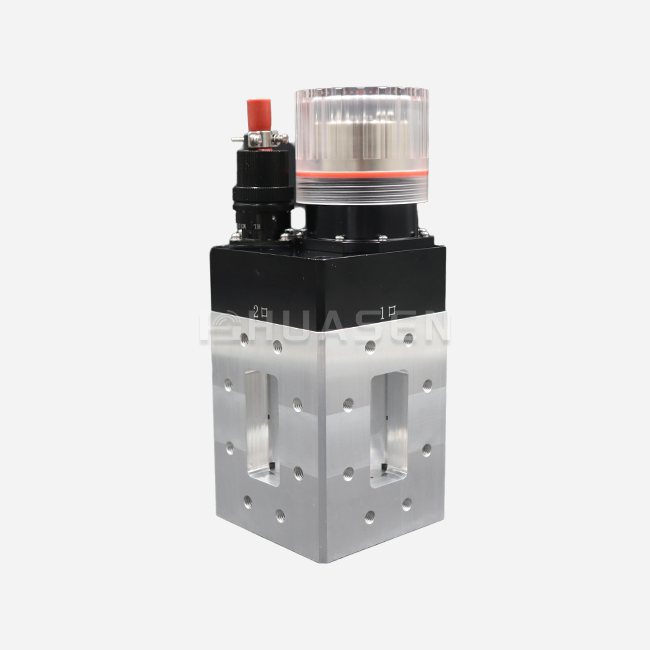
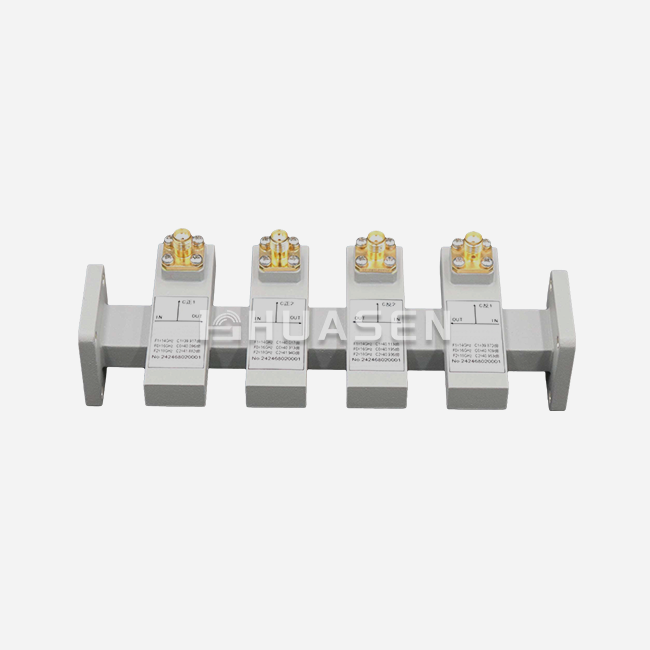
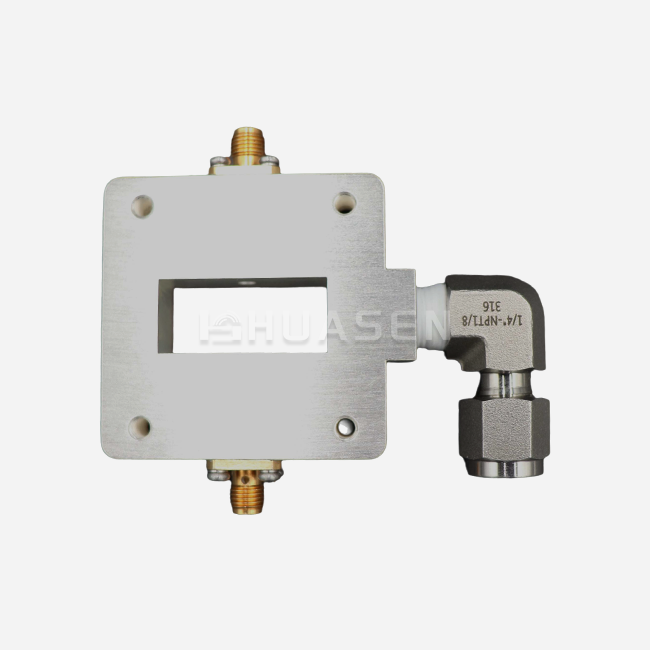
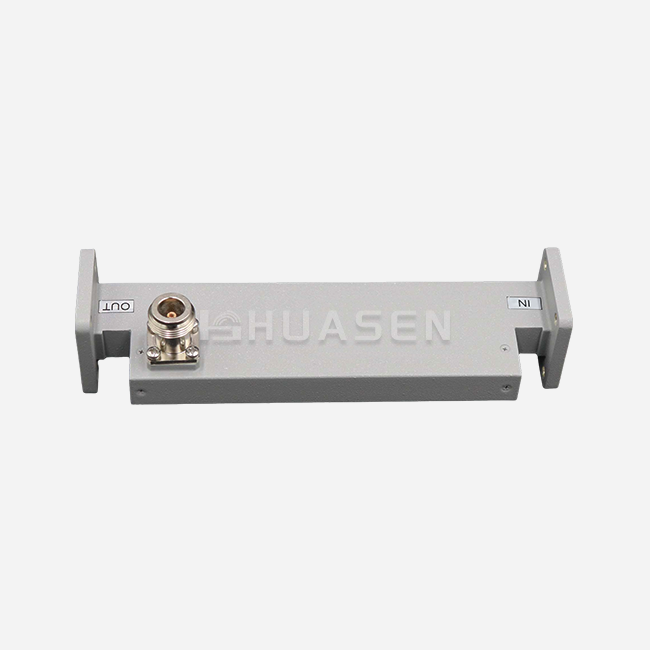
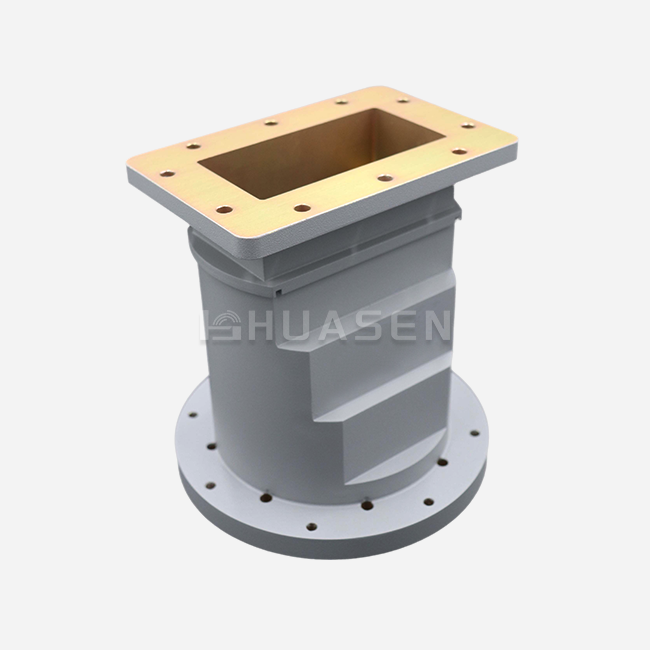
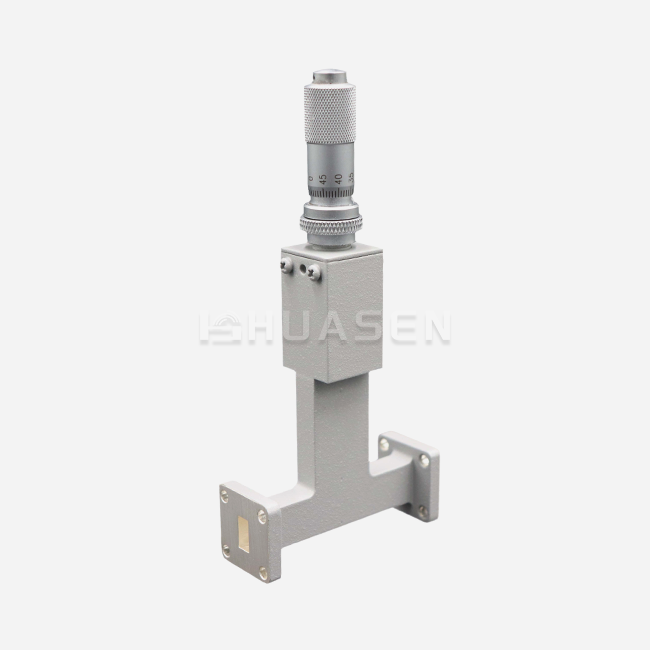
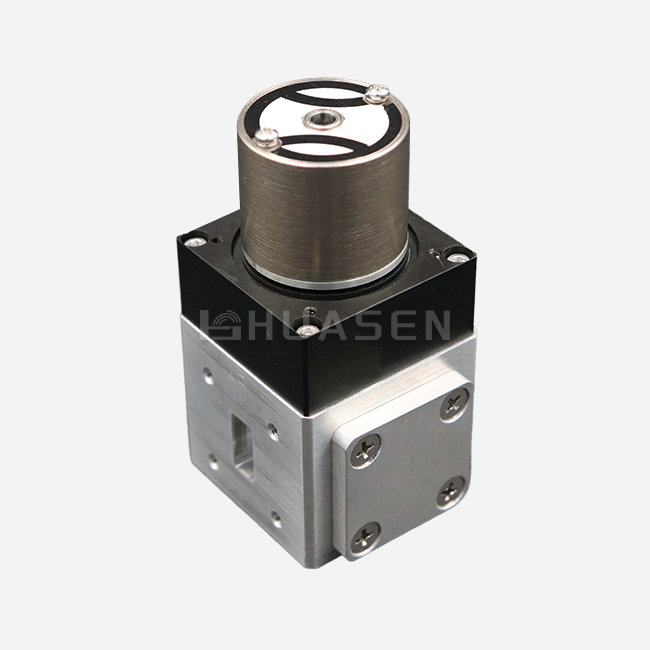
Adding waveguide to coax and end launch adapters is an important part of modern RF and microwave systems. An end launch waveguide to coaxial adapter is a precise interface that moves electromagnetic energy from rectangular waveguide structures working in TE10 mode to coaxial connectors working in TEM mode. It does this by using an inline geometry that works well in high-density settings where space is limited. This design makes it possible for signal transfer to happen without any problems between waveguide systems and standard 50-ohm coaxial architectures. This makes it an essential tool for use in defense, aerospace, and telecommunications.
Understanding Waveguide to Coax Integration with End-Launch Adapters
What Defines an End-Launch Configuration?
In the end launch configuration, the coaxial connector is mounted parallel to the waveguide's propagation axis instead of perpendicular to it. This makes it stand out. When right-angle transitions don't work with system layouts, this geometry solves real engineering problems. A probe or stepped transition mechanism is usually built into the back-short section of the internal structure. This makes a controlled impedance transformation. This method reduces the number of breaks that would otherwise cause reflections and lower the quality of the signal across the operating bandwidth.
Core Design Principles for Signal Integrity
To get reliable signal transmission through these adapters, you need to pay close attention to the electromagnetic boundary conditions. The change has to work with the fundamental mode conversion from the waveguide's field distribution to the radial configuration of the coaxial line. When engineers make these parts, they have to keep a lot of things in mind, like the depth of the probe, where it is placed in relation to the walls of the waveguide, and the shape of any matching sections that taper. If done right, this gives you broadband performance across the given frequency range with return loss better than 20 dB and insertion loss less than 0.5 dB.
Key Performance Parameters That Matter
One of the most important things to know about these adapters is their VSWR (Voltage Standing Wave Ratio). The impedance matching is very good if the VSWR is less than 1.3:1. This means that the most power can be transferred with the least amount of signal distortion. Insertion loss has a direct effect on how well a system works, especially in long transmission chains where losses build up from many transitions. Application suitability depends on the frequency range. For example, waveguide cross-sections need to be bigger for lower frequencies, while millimeter-wave applications need very tight manufacturing tolerances. Power handling ranges from a few watts for lab tests to hundreds of watts for radar transmission systems, depending on the type of connector and the materials used for the internal dielectric.
Application Scenarios Across Industries
A lot of satellite ground stations use these adapters because they make it possible for feed horns and receiver electronics to fit together in a small space. In phased array radar systems, which have thousands of parts that need space-efficient transitions, they are used in the aerospace industry. They are used in test labs to connect vector network analyzers to waveguide-based devices that are being tested. The inline design of these cables makes them less stressed during repeated measurements. These parts make it possible for mmWave base station designs in 5G infrastructure, where volumetric efficiency has a direct effect on performance and deployment costs.
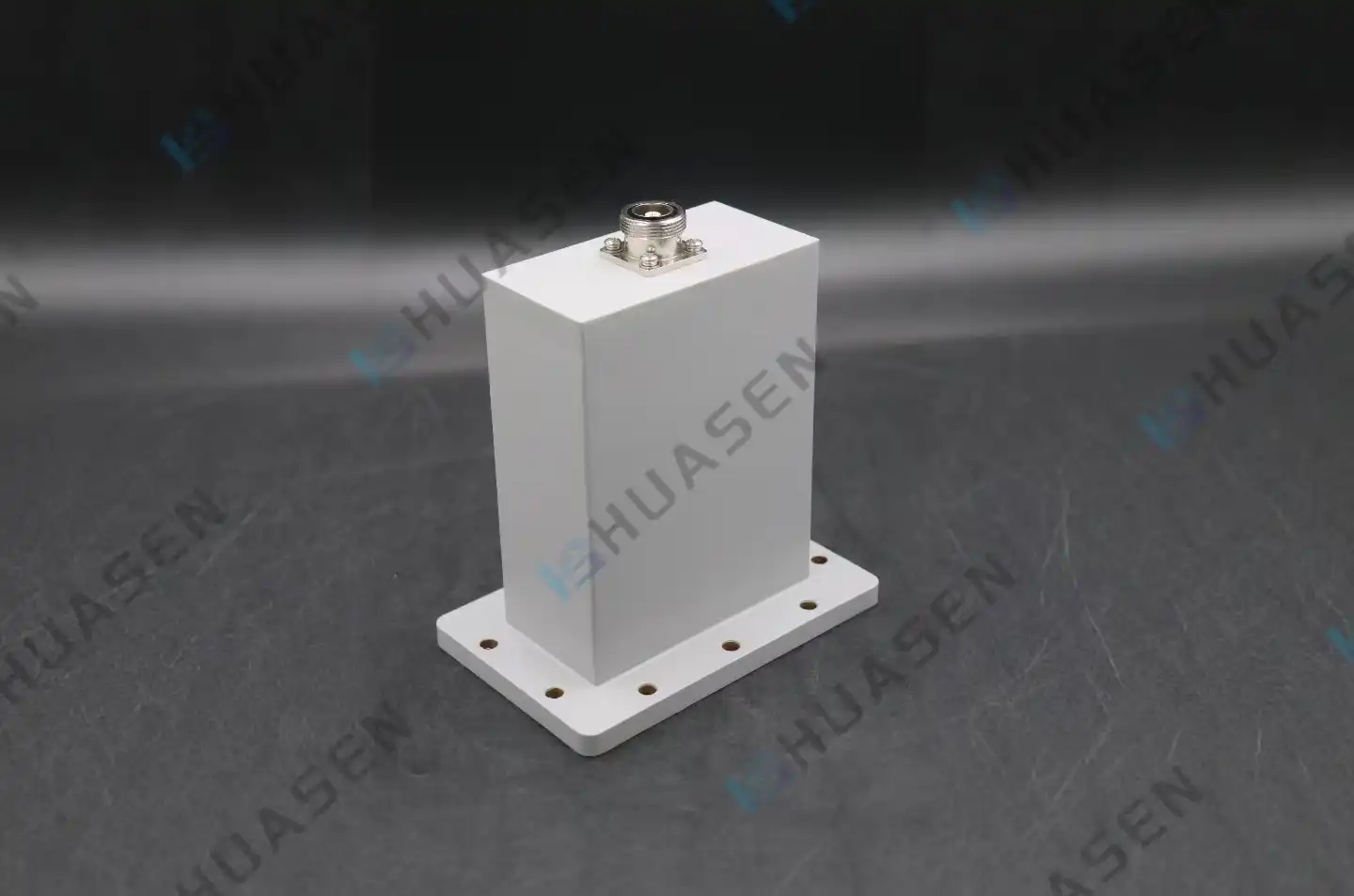
Technical Insights and Performance Benefits of Huasen Microwave End Launch Adapters
Comprehensive Frequency Coverage and Power Specifications
The End Launch Waveguide to Coaxial Adapters from Huasen Microwaves are very flexible because they can cover frequencies from 0.3 GHz to 110 GHz. System designers can use the same platform for all of their projects, from UHF communications to W-band radar, thanks to this incredibly wide range. Power handling specs range from 5 watts to 100 watts of average power, so they can work with both sensitive receiver front-ends and transmitter chains that don't need a lot of power. Organizations that manage a variety of RF systems can save time and money by not having to keep track of as many items and making fewer purchases.
Broadband is possible thanks to advanced internal matching networks that work the same way across octave-plus bandwidths. Probe-based transitions with carefully optimized positioning are used in lower frequency versions, while ridge waveguide sections in millimeter-wave models provide gradual impedance transformation. This way of engineering makes sure that VSWR stays below the limits set by the manufacturer throughout the operational range. This stops resonant peaks that could hurt system performance at important frequencies.
Material Selection and Surface Treatment Excellence
Both electrical performance and environmental durability are greatly affected by the composition of a material. Huasen makes these adapters from either oxygen-free copper or high-purity aluminum, depending on the needs of the application. Aluminum units are much lighter than other materials, which is important for platforms that fly and satellite payloads, where every gram counts when it comes to fuel efficiency or launch costs. Copper versions are better at conducting electricity, which lowers ohmic losses in high-power situations and raises thermal dissipation in situations where they are used continuously.
Surface treatments make parts last longer and improve their electrical properties. Anodization adds a protective oxide layer to aluminum bodies, which keeps them from rusting in outdoor and maritime settings where salt spray and humidity are always a threat. When it comes to microwave frequencies, silver plating lowers surface resistance, which directly lowers insertion loss. This is a benefit that builds on itself in systems with more than one stage. Gold plating is the best way to protect against corrosion while still allowing for good conductivity. This makes it worth the extra cost in mission-critical military and space applications where field replacement is either impossible or too expensive.
Compact Mechanical Design Advantages
The small mechanical interface design of Huasen's adapters takes on the challenges of modern system integration head-on. When using traditional right-angle configurations, clearance volumes that don't work with tightly packed electronic assemblies are common. The end-launch geometry lets parts be stacked in a straight line, which cuts the overall system footprint by 30 to 50 percent compared to other designs. This effective use of space is especially useful in rack-mounted test equipment, where standard panel heights limit the depth that can be used, and in phased array antennas, where the beam steering abilities depend on the element spacing.
Precision-machined flanges in the mounting provisions make sure that the alignment is always the same during installation and maintenance. Standard hardware can be used with threaded inserts, so there is no chance of damaging the soft aluminum threads during field service. The connector interface usually uses standard types, like SMA for frequencies up to 26.5 GHz, 2.92 mm for applications up to 40 GHz, and 1.85 mm or 1.0 mm connectors for millimeter-wave bands. This makes sure that the interface works with existing cable assemblies and measurement equipment without the need for custom interface solutions.
Choosing the Right End Launch Waveguide to Coaxial Adapter: A Procurement Guide
Selection Criteria Based on Application Requirements
Before you can choose the best adapter, you need to be clear on how your system works. The frequency range must be exactly right for your application. For example, using a WR-90 adapter (8.2-12.4 GHz) with a 5G n257 band system (26.5-29.5 GHz) is not a good idea, and no amount of optimization can fix it. Power handling needs to be carefully thought out; not specifying this parameter enough can damage connectors or cause dielectric breakdown during high-power testing or transmission. The level of protection that is needed depends on the environment. For example, instruments in a lab are put under a lot of different stresses than radar systems on ships, which are exposed to harsh temperatures, vibrations, and corrosive air.
Connector compatibility is more than just a mechanical fit. To stop higher-order modes from spreading in the coaxial section, the frequency rating of the connector must match or be higher than the upper operating limit of the adapter. VSWR and durability are both affected by pin depth and dielectric support structures. Premium connectors with beryllium copper center contacts keep their impedance stable over thousands of mating cycles, while cheaper versions may start to lose their effectiveness after only a few dozen connections. Buying higher-grade connectors for production test applications that connect and disconnect a lot will save you a lot of money in the long run because they last longer and cost less to replace.
Comparing Performance Across Market Options
There are different end-launch adapter implementations on the market, including coax waveguide, and each has its own pros and cons. Budget models might meet basic frequency and VSWR requirements, but they often skimp on bandwidth, which means they don't work as well near the edges of the band. Premium options, like Huasen's adapters, keep the response flat across the whole range that is specified. This gets rid of the problems that come up when trying to figure out why something is acting differently at different frequencies. In multi-stage systems, changes in insertion loss of only 0.2 to 0.3 dB per transition can add up to a lot, which could lower the signal-to-noise ratio below what is acceptable in sensitive receiver applications.
Manufacturing precision determines long-term reliability. When adapters are made with tight machining tolerances, they perform the same from one unit to the next and stay true to specifications even when temperatures change. Less expensive options might have parameter drift because thermal expansion changes important internal dimensions. For uses that need to be able to track and record performance, like in the defense and aerospace industries, trustworthy manufacturers offer serialized units with unique test data that support AS9100 and ISO 9001 quality management systems.
Sourcing Considerations and Supply Chain Reliability
Building partnerships with reputable end launch waveguide to coaxial adapter makers guarantees access to technical support for the whole lifecycle of the product. With 30 years of experience, Huasen Microwave has the engineering know-how to help customers deal with complicated specification requirements and make designs that are easy to implement. When you work directly with the manufacturer, you avoid the markups that distributors add on top of the prices of their products. You can also get customization services that change standard products to fit your system's needs, like changing the flange patterns, using different connector types, or adding frequency ranges that standard catalog items can't cover.
Lead times are very different depending on the complexity of the product and the number of orders. Items from the standard catalog that come in common waveguide sizes and connector types usually ship within two to four weeks. Custom configurations, on the other hand, may need six to eight weeks for engineering validation and production. When you buy in bulk, you save money because of volume discounts. For orders over fifty units, prices usually go down by 15 to 25 percent. The warranty terms show how confident the manufacturer is in their products.

Real-World Use Cases and Verification
Deployment in Microwave Testing Laboratories
These adapters are used by national standards laboratories and university research facilities to take accurate measurements that allow for the tracking of calibration. One well-known metrology institute put Huasen's end launch waveguide to coaxial adapters into their main waveguide standards lab and got measurement errors for figuring out the reflection coefficient to be less than 0.1 dB. The inline configuration made their automated test fixtures easier to use by getting rid of the complicated mechanical positioning systems that were needed for right-angle changes before. After 18 months of nonstop use, the adapters kept their stable performance with no drift, which supported the lab's ISO/IEC 17025 certification for measuring waveguide parameters.
5G Infrastructure Implementation
These adapters were chosen by a major maker of telecommunications equipment for their 28 GHz base station development program. Because of their small size, the transmit/receive modules could be packed closely behind the antenna arrays, which cut the overall volume of the radio unit by 40% compared to their previous generation design. Field tests in a wide range of climates, from the hot desert to the cold arctic, showed that the device worked reliably in temperatures ranging from -40°C to +85°C. The low insertion loss of the adapters directly led to better link budgets, which increased the effective cell radius and lowered the number of base stations needed to cover the area.
Radar System Integration
These parts were added by an aerospace contractor to a commercial aviation airborne weather radar system. The adapters' light aluminum construction and gold-plated surfaces kept them from being too heavy while also protecting them from corrosion in the humid conditions that are common in aircraft. The mechanical integrity was confirmed by tough qualification tests that included vibration profiles exceeding 15G RMS and thermal shock cycling. In five years of operational deployment across multiple aircraft, there were no field failures. This shows the reliability needed for safety-critical avionics applications.
Technical Documentation and Support Resources
Engineers need detailed specifications for system design, which can be found in comprehensive datasheets. These files have all the electrical information for a wide frequency range. They include VSWR plots that show how well the device actually works, insertion loss curves that show how much the connectors affect the signal, and data on how well the ports isolate each other. CAD integration is helped by mechanical drawings with dimensional tolerances, and environmental compatibility assessments are made possible by material certifications and surface treatment specifications. Users can get the most accurate measurements by following test procedures and recommended calibration practices.
Professional-grade suppliers are different from commodity vendors because they offer quick and helpful technical support, including for waveguide adapters. The engineering team at Huasen helps with questions that are specific to an application, gives advice on how to install things correctly, and helps with troubleshooting when system integration problems happen, such as those involving waveguide adapters. This knowledge comes in very handy when making prototypes because unexpected interactions between parts need to be fixed quickly to keep projects on schedule.
Conclusion
End launch waveguides to coaxial adapters are important parts of modern RF and microwave systems because they make signal transitions quickly and easily in applications with limited space. Huasen Microwave's implementations cover a wide range of frequencies, from 0.3 GHz to 110 GHz, and have strong mechanical designs that can handle harsh conditions. To make sure the system works at its best, the selection process needs to pay close attention to electrical specifications, power handling needs, and connector compatibility. The performance and dependability of these parts have been proven in the real world in the telecommunications, aerospace, and test instrumentation industries. When decisions about what to buy are based on documented performance, manufacturing quality, and full support, these adapters become long-term assets that help systems work well throughout the lifecycles of products.
FAQ
1. What frequency ranges do these adapters support?
The frequency range of Huasen's products is from 0.3 GHz to 110 GHz, and some models are perfectly matched to standard waveguide bands. Lower frequency units work with UHF and L-band systems, and millimeter-wave versions work with E-band and W-band systems. Each model works across the whole waveguide bandwidth, and performance doesn't drop off near the edges of the bands.
2. How do installation practices affect performance?
Proper installation requires adequate torque on flange fasteners—typically 15-20 inch-pounds for aluminum flanges—to ensure intimate metal-to-metal contact. When mating connectors, standard procedures are followed, and calibrated torque wrenches are used to avoid over-tightening, which can damage the center contacts. Depending on the conditions of the environment, sealing may need gaskets or sealants.
3. What determines power handling limitations?
The primary power limit for an end launch waveguide to coaxial adapter is set by the dielectric breakdown voltage and thermal dissipation capacity of the coaxial connector. Bigger connectors, like Type N, can handle more power than small SMA connectors. Internal probe structures also play a role, and cautious designs give extra space above the rated specifications to make sure the device works reliably even in the worst VSWR conditions.
Partner with Huasen Microwave for Superior Waveguide Solutions
System designers and procurement professionals seeking reliable end launch waveguide to coaxial adapter solutions will find that Huasen Microwave delivers an unmatched combination of performance, quality, and support. Our three-decade manufacturing heritage ensures every adapter meets rigorous specifications through validated production processes and comprehensive testing protocols. Whether you require standard catalog items for rapid deployment or customized solutions addressing unique system constraints, our engineering team stands ready to collaborate on designs that optimize your application.
Contact us at sales@huasenmicrowave.com to discuss your specific requirements with experienced application engineers who understand the technical challenges facing modern RF systems. Request detailed datasheets, mechanical drawings, and sample units for hands-on evaluation in your development environment. As a trusted End Launch Waveguide to Coaxial Adapter supplier serving telecommunications, aerospace, and defense sectors globally, we provide the technical excellence and supply chain reliability your projects demand. Discover how Huasen Microwave's commitment to quality and customer success can enhance your next-generation system design.
References
1. Pozar, David M. Microwave Engineering, 4th Edition. Wiley, 2011.
2. Rizzi, Peter A. Microwave Engineering: Passive Circuits. Prentice Hall, 1988.
3. Saad, Theodore S. Microwave Engineers' Handbook, Volume 1. Artech House, 1971.
4. Collin, Robert E. Foundations for Microwave Engineering, 2nd Edition. Wiley-IEEE Press, 2001.
5. Montgomery, C. G., Dicke, R. H., and Purcell, E. M. Principles of Microwave Circuits. MIT Radiation Laboratory Series, McGraw-Hill, 1948.
6. Matthaei, George L., Young, Leo, and Jones, E. M. T. Microwave Filters, Impedance-Matching Networks, and Coupling Structures. Artech House, 1980.
Send Inquiry