Waveguide to Microstrip Transition Basics Explained






2026-04-24 17:23:45
In RF and microwave systems, a waveguide to microstrip transition is an important electromechanical interface part that connects hollow metal waveguides to flat microstrip transmission lines. It changes the main TE₁₀ mode of rectangular waveguides into the quasi-TEM mode of microstrip circuits. It also matches the impedance of the waveguides, which are usually higher than 300 ohms, to the standard 50-ohm microstrip system. This important part fixes problems with impedance mismatch, lowers radiative losses, and allows high-power waveguide systems to be combined with small monolithic microwave integrated circuits (MMICs). This makes it a must-have for hybrid RF architectures.
Understanding Waveguide to Microstrip Transition: Principles and Applications
The main idea behind these changes is that energy needs to be able to move quickly between two very different transmission media. Electromagnetic waves move through a waveguide in a TE mode, where the electric and magnetic fields are not pointing in the same direction as the waves. To change this into a microstrip mode, careful design considerations must be made to keep the signal's integrity while reducing losses and reflections.
Electromagnetic Matching and Impedance Adaptation
Impedance matching is one of the most important parts of good transition design. The characteristic impedance of a waveguide changes with frequency and size, while microstrip circuits usually work at 50 ohms. To keep signal reflections from hurting system performance, engineers have to create transitions that slowly change impedance values. To make this change, we need to be very careful with the physical dimensions, the position of the probe, and the backshort distance. For millimeter-wave frequencies, these things need to be accurate to within ±0.01mm.
Common Design Architectures
Waveguide-to-microstrip transition architectures are mostly based on three main design architectures. Probe transitions use a conductive element that goes from the microstrip line into the waveguide cavity. This makes the process simple and inexpensive, and the bandwidths are around 25 to 30 percent. When you use tapered transitions, the dimensions change slowly, which gives you a wider range of frequencies that often go above 40% of the center frequency. For iris transitions, aperture coupling is used through a thin metallic sheet that separates the waveguide from the microstrip substrate. This provides great isolation and precise control over the coupling strength. Each architecture has its own trade-offs between power handling, insertion loss, bandwidth, and how easy it is to make.
Real-World Applications Across Industries
These changes are very important for satellite communication payloads that work in the Ku, Ka, and V bands. They connect high-power amplifiers to flat receiver modules in very cold (-55°C) and very hot (+125°C) environments. Automotive radar systems at 77GHz need these parts to connect horn antennas to MMIC chipsets. They need designs that can be mass-produced and have low loss for the best detection range. Radar systems that use Active Electronically Scanned Arrays (AESAs) use thousands of these transitions to link transmit/receive modules with radiating elements. They can handle high pulsed power without dielectric breakdown. A lot of the infrastructure for 5G and 6G is based on millimeter-wave backhaul systems. These transitions make it possible for signals to be sent quickly between base station parts.
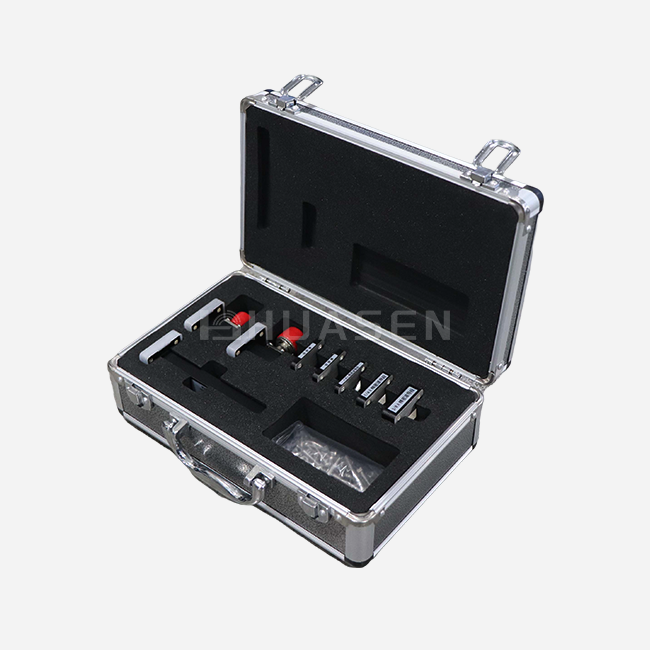
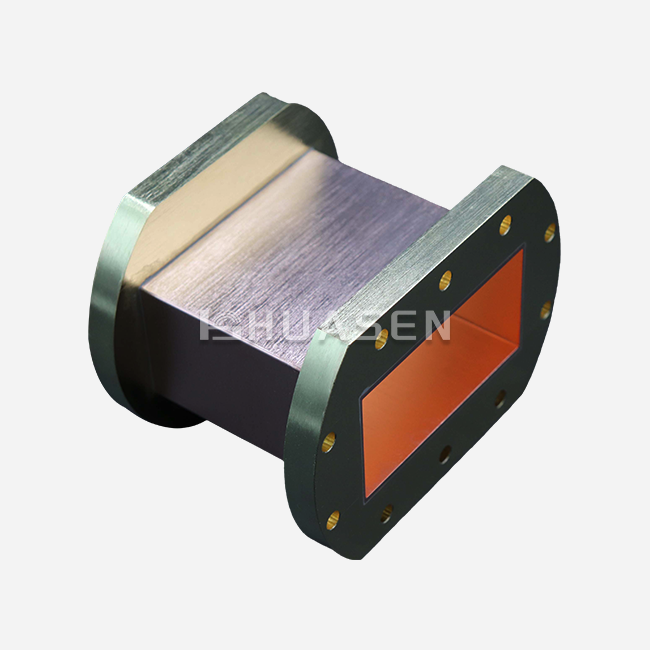
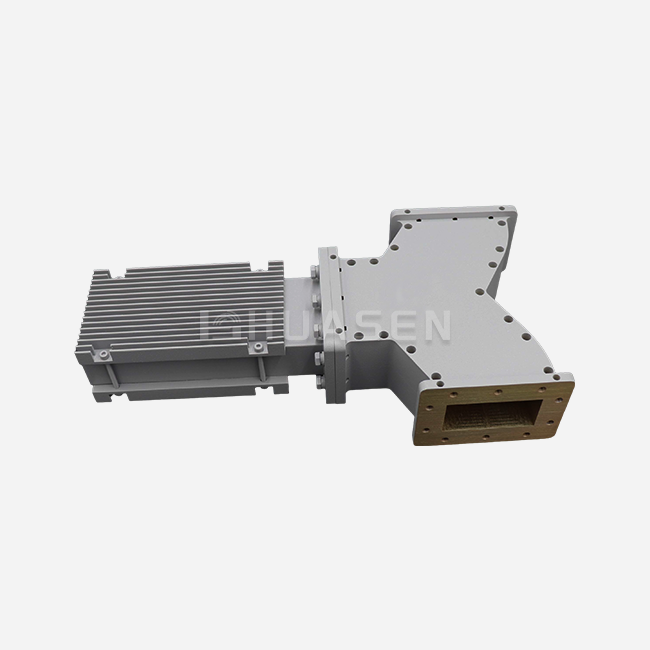
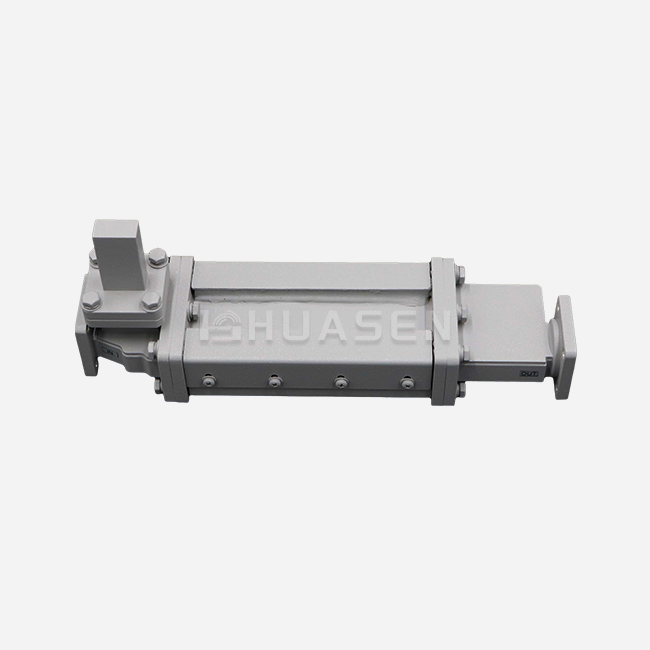
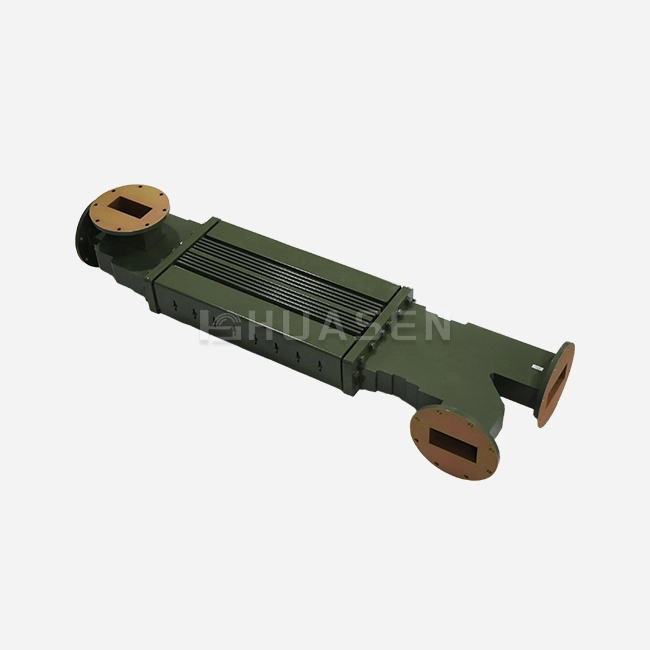
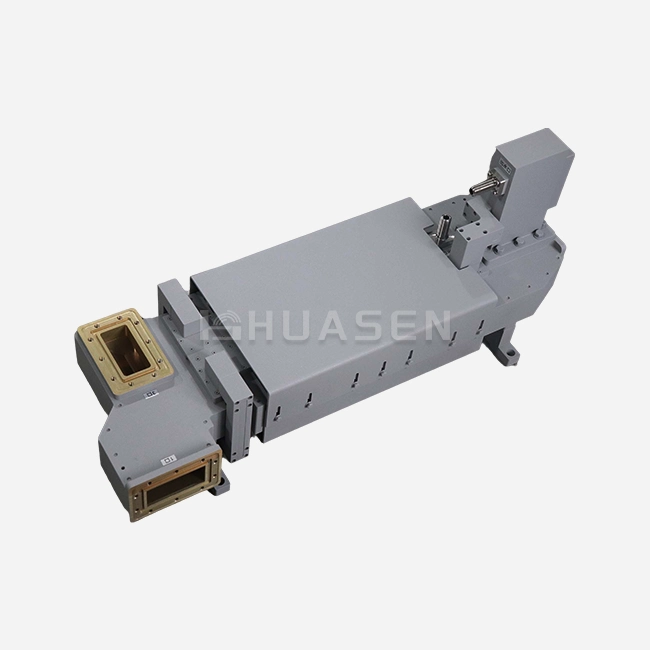
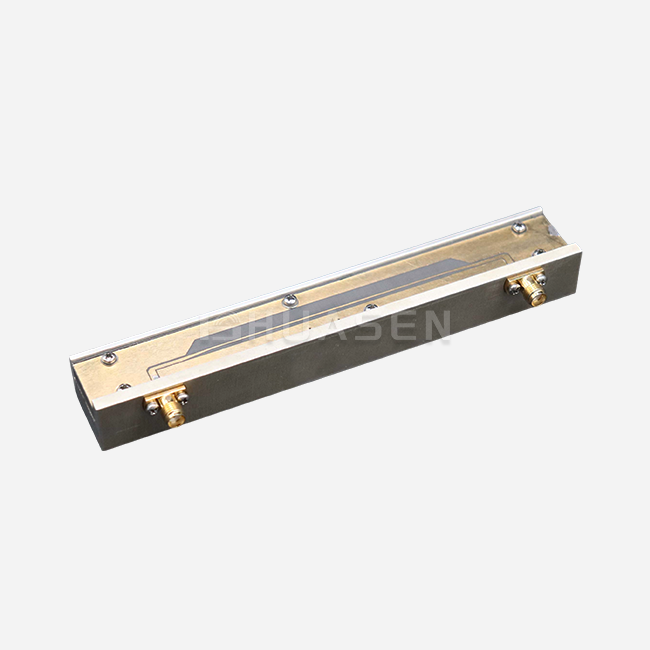
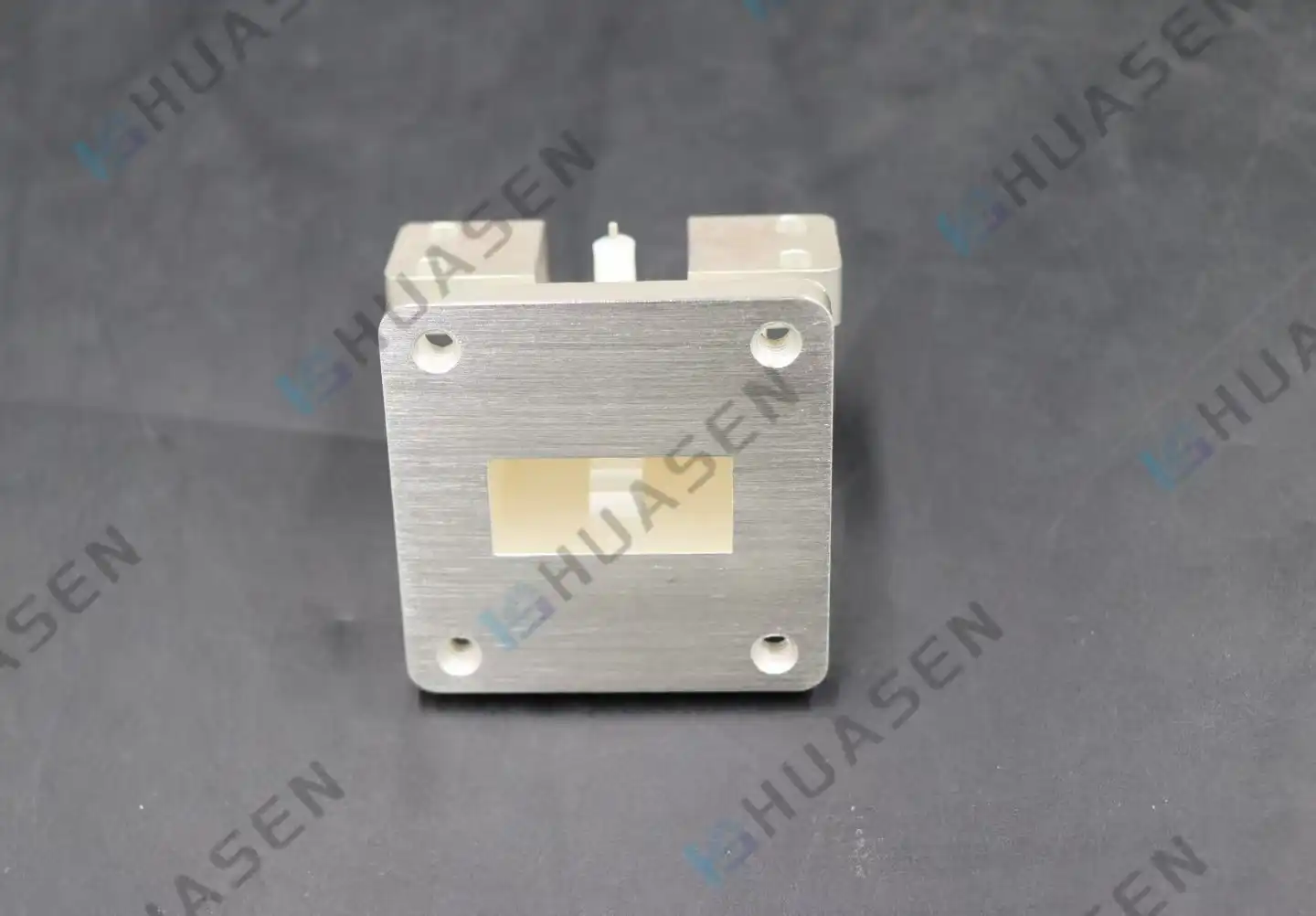
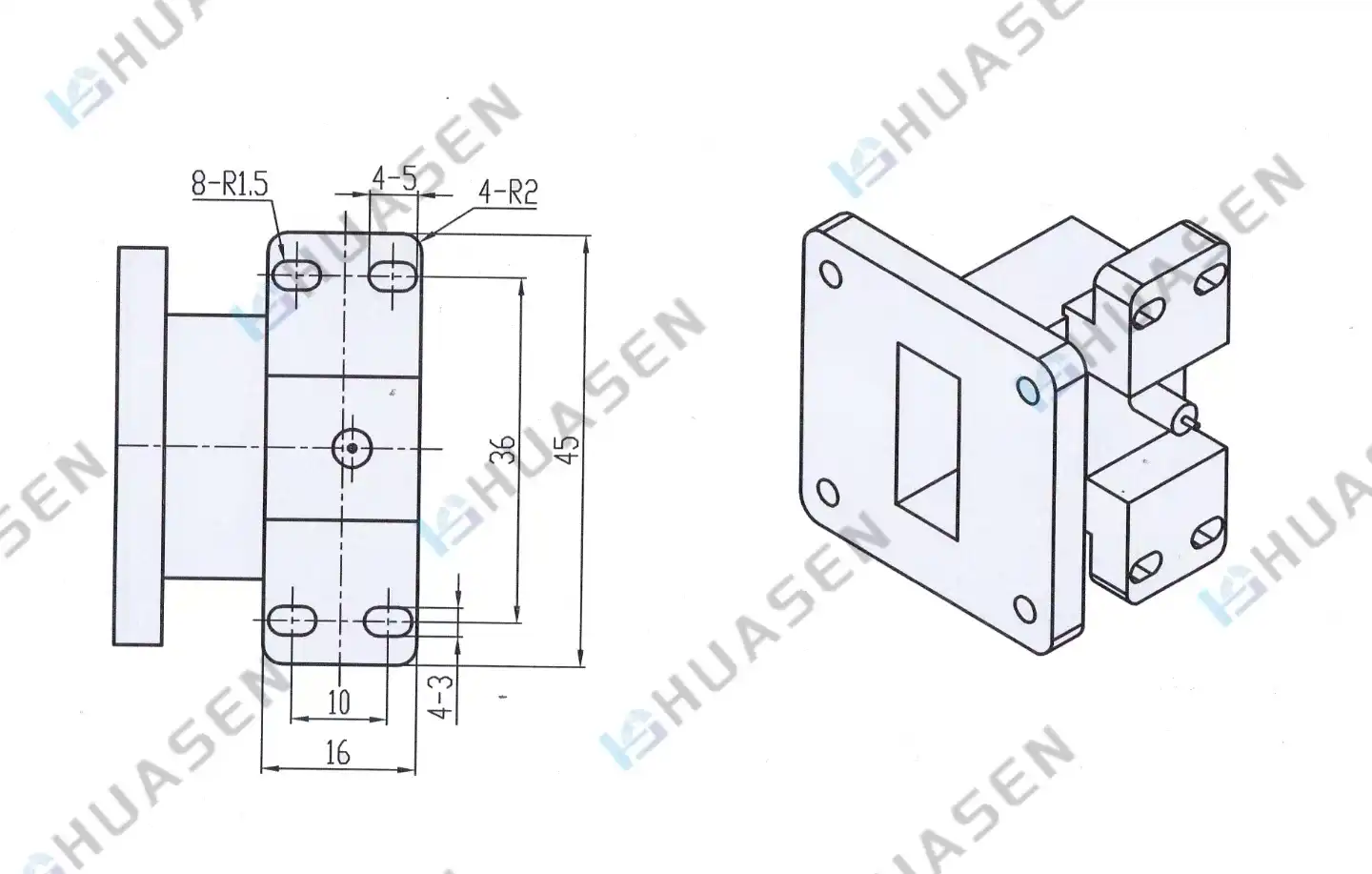
There are two different types of waveguide to microstrip transitions that Huasen Microwave offers: orthogonal (WMI) and terminated (WEMI). The company's design philosophy stresses choosing materials that are right for certain frequency ranges. For low-frequency uses, aluminum oxide substrates are very resistant to corrosion, while silver-plated copper construction is better at conducting electricity for high-frequency uses. With these transitions, you can get wide frequency coverage across multiple bands while keeping the packages small and light, which makes system integration easier.
Key Performance Factors and Common Challenges
To improve performance, you need to pay close attention to a number of parameters that are all affected by each other. For the waveguide to microstrip transition, frequency bandwidth tells you the range of frequencies that the transition can stay within while still performing well, which has a direct effect on how flexible the system is. Insertion loss measures how much the signal is weakened during the transition. In X-band applications, values are usually less than 0.25 dB per transition. If the return loss is more than 20 dB, it means that the impedance matching is good, which means that the VSWR is less than 1.3:1.
Frequency-Dependent Performance Characteristics
Operating frequency bands have a big effect on how well transitions work. X-band systems (8–12 GHz) usually have lower losses because they are bigger and don't have to meet as many strict manufacturing standards. It can be hard to find a good balance between size reduction and performance maintenance in Ku-band applications (12-18 GHz). When millimeter-wave frequencies go above 60 GHz, they need to be very precise. A misalignment of just 0.05 mm can lower return loss by 10 dB or more. The metal and dielectric composite structure in Huasen Microwave's waveguide to microstrip transition is very stable at high temperatures and doesn't easily break when they're hit by vibrations. This makes them good for use in a variety of environments and frequency ranges.
Manufacturing and Design Challenges
Several problems make the transition to production harder. At higher frequencies, manufacturing tolerances become more important because waveguide dimensions, probe insertion depth, and backshort positioning must all meet strict requirements. Software bugs can make simulations less accurate when trying to model complicated three-dimensional structures, especially where two different materials meet, and their dielectric properties change quickly. Thermal stresses from losing power or changing temperatures in the environment can change the size of a machine, which can change its operating frequency band. The probe-to-microstrip interconnect is the weakest part of the assembly because it can be damaged by mechanical stresses like vibration or shock loads.
Vector Network Analyzer testing finds these problems early on, showing S-parameters that don't match the specifications. Time-domain reflectometry finds the exact spots where impedance breaks happen, which checks the quality of the bond between probes and microstrip tracks. Coordinate measuring machines check the accuracy of the dimensions, and environmental stress screening shows how the product might fail in real-life situations.
Comparing Transition Types: Waveguide to Microstrip vs. Other Interfaces
To choose the best interface, you need to know how the different types of transitions meet the needs of your system. Waveguide-to-coaxial transitions are strong and offer good shielding, but they have more insertion loss and less bandwidth than microstrip transitions. Stripline transitions are better at blocking outside interference, but they require more complicated multilayer fabrication. Coplanar waveguide transitions make it easier to connect to planar circuits, but they lose the ability to handle power.
Performance Trade-offs Analysis
Comparing insertion loss shows important differences. Losses at the Waveguide to Microstrip Transitions are usually between 0.15 and 0.4 dB, but this depends on the frequency and the quality of the design. Because there are more connector interfaces and longer signal paths, coaxial interfaces often have more than 0.5 dB. When looking at bandwidth, we can see that regular probe transitions only cover 25 to 30 percent of the center frequency, but tapered or ridged designs cover 40 percent or more of the center frequency. Integration complexity varies a lot. Microstrip transitions allow direct mounting of MMICs and surface-mount components, which speeds up the assembly process compared to coaxial options that need extra support structures.
Cost plays a big role in procurement decisions. For applications with a moderate bandwidth, standard probe transitions are the most cost-effective choice. Broadband designs with taper or ridged waveguide structures cost more because they are more complicated to design and make to exact specifications. For custom transitions that have to work with certain mechanical limitations or unusual frequency bands, there is an engineering investment that is spread out over a number of production runs.
Application-Specific Selection Criteria
Power management and pulse performance are important to radar system designers. They like transitions with strong dielectric substrates like alumina or aluminum nitride that can handle peak power without arcing. Low insertion loss and wide bandwidth are important for telecommunication applications to get the best signal quality across multiple channels. For accurate measurements, lab test equipment needs very low return loss and phase stability. Adding microstrip circuits directly to Huasen Microwave's transition assemblies simplifies system architecture and lowers interconnect losses. This is especially helpful in applications with limited space, like unmanned aerial vehicles or small base station modules.
Procurement Considerations: Sourcing and Customization
Evaluating suppliers is the first step to successful sourcing. Well-known brands show they have a lot of experience with a lot of different frequency bands, with test data and customer references to back this up, including Waveguide to Microstrip Transition. Technical skills should include electromagnetic simulation with HFSS or CST tools, precise CNC machining with micron-level accuracy in dimensions, and plating methods that provide consistent electrical properties. Quality management systems that follow ISO 9001 guidelines give people confidence in the control and tracking of processes.
Balancing Standard and Custom Solutions
When standard frequency bands, connector types, and mechanical footprints match system needs, off-the-shelf Waveguide-to-microstrip transitions shorten deployment times and lower costs. Catalog items made by experienced companies go through a lot of testing, which lowers the technical risk. Custom designs are needed when standard products can't handle unusual frequency coverage, specific mounting configurations, or harsh environmental conditions. Lead times can be weeks to several months longer, depending on how complicated the customization process is. This is because of the collaborative design reviews, prototype fabrication, and qualification testing that are part of the process.
Huasen Microwave's small, light designs make installation easier in tight spaces that are common in spacecraft and aircraft. The wide frequency range coverage makes inventory management easier by cutting down on the number of part numbers that need to be different for each product line. High conductivity is ensured by silver-plated copper construction for demanding high-frequency applications. Corrosion resistance is provided by aluminum oxide substrates in maritime communication systems that are exposed to salt spray.
Quality Assurance and Standards Compliance
Industry standards should be used as references in procurement specifications to make sure that performance and dependability are always the same. MIL-DTL-3928 sets the standards for RF interfaces, such as their electrical performance and accuracy in measurements. In MIL-STD-883, environmental testing protocols are laid out to make sure that parts can withstand the temperature changes, vibrations, and shocks that are common in defense applications. More and more, commercial telecommunications are adopting these strict standards because they know how useful they are for making sure long-term reliability. Verification testing with vector network analyzers that have been calibrated gives objective performance data that shows the insertion loss, return loss, and phase characteristics over a certain frequency range.
The resilience of the supply chain should be carefully thought through. Dependencies on a single source make you vulnerable to capacity limits or quality changes. Dual-sourcing strategies lower risk, but they cost money to find qualified alternative suppliers. To manage lead times well, you need to know about production cycles, the time it takes to get materials, and any potential bottlenecks in specialized processes like precision machining or substrate fabrication. Strategic partnerships with manufacturers who can offer flexible production schedules and quick technical support give businesses an edge in markets that are always changing.
Best Practices and Future Trends in Waveguide to Microstrip Transitions
For the best implementation, electromagnetic simulations must be done in great detail during the design phase. Before making a physical prototype, advanced software tools can accurately model field distributions, find potential resonances, and guess S-parameters. Iteratively changing geometric parameters to meet performance goals is what simulation-driven optimization does. Testing a prototype confirms that the simulation was accurate and shows any modeling flaws. This helps improve both the design process and the simulation method.
Implementation Strategies Minimizing Losses
Physical installation needs care to keep the performance that was planned. It is very important to have a good grounding because gaps between the waveguide housing and microstrip substrate create leakage paths that make insertion loss worse and return loss worse. The right torque specifications for mounting hardware keep the metal from deforming and make sure that the electrical contact is reliable. Some things to think about when managing heat are ways to remove heat for high-power uses and making sure that different materials have the same coefficient of thermal expansion so that stress doesn't build up during temperature cycling.
The metal and dielectric composite structure used in the Huasen Microwave Waveguide to Microstrip Transition is very stable at high and low temperatures. It keeps up with performance requirements from -55°C to +125°C without losing its tune. Vibration resistance comes from a strong mechanical design that gets rid of weak bonds that can break from use. These qualities are very important for mobile communication systems on ships, planes, cars, and other machines that are constantly under mechanical stress.
Emerging Materials and Fabrication Innovations
Recent improvements in materials have made performance better. Low-temperature co-fired ceramic (LTCC) technology combines several dielectric layers with embedded conductors to make three-dimensional transition structures that take up less space. Additive manufacturing can make complex shapes that can't be made with traditional machining. This could lower costs while improving performance. Aluminum Nitride and other high-thermal-conductivity substrates get rid of heat more efficiently, which is important for next-generation radar and electronic warfare systems that need to handle more power.
Market Drivers and Strategic Positioning
As the number of 5G networks deployed grows, they need a lot of millimeter-wave parts, such as transitions that work in the 24-86 GHz bands. For thousands of user terminals, satellite mega-constellations need high-reliability transitions that are also cost-effective. As the Internet of Things grows, it opens the door for mass-produced transitions that serve sensor networks and wireless backhaul infrastructure. Purchasing managers who build relationships with companies like Huasen Microwave can take advantage of these growing markets. These companies have 30 years of experience and provide quick technical support. Flexible inventory strategies that balance readily available standard items with fast custom options can handle both large-scale production plans and quick prototyping needs.
Conclusion
In conclusion, waveguide to microstrip transitions are important parts that allow high-performance waveguide systems to connect with small planar circuits in radar, defense, aerospace, and communications. Procurement professionals can find the best solutions that meet technical needs while also staying within budget and time limits if they understand how they work, how well they perform, and the trade-offs that come with their designs. Companies that pay attention to quality control, the skills of their suppliers, and new technology trends will be able to meet changing system needs in an RF environment that is getting more complicated. Strategic partnerships with experienced manufacturers give businesses a competitive edge by letting them work together on technical issues, rely on reliable supply chains, and get access to new ideas that solve problems that will come up in the future.
FAQ
1. What makes a waveguide-to-microstrip transition have a high insertion loss?
There are three main reasons why insertion loss is usually high. When the quality of the plating drops, resistive losses happen. This makes the conductor more resistive, especially at higher frequencies where the skin depth is very thin. RF energy is turned into heat by dielectric losses in substrate materials. The overall efficiency is directly affected by the loss tangent values. When there are gaps or bad grounding between the waveguide housing and microstrip substrate, radiation leakage happens. This lets electromagnetic energy escape instead of efficiently moving between transmission media. These loss mechanisms can be kept to a minimum by carefully choosing materials, manufacturing precisely, and putting things together in a strict way.
2. How does frequency bandwidth affect design choices?
Most standard probe transitions provide a 25–30% fractional bandwidth that works for single-band applications. Ridged waveguide transitions or finline taper designs offer better impedance matching over wide frequency ranges, making them better for systems that need to cover full waveguide bands (40%+ bandwidth). Broader bandwidth usually means more complicated designs, tighter manufacturing tolerances, and higher costs. This is why application-specific bandwidth needs are an important thing to think about when buying something.
3. Can these transitions handle a lot of power?
The microstrip line and transition junction, not the waveguide itself, determine how much power can be handled. Peak power limits happen when the voltage in the dielectric substrate breaks down or when there is arcing (multipacing) at the probe location. By making the space around the probe as big as possible and choosing substrates with good thermal conductivity, like alumina or aluminum nitride, you can handle more power because they stop arcing and get rid of heat from losses more efficiently.
Partner with Huasen Microwave for Your RF Transition Needs
Huasen Microwave has been specializing in Waveguide to Microstrip Transition since 1993. Since then, they have helped system integrators, equipment manufacturers, and research institutions find reliable solutions. Our Orthogonal (WMI) and Terminated (WEMI) transition structures have been shown to work well over a wide frequency range. They come in small, light packages that are made for harsh environments. As a reputable Waveguide to Microstrip Transition manufacturer, we offer full technical support that is tailored to your needs. This includes design help, electromagnetic simulation, prototype development, and qualification testing. Get in touch with our engineering team at sales@huasenmicrowave.com to talk about how our temperature-stable and vibration-resistant transitions can help you design the best next RF system while still meeting strict deadlines and certification needs.
References
1. Pozar, David M. "Microwave Engineering, 4th Edition." John Wiley & Sons, 2011.
2. Balanis, Constantine A. "Advanced Engineering Electromagnetics, 2nd Edition." John Wiley & Sons, 2012.
3. Gupta, K.C., Garg, Ramesh, Bahl, Inder, and Bhartia, Prakash. "Microstrip Lines and Slotlines, 3rd Edition." Artech House, 2013.
4. Collin, Robert E. "Foundations for Microwave Engineering, 2nd Edition." IEEE Press, 2001.
5. Montgomery, C.G., Dicke, R.H., and Purcell, E.M. "Principles of Microwave Circuits." IET Electromagnetic Waves Series, 1948.
6. Rizzi, Peter A. "Microwave Engineering: Passive Circuits." Prentice Hall, 1988.
Send Inquiry