Waveguide Calibration Kit Solutions for Anechoic Chamber Testing






2026-04-23 21:55:20
In anechoic chambers used for testing radar systems, satellite communication payloads, or 5G millimeter-wave parts, accurate measurements depend on the calibration being done correctly. A waveguide calibration kit gives you the exact reference standards you need to get rid of systematic errors in vector network analyzers. This makes sure that measurements show the real performance of the devices being tested and not any errors caused by test equipment or connectors. These kits come with all 12 error-correcting parts you need to accurately characterize RF and microwave signals in controlled, reflection-free environments where signal integrity can't be compromised.
Understanding Waveguide Calibration Kits and Their Role in Anechoic Chamber Testing
To get accurate readings in anechoic chambers, you need tools that were made to work with the way waves propagate in waveguide systems. Waveguide structures carry signals in TE and TM modes, which means they need to be calibrated differently from coaxial environments, where TEM mode propagation is the norm.
What Makes Waveguide Calibration Essential
Anechoic chambers get rid of outside noise and multipath reflections, making them perfect for measuring antenna patterns, analyzing radar cross-sections, and characterizing parts. But the measurement chain itself makes mistakes because of things like source mismatch, directivity leakage, and tracking uncertainties in reflections. Calibration standards set known reference points that network analyzers can use to mathematically get rid of these systematic errors. This shows the device being tested's real S-parameters. Even small flaws in the connector or misaligned flanges can cause measurement errors that affect the whole test sequence if they are not properly calibrated. This is especially true at frequencies above 40 GHz, where exact dimensions are very important.
Primary Functions in Testing Environments
Engineers can use waveguide calibration kits to set up accurate reference planes at the measurement interface. This moves the calibration boundary from the analyzer ports to the device terminals. This feature is very important for describing high-power radar parts, low-noise amplifiers for satellite receivers, or passive filters for 5G backhaul systems. The kits work with a number of different calibration algorithms, such as the TRL, SOLT, and LRM methods. Each one is best for a specific type of measurement and frequency range.

Core Components and Working Principles of Waveguide Calibration Kits
Modern Waveguide Calibration Kit solutions use several carefully machined standards that work together to set limits on how accurate measurements can be. When procurement teams understand these parts, they can better compare technical specifications to application requirements.
Standard Calibration Elements
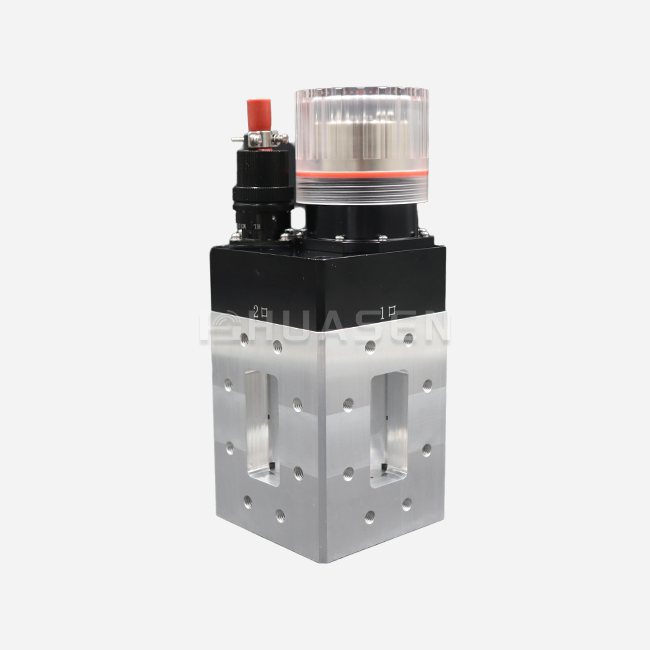
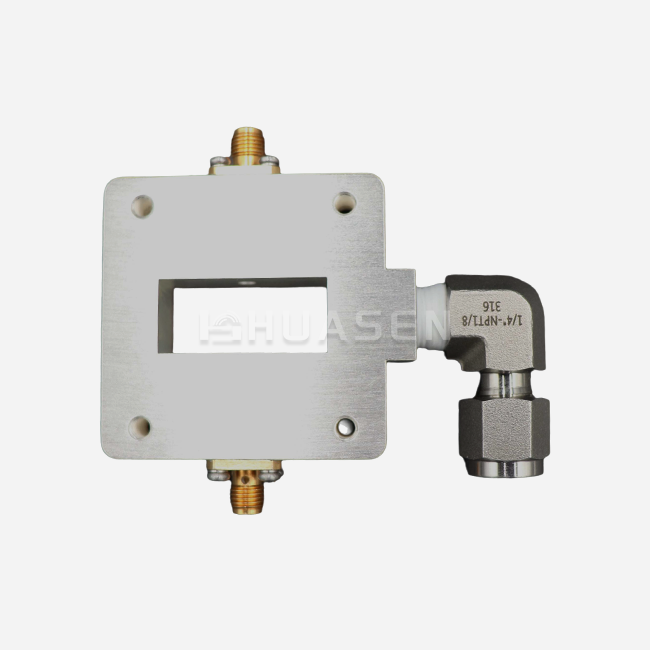
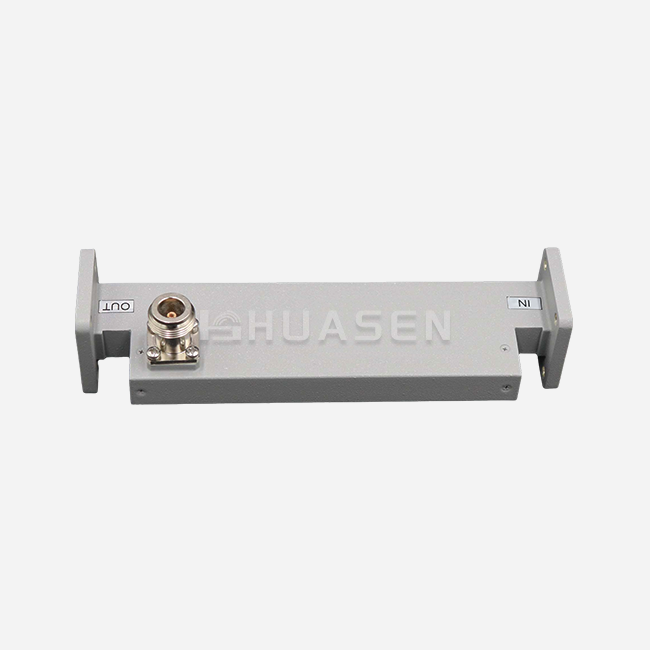
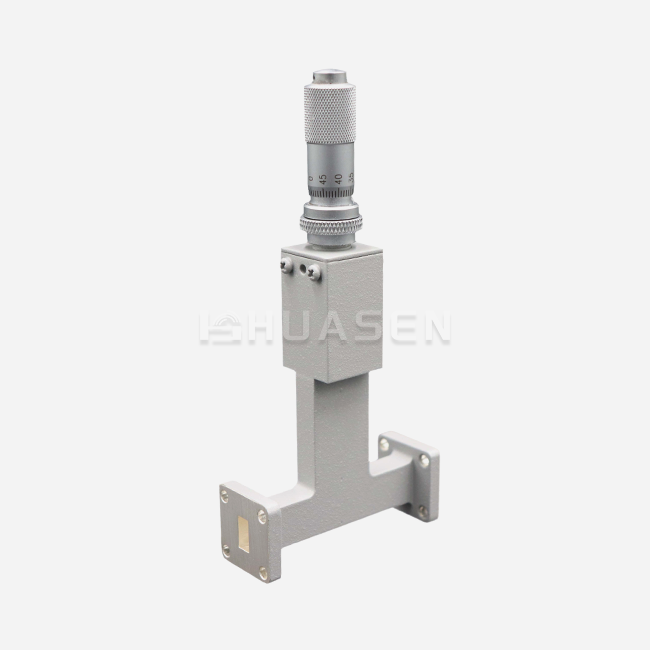
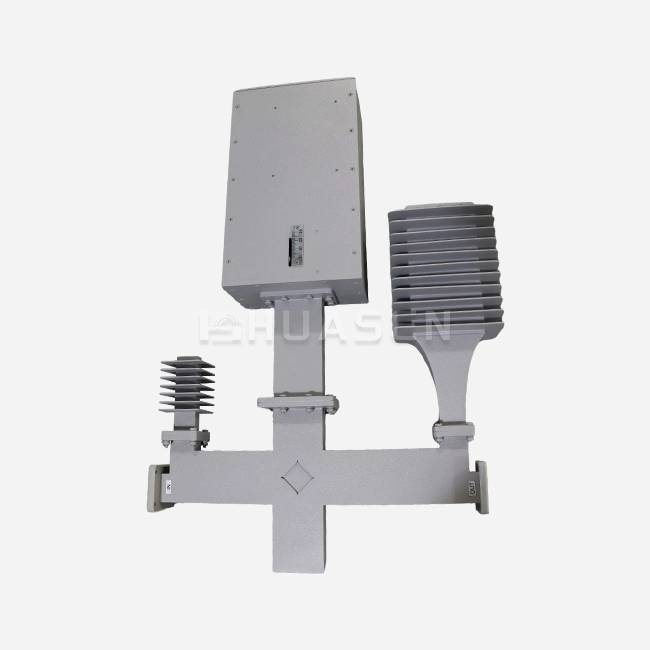
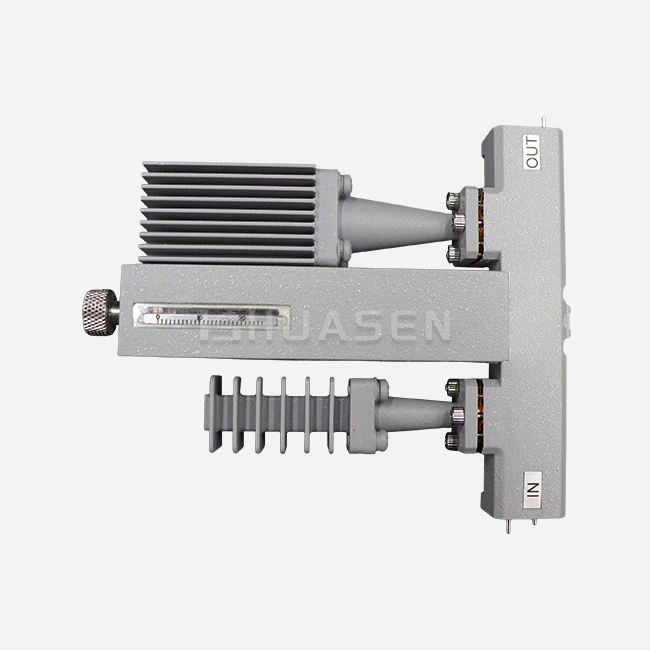
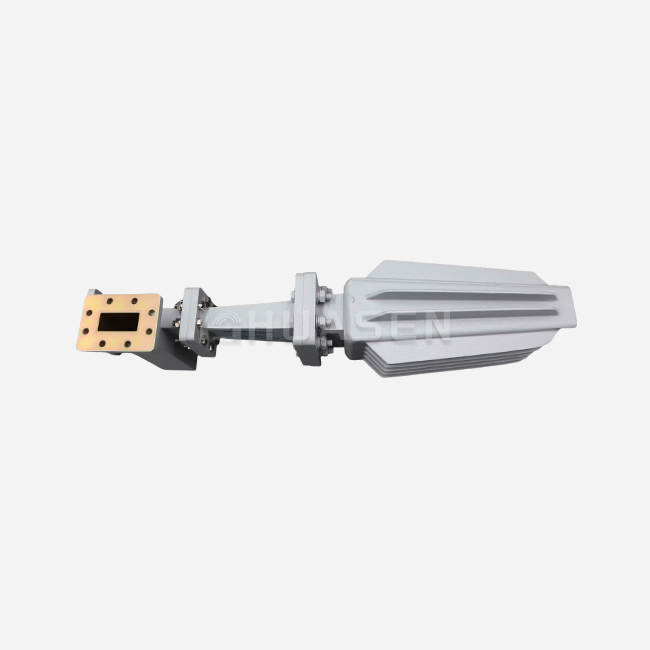
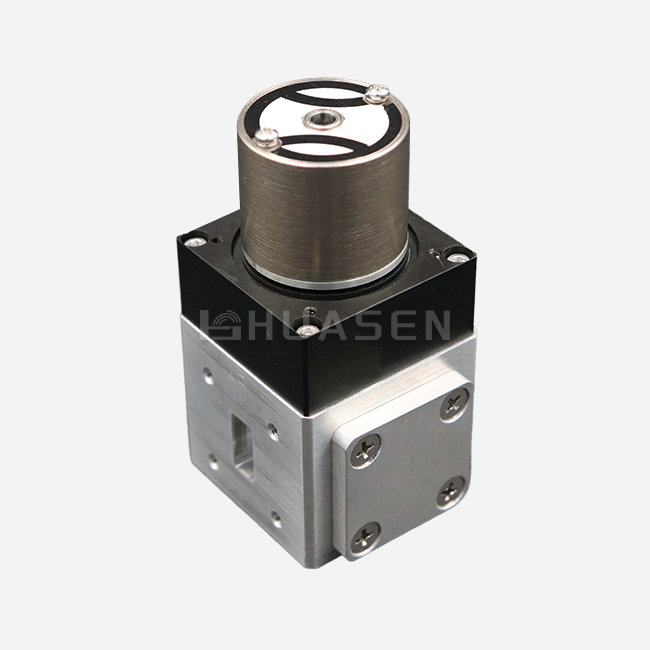
Each waveguide calibration kit has parts that have been carefully matched to show known electrical properties over certain frequency ranges. Different types of waveguide-to-coaxial adapters, called J and K, connect rectangular waveguide flanges to coaxial test ports. They keep the signal's integrity during transitions. Matching loads have VSWR values of 1.03 or higher, which means they provide almost perfect termination for measurements of reflection. Fixed short plates with VSWR greater than 60 dB make high-reflection standards that are needed to define error terms. To set phase-stable line standards for TRL calibration sequences, precise waveguide sections cut to exact quarter-wave, eighth-wave, and three-eighth-wave lengths are used.
At millimeter-wave frequencies, the way it is built is very important. Components have mating surfaces that are precisely ground, alignment pins that make sure accuracy within microns, and gold-plated contact areas that keep electrical connections strong over thousands of connection cycles. Standard kits come in protective aluminum cases with locking hardware that keeps them from getting damaged while they're being stored or transported.
Calibration Methodology Options
TRL calibration has become the best way to measure waveguides because it uses the mechanical accuracy of transmission line dimensions instead of electrical models of clumped parts. This method gives better accuracy above 50 GHz, where it's hard to describe component parasitics. For the method to work, a high-reflection standard, one or more delay lines with known electrical lengths, and a through connection must all be measured. These readings are used by network analyzers to figure out error terms for directivity, source match, reflection tracking, transmission tracking, and load match.
When broad frequency coverage is more important than perfect accuracy, SOLT calibration makes setup faster. To set up the error correction model for this method, short, open, load, and through standards are used, along with a waveguide calibration kit. SOLT is easier to use, but it needs accurate electrical models of the open and load standards, which can cause problems at the edges of the frequency bands. LRM calibration is a middle ground that uses line, reflect, and match standards to get measurement confidence that is good for a lot of different production test situations.
Maintenance and Accuracy Preservation
The accuracy of calibration decreases over time because of wear and tear on the connectors, contamination, and mechanical stress. Visual inspection protocols find issues like worn flange faces, broken alignment pins, or corrosion on plated surfaces before they get in the way of measurements. To get rid of any leftover oils or particles, connector interfaces need to be carefully cleaned with lint-free materials and approved solvents. When putting something together, the torque specs must be followed exactly. If you tighten too much, the flanges will break, and if you loosen too little, air gaps will form that let reflections happen.
Recalibration against NIST-traceable standards once a year keeps measurement traceability up to date and makes sure that standards stay within the parameters set. Applications that are used every day or that are in harsh environments may need to be checked more often to make sure they stay reliable.
How to Select the Best Waveguide Calibration Kit for Your Anechoic Chamber?
When choosing calibration equipment, you have to weigh the needs for technical performance against the available budget and operational deadlines. The choice will have an effect on measurement confidence for many years, affecting many projects and product generations.
Frequency Band Compatibility Assessment
WR-90 stands for X-band, WR-42 for Q-band, and WR-15 for V-band. These are all standard ways to name waveguide bands. Each band covers a certain range of frequencies that are set by the waveguide's size. The frequency bands of the devices being tested must match the waveguide calibration kits, and the kits must be able to perform the full range of tests that are needed. Some programs need to work from 26 GHz to 110 GHz, which means they need more than one waveguide calibration kit or broadband solutions that work with a range of waveguide sizes.
Adapters that go from one waveguide size to another add extra insertion loss and possible mismatch points. Instead of using adapter chains, which make errors worse, applications that need the lowest possible measurement uncertainty should use waveguide calibration kits that are specifically made for each waveguide band.
Network Analyzer Compatibility
Different manufacturers' vector network analyzers use different calibration algorithms and store calibration data in their own unique formats. There are coefficient files in waveguide calibration kits that describe the electrical properties of each standard in the set. These files need to work with the analyzer model that is being used. They are usually given in formats that work with Keysight PNA/ENA series, Anritsu VectorStar systems, Rohde & Schwarz ZVA analyzers, and other common platforms.
Universal kits come with coefficient files for a number of different analyzer platforms, which makes buying easier for labs with a mix of equipment. When you use special calibration algorithms or waveguide sizes that aren't standard, you need to make your own coefficients.
Precision Requirements and Budget Considerations
Measurement errors for insertion loss are less than 0.05 dB, and phase errors are less than 1 degree with metrology-grade waveguide calibration kits. These high-end solutions are used by research centers, standards labs, and companies that make high-reliability aerospace parts, where measurement accuracy has a direct effect on the safety and performance of the product. The higher level of accuracy comes at a high cost, and it often needs special storage conditions and ways to be handled.
In production test environments, specifications are usually a little less strict. Uncertainties around 0.15 dB can be accepted, and a lot of money can be saved. This practical approach strikes a balance between the need for measurement confidence and the cost realities of making a lot of things. By making deals with suppliers of waveguide calibration kits in bulk, you can save money on each kit while still making sure it works with multiple test stations. This makes maintenance and training easier.
Step-by-Step Guide: Using a Waveguide Calibration Kit in Anechoic Chambers
For calibration to be done correctly, the environment, the equipment, the waveguide calibration kit, and the steps must all be carefully planned and followed. Cutting corners hurts the accuracy of measurements and wastes time that could be used in the chamber.
Equipment Preparation and Environmental Control
Stabilizing the temperature has a big effect on how repeatable measurements are. Before starting the calibration process, network analyzers, calibration standards, and waveguide test cables should all reach thermal equilibrium with the anechoic chamber. Changes in temperature cause waveguide structures to lose or gain dimensions and electronic parts to drift, which causes phase errors that change during the measurement cycle. When moving equipment from a temperature-controlled storage area to a testing area, give it at least an hour to settle down.
It is important to keep an eye on the humidity level in the chamber because when water condenses on waveguide flanges, it causes short circuits that show up as unstable reflection measurements. Keeping the relative humidity below 50 percent stops condensation and prevents it from getting too dry, which can cause static electricity that can damage sensitive RF components.
Calibration Execution Process
First, look at all of the waveguide flanges to see if they are damaged, dirty, or worn. Use approved solvents and lint-free cloths to clean the mating surfaces and get rid of any oils or particles that are still there. Make sure that the alignment pins are fully in place and that the faces of the flanges touch each other evenly, with no gaps. Connect the first calibration standard to the test port on the network analyzer and apply torque according to the manufacturer's instructions. For standard waveguide flanges, this is usually 10 to 15 inch-pounds.
Validation and Documentation
By measuring parts with known properties, verification standards ensure the quality of the calibration. In the calibration bandwidth, insertion loss should be less than 0.1 dB, and return loss should be more than 40 dB for all through-connections. Values that are different from what was expected could be caused by calibration errors that need to be looked into. Common problems are connections that are too loose, flanges that are worn out, or choosing the wrong standard during the calibration sequence. Documentation practices help quality management systems work and keep records of what happened. Write down the date of calibration, the analyzer's serial number, the name of the Waveguide Calibration Kit, the air temperature and humidity, and any measurements that need to be checked. This information lets us look at trends that find equipment that is breaking down before it fails, and it also creates audit trails that are needed by aerospace and defense quality standards.

Procurement Insights: How to Buy Waveguide Calibration Kits Efficiently?
Strategic decisions about what to buy include more than just the initial purchase price. They also take into account the total cost of ownership, how reliable the supplier is, and how long they can provide technical support.
Supplier Selection Criteria
Manufacturers that have been around for a long time and have a lot of experience with metrology back up their waveguide calibration kits with a lot of technical information, certificates that can be tracked, and mechanical reliability that has been proven. Companies like Keysight Technologies, Anritsu, and Maury Microwave keep large product lines that cover standard waveguide bands with known measurement errors. These groups offer coefficient files for a number of different network analyzer platforms and recalibration services that keep NIST traceability up to date throughout the lifecycle of the equipment.
Customization and Volume Purchasing
Standard catalog items work well for most uses, but for unique situations, custom solutions are needed. During the procurement phase, engineering advice is needed for things like wider frequency coverage, non-standard flange types, or higher precision requirements. Before delivering, manufacturers check to see if the technology is technically possible, make custom coefficient files, and test the performance in the factory. Custom projects usually add 6 to 12 weeks to standard delivery times, but they give you options that off-the-shelf products don't have. Volume purchasing agreements help businesses that run more than one test facility or run regular programs that need the same measurement equipment over and over again. Negotiated pricing lowers unit costs by 15 to 30 percent compared to buying one at a time, and it makes sure that all delivered units have the same specifications. Consolidated procurement makes it easier to keep track of inventory, make training requirements consistent, and make it easier to plan maintenance.
Technical Support and Service Agreements
To keep working as expected, calibration equipment needs to be serviced and recalibrated on a regular basis. Supplier service agreements include recalibration every year against NIST-traceable standards, the ability to fix damage, and first-class technical support for measurement problems. These programs lower operational risk by making sure that measurement tools are always available when they are needed. This is especially helpful in production settings where downtime has a direct effect on revenue. Responding to technical support needs is very important during the program startup phases, when engineers run into new measurement problems or test results that they didn't expect. Application engineering consulting services from suppliers can help with calibration problems, making measurement procedures more accurate, and figuring out what complicated S-parameter data means, including the use of a waveguide calibration kit. This knowledge speeds up the execution of programs and builds measurement confidence that can stand up to customer scrutiny.
Conclusion
In anechoic chambers, waveguide calibration kit solutions are the building blocks for accurate RF and microwave measurements. These precise instrument sets get rid of systematic errors that would otherwise make it hard to describe a device. This lets you make decisions about component performance and system integration with confidence. To choose the right calibration equipment, you need to carefully consider the frequency needs, the network analyzer's compatibility, the precision requirements, and the supplier's abilities. When companies spend money on good calibration solutions and follow strict calibration rules, they get accurate measurements that work for the most difficult aerospace, defense, and telecommunications uses. This also makes long-term testing more efficient.
FAQ
1. What is the practical difference between TRL and SOLT calibration methods?
When it comes to millimeter-wave frequencies, TRL calibration is more accurate because it relies on the mechanical accuracy of transmission line dimensions instead of electrical models of clumped components. This method gets rid of the uncertainties that come with describing parasitics in open and low standards. Because SOLT calibration works faster and covers more frequencies in a single cycle, it is better for production testing where setup time is more important than the accuracy of the measurements.
2. How often should waveguide calibration kits undergo recalibration?
Standards in the industry say that calibration should be done once a year against NIST-traceable references. Applications that are used every day, are exposed to harsh environments, or use high-stakes measurements, may need to be checked every six months. Visual inspection protocols find mechanical wear that needs to be fixed right away, no matter how long it's been since the last service cycle.
3. Can calibration kits from different manufacturers be used with any network analyzer?
Most waveguide calibration kits come with coefficient files that can be used with common network analyzers. But the electrical properties of calibration standards from different manufacturers are different, so you need specific coefficient data to figure out the error term correctly. When you mix parts from different calibration kits without checking the coefficients first, measurement errors happen, which defeats the point of precision calibration.
Enhance Your RF Measurement Accuracy with Huasen Microwave
Huasen Microwave has been making precise waveguide components for more than 30 years and provides calibration services that are trusted by top aerospace, defense, and telecommunications companies around the world. Our Waveguide Calibration Kit supplier portfolio includes both standard configurations that cover a lot of ground and custom solutions that are made to fit your frequency bands and network analyzer platforms. Each kit goes through strict testing at the factory and comes with NIST-traceable calibration certificates, so you can be sure of the accuracy of your measurements from the very first connection. Contact our technical experts at sales@huasenmicrowave.com to talk about your anechoic chamber testing needs, look into your customization options, and get competitive quotes for large purchases with fast delivery times that keep your programs on track.
References
1. Rytting, D. K., "Network Analyzer Error Models and Calibration Methods," Microwave Measurement Symposium, 1996.
2. Williams, D. F., "Accuracy of the TRL Calibration," IEEE Transactions on Microwave Theory and Techniques, 1995.
3. Ballo, D., "Waveguide Calibration Techniques at Millimeter-Wave Frequencies," Application Note Series, Rohde & Schwarz, 2018.
4. Dunsmore, J. P., "Handbook of Microwave Component Measurements," John Wiley & Sons, 2012.
5. IEEE Standard 287-2007, "Precision Coaxial Connectors at RF, Microwave, and Millimeter-Wave Frequencies," Institute of Electrical and Electronics Engineers, 2007.
6. NIST Technical Note 1297, "Guidelines for Evaluating and Expressing the Uncertainty of NIST Measurement Results," National Institute of Standards and Technology, 1994.
Send Inquiry