Home / Blog
Blog
0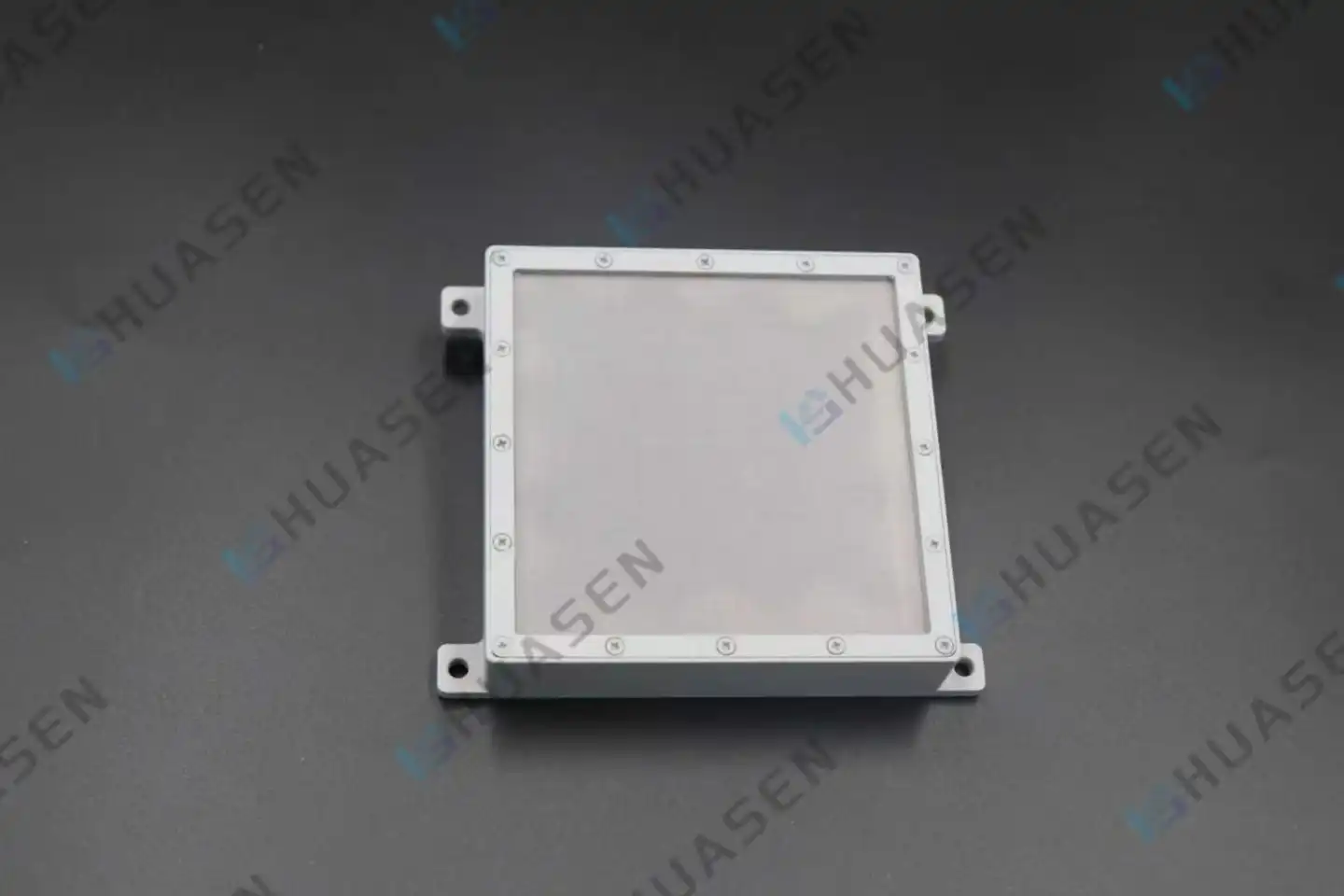
Microstrip Antenna CP Design and Feed Techniques
Microstrip antenna CP design and feed techniques are important engineering methods for making planar antenna systems send out circularly polarized radiation. Right-Hand Circular Polarization (RHCP) or Left-Hand Circular Polarization (LHCP) is the term used to describe the electromagnetic waves produced by a circularly polarized microstrip antenna. When two orthogonal modes inside the patch element work with the same amplitude and a precise 90-degree phase difference, this rotation takes place. The technology solves some big problems in the industry, like the problems of polarization mismatch losses and multipath fading that happen with linear antenna systems in tricky places like cities and satellite links. Engineers working on the next generation of communication systems need to know how feed network design, patch geometry, and polarization purity are related.VIEW MORE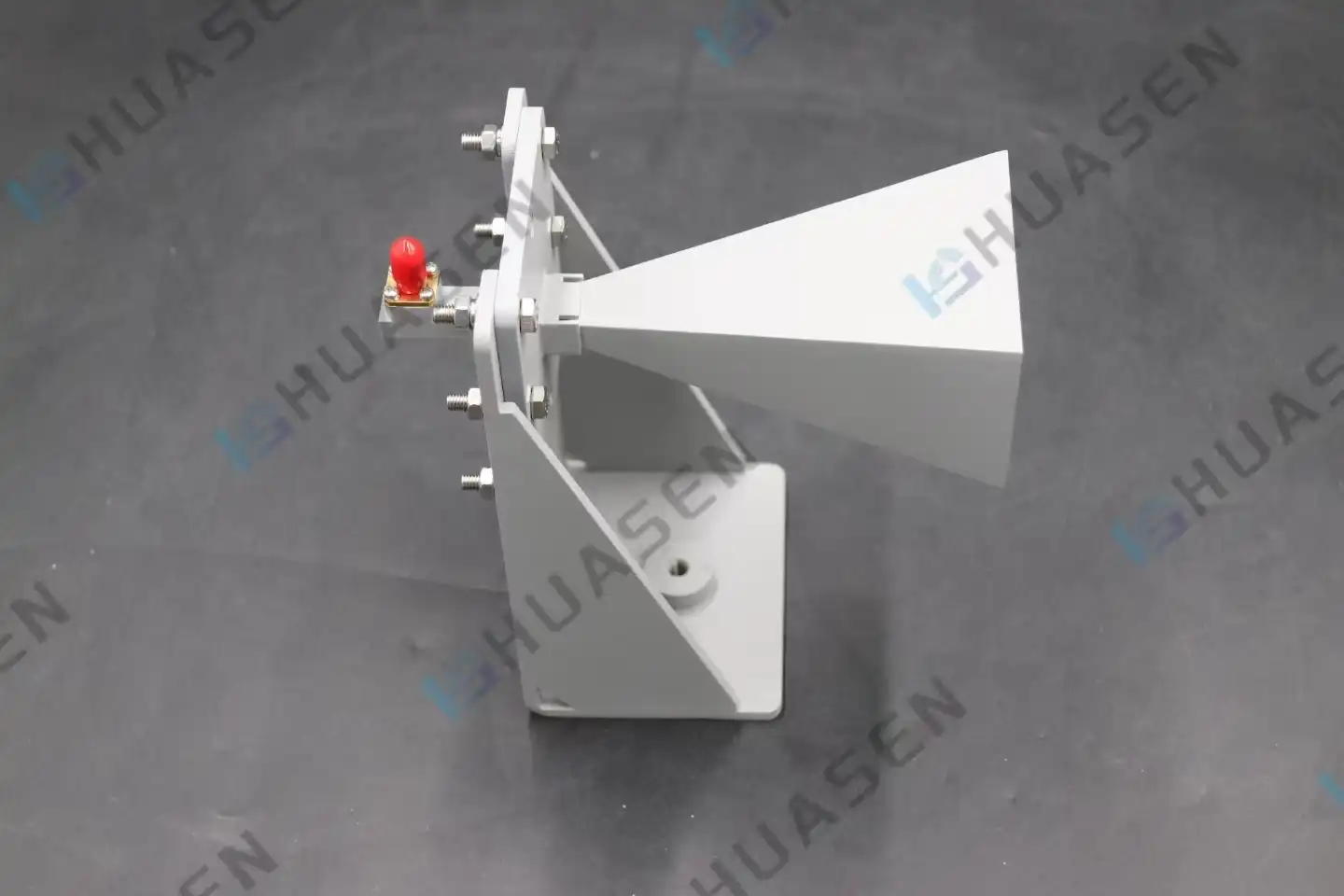
How standard gain horn antenna Achieves Accurate Calibration
Standard gain horn antennas can be accurately calibrated because their design is based on physics, and their radiation characteristics are always the same. In contrast to broadband test antennas, these precise instruments have geometrically calculated dimensions that make theoretical gain curves that match measurements. Because they have stable radiation patterns, few sidelobes, and linear polarization, they are essential reference standards for RF measurement labs. They help engineers set up traceability chains and get rid of uncertainty in antenna gain transfer methods, chamber calibrations, and field strength verification procedures.VIEW MORE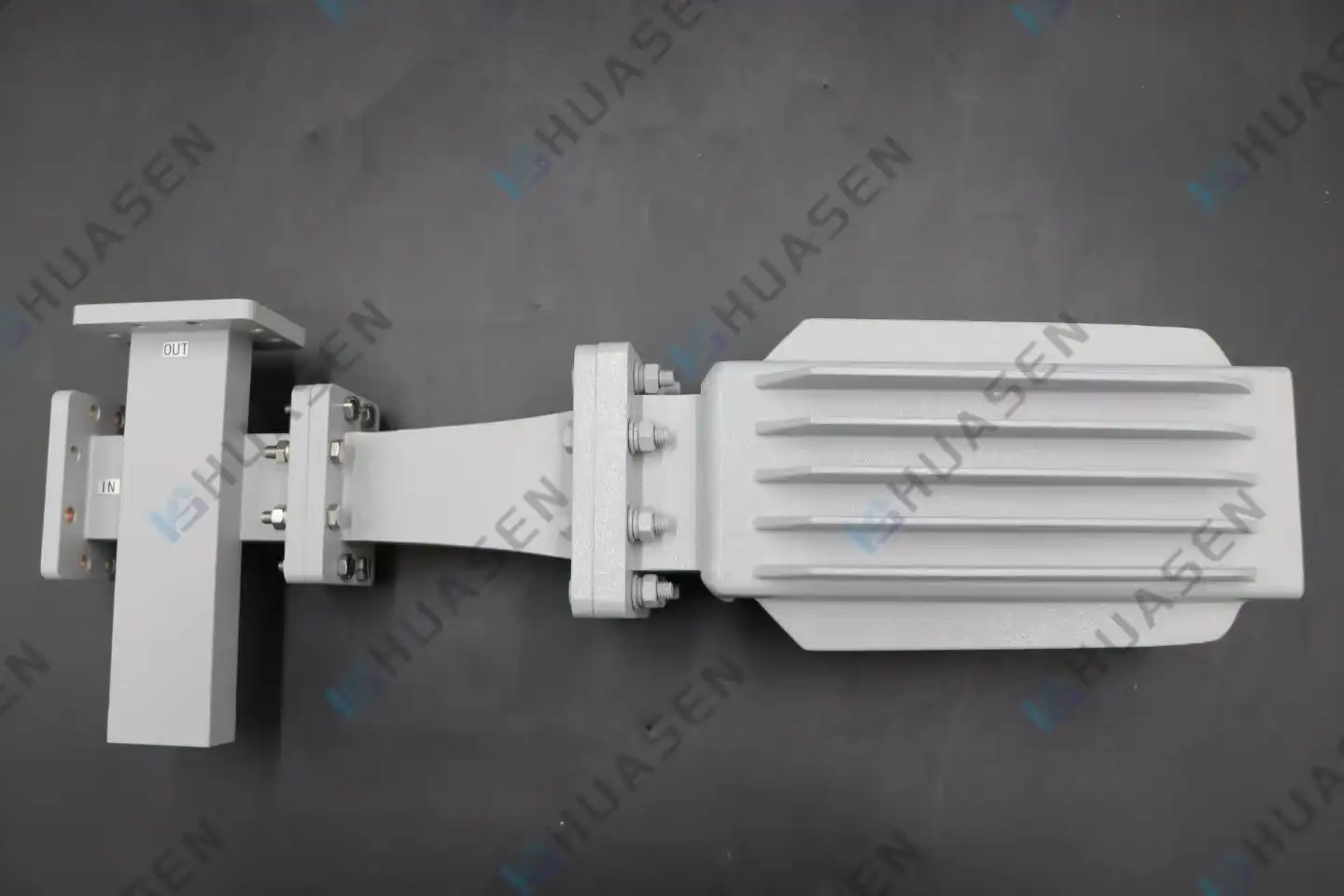
Coupled Fixed Waveguide Attenuator Working Principle
A coupled fixed waveguide attenuator is a precision passive microwave component designed to reduce electromagnetic signal amplitude by a predetermined, unchangeable magnitude measured in decibels. Unlike variable designs, this device employs a static dissipative element or directional coupling mechanism with matched loads to absorb RF energy and convert it into heat. The coupling method uses high-directionality couplers that sample signals through carefully positioned ports, maintaining predictable attenuation levels across wide frequency bands while ensuring excellent impedance matching throughout the signal path. Waveguide attenuation devices play a vital role in protecting sensitive receiver components from high-power transmitters, managing link budgets in phased array systems, and simulating path loss conditions during laboratory testing. Understanding how these components work empowers procurement teams and RF engineers to select devices that meet stringent performance requirements in telecommunications infrastructure, radar installations, satellite ground stations, and aerospace applications.VIEW MORE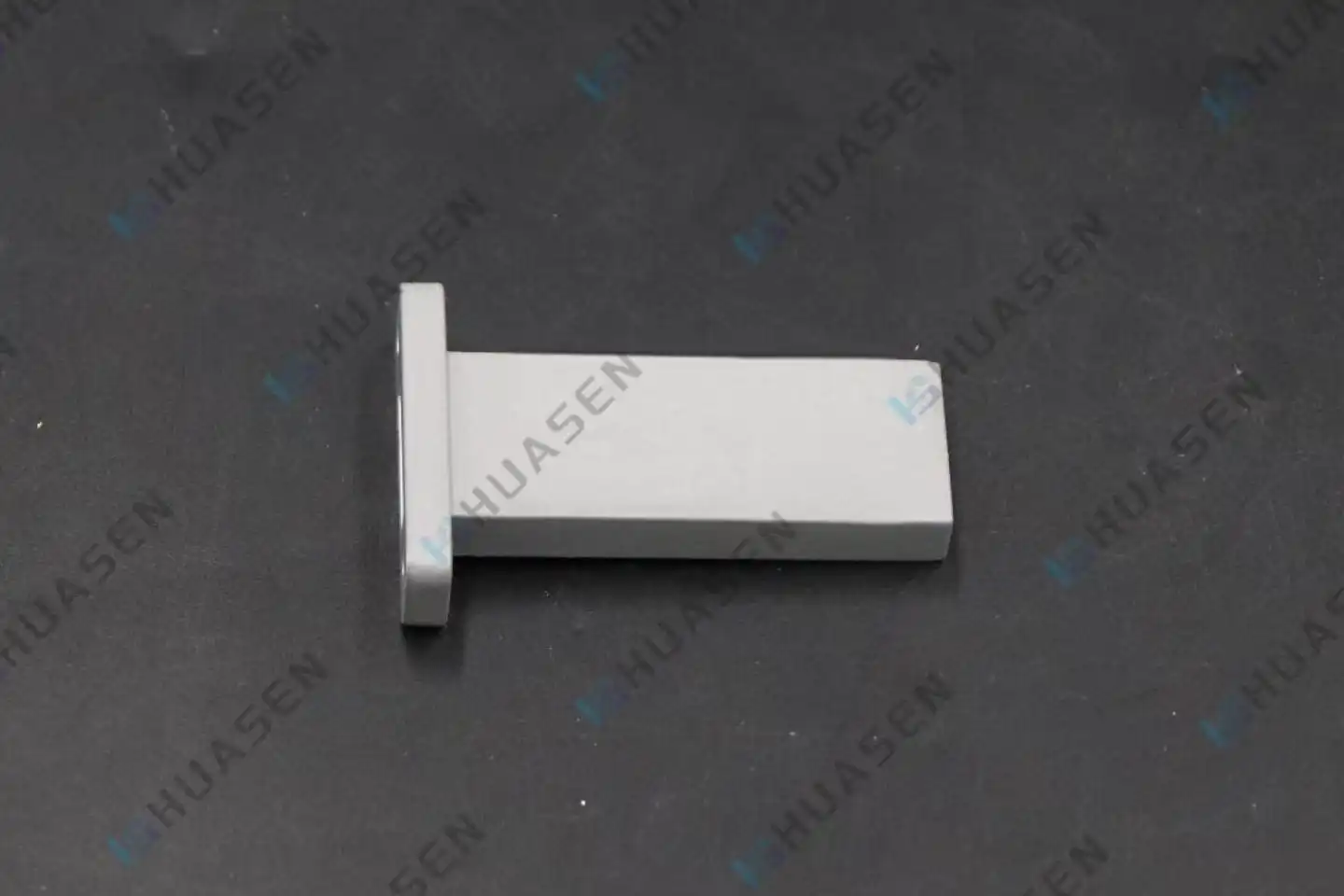
Waveguide Matching Load for Broadband Systems
A waveguide matching load is an important passive microwave part that ends waveguide transmission lines by absorbing electromagnetic energy with little reflection. These carefully made gadgets solve important problems in broadband systems, like signal reflection, impedance mismatch, and safely getting rid of extra RF power while testing. Waveguide loads, unlike coaxial terminators, work well in high-power settings with frequencies from 0.32 to 330 GHz. This makes them essential for radar systems, satellite communications, and precise test equipment that can't risk signal integrity.VIEW MORE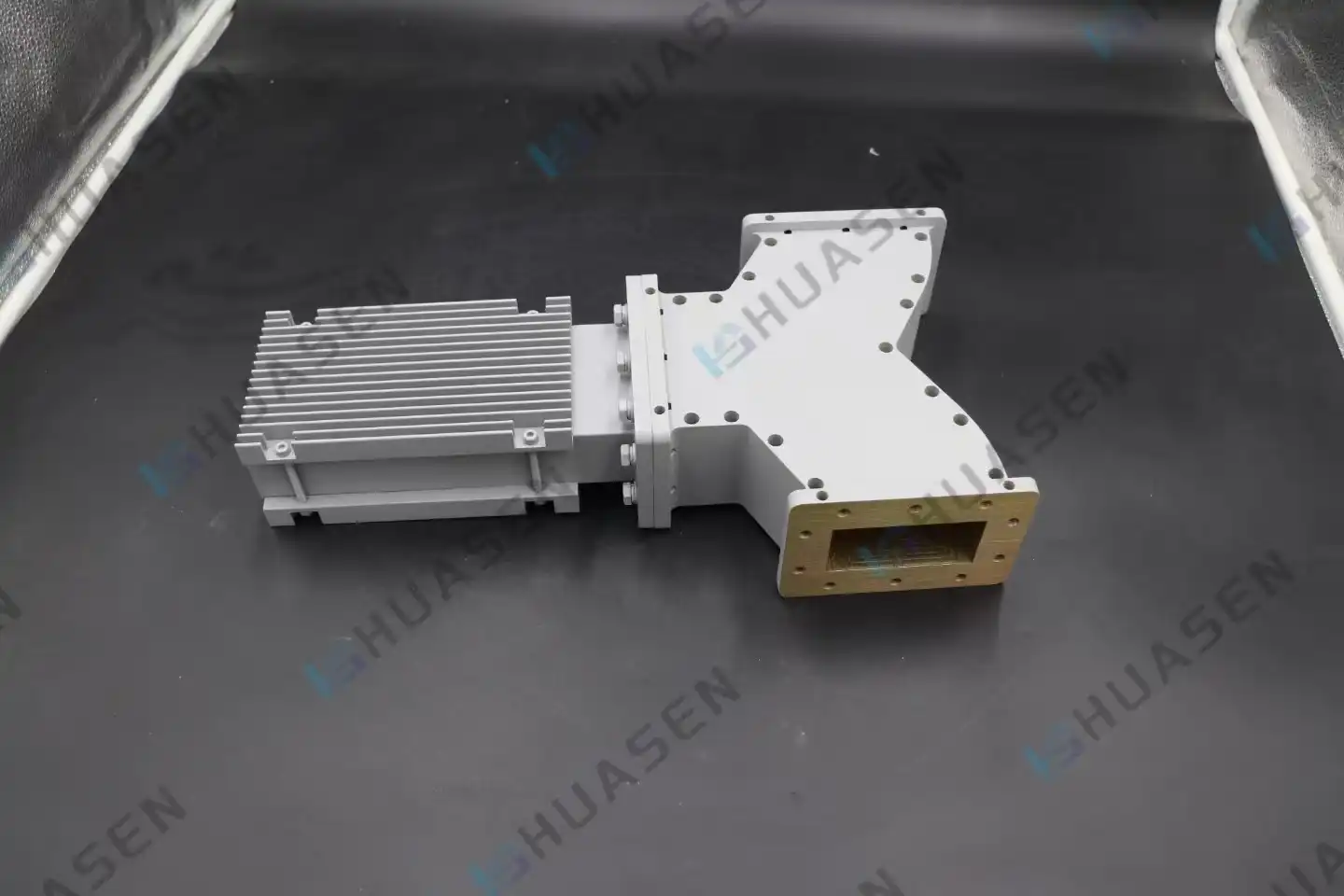
Waveguide Isolator vs Circulator: What’s the Difference
Knowing the main difference between a waveguide isolator and a circulator helps engineers and procurement teams make the right choice. This saves money and system downtime. The waveguide isolator is a passive two-port device that lets signals flow in one direction while absorbing reflected energy. It works as a "microwave diode" to keep sensitive amplifiers safe from impedance mismatches. A circulator, on the other hand, is a device with more than one port—usually three or four ports—that sends signals from one port to the next in a certain order. This lets it do things like duplexing, which means sending and receiving data at the same time. Both use ferrite materials and magnetic fields, but their designs and purposes are very different. Choosing the right device is very important for making radar, satellite, and 5G infrastructure work better.VIEW MORE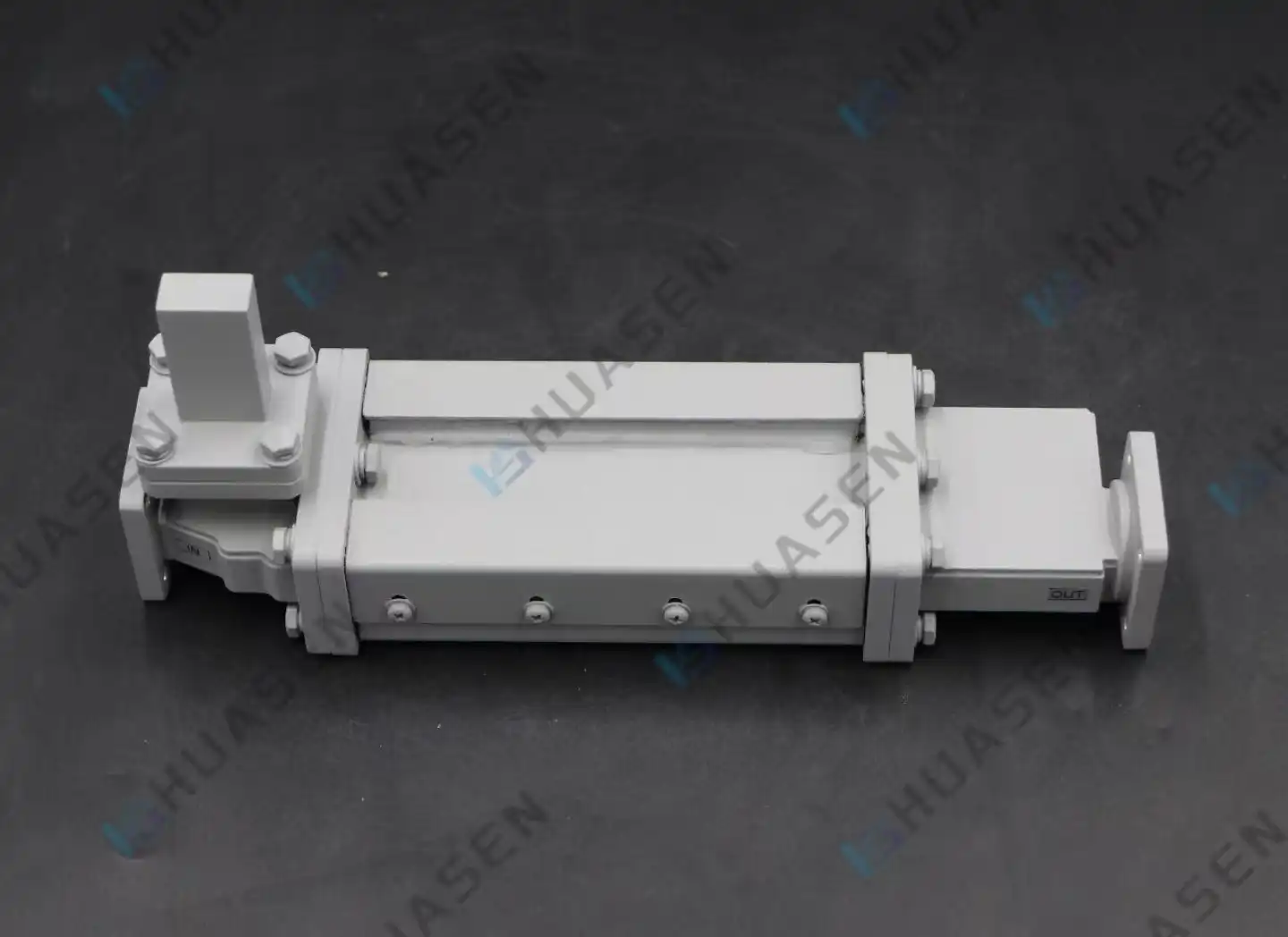
Thermal Challenges in High Power Differential Isolators
When microwave systems are used at megawatt peak powers or kilowatt average powers, thermal management is what makes the difference between reliable performance and catastrophic failure. One of the most important problems in high-energy radio frequency (RF) systems is keeping the signal intact while stopping thermal runaway. The high-power waveguide differential phase shift isolator solves this problem. Differential phase shift designs spread thermal loads across waveguide-mounted ferrite elements, which is different from regular junction isolators that concentrate heat in a central ferrite disk. This allows for direct liquid cooling and can handle power levels that would destroy standard components in seconds.VIEW MORE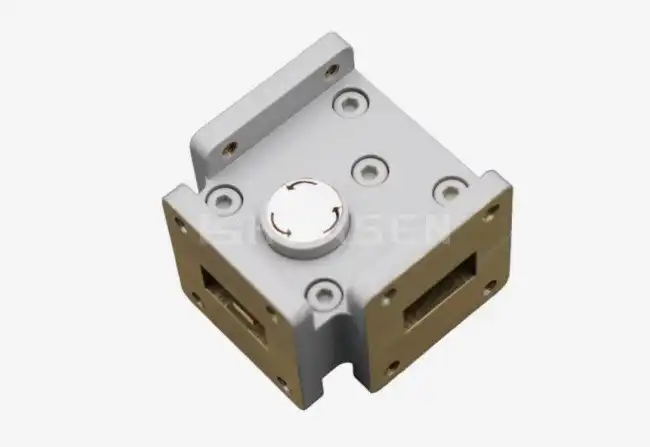
Advantages of Waveguide Wideband Circulator
Waveguide wideband circulators are a major step forward in RF and microwave technology. They work very well over a wide range of frequencies and have low insertion loss and high isolation. The ferrite properties of these non-reciprocal devices direct signal flow systematically through ports. This keeps sensitive high-power sources safe from reflected energy that could cause catastrophic failure. Waveguide configurations can handle much higher power levels than their coaxial counterparts, often in the kilowatt range. This makes them essential for radar systems, satellite communications, 5G infrastructure, and defense applications where mission success depends on reliability in harsh conditions.VIEW MORE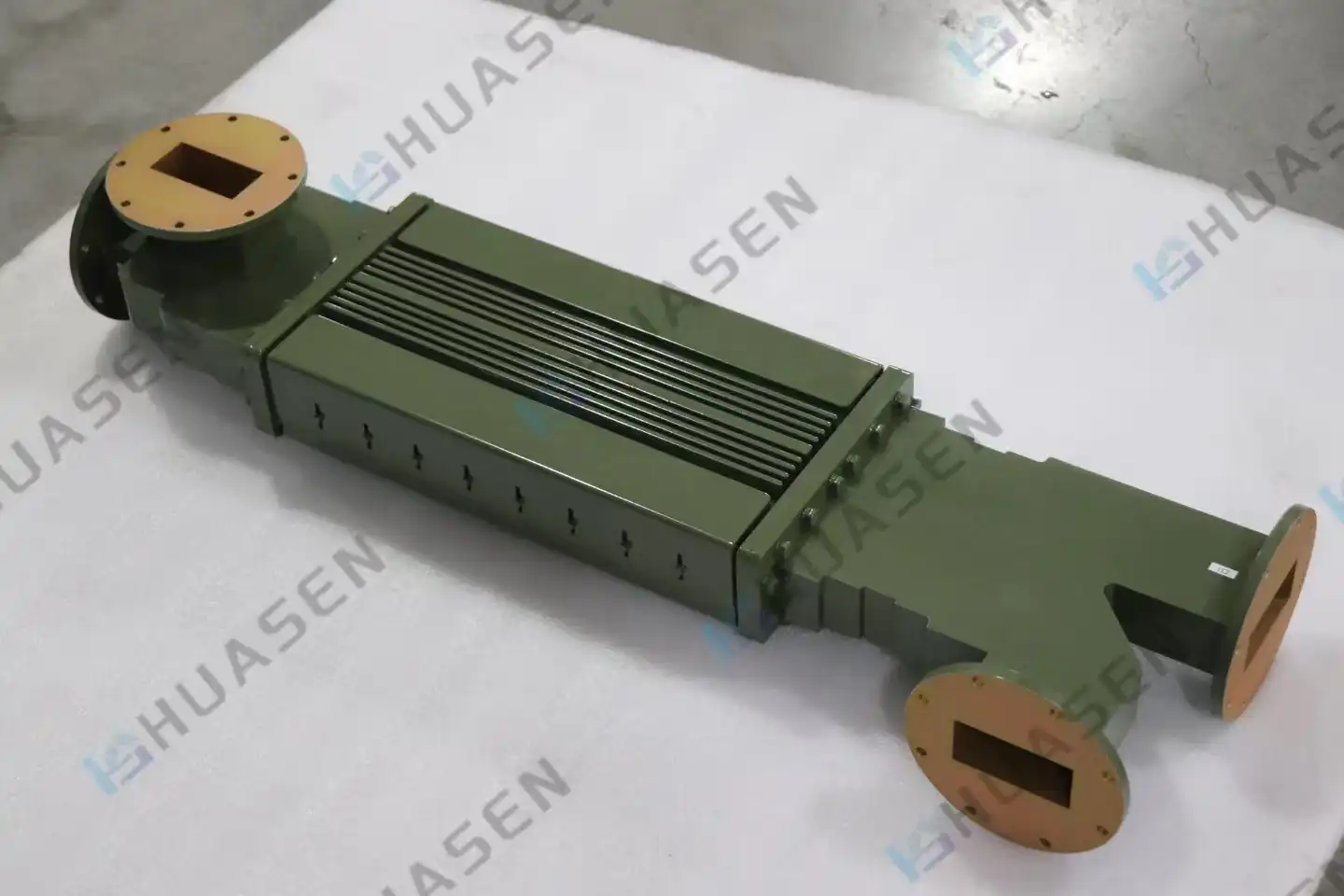
Performance Metrics of Waveguide Circulator
Knowing the performance metrics of waveguide circulators is important when choosing passive RF parts for radar, satellite, or phone systems that need to work under tough conditions. These devices don't work the other way around, so microwave signals are sent through specific ports very precisely. This keeps sensitive power amplifiers safe from damaging reflections and lets transmission and reception happen at the same time through shared antenna systems. Insertion loss, isolation, return loss, power handling capacity, and operational bandwidth are the main metrics that show if your system meets its mission-critical performance requirements. To choose the right waveguide circulator, you need to carefully compare these factors to the environment, frequency range, and reliability needs of your application.VIEW MORE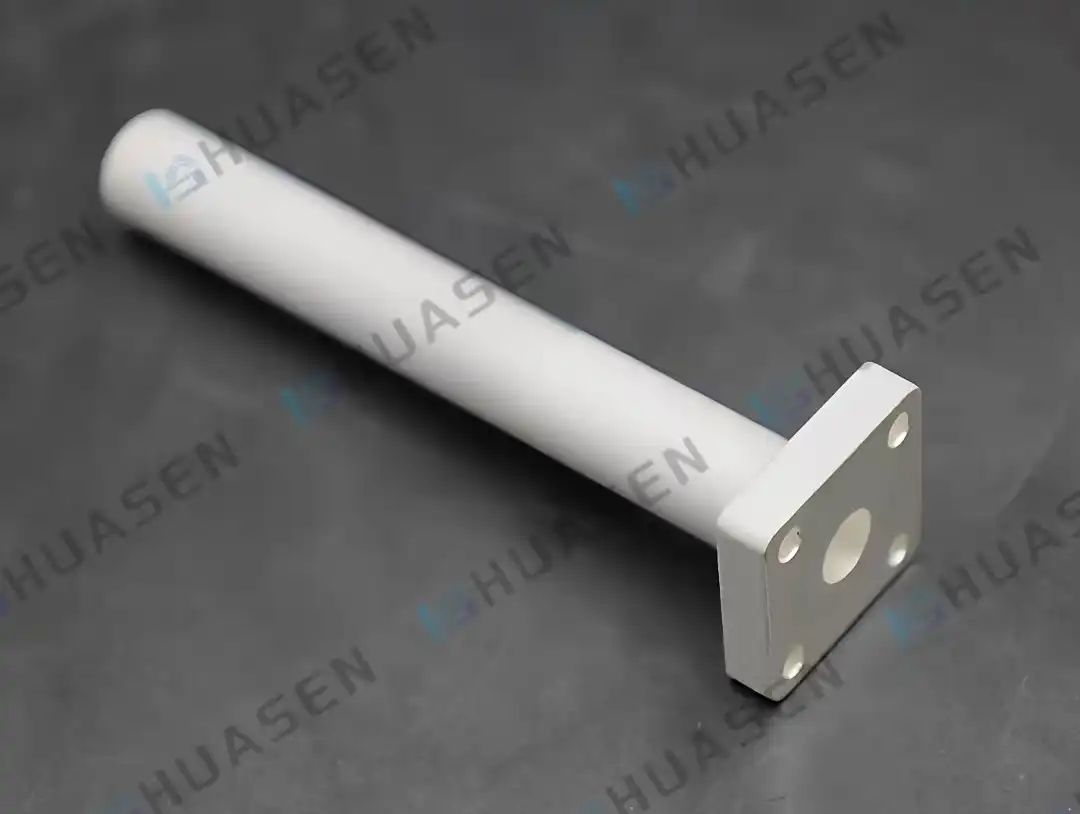
How Circular Waveguide Termination Reduces Reflection
A circular waveguide termination reduces reflection as much as possible by carefully engineering materials that absorb electromagnetic energy and matching their impedance. The conical shape slowly changes the waveguide's impedance to match the absorbing load. This keeps the impedance from changing quickly, which can cause reflections. The VSWR value is less than 1.15 because this design can handle many propagation modes over a wide frequency range. The bulk absorption material gives off RF energy as heat, which keeps signal bounce-back to a minimum so it doesn't mess up sensitive equipment or make measurements less accurate in testing settings.VIEW MORE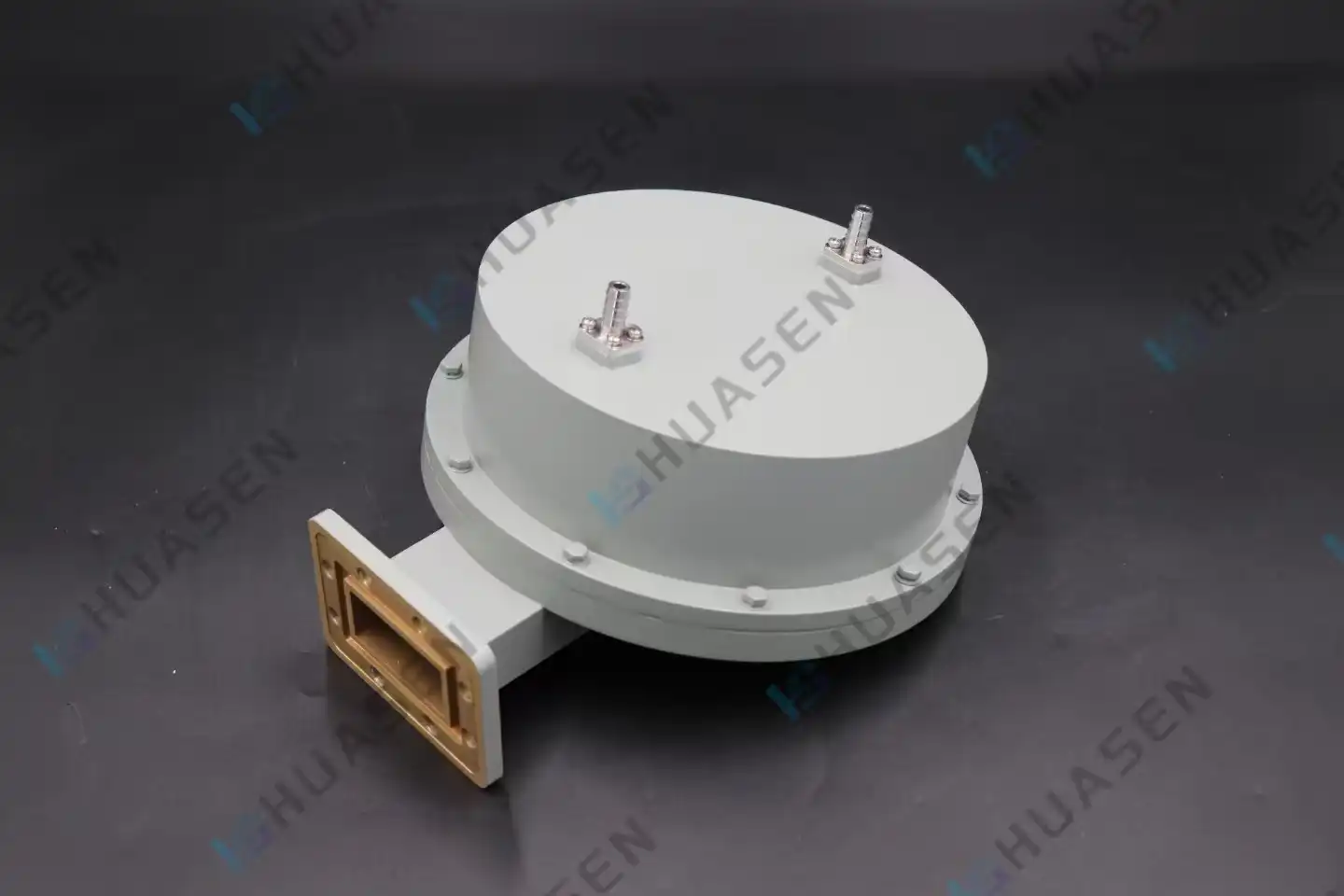
Water Cooled Load for Ultra High Power RF Absorption
In order to absorb very high-power radio waves, water-cooled loads play a big role. They safely get rid of a lot of heat energy with liquid cooling circuits that were carefully thought out. Not like other choices that use air cooling, these gadgets can handle power densities from kilowatts to megawatts and don't take up much room. They are needed for radar transmitters, satellite communications, testing facilities for spacecraft, and 5G infrastructure because of this. Water-cooled loads keep equipment from breaking by quickly turning radio frequency energy into heat and moving it through a fluid mixture of water or glycol. They also keep signals intact and make sure that important programs can keep running even if the heat goes out.VIEW MORE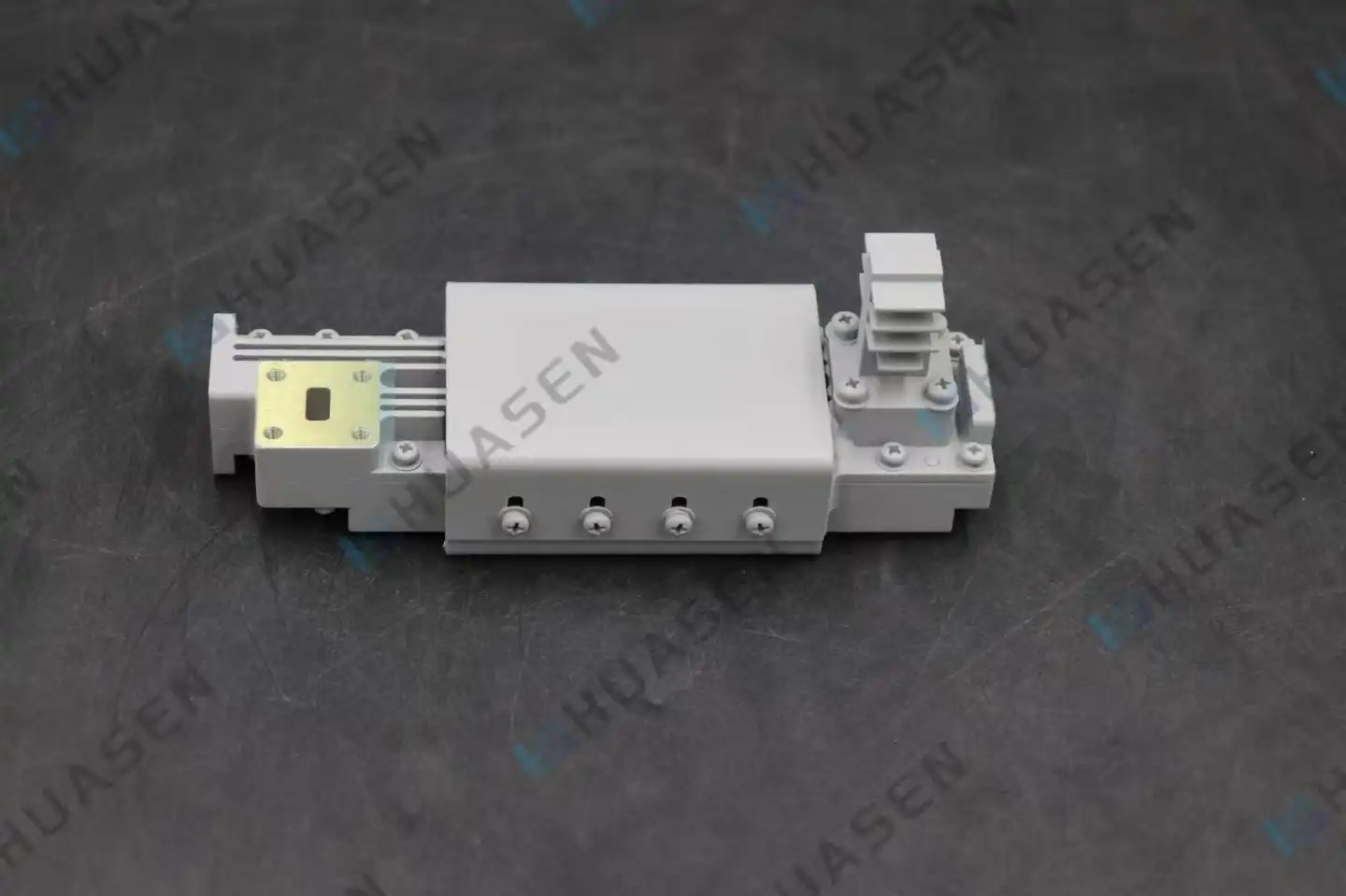
Cooling Methods for High Power Phase Shift Circulators
Engineers who work on radar, telecommunications, and industrial microwave systems still have to deal with a lot of heat in high-power RF parts. Thermal management that works well is a must for high-power waveguide differential phase shift circulators that deal with kilowatts or even megawatts of continuous power. Power loss in ferrite materials and waveguide structures causes these specialized four-port devices to produce a lot of heat when they are in use. Without the right cooling strategies, thermal accumulation hurts performance, shortens the life of parts, and can even cause catastrophic system failures in mission-critical situations.VIEW MORE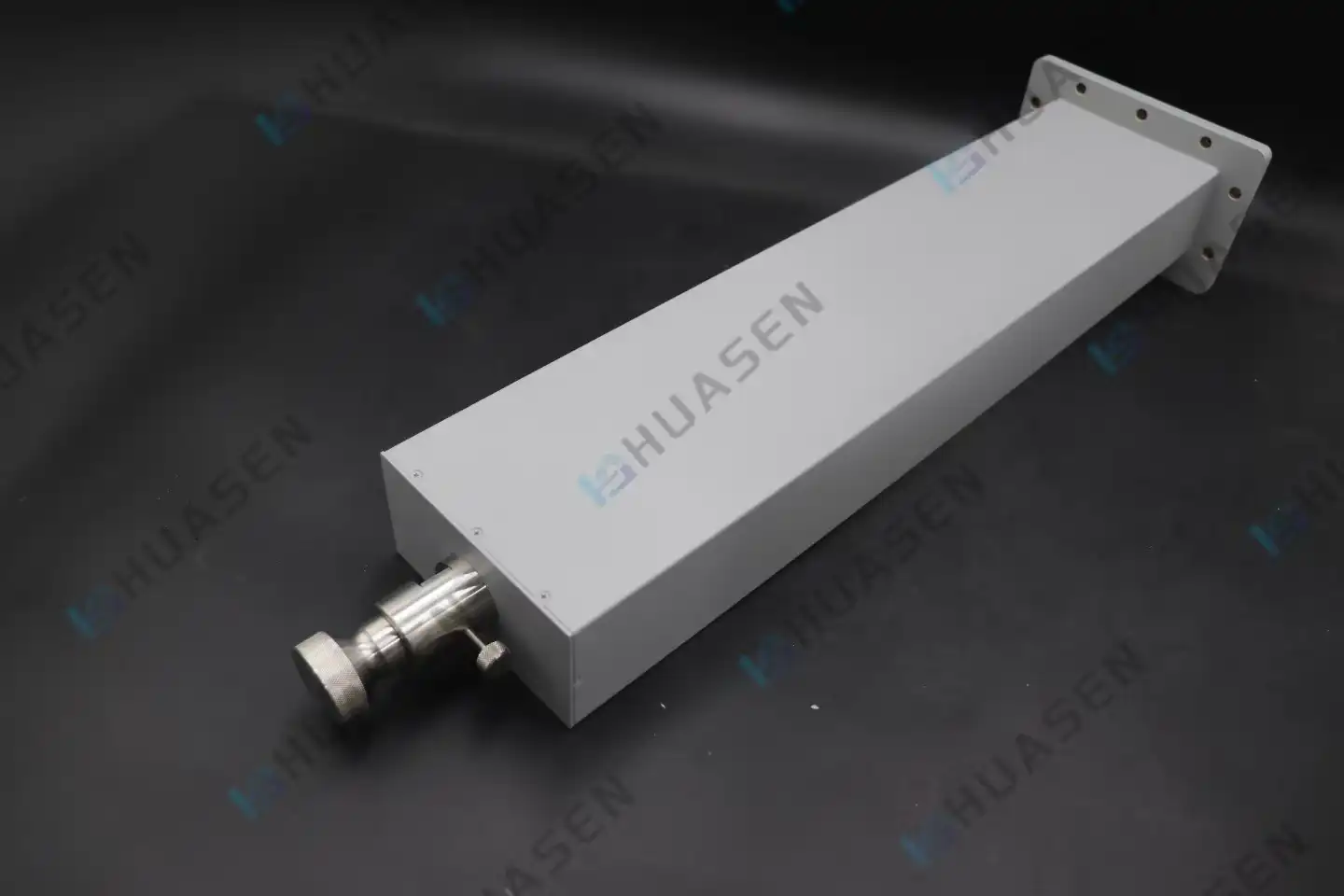
Improving Measurement Precision with Waveguide Sliding Load
At the heart of high-frequency microwave calibration is a fundamental problem: getting measurement accuracy that is better than what static reference standards can provide. The Waveguide Sliding Load fixes this problem by changing the mechanical phase while keeping the reflection magnitude the same. This lets engineers mathematically separate system errors that would otherwise mess up measurements from a vector network analyzer (VNA). This very accurate tool turns calibration from a rough process to a metrological one. This is especially important for millimeter-wave applications where errors of just a few decibels can hurt system performance. Sliding loads improve directivity by 15-20 dB compared to premium fixed terminations by moving the error vector across a full phase circle. This makes them essential in labs, quality control settings in manufacturing, and aerospace testing environments where measurement accuracy affects product reliability and regulatory compliance.VIEW MORE
- 1
- 23
- 24
- 25
- 26
- 27
- 60
Total 60 pages