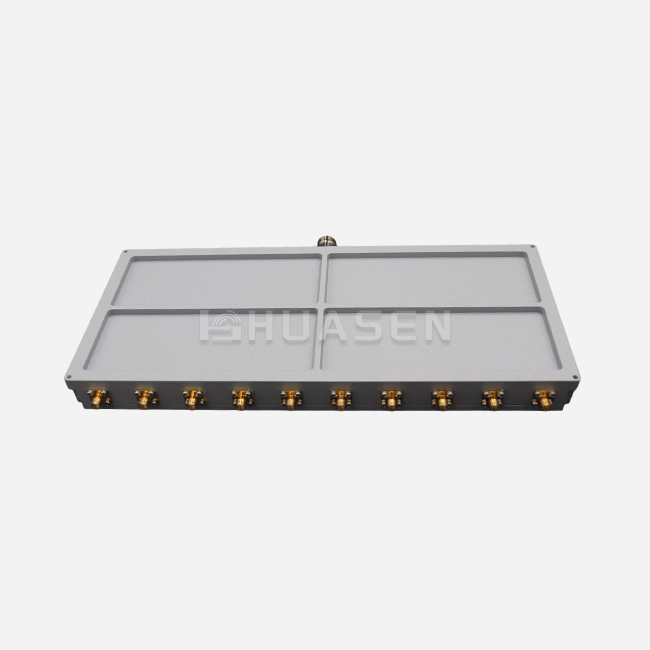
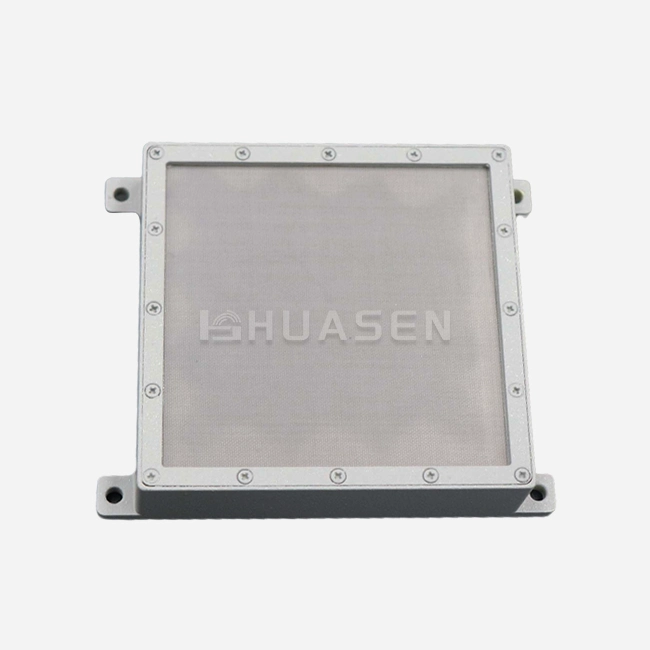
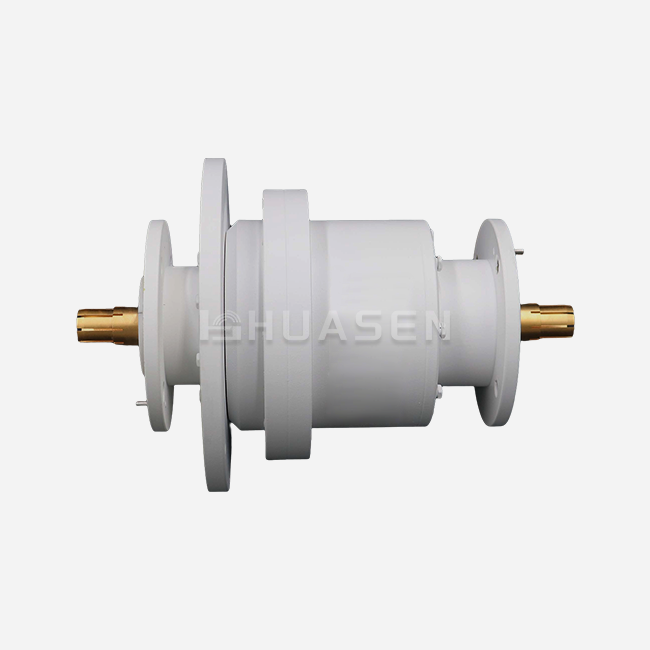
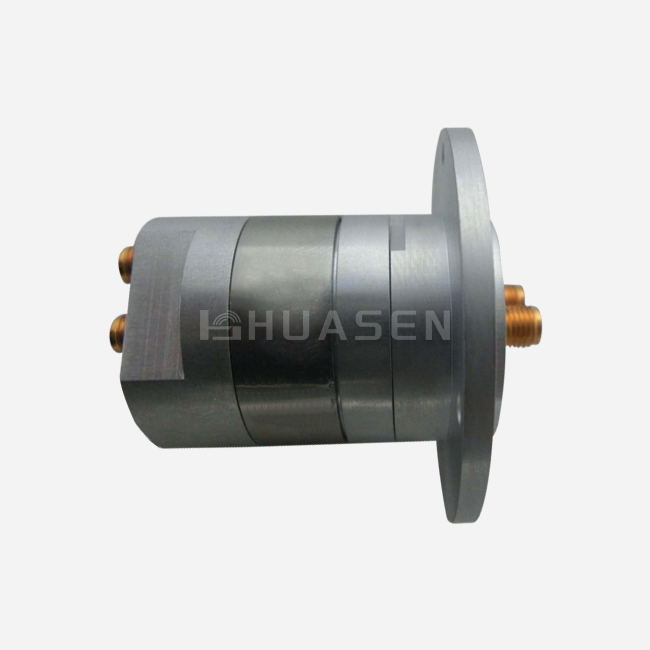
Water Cooled Load for Ultra High Power RF Absorption






2026-04-28 21:30:35
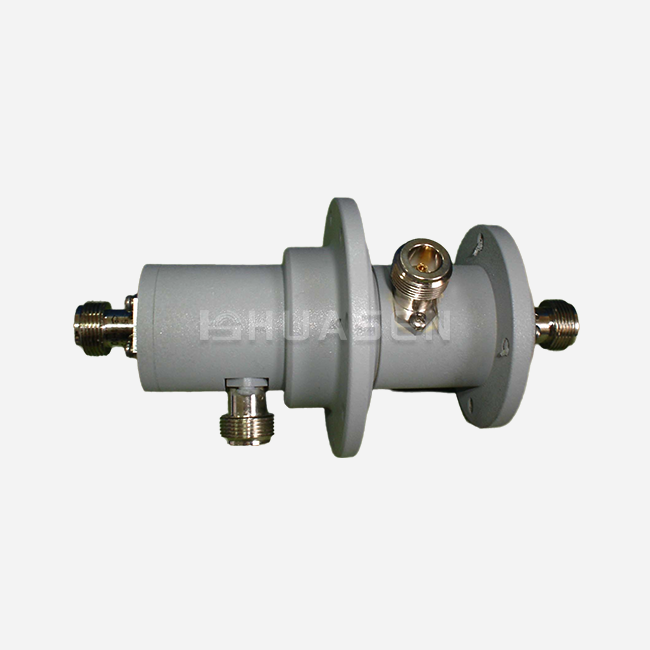
In order to absorb very high-power radio waves, water-cooled loads play a big role. They safely get rid of a lot of heat energy with liquid cooling circuits that were carefully thought out. Not like other choices that use air cooling, these gadgets can handle power densities from kilowatts to megawatts and don't take up much room. They are needed for radar transmitters, satellite communications, testing facilities for spacecraft, and 5G infrastructure because of this. Water-cooled loads keep equipment from breaking by quickly turning radio frequency energy into heat and moving it through a fluid mixture of water or glycol. They also keep signals intact and make sure that important programs can keep running even if the heat goes out.
Understanding Water-Cooled Loads: Fundamentals and Applications
To work, water-cooled loads take in RF energy through materials that are resistive or dielectric and quickly move the heat to a coolant that is flowing. This solution is easy to understand and works well. Housings made of copper or aluminum are cut with channels inside them that make sure the water has the most contact with the surface. This means that heat transfer coefficients are a lot higher than what air convection can offer. Thus, the machine can keep its working temperature steady even when it has to deal with long megawatt pulses.
How Water Cooled RF Loads Work?
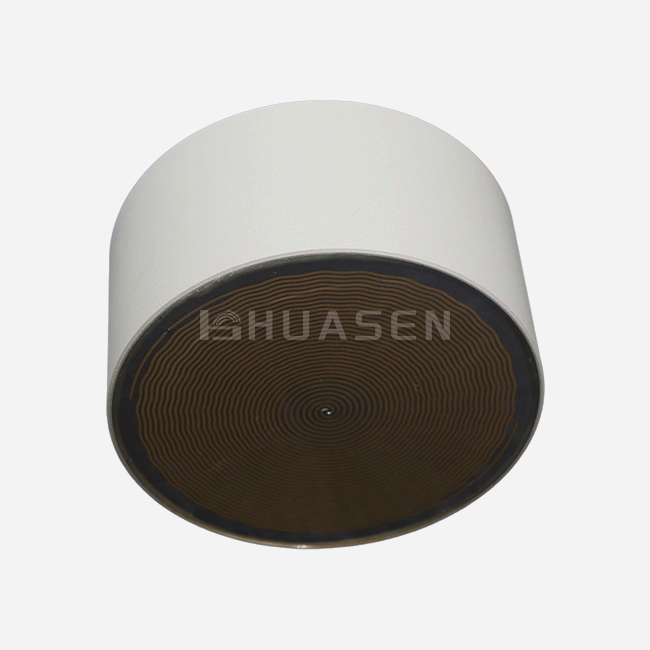
Radiation energy is changed into heat energy by resistive elements that are perfectly matched. These elements are usually made of silicon carbide composites or ceramics that have been specially made. Through ports, water enters the system and flows in wavy paths around the heat-absorbing element. It then leaves the system, carrying the heat to chillers or cooling towers outside the system. The temperature inside the load stays below 80°C with this closed-loop system. This is a safe range to leave the power on all the time.
Key Industrial Applications Driving Demand
It is very hard to test high-power transmitters, and water-cooled loads are the only way to do it. People who work for aerospace companies have to check that the transmitters are sending out the right amount of energy so that the lab doesn't get too hot. When medical linear accelerators are being calibrated, these loads are important because they soak up extra RF energy while technicians change the accelerating gradient of the electron beam. They are dummy loads that are used in defense radar systems during non-radiating testing to make sure that megawatt-level pulses can be safely dissipated without any electromagnetic leakage that could put data security at risk.
Radio and TV stations use water-cooled loads to keep equipment running at full power when antenna systems are not online for maintenance on transmitters. These loads are put in place to protect high-power generators from impedance mismatches caused by different material properties. They are used in places where ceramics are sinter-burned or pharmaceutical compounds are dried. Any of these situations needs one thing: full thermal reliability for a long time at high power.
Maintenance Best Practices for Longevity
If you check the water quality often, you can avoid the most common problems, like internal corrosion or mineral buildup that makes heat transfer less effective. Parts last a lot longer when they are cleaned with deionized water or glycol solutions that have already been mixed with corrosion inhibitors. By keeping an eye on the temperatures at the inlet and outlet, you can tell right away if the cooling isn't working as well as it should, so you can do some preventative maintenance before something major goes wrong. Every so often, vector network analyzers are used to check the RF characteristics of the load. This checks that they follow the rules and finds issues before they hurt more equipment further down the line.
Comparison of Water Cooled Loads with Other Cooling Methods and Load Types
Water-Cooled vs. Air-Cooled Performance
Air-cooled loads get rid of heat through convection and radiation. Because of this, most designs can only handle 5 kW of power all the time. The needed fin surface area and forced-air volume are no longer useful after this point. Most of the time, water-cooled load designs can handle 50 kW to 500 kW in units that are only a tenth the size. Because of this, they are the only choice for equipment racks with a lot of equipment and little airflow. The plumbing infrastructure, which includes water supply lines, return pipes, and maybe even outside chillers, is the price to pay. These make things more complicated, but they have the best thermal performance.
When Air Cooling Suffices?
When the power needs are low (less than 2 kW), air cooling is often better because it is easier to use and doesn't need as much maintenance compared to water-cooled loads. Air cooling works best for RF testing in the lab at moderate power levels, where the temperature stays stable, and there isn't a lot of room for moving around. When fluids need to be kept from leaking while being moved, air cooling is sometimes better for mobile uses like vehicle-mounted communications.
Resistive Loads vs. Waveguide Configurations
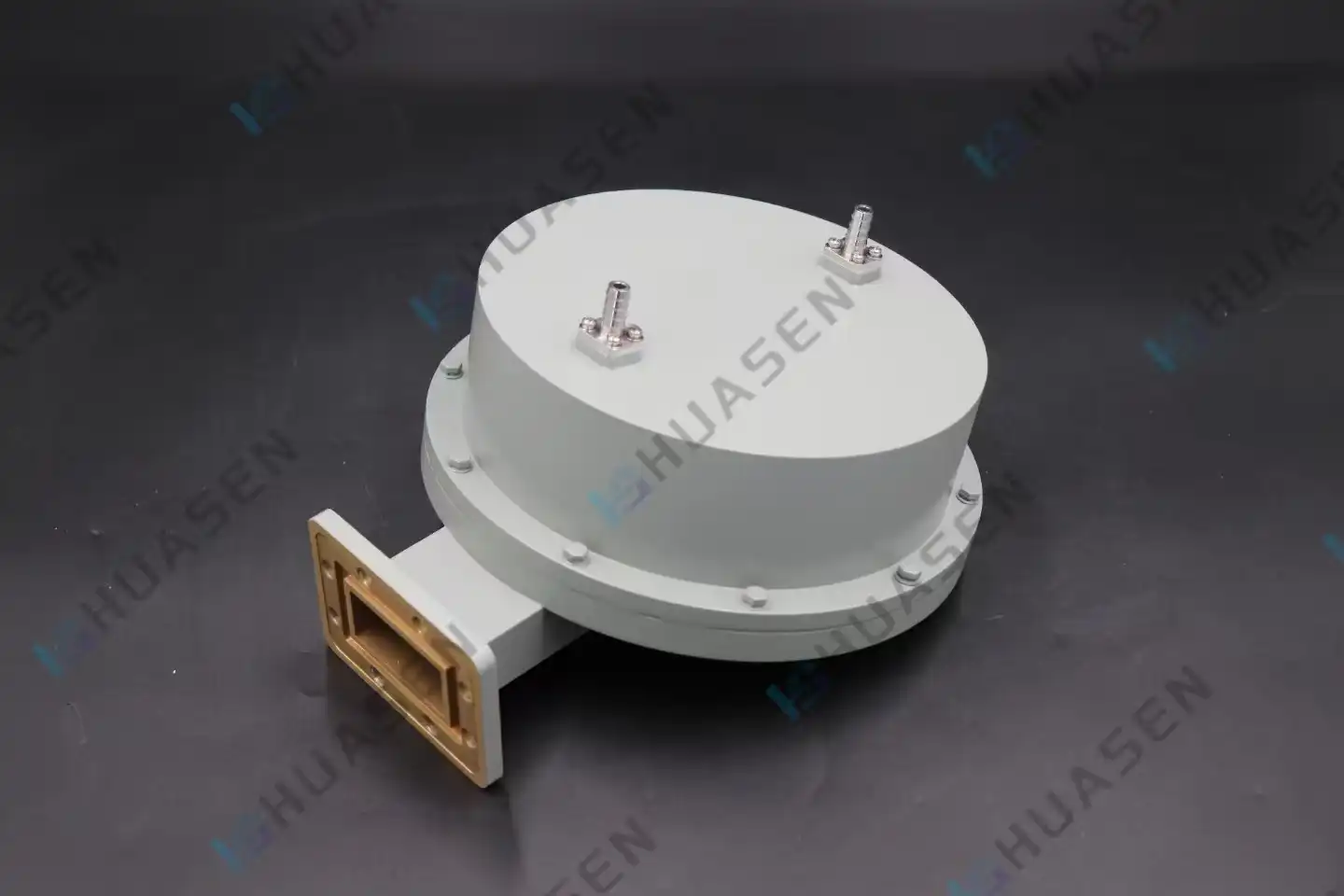
You can connect coaxial resistive loads to standard RF connectors. These connectors work best below 10 GHz, which is where coaxial transmission is most common. Millimeter-wave and microwave systems that work above 6 GHz use waveguide water-cooled loads. In either a rectangular or a circular waveguide shape, they can handle more power and have less insertion loss. It depends on the frequency range and the way your transmission line is set up that you choose. When purchasing managers want to connect systems, they need to make sure that the interfaces can work with each other using WR-284, WR-137, or other standard flanges. This way, the installation can go smoothly, and there is no need for custom adapters that cause signal loss and reflection.
How to Choose the Best Water-Cooled Load for Ultra-High-Power RF Absorption?
Defining Core Requirements
Make a list of how much power you'll need at its peak and on average, leaving some extra for upgrades in case you need them. For safety reasons, a radar transmitter that sends out 100 kW pulses with a 10% duty cycle needs a load that can handle at least 120 kW peak and 15 kW average. You need frequency coverage that covers the whole range of frequencies you can use. Loads made for S-band (2-4 GHz) units are not the same on the inside as loads made for Ka-band (26-40 GHz) units. How well the housing is sealed and what materials are used depend on things like the temperature range, humidity, and vibration exposure.
Critical Selection Criteria
The way VSWR works directly impacts how well measurements are made and how safe the equipment is. The VSWR of high-end water-cooled loads stays below 1.10 across their whole frequency range. This lowers the amount of power that is reflected, which could damage sensitive sources. In the specifications, it says how much water must flow and how high the temperature must rise in order to cool. One example is a load that needs 6 liters of water per minute at 25°C inlet and a 15°C rise at full power. This load needs a certain chiller capacity. In order to avoid adaptation losses, the connector or flange must be the same type as the type-N, 7/16 DIN, or precision waveguide flanges you already have.
Evaluating Supplier Credentials
As well as full test results, manufacturers with a good reputation also provide certifications for the materials they use and swept VSWR plots. Make sure it is up to code, such as MIL-DTL-3928 for military use or ISO 9001 for quality management. Huasen Microwave Technology was started in 1993 by people who had been making RF parts for many years. These people know a lot about engineering and can make high-power products that work well. Make sure the supplier you choose can make their products fit your needs. For instance, some installations need cooling fittings, mounting brackets, or frequency coverage that aren't standard.
Warranty and Maintenance Considerations
It shows that the company that made the product trusts it when they offer a full warranty that covers both RF performance and mechanical integrity for at least two years. Make sure you know if the warranty covers water jacket leaks. After bad coolant chemistry, this is the most common reason why things break. Repairs take less time when suppliers offer field service or exchange programs. This is very important for businesses that need to run 24 hours a day, seven days a week.
Benefits and Value of Water Cooling in High-Power RF Loads
Enhanced Thermal Dissipation and Performance Stability
Since water moves heat about 25 times faster than air, it can quickly cool down a load and keep it within strict temperature limits. This keeps the resistive element's electrical properties, which stops the VSWR drift that happens when loads that are cooled by air get too hot. True-life data from broadcasting installations shows that water-cooled loads stay in good shape for 10 years, while air-cooled units need to be replaced every 3 to 5 years because they break down when they get too hot.
Reduced Operational Risks and Downtime
It is almost impossible for thermal runaway to happen with well-planned water-cooled load systems. In this case, resistance goes up as temperature goes up, which makes more heat in a destructive cycle. This extra safety zone keeps pricey equipment upstream, like klystrons and traveling-wave tubes, from getting damaged by power that bounces back. It is 40% less likely that unplanned maintenance will happen at satellite ground stations that use C-band and Ku-band uplinks when they switch from air-cooled dummy loads to water-cooled dummy loads. This directly makes services more available.
Energy Efficiency and Lifecycle Economics
Even though the pump needs power to cool the water, when you look at the overall cost of the system, it is often more efficient than cooling with air. The air conditioners in a climate-controlled equipment room have to work harder to get rid of the heat from a 50 kW air-cooled load. This uses more electricity. It is not necessary to cool buildings as much when water is used for cooling because it sends heat directly to outdoor cooling towers or chillers made for industrial thermal management. When you look at how much it costs to own something over 10 years, water-cooled load technology usually wins out for uses that need more than 10 kW of stable power.
Procurement Guidelines: Ordering, Pricing, and Logistics for Water-Cooled Loads
Price Ranges and Influencing Factors
Most well-known brands sell water-cooled loads for beginners that can handle 10 kW of continuous power in common frequency bands for $3,500 to $5,000. More than $25,000 can be spent on high-power waveguide units with a wide bandwidth that can handle 100 kW or more for power. Based on how hard it is, customization can raise base prices by 15% to 30%. For instance, non-standard frequency coverage or unique mounting interfaces need extra time and changes to the tools used by engineers. Many times, system integrators can save 10–20% when they buy ten or more identical units. This is useful for people who are building a lot of radar installations or base station facilities.
Lead Times and Logistical Considerations
Items from standard catalogs that are kept in stock by manufacturers usually ship in two to three weeks. For unique configurations, the engineering review, prototype testing, and production process take 8 to 12 weeks. Special care needs to be taken when shipping heavy water-cooled loads across international borders. Take the 100 kW waveguide load as an example. It can weigh anywhere from 80 to 120 pounds and needs to be packed tightly to protect the flange. Make it clear whether the warranty starts when the unit is shipped or when it is installed. Also, make sure that test reports showing the results of VSWR, power handling, and pressure tests are sent with every unit.
Trusted Manufacturers and Quality Indicators
Brands like Bird Electronic, Gawar, and Samtech have been making high-power RF parts for a long time, including water-cooled loads. But buyers should talk to each supplier to find out how knowledgeable they are about the frequency range and the use they offer. Pasternack and Teledyne have different engineering goals and work with different kinds of clients. Since Huasen Microwave Technology has worked in the defense, aerospace, and telecommunications industries for more than 30 years, they know a lot about waveguide components. To find the best supplier, ask for references from customers who have bought similar products from that supplier. Something like a company that is great at broadcast loads might not be very good at pulsed radar needs.
Conclusion
If you can't risk performance or dependability, water-cooled loads are still the best way to soak up very powerful radio waves. In aerospace, defense, industrial, and telecommunications settings, the initial infrastructure investment is worth it because they better manage heat, is small, and lasts a long time. To make a good procurement, you need to be very clear about the interface needs, power needs, and environmental restrictions. Then you should work with manufacturers who have been in business for a while, have a history of success, and can give you full technical support. A lot of people will be using 5G networks and radar systems that can use more power. Water-cooled load technology will keep pushing the limits of what can be done in RF system design.
FAQ
1. What maintenance does a water-cooled load require?
Every month, you should look at the connections for leaks, and every three months, you should test the water quality. Once a year, if you use tap water, you should change the coolant. You should get new deionized water with corrosion inhibitors every two years if you use it. Watch the flow rate and the difference in temperature to find out if something isn't working right. Once a year, use a vector network analyzer to check VSWR to make sure that RF characteristics stay within the limits.
2. Can I retrofit a water-cooled load into an existing air-cooled system?
Though it is technically possible, retrofitting needs to be looked at first. It's possible that you will need to add more cooling to the building and connect the water supply and return pipes to a chiller or cooling tower. The mounting bracket needs to be changed because the mechanical footprint isn't always the same as it was on older models that used air cooling. If the connector types or waveguide flanges match, the RF interface compatibility tells you if the custom adapters add too much loss.
3. How do I determine the proper power rating?
Figure out how much power you'll need at most and on average, then add 20% just to be safe. When used for pulsed tasks like radar, the loads need to be able to handle peak power even when the duty cycle is low. This is because the absorbing element needs to be able to handle sudden energy. Ratings for systems that use continuous waves need to be based on average power and heat rise calculations. In case you are working above 40°C, look at the datasheets from the manufacturers to find derated factors.
Partner with Huasen Microwave for Reliable Water-Cooled Load Solutions
High-power RF problems can only be fixed with parts that are carefully designed and made by people who know how to do it. From 1993 on, Huasen Microwave Technology has been giving the defense, aerospace, and telecommunications industries water-cooled loads and waveguide parts that meet the strictest standards. You can ask our engineering team to help you change standard products that don't work with certain frequency ranges, power levels, or places.
We can make the right products for your needs, whether you're a system integrator building next-generation radar platforms, a lab that needs certified test equipment, or a broadcast facility that needs to get rid of old infrastructure. As a top company that makes water-cooled loads, we make sure that each one goes through strict quality control checks. These include testing the hydrostatic pressure, checking the full-bandwidth VSWR, and making sure the calorimetric power is correct.
Contact our team at sales@huasenmicrowave.com to discuss your specific requirements. We'll provide detailed technical proposals, competitive quotes for single units and large orders, as well as delivery schedules that will help you stay on track with your projects. Our RF and microwave solutions are made for the toughest jobs in the world.
References
1. Hansen, R.C., High-Power Microwave Load Design and Applications, Artech House Publishers, 2018.
2. Collin, R.E., Foundations for Microwave Engineering, IEEE Press Series on Electromagnetic Wave Theory, 2001.
3. Kumar, A. and Patel, S., "Thermal Management in High-Power RF Systems: A Comparative Study of Cooling Methods," IEEE Transactions on Microwave Theory and Techniques, Vol. 67, No. 4, 2019.
4. Military Standard MIL-DTL-3928, "Loads, Terminating, Radio Frequency, Waveguide and Coaxial (General Specification For)," U.S. Department of Defense, 2015.
5. Zhang, L., Waveguide Components for High-Power Radar Systems, CRC Press, 2020.
6. International Electrotechnical Commission, "IEC 60154: Flanges for Waveguides—Part 1: General Requirements," IEC Standards, 2017.
Send Inquiry