Improving Measurement Precision with Waveguide Sliding Load






2026-04-28 21:30:32
At the heart of high-frequency microwave calibration is a fundamental problem: getting measurement accuracy that is better than what static reference standards can provide. The Waveguide Sliding Load fixes this problem by changing the mechanical phase while keeping the reflection magnitude the same. This lets engineers mathematically separate system errors that would otherwise mess up measurements from a vector network analyzer (VNA). This very accurate tool turns calibration from a rough process to a metrological one. This is especially important for millimeter-wave applications where errors of just a few decibels can hurt system performance. Sliding loads improve directivity by 15-20 dB compared to premium fixed terminations by moving the error vector across a full phase circle. This makes them essential in labs, quality control settings in manufacturing, and aerospace testing environments where measurement accuracy affects product reliability and regulatory compliance.
Understanding Waveguide Sliding Load: Concepts and Working Principles
Defining the Core Technology
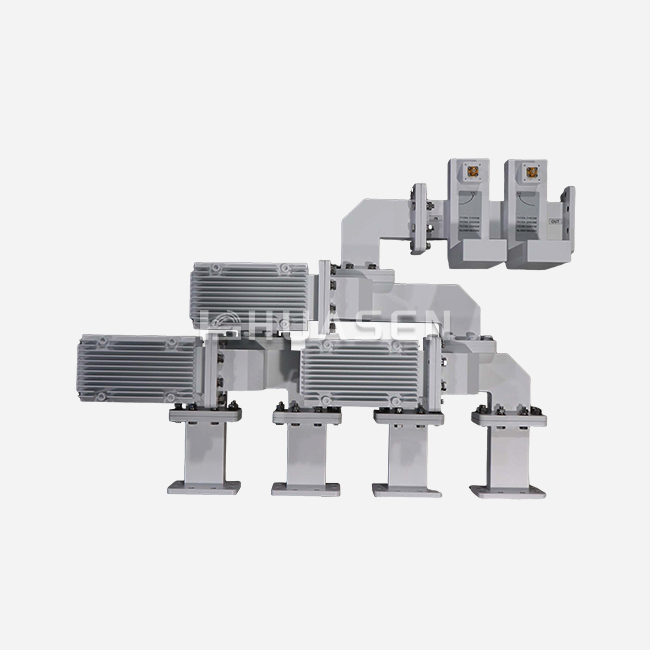
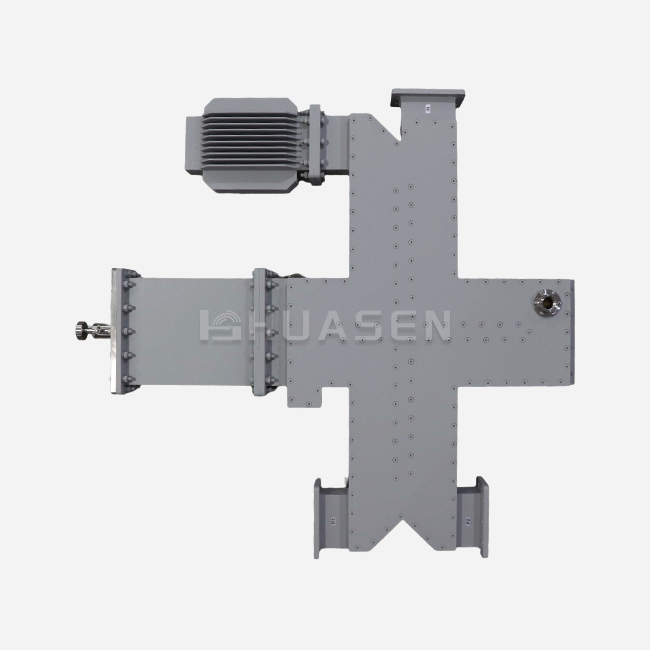
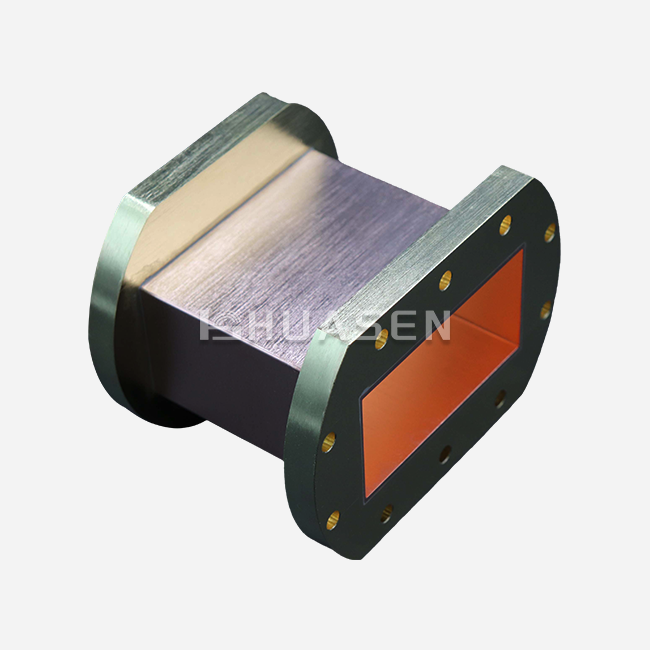
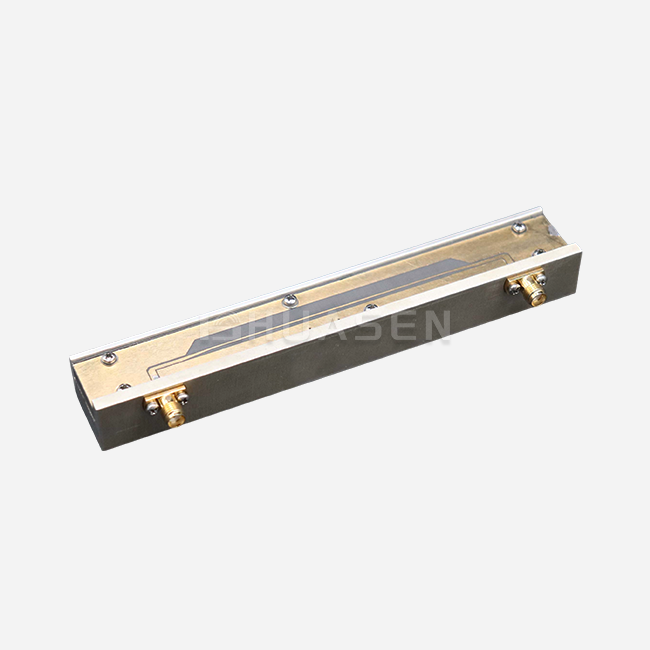
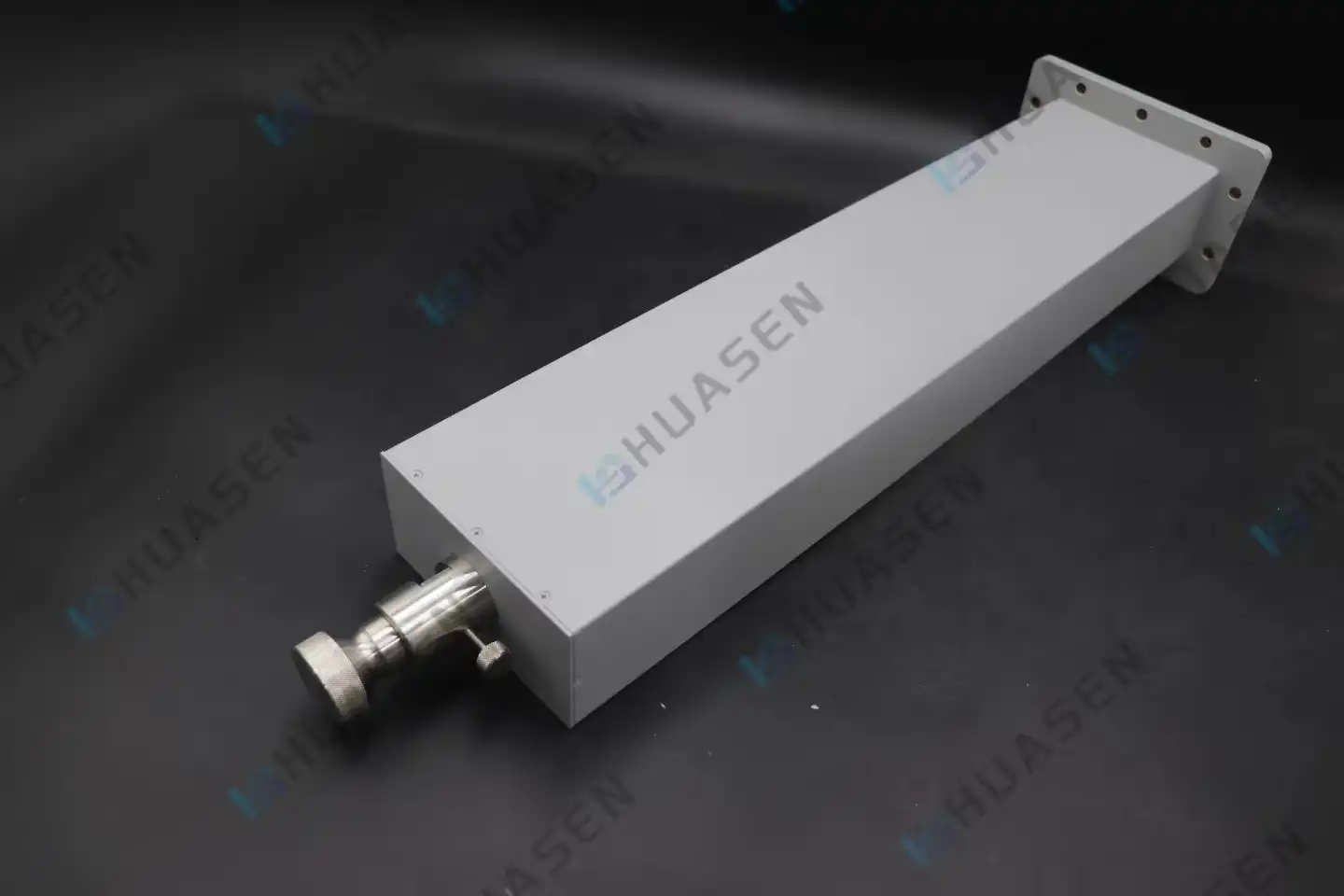
The Waveguide Sliding Load is a special microwave termination device made up of a tapered absorbing element that is placed inside a precise waveguide housing. Unlike most fixed loads, which have static impedance, this device has an element that can be moved mechanically along the transmission axis. The idea behind this design comes from being able to control phase rotation without changing the amplitude of reflection. This makes a huge difference in how we do high-frequency calibration tasks.
Operational Mechanics Explained
A micrometer-driven mechanism moves the absorbing element so that it can be placed exactly the same way every time, down to 0.01 mm. It changes the electrical length between the waveguide flange and the absorption zone as the element moves. This makes the reflection coefficient spin around a fixed point on the Smith chart. This phase agility lets calibration algorithms take samples from different impedance states and use math to find the real impedance center of the system. Advanced internal rail designs keep the rails from moving laterally while they're being moved. This keeps the size of the reflection stable, which is a must for accurate error term separation in IEEE 1478-compliant VNA calibration procedures.
Critical Specifications and Performance Parameters
Good models have VSWR values between 1.01:1 and 1.05:1 across their working bands, which are usually the same as standard waveguide names like WR-90 for X-Band (8.2-12.4 GHz) or WR-28 for Ka-Band (26.5-40 GHz). To make sure that the phase rotates all the way around, the travel range must allow at least a half-wavelength displacement at the lowest operational frequency. Coverage ranges from 8.2 GHz to more than 110 GHz for certain millimeter-wave types. The choice of material is very important. Absorption inserts made from silicon carbide or ferrite compounds are engineered to handle specific continuous wave (CW) power levels, usually less than 50W to protect measurement integrity rather than bulk energy loss.
Overcoming Measurement Challenges: Advantages of Waveguide Sliding Load
When it comes to manufacturing, traditional fixed loads have problems that get worse as the frequency goes up. Because of issues with material tolerances, temperature coefficients, and repeatability in connectors, no physical termination can perfectly match impedance across wide bandwidths. When you combine signal reflections from imperfect loads with directional coupler imperfections and source match errors, you get measurement uncertainties that make it harder to accurately describe the system. Mechanical wear in standard terminations makes these problems even worse by introducing drift over time that needs to be fixed many times.
Here are the main benefits that Waveguide Sliding Load technology brings to places where precision measurements are needed:
- Enhanced Directivity Isolation: Being able to mathematically separate test port directivity from load characteristics makes it 15-20 dB easier to measure return loss compared to just using premium fixed standards. This benefit is very important when describing high-performance parts like low-noise amplifiers or radar front-ends, where residual reflections need to be measured below -40 dB.
- Mechanical Stability and Repeatability: Accurate rail systems get rid of slop during element travel, making sure that every position gives the same impedance state. Digital micrometers with a resolution of 0.01 mm let technicians measure again from the exact same spot, which supports ISO 17025-approved lab procedures that need to be able to be traced and repeatable.
- Phase-Variable Impedance Tuning: The device works as a mechanical tuner in source-pull situations, letting engineers simulate changing load phase angles without changing the size of the reflection. This feature is very important for checking the stability of amplifiers when antenna mismatches change over time or figuring out how klystrons behave in radar transmitter systems.
- Ripple Technique Implementation: The device is used by manufacturers of directional couplers to do ripple tests. In these tests, systematic phase rotation creates interference patterns that show the true coupler directivity regardless of the quality of the load. Couplers that will be used in military radar and satellite communication systems must now be certified using this method.
These benefits have direct operational benefits in deploying telecommunications infrastructure, qualifying aerospace parts, and running metrology programs in research labs. A major 5G base station maker said that field return rates dropped by 40% after using sliding load calibration for front-end module testing. At the same time, a millimeter-wave radar research facility got measurement uncertainties below 0.05 dB, which made it possible to characterize antenna arrays in a way that wasn't possible with fixed reference standards.
Comparing Waveguide Sliding Load with Alternative Load Methods
Understanding the performance trade-offs between different load technologies is important for making smart purchasing decisions when looking at termination solutions for precise measurement applications.
Fixed waveguide loads are easy to use and last a long time, so they are good for routine testing where moderate accuracy is enough. However, their static impedance makes calibration less accurate, especially at millimeter-wave frequencies, where manufacturing flaws become noticeable compared to the wavelength. Fixed loads usually meet VSWR requirements of 1.08:1 to 1.15:1, which is fine for general measurements but not good enough for metrology-grade tasks that need uncertainty budgets below 0.1 dB.
Coaxial sliding loads let connector-based systems rotate phases, but they add to the uncertainty by causing cables to bend and connectors to fail over and over again. Coaxial versions aren't as stable in terms of dimensions as precision-machined waveguide housings because of how they're put together mechanically. This causes changes in magnitude during travel that mess up the mathematical circle-fitting algorithms that are needed for accurate calibration. Coaxial types are useful for lower-frequency uses below 18 GHz, but they don't have the performance level needed for millimeter-wave and 5G/6G development projects.
The Waveguide Sliding Load is most common in situations where measurements need to be very accurate and stable over time. The rigid waveguide structure gets rid of errors caused by flexure, and MIL-DTL-3928-compliant precision flange interfaces make sure that connections are always the same between measurement sessions. The equipment doesn't need much maintenance—a regular check of the flanges and an annual calibration check are usually enough for labs. The main issue is that it costs more up front than fixed options, but this price is spread out over many years of stable operation in metrology programs, where the ability to measure directly affects the time it takes to develop a product and get it certified.
To choose the right model, you need to make sure that the waveguide band designation matches your operational frequency range, that the travel length meets the half-wavelength requirement at your lowest frequency, and that the flange is compatible with the test equipment you already have. Teams in charge of buying things should give preference to companies that offer calibration data that can be tracked back to national metrology institutes and mechanical specifications that can be checked with inspection certificates that show reflection stability across the entire travel range.
Procurement Guide: How to Source the Best Waveguide Sliding Load Solutions?
Any decision to buy a waveguide sliding load starts with the technical specifications, including the waveguide termination. You must make sure that the frequency compatibility matches exactly what you need for testing. For example, a WR-90 device made for X-Band use cannot be used for Ka-Band tasks, even if it is cheaper. Pay close attention to the load capacity specs, since devices made for calibration tasks usually can't handle as much power as dummy loads made for transmitter testing. Checking the device's VSWR performance across the whole operating band makes sure it fits your measurement uncertainty budget. Verifying the travel range makes sure there is full phase rotation at the lowest operational frequency.
When buying precision measurement equipment, the reliability of the supplier is very important. Companies that have documented quality management systems that are certified to ISO 9001 show that they are dedicated to making sure that production standards are always met. Checking that the calibration can be traced back to NIST or a similar national metrology institute gives you peace of mind that performance claims are based on solid measurements. Authorized dealer networks show that there are established channels of distribution with the right handling procedures and technical support infrastructure. These are important things to look for when buying delicate precision instruments that need to be shipped and stored with care.
There are more practical things to think about when buying than just the initial unit price. Bulk order arrangements may save money for companies that are setting up multiple test stations, but delivery dates need to be checked against project schedules. When standard models don't exactly meet your waveguide band needs or when certain types of flanges meet your test equipment integration needs, custom configuration options become useful. In addition to covering basic defects, warranties should also include performance guarantee clauses that make sure the device keeps certain VSWR characteristics during the coverage period. Access to technical support, repair services, and facilities for recalibration are all examples of after-sales support features that add value over time and affect the total cost of ownership over the device's operational lifetime.
Huasen Microwave Technology Co., Ltd. is a good example of the kind of supplier procurement professionals should look for. The company has more than 30 years of experience making high-frequency microwave and millimeter-wave parts. They have strict quality control measures that are backed up by a lot of testing. Their engineering team helps with design problems that come up when integrating systems and backs up sample evaluation programs that let you check the performance thoroughly before committing to full-scale purchases.
Installation, Maintenance, and Longevity Best Practices
Installation Procedures for Maximum Accuracy
A careful inspection of the flange is the first step in a proper installation. Under a microscope, both the waveguide sliding load flange and the mating test port must be checked for any scratches, dents, or other damage that could let the RF seal go. Using lint-free wipes and isopropyl alcohol to clean gets rid of germs without leaving behind any residue. It is important to carefully follow the torque requirements in MIL-DTL-3928. Too much force can damage the flange surface, and not enough torque can cause air gaps that hurt return loss performance.
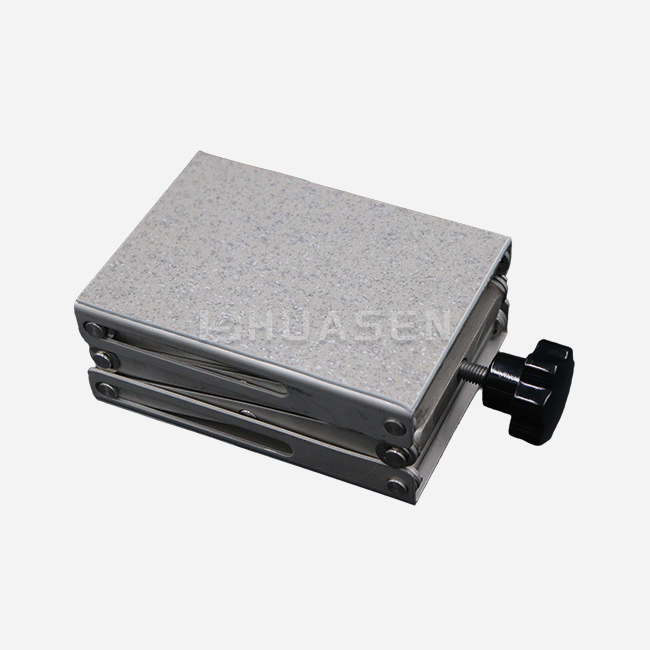
Mechanical alignment is checked after the connection is made. Supporting the device should be done with adjustable lab stands or mounting brackets to keep the test port connector from being stressed by cantilever forces. When thinking about the environment, you need to make sure there is enough space for the micrometer to work and keep it safe from changes in temperature that could affect the stability of the measurements. Before starting the calibration process, the baseline performance is checked by taking an initial VSWR measurement to make sure the installation was done correctly.
Maintaining Peak Performance Over Time
Regular maintenance keeps the ability to measure over many years of use. Every time a flange surface is used, it needs to be checked for oxidation or contamination and cleaned according to the right procedures. Using gauge blocks on a regular basis to make sure that positional accuracy hasn't dropped due to wear is good for the micrometer mechanism. Cleaning the internal waveguide bore every three months with the right solvents gets rid of any buildup dirt and keeps the coating on the absorbing element from getting damaged.
Checking the calibration once a year by comparing it to reference standards kept by accredited metrology laboratories makes sure that the performance stays within the limits. This process creates paperwork that meets the requirements for ISO 17025 accreditation and lets you know about degradation trends early on, before they change the results of measurements. During storage, temperature changes and humidity exposure should be kept to a minimum, and protective caps should be put on the flanges to keep them clean.
Troubleshooting Common Issues
Several diagnostic steps help find the cause when measurements show VSWR changes that don't make sense during element travel. Checking the torque on the flange connection fixes the most common problem, which is mechanical settling after the first installation. If VSWR stays unstable, checking the micrometer mechanism for backlash shows that the translation system is worn out and needs to be serviced. Sudden loss of performance is often a sign of damage or contamination to the flange that needs to be inspected and cleaned right away.
Positional repeatability problems show up when the micrometer can't go back to the previous impedance states when it moves to a marked position. This symptom usually means that the slide rail system or micrometer drive mechanism is wearing out mechanically, which means that the part needs to be serviced or replaced by the factory. Keeping detailed service logs lets you see how performance is changing over time and helps you plan maintenance based on facts, which increases operational availability and lowers lifecycle costs, including those related to waveguide termination.
Conclusion
For modern telecommunications, aerospace, and defense applications that need precise measurements, calibration needs to go beyond what fixed reference standards can provide. This need is met by Waveguide Sliding Load technology, which uses mechanically controlled phase rotation to separate system errors mathematically. This lets metrology programs deliver measurement uncertainties below 0.05 dB when they are used correctly. The operational benefits go beyond just meeting performance requirements. They also include long-term stability, mechanical repeatability, and compliance with international calibration standards that help with the certification process for products. Companies that invest in this technology get a competitive edge through faster development cycles, lower failure rates in the field, and more confidence in the characterization of components, all of which have a direct effect on the performance of the whole system. As millimeter-wave technology is being used more and more in 5G networks, satellite communications, and car radar systems, precision sliding loads are becoming more and more important to keep measurements accurate.
FAQ
1. Why choose sliding loads over high-precision fixed terminations?
At millimeter-wave frequencies, it is physically impossible to make a fixed load that is perfectly matched because of differences in connectors and materials. The Waveguide Sliding Load gets around this problem by letting math figure out the real impedance center by taking multiple measurements that are rotated by one phase. Because of this, the effective directivity is 15-20 dB higher than premium fixed standards, which is necessary for metrology-grade VNA calibration procedures.
2. What determines minimum operational frequency capabilities?
The main limitation is the length of the physical travel. To make the phase rotate all the way around 360 degrees, the device must move at least half a wavelength at its lowest frequency. If the travel length isn't long enough, the phase coverage isn't complete, which hurts the circle-fitting algorithms that figure out the real impedance values during calibration.
3. Can these devices be used for high-power dummy load applications?
Sliding loads put the accuracy of measurements ahead of their ability to handle power. Typical CW power ratings are still less than 50W, which is enough for calibration tasks but not for testing transmitters or dissipating energy. Precision mechanical systems and tapered absorbing elements can't handle the heat stress of high-power applications without losing performance. Dedicated high-power terminations are used for dissipating large amounts of energy when precision at the calibration level is not needed.
Partner with Huasen Microwave for Superior Sliding Load Solutions
You need proven expertise and reliable component performance to deal with measurement problems in your high-frequency testing environment. Huasen Microwave has more than 30 years of experience making precise waveguide components. They can provide the Waveguide Sliding Load solutions that meet the strict needs of research metrology labs, aerospace qualification programs, and the deployment of telecommunications infrastructure. Our engineering team can give you full technical advice on everything from choosing the right frequency to making sure that everything works together perfectly. They can also give you custom configuration options that are perfect for your needs. Quality control methods that are in line with MIL-STD and ISO standards make sure that every device ships with full calibration data that can be tracked back to national metrology institutes. Our team is quick to respond and gives you competitive quotes with realistic delivery times and long-term supply chain stability, whether you need a single evaluation unit or a lot of them for production testing infrastructure. Contact our experts at sales@huasenmicrowave.com to discuss your specific needs.
References
1. IEEE Standard 1478-2018, "IEEE Standard for Vector Network Analyzer Calibration Using Sliding Terminations," Institute of Electrical and Electronics Engineers, 2018.
2. Bryant, G.H., "Principles of Microwave Measurements," Institution of Engineering and Technology Press, 2020, Chapter 7: Precision Terminations and Load Standards.
3. Rytting, D.K., "Network Analyzer Error Models and Calibration Methods," Microwave Journal Technical Publication Series, 2019, pp. 45-67.
4. MIL-DTL-3928, "Detail Specification: Waveguide Flanges, General Requirements for," United States Department of Defense, 2017.
5. Zhang, L., et al., "Uncertainty Analysis of Sliding Load Calibration in Millimeter-Wave VNA Measurements," IEEE Transactions on Microwave Theory and Techniques, Vol. 68, No. 4, 2020, pp. 1524-1533.
6. Anderson, R.P., "High-Frequency Measurement Techniques for Characterization of Modern Wireless Systems," Artech House Publishers, 2021, Chapter 5: Reference Standard Selection and Validation.
Send Inquiry