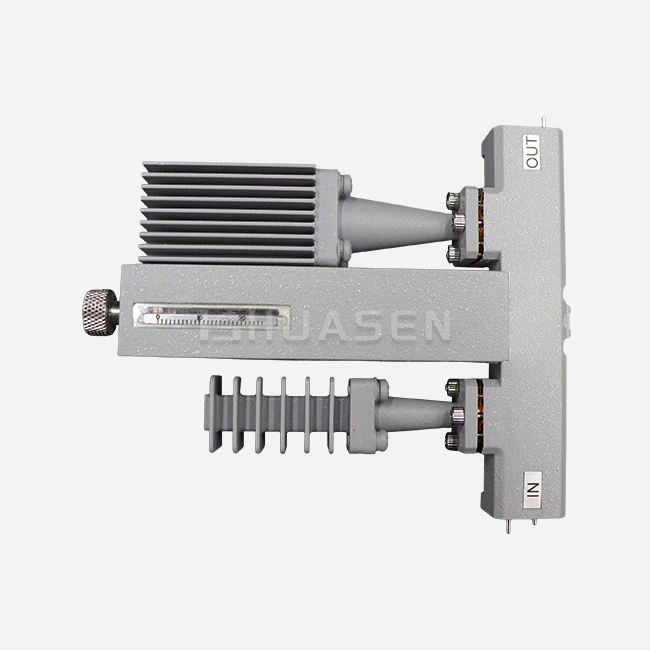
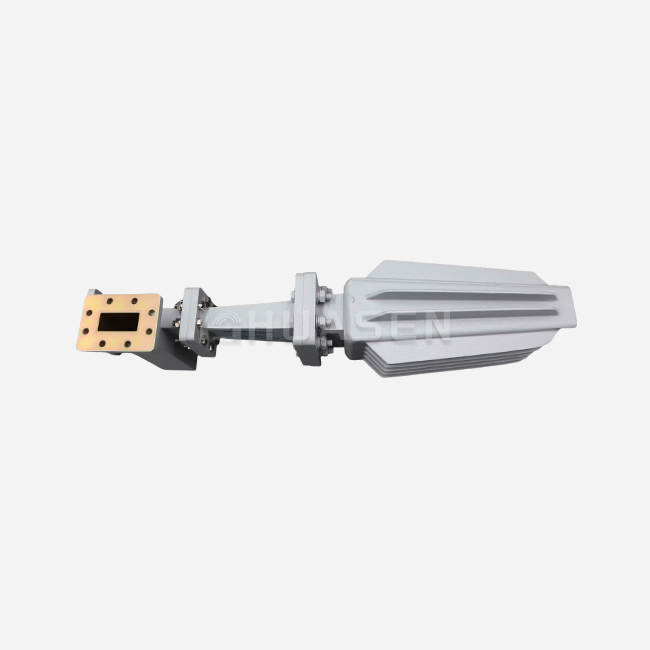
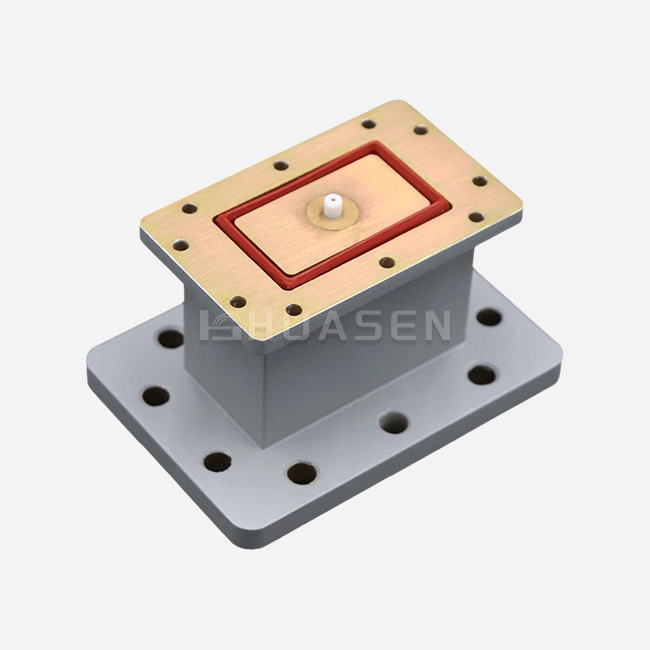
Coupled Fixed Waveguide Attenuator Working Principle






2026-04-29 21:01:24
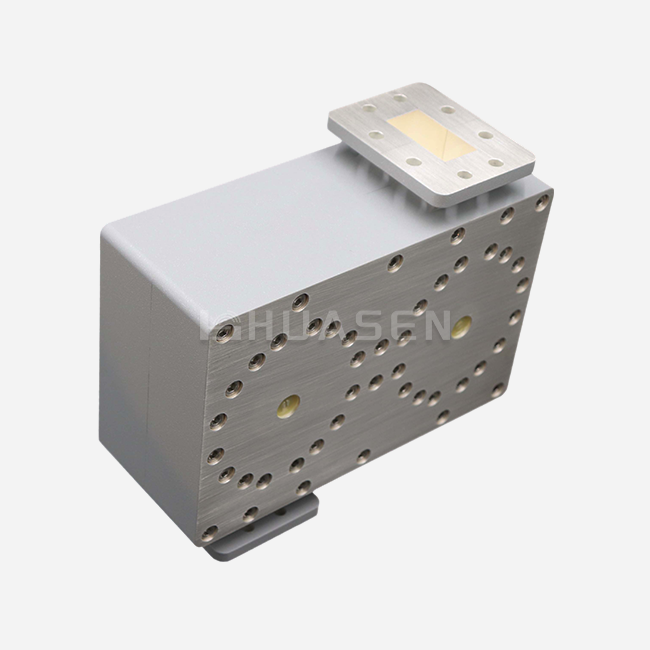
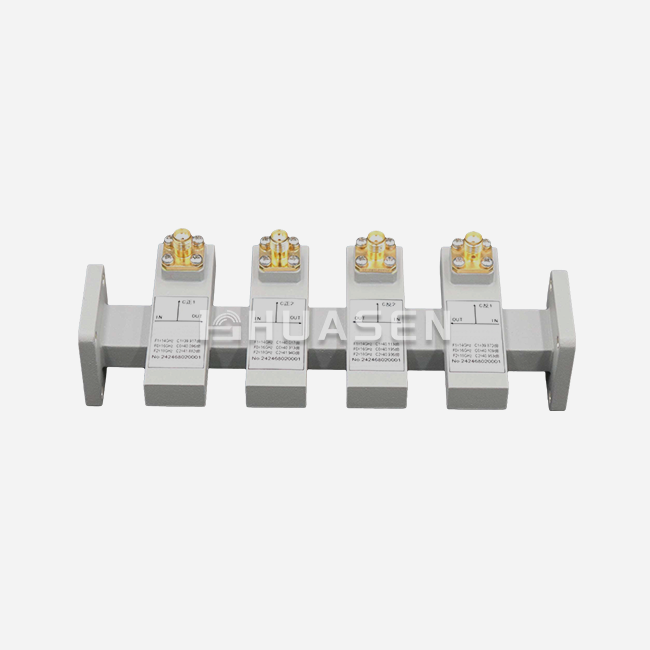
A coupled fixed waveguide attenuator is a precision passive microwave component designed to reduce electromagnetic signal amplitude by a predetermined, unchangeable magnitude measured in decibels. Unlike variable designs, this device employs a static dissipative element or directional coupling mechanism with matched loads to absorb RF energy and convert it into heat. The coupling method uses high-directionality couplers that sample signals through carefully positioned ports, maintaining predictable attenuation levels across wide frequency bands while ensuring excellent impedance matching throughout the signal path. Waveguide attenuation devices play a vital role in protecting sensitive receiver components from high-power transmitters, managing link budgets in phased array systems, and simulating path loss conditions during laboratory testing. Understanding how these components work empowers procurement teams and RF engineers to select devices that meet stringent performance requirements in telecommunications infrastructure, radar installations, satellite ground stations, and aerospace applications.
Understanding the Coupled Fixed Waveguide Attenuator
The basic structure of a waveguide attenuator depends on a hollow metal tube absorbing energy in a controlled way. Instead of using coaxial cables, waveguides keep electromagnetic waves inside conductive walls, supporting certain propagation modes that depend on the operating frequency and cross-sectional size. There is a secondary coupling mechanism in a Coupled Fixed Waveguide Attenuator that sends some of the signal to a resistive termination.
This method of coupling is very different from resistive vane attenuators, which put lossy material in the signal path. Attenuation is achieved by the coupled architecture, taking energy from the waveguide through apertures or probes placed along its wide or narrow wall and then releasing it in precisely matched loads. The fixed attenuation value is set by the coupling factor, which tells how much power is taken away from the main transmission path.
Core Operating Parameters
Performance and compatibility are defined by a number of technical specifications. The device's attenuation accuracy tells you how close it stays at its nominal value, which is usually within ±0.5 dB to ±1.0 dB across the given frequency range. The voltage standing wave ratio shows how well the impedance matches. Values below 1.20:1 mean that the signal will reflect back toward the source as little as possible. The amount of power that can be handled—both continuous wave and peak pulse—depends on how well the internal resistive elements can get rid of heat and how strong the coupling structure is. Coverage ranges from less than 1 GHz to more than 110 GHz, with different waveguide sizes working best for different bands. The WCFAX series from Huasen Microwave is a good example of this level of accuracy. It can lower signals by 3 dB to 60 dB and have frequency response flatness better than ±0.75 dB for levels above 10 dB.
Distinguishing Fixed from Variable Designs
To change the level of attenuation on the fly, variable attenuators use resistive elements that can be moved or coupling mechanisms that can be adjusted. Even though these designs are flexible, they add mechanical complexity and the chance that the calibration will change over time. Fixed attenuators don't have any moving parts, so they are more stable and consistent over time. Because they are so reliable, they are perfect for use as calibration standards, reference levels, or in permanent installations where attenuation values must stay the same for the life of the equipment. Not having any adjustment mechanisms also makes it more durable in harsh environments by making it less likely to break down due to vibration, changes in temperature, and mechanical shock.

Principles and Performance Analysis
Maxwell's equations describe how electromagnetic waves move through waveguides that are either square or round. The waves carry energy in separate transverse electric or transverse magnetic modes. The main mode, which is usually TE10 in rectangular guides, makes the electric field concentrate along certain planes in the cross-section. When you put a coupling aperture or probe at these field maxima, a coupled fixed waveguide attenuator pulls out energy proportional to the coupling coefficient. This coefficient depends on the size, shape, and orientation of the aperture in relation to the field distribution.
The signal that was extracted goes through a secondary waveguide or transition and ends in a coaxial port with a precision resistive load that is matched to the characteristic impedance. The load changes radio frequency energy into thermal energy. This stops reflections that would otherwise make standing waves and make measurements less accurate. The extracted power causes the main signal path to have less amplitude, which is what is meant to be attenuated. Unlike resistive vane designs, which can cause frequency-dependent phase shifts, this coupling mechanism keeps the phase linearity and signal distortion to a minimum.
Comparison with Alternative Technologies
By putting lossy material directly into the waveguide, resistive attenuators soak up energy through dielectric heating. Even though they are easier to build, they can be sensitive to temperature and absorb light unevenly over wide frequency ranges. The coupled architecture keeps the absorption function separate from the main transmission path. This lets the coupling geometry and termination characteristics be optimized separately. This separation makes the sound flatter and lessens changes in insertion loss over a wide range of frequency range.
Variable designs give up stability to be more flexible. For instance, rotary vane attenuators change the attenuation continuously by turning a resistive card inside the waveguide. Mechanical wear and hysteresis make it hard to repeat measurements, making them unsuitable for measurement standards or long-term installations. Fixed Coupled Fixed Waveguide Attenuators get rid of these variables, so they always work the same way after decades of use. In high-quality units, temperature coefficients stay below 0.01 dB/dB/°C, so they stay accurate from -40°C to +85°C, which is the temperature range that most outdoor telecommunications equipment works in.
Design Factors Influencing Performance
Frequency response and directionality are directly affected by the geometry of the coupling. Bandwidth can be increased beyond single-frequency optimizations using multi-hole aperture arrays or tapered probe designs. Choosing the right material balances electrical conductivity and thermal management. For example, aluminum is lightweight and can handle moderate amounts of power, but copper or brass is better at conducting electricity and handling power. Adding silver or gold plating to the surface can lower ohmic losses and stop oxidation in places that are corrosive.
To keep the VSWR specifications, the terminating load must have a flat impedance across the operating band. Thin-film resistors on ceramic substrates or carbon-composite materials spread heat out evenly, stopping hot spots that could lead to thermal runaway. The load power rating must be higher than the maximum coupled power by a sufficient safety margin, taking into account the radar and communication systems' pulse peak factors. Environmental sealing keeps inside parts from getting wet and dirty, which increases their useful life in marine and outdoor settings.
Applications and Benefits in Microwave and RF Systems
Waveguide attenuators are used in base station front-end equipment to improve signals. This is especially important for 5G millimeter-wave deployments that work above 24 GHz. These devices keep low-noise amplifiers from losing power while working in two-way communication and make sure that signal levels are even across many antennas in large MIMO arrays. In these tough situations, it's important for a coupled fixed waveguide attenuator to handle high power—often more than 100 watts CW—without performance dropping.
Attenuators that have been calibrated, including fixed waveguide attenuators, are used by satellite ground stations to simulate path loss from space to Earth during link budget verification. Engineers connect several units in a row to make it work like signals traveling from geostationary orbit are muffled by 200+ dB. Coupled designs are very flat and accurate, so test conditions are exactly like real life. This makes sure that the receiver's sensitivity and bit error rate work well before launch. The WCFAX units from Huasen Microwave can work with frequencies ranging from 0.96 GHz to 112 GHz, which means they can cover all commercial satellite bands from L to W with a typical VSWR of less than 1.2:1.
Defense and Aerospace Advantages
In calibration loops and transmit/receive isolation networks, radar systems use fixed attenuators. High-power transmitters that put out megawatts of peak pulse power need to be carefully watched over so that test equipment doesn't get damaged by the energy levels. This is turned down to safe milliwatt levels by a 60 dB attenuator, which is used for spectrum analysis and waveform verification. Waveguide devices are built to be tough so they can handle the vibrations and extreme temperatures that are common in airborne early warning systems and missile guidance systems.
To confuse enemy radar without going over legal or tactical power limits, electronic countermeasures need precise control of the levels of jamming signals. Traceability is provided by attenuation standards calibrated to national metrology institutes, which make sure that systems that are deployed work within certain limits. Fixed attenuators are passive, so they don't have the failure modes that come with active parts. This makes the mission more reliable during critical operations.
Laboratory and Test Instrumentation
To characterize an RF component, you have to keep the device you're testing away from changes in the measurement equipment's impedance. Vector network analyzers check scattering parameters by comparing signals that come in and signals that come back out. But when the source and load impedance don't match, they cause errors that repeat themselves. These errors are known as source-pull and load-pull effects. Putting moderate-value attenuators—usually 6 dB to 10 dB—between the VNA ports and DUT reduces these errors by providing stable impedance references, which makes measurements more accurate and repeatable.
Calibration chains for power meters use a series of precise attenuators to check the accuracy of the range and linearity over decades of power levels. Coupled fixed designs are very stable, so calibration intervals are kept at more than one year. This lowers the cost of recalibration and downtime. Temperature-compensated units can track changes in the ambient noise level to within 0.05 dB, which meets the requirements for ISO 17025 accreditation for accredited calibration laboratories.
Procurement Considerations for B2B Clients
The first step in choosing a reliable supplier is to look at the quality of the technical documentation. The full datasheets should show the frequency response curves, VSWR plots, attenuation accuracy, and how much power the coupled fixed waveguide attenuator can handle in both continuous wave (CW) and pulsed conditions. Manufacturers with a good reputation offer S-parameter files in Touchstone format for electromagnetic simulation. This lets you check the system-level design for errors before making a prototype. Calibration certificates that can be traced back to national standards institutes show that measurements can be trusted and that the measurements are in line with the rules.
The ability to provide technical support is what sets solution partners apart from commodity suppliers. Before a sale, engineering help is given to make sure that the attenuator fits the needs of the application. This includes checking for things like flange compatibility, environmental sealing, and thermal management. Having access to application notes and design guides speeds up the process of integrating and fixing problems. For defense and aerospace programs with long lifecycles, post-sales support includes calibration services, repair options, and managing obsolescence.
Cost and Lead Time Variables
When you buy more, you get a better deal with volume pricing, and the breaks usually happen at 10, 50, and 100 units. Lead times for customized frequency bands, attenuation values, or flange types can be as long as six to twelve weeks. Standard catalog items from well-known manufacturers usually ship within two to four weeks. There may be setup costs for testing prototype quantities, but they are an important way to make sure of performance before committing to production volumes.
The price depends on the material used. For example, aluminum costs less than copper or brass, but it might not be able to handle enough power. Options for the surface finish, like gold plating, cost more but are more reliable in corrosive environments. Buyers should compare the initial cost of buying an item to its total cost of ownership, taking into account how often it needs to be calibrated, how often it breaks down, and how much maintenance it needs over its useful life.
Quality Verification Methods
Key parameters of the fixed waveguide attenuator should be measured by calibrated test equipment during the incoming inspection. A vector network analyzer checks the accuracy of attenuation and VSWR over a certain frequency range by comparing the results to the specifications given in the datasheet. The flatness of the flange, the torque of the fasteners, and the quality of the surface finish are all checked visually. When testing power handling, thermal imaging may be needed for high-power applications to find hot spots that could be signs of manufacturing flaws.
Certification of supplier quality systems, like ISO 9001 or AS9100 for aerospace uses, gives customers peace of mind about the control and tracking of the manufacturing process. In serious situations, having long-term reliability data from accelerated life testing or field performance history lowers the risk. By building relationships with multiple qualified sources, you can keep your prices low and avoid problems in the supply chain.
Conclusion
Coupled Fixed Waveguide Attenuators provide unmatched dependability and accuracy for tough RF uses in places like aerospace, defense, telecommunications, and lab equipment. Figuring out how they work, how well they do, and what you need to think about when buying them helps you choose the right parts for the job while staying within your budget. Because these devices are passive and stable, they work the same way for decades, which cuts down on maintenance costs and calibration times. The WCFAX series from Huasen Microwave is an example of advanced coupling design. It has a very flat frequency response, wide bandwidth coverage, and a strong build that can handle the harshest environments. Partnering with manufacturers that offer full technical support, good documentation, and the ability to make changes is good for procurement teams.
FAQ
1. What frequency ranges do coupled fixed waveguide attenuators cover?
Modern waveguide attenuators work with frequencies from less than 1 GHz to 110 GHz and higher, and some models are better at working with standard waveguide bands than others. The WR-90 supports the X-band (8.2-12.4 GHz), the WR-28 the Ka-band (26.5-40 GHz), and the WR-10 the W-band (75-110 GHz). Broadband designs that use specific coupling methods can achieve performance over multiple octaves. Huasen Microwave's WCFAX series can continuously cover frequencies from 0.96 GHz to 112 GHz with different flange configurations.
2. How does insertion loss differ between coupled and resistive attenuators?
When the attenuation values are the same, coupled fixed waveguide attenuators usually have less insertion loss than resistive vane types. The coupling mechanism takes energy out of the main waveguide path without blocking it, but resistive elements make breaks in the path that send energy to higher-order modes. At higher frequencies, where waveguide losses rise, this benefit stands out more. When coupled attenuators are designed correctly, they add less than 0.2 dB of insertion loss on top of the nominal attenuation value.
3. Can I order custom attenuation values and frequency bands?
Reliable manufacturers can make adjustments to meet specific needs for power handling, frequency ranges, attenuation levels, and flange types. Custom coupling aperture designs get better results for narrow bands and can handle tighter tolerances than catalog items for wideband use. Lead times are longer because of the need for engineering design and prototype testing, but the investment pays off in the end with better performance for specific uses. As a company with decades of experience designing waveguides, Huasen Microwave offers full customization support.
Partner with a Trusted Waveguide Attenuator Manufacturer
Huasen Microwave Technology makes precision Coupled Fixed Waveguide Attenuators for the defense, aerospace, and telecommunications markets around the world. Our WCFAX series has the best frequency response flatness in the business, covering frequencies from 0.96 GHz to 112 GHz and attenuation levels from 3 dB to 60 dB. We can speed up the time it takes to finish your project by giving you full technical advice, custom frequency band solutions, and quick prototype development. For detailed specifications, S-parameter files, and volume pricing that fits your needs, please email our engineering team at sales@huasenmicrowave.com. With 30 years of experience in radio frequency (RF), you can trust us to improve the performance of your system with reliable, high-quality waveguide components.
References
1. Collin, R.E. "Foundations for Microwave Engineering, Second Edition." IEEE Press, 2001.
2. Montgomery, C.G., Dicke, R.H., and Purcell, E.M. "Principles of Microwave Circuits (MIT Radiation Laboratory Series)." Peter Peregrinus Ltd., 1987.
3. Rizzi, P.A. "Microwave Engineering: Passive Circuits." Prentice Hall, 1988.
4. Saad, T.S. "Handbook of Microwave Measurements, Third Edition." Polytechnic Press, 1986.
5. Weinschel Engineering Company. "Precision Coaxial and Waveguide Attenuators: Theory and Application." Technical Publication Series, 1995.
6. IEEE Standard 474-1973. "IEEE Standard Specifications and Test Methods for Fixed and Variable Attenuators, DC to 40 GHz." Institute of Electrical and Electronics Engineers, 1973.
Send Inquiry