Performance Metrics of Waveguide Circulator






2026-04-28 21:30:38
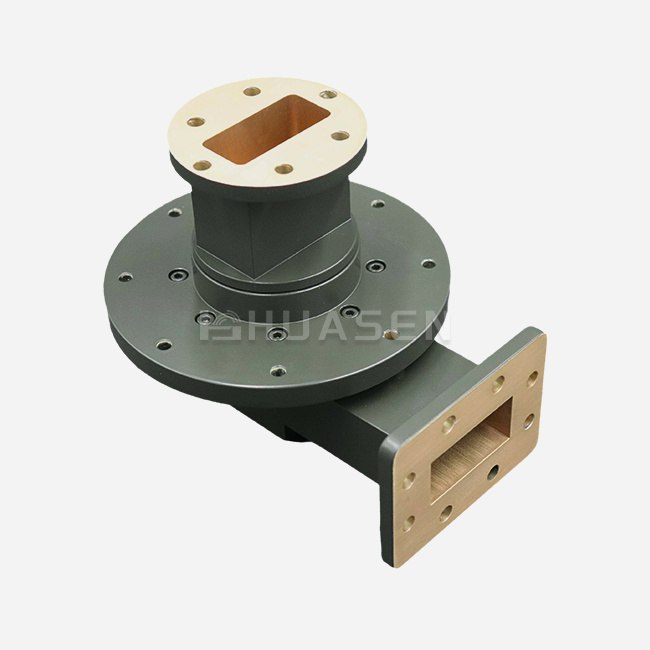
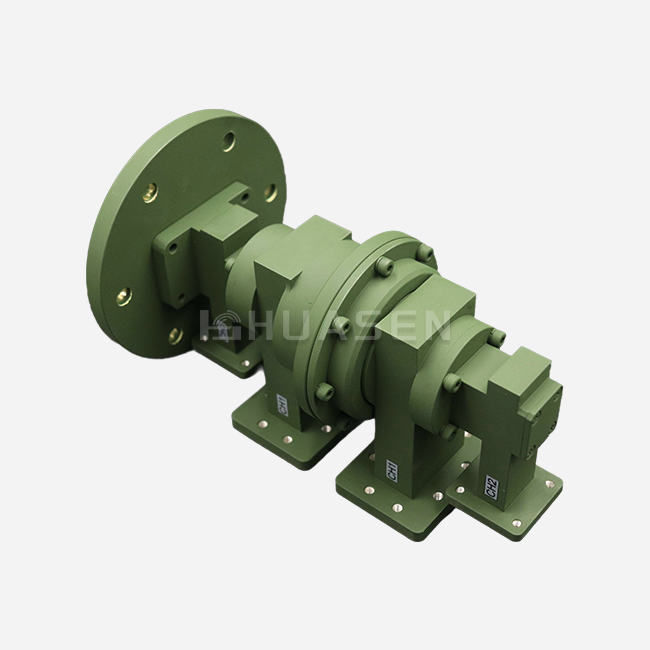
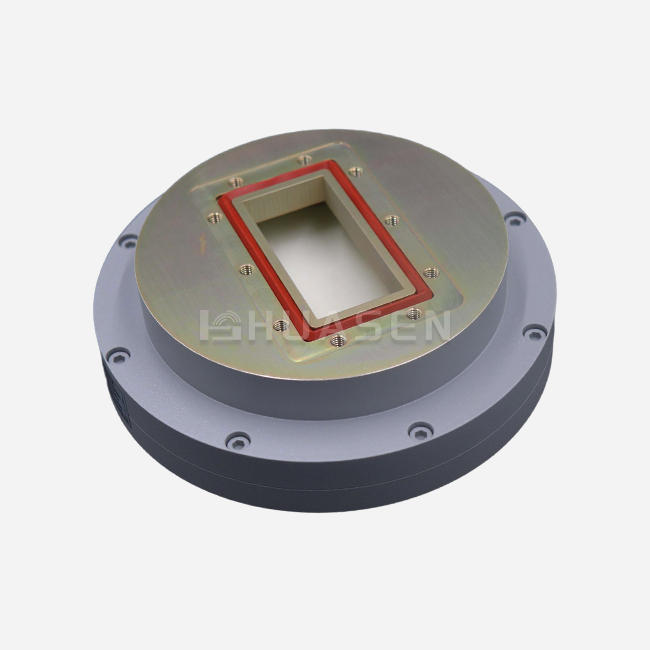
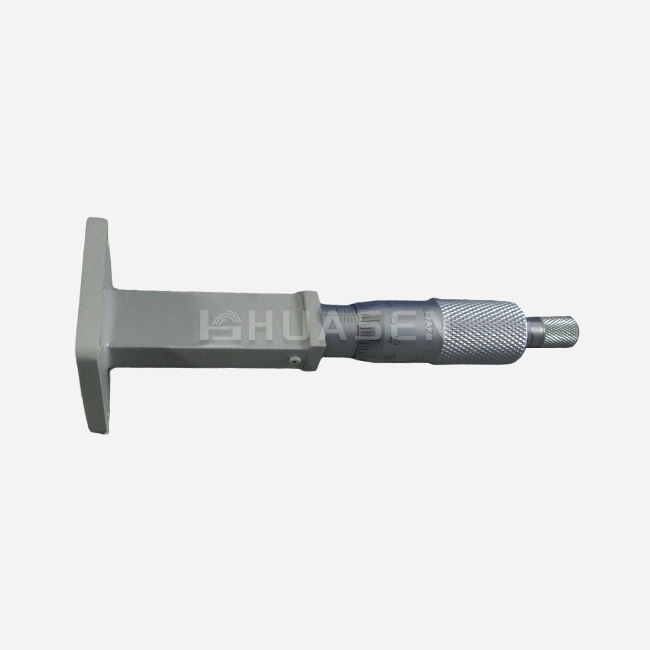
Knowing the performance metrics of waveguide circulators is important when choosing passive RF parts for radar, satellite, or phone systems that need to work under tough conditions. These devices don't work the other way around, so microwave signals are sent through specific ports very precisely. This keeps sensitive power amplifiers safe from damaging reflections and lets transmission and reception happen at the same time through shared antenna systems. Insertion loss, isolation, return loss, power handling capacity, and operational bandwidth are the main metrics that show if your system meets its mission-critical performance requirements. To choose the right waveguide circulator, you need to carefully compare these factors to the environment, frequency range, and reliability needs of your application.
Understanding Waveguide Circulators and Their Core Performance Metrics
Waveguide circulators are used by microwave engineers to control the direction of signal flow in high-frequency systems that need to have low losses and strong power handling. These devices work better at frequencies ranging from X-band to W-band than their coaxial counterparts because they use hollow metallic conductors to send electromagnetic energy.
Fundamental Operating Principles
The main function comes from the Faraday rotation effect in a magnetized ferrite material that is placed at the waveguide junction. When RF energy comes in through port 1, the gyromagnetic properties of the ferrite direct it only to port 2. Signals coming in through port 2 go to port 3. This controlled, one-way routing happens with little loss in the forward direction and a lot of blocking in the reverse direction. Because these parts don't have an inner conductor, they don't have the dielectric breakdown risks that come with coaxial designs. This makes them essential for high-power radar transmitters and satellite uplink stations.
Critical Performance Parameters Defined
When procurement teams look at datasheets, they find a number of standard specifications that describe how devices work. Insertion loss is a way to measure how weak the signal is between two ports that are next to each other in the forward direction. For quality units, it usually ranges from 0.2 to 0.5 dB. Isolation measures how well the circulator stops signal flow in the opposite direction. Values above 20 dB are considered good for most uses, and premium models should get 25 dB or higher. Return loss shows how well each port matches the system impedance, which has a direct effect on the voltage standing wave ratio and the overall efficiency of the transmission. Power handling capacity tells you how much average and peak power a device can handle without getting damaged by heat or magnetic saturation. This is a very important number for radar and electronic warfare systems. Bandwidth is the range of frequencies for which all other specifications can still be met. For standard designs, bandwidth is usually given as a fractional number between 10% and 20%.
By knowing these parameters, you can figure out if a potential component fits in with the architecture of your system. If the base station frontend designer wants to make sure the signal is pure, they will look at isolation and return loss numbers. On the other hand, a radar integrator who works with kilowatt-level pulses will mostly look at peak power ratings and thermal dissipation characteristics.

Detailed Analysis of Primary Waveguide Circulator Performance Metrics
To turn raw specification numbers into real-world system performance, you need to know more about how each metric affects how the system works in the real world. The ultimate capabilities of any waveguide circulator design depend on the choice of material, the accuracy of the mechanics, and the effects that change with frequency.
Insertion Loss and Its Impact on Signal Integrity
Even differences of a few decibels in insertion loss add up over long RF chains, lowering the signal-to-noise ratio and the power that is actually sent out into the environment. By using precisely machined junctions and the best ferrite compositions, high-quality waveguide circulators can keep insertion losses below 0.3 dB. This parameter is directly affected by how pure the material is. For example, oxygen contamination in ferrite substrates raises dielectric losses, and rough surfaces on waveguide walls scatter energy. As the temperature changes, the ferrite's permeability changes, which also affects insertion loss. When you need the most efficiency, like when satellite earth stations send signals toward geostationary orbit, you should choose circulators that are near the bottom of the insertion loss spectrum.
Isolation Performance and Source Protection
How well the circulator protects sensitive sources from harmful reflections caused by impedance mismatches further downstream is based on isolation. When a high-power amplifier feeds an antenna that has VSWR spikes because of ice buildup or physical damage, the energy that is reflected tries to flow backwards through the transmission chain. When you connect a circulator with 25 dB isolation, 99.68% of the power that is reflected goes to the isolated port, which is usually terminated with a matched load. When tube amplifiers like traveling wave tubes or klystrons are working close to their maximum ratings, this protection is very important. To get good isolation, you need to carefully set the ferrite element's magnetic bias and tune the impedance-matching network inside the junction cavity. This specification is most affected by manufacturing tolerances, so it is a good way to tell how well the whole thing was put together.
Power Handling Capability and Thermal Management
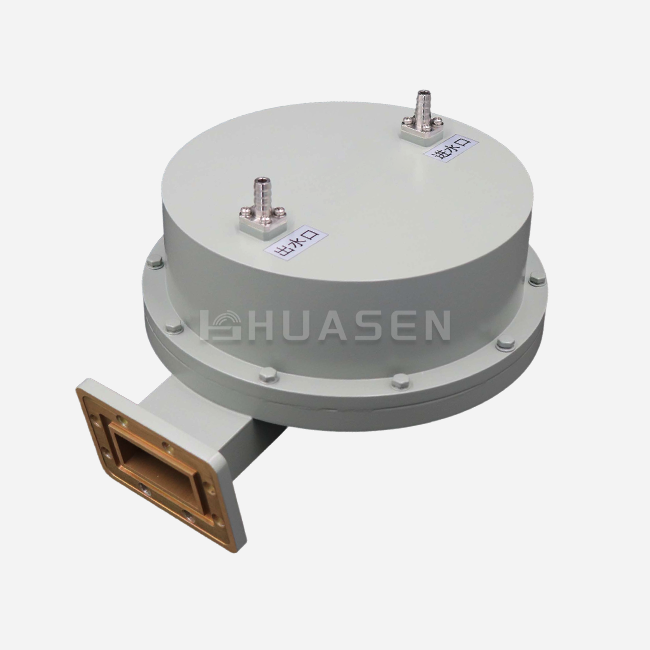
During operation, radar transmitters and industrial microwave systems put a lot of heat stress on circulator junctions. Average power ratings show how well the device can remove constant heat through its housing, while peak power ratings show how well the ferrite material can handle magnetic saturation during short pulses. A Ka-band circulator with an average power rating of 100 watts and a peak power rating of 5 kilowatts can handle normal duty cycles for airborne radars without losing any performance. When these limits are crossed, the temperature of the ferrite gets close to the Curie point. At this point, the material stops being gyromagnetic, and circulation stops. To handle more power, more advanced designs use active cooling channels or heat-spreading baseplates. When figuring out thermal budgets, system integrators need to take into account the ambient temperature, duty cycle, and installation orientation. This is especially important in sealed outdoor enclosures where convective cooling is limited.
Bandwidth Considerations Across Frequency Ranges
Operational bandwidth tells us if a single circulator can handle more than one radar mode or communication channel without needing to switch networks. Standard designs cover 10% to 15% of the fractional bandwidth, which is enough for single-band uses like X-band marine radar. Some types of wideband antennas have 20% or more coverage by using stepped impedance transformers and multi-section matching networks. However, these changes usually reduce the isolation depth by 2 to 3 dB. As tolerances for dimensions get tighter compared to wavelength, millimeter-wave circulators have to deal with very narrow bandwidth limits. When choosing parts for a multi-mission surveillance system, a procurement engineer has to weigh the benefits of wideband coverage against the possibility of better narrowband performance from frequency-optimized designs.
Comparing Waveguide Circulators to Other Circulator Types and Similar Components
To choose the right signal routing technology, you need to know how the different component architectures deal with different performance needs. Each design approach has its own benefits that depend on the needs of the application and the limitations of the system. Waveguide Circulators offer distinct advantages in high-frequency and high-power applications.
Waveguide Versus Coaxial Circulators
There are clear performance limits between these two main types of circulators because of their different architectures. Waveguides work great in high-power, high-frequency situations because their hollow design gets rid of dielectric breakdown pathways and lowers ohmic losses. A high-power waveguide circulator, such as a W-band waveguide circulator, can handle 50 watts of power with an insertion loss below 0.4 dB, which is not possible with coaxial equivalents at that frequency. On the other hand, coaxial circulators come in smaller packages and are easier to integrate into systems below 20 GHz, where their extra insertion loss (usually 0.5 to 0.8 dB) is still acceptable. When you have limited space on a platform, like a small UAV or portable test equipment, the mechanical bulk and weight of waveguide components become problems. Whether you buy something depends on whether your application values raw performance or the ease of system integration.
Circulators Versus Isolators
Even though these devices have similar structures, they are used for different things in RF architectures. An isolator is a three-port circulator with a matched load connected to one of the ports. It lets signals go in one direction and absorbs signals going the other way. In amplifier protection applications where signals only flow in one direction, this configuration works well. Full circulators let you use more complex routing schemes, like duplexing, where the hardware for both the send and receive paths is shared by the full circulator. If you understand this difference in function, you won't make specification mistakes. For example, a buyer who wants to protect a transmitter might pay extra for three-port functionality when a simpler isolator would do the job.
Evaluating Use-Case Scenarios
The best features of each technology are shown in different application settings. Waveguide circulators help radar installations on the ground that have a lot of room and active cooling work better by handling more power with less loss. Mobile communication base stations that have to balance performance with the limitations of tower mounting might be willing to deal with the slightly higher insertion loss of coaxial circulators in exchange for less weight and easier weatherproofing. The easily swappable connectors in coaxial implementations make them better for lab test setups that need to be changed often. Both over-specification waste and under-specification failure can be avoided by matching the architecture of a component to its operational context.
Procurement Considerations Based on Performance Metrics
Before you can make sourcing decisions based on technical specifications, you need to know how performance is related to things like price, lead time, and supplier capabilities. With this information, procurement teams can negotiate better and make sure that the parts they receive meet engineering requirements for each waveguide circulator.
Interpreting Manufacturer Datasheets
Suppliers with a good reputation give detailed specifications that include normal and guaranteed performance limits for a wide range of temperatures. Isolation levels of "20 dB typical, 18 dB minimum" on a datasheet show how the manufacturer checks for quality and how much room there is for error in the design. Companies such as Smiths Interconnect, Advanced Technical Materials, and Pasternack put out a lot of test data that shows performance curves for different levels of frequency, temperature, and power. Important buyers make sure that the specifications include measurement methods that are commonly used in the industry, like those in MIL-STD-1760 or IEEE standards. Be wary of datasheets that only show typical values and not any tolerances. This kind of ambiguity could mean that production control isn't good enough or that marketing claims are meant to be too positive.
Price-Performance Trade-offs
The cost of a component goes up as its performance needs and production complexity go up. A commercial X-band circulator with 20 dB isolation and 100 watts of power costs a lot more than a military-grade one with 25 dB isolation, 500 watts of power, and MIL-STD-810 environmental qualification. The budget for buying things has to balance the needs for specifics with the total cost of the system. When you buy a few specs above what is required, you leave some room in the design for component wear and unexpected operating conditions. This can help lower the number of failures in the field and the costs over the product's lifetime. When you sign a bulk purchasing agreement with a qualified supplier, you can often get 15% to 25% off each unit cost and reserve production slots for times when demand is high.
Customization Capabilities
For many uses, non-standard specifications are needed in addition to what is available in catalogs, such as high-power waveguide circulators. When suppliers have their own design teams, they can make circulators work best with certain frequency bands, power levels, or mechanical interfaces. For aerospace uses, custom ferrite compositions increase the temperature range, and for multi-mode radar systems, specialized matching networks increase the bandwidth. Custom designs usually have longer lead times (12 to 16 weeks) than standard products, so they need to be worked on early on in the system development process. Creating partnerships with manufacturers that can provide quick engineering help lowers the risks that come with finding out about specification issues during integration.
Supplier Qualification and Reliability
Where you get your components has long-term effects on how available your system is and how much maintenance it needs. Suppliers who are qualified show consistent quality by having certifications like ISO 9001 or AS9100 for aerospace uses or by following rules about conflict minerals. By checking with current customers for references, you can get real-life information about how well technical support works, how quickly they respond, and how willing they are to deal with problems in the field. Dual-sourcing strategies protect against supply disruptions, but they need careful performance verification to make sure they work with the main supplier. Supply chain stability that can be proven is especially important for programs that last more than one year, since parts going out of style could mean expensive redesigns.
Conclusion
Waveguide circulator performance metrics are the basis for choosing the right parts for tough RF applications. Insertion loss impacts the overall efficiency of the system, isolation keeps valuable sources safe from harmful reflections, and power handling capacity determines the operational margins when things get tough in the real world. Bandwidth specifications limit the range of frequencies that can be used, and environmental ratings make sure that the device will work reliably in all conditions. When procurement professionals really understand how these factors affect each other, they can make smart choices that balance performance needs with business realities. Radar, satellite, and telecommunications systems require a lot of technical precision. Systems that are carefully specified and chosen as suppliers will work as designed for their entire operational lives.
FAQ
1. What insertion loss should I expect from a quality waveguide circulator?
Depending on the frequency band and design method, premium waveguide circulators usually have an insertion loss of between 0.2 and 0.5 dB. Millimeter-wave units at Ka-band and above may reach 0.4 to 0.5 dB because of higher conductor losses and tighter manufacturing tolerances. X-band and Ku-band devices usually get values below 0.3 dB. Insertion loss has a direct effect on system link budgets—a 0.2 dB improvement in a satellite uplink chain leads to increases in effective radiated power that are useful. Always make sure that the numbers given are guaranteed minimums and not just averages.
2. How do I select a circulator for high-power radar applications?
When it comes to high-power radar systems, both the average and peak power ratings need to be carefully looked at. Use the duty cycle and pulse repetition frequency to figure out the actual average power. Check that the peak power ratings are higher than your maximum pulse amplitude by a sufficient amount—20% headroom allows for component aging and operational transients. Thermal management is very important, so make sure your installation has enough conductive heat-sinking or cooling airflow. Manufacturers often offer better cooling options, such as heat exchangers that are built in or interfaces for forced air. When working in harsh conditions, choose devices that meet MIL-STD-810 environmental standards.
3. Can circulators be customized for specific system requirements?
Customizing circulators for non-standard frequencies, power levels, mechanical interfaces, and environmental requirements is something that experienced manufacturers do all the time. Custom ferrite formulations improve performance at certain temperature ranges, and custom impedance matching networks increase bandwidth or make isolation better at key frequencies. Custom designs will take 12 to 16 weeks to make, and depending on how complicated they are, you will need to order at least 10 to 50 units. Early involvement of suppliers in the system design stages allows for collaborative optimization and stops expensive specification mismatches from being found during integration.
Partner with Huasen Microwave for Superior Waveguide Circulator Solutions
Huasen Microwave Technology can help you with your toughest RF problems because they have been making microwave parts for over 30 years. Our range of Waveguide Circulators works well in radar, satellite communications, and electronic warfare systems around the world. They work in frequencies from X-band to W-band. We have strict quality standards that are backed up by ISO 9001 certification and full factory testing, that makes sure that every unit meets the requirements for insertion loss, isolation, and power handling. As a Waveguide Circulator manufacturer with a lot of experience, we can make any changes you want, such as non-standard frequencies, higher power ratings, and special environmental requirements. Our engineering team works closely with your designers to make sure that the best parts are chosen and that the system is put together correctly. Get in touch with our experts at sales@huasenmicrowave.com to talk about your application needs and find out how our dependable, high-performance circulators can improve your system's capabilities while still staying within your project's budget and timeline.
References
1. Helszajn, J. (2000). The Stripline Circulator: Theory and Practice. Hoboken: Wiley-IEEE Press.
2. Linkhart, D. K. (2008). Microwave Circulator Design (2nd ed.). Norwood: Artech House.
3. Adam, J. D., Davis, L. E., Dionne, G. F., Schloemann, E. F., & Stitzer, S. N. (2002). "Ferrite devices and materials." IEEE Transactions on Microwave Theory and Techniques, 50(3), 721-737.
4. Pozar, D. M. (2011). Microwave Engineering (4th ed.). Hoboken: John Wiley & Sons.
5. Fay, C. E., & Comstock, R. L. (1965). "Operation of the ferrite junction circulator." IEEE Transactions on Microwave Theory and Techniques, 13(1), 15-27.
6. Baden Fuller, A. J. (1987). Ferrites at Microwave Frequencies. London: Peter Peregrinus Ltd.
Send Inquiry