
Home / Blog
Blog
0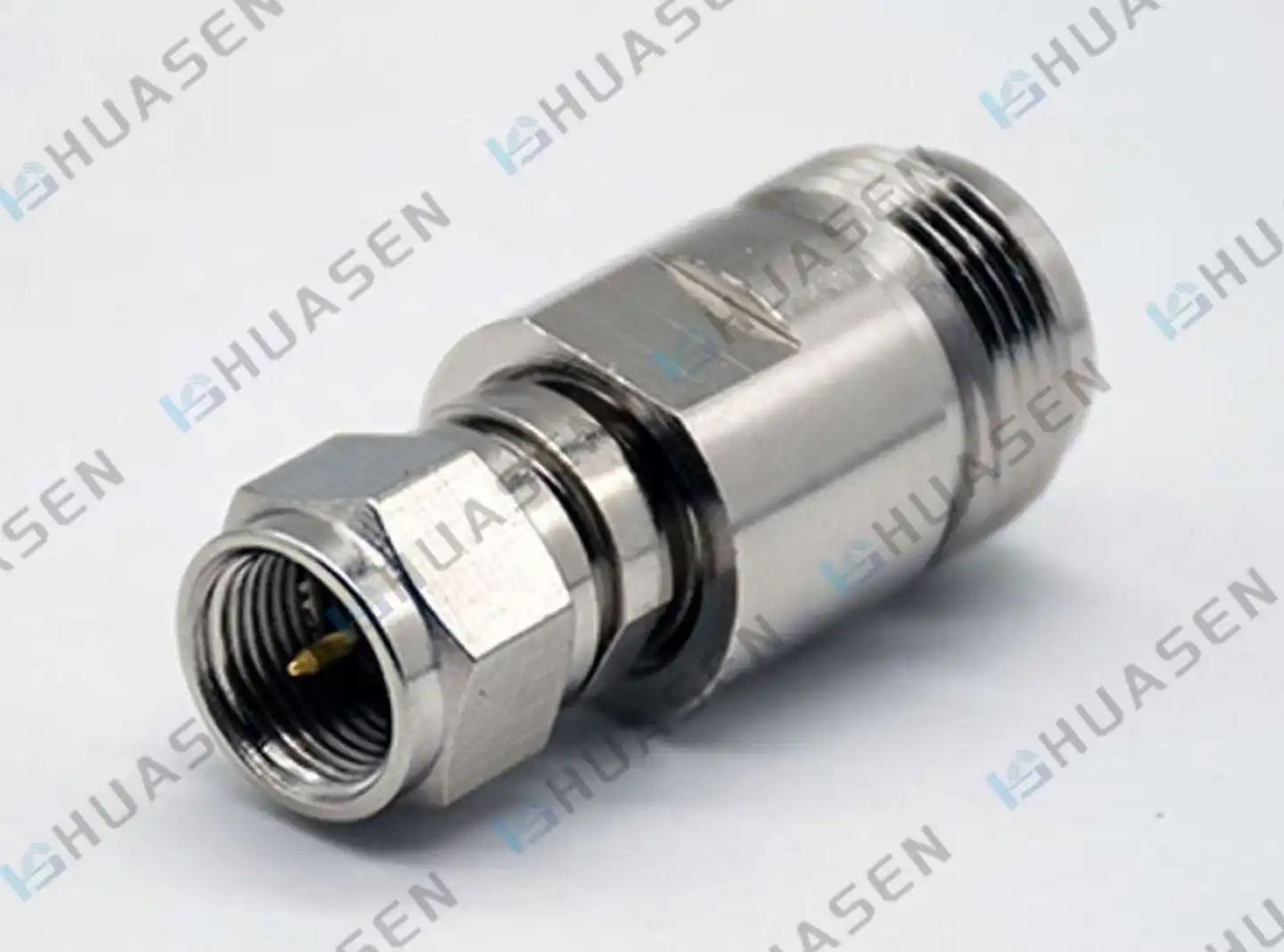
Coaxial Adapter Performance Factors for High Frequencies
When using communication systems above 1 GHz, the function of a coaxial adapter is very important for keeping the purity of the signal. In high-frequency settings, design flaws in connectors are revealed that aren't seen at lower frequencies. A well-designed coaxial adapter reduces insertion loss, fixes impedance mismatches, and blocks electromagnetic interference. This makes sure that data transfer is reliable in a wide range of settings, from 5G base stations to satellite ground equipment. Figuring out what makes these frequencies work helps buying teams avoid expensive system failures and choose the best components.VIEW MORE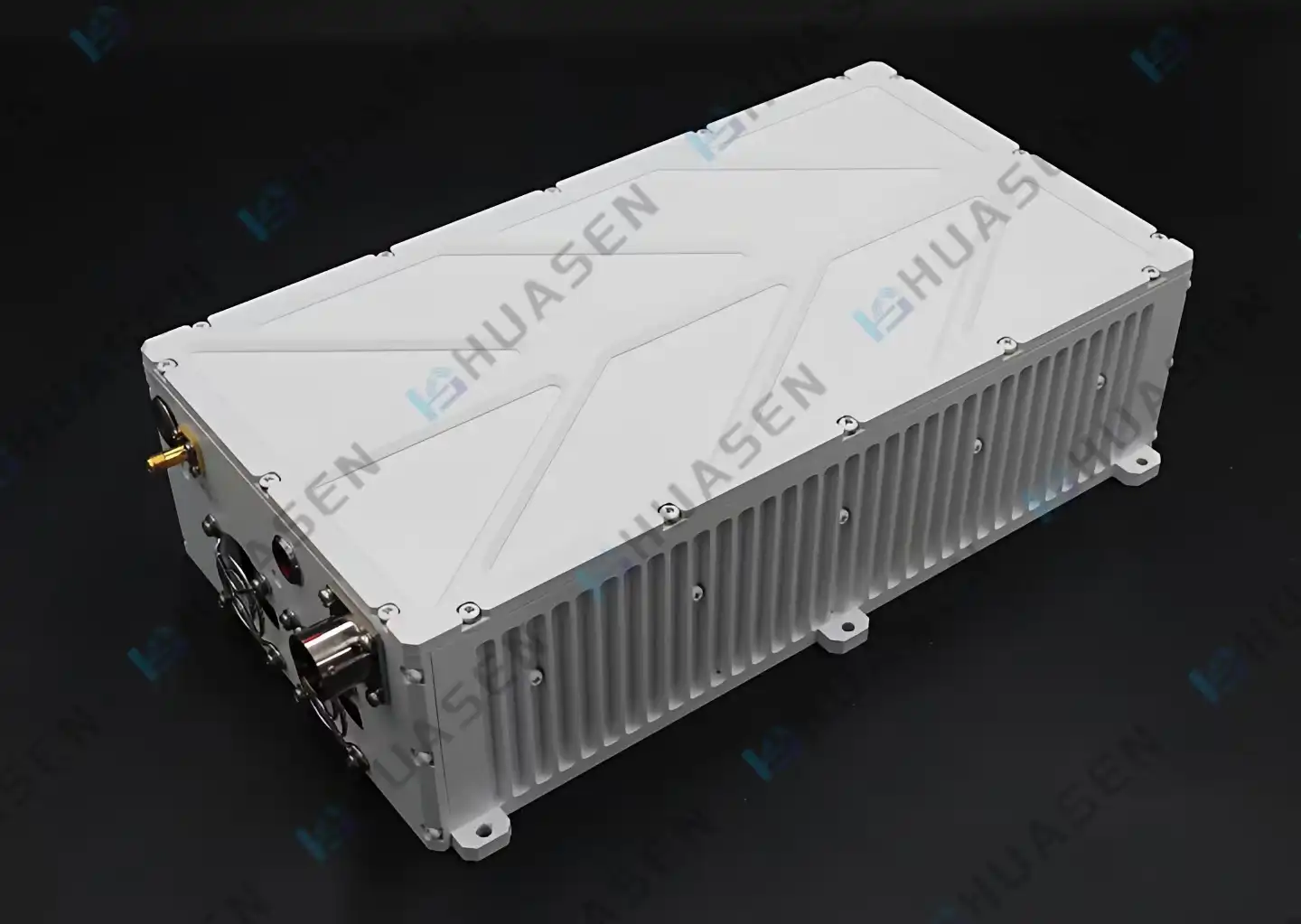
Low Noise Amplifier Design Considerations for RF Engineers
There's more to choosing the right Low Noise Amplifier for your RF system than just picking one off the shelf. You need to know how noise figure, gain, bandwidth, and weather stability work together to protect signals in mission-critical situations. These design factors have a direct effect on system sensitivity, data throughput, and operating stability, no matter if you're making 5G base stations, satellite ground terminals, or radar front-ends. After many years of working in the microwave industry, Huasen Microwave has learned that smart engineering choices made during the amplifier selection phase save time and money, and keep expensive redesigns from happening later on.VIEW MORE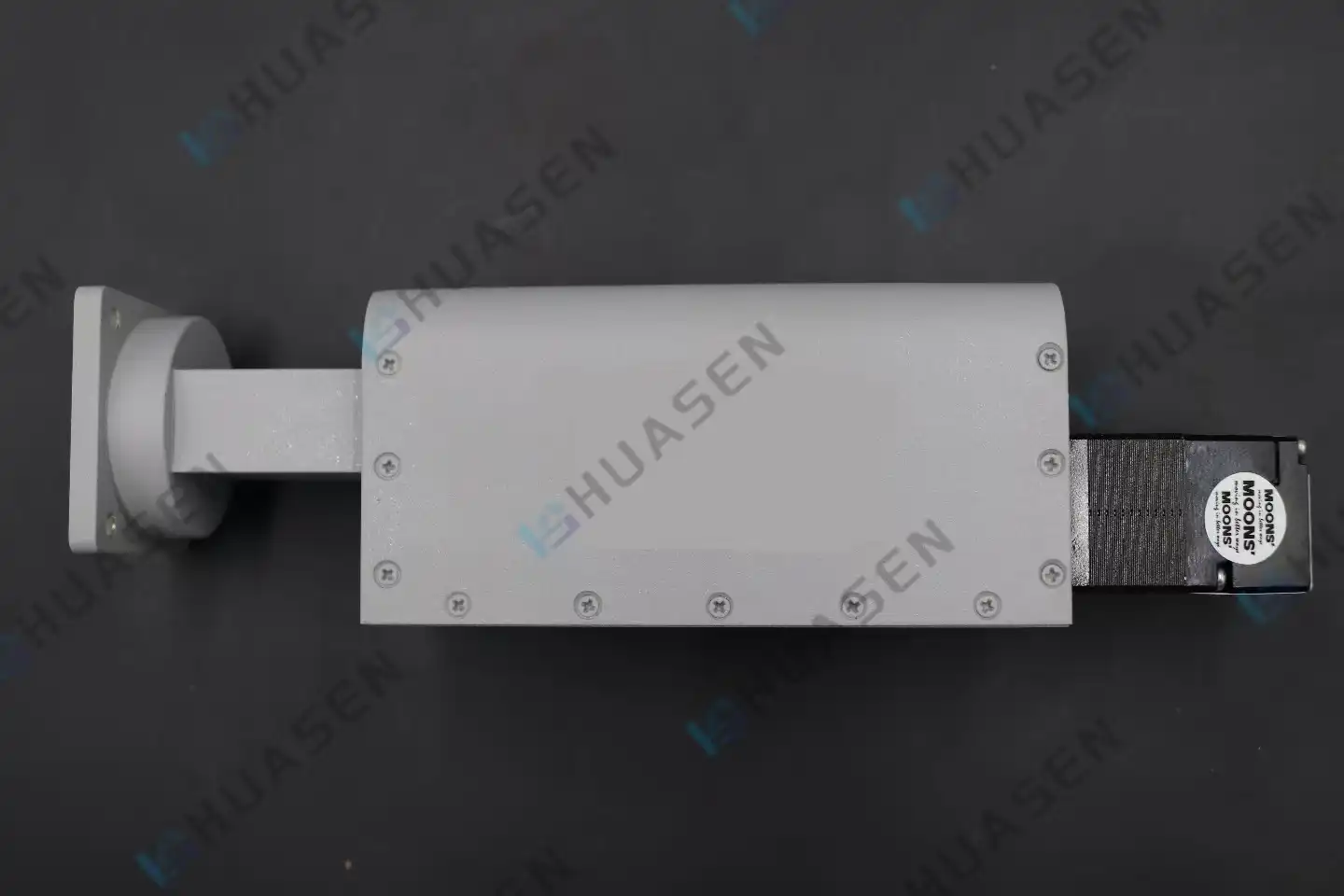
What Is a Waveguide Short Plate and How Does It Impact Microwave Testing?
A Waveguide Short Plate is a precisely designed microwave termination part that sends electromagnetic energy back to its source when it comes in contact with it. This creates a clear reference plane that is needed for accurate testing and measurements. Unlike matched loads, which soak up signals, this device sets a reflection coefficient that is close to 1. This gives engineers a solid starting point for calibrating vector network analysers and checking the system. In microwave testing settings, these plates have a direct effect on measurement accuracy by stopping signal loss, setting phase reference standards, and making it possible to repeat test conditions for frequencies from 0.32 GHz to 112 GHz.VIEW MORE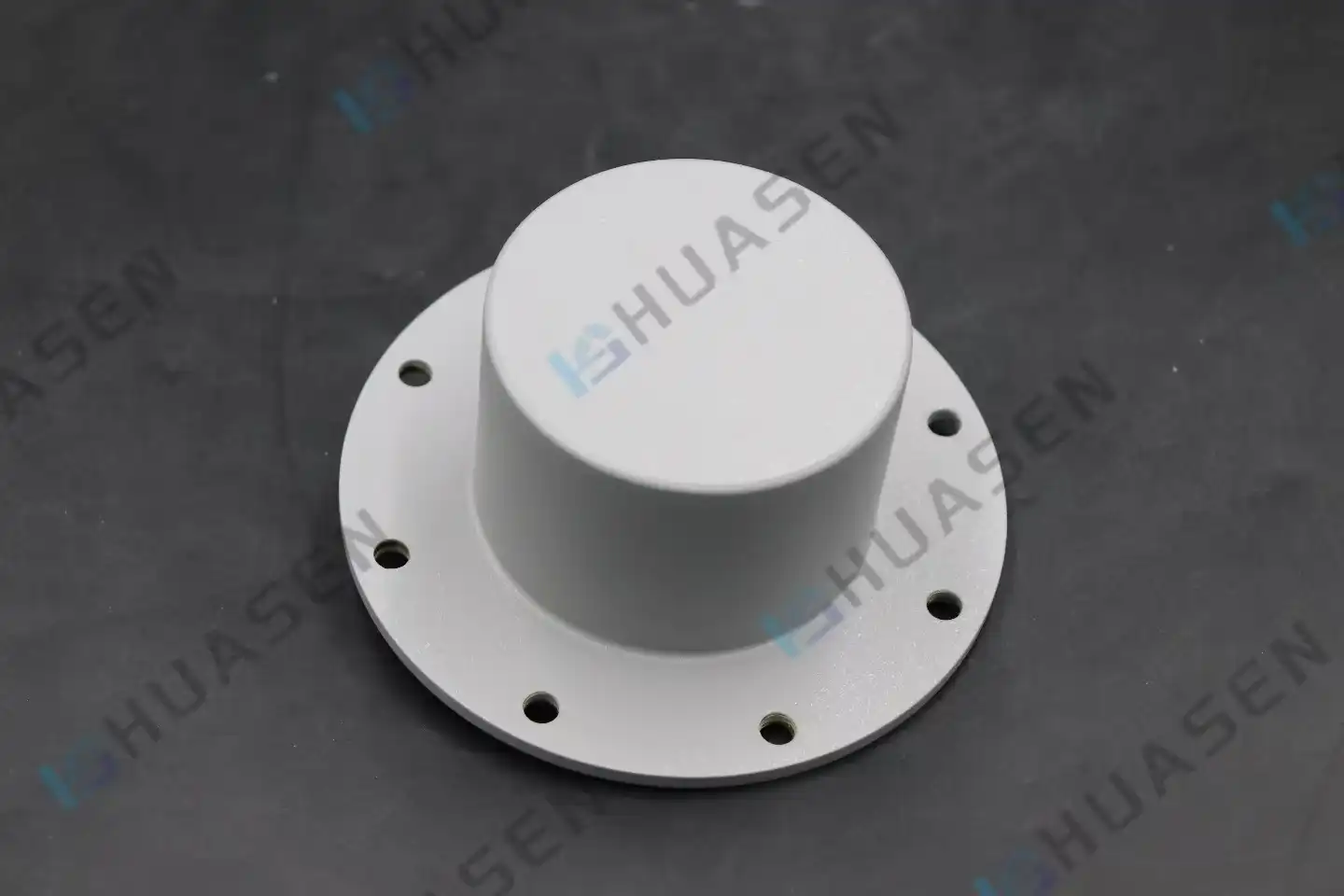
What Makes an Omnidirectional Antenna Ideal for Wide Coverage?
Because it evenly distributes radio frequency energy across a full 360° horizontal plane, an Omnidirectional Antenna excels at wide coverage. This eliminates the directional blind spots that are a problem with focused antenna designs. This circular radiation pattern makes sure that the signal strength stays the same no matter where the receiver is in the coverage zone. Because of this, these antennas are essential for applications that need reliable connectivity over large areas, such as industrial campuses, base station deployments, and maritime communication systems. The design automatically makes network architecture easier by cutting down on the number of antenna installations that need to be done while keeping the signal strong across multiple frequency bands. This directly meets the needs for operational efficiency and cost reduction that are essential to large-scale wireless infrastructure projects.VIEW MORE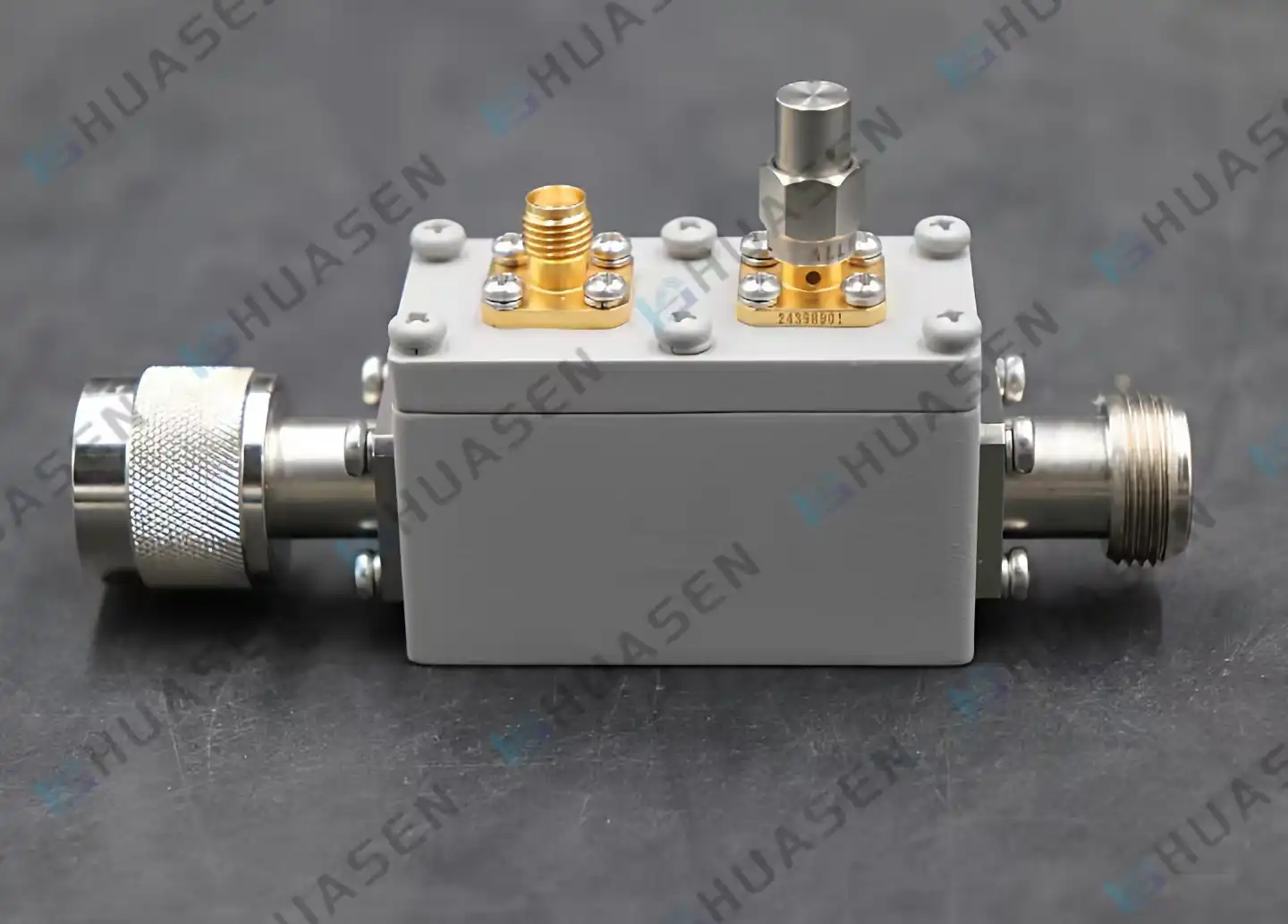
How Does a Coaxial Directional Coupler Improve RF Monitoring?
Coaxial Directional Couplers make RF monitoring a lot better by letting real-time signal sampling happen without getting in the way and with very little insertion loss. These precise inactive devices take out a controlled amount of electromagnetic power that is moving in one direction. This lets engineers measure both the forward and reflected waves at the same time. It can accurately measure VSWR, give real-time input for amplifier control loops, and find faults in base stations, satellite links, and radar systems, all without interfering with major signal paths or lowering the quality of transmission.VIEW MOREPower Limiter Applications in Defense & Aerospace Systems
Power Limiters are basic safety parts that are used in RF and radio systems in both military and space platforms. High-power signal spikes can do a lot of damage to sensitive receiver front-ends like low-noise amplifiers, mixers, and detectors. These passive devices protect them from that damage while still letting low-level signals pass with little insertion loss. Power Limiters make sure that operations keep going in electromagnetically unfriendly areas where the reliability of equipment directly affects the success of missions by reacting flexibly to input power limits. This guide was made to help buying managers, systems engineers, OEM clients, and wholesalers figure out how to do business-to-business (B2B) purchases in the aerospace and defense industries. We want to give people who make decisions the tools they need to find parts that meet strict performance and approval standards by giving them useful information about technology basics, use cases, and selection criteria.VIEW MORE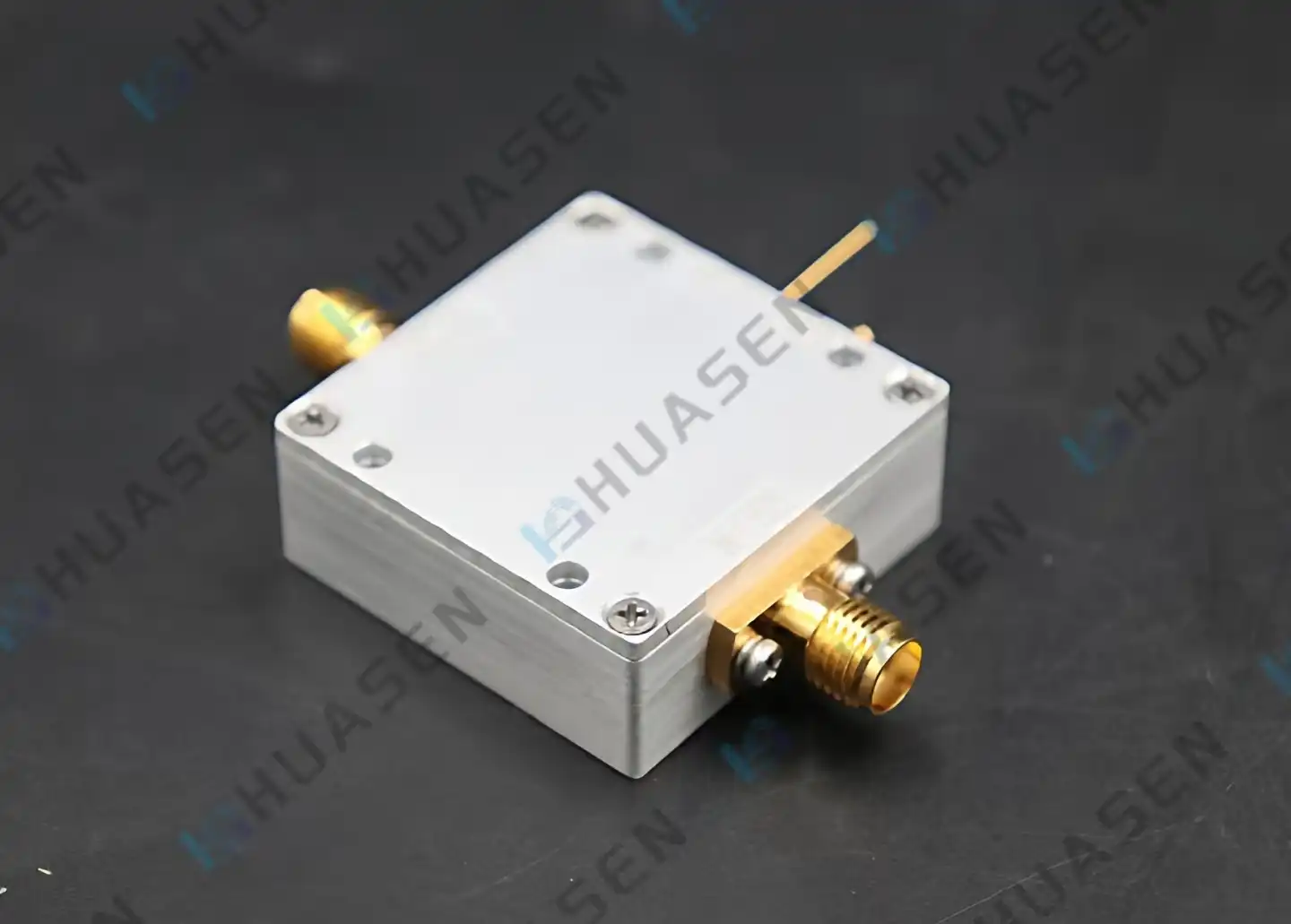
How Does an Active Detector Improve Receiver Sensitivity?
By adding an integrated signal amplification method into the sensing circuits, an Active Detector essentially increases receiver sensitivity. An Active Detector uses built-in power sources and amplification steps to boost weak input signals before demodulation, as opposed to passive detection systems that only react to incoming energy. This front-end amplification keeps signal loss from thermal noise and external interference to a minimum. This lets the receiver pick up signals correctly at much lower power levels. The outcome is a measured rise in the lowest signal levels that can be detected. This often increases working range and reliability in radar, telecommunications, and RF testing settings where signal integrity has a direct effect on system performance.VIEW MORE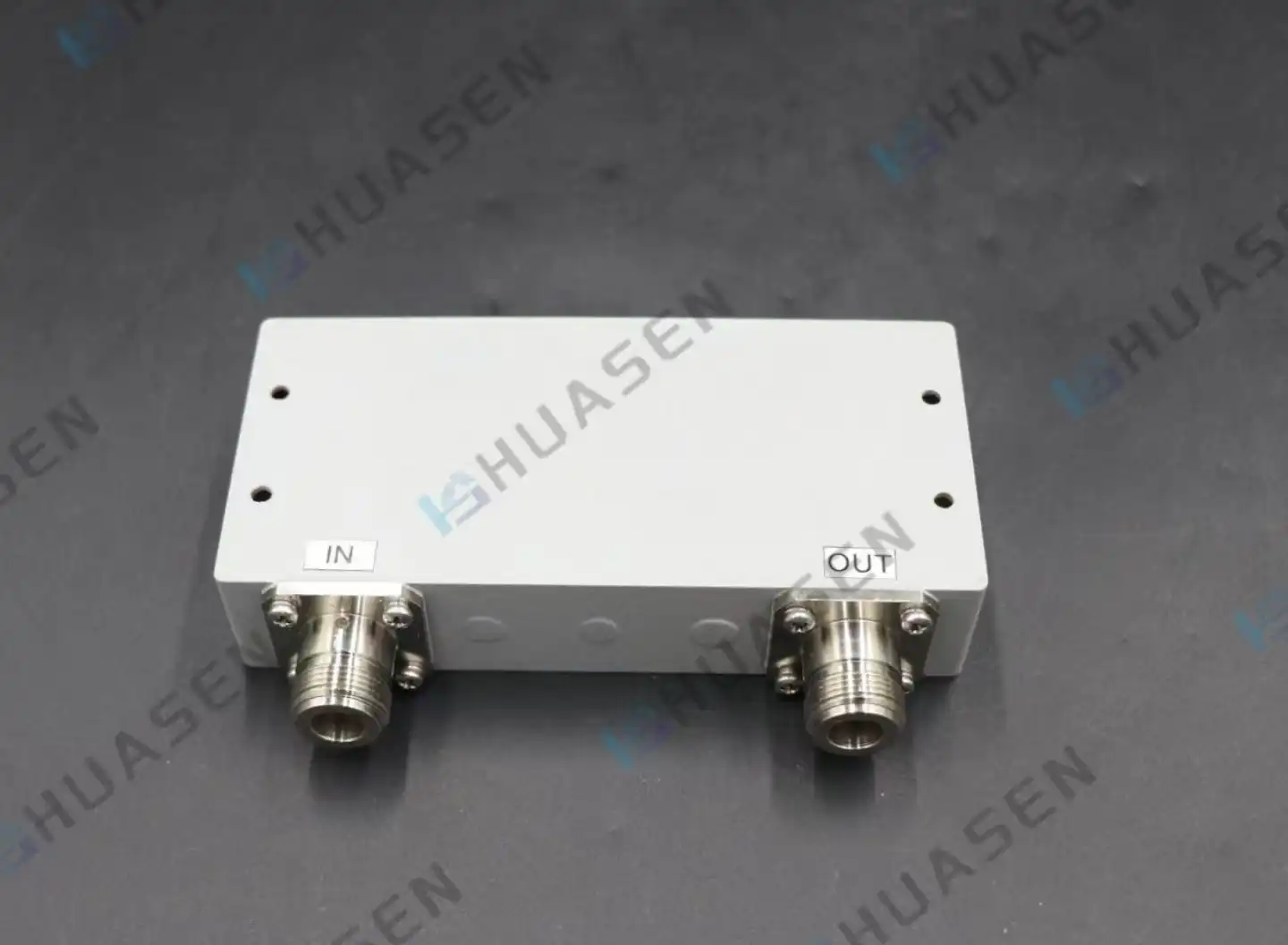
Coaxial Bandpass Filter for 5G and Microwave Link Systems
Signal quality can't be compromised when setting up 5G base stations or important microwave backhaul lines. A Coaxial Bandpass Filter is your first line of defense against spectral interference. It lets only certain frequency bands pass through clearly while blocking other signals. These filters are made up of coaxial resonator structures that work in TEM mode. They have high selectivity and low insertion loss, which directly lead to better link costs and lower system noise in tough telecommunications settings.VIEW MORE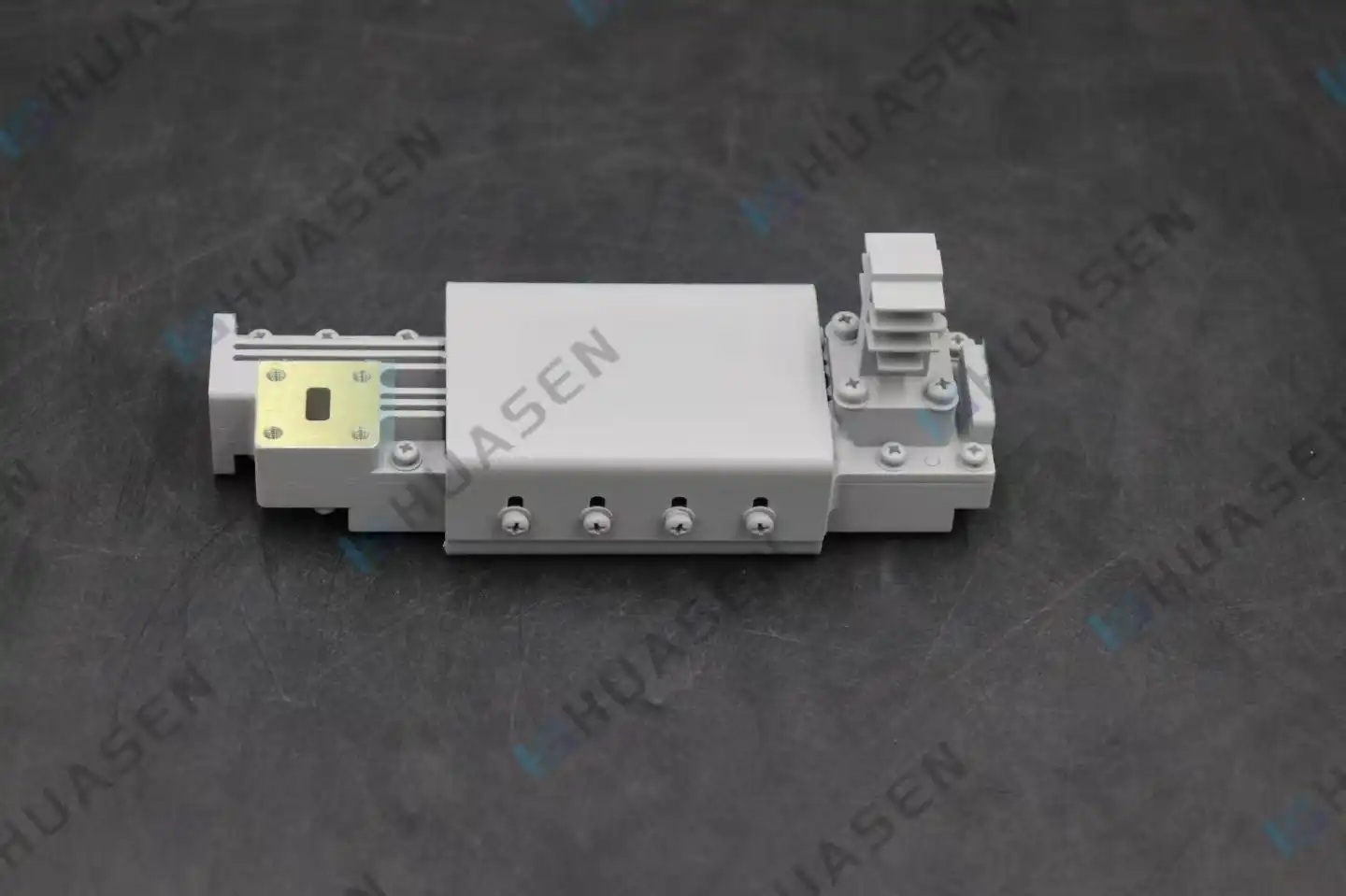
Choosing High Power Differential Phase Shift Circulator
When selecting the right RF component for high-power radar, telecommunications, or particle accelerator applications, understanding the nuances of a High Power Waveguide Differential Phase Shift Circulator becomes critical. Unlike conventional junction circulators that suffer from thermal hotspots and power limitations, differential phase shift circulators employ a sophisticated four-port architecture using hybrid couplers and ferrite-loaded waveguide sections. This design distributes thermal loads more evenly, handles megawatt-level peak power, and provides superior isolation—making it the preferred choice for protecting expensive klystrons, magnetrons, and traveling wave tubes in mission-critical systems where reliability and signal integrity cannot be compromised.VIEW MORE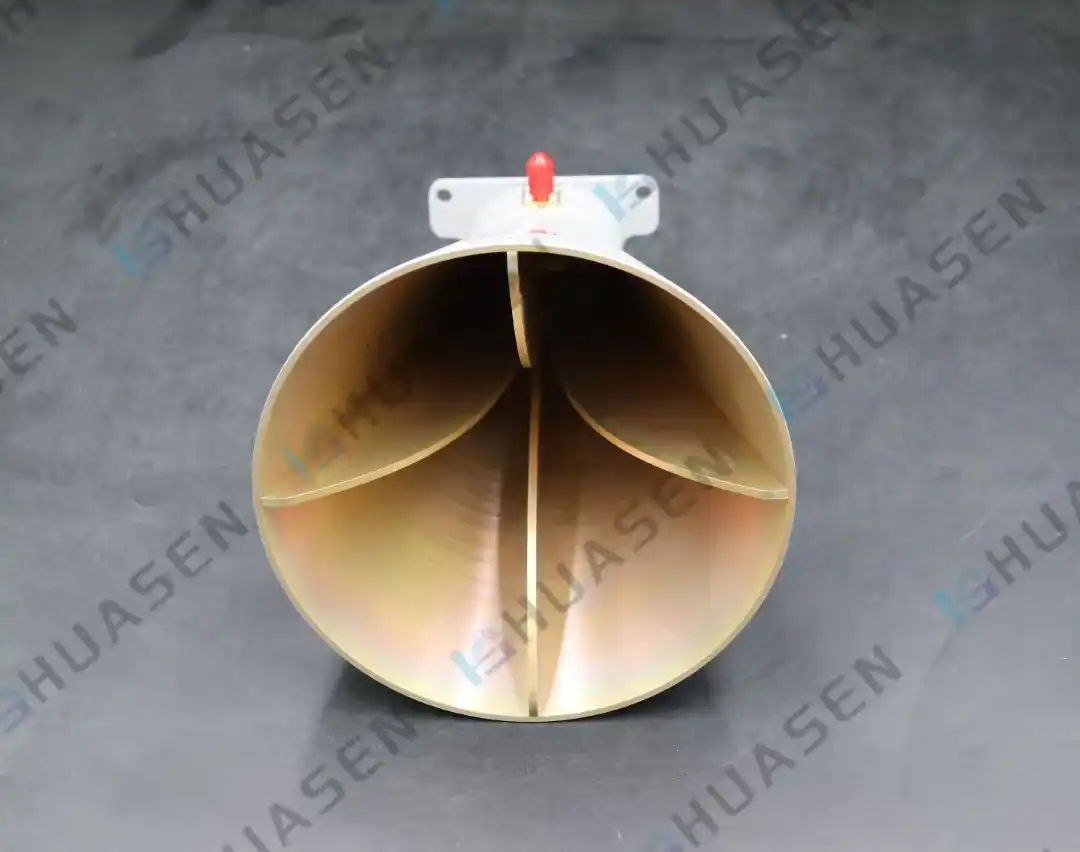
What Is Dual Polarized Horn Antenna and How It Works?
A Dual Polarized Horn Antenna is a very accurate radio frequency device that sends and receives electromagnetic signals at the same time across two orthogonal polarization lines, usually vertical and horizontal, through a single aperture. This antenna doesn't need mechanical spinning or multiple physical pieces because it uses an Orthogonal Mode Transducer (OMT) and a conical horn structure. This directly solves problems with cost, space, and calibration in tough wireless settings. Separating two linearly polarized waves within the waveguide is what makes it work. This makes sure that each channel works without interference, which improves signal integrity and system efficiency in radar, aircraft, and telecommunications.VIEW MORE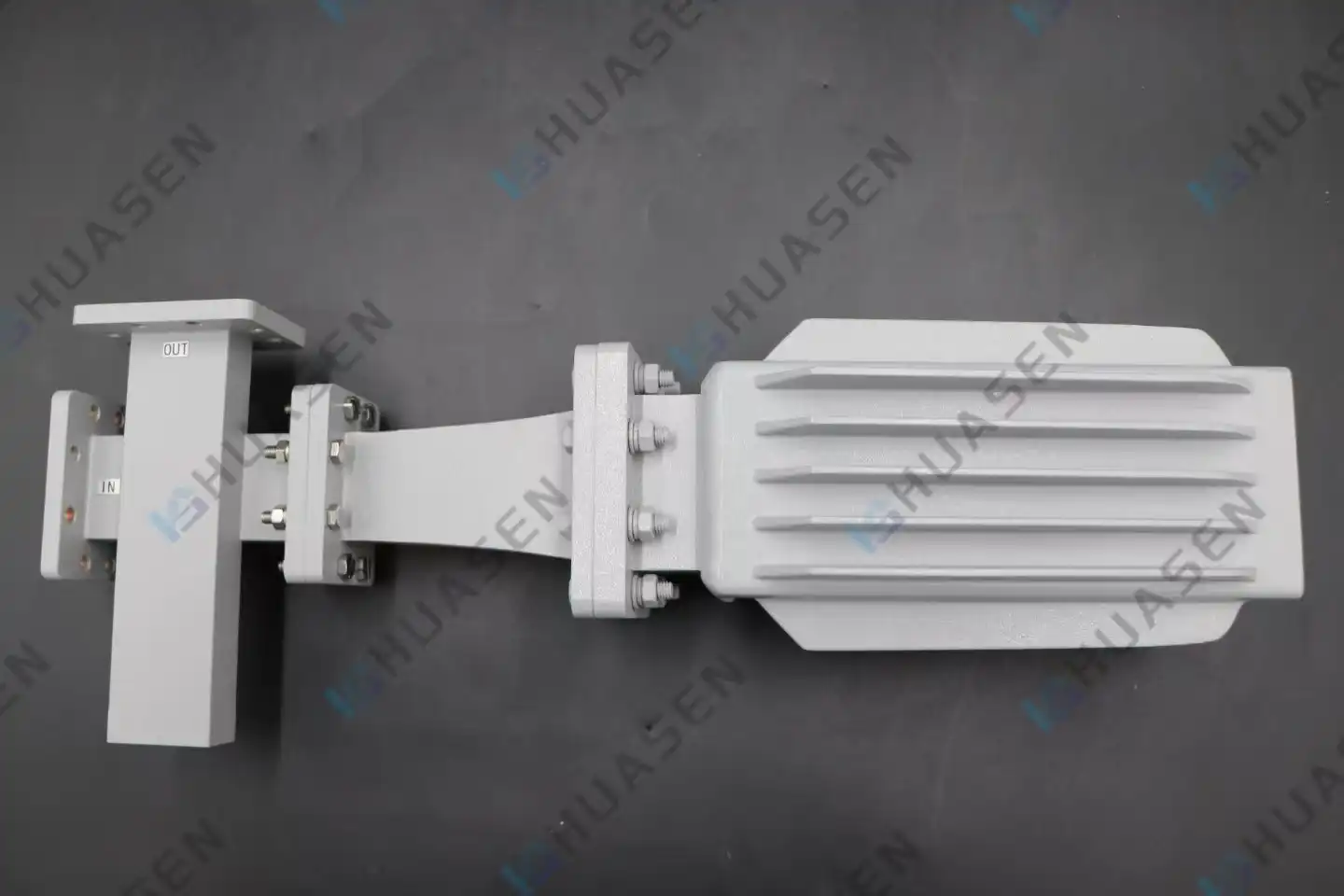
Coaxial Fixed Attenuator for Impedance Matching Applications
Impedance matching is a must when RF signal reflections threaten system performance, or overload could damage sensors that are sensitive. Coaxial Fixed Attenuators are precise tools that lower the signal's intensity by set decibel levels while keeping the characteristic resistance, which is usually 50Ω or 75Ω, the same across coaxial transmission lines. These inactive parts let out extra power as managed heat, which keeps the voltage standing wave ratio (VSWR) from dropping and keeps instruments further down the line from getting too hot. These devices solve basic engineering problems in telecommunications infrastructure, aerospace radar calibration, and lab test environments. For example, they keep signal levels stable in 5G base stations, increase the dynamic range of vector network analyzers, and separate cascaded circuit stages to reduce intermodulation distortion. This guide helps business-to-business (B2B) buying teams in the manufacturing, satellite communications, and electronic warfare sectors figure out technology requirements, choose vendors, and manage the supply chain. We want to make it easier for you to make decisions by turning the factors in datasheets into buying criteria that you can use. This way, you can be sure that your investments will lead to measurable performance gains and long-term dependability.VIEW MORE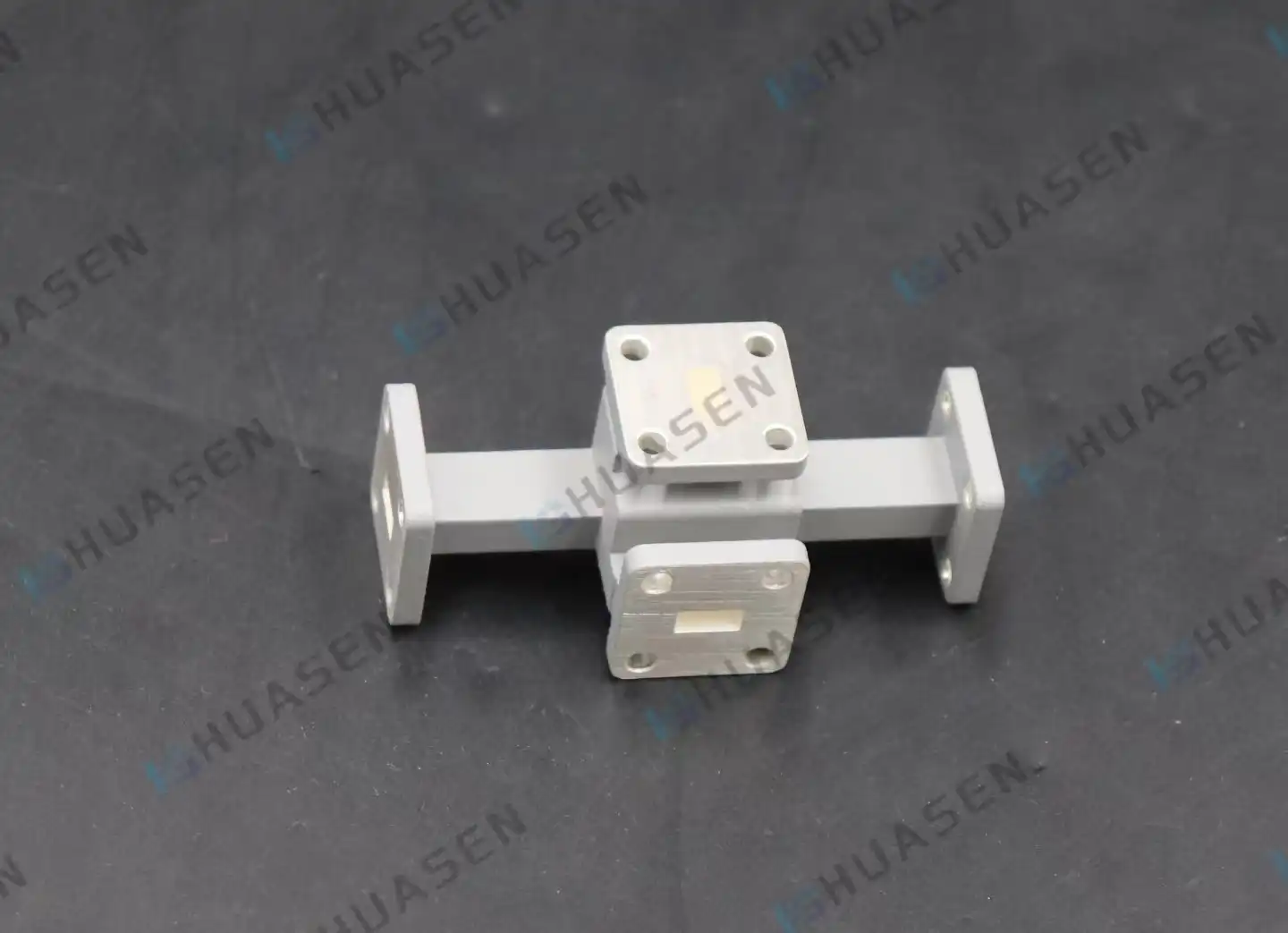
Waveguide Magic Ts vs Waveguide Hybrids: Applications and Differences
When selecting microwave components for high-frequency applications, engineers often face the choice between waveguide Magic Ts and waveguide hybrids. The Waveguide Magic T serves as a four-port junction providing power division and combination with excellent isolation characteristics, while waveguide hybrids typically offer 90-degree phase relationships between outputs. Both passive devices excel in different scenarios depending on your specific RF circuit requirements and performance objectives.VIEW MORE
- 1
- 9
- 10
- 11
- 12
- 13
- 60
Total 60 pages
