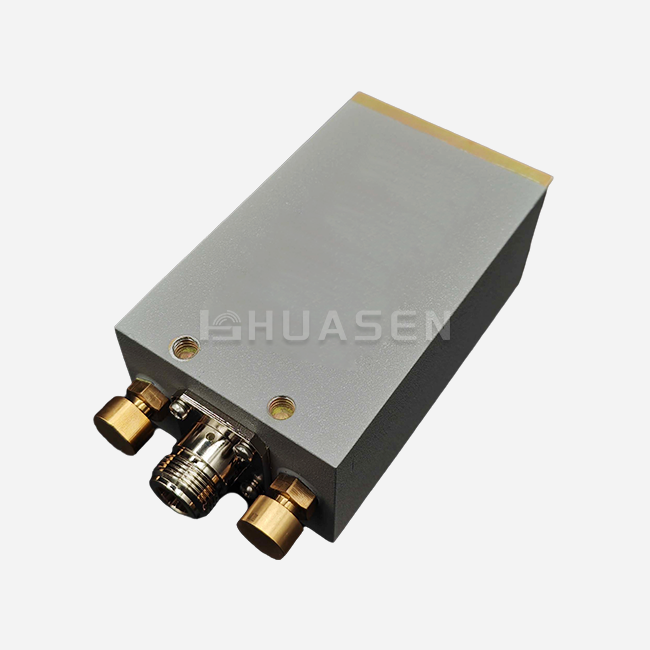
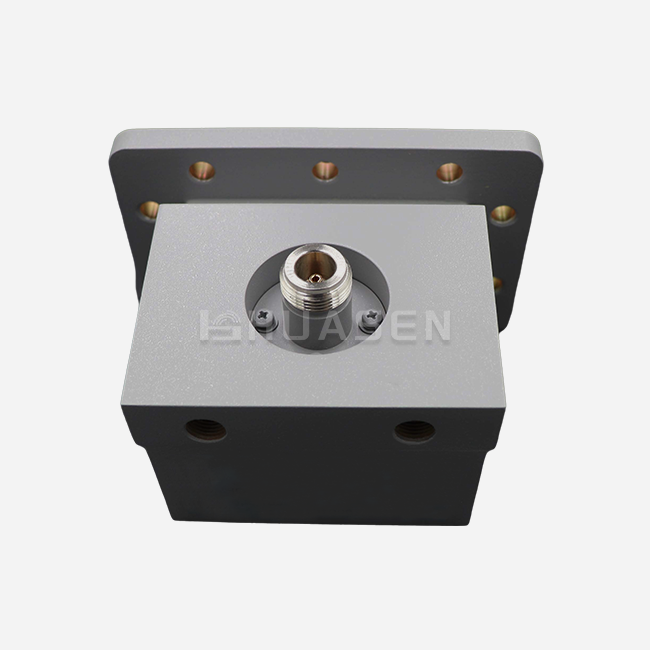
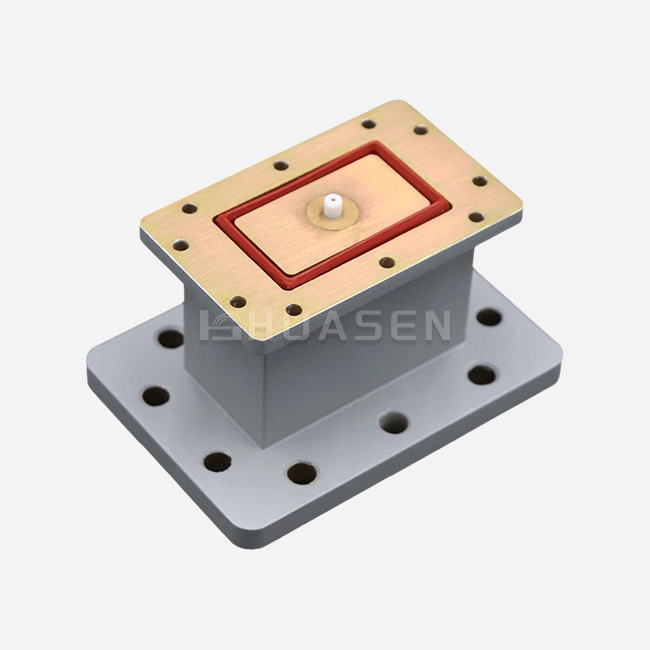
Coaxial Bandpass Filter for 5G and Microwave Link Systems






2026-06-15 22:26:50
Signal quality can't be compromised when setting up 5G base stations or important microwave backhaul lines. A Coaxial Bandpass Filter is your first line of defense against spectral interference. It lets only certain frequency bands pass through clearly while blocking other signals. These filters are made up of coaxial resonator structures that work in TEM mode. They have high selectivity and low insertion loss, which directly lead to better link costs and lower system noise in tough telecommunications settings.
Introduction
Accuracy is needed for today's communication systems. Choosing the right filtering technology is important for everyone, from procurement managers looking for parts for a nationwide 5G rollout to RF engineers building radar systems for use in spacecraft. It affects everything from the quality of coverage to making sure you're following the rules. In satellite communications, military radar, and television transmission systems, where frequency selection accuracy and power handling cannot be sacrificed, Coaxial Bandpass Filters have become standard equipment.
Before you buy these parts, this guide will show you the most important technical basics, comparing benefits, buying strategies, and performance improvement techniques. Every day, we help our clients with real problems like balancing cost and performance, meeting strict environmental standards, and making sure they have reliable supply lines. By the end, you'll have useful information that you can use to make your buying choices easier and your system more reliable.
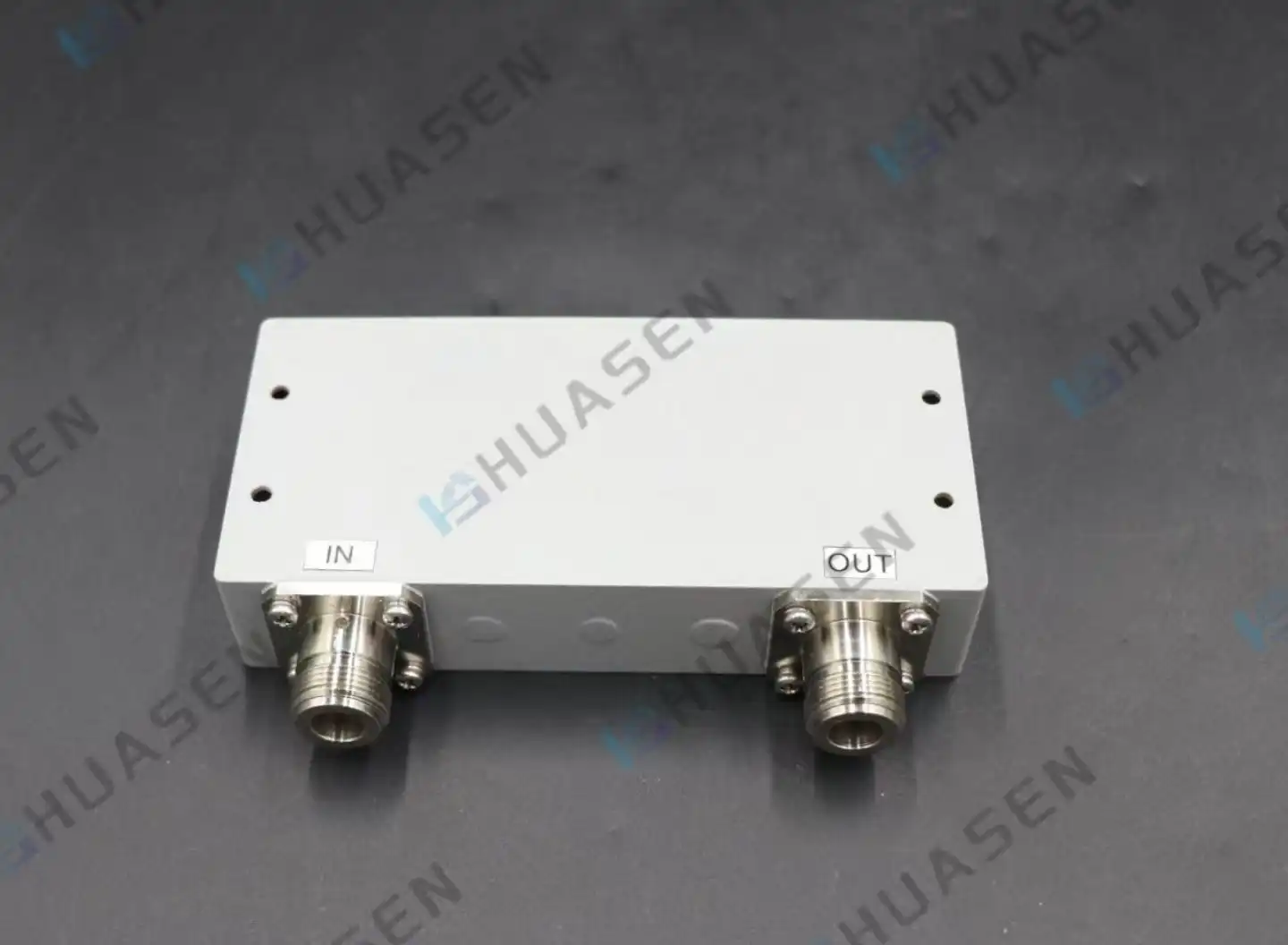
Understanding Coaxial Bandpass Filters in 5G and Microwave Applications
Core Operating Principles and Design Architecture
Coaxial Bandpass Filters use distributed element theory instead of lumped components, which means they can naturally handle frequencies from ultrahigh frequency (UHF) to millimeter wave. The coaxial resonator design, which usually uses combline or interdigital structures, makes many resonant cavities that pass desired frequencies while adding steep attenuation slopes outside the passband. The unloaded Q-factors for this design can be anywhere from 500 to 5,000, based on the cavity depth and material choice. This has a direct effect on the performance of insertion loss.
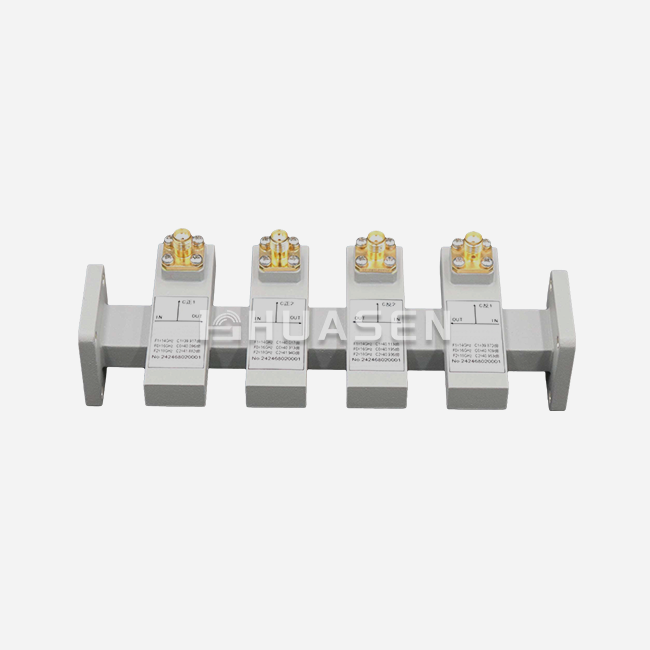
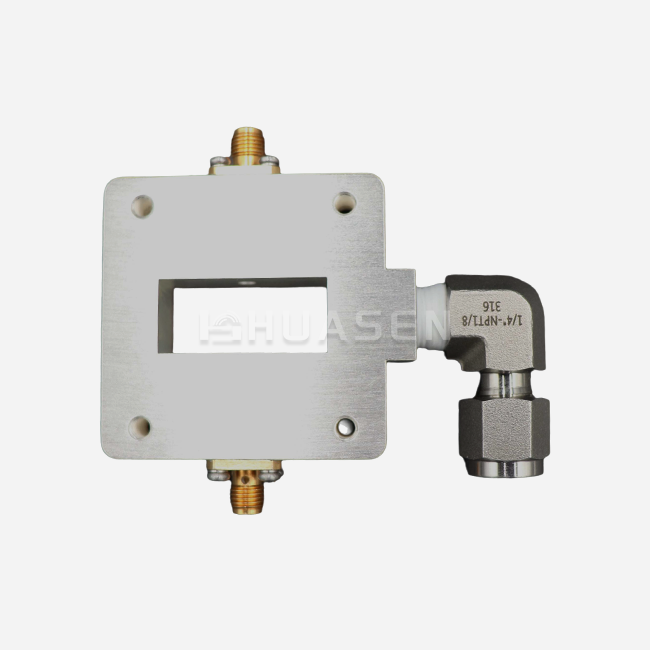
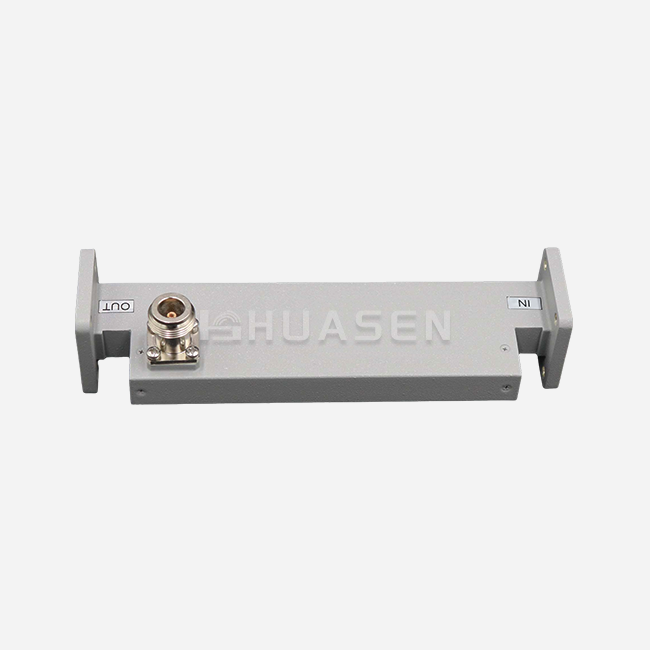
The actual structure is very important. Housings made from metal or brass are cut and then plated with high-quality silver to reduce skin-effect losses at microwave frequencies. This is exactly how Huasen Microwave's Coaxial Bandpass Filters work, and they meet insertion loss requirements of 0.8 dB or less across operating bands from DC to 60 GHz. These low-loss features keep signal power safe in receiver front-ends and keep transmission efficiency high in base station settings.
Material Selection and Power Handling Capabilities
When filters deal with steady wave power or pulse interference in radar systems, thermal control is very important. Copper or metal plates that have been silver-plated or oxidized are used in our products. This balances electrical conductivity with heat escape. This mix of materials makes it possible for safe operation in a wide range of temperatures, like those found in outdoor macro cell sites and airborne platforms.
Broadcast stations that put out kilowatts of power and military jamming systems both need filters that don't let voltage drop or passive intermodulation happen. Spectral regrowth is stopped by nonmagnetic materials and controlled connector torque specs. We also test our products thoroughly for PIM compliance with IEC 62037 standards to solve this issue. Base station installers value this stability a lot when they have to put several high-power receivers in small equipment shelters together.
Real-World Deployment Scenarios
Take a look at a distributed antenna setup that serves a college in a city. Multiple narrowband channels must merge into shared radio feeds so that cross-channel crosstalk doesn't make it hard for first responders to hear each other. Coaxial Bandpass Filters placed inside combiner units offer the required separation, preserving signal-to-noise ratios essential for life-safety communications. One big benefit of coaxial design is that it has a small size, which makes it easy to fit into remote radio heads and DAS hubs that don't have a lot of room.
Satellite ground stations have to deal with different problems. Uplink and downlink frequencies are often close to each other in crowded spectrum areas. This means that filters need to have a high skirt selectivity to keep transmission noise from making sensitive low-noise amplifiers less sensitive. Because coaxial designs are mechanically rigid, they can handle the vibration and temperature cycles that come with outdoor setups that are exposed to extreme weather. This is something that our salt spray testing, according to ASTM B117, for coastal deployments supports.
Coaxial Bandpass Filter vs Alternative Technologies: Making the Right Choice
Performance Metrics That Define Suitability
Buying choices depend on how well the filter's features match the needs of the application. The Q-factor affects the sharpness of the bandwidth and the amount of insertion loss. Higher Q values make the roll-off slopes steeper, but they need bigger physical areas. When looking at different technologies, Coaxial Bandpass Filters work best at frequencies below 10 GHz, somewhere in the middle of ceramic and waveguide options. Ceramic filters are smaller, but they can't handle as much power and usually have more insertion loss above 3 GHz. Waveguide filters have great Q-factors, but at lower microwave bands, they get too big and expensive to use.
Insertion loss has a direct effect on the budgets for system links. Every decibel that is filtered out needs extra radio power or a smaller effective coverage range to make up for it. Huasen Microwave's coaxial designs keep insertion loss at or below 0.8 dB across all operating bandwidths. This is better than many microstrip solutions that have trouble with conductor losses on PCBs. Specifications for return loss are also important. A VSWR below 1.3:1 ensures efficient power transfer and keeps amplification steps safe from reflected energy.
Technology Comparison for Informed Sourcing
Microstrip filters are good for low-cost consumer electronics because they can be built into PCBs, but their performance drops quickly above 6 GHz because of radiation losses and material limits. Dielectric resonator filters work well for precise frequency control in test equipment because they don't change much with temperature, but they are too fragile and can't handle a lot of power for use in ruggedized defense systems. Coaxial designs do a good job of balancing these trade-offs.
When comparing providers, it's important to be able to read and understand datasheets. Don't just look at the center frequency specs; you should also know about the passband ripple limit, which should be within ±0.2 dB for good designs. Out-of-band rejection depth is also important. Our filters achieve suppression levels above 60 dB, which successfully get rid of interference from neighboring channels in busy urban spectrum settings. Leaders in the industry, like K&L Microwave and Murata, set the standard. However, established companies with decades of RF experience, like Huasen Microwave, which has been around since 1993, offer similar performance with quick technical help and the ability to make changes.
Datasheet Evaluation and Supplier Benchmarking
Specifications for temperature coefficients show that frequencies stay stable across all working ranges. Outdoor base stations have cabinet temperatures of -40°C in the winter and +85°C in the summer. During these cycles, filters must keep the center frequency within very tight ranges. Vector network analyzer sweep data should be included with datasheets so that performance can be seen in real life instead of just being predicted theoretically.
For high-power uses, passive intermodulation requirements should be carefully reviewed. PIM goods below -150 dBc make sure that your filter won't cause interference that regulators will notice during compliance testing. We test production units with high-power burn-in to make sure that the connectors and internal resonators can handle peak power without arcing or thermal runaway. This is an important quality control step that sets mature makers apart from opportunistic providers.
Procurement Guide: How to Buy the Right Coaxial Bandpass Filter
Supplier Selection and Sourcing Strategies
To do good procurement, you must first find producers who can show they have both professional skills and a reliable supply chain. Large equipment makers and system integrators need vendors to keep uniform inventory levels, quality control systems that are written down, and technical help that can be quickly accessed for problems with integration. Distributors make things easier, but they might make it harder to get the unique specs that make your system design stand out from others on the market.
Pricing systems are very different. When you buy a lot of standard catalog items, like those used in base station operations that cover hundreds of sites, you can save money because of economies of scale. There are technical fees for custom frequency allocations or specialized connector connections, but they provide the best performance for specific uses like military radar countermeasure systems. Lead times range from a few weeks for stock setups to several months for fully personalized solutions that need to validate prototypes and make production tools.
Certification Requirements and Quality Assurance
Legal paperwork keeps your project from being held up, which can cost a lot of money. MIL-STD-810 approval proves that defense uses that are exposed to shock, vibration, and extreme temperatures are durable in harsh environments. If a company has ISO 9001 quality management approval, it means that there are systematic rules in place to make sure that the results of each production batch are the same. RoHS compliance deals with rules that limit dangerous chemicals in European and, more and more, worldwide markets.
Ask for test results from a third party that back up the stated specifications. S-parameter readings taken at different temperatures show that the performance is stable. The results of the salt spray test show that marine transmission platforms are resistant to corrosion. Testing with a lot of power makes sure that the standards for handling continuous waves and peak pulses are met, which is important for radar and broadcast uses. For experienced buying workers looking at a supplier's abilities, Huasen Microwave keeps a lot of test data that supports our standards.
Customization Capabilities and Engineering Support
Many users need custom solutions that can't be found in a store. Customization is useful for a lot of different reasons, like integrating a Coaxial Bandpass Filter to ensure satellite stations work with specific polarization needs or that communication systems on drones can fit inside small mechanical envelopes. Manufacturers with their own RF engineering teams and precision machining facilities can better meet these needs than distributors who only sell foreign goods.
The level of technical help changes a lot from one supplier to the next. During integration, issues like impedance matching, thermal control, and mechanical mounting connections come up. Suppliers who offer design help, sample trial programs, and testing data support can speed up the development process and cut down on costly mistakes in the field. We've built our name on working together with other engineers to help clients find the best places for filters in system designs so they work as well as possible.
Optimizing Performance of Coaxial Bandpass Filters in Your Systems
Installation Best Practices and System Integration
Installing things correctly has a big impact on how well they work. It is very important to follow the torque specs for connectors exactly. Not enough torque can cause intermittent contacts that produce PIM products, while too much torque hurts connections and lowers repeatability. For SMA connectors, which are popular in test setups, use calibrated torque wrenches and follow the manufacturer's instructions. For larger Type-N connections in base stations, use 25 to 30 inch-pounds.
Things other than the filter itself need to be thought about when managing thermal loads. When putting filters in outdoor areas, make sure there is enough air flow to keep the temperatures inside from going above the stated limits. When connecting to equipment racks, make sure the interface pads are thermally conductive; aluminum housings transfer heat well to mounting surfaces. During commissioning, keep an eye on the working temperatures, especially in high-power transmission chains where the filters right after the amplifiers are exposed to high temperatures.
Troubleshooting Common Performance Issues
Bandwidth shift is often a sign of changes in dimensions caused by temperature or moisture getting into the material and changing its dielectric properties. If the recorded center frequency moves outside of the ranges allowed, check the quality of the environmental sealing and make sure the working temperature stays within the ranges allowed. For some uses in harsh areas, designs that take temperature into account or climate-controlled equipment bunkers may be needed.
Unexpected increases in insertion loss could mean that the connection is breaking down or that the internal resonator is getting dirty. Check joints for rust, especially when they will be used near the coast, where salt spray speeds up oxidation even when protective plating is present. As part of normal preventive maintenance, clean and re-torque the connectors. If the problems keep happening, using a vector network tester to measure return loss will show you exactly where the impedance mismatches happen, which will help you fix the problem more effectively.
Future-Proofing for Evolving Technologies
As 5G moves toward mid-band and millimeter-wave bands, more spectrum is being given out. Provide filters with extra space than what is needed right now so that future channel plans can be met without having to change the whole thing. Individual resonator setting is possible with modular filter designs, which increases service life as operations change. We suggest wideband platforms that cover all 5G sub-6GHz bands more and more. This makes inventory management easier for operators who serve various markets with different spectrum holdings.
Reconfigurable filtering close to the antenna interface is good for software-defined radio designs. Coaxial Bandpass Filters are inactive parts, but they can be used in tunable matching networks and digitally controlled switching grids to allow dynamic spectrum access. Get suppliers involved early on in talks about system design to make sure that filtering strategies are in line with long-term technology roadmaps and not just optimized for the current rollout phases.
Conclusion
Coaxial Bandpass Filters for 5G and microwave link systems need to be chosen by balancing technical performance, supply chain stability, and cost over their entire lifetime. These parts fix important interference problems and keep signals safe in defense systems, rocket platforms, and internet infrastructure. Your projects are more likely to succeed if you understand how things work, compare different tools, and use the right buying and integration methods. With 30 years of experience in radio frequency (RF), Huasen Microwave makes filters that meet strict requirements and come with quick technical support to help you make smart choices about where to buy things.
FAQ
Q1: What bandwidth ranges do Coaxial Bandpass Filters typically support for 5G applications?
Countries have different rules about how to use 5G airwaves, but some popular bands are 600 MHz to 6 GHz for sub-6GHz deployments and millimeter-wave bands between 28 GHz and 39 GHz. Coaxial Bandpass Filters work well in these areas and have fractional bandwidths that run from 1% for narrow-band uses to 20% for wide-band uses. Our systems work with frequencies from DC to 60 GHz, so they can work with both the current 5G bands and the expected 6G spectrum licenses.
Q2: How do coaxial filters compare to cavity filters in size and performance?
Both methods use resonant cavity ideas, but the terms used depend on the business. "Cavity filters" are usually bigger designs that are based on waveguides, while "coaxial filters" are specific to coaxial wire geometry. At frequencies below 10 GHz, coaxial constructions have similar Q-factors but much smaller volumes. This makes them better for placements with limited room. As frequencies get shorter and machining limits get easier above 18 GHz, waveguide cavity filters may be more useful.
Q3: What criteria should guide supplier selection for custom filter solutions?
Prioritize producers who can show they have a deep understanding of RF engineering, the ability to do precise machining, and approvals for their quality management systems. Ask for references from applications that are similar and look at test data to make sure the claimed specs are correct. Check how responsive they are during technical talks. Suppliers who ask detailed questions about your system design instead of just providing catalog parts are more likely to provide better solutions that work best for you. Supply chain security is just as important—make sure that your inventory practices and output capacity match your needs for volume and plan.
Partner with Huasen Microwave for Superior RF Filtering Solutions
Huasen Microwave can help you with your most difficult projects because they have over 30 years of experience designing and making high-frequency parts. Our Coaxial Bandpass Filters have a high Q-factor, insertion loss below 0.8 dB, and out-of-band suppression reaching 60 dB. These features make your 5G base stations, satellite ground terminals, and aerial communication systems work better. As a well-known company that makes Coaxial Bandpass Filters, we help global original equipment manufacturers (OEMs) and system integrators by providing custom frequency solutions, detailed test paperwork, and quick technical teamwork throughout the entire development process. You can talk to our expert team at sales@huasenmicrowave.com about your specific filtering needs and get full datasheets that show how our precision-machined, silver-plated designs give your systems the reliability they need. Let us help you get rid of clutter and improve the quality of your signals.
References
1. Cameron, R.J., Kudsia, C.M., and Mansour, R.R. (2018). Microwave Filters for Communication Systems: Fundamentals, Design, and Applications. Hoboken: Wiley-IEEE Press.
2. Hong, J.S. and Lancaster, M.J. (2011). Microstrip Filters for RF/Microwave Applications. Second Edition. New York: John Wiley & Sons.
3. Matthaei, G.L., Carr, L., and Young, L. (1980). Microwave Filters, Impedance-Matching Networks, and Coupling Structures. Norwood: Artech House.
4. Pozar, D.M. (2012). Microwave Engineering. Fourth Edition. Hoboken: John Wiley & Sons.
5. Rhodes, J.D. (1976). Theory of Electrical Filters. London: John Wiley & Sons.
6. Zverev, A.I. (1967). Handbook of Filter Synthesis. New York: John Wiley & Sons.
Send Inquiry