What Is a Waveguide Short Plate and How Does It Impact Microwave Testing?






2026-06-16 22:06:26
A Waveguide Short Plate is a precisely designed microwave termination part that sends electromagnetic energy back to its source when it comes in contact with it. This creates a clear reference plane that is needed for accurate testing and measurements. Unlike matched loads, which soak up signals, this device sets a reflection coefficient that is close to 1. This gives engineers a solid starting point for calibrating vector network analysers and checking the system. In microwave testing settings, these plates have a direct effect on measurement accuracy by stopping signal loss, setting phase reference standards, and making it possible to repeat test conditions for frequencies from 0.32 GHz to 112 GHz.
Understanding the Waveguide Short Plate: Definition and Core Functions
What Defines a High-Performance Waveguide Termination
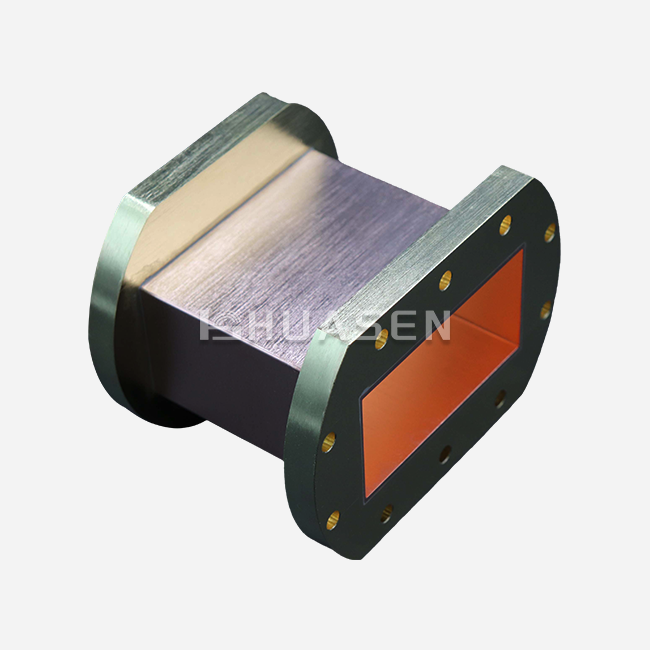
Metal blocks called Waveguide Short Plates prevent transmission lines from operating almost completely. Electromagnetic waves in the waveguide are entirely reflected on this conductive surface. Standing wave patterns are essential for calibration. Unlike normal flange covers, precision-engineered Waveguide Short Plates maintain stringent flatness tolerances—usually 0.005 mm to 0.01 mm—to make the reference plane electrically stable throughout frequency sweeps.
The concept is based on electromagnetic fields interacting on a highly conductive surface. The plate bounces microwave radiation back into itself because the tangential electric field component reduces to zero at the metal contact. This makes the part valuable for setting known reference conditions during vector network analyser (VNA) calibration, notably in TRL and SOLT approaches.
Material Selection and Surface Treatment Impact
Material makeup affects how well it performs in difficult test conditions. Anodised aluminium metals transmit electricity effectively and is inexpensive enough for lab use, making it ideal for low-frequency purposes. Because of its improved electrical properties, oxygen-free high conductivity (OFHC) copper is the optimum medium for millimetre wave frequencies.
Another consideration is surface plating. For precise readings, silver plating boosts conductivity, minimises ohmic losses, and reduces phase error. Even tiny surface changes can produce measurement errors due to the skin effect, where current collects near the conductor's surface. Gold plating makes anything corrosion-resistant, which is beneficial for maritime communications testing or wet labs where stability is more critical than conductivity increases.
Structural Variations for Different Testing Scenarios
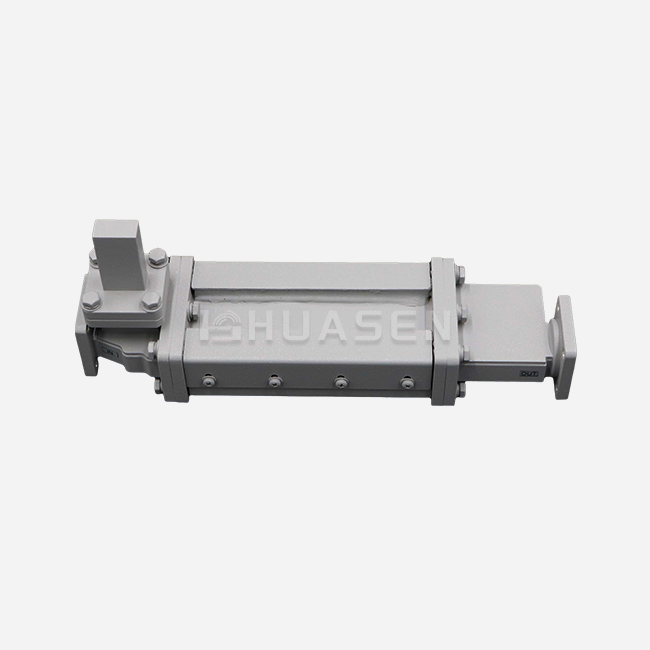
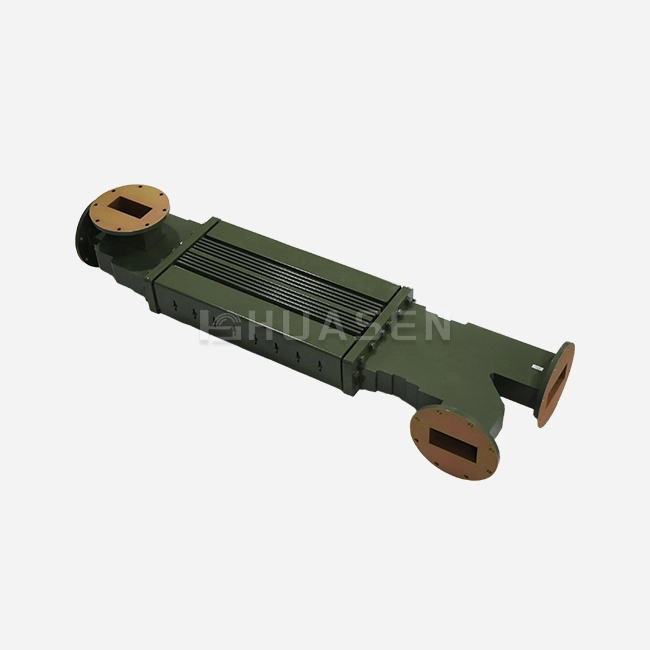
There are three major techniques to set up waveguide systems nowadays. Fixed Waveguide Short Plates (WS) have fixed endings and VSWRs over 60:1. They are ideal for robust calibration standards. Standard connectors like FDP, FBP, and FUGP patterns secure these stiff designs to waveguide flanges. This ensures they use a lot of test equipment.
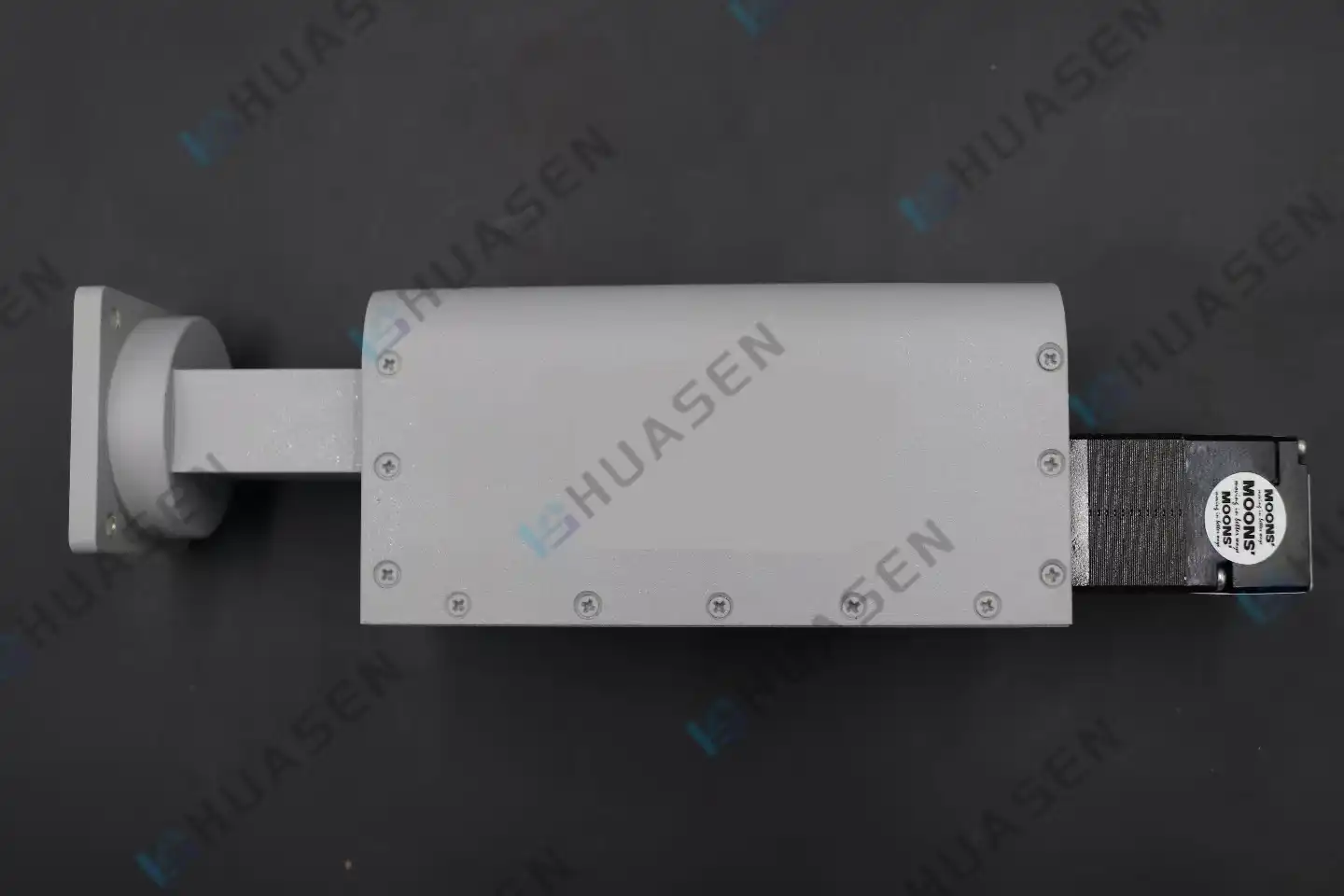
Sliding Waveguide Short Plates (WSS) allow workers to vary the electrical length by shifting the reflecting surface along the waveguide axis. These devices provide phase and resonant frequency tuning for cavity filters and stub matching. They glide 10–300 mm. Quality sliding shorts maintain VSWR above 50:1 throughout their operating range, despite their mechanical complexity.
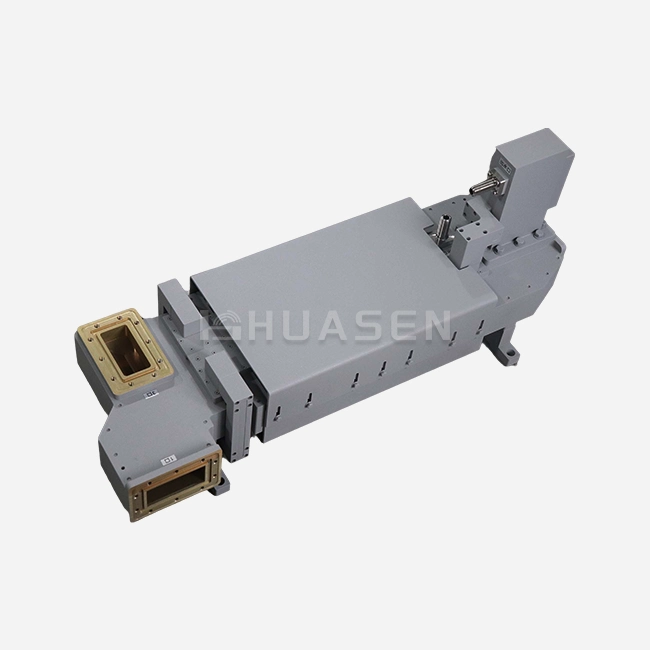
When DC power or control signals must travel through the termination while RF separation is maintained, Bias Waveguide Short -Circuits (WOFS) are employed. This setting is crucial in active component testing, as bias factors affect device operation.
Technical Aspects of Waveguide Short Plates Relevant to Microwave Testing
Precision Specifications That Drive Measurement Accuracy
The size of a waveguide termination restricts its electrical function. Single-mode transmission requires interior dimensions that match the waveguide standard, whether WR-2300 for lower microwave bands or WR-28 for millimetre waves. Impedance discontinuities from modest changes might skew reflection measurements.
As frequency increases, surface smoothness becomes more essential. At 110 GHz, wavelengths drop to 2.7 mm. Thus, surface imperfections of a few micrometres can produce large phase errors. The production technique achieves flatness through precision CNC cutting and lapping. Post-machining conformance checks employ optical profilometry.
Installation Best Practices for Optimal Performance
The appropriate preparation procedures turn theoretical performance into real-world results. Flanges must be matched at an angle to avoid gaps that leak signals and lower VSWR measurements. Use torque tools adjusted according to the manufacturer's specifications to avoid under- or over-tightening, which can damage precision-machined surfaces.
Surface preparation before installation affects long-term reliability. Alcohol-based cleansers remove filth and grime without leaving residue, whereas abrasive cleaners damage metal and create additional losses. Protecting a Waveguide Short Plate from moisture and reactive gases prevents oxidation, which reduces conductivity.
In precision labs, temperature stability is crucial. Waveguide materials and Waveguide Short Plate surfaces have variable thermal expansion coefficients; therefore, temperature changes can produce mechanical stress or size changes. Let parts establish thermal equilibrium before key testing to prevent drift and ensure consistent results.
Comparing Waveguide Short Plates with Alternatives in Microwave Testing
Functional Differences Between Termination Types
Matched loads convert input energy into heat. Their particular resistance reduces echoes. This behaviour is ideal for jobs like separating empty ports on devices with many ports that require signal termination without standing waves. Power is limited by the absorption process. Most loads' thermal discharge capability is exceeded by high-power testing, which can damage heat-absorbing material.
Instead of blocking energy, Waveguide Short Plates reflect it. This makes them ideal for testing with a known reflection coefficient as a math reference. Mirrored energy returns to the source. High-power scenarios require circulators or source separation to protect signal producers from reflected power.
Sliding shorts can alter the phase better than fixed terminations. By adjusting the reflecting surface-measurement plane distance, operators may tune cavity resonators or stub impedances without disassembling the system. Mechanical wear, lubrication deterioration, and gaps between moving surfaces can reduce their effectiveness over time.
Performance Trade-offs Across Component Types
Directional couplers separate forward and reflected waves to measure incident and reflected power simultaneously. Couplers add insertion loss to the main transmission line and take up space, but they help track signals. They are more sophisticated and costly than simple terminations; therefore, only employ them when directional differentiation provides crucial information.
Adjustable short circuits in stub tuners at varying distances from the main waveguide create dynamic impedances for matching. Impedance transformation networks distinguish stubs from fixed Waveguide Short Plates. Mechanical quality determines tuning range and precision. High-end models include fine-thread adjustments for excellent matches.
Choke flanges short RF while leaving mechanical clearance or rotating parts. The quarter-wave choke construction has high impedance at the physical gap but low at the electrical reference plane. Quarter-wave structures vary in frequency; therefore, this stunning solution permits pressurised systems and rotating joints but has a lower working bandwidth than direct-contact short plates.
Applications and Benefits of Waveguide Short Plates in Microwave Testing
Laboratory Calibration and Standards Verification
Metrology labs need traceable reference standards for reliable measurements. The short standard establishes one of three or four impedance criteria for mathematical VNA calibration error correction. High-quality Waveguide Short Plates with defined reflection coefficients and phase characteristics can achieve calibration errors below 0.1 dB and phase errors below one degree throughout specified frequency ranges.
The stability of these reference standards affects ISO/IEC 17025 lab approval regulations. Tracking chains are maintained by checking against fundamental rules and storing and handling items properly. Silver-plated surfaces corrode when sulphur compounds contact them. This reduces surface conductivity and electrical characteristics. Desiccant-sealed packets protect reference standards between calibrations.
Waveguide Short Plates establish antenna pattern measuring standards during gain calibration. Before acquiring pattern measurements, engineers switch out the antenna for a precise short to verify the receiver's sensitivity and route loss estimates. This approach removes measuring system errors from antenna characteristics. Performance data becomes more dependable.
Field Deployment in Communications Infrastructure
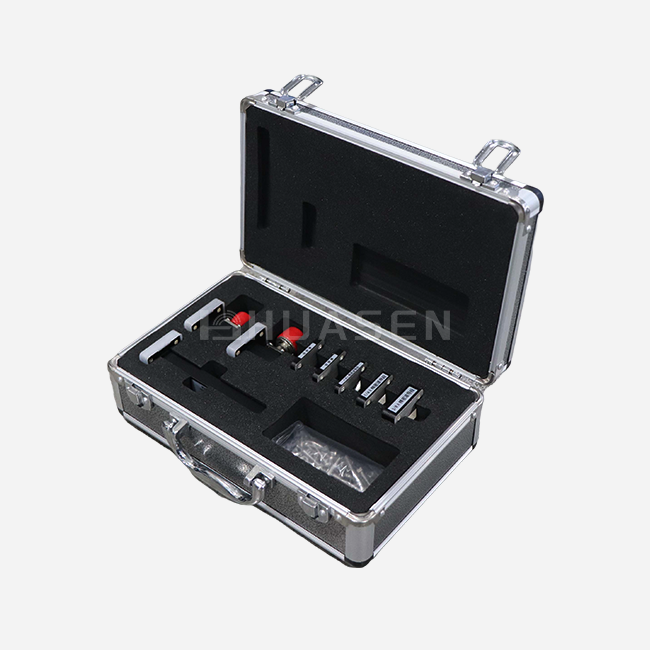
Base station maintenance uses portable calibration kits with exact short standards. These references help field personnel verify test equipment before blaming system hardware for 5G front-end module or backup link issues. Field-grade Waveguide Short Plates can withstand outdoor vibrations and high temperatures as they are durable.
Radar system manufacturers utilise short plates in production test sets to assess receiver sensitivity and transmitter power under known resistance circumstances. Automated test methods use calibration standards, which might have breaks, to maintain readings throughout thousands of units. Quality Waveguide Short Plates are reproducible and durable, reducing tuning and testing costs.
Satellite transmission systems at Ka-band and higher frequencies require phase-stable measurement parts. Ground station verification compares observed system performance to theory. Short plate calibrations eliminate measurement chain errors. One calibration kit may span several transmission bands from 0.32 to 112 GHz. This simplifies managing your tools.
Cost-Effectiveness Through Reliability and Longevity
Labs that maintain Precision Waveguide Short Plates will buy them once and use them for decades. Solid-metal Waveguide Short Plates don't need replacement parts like heated and cooled absorptive loads or connectorized calibration standards. No internal parts mean no failure mechanisms other than surface rust, which can't happen if stored correctly.
Customisation lets you meet particular testing demands without losing quality. Working with competent manufacturers allows for bespoke flange arrangements, frequency ranges, and material combinations. This provides you with additional alternatives so you don't have to pick between poor standard items or homemade solutions.
Economic impacts of component quality and measurement inaccuracy are obvious. Test procedures that need many measurements due to unstable calibration waste engineering effort and delay product release. Reliable reference standards reduce these wastes, improving part quality, development time, and production output.
Procurement Guide: Selecting and Buying Waveguide Short Plates
Critical Specifications for Informed Purchasing Decisions
Coverage frequencies must match the needs of your tests while leaving enough room for error. Most business and military uses can be met by devices that are designed to work between 0.32 GHz and 112 GHz, but narrower ranges may be enough for specific tasks and cost less. Check that the behaviour you're looking for is the same across the whole band, not just at certain frequencies.
VSWR standards measure how well energy is reflected. Values higher than 60:1 for fixed Waveguide Short Plates mean that very little energy is absorbed and the reference is very accurate. Because they have mechanical joints, sliding setups naturally have slightly lower performance, with 50:1 being a good example of solid engineering. These numbers directly affect calibration uncertainty budgets, so making sure that specification quality matches measurement needs stops both over-specification and poor performance.
When choosing materials, electricity performance, environmental concerns, and cost must all be taken into account. Aluminium that has been anodised works well in many situations and is easy to get to, especially in places with low power levels and strict rules. For millimetre-wave work and high-power situations, silver-plated copper is the best conductor. Gold-plated choices, on the other hand, are better at resisting corrosion in harsh marine or tropical deployment conditions.
Evaluating Manufacturers and Supply Chain Reliability
The history and technical skills of the supplier have a direct effect on the uniformity of the product. Manufacturers who have been doing precision machining and designing RF parts for decades bring a level of process stability that leads to better yield and tighter tolerances. Established in 1993, Huasen Microwave Technology is a good example of a company that has been around for a long time and is very good at making high-frequency microwave and millimetre-wave parts.
Certification compliance shows that you follow quality control methods and business standards. Parts that meet the requirements of MIL-DTL-3922 are guaranteed to work with defence and aircraft use. ISO 9001 certification shows that quality control methods are organised and systematic. RoHS compliance is about following environmental rules. This is especially important for technology that will be sold in Europe or California.
The ability to respond to customisation is what sets capable makers apart from rigid catalogue sellers. In order to integrate complex systems, it's common for non-standard flange setups, specific frequency tuning, or custom mechanical connections to be needed. When a manufacturer offers technical support during specification development, it helps put application requirements into component parameters. This lowers the risk of buying Waveguide Short Plates and speeds up project timelines.
Understanding Pricing and Lead Time Dynamics
Volume price systems encourage smart planning for purchases. The cost of a standardised waveguide component goes down a lot as more of them are made. This is called economies of scale. Blanket purchase orders or framework agreements lock in prices while letting you choose how to deliver the goods. This is helpful when project deadlines aren't clear, but parts need are.
Lead times depend a lot on how customised something is and where it is in the production queue. Standard stock items with common frequency ranges and flange types usually ship within weeks. Custom designs that need special tools may take months longer. Getting suppliers involved early on in the planning phase helps make sure that buying schedules and development timelines are in sync, which keeps parts from becoming "critical path" items.
Lifecycle factors include more than just the original buy price. When suppliers keep their product lines stable over long periods of time, it's easier to buy new parts or add on to an existing system in the future. On the other hand, discontinuities or changes to designs that happen too often make long-term support methods harder to use. Total cost of ownership goes down when you look at how stable your suppliers are and how clear your product plan is.
Conclusion
Waveguide Short Plates are very important for microwave tests because they return signals accurately and set up a reference plane. Their material quality, physical accuracy, and surface treatment directly affect the accuracy of measurements and the validity of calibrations in a wide range of fields, such as 5G infrastructure, satellite communications, radar systems, and laboratory measurements. When buying, teams know the differences between fixed, sliding, and bias designs, they can match the testing needs with the right components. As the need for frequencies higher than millimetre waves grows and budgets for measurement uncertainty get smaller, it becomes more important to choose high-quality Waveguide Short Plates from well-known makers in order to keep technical skills competitive and test operations reliable.
FAQ
Q1: How does a short plate differ from a sliding short in practical applications?
In real life, how is a Waveguide Short Plate different from a moving short? For stable calibration standards, fixed plates with set reference lines on the flange mounting surface give the best VSWR performance, which is more than 60:1. Sliding shorts have mechanical control methods that change the length of the electrical path. This lets you tune the phase and change the cavity resonance, but it means that the VSWR performance is a little worse around 50:1. Fixed plates are better for calibration because they can be used over and over, but moving designs are better for system tuning because they are more flexible.
Q2: Why do high-frequency applications require silver or gold plating?
At microwave frequencies, the skin effect limits current flow to conductor surfaces. This makes surface conductivity very important. Silver is the most useful plating material because it has the best electrical conductivity. This means that it minimises resistance losses and phase error. Gold works just as well as silver, but it doesn't rust as easily. This is useful in wet or salty places where silver rusting would weaken its long-term stability. Above 10 GHz, both platings work much better than bare metal or copper.
Q3: Can standard blank flanges substitute for precision short plates?
Standard blank flanges don't have the flat surface, good finishing, and accurate measurements that precision Waveguide Short Plates do. When frequencies go above 10 GHz, surface flaws and oxidation cause phase mistakes and smaller reflections that make measurements less accurate. In high-power situations, surfaces that aren't finished well or metal-to-metal contact zones that aren't fully formed can cause arcing. Precision Waveguide Short Plates are worth the money because they work reliably in difficult measurement situations.
Partner with Huasen Microwave for Precision Waveguide Solutions
If you choose a reputable Waveguide Short Plate maker, you can be sure that your testing equipment will give you consistent, dependable results for decades to come. Huasen Microwave has been making RF components for more than 30 years and has a wide range of frequency coverage, from 0.32 GHz to 112 GHz. They can give fixed, sliding, and bias setups that are best for your application needs. Our precise manufacturing skills allow us to make fixed plates with VSWR performance of more than 60:1. Our customisation services can also be used to meet special flange requirements and material choices.
Whether you're calibrating vector network monitors, keeping 5G base stations in good shape, or checking satellite communication systems, our engineering team can help you turn testing goals into part standards. We know what it's like for system integrators to have to deal with buying problems like matching performance needs with budget limits and making sure deliveries happen on time. Get in touch with us at sales@huasenmicrowave.com to talk about your Waveguide Short Plate needs with experienced application engineers who understand your technical language and will keep your project on schedule.
References
1. Pozar, David M. Microwave Engineering, 4th Edition. Hoboken: John Wiley & Sons, 2012.
2. Collin, Robert E. Foundations for Microwave Engineering, 2nd Edition. New York: IEEE Press, 2001.
3. Marcuvitz, Nathan. Waveguide Handbook. London: Peter Peregrinus Ltd., 1986.
4. Rytting, Douglas K. "Network Analyzer Error Models and Calibration Methods." Wireless and Microwave Technology Conference, 1998.
5. IEEE Standard 287-2007. IEEE Standard for Precision Coaxial Connectors at RF, Microwave, and Millimeter-wave Frequencies. Institute of Electrical and Electronics Engineers, 2007.
6. Engen, Glenn F. "Calibrating the Six-Port Reflectometer by Means of Sliding Terminations." IEEE Transactions on Microwave Theory and Techniques, Vol. MTT-26, No. 12, December 1978.
Send Inquiry