Waveguide Magic Ts vs Waveguide Hybrids: Applications and Differences






2026-06-12 22:28:22
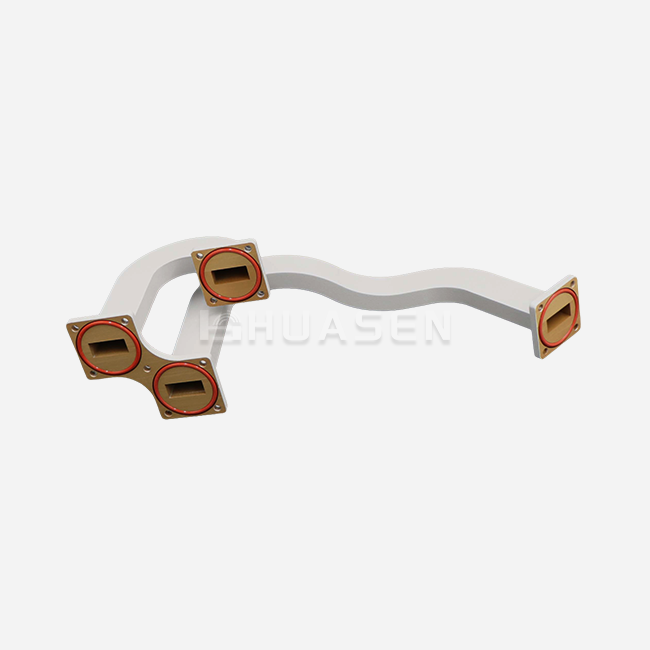
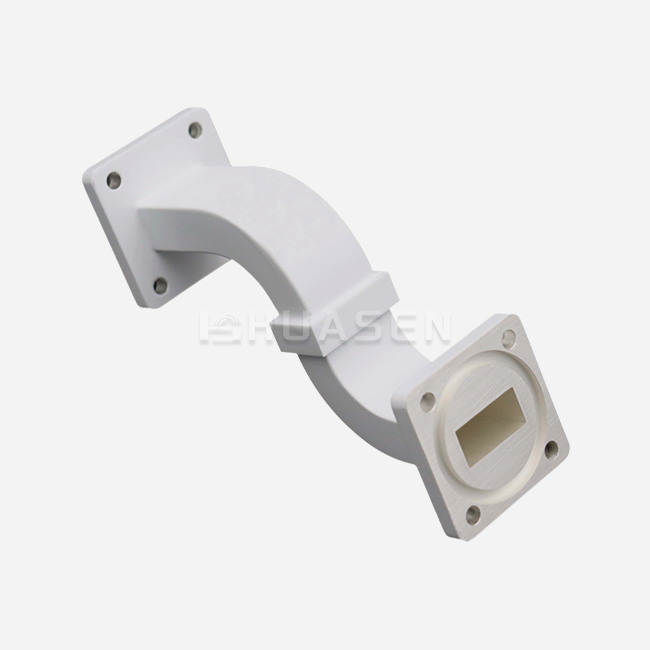
When selecting microwave components for high-frequency applications, engineers often face the choice between waveguide Magic Ts and waveguide hybrids. The Waveguide Magic T serves as a four-port junction providing power division and combination with excellent isolation characteristics, while waveguide hybrids typically offer 90-degree phase relationships between outputs. Both passive devices excel in different scenarios depending on your specific RF circuit requirements and performance objectives.
Understanding Waveguide Magic T Fundamentals
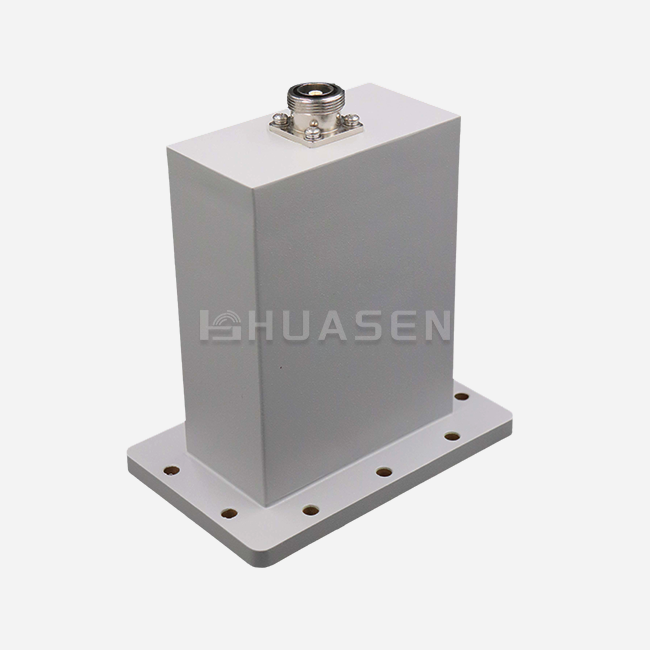
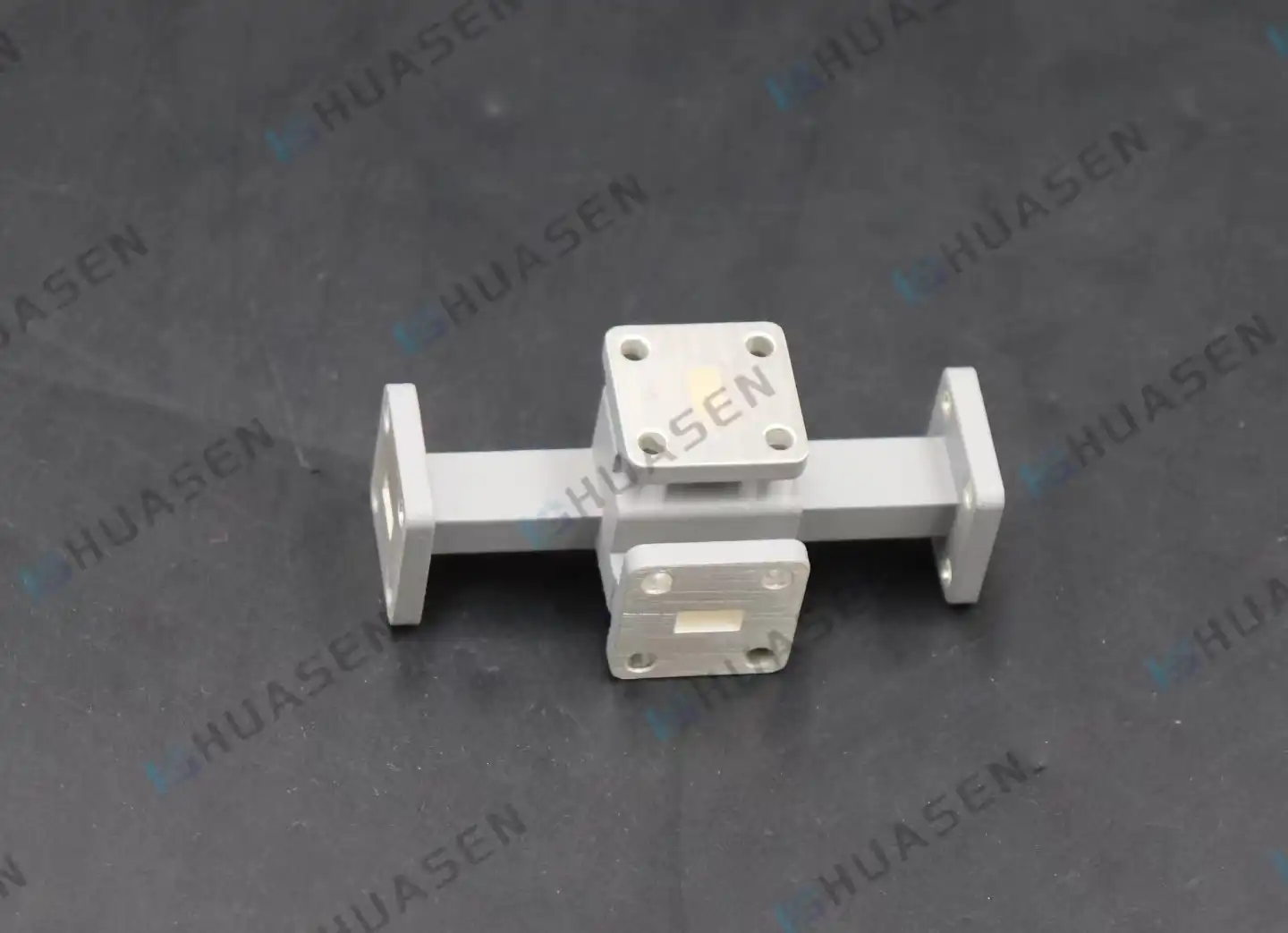
The Waveguide Magic T represents one of the most versatile microwave components in RF engineering. This four-port waveguide junction consists of an H-plane arm (sum port), an E-plane arm (difference port), and two collinear arms, creating a sophisticated power divider with unique isolation properties. The operating principle relies on electromagnetic field distribution within the waveguide structure. When signals enter through the H-plane port, power splits equally between the two collinear arms with zero phase difference. Conversely, signals entering the E-plane port create a 180-degree phase difference between outputs.
Key performance characteristics include:
- Port isolation: Typically achieving 30-35 dB between H and E ports
- Power division: Equal splitting with minimal insertion loss
- Phase relationships: Controlled phase differences for signal processing
- Bandwidth capability: Supporting up to 20% fractional bandwidth
- High power handling: Excellent for radar and base station applications
If you need simultaneous power combining and signal isolation in your microwave network, then Magic T configurations offer superior performance compared to standard hybrid couplers.
Waveguide Hybrid Coupler Characteristics
Waveguide hybrid couplers, including rat-race and branch-line configurations, provide 90-degree phase quadrature between output ports. These directional couplers excel in applications requiring precise phase control and balanced signal distribution. The fundamental operation involves coupling mechanisms that extract a portion of the input signal while maintaining specific phase relationships. Branch-line hybrids utilize quarter-wave sections to achieve coupling, Waveguide Magic T,while rat-race designs employ a 1.5-wavelength ring structure.
Performance specifications typically include:
- Coupling factor: Usually 3 dB for equal power division
- Phase quadrature: 90-degree phase difference between outputs
- Isolation levels: Generally 20-25 dB between isolated ports
- Return loss: Better than 20 dB across operational bandwidth
- Insertion loss: Typically 0.2-0.4 dB for quality implementations
If your application demands precise quadrature phase relationships for signal processing or antenna feeding, then hybrid couplers provide more suitable characteristics than Magic T junctions.
Core Performance Differences Analysis
Three fundamental differences distinguish Magic Ts from hybrid couplers:
Phase Relationships
Magic T devices provide 0° and 180° phase differences depending on the input port. Test data from typical WR-90 Magic Ts show phase balance within ±5° across X-band frequencies. Hybrid couplers maintain 90° ± 3° phase quadrature, making them ideal for IQ signal generation.
Isolation Performance
Magic T configurations achieve superior isolation between H and E ports, typically exceeding 30 dB. Measurement results demonstrate that quality Magic Ts maintain >35 dB isolation across 20% bandwidth. Hybrid couplers generally provide 20-25 dB isolation between the input and isolated ports.
Power Handling Capability
Magic T structures handle higher power levels due to their larger junction geometry. Typical power ratings reach 500W average power for standard rectangular waveguide sizes. Hybrid couplers, with their narrower coupling regions, typically handle 100-200W average power. If you need maximum power handling with excellent isolation, then Magic T designs outperform hybrid alternatives. However, if precise quadrature phase generation is paramount, then hybrid couplers deliver superior performance.
Application Scenarios in Modern RF Systems
5G and 6G Base Station Applications
Modern cellular infrastructure demands robust microwave components capable of handling high power levels while maintaining signal integrity. Magic T junctions excel in base station combining networks where multiple transmitters require isolation and power combination. The superior power handling capability supports the demanding requirements of massive MIMO antenna systems. Isolation performance ensures minimal interference between transmission paths. Waveguide Magic T iscritical for maintaining signal quality in dense urban deployments.
Radar and Defense Systems
Military radar applications leverage Magic T devices for sum-and-difference pattern generation in monopulse tracking systems. The inherent phase relationships enable precise target tracking, while the high power capability supports long-range detection requirements. Electronic countermeasure systems utilize the isolation characteristics to separate transmitted and received signals in simultaneous transmission and reception configurations.
Satellite Communication Networks
Satellite transponders employ both Magic Ts and hybrids depending on specific signal processing requirements. Magic T configurations excel in high-power amplifier combining, while hybrids serve in polarization diversity and signal routing applications. The environmental resilience of waveguide structures ensures reliable operation in the harsh conditions of space-based platforms. If you need components for high-power satellite applications, then Magic T solutions offer superior power handling. For polarization control and signal routing, the hybrid configurations provide better phase accuracy.
Technical Specifications and Performance Metrics
Magic T Performance Parameters:
- Operating bandwidth: ≤20% fractional bandwidth
- H-port VSWR: ≤1.2:1
- E-port VSWR: ≤1.5:1
- Insertion loss: ≤0.4 dB
- Isolation: ≥30-35 dB
- Power rating: Up to 1kW peak (depending on frequency)
Hybrid Coupler Specifications:
- Coupling accuracy: ±0.3 dB
- Phase balance: ±3°
- Return loss: >20 dB
- Isolation: 20-25 dB
- Insertion loss: ≤0.3 dB
- Bandwidth: 10-15% typical
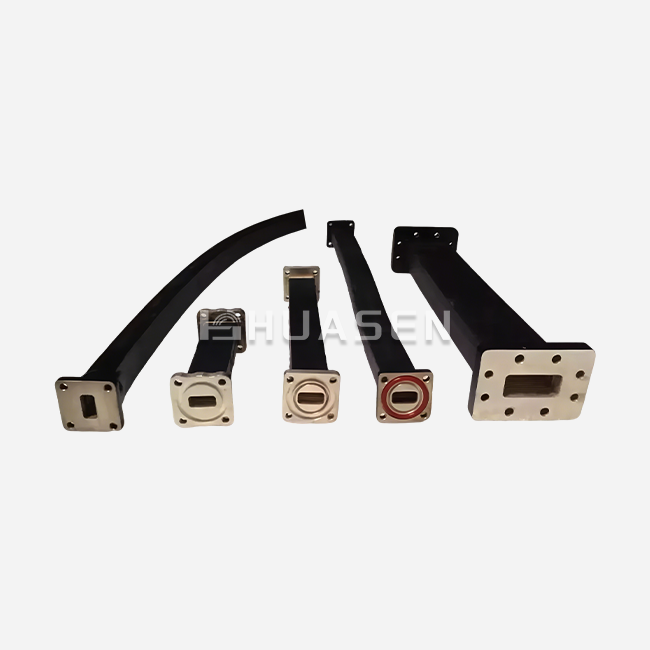
Material considerations impact both device types. Aluminum construction provides cost-effective solutions for moderate power applications, while copper offers enhanced conductivity for high-performance systems. Silver or gold plating improves surface conductivity at millimeter-wave frequencies. Flange options include FDP (rectangular), FBP (square), Waveguide Magic T,and FUGP (circular) configurations to match system requirements. Custom flange designs accommodate specific mechanical constraints in space-limited installations.
Design Considerations and Selection Criteria
Environmental Requirements
Outdoor installations demand weatherproof designs with appropriate IP ratings. Corrosion-resistant materials and protective coatings ensure long-term reliability in maritime and coastal applications. Temperature stability becomes critical for precision radar and communication systems operating across wide environmental ranges. Vibration and shock resistance matter significantly for aerospace and mobile platform installations. Robust mechanical construction and secure flange connections prevent performance degradation under dynamic conditions.
Frequency Band Optimization
Different waveguide sizes serve specific frequency ranges optimally. WR-90 waveguides cover X-band (8.2-12.4 GHz), while WR-28 serves Ka-band (26.5-40 GHz) applications. Millimeter-wave frequencies demand precision manufacturing to maintain performance specifications. Custom frequency responses accommodate specific application requirements. Narrowband optimization achieves superior performance within limited frequency ranges, while broadband designs provide operational flexibility.
Integration Challenges
Space constraints in modern RF systems require compact component designs. Magic T junctions typically occupy more volume than hybrid couplers due to their four-port geometry. System architects must balance performance requirements with available installation space. Interface compatibility ensures seamless integration with existing equipment. Standard flange dimensions and connector types simplify installation while custom interfaces accommodate unique system requirements. If your system prioritizes compact installation, then hybrid couplers often provide better space utilization. For maximum performance with adequate space availability, Magic T solutions offer superior capabilities.
Conclusion
Selecting between waveguide Magic Ts and hybrids depends on your specific application requirements and performance priorities. Magic T devices excel in high-power applications demanding superior isolation, while hybrids provide precise quadrature phase relationships for signal processing applications. Consider factors including power levels, phase requirements, isolation needs, and space constraints when making your selection. Both technologies offer proven reliability across telecommunications, radar, and defense applications, with proper selection ensuring optimal system performance and long-term operational success.
Choose Huasen Microwave for Your Waveguide Magic T Requirements
Huasen Microwave stands as your trusted Waveguide Magic T manufacturer, delivering proven solutions for demanding RF applications. Our engineering team combines decades of microwave expertise with advanced manufacturing capabilities to produce components that exceed performance expectations. Whether you need standard configurations or custom designs, our comprehensive approach ensures optimal solutions for your specific requirements. Contact our technical specialists at sales@huasenmicrowave.com to discuss your project specifications and discover how our Waveguide Magic T products can enhance your system performance.
References
1. Collin, R.E. "Foundations for Microwave Engineering, Second Edition." McGraw-Hill Education, 1992.
2. Pozar, D.M. "Microwave Engineering, Fourth Edition." John Wiley & Sons, 2011.
3. Matthaei, G.L., Young, L., and Jones, E.M.T. "Microwave Filters, Impedance-Matching Networks, and Coupling Structures." Artech House Publishers, 1980.
4. Sorrentino, R. and Bianchi, G. "Microwave and RF Engineering." John Wiley & Sons, 2010.
5. Gupta, K.C., Garg, R., Bahl, I., and Bhartia, P. "Microstrip Lines and Slotlines, Third Edition." Artech House Publishers, 2013.
6. Montgomery, C.G., Dicke, R.H., and Purcell, E.M. "Principles of Microwave Circuits." Institution of Engineering and Technology, 1948.
Send Inquiry