Coaxial Adapter Performance Factors for High Frequencies






2026-06-16 22:06:29
When using communication systems above 1 GHz, the function of a coaxial adapter is very important for keeping the purity of the signal. In high-frequency settings, design flaws in connectors are revealed that aren't seen at lower frequencies. A well-designed coaxial adapter reduces insertion loss, fixes impedance mismatches, and blocks electromagnetic interference. This makes sure that data transfer is reliable in a wide range of settings, from 5G base stations to satellite ground equipment. Figuring out what makes these frequencies work helps buying teams avoid expensive system failures and choose the best components.
Understanding Coaxial Adapters and Their Role in High-Frequency Systems
RF coaxial adapters basically connect two different types of connectors so that different types of equipment can work together without any problems. When switching between different adapter types or genders, these precision-engineered parts keep their electrical insulation and impedance properties. In high-frequency transmission systems, even a small break can lead to signal echoes, power loss, and lost data.
Common Adapter Types in Professional Applications
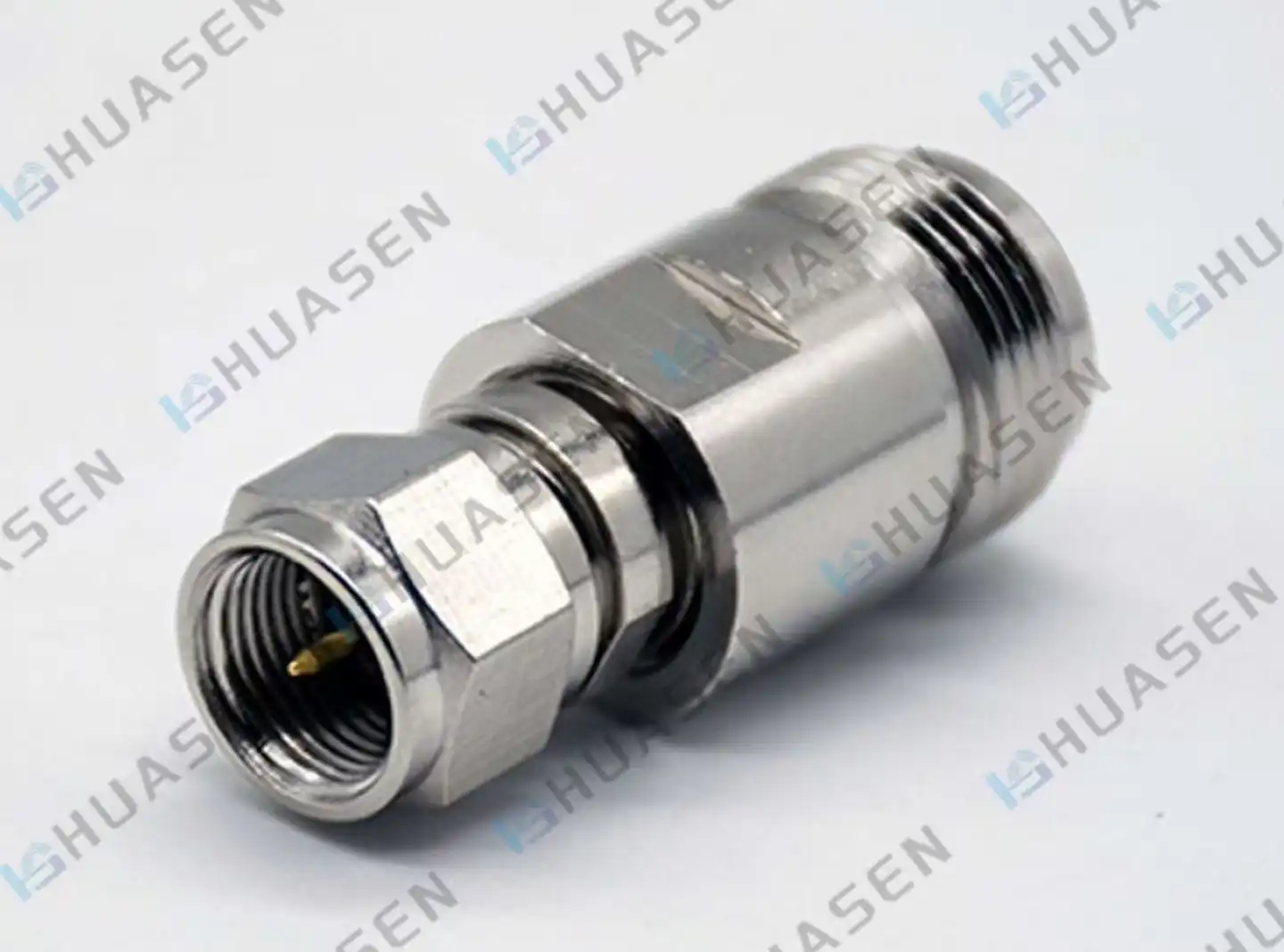
Several standard connections are crucial to defence and telecommunications. Base station installations and radar systems use N-Type connectors because they can handle 18 GHz frequencies and a lot of power. Standard SMA (SubMiniature version A) connectors operate up to 26.5 GHz. Lab and millimetre-wave equipment employ precision versions up to 40 GHz. Newer 4.3-10 connections suit multi-carrier cellular networks' low-PIM demands and deliver good passive intermodulation below -160 dBc.
Application Scenarios Where Performance Matters
Mobile network companies must fulfil tight signal quality criteria across massive MIMO antenna arrays while building 5G infrastructure. Choosing the correct adaptor is crucial since each link might cause signal loss. Because they must maintain air-attenuated signals, Ku-band (12–18 GHz) and Ka-band (26.5–40 GHz) satellite ground stations cannot withstand excessive loss or bounce. Similar to aviation radar systems, adapters must maintain electrical performance under large temperature and vibration changes. They must also manage peak power.
In a lab where adaptor uniformity is crucial, measuring precisely presents particular challenges. Vector network analyser calibration methods require phase-stable connections since even a 0.1 dB shift in insertion loss can create substantial measurement errors when determining how filters or amplifiers perform across wide bandwidths.
Key Performance Factors Affecting Coaxial Adapters at High Frequencies
As wavelength decreases, physical and electrical properties become increasingly significant for conveying a high-frequency signal. Because the wavelength at 10 GHz is just 30 millimetres in air, minor size changes that seem insignificant at lower frequencies now make up large sections of a wavelength. Because of this, professional adapters have different performance criteria from market items.
Insertion Loss and Signal Attenuation
Insertion loss measures signal power loss or gain through an adapter or coax connector. Premium adapters feature insertion loss < 0.15 dB at 18 GHz due to their high-quality materials and careful construction. Lower-frequency losses are typically generated by intermediate wire contact resistance. Above 10 GHz, insulating material dielectric losses matter. PTFE dielectrics with high purity maintain their loss tangent values over temperature and frequency. This prevents performance loss in outdoor applications from -40°C to +85°C.
At microwave frequencies, material conductivity affects skin effect losses. Gold coating makes beryllium copper connections conductive and rustproof. Low contact resistance persists after hundreds of mating cycles. Thin coatings wear out rapidly, whereas thick coatings cause intermetallic diffusion and reduce long-term stability.
Impedance Matching and VSWR Control
Voltage Standing Wave Ratio (VSWR) detects resistance breakdowns that bounce signals. High-quality adapters over their frequency range should have VSWR below 1.15:1, and precise measuring units should be below 1.05:1. The characteristic impedance is determined using centre conductor diameter, dielectric thickness, and outside conductor measurements to achieve this performance.
Telecommunication systems often employ 50-ohm impedance for power transmission and minimum loss. Televisions previously utilised 75-ohm impedance. Echoes are inevitable when adapters switch impedance areas, but careful taper design reduces bandwidth losses. Modern modelling techniques can help engineers determine the ideal transition shape and alter impedance to maintain VSWR requirements throughout decade bandwidths.
Shielding Effectiveness and Connector Construction
Electromagnetic interference harms delicate sensors; therefore, adapter design is crucial for system-level protection. The coupling device between the inner and outer wires must isolate beyond 90 dB to prevent crosstalk in equipment racks with many devices. Conductor surfaces must be smooth without seams or holes to prevent field leakage.
In ocean and seashore environments where salt spray accelerates oxidation, passivated stainless steel bodies withstand corrosion better. A chromium-oxide coating formed during passivation may self-repair tiny scratches and protect the part from the environment for life. Due to its lower conductivity than brass, stainless steel must be properly engineered to maintain protection.
Environmental Durability Considerations
Outdoor telecommunications equipment faces temperature variations, water intrusion, and wind vibrations. MIL-STD-348A adapters are salt spray tested under ASTM B117. They can normally withstand 96 hours of salt spray without losing performance. Weather-sealed joints require O-ring seals that function at different temperatures. Silicone is flexible from -55°C to +200°C, while nitrile stiffens below -40°C.
When temperature changes, contact resistance jumps due to mismatched thermal expansion between metals. Engineers limit expansion and contraction variances by matching materials and adopting spring-loaded contact designs that maintain pressure when temperatures fluctuate. Aviation parts travel from heated at ground level to freezing in the stratosphere in minutes; therefore, this assures reliable functioning.
How to Choose the Right Coaxial Adapter for High-Frequency Applications?
When choosing the right RF interconnects, you have to weigh the application needs against electrical performance, mechanical strength, and cost. When problems are found during system integration, they don't have to be redone, which can be expensive. Instead, there is a structured review process.
Defining Operational Frequency and Signal Parameters
First, set your highest working frequency with enough room for error. To keep performance specs at the band edges, where manufacturing errors matter the most, a system made to work at 18 GHz should use parts that are rated to at least 20 GHz. In transmitter use, it's important to be able to handle both peak and average power. For example, radar systems that send out kilowatt-level pulses need connections with verified peak power ratings, not just average power ratings.
In multi-carrier emitter combining networks, passive intermodulation performance needs to be looked at closely. When two or more carriers go through nonlinear junctions, they make unwanted products that fall in the band and make receivers less sensitive. Low-PIM connections that get -160 dBc or better use special materials and building methods that get rid of ferromagnetic contaminants and make sure the contact pressure is the same everywhere.
Evaluating Key Performance Metrics
Acceptance factors that can be measured should be part of the procurement specs. Insertion loss usually shows up as a dB number that is highest at the highest frequency. Look for test data that shows swept-frequency performance, not just spot readings. The VSWR specs should include the whole working range, since some systems have resonances at certain frequencies. When adding adapters to standardised measurement systems, you should ask for S-parameter files. This will let you accurately separate the effects of the adapters from the readings of the device being tested.
The mechanical details are just as important. Mating cycle life shows how durable something is. Instrument-grade connectors can handle 500 cycles or more, while ruggedised field-grade units can only handle 100 cycles before they go over VSWR limits. Installation torque requirements keep things from getting too tight and make sure there is good electrical contact. For SMA connectors, these numbers usually run from 8 to 12 in-lbs. When you mix inch and metric threads, cross-threading and broken interfaces happen. Thread standards must match exactly.
Supplier Qualification and Compliance Standards
Suppliers with a good reputation keep ISO 9001 quality systems up to date and provide full test data tracking. Parts, including coaxial cable connectors that will be used in defence must meet MIL-STD-348A for connection sizes and MIL-STD-202 for testing methods in harsh environments. RoHS and REACH compliance ensure that the composition of materials meets environmental rules, which keeps trade limits and disposal problems from happening.
Stability in the supply line guards against problems with production. Manufacturers who keep inventory gaps and more than one source for raw materials show that they can handle a lack of parts. Lead times of less than four weeks for normal catalogue items show that the company can respond quickly to orders, and the ability to customise things lets them fit the needs of a specific system.
Market Overview and Procurement Tips for Bulk High-Frequency Coaxial Adapters
The market for RF connectors is still changing because 5G networks and satellite array operations are growing. Buyers can get the best prices and keep quality standards high if they know about current trends and buying strategies.
Current Market Trends and Innovations
Smaller attachment types are being made because of miniaturisation, but they don't lose frequency range. The 2.92mm connector works with older SMA connections and increases the frequency range to 40 GHz in packages that are only slightly bigger than normal SMA. A threaded connection is not needed with push-on designs like SMP (SubMiniature Push-on). This cuts down on installation time in racks with a lot of components and keeps speed at 40 GHz.
Adapters can now achieve -165 dBc performance thanks to improvements in low-PIM technology. This lets ultra-wideband emitters pump kilowatts into multi-carrier antenna systems. This is done by manufacturers using controlled-atmosphere soldering methods that stop oxides from forming and unique contact shapes that stop fretting wear.
Bulk Purchasing Strategies
Making promises to buy in bulk can save you a lot of money. When you buy more than 100 pieces, you usually get tier pricing, with price breaks at 500 and 1,000 pieces. Blanket purchase orders with planned releases protect prices while letting you be flexible with your inventory. This is especially helpful when supply chain problems cause component lead times to grow.
Standardising on fewer connector families lowers the cost of keeping supplies and makes it easier to spare parts for upkeep. Don't keep adapters for every possible interface combination on hand. Instead, stick to core port types and use precision adapters to connect families. This method focuses on investing in high-quality connections that are paired with each other often, while using cheaper adapters for changes that only happen sometimes.
Supplier Selection Criteria
In addition to unit price, you should also look at the total cost of ownership, which includes things like freight terms, payment terms, and the availability of expert help. Because domestic goods cut down on wait times and get rid of customs delays, small price increases are reasonable for projects that need to be done quickly. Custom engineering support from suppliers can help improve designs and, with smart connection selection, may even get rid of the need for adapters altogether.
Each business has its own standards for quality documents. In the telecommunications industry, test results at the batch level are often needed to show VSWR and insertion loss performance. In the aerospace industry, on the other hand, serialised tracking is needed along with guarantees that the product meets the requirements of the drawing. Clarify what paperwork is needed during the quotation process to avoid delays in getting a check.
Troubleshooting Common Issues and Maintaining Optimal Performance
Even high-end adapters break down when they are handled incorrectly or put through natural stresses that are too high for them to handle. By recognising common failure modes and taking preventative steps, you can make components last longer and keep the system's reliability high.
Identifying Sources of Signal Degradation
When the temperature or pressure changes, intermittent contacts show up as changing VSWR or insertion loss. This usually means that there is dirt on the contact surfaces or that the spring tension in the centre wires has loosened. When parts are taken apart and inspected, they generally show either rust products from water getting in or wear debris from too many mating cycles. Replacing the damaged adapters and looking into the root causes stops the problem from happening again. Maybe the environmental seals need to be improved, or the handling methods need to be changed.
When speed drops consistently across a whole batch, it means that there are systemic problems. Manufacturing flaws that affect a production lot might get past the quality control of the seller. This is why receiving a check is so important. By using a vector network tester to test a few units from each batch, problems are found before they are installed, which prevents failures in the field and truck rolls.
Preventive Maintenance Best Practices
Critical systems are kept safe by setting check times based on how important the application is. Visual checks every three months are a good idea for outdoor setups to look for water damage, corrosion, or mechanical damage. In indoor labs, inspections may be done once a year instead of every six months. During checks of the coaxial adapter, make sure that the pressure on its threaded connections stays within the limits. Thermal cycling can cause these connections to become loose.
Cleaning methods must not damage areas that have been covered. Most dirt and grime can be removed with isopropyl alcohol and lint-free brushes without damaging the gold finish. Do not use rough cleaners or metal brushes that take off the covering and leave the base metals open to rust. Damaged joints need to be replaced instead of being fixed in the field because the right way to re-plate them requires controlled processes that can't be done outside of specialised facilities.
By keeping track of link records, you can compare the number of mating cycles to the estimated lifetime. This lets you replace things before they stop working as well. Tracking instrument-grade plugs in calibration labs needs extra care, since going over the cycle life limits hurts measurement error budgets. Tracking is done automatically by database systems that connect serial numbers to usage logs. These systems send replacement alerts before problems happen.
Conclusion
Controlling insertion loss, keeping impedance matching, and making sure the mechanical design is strong enough for the environment are all important for the performance of a high-frequency coaxial adapter. When buying something, people have to weigh the electricity requirements against the need for dependability and the cost limits. A systematic review of supplier skills and test data for components stops integration issues and makes sure that the system will work well for a long time. Using the right upkeep methods can make adapters last longer while keeping the signal's integrity. System designers can choose parts that meet the needs of demanding apps while avoiding common mistakes that hurt reliability if they know about these important factors.
FAQ
Q1: What distinguishes high-frequency adapters from standard coaxial connectors?
High-frequency adapters keep low VSWR and controlled impedance across multi-gigahertz bandwidths by choosing the right materials and production limits. Standard connectors that work well for video or low-frequency RF uses have too much insertion loss and echoes above 1 GHz because they don't have tight enough dimensional control, and the dielectrics they use aren't right.
Q2: How does gold plating improve adapter performance?
Gold plating is better at stopping rust and keeping contacts from wearing down over time and changing temperatures. As a general rule, the centre contacts must have hard gold plating that is more than 3 micrometres thick. This keeps the conductivity while fighting wear over hundreds of links.
Q3: Can I mix connector brands within a single system?
Mechanically, products from different makers that follow industry standards can work together, but small differences in dimensions can affect how well they work electrically. When you mix brands in calibrated measurement lines, it creates doubt. Using single-source connectors throughout important signal chains guarantees constant performance and makes troubleshooting easier.
Partner with a Trusted Coaxial Adapter Manufacturer
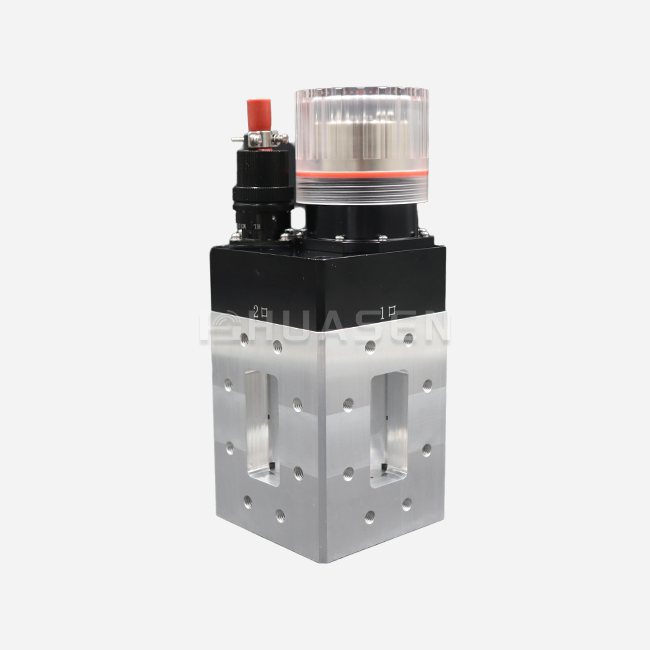
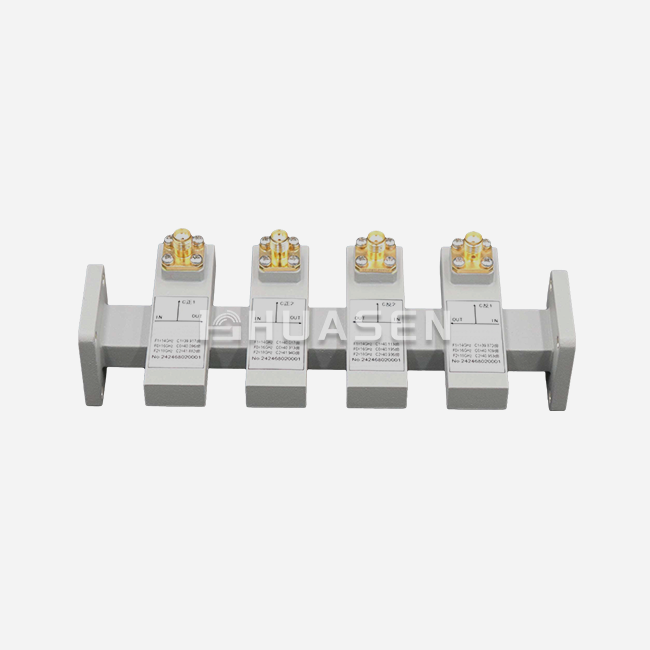
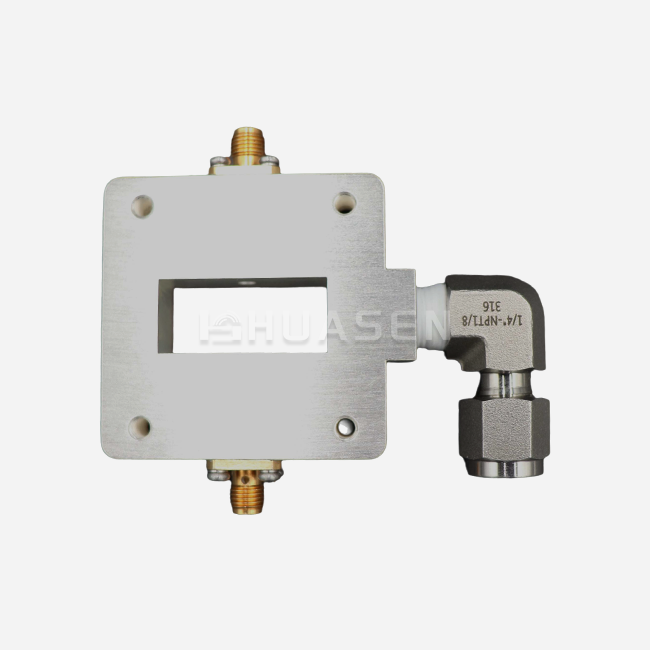
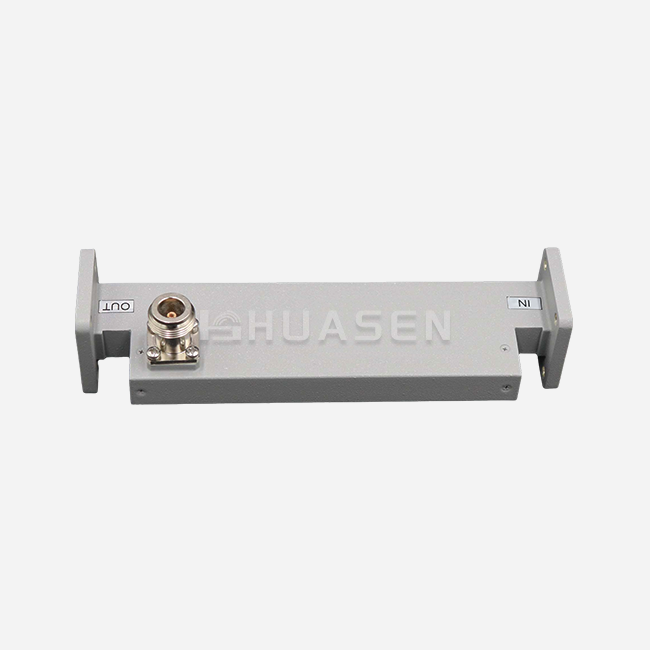
Huasen Microwave Technology offers well-thought-out RF connection options backed by 30 years of experience making high-frequency parts. Our custom waveguide to coaxial adapter services work with non-standard system designs and solve interface problems that standard parts can't. By making frequency response, interface shape, and power handling exactly how you want them, we can avoid expensive system changes and shorten the time it takes to integrate.
Before being shipped, each adapter goes through a thorough vector network analysis and external stress testing to make sure it works well. Our engineering team helps with design during the planning process, which helps you choose the best components for your application. Our production skills allow us to provide reliable solutions, whether you need low-PIM performance for cellular infrastructure or precision metrology-grade connections for lab equipment.
Contact our procurement specialists at sales@huasenmicrowave.com to discuss your high-frequency interconnect requirements. We provide detailed technical datasheets, S-parameter files, and engineering consultation to ensure your project succeeds. Request a quote today and experience the reliability that comes from partnering with an established coaxial adapter supplier committed to quality and customer satisfaction.
References
1. Balanis, Constantine A. "Advanced Engineering Electromagnetics, 2nd Edition." John Wiley & Sons, 2012.
2. Maury, Mauricio A. "RF and Microwave Connector Performance in High-Frequency Systems." IEEE Transactions on Microwave Theory and Techniques, vol. 68, no. 4, 2020.
3. Pozar, David M. "Microwave Engineering, 4th Edition." John Wiley & Sons, 2011.
4. Agilent Technologies. "Specifying Calibration Standards and Kits for Agilent Vector Network Analyzers." Application Note 1287-11, 2012.
5. U.S. Department of Defense. "MIL-STD-348A: Military Standard for Radio Frequency Connectors, General Specification." 1993.
6. European Telecommunications Standards Institute. "ETSI EN 300 019: Environmental Engineering for Telecommunications Equipment, Part 2-4: Specification of Environmental Tests for Transportation and In-Use." 2013.
Send Inquiry