Power Limiter Applications in Defense & Aerospace Systems






2026-06-15 22:26:53
Power Limiters are basic safety parts that are used in RF and radio systems in both military and space platforms. High-power signal spikes can do a lot of damage to sensitive receiver front-ends like low-noise amplifiers, mixers, and detectors. These passive devices protect them from that damage while still letting low-level signals pass with little insertion loss. Power Limiters make sure that operations keep going in electromagnetically unfriendly areas where the reliability of equipment directly affects the success of missions by reacting flexibly to input power limits. This guide was made to help buying managers, systems engineers, OEM clients, and wholesalers figure out how to do business-to-business (B2B) purchases in the aerospace and defense industries. We want to give people who make decisions the tools they need to find parts that meet strict performance and approval standards by giving them useful information about technology basics, use cases, and selection criteria.
Understanding Power Limiters in Defense & Aerospace
What Defines a Broadband Power Limiter?
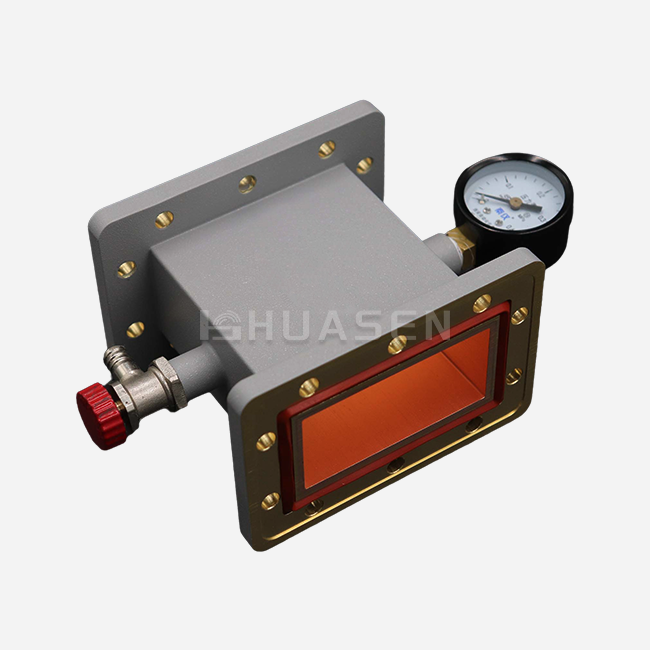
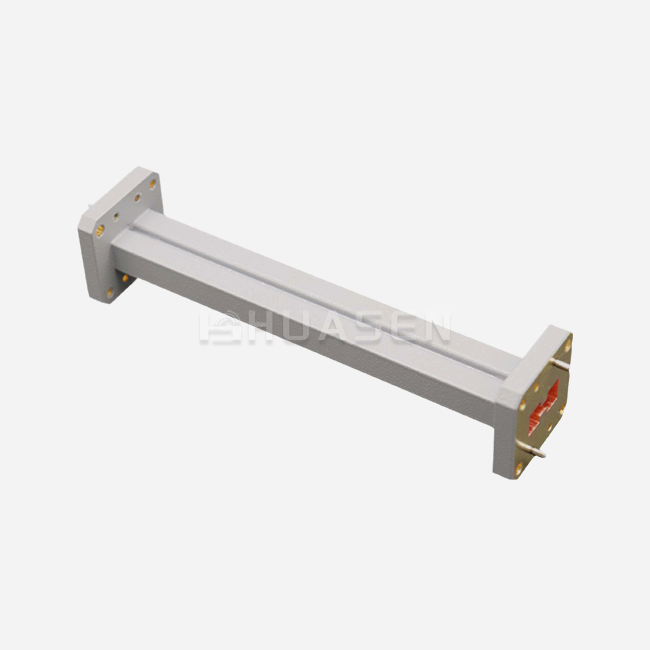
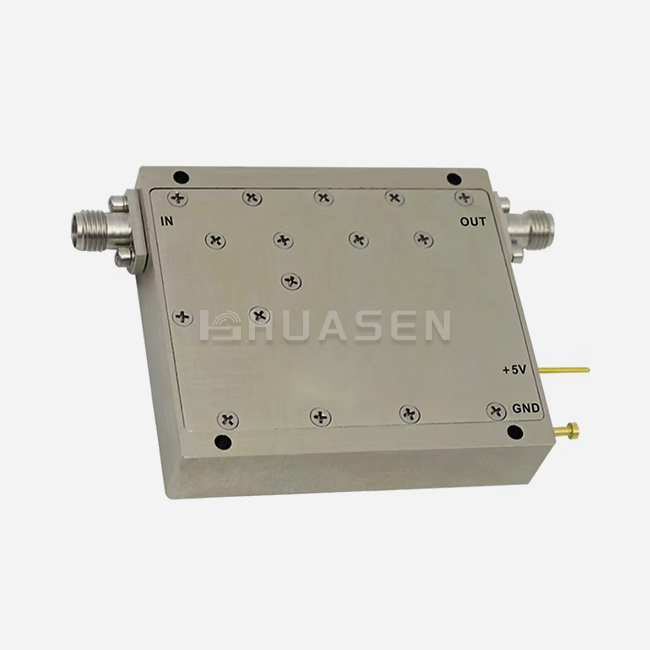
A broadband Power Limiter is an RF security device that works on its own. It usually uses PIN or Schottky diodes to send extra energy to ground when input signals go over certain amplitude limits. Limiters behave differently from most attenuators because they don't reduce signal strength the same way at all power levels. Instead, they reduce signal strength very little for weak signals but quickly more as input power goes above safe working levels. This changing reaction keeps later parts safe without affecting how sensitive the system is when it's working normally.
The working idea is based on the properties of diode junctions. When the power level is low, the diode junction keeps its high resistance, which lets signals pass through with insertion losses that are usually less than 1.5 dB. When there is an increase in input power, like from nearby transmitters, enemy jamming, or lightning-caused transients, the diode conducts, limiting the output power to safe levels, usually around +17 dBm. Recovery times of less than 100 nanoseconds let devices go back to normal listening modes almost instantly after a pulse event. This keeps operating blind spots to a minimum.
Technical Parameters That Matter
Important requirements determine whether a limiter is suitable for tough aircraft use. Devices working from 0.5 GHz to 40 GHz serve a wide range of radar, SATCOM, and electronic warfare systems. Frequency coverage includes multiple octave bands. Limiting limits are set at the 1dB compression point and usually fall between +10 dBm and +20 dBm. This range keeps protection sensitivity and false triggering in check. Both flat leakage and spike leakage energy must be tightly managed so that leftover energy doesn't hurt mixers or amplifiers that are sensitive to it.
It can handle up to 1 kW of peak power in pulsed conditions, which is enough for radar transmitter leaking situations. It can also handle steady-state signals with continuous wave power rates between 1W and 10W. The performance of the Voltage Standing Wave Ratio (VSWR) has a direct effect on signal reflection losses. High-quality devices keep the VSWR below 1.5:1 across all operating bandwidths. When products are made to MIL-STD-883 standards, they are tested for outdoor toughness using strict methods for thermal shock, vibration, and hermetic seal.
Why Use Power Limiters in Defense & Aerospace Systems?
Protecting Against Electromagnetic Threats
Defense systems work in places with a lot of electrical clutter, where many high-power emitters are close together. There is always a chance that naval ships, planes, and ground stations will get receiver burnout from friendly fire, which means accidentally being exposed to radar waves on ships or communications gear on planes. In order to keep situational awareness continuity, Power Limiters are placed right after antenna feeds to stop these threats before they reach the reception stages that are weak.
When electronic warfare systems scan wide frequency ranges, they come across random high-power microwave attacks that are meant to stop surveillance. Limiters are the first line of defense because they keep harmful signals at levels that can be handled while still letting the receiver notice and identify risks. This feature is very important in electromagnetic spectrums that are being disputed because tactical success depends on keeping sensors working even when active countermeasures are in place.
Preventing Costly Equipment Failures
When test labs and research institutions calibrate or evaluate new RF devices, they could lose money. When high-level signals are accidentally connected to spectrum analyzers or vector network analyzers, they destroy the frontend mixer. It usually costs more than $10,000 to fix this. This risk is eliminated by using broadband limiters as port protectors. This lets techs work safely with new equipment while protecting expensive instruments.
Designers of satellite transponders have to balance the need for redundant parts with the need to keep the transponder light. Space-grade limiters keep low-noise amplifiers safe from changes in uplink power and transients caused by sun particles without the need for backup receiver chains. PIN diode limiters work passively and without bias, so they don't need to be maintained. The average time between failures is over 100,000 hours, which fits with the long lifecycles of satellite missions.
Key Applications of Power Limiters in Defense & Aerospace Systems
Electronic Warfare and Radar Systems
Modern marine radar systems send out bursts of power at megawatt levels while also using sensitive sensors to find targets. Multiple transmitters cause co-site interference, which causes power jumps above +60 dBm at receiving inputs. Limiters lower these spikes to safe levels, making sure that receiver diodes can work and keep the low noise levels that are needed to pick up faint target returns at long ranges.
For electronic support measures to work in the air, they need to be able to measure frequencies instantly across bands from 2 to 18 GHz. These systems need to be able to tell the difference between good and enemy transmitters without getting slowed down by high-power jamming. With reaction times of less than 50 nanoseconds, fast-recovery limiters cut down on receiver blind periods while keeping the temporal precision needed to spot pulsed radar patterns and communication protocols.
Satellite Communication Infrastructure
As ground stations try to make up for air loss, geosynchronous transponders that handle global phone traffic have to deal with changes in the uplink power. Power Limiters prevent low-noise amplifiers from signal overshoots that happen from time to time. This keeps the exact gain characteristics needed to keep link budgets across 36,000-kilometer propagation lines. The steady limiting level makes sure that the transponder always works, even if a user at the ground station makes a mistake or something breaks.
Ultrasensitive receivers are needed for deep space robots that work millions of kilometers from Earth to pick up orders sent at milliwatt levels. But these sensors have to work during times when planets are in conjunction with each other, when the sun's radiation raises the background RF noise by 40 dB. Limiters that are approved for use in space and meet NASA's outgassing standards protect mission-critical receiver chains while adding less than 100 grams to the mass of satellites.
Laboratory and Test Equipment Protection
To calibrate a vector network analyzer, you have to connect precise measurement ports to devices that are being tested and whose output features you don't know. Research centers that are making the next wave of 5G power amps regularly check devices that can output +40 dBm. Putting an RF Limiter between the device and the analyzer input stops damage from happening by mistake during swept-frequency measurements. This protects expensive mixer parts.
During near-field measures, antenna range facilities that are typical of high-gain phased arrays pick up mirrored signals that are stronger than what a safe receiver can handle. Broadband limiters that cover an octave of frequencies allow safety for a single device across entire measurement campaigns. This means that frequency-specific parts don't have to be swapped between test settings, which cuts setup time by 60%.
Selecting the Right Power Limiter for Defense & Aerospace Procurement
Evaluating Performance Specifications
Teams that buy things have to make sure that the features of the limiters match the needs of the whole system. Adding loss directly lowers the receiver noise figure by one decibel. Choosing devices with losses below 1.0 dB keeps sensitivity high in situations where finding signals close to the thermal noise floor is crucial to the job. If you want to avoid becoming obsolete too soon as communication standards move toward millimeter-wave frequencies, the frequency range you choose should include both the current system bands and the bands that are expected to grow.
Limiting threshold selection strikes a balance between normal signal handling and security sensitivity. Radar warning sensors that handle pulses from -60 dBm to +10 dBm have +15 dBm thresholds that only go off when there is a real overload. On the other hand, sensitive spectrum monitoring applications might need +5 dBm limits to protect against modest power excursions that are still higher than the safe input levels.
Certification and Environmental Compliance
Defense companies must follow the MIL-STD-202 environmental testing guidelines, which check for resistance to temperature shock, shaking, and water. Limiters that are put on airplanes have to pass approval tests that show they can survive 20G acceleration and changes in altitude between -55°C and +125°C. Moisture getting into hermetic packing makes diode junctions less reliable, and MIL-STD-750-approved fine and gross leak tests prove the seal's integrity.
For export-controlled uses, parts must be made in allied countries and be able to be tracked through supply lines that don't involve war. RoHS compliance meets environmental rules and keeps performance at a high level for lead-free soldering methods. Integration approvals for projects supervised by the Defense Contract Management Agency are made easier with documentation packages that include S-parameter data, power handling curves, and qualification test results.
Distinguishing Limiters from Complementary Components
There are times when procurement engineers mix up limiters with set attenuators or voltage regulators. Attenuators lower the signal's intensity evenly across all input levels, but they do this by lowering the receiver's sensitivity to avoid overload. This is not a good option for systems that need to have the widest detection range possible. Fuses only protect you once because they can fail in damaging ways that require repair in the field and cause downtime. Power Limiters provide consistent, non-destructive safety that restarts itself after short-lived events, keeping operations ready.
Voltage controllers keep DC power sources stable, but they don't have the nanosecond reaction times needed to protect against RF pulses. Power Limiters protect against threats that happen in microseconds or less, and they work with other power control parts instead of removing them. By knowing these differences, you can avoid making design mistakes that weaken system security architectures.
Optimizing Power Limiter Performance in Aerospace and Defense Systems
Addressing Thermal Management Challenges
Limitations on continuous wave power handling come from junction temperature limits in diode elements. Better thermal connections between limiter housings and frame mounting surfaces are helpful for applications that need high-power sources for a long time. Thermal simulation modeling finds hot spots and helps choose a heat sink that keeps joint temperatures below 150°C even in the worst weather conditions.
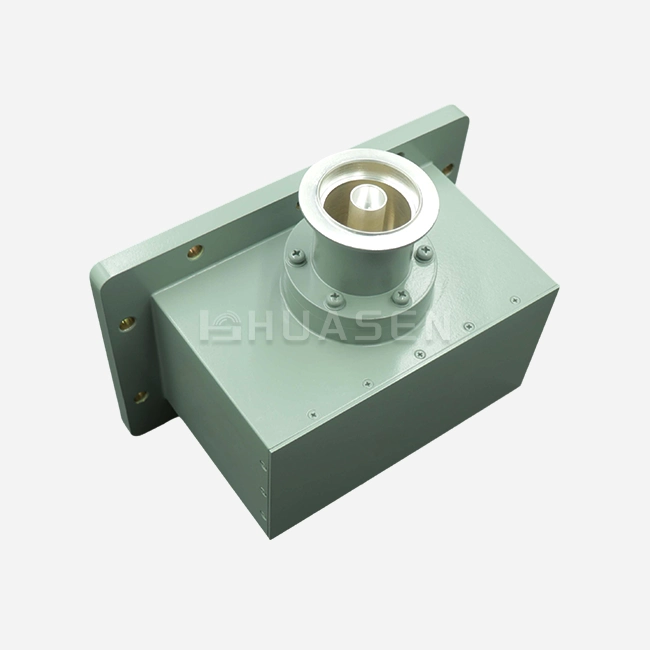
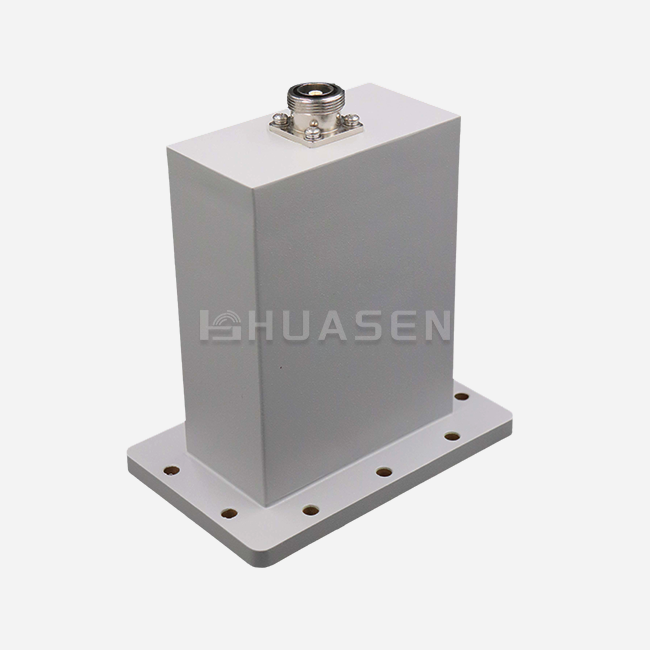
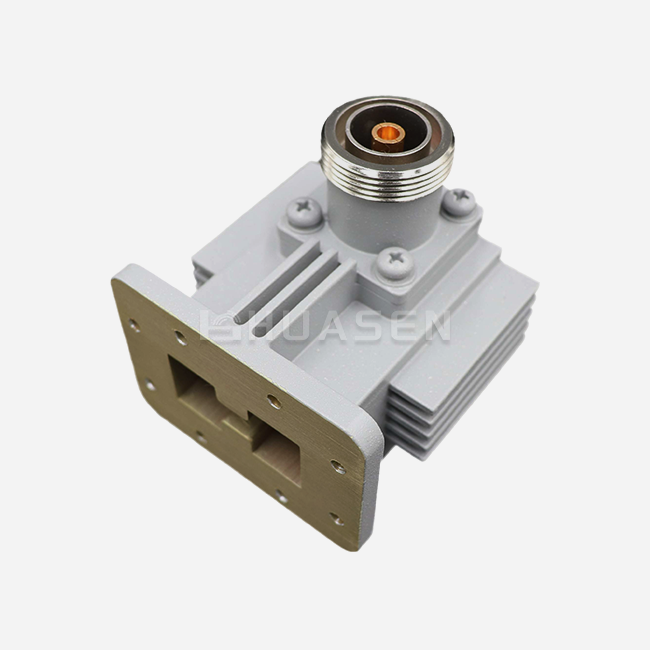
Aluminum housings with nickel covering, like those used in Huasen Microwave's Broadband Power Limiter (LT) line, are great at getting rid of heat and won't rust in salty seas. The design is very light (usually less than 100 grams), which makes it easy to fit into electronics bays that are sensitive to weight without the need for structural reinforcement. Standard SMA-K connectors make sure that they can work with current wire assemblies, which makes platform changes easier to install.
Enhancing System Integration
Putting limiters in the right place within receiver chains makes security work better. Installing devices right after radio feeds reduces cable losses that would lower signal levels otherwise, making sure that limiters work at the right levels. In transceiver architectures, bypass paths around limiters during send cycles stop the insertion loss that isn't needed. This makes the total link budget more efficient by 0.8 dB in most cases.
Before putting the device into the field, it is thoroughly tested in the lab to make sure it works well. This testing includes figuring out the insertion loss, checking the VSWR, and making sure the device can handle power across a range of operating temperatures. Multidimensional performance graphs that show how limiting threshold stability changes with frequency and temperature allow for accurate system modeling, which lowers the risks of integration and cuts qualification times by 30%.
Conclusion
Power Limiters are important safety features in defense and military RF systems because they protect against high-power threats reliably while keeping the receiver's sensitivity. Because it works passively, responds in nanoseconds, and meets strict military standards, the technology is essential for radar platforms, satellite communications, electronic warfare systems, and test labs. A successful procurement relies on a careful analysis of frequency coverage, insertion loss, limiting limits, and environmental qualifications that are tailored to the needs of the application. Mission-critical systems get the best safety without sacrificing their ability to do their job by working with well-known makers that offer thorough testing documentation and quick technical help.
FAQ
Q1: How does limiter recovery time affect radar system performance?
The temporal blind zone after high-power pulse exposure is set by the recovery time. Radar devices that pick up target echoes milliseconds after sending pulses need limiters that can recover in less than 100 nanoseconds, so they don't miss return signals. Range precision and target separation get worse as recovery time goes up. This is especially true for pulsed-Doppler systems that follow fast-moving airplanes. Modern PIN diode limiters can rebound in 50 nanoseconds, which means they can handle pulse repeat rates higher than 10 kHz without creating operating gaps.
Q2: Can limiters guard against events that cause electrical discharge?
Limiters are great for protecting against RF power spikes, but electrostatic discharge causes damage in a different way that needs special shunt diodes that can handle kilovolt transients. When you put ESD protection at the connection ports and RF limiters further downstream, you get a complete defense system that can handle both types of threats. The layered method keeps one part from being overloaded by too many stresses at the same time.
Q3: What distinguishes space-qualified limiters from commercial variants?
For space use, parts need to be able to handle the vibrations of launch, the changing temperatures and vacuums, and the radiation exposure that builds up over long journeys. As required by NASA, space-grade limiters go through extra tests such as particle impact noise detection, total ionizing dose radiation measurement, and materials outgassing confirmation. Traceability paperwork that shows the history of a specific lot of parts makes it possible to be qualified for missions where failures in space cannot be fixed.
Partner with Huasen Microwave for High-Performance Power Limiter Solutions
Huasen Microwave Technology offers tried-and-true Broadband Power Limiter options that meet the strict needs of aerospace and defense uses. Our metal nickel-plated housings are resistant to corrosion and do a great job of managing heat. They weigh less than 100 grams, which makes them easier to fit into platforms that are limited in space and weight. A lot of testing in the plant on factors like insertion loss, VSWR, and power relationship makes sure that the performance is reliable and is backed up by multidimensional characterization curves.
As a well-known company that has been making Power Limiters for over 30 years, we offer fast technical advice to help you with your buying strategy, from developing specifications to qualification testing. Our engineering team helps with specific frequency coverage, connector setups, and environmental protection that meet the needs of each platform. Get in touch with our experts at sales@huasenmicrowave.com to talk about our MIL-STD-compliant and highly reliable bulk Power Limiter supply choices.
References
1. Pozar, David M. Microwave Engineering, 4th Edition. Wiley, 2011.
2. Golio, Mike and Janet Golio. RF and Microwave Passive and Active Technologies. CRC Press, 2018.
3. U.S. Department of Defense. MIL-STD-883: Test Method Standard for Microcircuits. Defense Logistics Agency, 2019.
4. Maas, Stephen A. Nonlinear Microwave and RF Circuits, 2nd Edition. Artech House, 2003.
5. Bhartia, Prakash and Inder Bahl. Microwave Solid State Circuit Design, 2nd Edition. Wiley-Interscience, 2003.
6. IEEE Aerospace and Electronic Systems Society. Proceedings of the IEEE Radar Conference 2022. IEEE Publishing, 2022.
Send Inquiry