
Home / Blog
Blog
0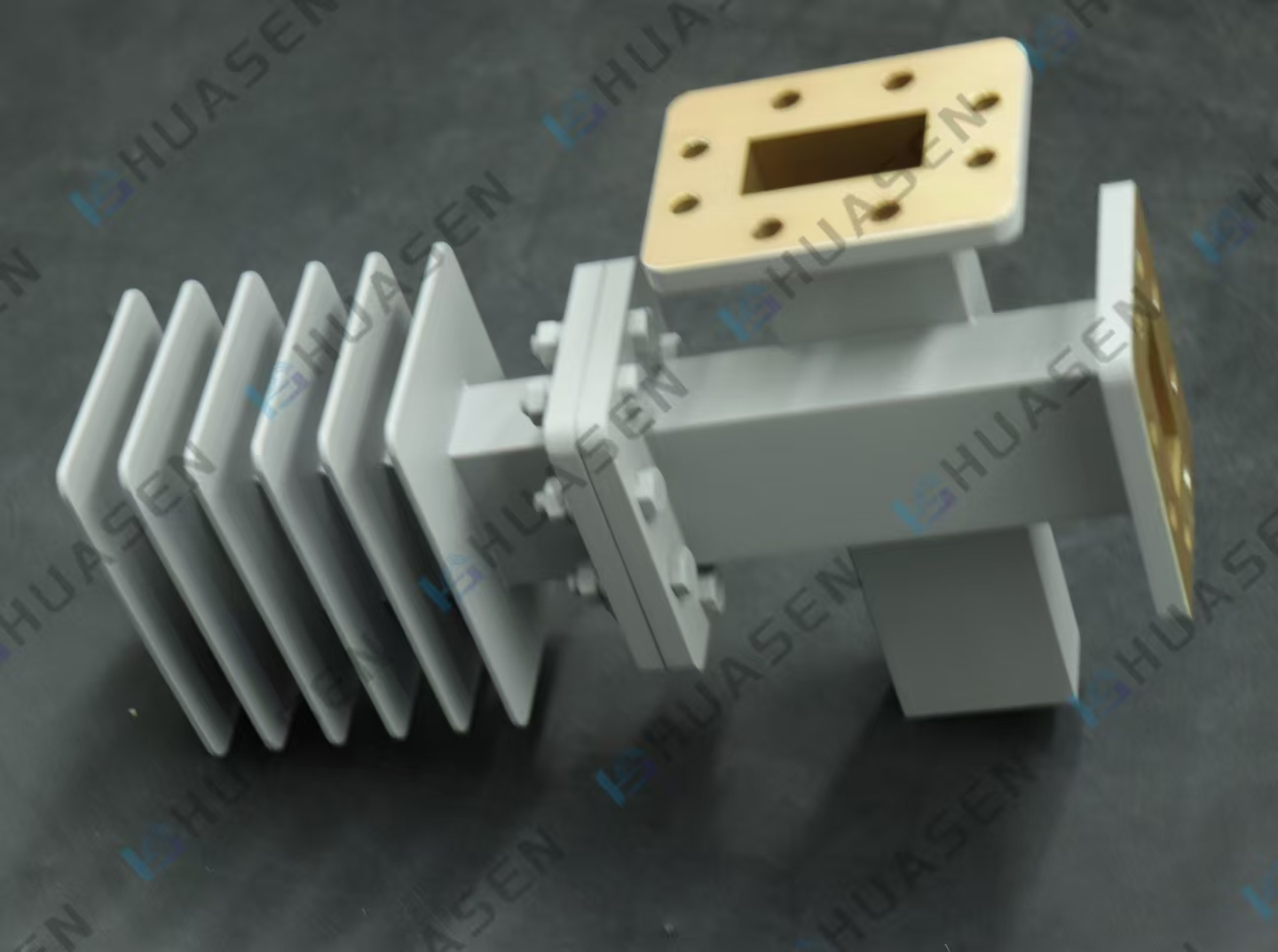
Best OEM Coaxial Fixed Attenuator Manufacturers for 2026
Picture this scenario: Your 5G base station infrastructure is experiencing signal overload, causing measurement inaccuracies and equipment damage. Your satellite communication system demands precise power level control across multiple frequency bands. You need reliable Coaxial Fixed Attenuator solutions that won't fail under high-power conditions or extreme environmental stress. Finding the right OEM manufacturer who can deliver consistent quality, comprehensive frequency coverage, and customization capabilities isn't just important—it's mission-critical. This comprehensive guide reveals the top OEM Coaxial Fixed Attenuator manufacturers for 2026, helping you make informed sourcing decisions that protect your RF systems and ensure optimal performance.VIEW MORE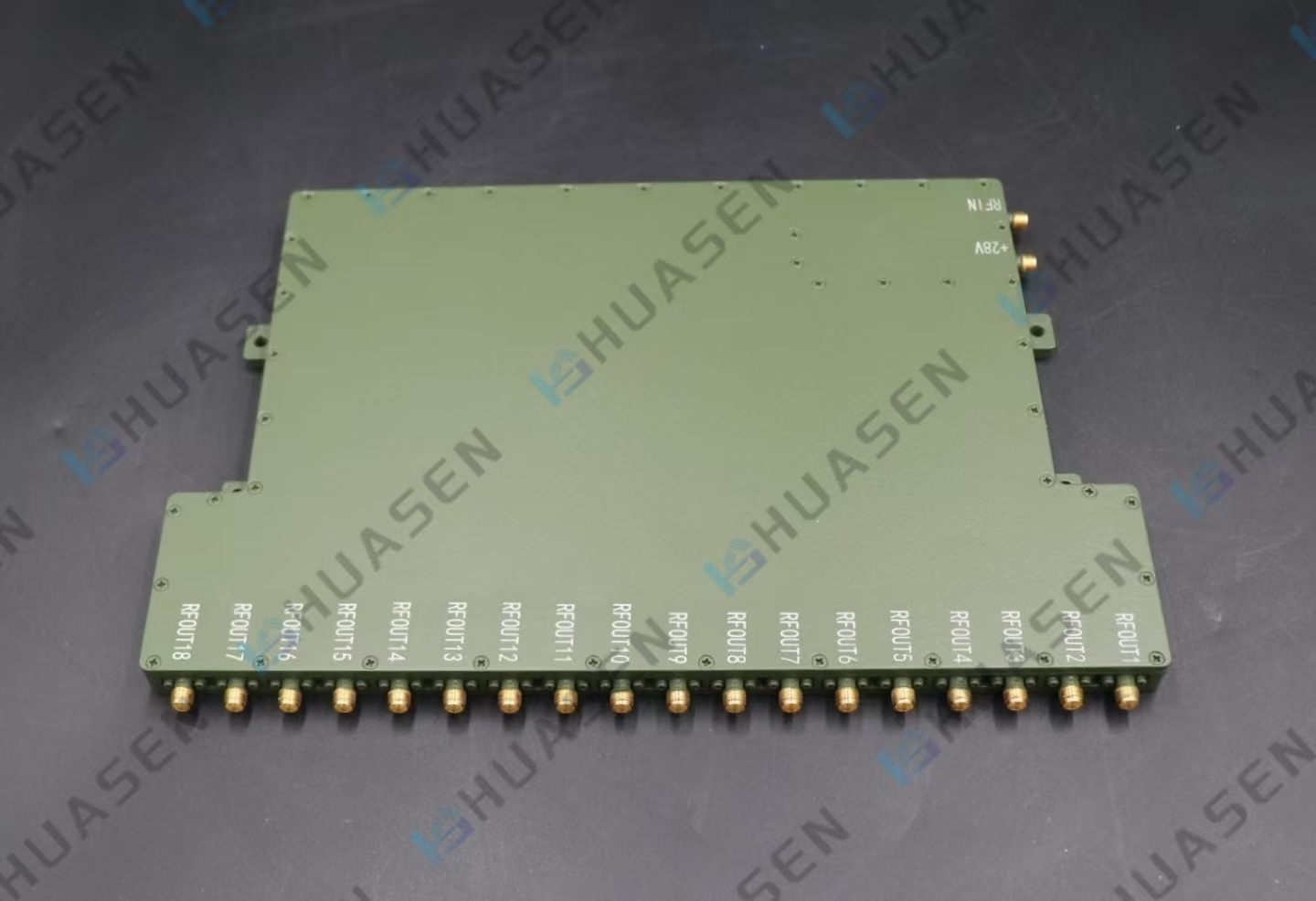
Best OEM Power Amplifier Manufacturers for Broadcast Applications
Broadcast engineers face a critical challenge: ensuring uninterrupted, high-fidelity signal transmission across vast distances while maintaining regulatory compliance and operational efficiency. When transmitter systems fail or deliver inconsistent power output, broadcasters risk coverage gaps, listener complaints, and potential FCC violations. Selecting the right OEM power amplifier manufacturer becomes paramount for stations seeking reliable RF signal amplification that delivers consistent performance under demanding 24/7 broadcast conditions. This comprehensive guide examines what distinguishes superior power amplifier manufacturers and how to identify partners capable of meeting stringent broadcast industry requirements.VIEW MORE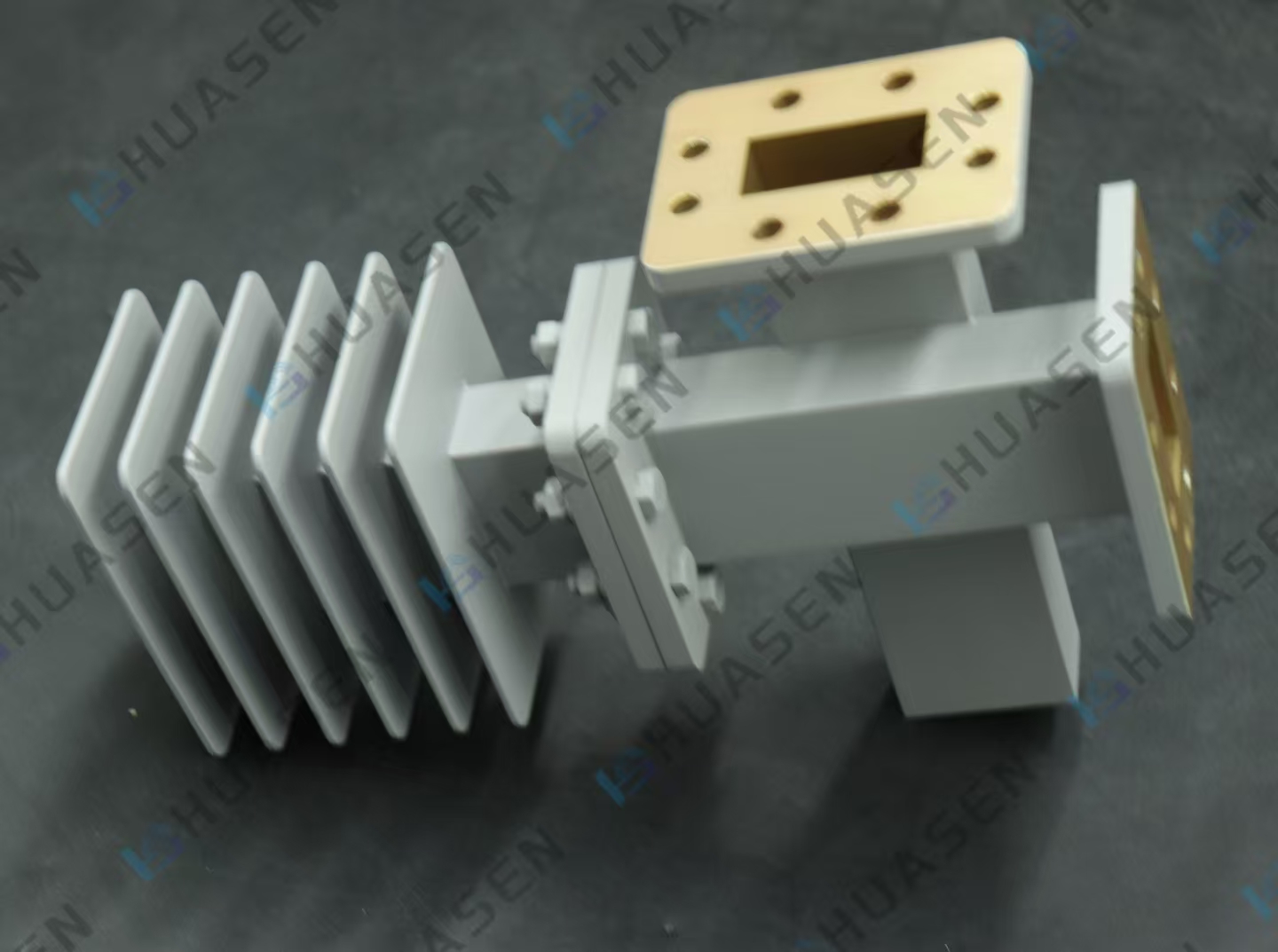
Best OEM Waveguide Attenuator Manufacturers for Precision Control
When your satellite ground station experiences signal distortion, your radar system delivers inconsistent readings, or your aerospace telemetry equipment faces power overload issues, the underlying problem often stems from inadequate signal attenuation solutions. Engineers and procurement specialists in telecommunications, defense, and aerospace industries understand that selecting the right Waveguide Attenuator manufacturer directly impacts system reliability, measurement accuracy, and mission-critical performance outcomes.VIEW MORE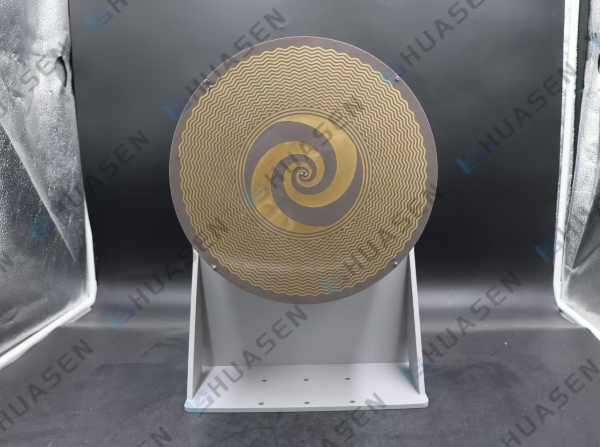
Best Planar Helical Antenna Solutions for Circular Polarity
When critical communication systems fail due to poor circular polarization performance, mission success hangs in the balance. Whether you're dealing with electronic reconnaissance systems losing vital signals or IoT devices experiencing unreliable connectivity, the root cause often traces back to inadequate antenna solutions. The best Planar Helical Antenna solutions for circular polarity combine ultra-wideband frequency coverage with compact design, delivering exceptional axial ratio bandwidth while maintaining low-profile integration capabilities essential for modern RF and microwave applications.VIEW MORE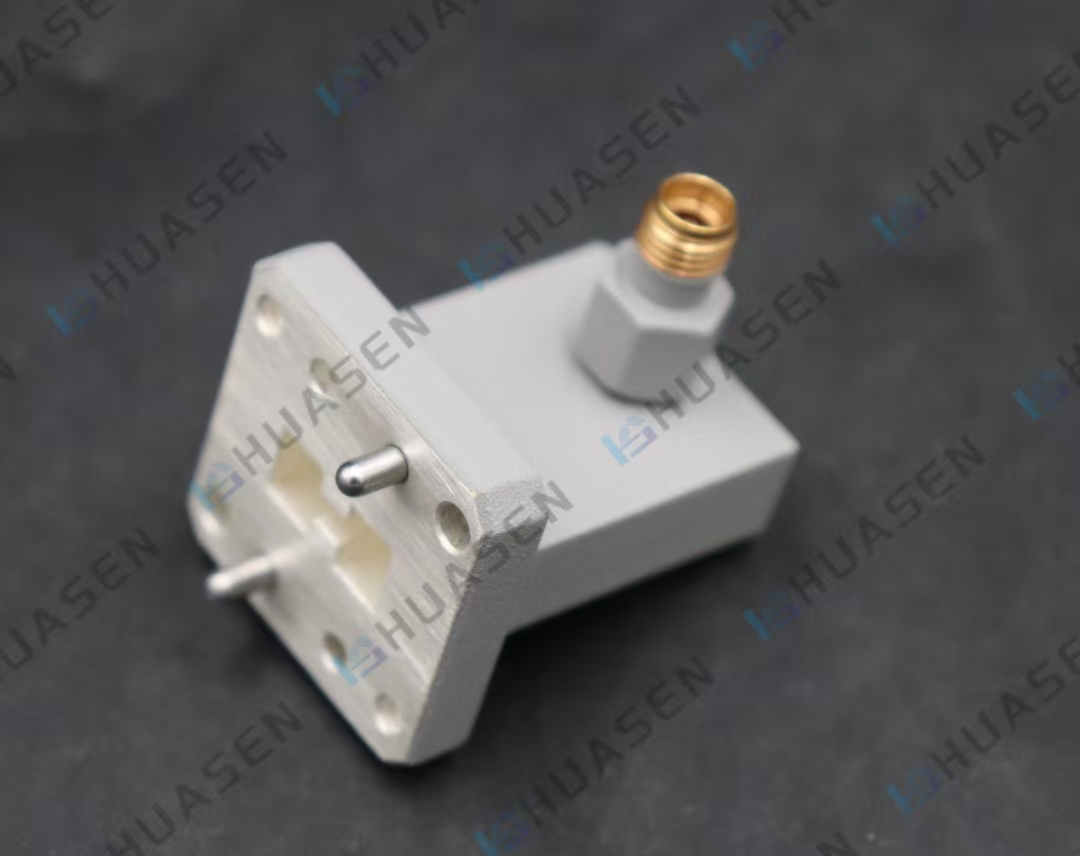
Choosing a Double Ridged Waveguide to Coaxial Adapter in 2026
When your microwave test system experiences unexplained signal loss and poor VSWR performance, the problem often lies with an incompatible or poorly matched Double Ridged Waveguide to Coaxial Adapter. Selecting the right adapter in 2026 requires understanding critical specifications like frequency coverage, insertion loss, VSWR characteristics, connector compatibility, and power handling capabilities. This comprehensive guide provides the technical knowledge and practical insights needed to choose high-performance Double Ridged Waveguide to Coaxial Adapter solutions that eliminate signal degradation, ensure optimal impedance matching, and deliver reliable performance across your entire operational bandwidth for telecommunications, radar, aerospace, and defense applications.VIEW MORE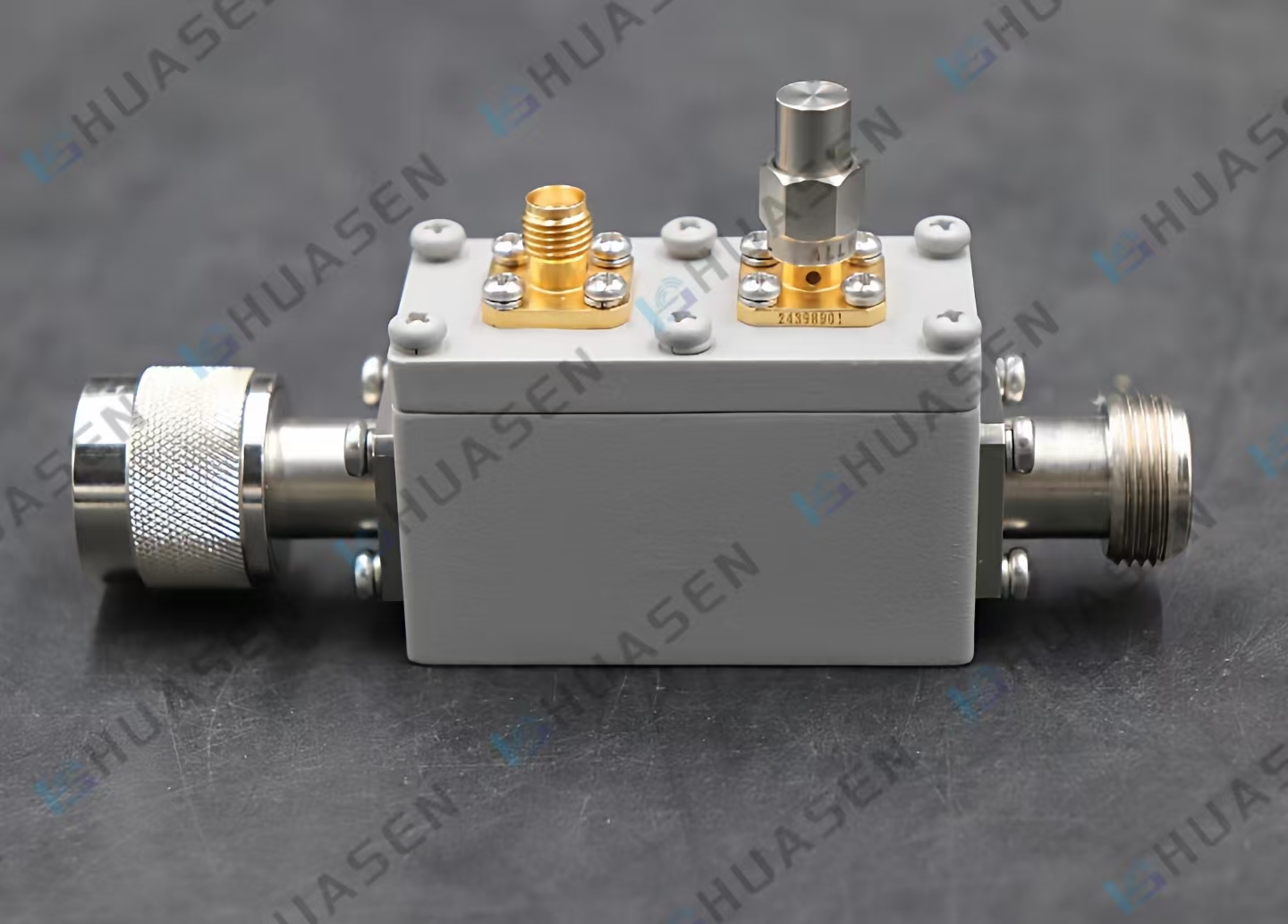
Coaxial Directional Coupler Frequency Response Characteristics
Engineers and system designers in satellite communications, radar systems, and RF test equipment face a critical challenge when attempting to maintain accurate signal monitoring across multi-octave frequency bands. The Coaxial Directional Coupler frequency response characteristics directly determine whether your power measurements remain reliable from 30 MHz to 40 GHz, or whether coupling flatness variations introduce measurement errors that compromise system performance, VSWR detection accuracy, and transmitter protection circuits. This comprehensive guide explores the technical factors governing frequency response behavior in coaxial directional couplers, empowering RF engineers to select and specify components that deliver consistent coupling performance across their required operating bandwidth while minimizing insertion loss and maintaining high directivity.VIEW MORE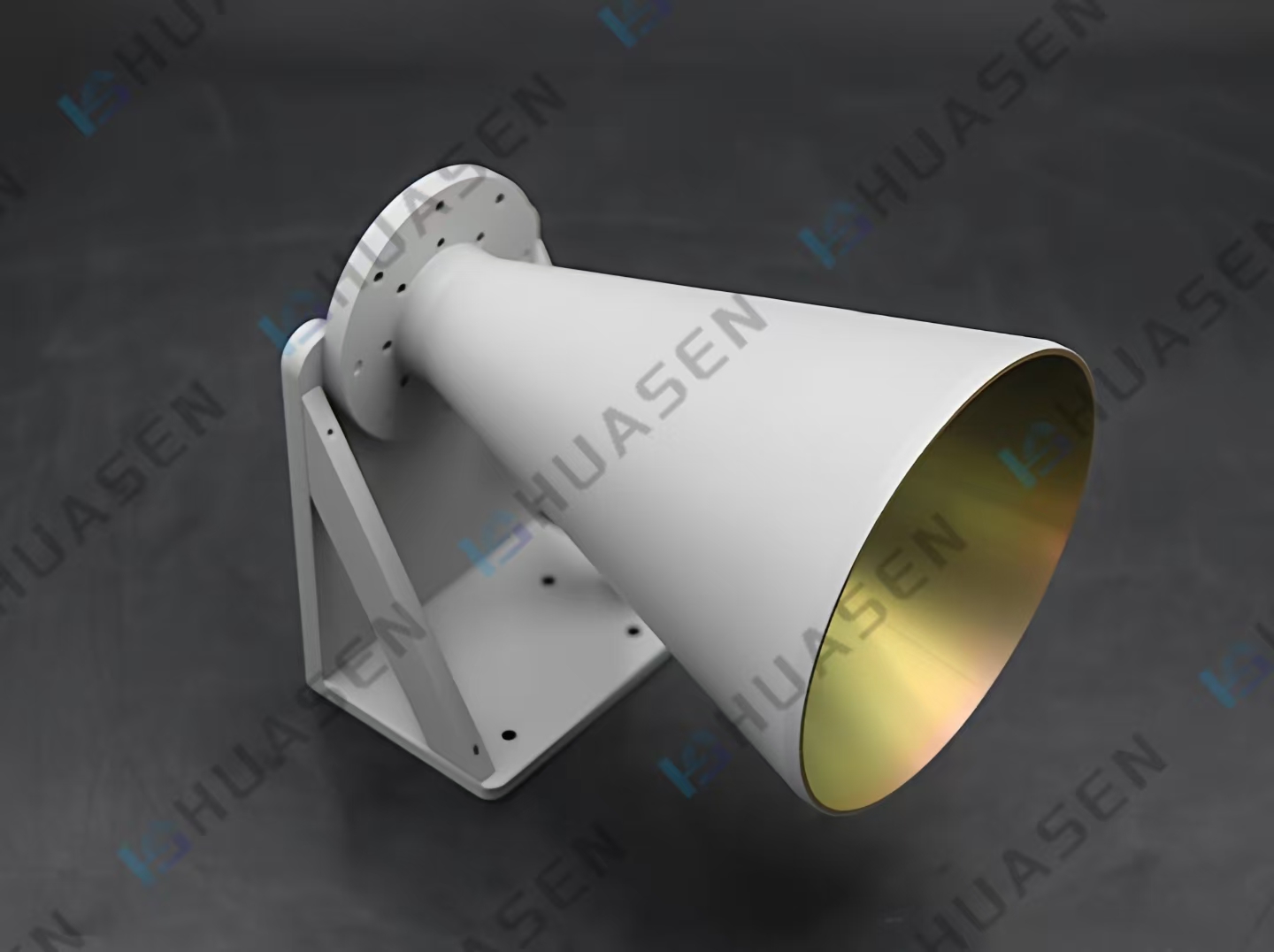
Features of High-Performance Circular Horn Antenna
In today's demanding microwave communication landscape, engineers face critical challenges in achieving reliable signal transmission across ultra-wide frequency ranges while maintaining polarization purity and exceptional gain stability. Whether you're struggling with signal degradation in satellite ground stations, dealing with multipath interference in radar systems, or searching for antennas that can handle both linear and circular polarization without performance compromise, understanding the features of high-performance Circular Horn Antenna solutions becomes essential. These precision-engineered components transform theoretical electromagnetic principles into practical, mission-critical performance, offering the versatility and reliability that modern telecommunications, aerospace, and defense applications demand.VIEW MORE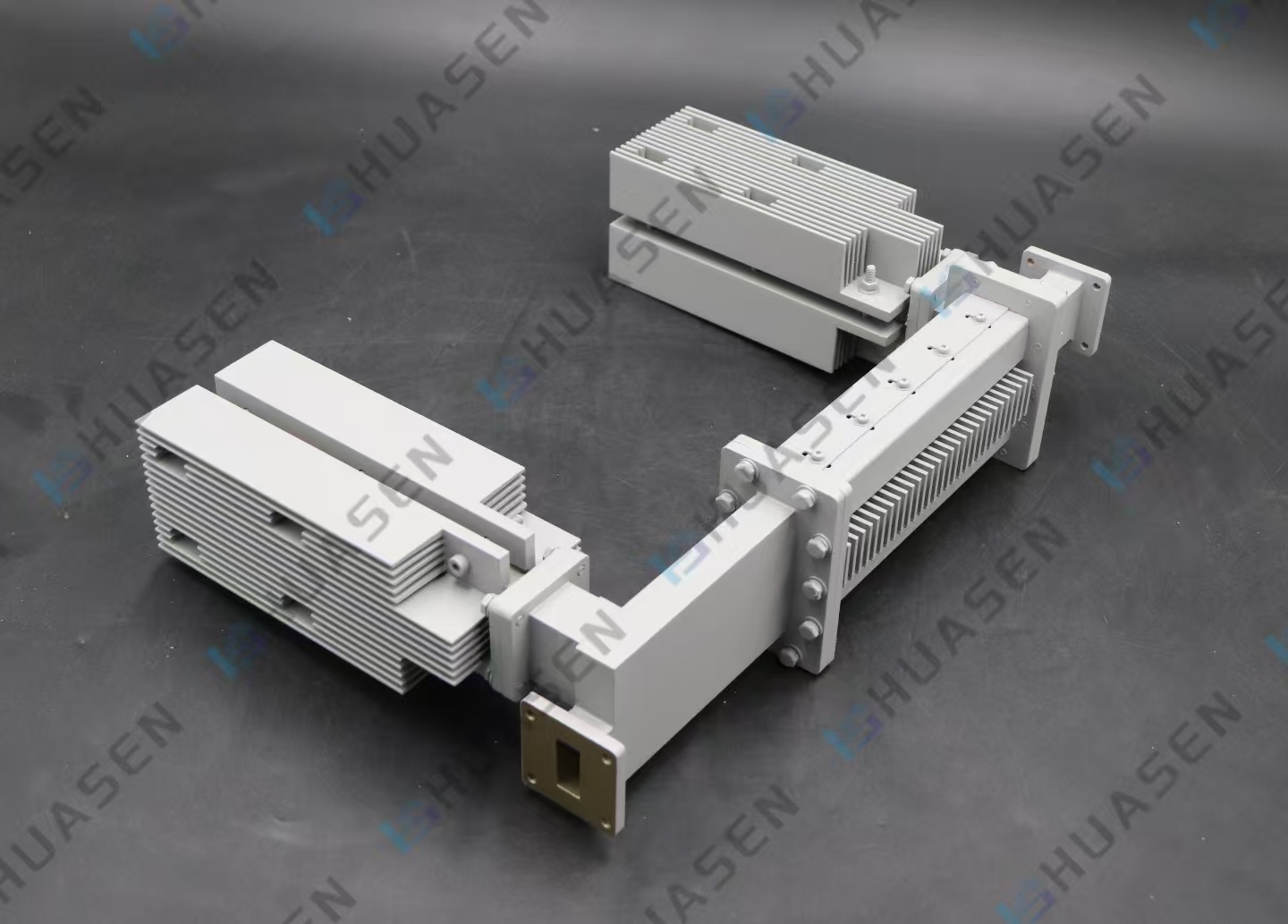
High Power Differential Phase Shift Waveguide Isolator Features
When your high-power RF system experiences signal reflections, power loss, or equipment damage due to impedance mismatches, you need a solution that guarantees unidirectional transmission without compromising performance. The High Power Differential Phase Shift Waveguide Isolator addresses these critical challenges by utilizing advanced ferrite materials and precision magnetic field control to protect your valuable microwave equipment while maintaining exceptional signal integrity across demanding telecommunications, radar, and aerospace applications.VIEW MORE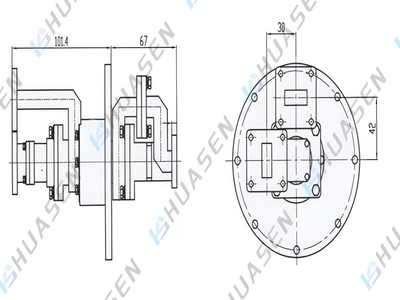
How Dual Channel Waveguide Rotary Joint Enables Continuous Rotation?
When radar systems fail mid-rotation or satellite communications drop during critical transmissions, the culprit is often inadequate rotary joint technology. A Dual Channel Waveguide Rotary Joint solves this challenge by enabling seamless, uninterrupted signal transmission between stationary and rotating components through sophisticated electromagnetic coupling mechanisms and precision-engineered mechanical interfaces. This technology maintains signal integrity across 360-degree continuous rotation while simultaneously handling two independent channels, eliminating signal degradation that plagues conventional rotating connections in mission-critical aerospace, defense, and telecommunications applications.VIEW MORE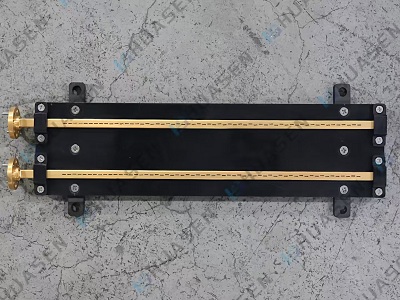
How to Match Planar Slot Antenna for Optimal VSWR?
Are you struggling with poor signal transmission and excessive power reflection in your Planar Slot Antenna systems? Impedance mismatches can waste valuable RF power, damage sensitive equipment, and compromise communication reliability across critical applications from IoT deployments to satellite communications. Achieving optimal VSWR through proper impedance matching techniques transforms your Planar Slot Antenna from an underperforming component into a high-efficiency radiator, ensuring maximum power transfer and minimal signal degradation for mission-critical wireless systems.VIEW MORE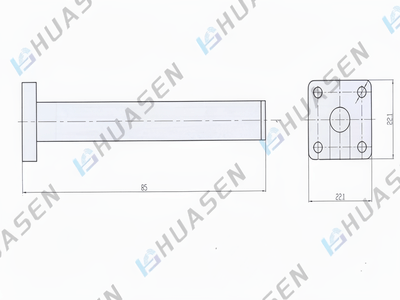
How to Optimize Circular Waveguide Termination for Power Loads?
When engineers face excessive signal reflections and power handling failures in high-frequency RF systems, the root cause often lies in poorly optimized Circular Waveguide Termination. Achieving optimal performance requires carefully balancing impedance matching, thermal management, and absorber material selection to handle power loads efficiently while maintaining minimal VSWR across wide frequency ranges. This comprehensive guide reveals proven optimization strategies that enable your system to absorb electromagnetic energy reliably, prevent generator damage from reflected power, and ensure measurement accuracy in experimental setups.VIEW MORE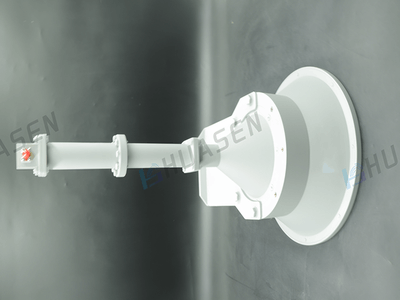
How Lens Horn Antenna Design Reduces Phase Error and Sidelobes?
In high-frequency microwave and millimeter-wave applications, engineers face a persistent challenge: achieving high gain while maintaining low sidelobe levels and minimal phase distortion. Traditional horn antennas suffer from non-uniform aperture field distributions that generate phase errors reaching up to 180 degrees across the aperture, resulting in sidelobe levels as high as negative 11 to negative 17 decibels. The Lens Horn Antenna addresses these critical issues through integrated dielectric lens structures that simultaneously correct phase distribution and control amplitude taper across the antenna aperture. This innovative design enables sidelobe suppression below negative 25 decibels in both E-plane and H-plane patterns while maintaining compact dimensions and high directivity, making it indispensable for telecommunications, radar systems, and aerospace applications where signal integrity cannot be compromised.VIEW MORE
- 1
- 44
- 45
- 46
- 47
- 48
- 60
Total 60 pages
