Home / Blog
Blog
0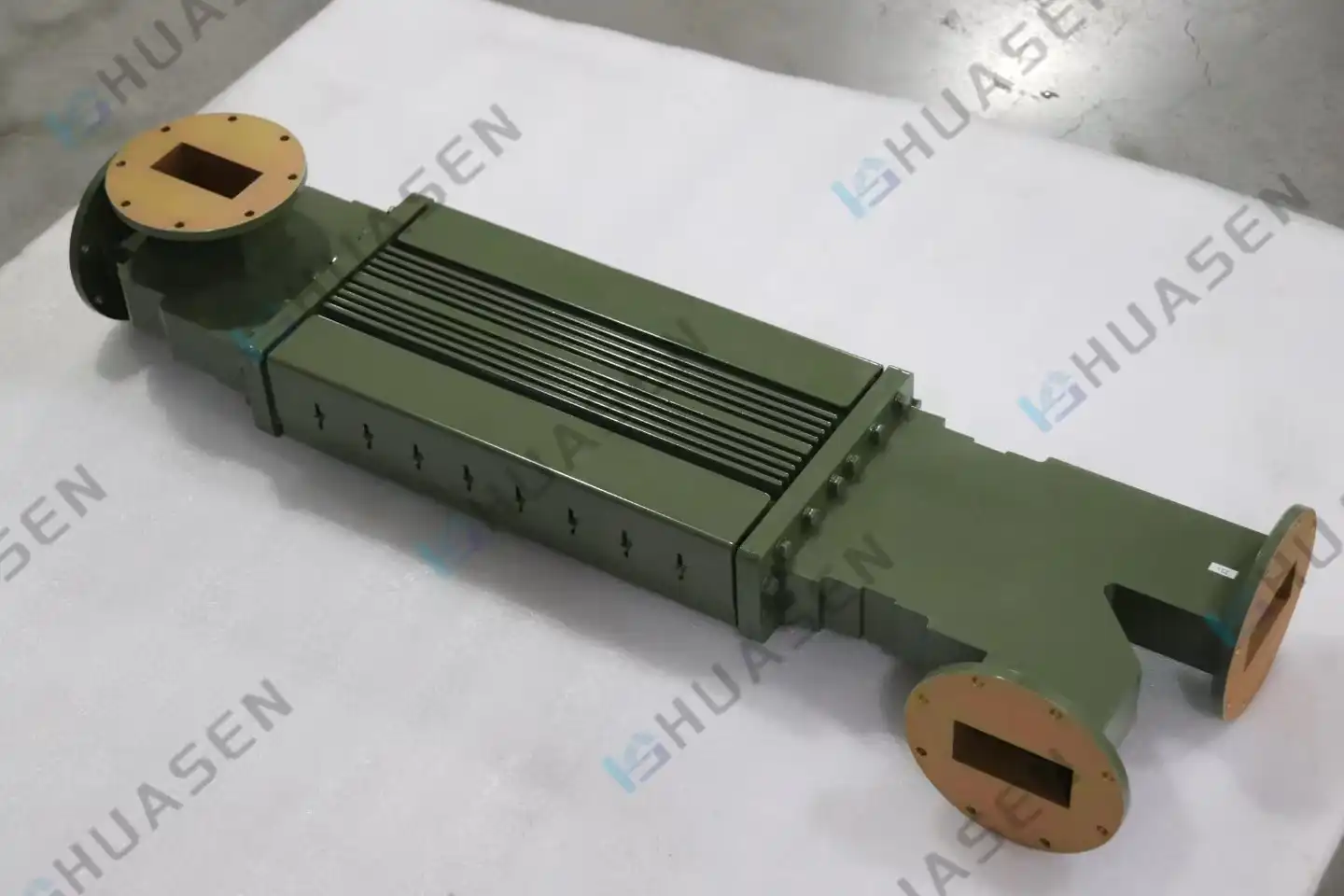
Waveguide Circulator in High Power Radar Applications
In high-power radar systems, waveguide circulators are complex non-reciprocal microwave ferrite devices designed to send high-energy radio frequency signals in a single-direction flow. The physical measurements of these important parts are made up of metallic waveguides and high-performance ferrite materials that can handle power levels from kilowatts to megawatts without breaking down. The main job is to control the flow of signals from Port 1 to Port 2 while blocking reflections from entering Port 2. This solves the problem of transmitter security in high-energy radar applications where load mismatches can lead to damaging energy reflections.VIEW MORE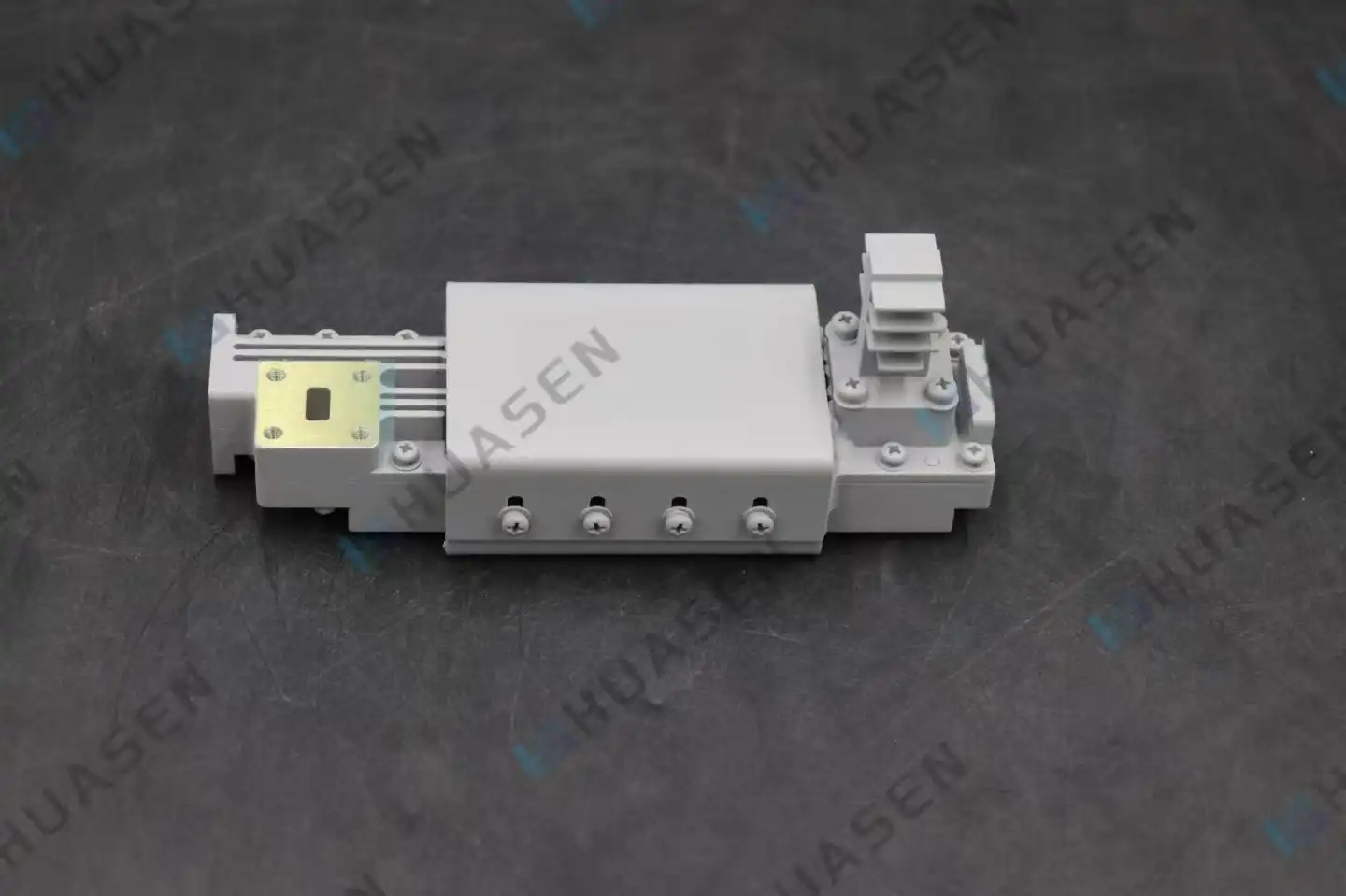
Benefits of Differential Phase Shift Circulator in RF
Radio frequency (RF) systems require sophisticated components that can handle demanding operational requirements while maintaining signal integrity. The High Power Waveguide Differential Phase Shift Circulator represents a breakthrough in microwave technology, offering unprecedented performance in high-power applications. These devices utilize advanced phase shift differential techniques to route RF energy with exceptional efficiency, providing superior source protection and thermal management compared to conventional circulator designs. Their ability to handle megawatt-level peak powers while maintaining minimal insertion loss makes them indispensable for critical applications in radar, satellite communications, and industrial microwave systems.VIEW MORE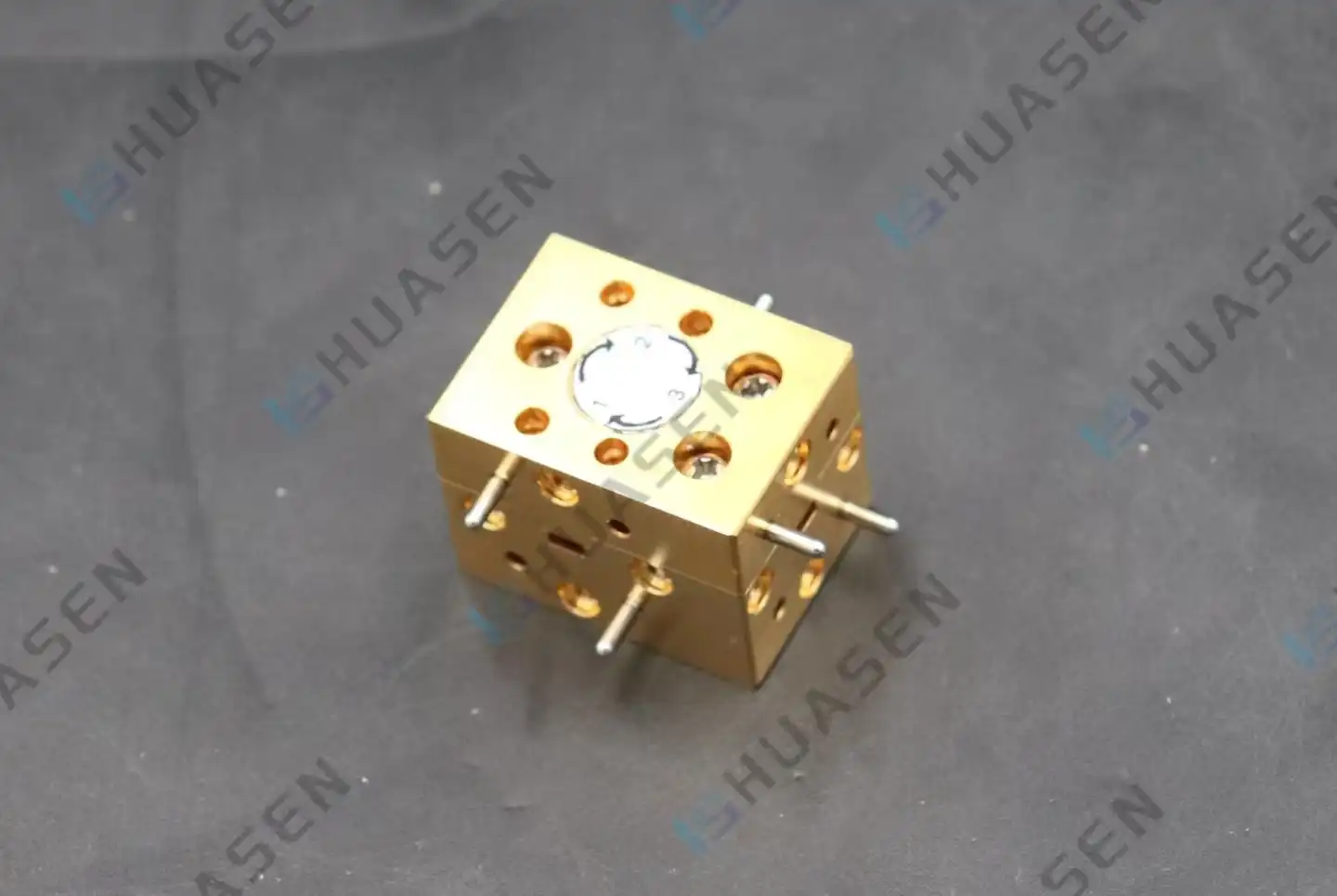
Waveguide Wideband Circulator in EW Systems
In EW systems, a waveguide wideband circulator is a complex three-port non-reciprocal device that is designed to send electromagnetic signals in a planned circle while keeping high performance over a wide frequency range. It is these important parts that let signals go from port one to port two, then to port three, and finally back to port one. This stops signals from going the other way. The waveguide wideband circulator is different from traditional narrowband options because it works the same way across multiple octaves. This makes it essential for modern electronic warfare applications, where being able to change frequencies and reliably route signals is key to mission success.VIEW MORE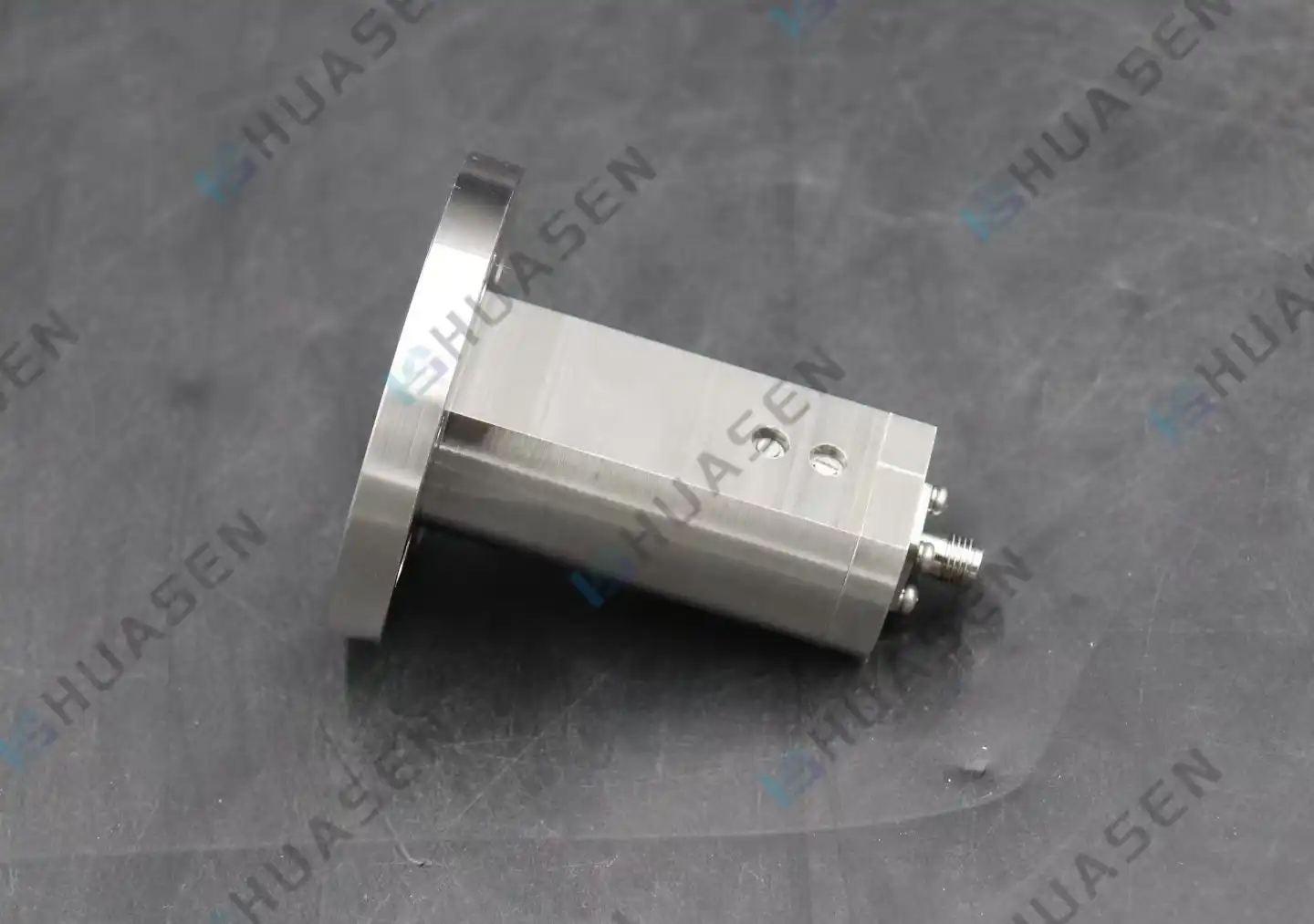
End Launch Waveguide to Coaxial Adapter for RF Testing
The End Launch Waveguide to Coaxial Adapter for RF Testing is a very important precision part that moves microwave energy smoothly between coaxial connections and rectangular waveguide transmission lines. These adapters use inline geometry configurations to ensure the best impedance matching and the highest level of signal integrity in harsh measurement settings. In contrast to standard right-angle designs, end launch adapters offer small mechanical connections that make system integration more efficient in a wide range of RF testing scenarios. Professional engineers and procurement specialists depend on these parts to get accurate measurements in high-frequency testing situations where room is limited, and signal integrity is very important.VIEW MORE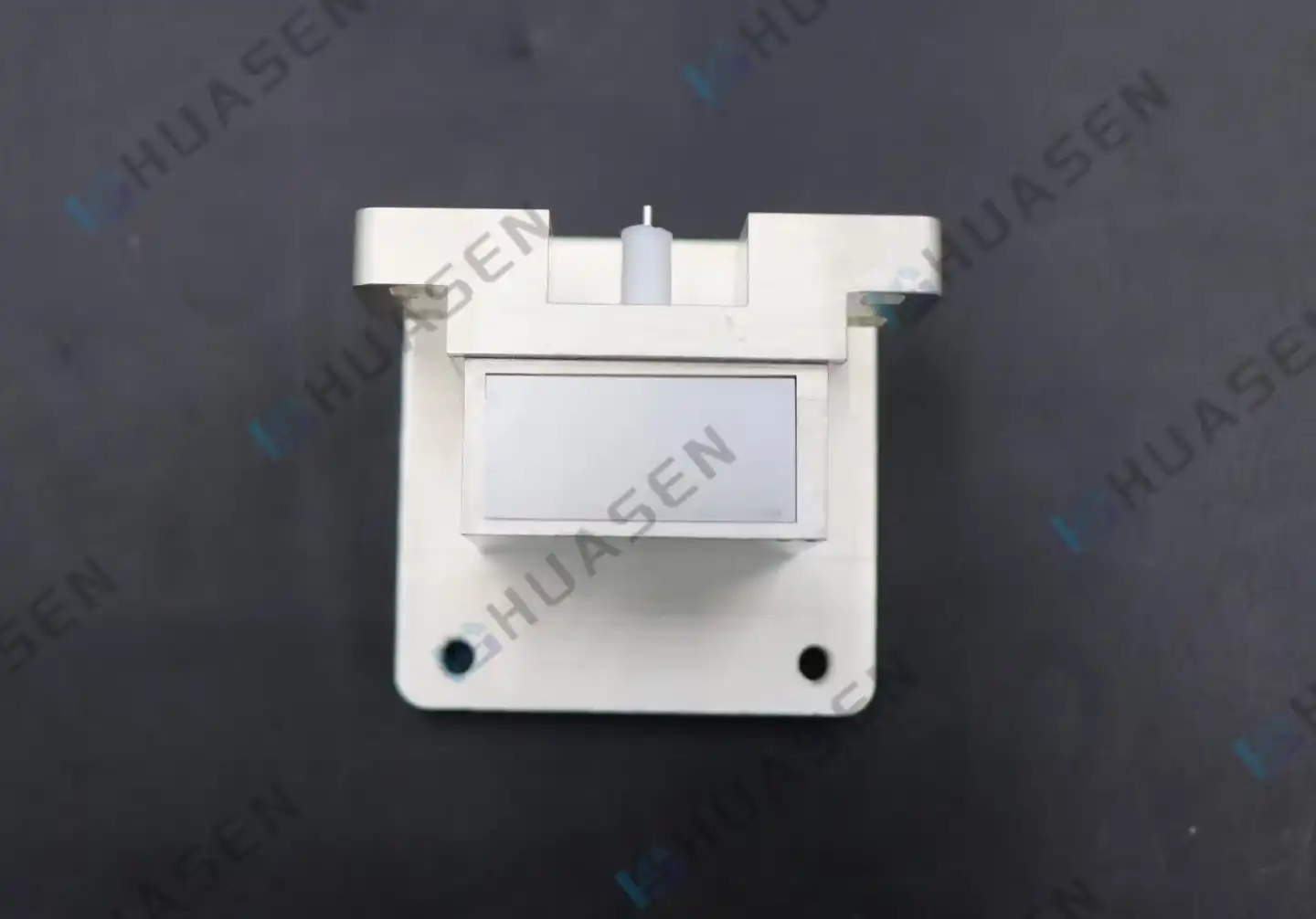
Design Challenges in Waveguide to Microstrip Transition
One of the hardest things to build in modern RF and microwave engineering is the transition from a waveguide to a microstrip. These transitions are necessary to connect high-power waveguide systems to small planar circuits. These changes must effectively change electromagnetic signals while keeping the purity of the signals, reducing losses, Waveguide to Microstrip Transition, and making sure they work reliably in a wide range of demanding situations. Getting the right impedance matching, controlling parasitic effects, and handling mechanical tolerances is very hard for engineers working on radar applications, satellite technologies, and next-generation communication systems.VIEW MORE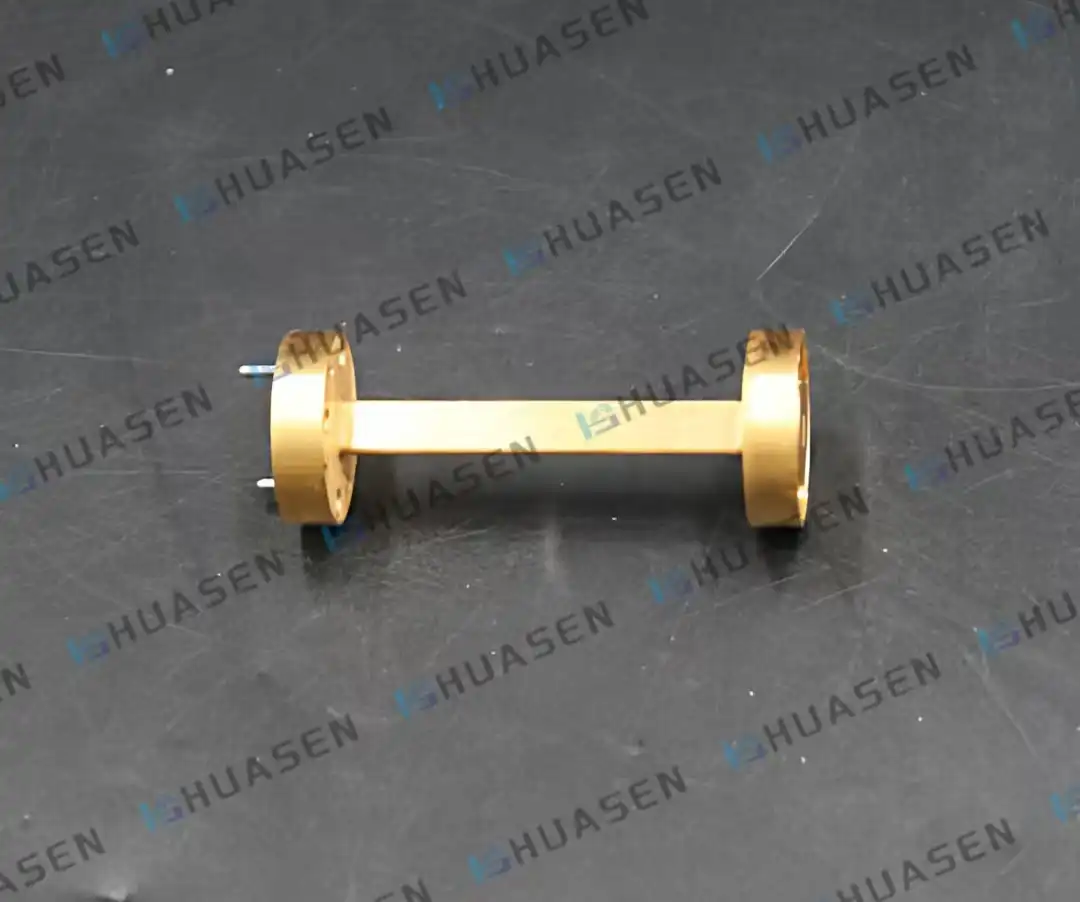
Waveguide Straight Section vs Flexible Options
When choosing between waveguide straight sections and flexible options, procurement managers face a critical decision that impacts system performance, installation complexity, and long-term reliability. Waveguide straight sections offer superior electrical performance with minimal signal loss and high power handling capabilities, making them ideal for applications demanding consistent signal integrity. Flexible waveguides provide installation versatility and adaptability in confined spaces, though with slight compromises in electrical performance. Understanding these trade-offs enables informed procurement decisions that optimize both technical requirements and operational efficiency.VIEW MORE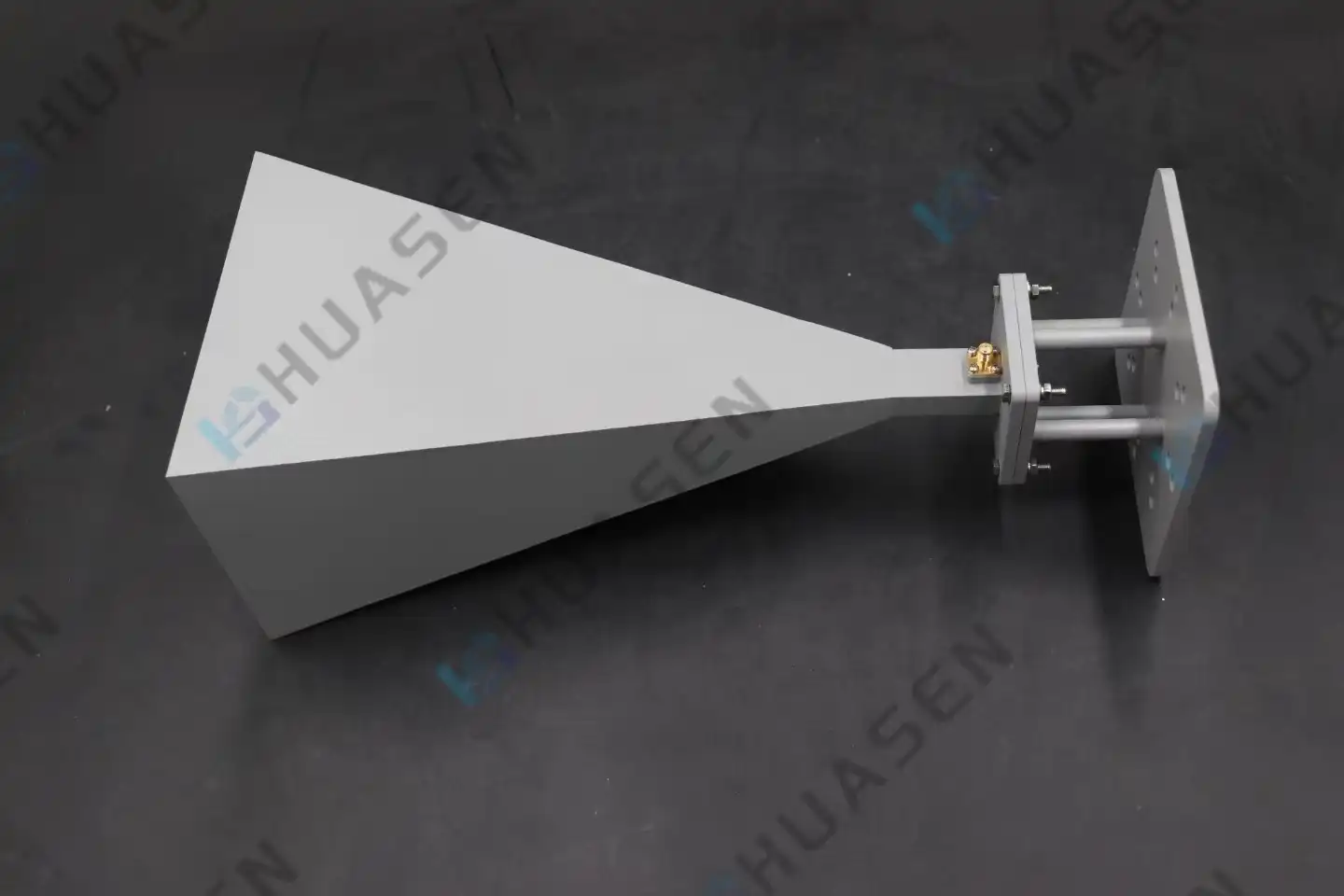
Directional Pattern Characteristics of Broadband Horn Antenna
Directional pattern characteristics of broadband horn antennas define how electromagnetic energy radiates and concentrates in specific directions across wide frequency ranges. These characteristics encompass beam width, gain distribution, side lobe levels, and polarization properties that determine antenna performance in wireless communication systems. Understanding these directional features enables engineers to optimize signal coverage, minimize interference, and achieve reliable connectivity in applications ranging from 5G infrastructure to satellite communications, where a single broadband antenna solution can replace multiple narrowband alternatives while maintaining consistent directional control across multi-octave frequency spans.VIEW MORE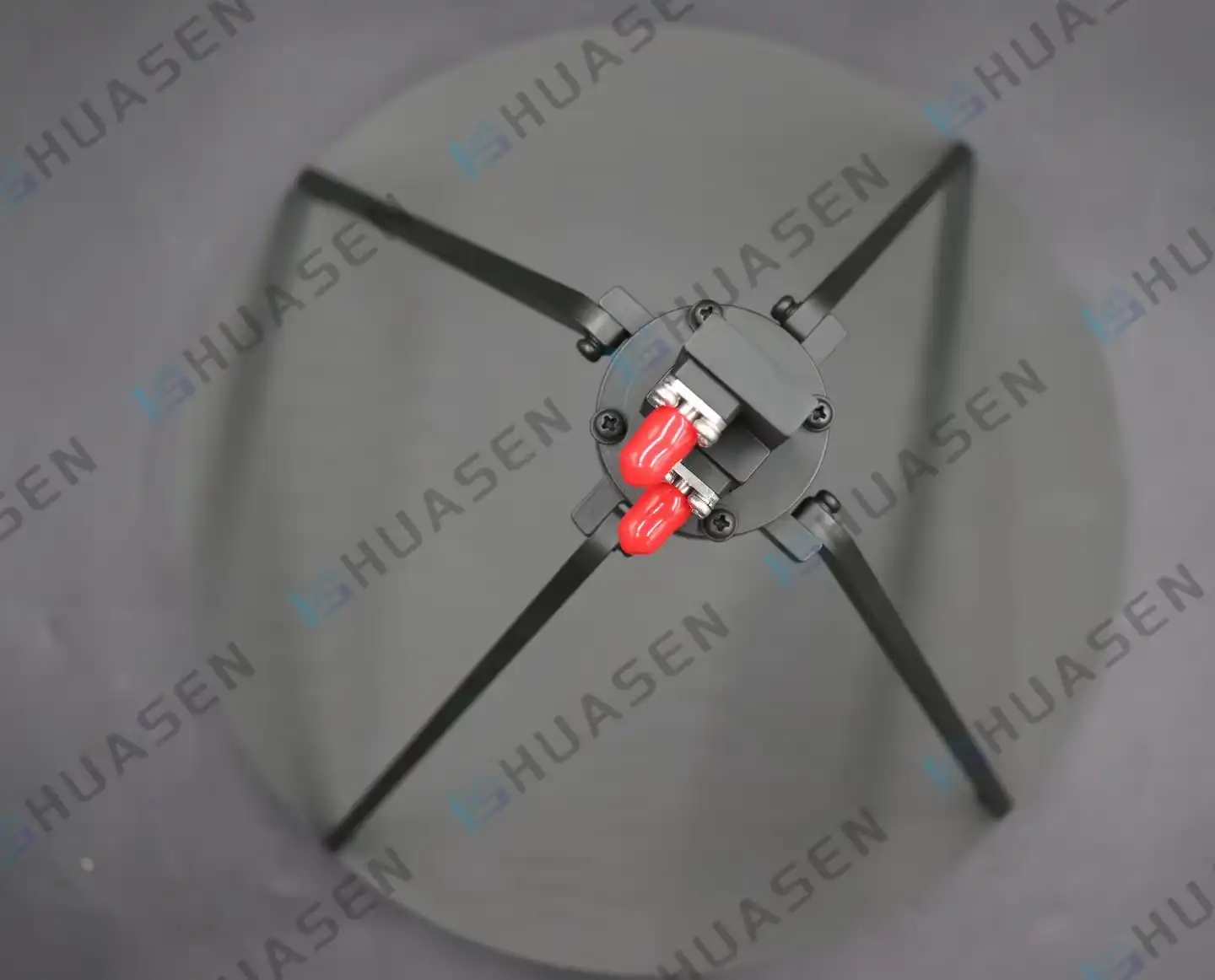
Parabolic Antenna Working Principle: How Reflectors Focus RF Signals
One of the most basic and useful technologies in modern RF transmission systems is the parabolic antenna. The geometric qualities of a parabolic reflector are used by these high-tech devices to focus electromagnetic signals very precisely and effectively. For engineers, procurement managers, and system designers who need reliable, Parabolic Antenna communication links for important tasks like 5G backhaul and satellite communications, it's important to know how these reflectors focus RF signals.VIEW MORE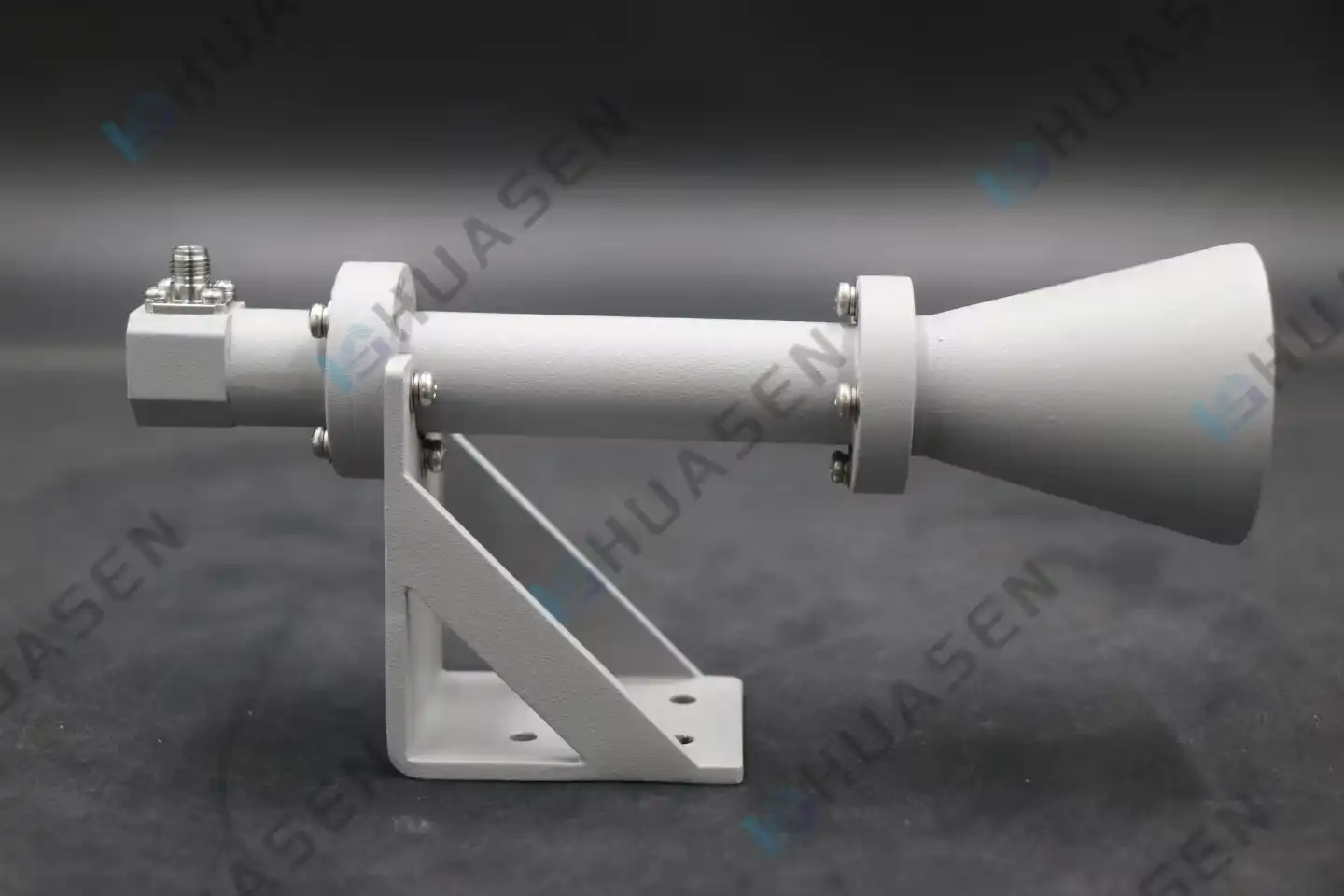
Circularly Polarized Horn Antenna Gain Optimization: Practical Tips
To get the most gain out of circularly polarised horn antennas, you need to know both basic design ideas and how to put them into practice. Horn antenna circular polarisation technology uses special parts inside the antenna, such as septum polarisers or curved feeds, to change straight electromagnetic waves into circular patterns. This conversion makes it possible for better multipath rejection and communication lines that don't care about the direction they're facing. These are important for satellite communications, radar systems, and 5G/6G infrastructure. Modern circularly polarised horn designs have very low axial ratios (less than 1.0 dB) and cover a wide frequency range (0.5–110 GHz) with gain ranges (10–25 dB) that can be chosen.VIEW MORE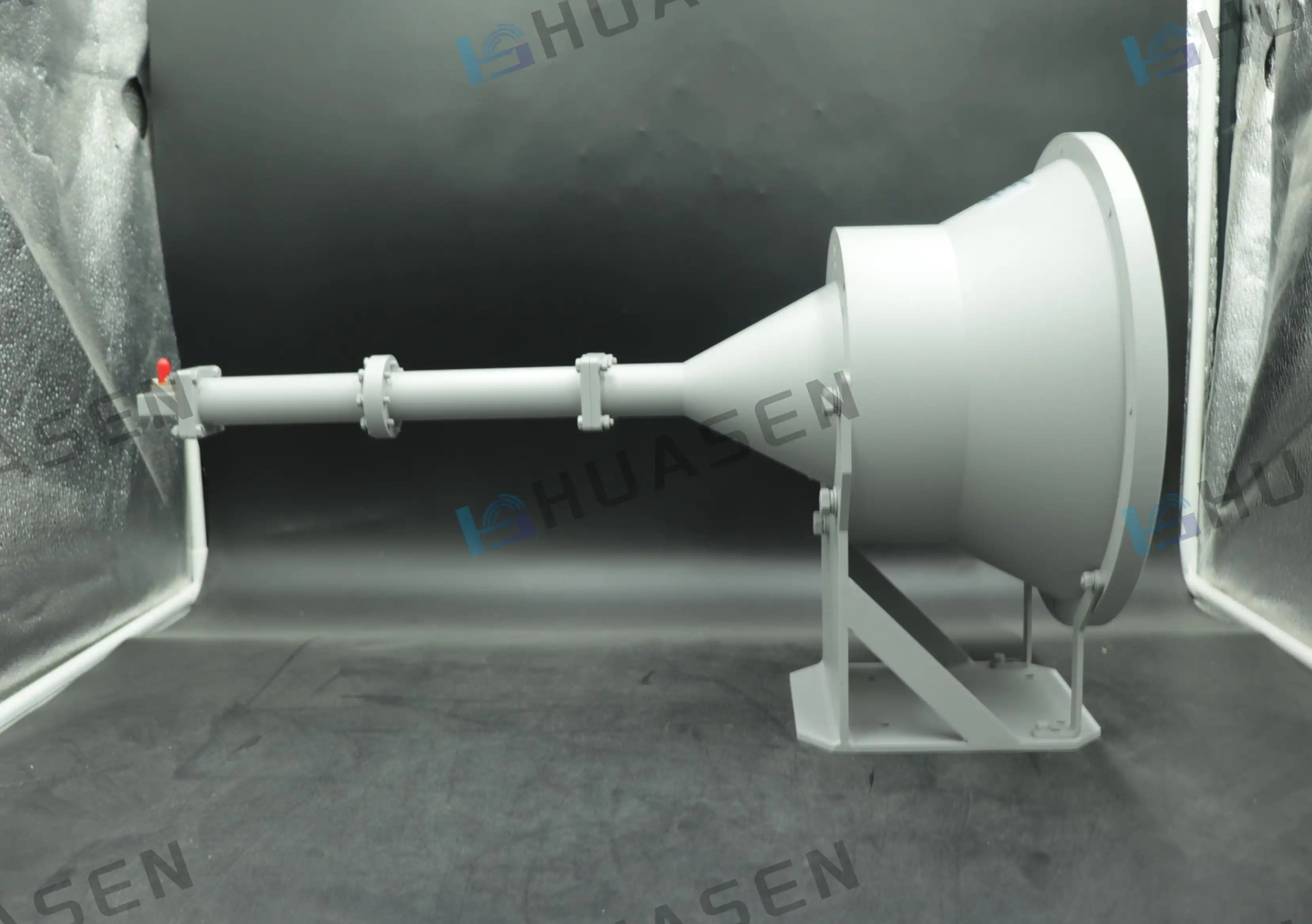
How to Judge the Quality of Lens Horn Antenna Through Sidelobe Level?
To use sidelobe level assessment to judge the quality of a lens antenna, you need to look at measurements of the radiation pattern, the E- and H-plane suppression characteristics, and compare maker specifications to industry standards. Lens horn antennas of the highest quality usually have E-plane sidelobe levels of -15dB and H-plane levels of -26dB, which means they effectively control electromagnetic fields and cause little interference. In important RF uses, this basic metric is directly linked to antenna performance, signal integrity, and system reliability.VIEW MORE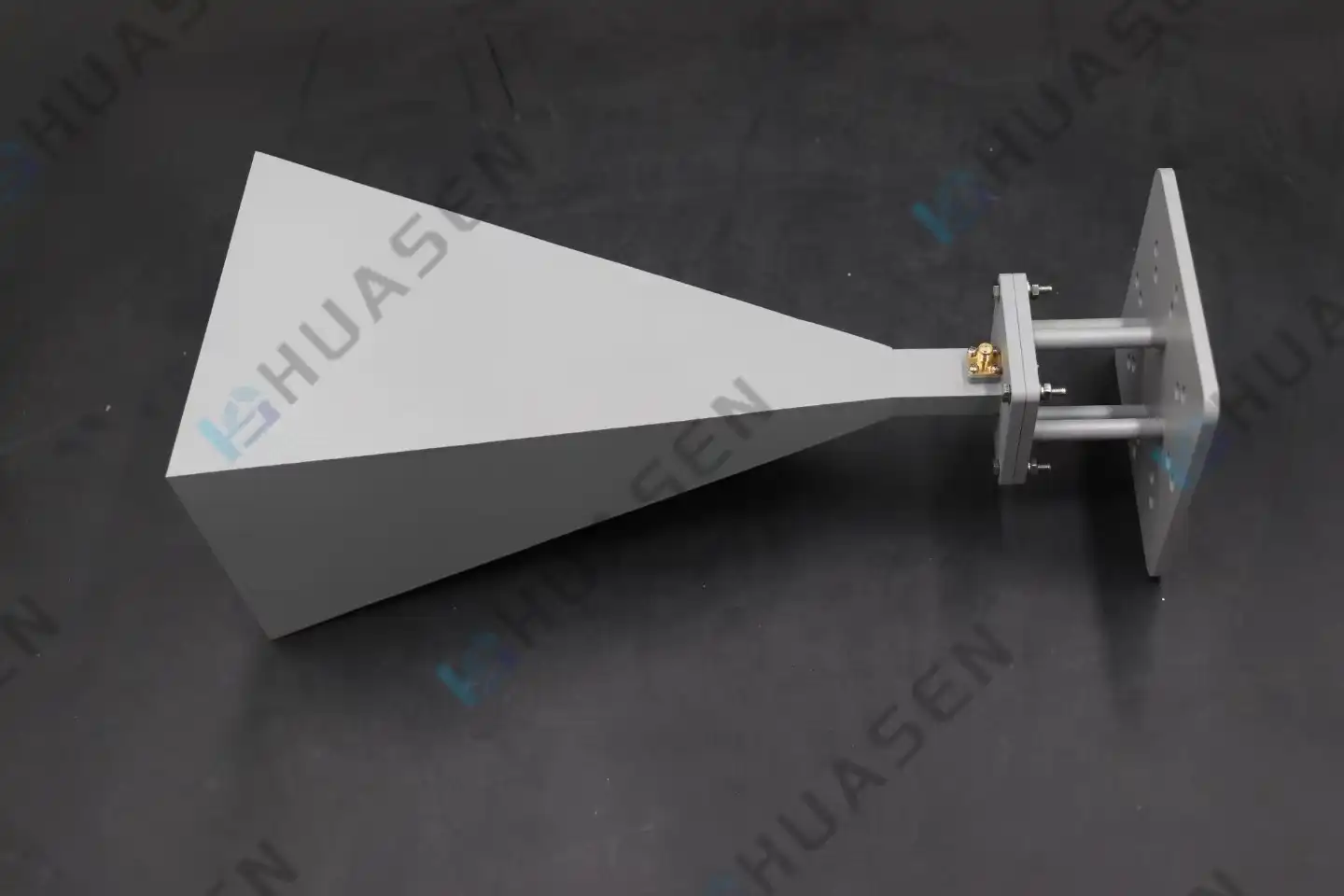
How to Select a Broadband Horn Antenna for High-Power RF Testing?
To choose the best broadband antenna for high-power RF testing, you need to carefully look at its technical specs, performance features, and operational needs. A good horn antenna directly affects how accurate measurements are, how reliable tests are, and how cost-effective they are in a wide range of commercial settings. As part of the selection process, frequency coverage, power handling, radiation patterns, and environmental durability are all looked at to make sure the device can be easily added to current test setups and has the most long-term value.VIEW MORE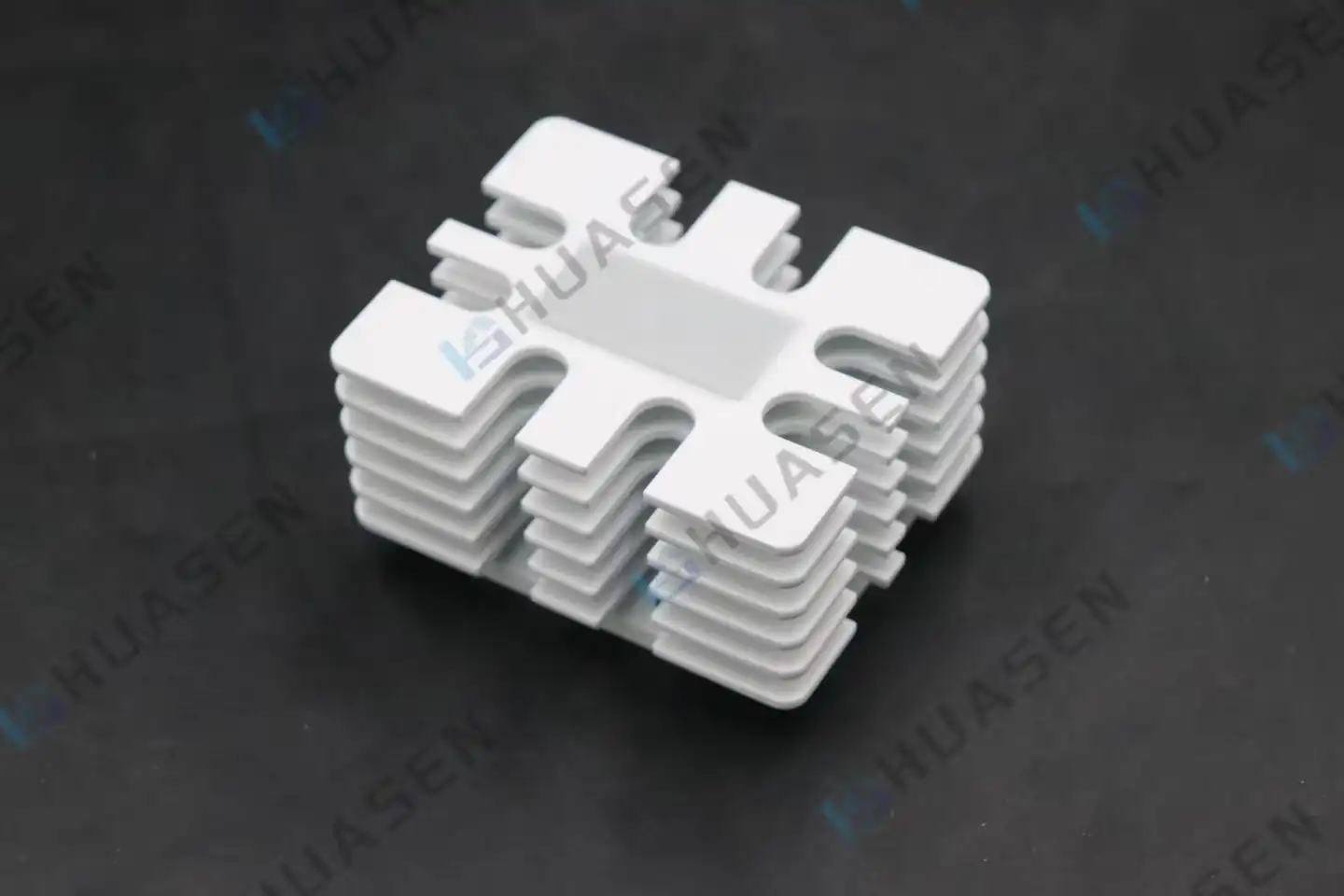
Heat Dissipation Solutions for Waveguide Terminations in High-Power Systems
Heat dissipation solutions for waveguide terminations in high-power systems represent a critical engineering challenge that directly impacts system reliability and performance. Effective thermal management in waveguide termination applications requires sophisticated material selection, innovative cooling technologies, and precise engineering approaches. As power levels continue to escalate in modern RF systems, the ability to efficiently dissipate heat while maintaining optimal signal absorption becomes paramount for preventing component failure and ensuring consistent operation across demanding frequency ranges.VIEW MORE
- 1
- 41
- 42
- 43
- 44
- 45
- 60
Total 60 pages