Waveguide Circulator in High Power Radar Applications






2026-02-16 21:23:52
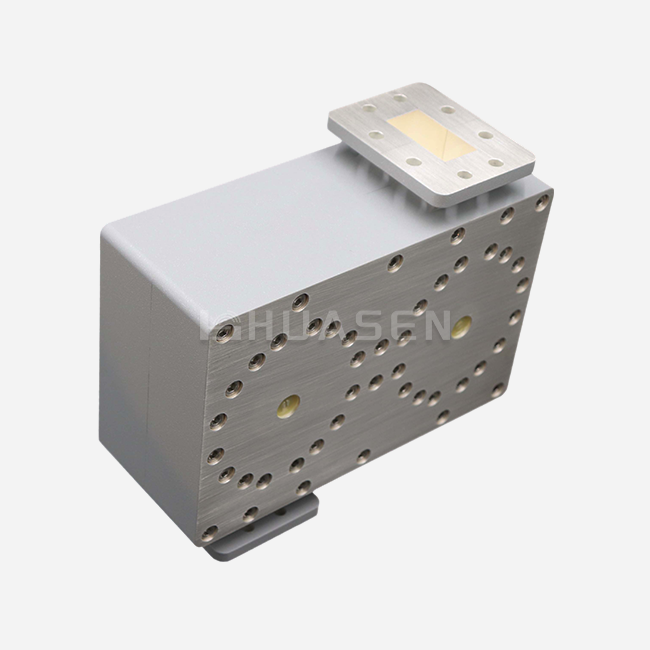
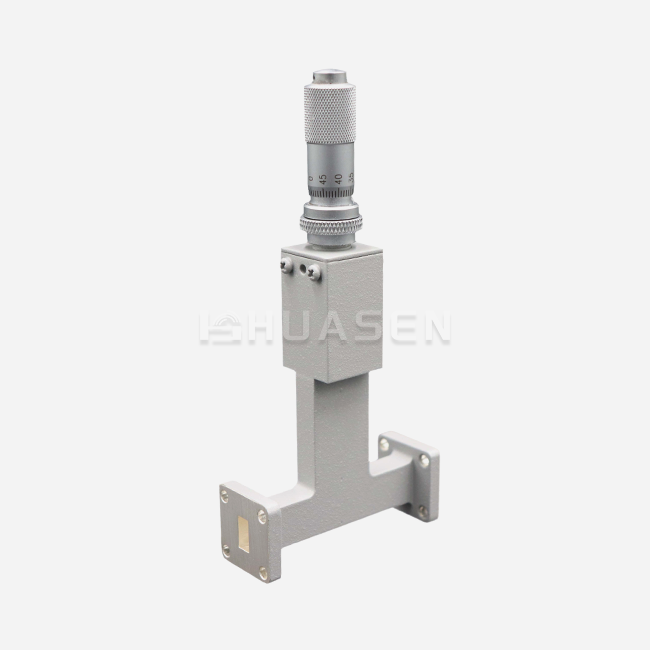
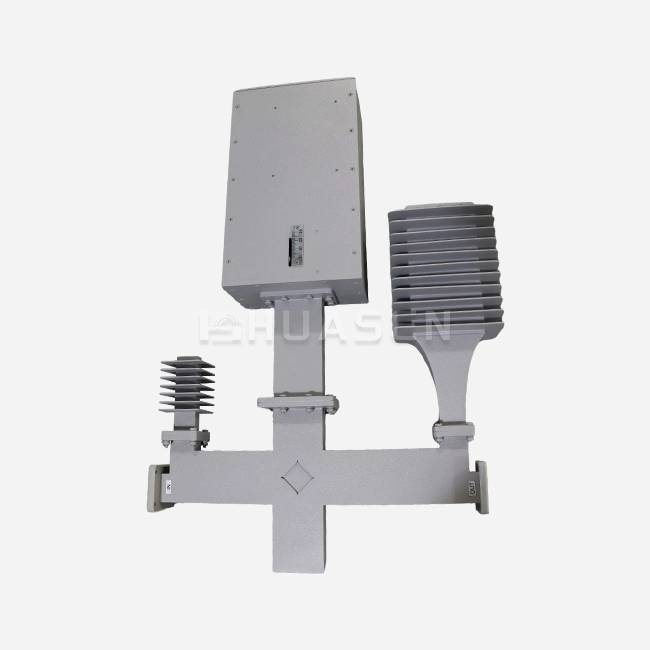
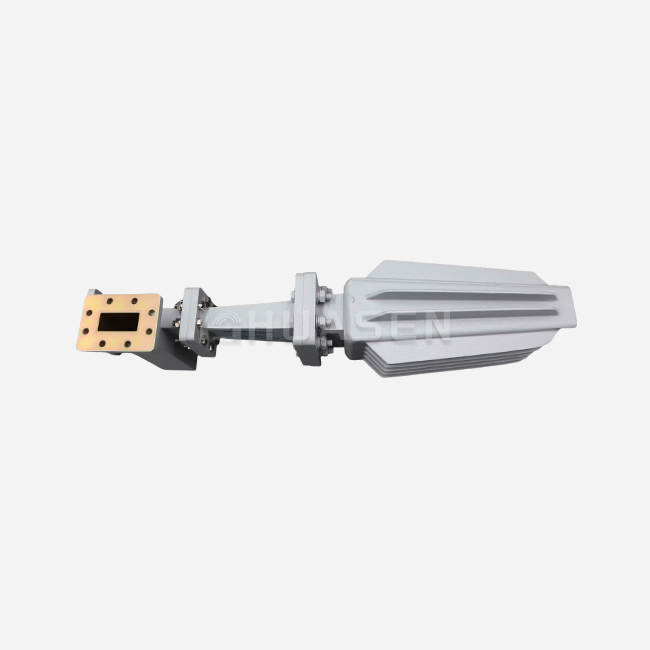
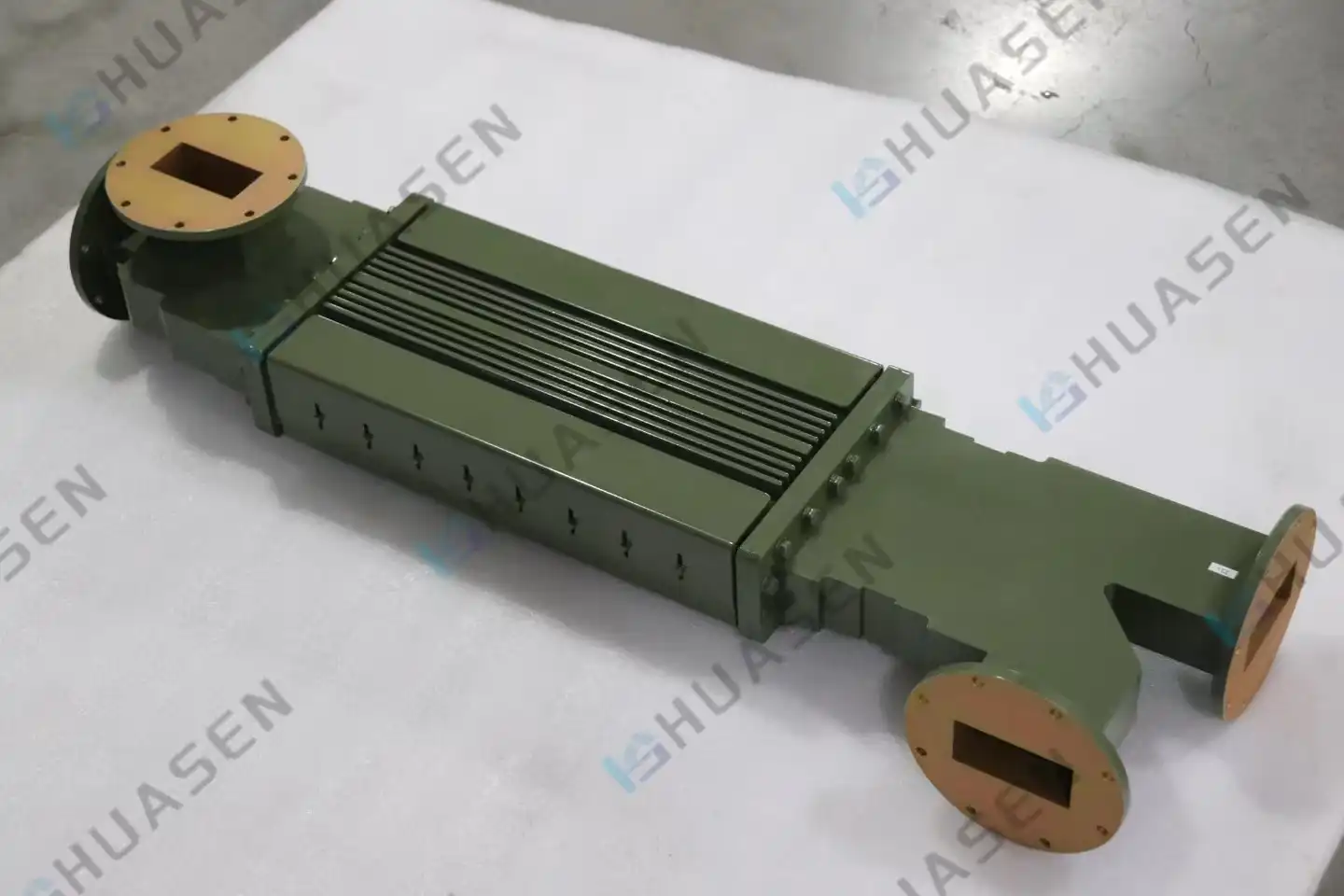
In high-power radar systems, waveguide circulators are complex non-reciprocal microwave ferrite devices designed to send high-energy radio frequency signals in a single-direction flow. The physical measurements of these important parts are made up of metallic waveguides and high-performance ferrite materials that can handle power levels from kilowatts to megawatts without breaking down. The main job is to control the flow of signals from Port 1 to Port 2 while blocking reflections from entering Port 2. This solves the problem of transmitter security in high-energy radar applications where load mismatches can lead to damaging energy reflections.
Understanding Waveguide Circulators in Radar Applications
Modern radar systems need to be able to precisely control signals, which can only be done with advanced waveguide technology. These gadgets work on basic electric principles that make sure they work perfectly in tough conditions.
Working Principles and Electromagnetic Properties
Waveguide circulators use the fact that ferrimagnetic materials don't change their magnetic properties back and forth when magnetic fields are applied. The device sets a desired direction for electromagnetic waves to travel, making sure that signals move in a controlled circle between ports. The reason for this is the gyromagnetic effect in ferrite materials, which makes signal propagation behave differently based on the signal direction. The isolation device keeps signals from being sent back and forth between ports without permission, so the system stays intact even in the harshest conditions. The waveguide structure's signal directionality improves radar performance by keeping outgoing and received signals well apart. This prevents interference that could make detection less accurate.
Essential Performance Parameters
Important details have a direct effect on the integrity of the radar data and the reliability of the system. In high-quality units, insertion loss stays below 0.15 dB, which keeps signal power and resistive heating in the junction to a minimum. Isolation performance is higher than 20 dB, which means that signals don't leak too much between isolated ports, which could slow down the system. Compatible with certain radar bands, such as S-Band, C-Band, and X-Band uses, depending on the frequency range and bandwidth. When sites are outside, where the weather changes a lot, temperature stability is very important. These parameters lay the technical groundwork for buying things based on the exact operating needs that radar systems have.
Challenges in High Power Radar Systems and How Waveguide Circulators Solve Them
There are many operational problems that high-power radar sites have to deal with that can hurt performance and damage expensive equipment. Knowing about these problems helps you understand how important waveguide circulators are for protecting systems.
Signal Management Issues
Signal interference is a persistent issue in complex radar environments where several devices are working at the same time. Problems with reflection happen when differences in impedance cause energy to bounce back toward sensitive emitter parts, which could lead to a catastrophic failure. Magnetrons, klystrons, or solid-state power High Power Waveguide Circulator amplifiers can be damaged by high-power signal backflow. This can lead to expensive fixes and system downtime. The weather and antenna scanning problems can cause changing load situations that normal protection methods can't handle well. To deal with these problems, you need advanced signal control tools that can quickly adapt to new situations while keeping the system stable.
Protection and Performance Solutions
Waveguide circulators stop signals from reflecting and make sure they flow cleanly through the system, which essentially fixes these issues. The gadget controls traffic by sending reflected energy to a fake load at Port 3. This keeps sensitive power sources from getting damaged. This safety feature keeps the system stable when the load changes, and it also keeps the transmitter's purity. When proper circulation protection is put in place, real-world uses in military defence systems show big performance gains. Installing high-quality waveguide circulators has made long-range radar installations more reliable and reduced the amount of upkeep that needs to be done. Investing in advanced circulation technology pays off because aerospace applications gain from better signal integrity and longer component lifespan.
Comparative Analysis: Selecting the Best Waveguide Circulator for High Power Radar
Selecting optimal circulation technology requires understanding the distinctions between available options and their specific advantages in radar applications. Different circulator types offer varying benefits depending on system requirements and operational constraints.
Technology Comparison
Waveguide circulators excel in high-power applications due to their superior power-handling capabilities and lower insertion losses compared to coaxial alternatives. Ferrite-based designs provide excellent temperature stability and magnetic field control, making them ideal for precision radar applications. Coaxial circulators offer compact form factors but sacrifice power handling capacity, limiting their use in high-energy systems. The waveguide structure inherently suffers less loss and offers higher power density capabilities than coaxial alternatives, making it the preferred choice for demanding radar applications. Gas-pressurised units increase dielectric strength to prevent arcing at extreme power levels, extending operational capabilities beyond standard designs.
Performance Optimization
Models optimised for low insertion loss and high power tolerance address specific radar system requirements while maintaining reliability under stress. Emerging demands from integrated 5G and radar systems create new challenges for circulator design, requiring broader bandwidth and enhanced isolation performance. Future-proofing considerations include compatibility with evolving radar technologies and expanding frequency allocations. Procurement professionals benefit from understanding these trade-offs when balancing performance requirements against cost-effectiveness. The investment in superior circulation technology pays dividends through improved system reliability and reduced maintenance expenses over the equipment lifecycle.
Procurement Guide for Waveguide Circulators in Radar Applications
Successful procurement strategies require a comprehensive evaluation of suppliers, technical specifications, and commercial considerations. The complexity of radar applications demands careful attention to quality assurance and supplier capabilities.
Supplier Evaluation Criteria
Assessing supplier credibility involves a thorough review of datasheets, certifications, and warranty provisions to ensure quality and reliability standards. MIL-STD-202 compliance indicates adherence to stringent environmental resilience requirements, while ISO certifications demonstrate quality management system maturity. Warranty coverage should address both performance guarantees and replacement policies for mission-critical applications. Technical documentation quality often reflects overall manufacturing capabilities and engineering expertise. Suppliers providing comprehensive test data, calibration certificates, and application notes typically demonstrate superior technical competence and customer support capabilities.
Commercial Considerations
Pricing trends reflect raw material costs, manufacturing complexity, and market demand fluctuations. Bulk purchase negotiations can yield significant cost savings while securing long-term supply relationships that benefit both parties. Delivery considerations become critical for time-sensitive projects where delays can impact High Power Waveguide Circulato overall system deployment schedules. Sample testing programs allow evaluation of actual performance characteristics before committing to large-scale purchases. Customisation services address unique system requirements that standard products cannot accommodate, though they typically involve extended lead times and higher costs.

Leading Waveguide Circulator Brands and Supplier Recommendations
The marketplace includes several established manufacturers with proven track records in high-power radar applications. Understanding supplier capabilities helps identify optimal partners for specific project requirements.
Industry Leaders
Well-known companies keep a lot of products on hand that are made especially for high-power radar uses. These businesses put a lot of money into research and development to keep up with changes in the market and in technology. Their engineering teams know a lot about electromagnetic design and thermal control, which makes their products work better and last longer. To make sure a vendor is real, you need to carefully look at product catalogues, datasheets, and customer feedback from similar apps. Legitimate suppliers are happy to give you references and are open to technical conversations about your unique application needs.
Service and Support Capabilities
Innovation leadership sets top-tier suppliers apart by letting them deal with new problems and come up with next-generation answers. After-sales support programs offer professional help, repair services, and advice on how to get the best performance out of a product for as long as it lasts. Manufacturers' warranty coverage policies show that they believe in the quality of their products and protect customers from problems that happen before they should. Building relationships with suppliers who can adapt to changing needs and provide consistent technical help is key to long-term procurement success. Putting money into good ties with suppliers pays off in the form of easier access to products, better technical cooperation, and better pricing arrangements.
Conclusion
During high-power radar uses, waveguide circulators are necessary parts that protect against signal reflections and make sure the system works at its best. The technology solves important problems like protecting transmitters, dealing with signal clutter, and making systems more reliable. To successfully procure something, you need to carefully consider the technical standards, the supplier's abilities, and the need for long-term support. Putting money into good circulation technology pays off in a big way: more reliable systems, lower maintenance costs, and better operational skills. As radar technology changes, new ideas for circulators are being developed. To get these new solutions, supply partnerships are becoming more and more important.
FAQ
1. What power levels can waveguide circulators handle in radar applications?
High-power waveguide circulators typically handle kilowatt to megawatt power levels, with peak power handling limited by dielectric breakdown thresholds and average power constrained by thermal dissipation capabilities. Gas-pressurised units extend these limits significantly.
2. How do insertion loss specifications impact radar system performance?
Insertion loss directly affects signal strength and system efficiency. Values below 0.15 dB minimise signal degradation and reduce internal heating, maintaining optimal radar sensitivity and range performance while preserving transmitter output power.
3. What environmental standards apply to radar waveguide circulators?
MIL-STD-202 compliance ensures environmental resilience, including temperature cycling, vibration resistance, and humidity tolerance. Additional specifications may include salt spray resistance, altitude performance, and electromagnetic interference immunity, depending on application requirements.
4. Can waveguide circulators be customised for specific radar frequencies?
Customisation capabilities include frequency tuning, port configurations, and mechanical interfaces tailored to specific radar system requirements. Lead times typically extend 6-8 weeks for custom designs, requiring detailed specification discussions with manufacturers.
Partner with Huasen Microwave for Superior Waveguide Circulator Solutions
Huasen Microwave Technology delivers industry-leading waveguide circulator solutions specifically engineered for demanding high-power radar applications. Our three decades of expertise in RF and microwave component development ensure exceptional performance, reliability, and technical support for your critical radar systems. We offer comprehensive customisation capabilities, rigorous quality standards, and competitive pricing as a trusted waveguide circulator manufacturer serving aerospace, defence, and telecommunications markets worldwide. Contact our engineering team at sales@huasenmicrowave.com to discuss your specific requirements and discover how our advanced circulator technology can enhance your radar system performance and reliability.
References
1. Baden Fuller, A.J. "Ferrites at Microwave Frequencies: Theory and Applications in High Power Systems." Institution of Engineering and Technology, 2019.
2. Helszajn, J. "The Stripline Circulator: Advanced Design and Applications in Radar Technology." IEEE Microwave Theory and Techniques Society, 2020.
3. Pozar, D.M. "Microwave Engineering: Waveguide Components for High Power Applications." 5th Edition, Wiley Engineering Publications, 2021.
4. Chatterjee, R. "Microwave Ferrite Devices: Design and Implementation in Modern Radar Systems." CRC Press Technical Publications, 2018.
5. Ishak, W.S. "Magnetostatic Wave Technology for Advanced Radar Applications." IEEE Transactions on Microwave Theory and Techniques, 2022.
6. Link, A.D. "High Power Microwave Components: Testing and Qualification Standards for Defense Applications." Artech House Microwave Library, 2020.
Send Inquiry