Design Challenges in Waveguide to Microstrip Transition






2026-02-14 22:12:49
One of the hardest things to build in modern RF and microwave engineering is the transition from a waveguide to a microstrip. These transitions are necessary to connect high-power waveguide systems to small planar circuits. These changes must effectively change electromagnetic signals while keeping the purity of the signals, reducing losses, Waveguide to Microstrip Transition, and making sure they work reliably in a wide range of demanding situations. Getting the right impedance matching, controlling parasitic effects, and handling mechanical tolerances is very hard for engineers working on radar applications, satellite technologies, and next-generation communication systems.
Understanding the Core Design Challenges in Waveguide to Microstrip Transition
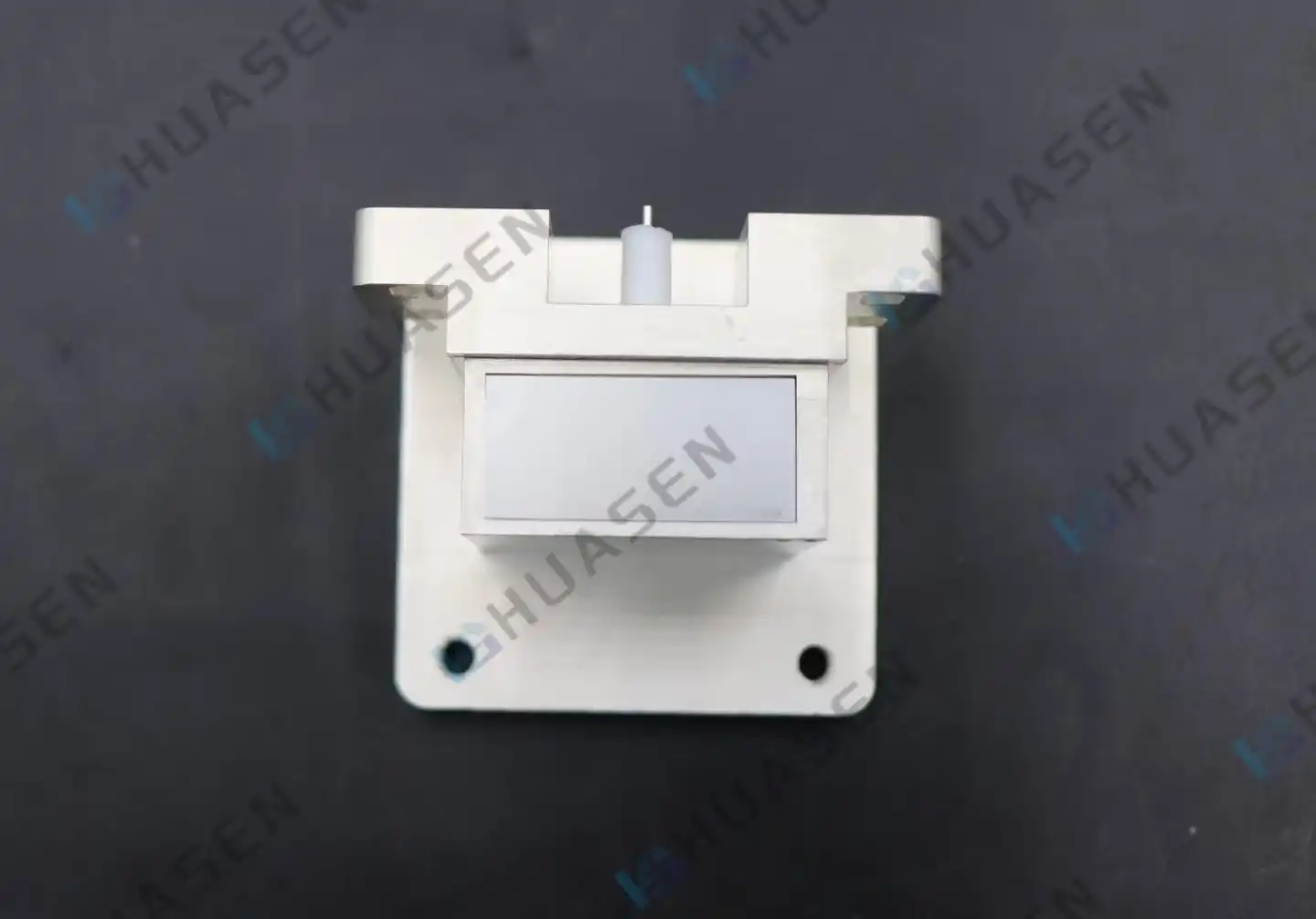
Creating good waveguides to microstrip transitions is hard because they have to connect two very different transmission line designs. Rectangular waveguides work in TE10 modes and have characteristic impedances that are usually higher than 300 ohms. Microstrip lines, on the other hand, work in quasi-TEM modes and have standard 50-ohm impedances. This huge difference in resistance is the main problem that engineers have to solve using complex matching methods.
Impedance Matching Complexities
Getting broadband impedance matching right is still the hardest part of transition design. The sudden change from the waveguide's high impedance to the microstrip's low impedance causes echoes that hurt the performance of the system. To get the impedances to change gradually across the desired frequency range, engineers have to carefully build matching networks. When going after wide bandwidth applications, it's even harder because simple probe-based changes don't always work. Different matching methods are used in modern transition designs, such as curved probes, ridged waveguide sections, and multi-stage matching networks. There are different trade-offs between bandwidth, complexity, and production tolerances for each method. Which matching scheme to use depends a lot on the needs of the application and the amount of insertion loss that is acceptable.
Signal Integrity and Mode Conversion Issues
There could be problems with the integrity of the data when switching between waveguide TE10 modes and microstrip quasi-TEM modes. Higher-order modes that aren't wanted can spread through the transition area, causing resonances and lowering performance. Most of the time, these parasitic modes show up as ripples in the frequency response or rapid rises in insertion loss at certain frequencies. Field disturbances must be carefully controlled because of the physical break at the waveguide-to-microstrip interface. Engineers deal with these problems by making the probe geometries better, strategically placing materials that absorb electromagnetic waves, and carefully managing the electromagnetic environment of the shift. The goal is to make field transitions that are smooth so that mode conversion is kept to a minimum while the desired signal transfer qualities are maintained.
Comparative Analysis of Waveguide to Microstrip Transition Solutions
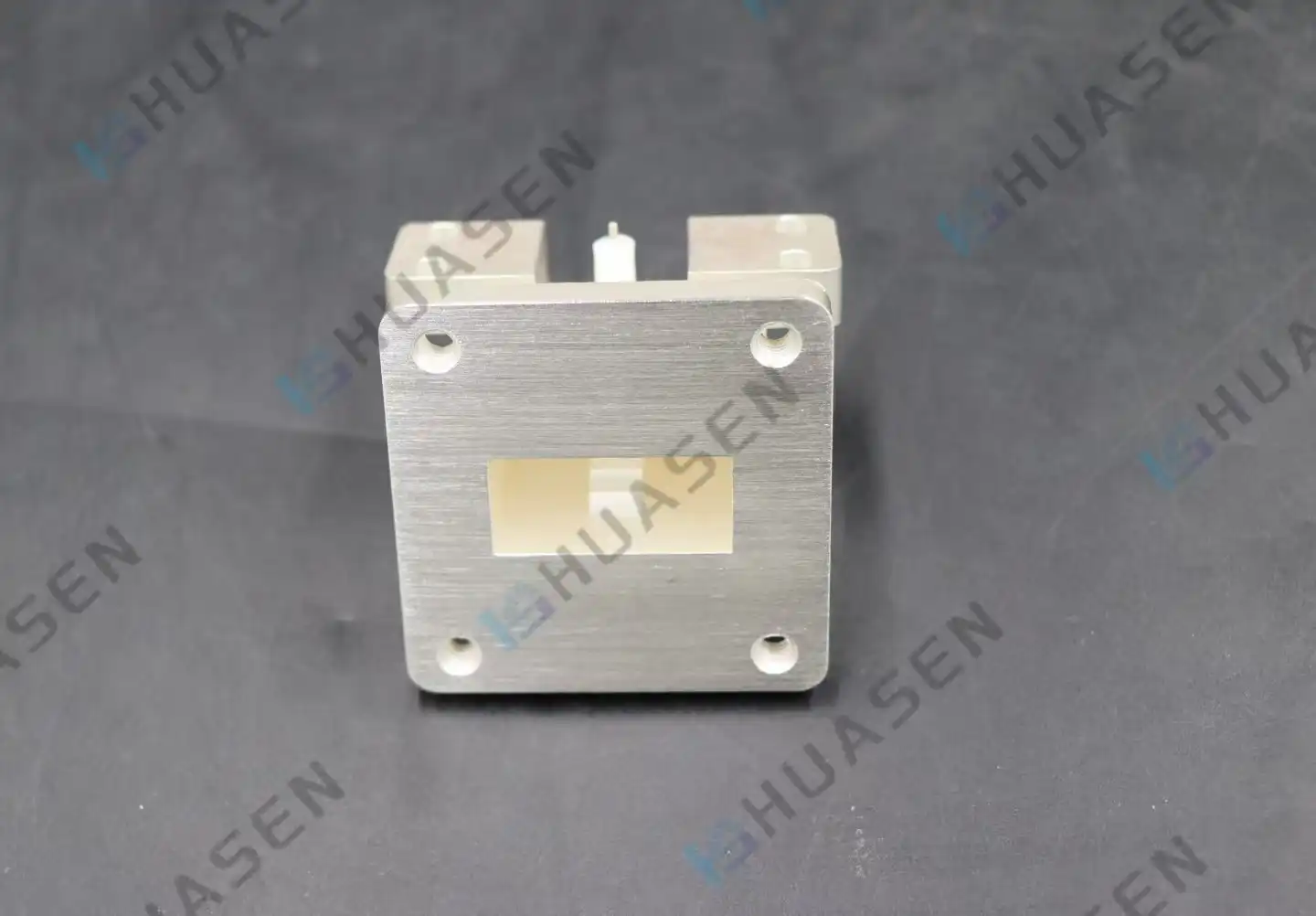
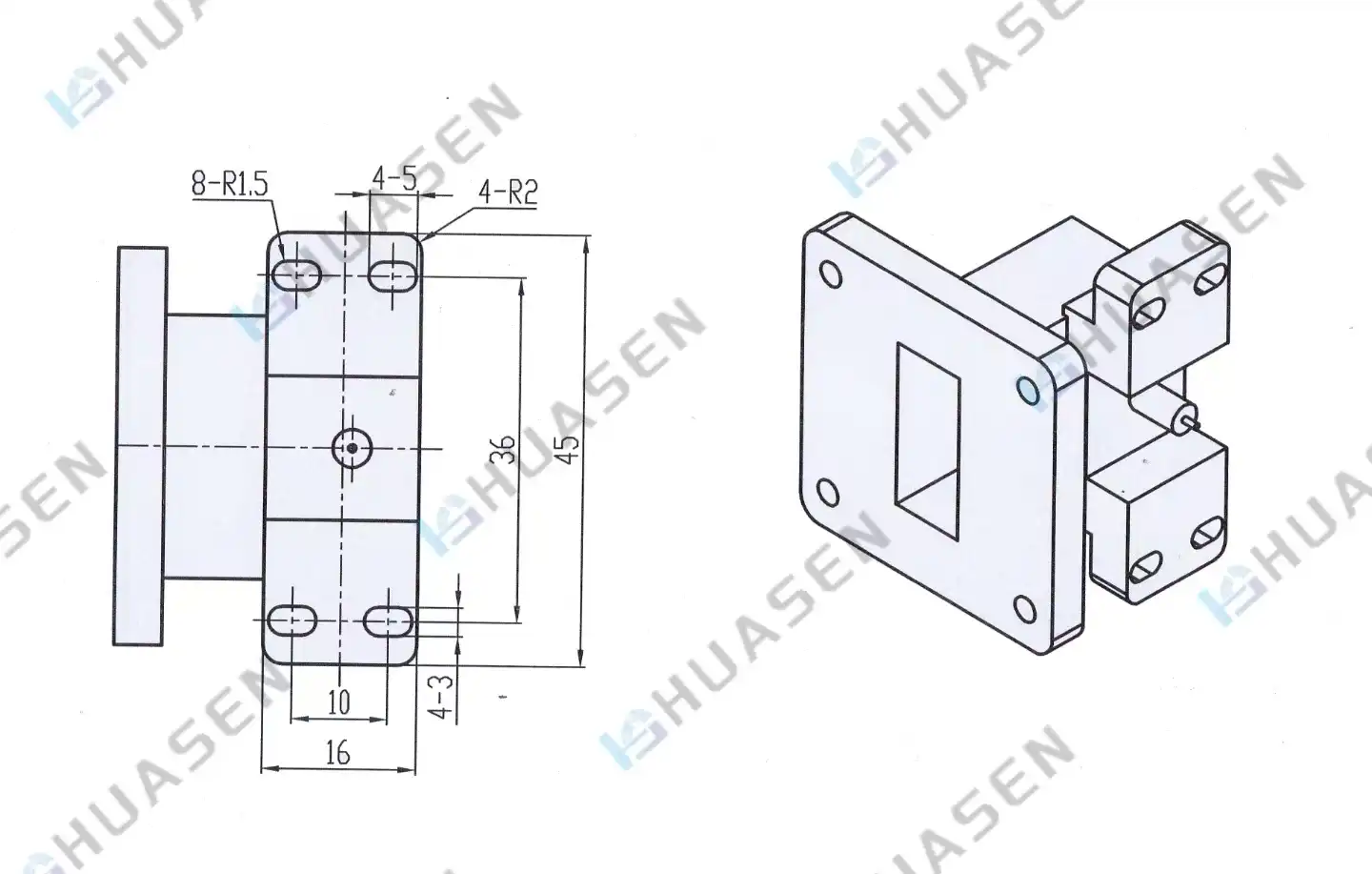
When evaluating transition solutions, Waveguide to Microstrip Transition engineers must consider multiple design approaches, each offering distinct advantages for specific applications. The two primary categories include orthogonal (WMI) and terminated (WEMI) structures, both of which address different system requirements and performance objectives.
Orthogonal vs. Terminated Configurations
Orthogonal transitions feature perpendicular probe insertion, providing excellent isolation and compact form factors. These designs excel in applications requiring tight packaging constraints and minimal cross-coupling between adjacent channels. The orthogonal approach simplifies mechanical assembly and reduces manufacturing complexity, making it attractive for high-volume production scenarios. Terminated configurations incorporate additional waveguide sections beyond the probe insertion point, offering superior impedance matching capabilities and broader bandwidth performance. While these designs require more physical space, they provide enhanced electrical performance that justifies the increased footprint in demanding applications such as satellite communications and high-performance radar systems.
Material Selection Impact on Performance
The choice of substrate materials significantly influences transition performance, particularly in high-frequency applications. Low-loss dielectric materials such as alumina (Al2O3) provide excellent thermal stability and low dielectric losses, making them ideal for high-power applications. These ceramic substrates maintain stable electrical properties across wide temperature ranges and resist degradation under harsh environmental conditions. Advanced material combinations enhance performance characteristics while addressing specific application challenges. Silver-plated copper conductors offer superior conductivity for high-frequency applications, while aluminum oxide substrates provide corrosion resistance essential for outdoor and maritime environments. The metal and dielectric composite structure ensures excellent temperature stability and vibration resistance, critical factors for aerospace and defense applications.
Tackling Design Challenges Through Simulation and Optimization
Modern electromagnetic simulation tools have revolutionized the approach to transition design, enabling engineers to predict and optimize performance before physical prototyping. These sophisticated platforms provide detailed insights into field distributions, impedance characteristics, and frequency response behaviors that guide design decisions.
Advanced Simulation Methodologies
High-frequency structure simulator (HFSS) and CST Microwave Studio represent industry-standard tools for transition design optimization. These platforms employ finite element methods to solve Maxwell's equations within complex three-dimensional geometries, providing accurate predictions of S-parameters, field patterns, and power handling capabilities. The simulation results guide iterative design refinements that optimize performance while minimizing development time and costs. Successful simulation strategies incorporate detailed modeling of manufacturing tolerances and material properties. Engineers must account for conductor surface roughness, dielectric variations, and mechanical tolerances that affect real-world performance. Parametric studies reveal sensitivity to various design parameters, enabling robust designs that maintain performance despite manufacturing variations.
Optimization Strategies for Enhanced Performance
In systematic optimisation approaches, Waveguide to Microstrip Transition simulation results and analytical methods are used together to reach performance goals. Multi-objective optimisation algorithms take into account manufacturing limits while balancing different needs like bandwidth, insertion loss, and return loss. These automated optimisation processes look at huge design spaces faster and better than methods that use human iteration. The link between what simulations say will happen and what experiments actually show supports design methods and boosts faith in finished goods. Performance is checked across a wide range of temperatures, frequencies, and power levels using thorough testing methods. This makes sure that the equipment can work reliably in harsh field conditions. This process of validation makes sure that modelling results are consistent with what is expected in the real world.
Procurement Considerations and Supplier Selection for Waveguide to Microstrip Transitions
When purchasing RF changes, procurement professionals have to make tough choices that have to be in line with strict technical requirements, project deadlines, and budgets. During the review process, many factors that affect the long-term success of the project and the reliability of the system must be balanced.
Critical Specification Parameters
For procurement to go well, there must be clear technical standards that are based on real application needs. Some important specs are the working frequency range, the maximum insertion loss, the minimum return loss, and the ability to handle power. These parameters have a direct effect on how well the system works and must be in line with the general design goals. Specifications for materials need extra attention because they affect both function and how well they work with the environment. The people in charge of buying things should make sure that the substrate materials, conductor plating choices, and environmental ratings are all right for the job. For mobile and outdoor uses, the ability to change temperatures, the ability to fight humidity, and the ability to handle vibrations are all very important.
Supplier Evaluation Criteria
When you evaluate a supplier, you look at their technical skills, quality processes, and the possibility of a long-term partnership. The project's needs and time constraints should match up with the manufacturer's abilities. Suppliers who have a history of being able to customise their goods can help with special needs that standard products can't meet. You can trust a seller if they have quality certifications and follow industry standards. Compliance with MIL-STD standards, ISO certifications, and well-documented quality systems all point to mature production methods that can consistently deliver results. For goods with long lifecycles or ongoing production needs, long-term supply chain stability is becoming more and more important.
Future Trends and Innovations in Waveguide to Microstrip Transition Design
Transition technology keeps getting better by using new materials, production methods, and design approaches that solve new problems in new applications. These new ideas make it possible for next-generation systems to work better while also cutting costs and development times.
Emerging Material Technologies
Advanced base materials have better performance properties that make them more useful in more situations. Low-temperature co-fired ceramic (LTCC) technology lets you make complicated three-dimensional transition shapes that have passive parts built in. These multilayer designs improve electrical performance while making the system smaller and less complicated. Additive manufacturing methods make it possible to make transition geometries that weren't possible with traditional machining. Printing dielectric and metallic structures in three dimensions makes it possible to make field changes and complex impedance matching networks that work better. These features allow for quick prototyping and customisation, which speeds up the creation process.
Integration with Modern Communication Systems
Higher frequencies and wider bandwidths are being used more and more in transition design for 5G networks, satellite constellations, and car radar systems. For millimeter-wave uses to work, mechanical tolerances and electromagnetic design need to be more precise than ever before. Traditional ways of designing and making things are pushed to their limits by these tough standards. Trends in system integration favour small, light solutions that can do more than one thing in one package. Adding transitions to amps, filters, and switching networks makes the system simpler while also making it work better overall. To get the best interfaces and performance from these integrated methods, component suppliers and system integrators need to work together closely.
Conclusion
As current RF systems need better performance, Waveguide to Microstrip Transition, wider bandwidths, and smaller solutions, the design problems that come up when switching from waveguide to microstrip keep changing. To be successful, you need to understand complicated electromagnetic processes, choose the right materials, and use systematic optimisation methods that balance different needs. A few years ago, complex designs would not have been possible because ofthe lack of advanced simulation tools and manufacturing methods. As technology moves toward millimeter-wave frequencies and integrated system architectures, these transitions will still be important parts that connect high-performance waveguide systems with small planar circuits. This is why they need to be designed correctly for next-generation radar and communication systems.
FAQ
1. What causes high insertion loss in waveguide transitions?
High insertion loss typically results from three primary factors: resistive losses due to poor conductor plating, dielectric losses in substrate materials, and radiation leakage from improper grounding. Manufacturing tolerances that create air gaps or misaligned components also contribute significantly to performance degradation.
2. How does frequency range affect transition design choices?
Frequency range directly impacts design complexity and approach selection. Narrow-band applications can utilize simple probe designs, while broadband requirements often necessitate ridged waveguide structures or multi-section matching networks. Higher frequencies demand tighter mechanical tolerances and more sophisticated electromagnetic modeling.
3. What power handling limitations should be considered?
Power handling depends on the transition's weakest point, typically the microstrip line or probe junction rather than the waveguide section. Peak power limitations arise from voltage breakdown in air gaps, while average power handling relates to thermal management and conductor current capacity. Proper design must address both constraints.
4. How critical are mechanical tolerances during assembly?
Mechanical precision becomes extremely critical, particularly at millimeter-wave frequencies. Probe positioning accuracy within 0.05mm can dramatically affect performance. Backshort distances, probe penetration depths, and substrate positioning all require careful control to achieve predicted performance levels.
Partner with Huasen Microwave for Your Transition Component Needs
Huasen Microwave delivers proven expertise in waveguide to microstrip transition design and manufacturing, offering both orthogonal (WMI) and terminated (WEMI) configurations tailored to your specific applications. Our comprehensive solutions feature aluminum oxide substrates for demanding low-frequency environments and silver-plated copper conductors for high-frequency performance excellence. The compact, lightweight designs integrate seamlessly with Waveguide to Microstrip Transition microstrip circuits while providing exceptional temperature stability and vibration resistance through advanced metal-dielectric composite structures. As a trusted waveguide to microstrip transition manufacturer, we combine decades of engineering experience with rigorous quality standards to support your most challenging RF and microwave projects. Contact our technical team at sales@huasenmicrowave.com to discuss your requirements and discover how our customizable solutions can enhance your system performance and reliability.
References
1. Pozar, David M. "Microwave Engineering, Fourth Edition." John Wiley & Sons, 2012.
2. Collin, Robert E. "Foundations for Microwave Engineering, Second Edition." IEEE Press, 2001.
3. Gupta, K.C., Ramesh Garg, and Inder Bahl. "Microstrip Lines and Slotlines, Third Edition." Artech House, 2013.
4. Chen, Z.N., Michael Y.W. Chia, and Thomas S.P. See. "Broadband Planar Antennas: Design and Applications." John Wiley & Sons, 2006.
5. Balanis, Constantine A. "Advanced Engineering Electromagnetics, Second Edition." John Wiley & Sons, 2012.
6. Ludwig, Reinhold and Gene Bogdanov. "RF Circuit Design: Theory & Applications, Second Edition." Prentice Hall, 2008.
Send Inquiry