How to Select a Broadband Horn Antenna for High-Power RF Testing?






2026-02-12 21:42:20
To choose the best broadband antenna for high-power RF testing, you need to carefully look at its technical specs, performance features, and operational needs. A good horn antenna directly affects how accurate measurements are, how reliable tests are, and how cost-effective they are in a wide range of commercial settings. As part of the selection process, frequency coverage, power handling, radiation patterns, and environmental durability are all looked at to make sure the device can be easily added to current test setups and has the most long-term value.

Introduction
Broadband horn antennas serve as essential components in high-power RF testing environments, delivering exceptional frequency coverage and consistent performance across demanding applications. These specialized antennas enable engineers to conduct comprehensive measurements spanning multiple frequency bands without requiring frequent equipment changes or recalibration procedures. The selection of the optimal antenna directly impacts measurement accuracy, testing efficiency, and overall cost-effectiveness—critical factors for B2B procurement decisions in industrial and engineering sectors. Modern RF testing demands have evolved significantly, particularly with the advancement of 5G networks, satellite communications, and sophisticated radar systems. Testing professionals require antennas capable of handling substantial power levels while maintaining signal integrity across broad frequency ranges. This comprehensive guide explores critical technical criteria, including frequency range specifications, power handling capabilities, radiation pattern characteristics, and environmental durability requirements. The systematic approach presented here provides decision-makers with practical tools for evaluating antenna models, comparing supplier offerings, and implementing effective procurement strategies. Understanding these fundamental selection principles enables organizations to source antennas that meet demanding test environment requirements while ensuring long-term reliability and operational success.
Understanding Broadband Horn Antennas for RF Testing
Broadband horn antennas are a special type of directional antenna that is made to work well across a wide range of frequencies while keeping the same performance qualities. In contrast to regular narrowband antennas, which work best within small frequency ranges, these multifunctional devices reliably send and receive signals across multiple octave ranges, usually from 1 GHz to 18 GHz, but can go up to 40 GHz in certain setups.
Operational Principles and Design Architecture
A broadband antenna is basically a flared horn structure with metal ridges inside that are placed in a way that best matches the impedance across the operating bandwidth. When compared to regular pyramidal horns, this ridge-loaded design greatly lowers the cutoff frequency while keeping the impedance stable across the frequency range. These ridges form a tapered transmission line that changes the standard 50-ohm coaxial input impedance to the 377-ohm free space impedance. This gives the device great voltage standing wave ratio (VSWR) performance. The bodies are usually made of precision-machined aluminium that provides the best conductivity while keeping weight to a minimum. In more advanced types, coatings and treatments that stop corrosion are used to make them last longer in harsh environments. To keep the electrical performance consistent and to cut down on unwanted reflections that could affect measurement accuracy, the internal ridge geometry needs very tight production tolerances.
Advantages Over Alternative Antenna Types
It is clear that horn antennas are better for high-power tests than omnidirectional and other directional antenna configurations. The directional radiation pattern concentrates energy in one place, making it possible to precisely control the field strength and lowering the amount of interference from unwanted echoes. This feature is especially useful in room-like settings with no background noise, where precise measurements need controlled lighting patterns. Horn antennas can handle a lot more power than dipole or monopole alternatives, which makes them perfect for immunity testing tasks that need strong fields. Many professional-grade types can handle continuous wave power levels of more than 300 watts without losing their stability. Because it covers a wide bandwidth, you don't have to switch out multiple antennas during thorough testing. This cuts down on setup time and the chance of making a mistake during tuning.

Core Selection Criteria for Broadband Horn Antennas in High-Power RF Testing
To choose the right broadband antenna, you need to carefully look at a number of technical factors that have an effect on how well it tests and how reliable it is in real life. Each of the criteria is very important for figuring out if the antenna is right for a certain job or set of tests.
Frequency Range and Bandwidth Specifications
The main selection criteria include making sure that the antenna's frequency range matches the needs of the test spectrum. Standard broadband antennas usually work in frequency ranges between 1 and 18 GHz or 18 and 40 GHz, but these limits can be pushed further if needed for a specific purpose. The frequency response should work the same way across the whole operating bandwidth, Double Ridged Horn Antenna, with gain changes that are usually well within the acceptable range for accurate measurements. Bandwidth requirements should take into account future testing needs and possible system expansions. To keep up with changing test methods, organisations that use multi-standard testing environments should choose antennas that cover a wider range of frequencies. The antenna's size is often based on its lowest frequency, since bigger openings are needed to keep gain levels acceptable at lower frequencies.
Power Handling and Thermal Management
When testing with a lot of power, the ability to handle that power is a very important safety and efficiency factor. Depending on the form and materials used to build the antenna, continuous wave power ratings are usually between 100 and 500 watts or more. Peak power handling specs are especially important for pulsed applications that are widespread in radar and military testing. The antenna's ability to get rid of heat created during high-power operations depends on its thermal management features. The aluminium design is very good at transferring heat, and special heat-sinking features make it easier to use for long periods of time. Limiting factors usually have to do with the coaxial connector interface and internal dielectric materials, not the main radiating structure. Environmental factors like temperature, airflow, and duty cycle have a big effect on the real power handling limits. When testing facilities set the power needs and cool things down properly to avoid damage from heat or loss of performance, they need to think about these operational factors.
Radiation Pattern and Gain Characteristics
Radiation pattern specifications describe the antenna's field distribution and directional characteristics, which are very important for controlled testing settings. Horn antennas usually have a single main lobe pattern with clear beamwidth features that stay mostly the same across the frequency range they are used for. The gain profile usually goes up with frequency, from about 6 dBi at lower frequencies to 15 dBi or higher at the highest frequencies. Beam splitting can happen at the highest frequencies if the antenna design doesn't have enough higher-order mode suppression. When choosing antennas for uses that need uniform pattern behaviour across the entire frequency range, this feature needs to be carefully thought through. Cross-polarization levels and side lobe suppression specs can change how accurate measurements are in situations where unwanted signal components are a problem.
Comparing Top Broadband Horn Antennas for High-Power RF Testing in 2026
The current market offers numerous high-performance broadband antenna options designed to meet diverse testing requirements across various industries. Leading manufacturers have introduced significant improvements in power handling, frequency coverage, and mechanical design features that enhance operational reliability and measurement accuracy.
Performance Benchmarks and Technical Specifications
Contemporary broadband horn antennas demonstrate impressive performance improvements compared to previous generations. VSWR specifications commonly achieve ratios better than 2.0:1 across most of the operational bandwidth, with some premium models maintaining ratios below 1.5:1 throughout their frequency range. These improvements directly translate to enhanced measurement accuracy and reduced calibration uncertainties. Power handling capabilities have expanded significantly, with robust models supporting continuous power levels exceeding 500 watts while maintaining stable electrical characteristics. Advanced thermal management features, including enhanced heat-sinking and optimized airflow designs, enable sustained high-power operation without performance degradation. These capabilities prove essential for immunity testing applications requiring prolonged exposure periods at elevated field strengths. Frequency coverage has broadened to accommodate emerging testing requirements associated with 5G networks, satellite communications, and advanced radar systems. Ultra-wideband models now provide seamless coverage from below 1 GHz to beyond 40 GHz, eliminating frequency gaps that previously required multiple antenna configurations. This expansion reduces equipment inventory requirements while simplifying test setup procedures.
Supplier Evaluation and Quality Considerations
When looking for trusted suppliers, you need to look at more than just the technical specs. Manufacturers that have been around for a long time and have a lot of experience with RF usually offer high-quality products, full technical support, and solid supply chain management. Certifications in the manufacturing industry, like ISO 9001 quality management systems and MIL-STD compliance, show that a company is dedicated to making high-quality products consistently. Long-term operational costs and reliability are greatly affected by warranty policies and the level of help available after the sale. A full guarantee should protect against problems with the way the product was made, changes in the calibration, and failures that happen before they should in normal use. Technical support services, such as help with applications, calibration data, and troubleshooting advice, are very useful when making a purchasing choice. Customer comments and verified performance data can tell you a lot about how reliable and easy to use something is in the real world. Independent test reports and public measurement data provide objective proof of performance that goes beyond what the manufacturer says is required. Comparative studies are common in professional reviews and trade magazines, which help procurement teams make smart choices.
Practical Installation and Maintenance Guidelines for Reliable Testing
Proper installation procedures and ongoing maintenance practices ensure optimal performance and extended operational life for broadband horn antennas in demanding test environments. These practices directly impact measurement accuracy, equipment reliability, and overall testing effectiveness.
Site Preparation and Environmental Controls
Getting the spot ready and controlling the environment are the first steps to a successful antenna installation. Testing facilities need to make sure there is enough room around the antenna to meet its radiation pattern needs and stop any unwanted reflections that could affect the accuracy of the measurements. Safety rules and measurement standards should be used to set the minimum distances between people, tools, and walls.A lot of things in the environment, like keeping the temperature stable, controlling the humidity, Double Ridged Horn Antennaand keeping the antenna clean, affect how well it works and how long it lasts. The electrical properties stay the same in controlled settings because they stop corrosion, moisture, and foreign objects from getting in and lowering performance. Climate-controlled buildings are the best places to get accurate readings and make equipment last longer. For reasons of electromagnetic compatibility, it is important to pay close attention to any sources of interference that might be in the test setting. When blocking, grounding, and managing cables correctly, unwanted signals that could affect the accuracy of measurements are kept to a minimum. The design of the facility should include the right isolation means to keep test setups from becoming connected to outside sources of interference.
Alignment, Grounding, and Safety Procedures
Accurate field calculations and repeatable test results depend on how well the antennas are aligned. During the testing process, mechanical positioning systems should be accurate enough to keep the line within certain limits. When compared to human adjustment methods, automated positioning systems are more accurate and consistent. This is especially true for situations where the antenna needs to be moved around a lot. The steps for grounding must take into account both safety and efficiency needs. Grounding correctly keeps people safe from electrical dangers and provides stable reference potentials for accurate measurements. The grounding system should keep ground loops from forming as much as possible so that they don't cause noise or measurement mistakes. Bonding between the hardware for placing the antenna and the facility's ground systems makes sure that safety is maintained. Safety rules for high-power operations include the right notice systems, areas where people are not allowed, and ways to shut down the system in an emergency. Accidental exposure to dangerous field levels can be avoided by clearly marking dangerous areas and putting in place locking systems. Safety training and procedure changes on a regular basis make sure that procedures are up to date and meet changing safety standards and government rules.
How to Procure the Right Broadband Horn Antenna: A B2B Buying Guide
Effective procurement strategies for broadband antennas involve systematic supplier evaluation, strategic purchasing decisions, and comprehensive total cost analysis. Understanding the procurement landscape enables organizations to secure optimal solutions while maximizing value and minimizing risk.
Supplier Selection and Partnership Development
Choosing between original equipment manufacturers, authorized distributors, and specialty dealers requires careful evaluation of each option's advantages and limitations. OEMs typically offer direct access to engineering support, customization capabilities, and the latest product developments. However, distributors may provide broader product selection, competitive pricing, and localized support services that benefit certain procurement scenarios. Established suppliers with proven track records in RF and microwave applications bring valuable expertise and reliability to the procurement relationship. Companies specializing in test and measurement equipment understand the unique requirements and performance expectations associated with precision instrumentation. Long-term partnerships with qualified suppliers often yield benefits, including priority support, volume discounts, and early access to new product developments. Customization capabilities become important for organizations with specialized requirements that standard products cannot address. Suppliers offering modification services, custom frequency ranges, or specialized mounting configurations provide added flexibility for unique applications. The ability to support prototype development and small-volume custom production enables organizations to address specific technical challenges effectively.
Pricing Strategies and Contract Considerations
Volume purchasing agreements offer significant cost advantages for organizations with substantial antenna requirements or multi-site deployments. Blanket purchase orders and framework agreements provide price stability while enabling flexible delivery scheduling to match project timelines. These arrangements often include favorable terms for additional quantities and future purchases within specified periods. Total cost of ownership analysis should encompass initial purchase price, shipping costs, installation expenses, ongoing maintenance requirements, and potential upgrade paths. Hidden costs such as custom mounting hardware, specialized cables, and calibration services can significantly impact overall project budgets. Comprehensive cost analysis enables accurate budget planning and supplier comparison. Warranty terms and service level agreements directly influence long-term operational costs and risk management. Extended warranty options may justify higher initial costs through reduced maintenance expenses and operational disruption. Service level commitments for technical support response times and repair turnaround periods help ensure operational continuity for critical applications.
Conclusion
Selecting the optimal broadband horn antenna for high-power RF testing requires a systematic evaluation of technical specifications, performance characteristics, and operational requirements. The decision process must balance frequency coverage, power handling capabilities, mechanical considerations, broadand antenna cost factors to achieve the best overall value for specific applications. Successful procurement involves partnering with experienced suppliers who understand the unique demands of precision RF testing while providing comprehensive technical support and reliable product quality. Organizations that invest time in thorough evaluation and supplier relationship development typically achieve superior testing capabilities and long-term operational success.
FAQ
1. What frequency range should I select for my specific testing requirements?
The frequency range selection depends on your testing standards and application requirements. For EMC/EMI compliance testing following CISPR 16 standards, antennas covering 1-18 GHz provide comprehensive coverage for most requirements. Military applications following MIL-STD-461 may require extended frequency ranges up to 40 GHz. Organizations testing 5G equipment should ensure coverage includes sub-6 GHz bands and millimeter-wave frequencies above 24 GHz.
2. How does antenna gain affect measurement accuracy in high-power testing?
Antenna gain directly influences field strength calculations and measurement accuracy. Higher-gain antennas produce stronger fields for a given input power but may have narrower beamwidths that require more precise positioning. The gain variation across frequency affects calibration procedures and measurement uncertainty. Most professional applications require calibrated antenna factors provided by accredited calibration laboratories to ensure measurement traceability.
3. What customization options are available for specialized high-power applications?
Leading manufacturers offer extensive customization capabilities, including modified frequency ranges, enhanced power handling, specialized connector interfaces, and environmental protection features. Custom polarization configurations, modified radiation patterns, and integrated cooling systems address specific application requirements. Prototype development services enable organizations to evaluate custom solutions before committing to production quantities.
4. How often should broadband antennas be recalibrated for accurate measurements?
Industry best practices recommend annual recalibration for antennas used in precision measurement applications. Antennas subjected to high power levels, mechanical stress, or harsh environmental conditions may require more frequent calibration. Any physical damage, connector replacement, or performance anomaly should trigger immediate recalibration to maintain measurement accuracy and compliance with testing standards.
5. What are the key differences between broadband horn antennas and log-periodic alternatives?
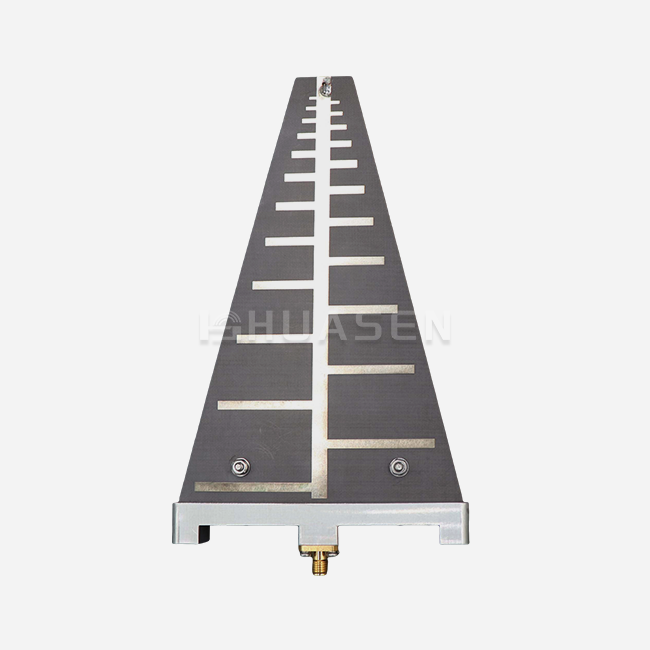
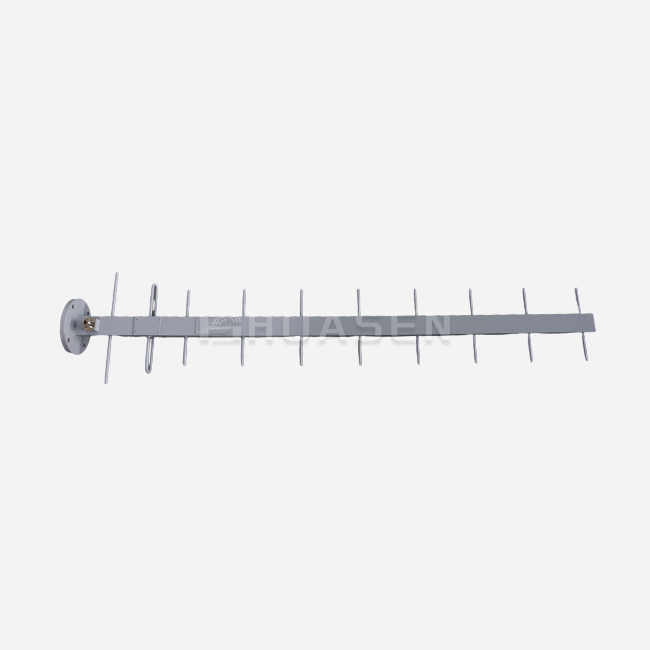
Horn antennas typically offer higher power handling capabilities, more stable radiation patterns, and better mechanical robustness compared to log-periodic designs. Log-periodic antennas may provide broader frequency coverage and more compact form factors, but generally have lower power ratings and more complex radiation characteristics. The selection depends on specific application requirements, including power levels, frequency coverage, and space constraints.
Partner with Huasen Microwave for Superior Broadband Antenna Solutions
Huasen Microwave stands as your trusted broadband antenna supplier with over three decades of expertise in high-frequency component manufacturing and RF solution development. Our comprehensive portfolio of precision-engineered horn antennas delivers exceptional performance across demanding test environments, from EMC compliance laboratories to aerospace development facilities. We specialize in customizable solutions that address unique technical requirements while maintaining the highest quality standards and reliability.
Our engineering team provides comprehensive technical support throughout the procurement process, from initial specification review to installation guidance and ongoing maintenance support. With extensive experience serving telecommunications, defense, and research institutions globally, we understand the critical importance of measurement accuracy and operational reliability in professional testing environments. Contact our specialists at sales@huasenmicrowave.com to discuss your specific requirements and discover how our proven solutions can enhance your testing capabilities while delivering exceptional long-term value.
References
1. Institute of Electrical and Electronics Engineers, "IEEE Standard for Definitions of Terms for Antennas," IEEE Std 145-2013, 2014.
2. Balanis, Constantine A., "Antenna Theory: Analysis and Design," Fourth Edition, John Wiley & Sons, 2016.
3. International Electrotechnical Commission, "Specification for radio disturbance and immunity measuring apparatus and methods - Part 1-4: Radio disturbance and immunity measuring apparatus - Antennas and test sites for radiated disturbance measurements," IEC CISPR 16-1-4:2019.
4. Department of Defense, "Requirements for the Control of Electromagnetic Interference Characteristics of Subsystems and Equipment," MIL-STD-461G, 2015.
5. Milligan, Thomas A., "Modern Antenna Design," Second Edition, McGraw-Hill Education, 2005.
6. European Telecommunications Standards Institute, "Electromagnetic compatibility and Radio spectrum Matters (ERM); Wideband transmission systems; Data transmission equipment operating in the 2,4 GHz ISM band and using wide band modulation techniques," ETSI EN 300 440 V2.2.1, 2018.
Send Inquiry