Circularly Polarized Horn Antenna Gain Optimization: Practical Tips






2026-02-13 22:22:14
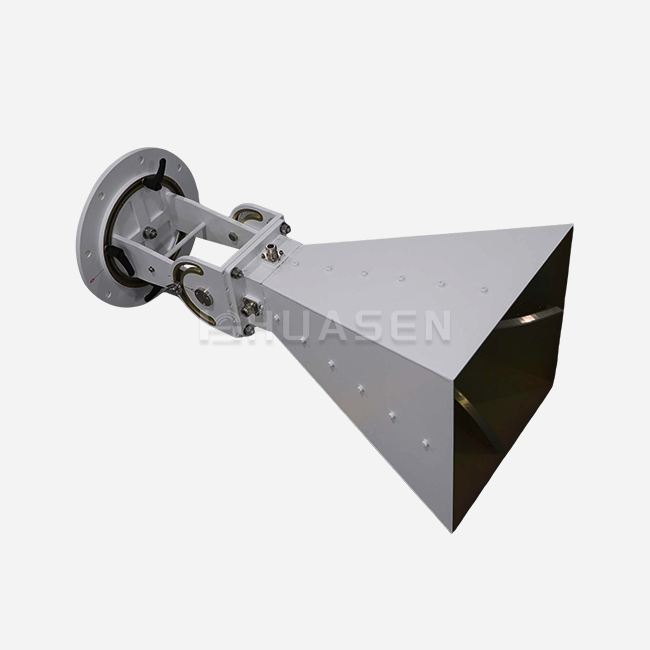
To get the most gain out of circularly polarised horn antennas, you need to know both basic design ideas and how to put them into practice. Horn antenna circular polarisation technology uses special parts inside the antenna, such as septum polarisers or curved feeds, to change straight electromagnetic waves into circular patterns. This conversion makes it possible for better multipath rejection and communication lines that don't care about the direction they're facing. These are important for satellite communications, radar systems, and 5G/6G infrastructure. Modern circularly polarised horn designs have very low axial ratios (less than 1.0 dB) and cover a wide frequency range (0.5–110 GHz) with gain ranges (10–25 dB) that can be chosen.


Understanding Circular Polarization in Horn Antennas
Circular polarisation changes the way electromagnetic waves move and interact with systems that receive them in a basic way. In linear polarisation, the electric field moves in a set plane. In circular polarisation, on the other hand, an electric field vector spins around the propagation axis and keeps its amplitude constant. This spin happens at the same frequency as the carrier wave. Depending on the design, it creates either right-hand circular polarisation (RHCP) or left-hand circular polarisation (LHCP).
Physical Principles Behind Polarization Conversion
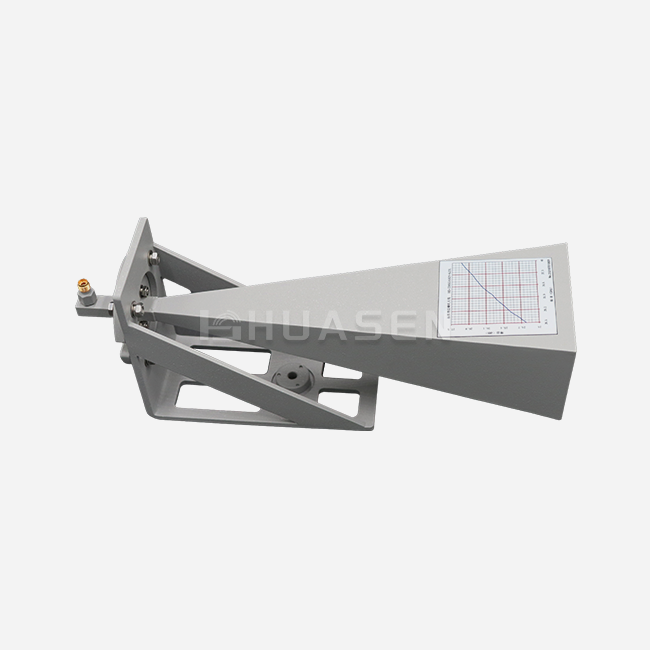
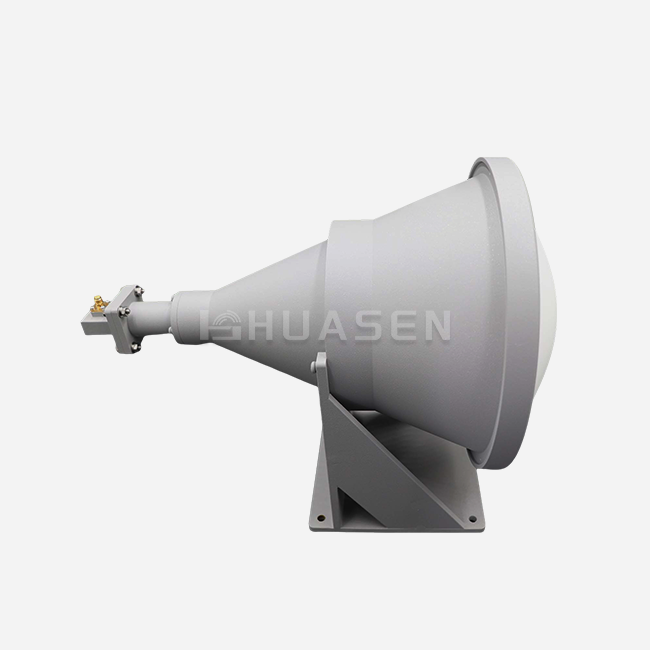
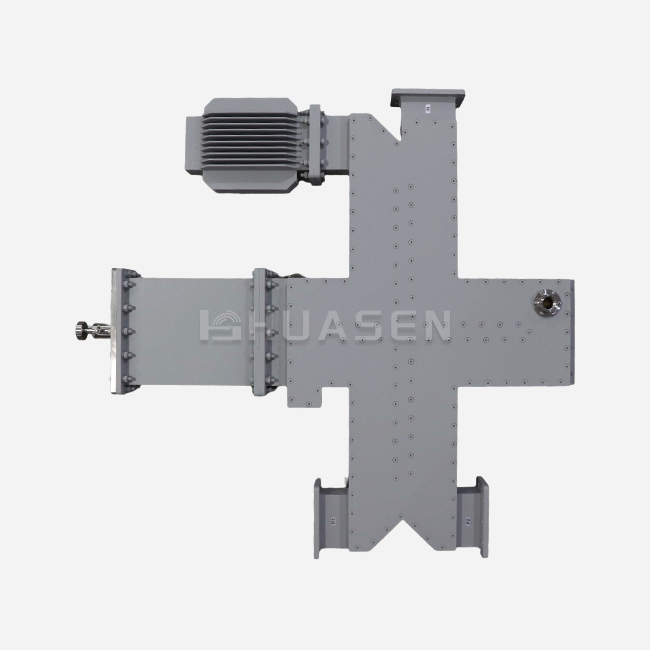
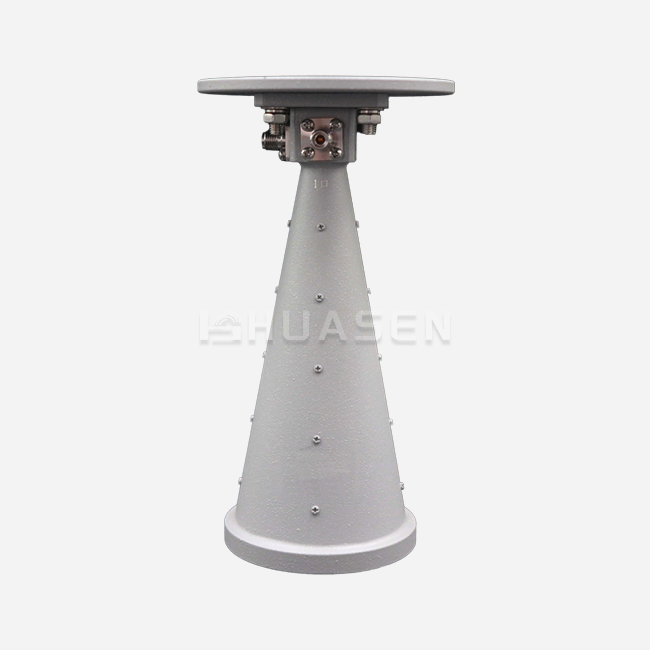
To change from linear to circular polarisation, the phase relationships between orthogonal field components must be very accurate. Several tried-and-true ways are used in modern horn antenna designs to make this change. Linear-to-circular polarisation converters use stepped diaphragms or curved waveguide sections to add controlled phase delays between field components that are not parallel to each other. Two linear polarisation orthogonal excitation systems send out two linear modes that are not parallel to each other and have a phase difference of 90 degrees. This makes the circle field rotation. The size of the aperture has a direct effect on the gain characteristics. Larger apertures offer better directivity but are heavier and cost more. Flare angle optimisation finds the best mix between controlling beamwidth and meeting impedance matching needs. The design of the feed structure affects the purity of the polarisation. When paired with the right internal polarisers, cone-shaped horn geometries work very well across a wide range of frequencies.
Critical Performance Parameters
For circularly polarised devices, the axial ratio is the most important quality measure. This parameter measures how close the antenna is to having perfect circular polarisation. Values below 1.5 dB are considered good, and values below 1.0 dB are considered premium quality. Cross-polarization discrimination greater than 20 dB makes sure that RHCP and LHCP channels don't interact too much in dual-polarized applications. In real-world settings, the reliability of a system depends on how stable the radiation pattern is across the working bandwidth. High-performance designs keep the same beamwidth and sidelobe levels across all frequencies. This lets you predict coverage patterns, horn antenna circular polarization,which is important for figuring out link budgets.
Identifying and Overcoming Performance Bottlenecks
Manufacturing tolerances significantly impact the final performance of circularly polarized horn antennas. Mechanical precision requirements become increasingly stringent at higher frequencies, where dimensional variations of just a few micrometers can degrade axial ratio performance. Surface finish quality affects insertion loss, particularly in millimeter-wave applications where skin depth approaches surface roughness dimensions.
Advanced Design Optimization Techniques
Precise feed design requires careful attention to impedance transitions and mode suppression. Step diaphragm polarizers utilize multiple thin metal plates positioned at specific intervals to gradually convert linear modes to circular. Each step height and spacing must be optimized through electromagnetic simulation to minimize reflections while maintaining polarization purity across the operating bandwidth. Phase matching between orthogonal field components becomes critical in broadband designs. Computer-aided optimization tools enable iterative refinement of internal geometries, allowing engineers to balance conflicting requirements like bandwidth, gain, and axial ratio. Recent advances in 3D electromagnetic modeling provide unprecedented accuracy in predicting performance before prototype fabrication. Material selection influences both electrical and mechanical performance characteristics. High-conductivity metals like copper or silver-plated aluminum minimize resistive losses, while thermal expansion matching prevents mechanical stress in temperature-cycling environments. Advanced manufacturing techniques, including precision CNC machining and electroforming, enable tighter tolerances than traditional fabrication methods.
Real-World Performance Improvements
Industry case studies demonstrate measurable gains through systematic optimization approaches. A telecommunications equipment manufacturer achieved 1.2 dB gain improvement and 0.3 dB axial ratio enhancement by refining their septum polarizer geometry. Military radar applications have realized 15% range extension through careful attention to sidelobe suppression and cross-polarization isolation. These improvements translate directly to system-level benefits, including extended communication range, improved signal-to-noise ratios, and reduced interference susceptibility. Proper optimization enables single antennas to replace multiple units in some applications, reducing system complexity and maintenance requirements.

Comparative Analysis: Circular Polarization vs Linear Polarization Horn Antennas
Choosing between circular and linear polarization involves analyzing specific application requirements and environmental conditions. Circular polarization excels in dynamic scenarios where transmitter and receiver orientations vary, eliminating the 20+ dB signal loss that occurs when linear antennas become cross-polarized. This advantage proves essential for mobile communications, satellite tracking, and aerospace applications.
Performance Metrics Comparison
Gain stability represents a key differentiator between polarization types. Linear polarized horns typically achieve 1-2 dB higher peak gain due to simpler internal structures and reduced conversion losses. However, horn antenna circular polarizationmaintains more consistent effective gain across varying orientation angles, providing superior average performance in real-world conditions. Bandwidth characteristics differ significantly between designs. Broadband linear horns readily achieve multi-octave performance with minimal complexity. Circular polarization requires more sophisticated internal structures to maintain axial ratio across wide frequency ranges, though modern designs achieve up to 67% fractional bandwidth while preserving polarization quality. Multipath rejection capabilities strongly favor circular polarization in reflective environments. When circularly polarized signals reflect from metal surfaces, the handedness reverses (RHCP becomes LHCP), enabling the receiving antenna to reject these interfering signals by 20-30 dB. Linear polarized systems lack this inherent multipath discrimination.
Integration and Cost Considerations
Installation flexibility varies between polarization types. Linear horns require precise alignment with transmitting antennas to avoid polarization mismatch losses. Circular polarization eliminates this alignment sensitivity, simplifying installation and reducing deployment time in field applications. Cost analysis must consider both initial purchase price and lifecycle expenses. While circularly polarized horns typically cost 20-40% more than equivalent linear designs, they often reduce overall system costs through simplified installation, reduced maintenance, and improved reliability in challenging environments.
Procurement Considerations for Circularly Polarized Horn Antennas
Effective procurement requires a thorough evaluation of technical specifications and vendor capabilities. Critical parameters include operating frequency range, gain variation across the band, axial ratio performance, and environmental specifications. Understanding these metrics enables informed comparisons between competing products and suppliers.
Specification Interpretation Guidelines
Axial ratio specifications require careful analysis of measurement conditions and frequency coverage. Premium products specify axial ratio across the full operating bandwidth, while lower-cost alternatives may only guarantee performance at the center frequency. Temperature stability data indicate performance variation across operational environments, particularly important for outdoor installations. Gain specifications should include pattern data showing beamwidth and sidelobe levels. Higher-gain antennas provide better range performance but with narrower coverage patterns that may complicate installation. VSWR measurements indicate impedance matching quality, with values below 1.5:1 preferred for most applications. Mechanical specifications encompass mounting hardware, connector types, and environmental ratings. Standard connectors like SMA, N-type, or waveguide flanges ensure compatibility with existing equipment. Environmental ratings,s including temperature range, humidity tolerance, and shock resistance, determine suitability for specific deployment conditions.
Vendor Evaluation Criteria
Established companies with decades of RF experience usually offer better technical help and more reliable products. Companies that give a lot of testing data, application notes, and customisation options show that they have the engineering depth that is needed for tough applications. Stable supply chains make sure that products will be available for long-term projects that last more than one year. Quality standards like ISO 9001, MIL-STD compliance, horn antenna circular polarization,and RoHS compliance show that the manufacturing process is organised and follows the rules. When quality standards are very strict, these certifications become very important for use in aerospace, defence, and telecommunications. Customisation features let you get the best results for certain applications while still meeting release deadlines. It's better to buy from vendors who offer a range of bandwidth choices, custom gain levels, and different types of connectors than from suppliers who only sell from catalogues.
Implementing Gain Optimization in Your Projects
Successful implementation begins with proper antenna selection based on system requirements and environmental conditions. Installation procedures significantly impact final performance, requiring attention to mechanical alignment, grounding, and cable management. Ongoing maintenance ensures sustained performance throughout the operational lifetime.
Installation Best Practices
Both electrical efficiency and long-term dependability are affected by mechanical mounting. Rigid mounting systems keep performance from changing because of shaking and make sure the antenna is oriented correctly. Different frequencies and uses have different grounding needs. For example, at higher frequencies, ground plane consistency and RF shielding need more care. Noise figure and general gain are affected by the cables that are used and how they are routed. Low-loss cables keep the signal from weakening between the antenna and the electronics, and the right routing keeps nearby devices from interfering. Weatherproofing links make sure that they will work reliably outside, where water can get in and cause catastrophic failure. To make sure that the antenna is pointing correctly and that it can feel polarisation, precise measuring tools are needed during the alignment process. Spectrum analysers that cover the right range of frequencies can check signal levels and interference conditions. It is possible to get a full picture of impedance matching and frequency response with network analysers.
Performance Verification Methods
Field testing makes sure that the antenna works well in real-world situations. By measuring the signal strength across the covered area, problems with the installation or the way the equipment is set up can be found. It is very important for dual-polarized systems that need high isolation between channels that axial ratio measurements prove the quality of the polarization. Long-term monitoring finds slowing speed drops before they affect how the system works. Automated test tools can take measurements on a regular basis and let maintenance staff know when problems start to show up. Trending analysis finds trends that could point to specific failure modes or stresses in the environment .Maintenance routines keep antennas working well while reducing the amount of time they are not working. Visual checks done on a regular basis can find physical damage or corroded connectors before they cause electrical problems. Cleaning and re-torquing connectors stops connections from breaking down, which can lead to system breakdowns or changes in performance.

Conclusion
To get the best gain from circularly polarised horn antennas, you have to balance a lot of technical factors, such as the axial ratio, the bandwidth, and the needs of the surroundings. Modern designs work exceptionally well thanks to advanced polarisation conversion methods and precise manufacturing methods. A successful implementation relies on carefully choosing the right vendor, following the right installation steps, and keeping up with the maintenance schedules. Investing in high-quality circularly polarised horn antennas pays off by making the system more reliable, lowering the cost of upkeep, improvinghorn antenna circular polarization, and making it work better in tough conditions. When procurement workers and engineering teams understand these optimisation principles, they can make decisions that will make the system work better in the long run.
FAQ
1. What factors most significantly impact gain optimization in circularly polarized horn antennas?
Aperture size, flare angle, and internal polarizer design represent the primary factors affecting gain performance. Larger apertures provide higher directivity but increase size and weight. Optimal flare angles balance gain with impedance matching, while polarizer design affects both gain and axial ratio. Manufacturing tolerances become increasingly critical at higher frequencies, where small dimensional variations significantly impact performance.
2. How does the axial ratio affectthe overall antenna system performance?
Axial ratio directly influences polarization purity and cross-polarization discrimination. Values below 1.5 dB ensure minimal signal loss and interference, while degraded axial ratios above 3 dB can cause significant system performance reduction. Poor axial ratio increases susceptibility to multipath interference and reduces isolation in dual-polarized systems, potentially affecting bit error rates in digital communication links.
3. What measurement equipment is necessary for verifying the horn antenna circular polarization performance?
Vector network analyzers provide comprehensive impedance and frequency response measurements. Anechoic chambers enable accurate gain and pattern characterization without environmental interference. Polarization measurement systems specifically evaluate axial ratio and cross-polarization discrimination. Near-field scanning systems offer detailed pattern analysis for complex antenna geometries and can identify specific performance issues.
4. How do environmental conditions affect circularly polarized horn antenna performance?
Temperature variations cause mechanical expansion that can shift frequency response and degrade axial ratio. Humidity and precipitation affect dielectric loading and surface conductivity. Vibration and shock can cause mechanical misalignment of internal components. Proper environmental design, including sealed enclosures, thermal compensation, and robust mounting systems, maintains performance across operating conditions.
5. What customization options should procurement teams consider for specific applications?
Frequency bandwidth can be optimized for specific spectrum allocations, with narrowband designs achieving better axial ratio but broadband versions covering multiple services. Gain levels between 10 and 25 dB accommodate different ranges and coverage requirements. Connector types, including coaxial and waveguide options, ensure compatibility with existing equipment. Environmental specifications can be tailored for indoor, outdoor, or extreme condition deployments.
Partner with Huasen Microwave for Superior Horn Antenna Circular Polarization Solutions
Huasen Microwave delivers industry-leading circularly polarized horn antenna technology through three decades of specialized RF engineering expertise. Our advanced CPHA series achieves exceptional axial ratios ≤ 0.5dB across frequency ranges from 0.5-110GHz with selectable gain options from 10-25dB. These performance specifications exceed industry standards while maintaining the reliability demanded by aerospace, telecommunications, and defense applications.
Our comprehensive customization capabilities address unique project requirements through flexible bandwidth options spanning narrowband ≤ 5% to broadband ≤ 67% configurations. Custom gain levels and connector types ensure seamless integration with existing systems while reducing procurement complexity. As a trusted horn antenna circular polarization manufacturer,horn antenna circular polarization we provide complete technical support from initial specification development through final system integration.
Contact our engineering team at sales@huasenmicrowave.com to discuss your specific requirements and discover how our proven solutions can optimize your next project.
References
1. Balanis, C.A. "Antenna Theory: Analysis and Design of Circularly Polarized Horn Antennas." Fourth Edition, John Wiley & Sons, 2016.
2. Milligan, T.A. "Modern Antenna Design: Circular Polarization Optimization Techniques for Horn Radiators." IEEE Press Series on Electromagnetic Wave Theory, 2018.
3. Stutzman, W.L. and Thiele, G.A. "Antenna Theory and Design: Advanced Horn Antenna Polarization Methods." Third Edition, John Wiley & Sons, 2017.
4. Volakis, J.L. "Antenna Engineering Handbook: Circularly Polarized Feed Systems and Gain Enhancement." Fourth Edition, McGraw-Hill Professional, 2019.
5. Kraus, J.D. and Marhefka, R.J. "Antennas for All Applications: Horn Antenna Circular Polarization Design Principles." Third Edition, McGraw-Hill Education, 2020.
6. IEEE Standards Association. "IEEE Standard Test Procedures for Circularly Polarized Horn Antennas - Gain Measurement and Optimization Methods." IEEE Std 149-2021, Institute of Electrical and Electronics Engineers, 2021.
Send Inquiry