Heat Dissipation Solutions for Waveguide Terminations in High-Power Systems






2026-02-12 21:42:17
Heat dissipation solutions for waveguide terminations in high-power systems represent a critical engineering challenge that directly impacts system reliability and performance. Effective thermal management in waveguide termination applications requires sophisticated material selection, innovative cooling technologies, and precise engineering approaches. As power levels continue to escalate in modern RF systems, the ability to efficiently dissipate heat while maintaining optimal signal absorption becomes paramount for preventing component failure and ensuring consistent operation across demanding frequency ranges.
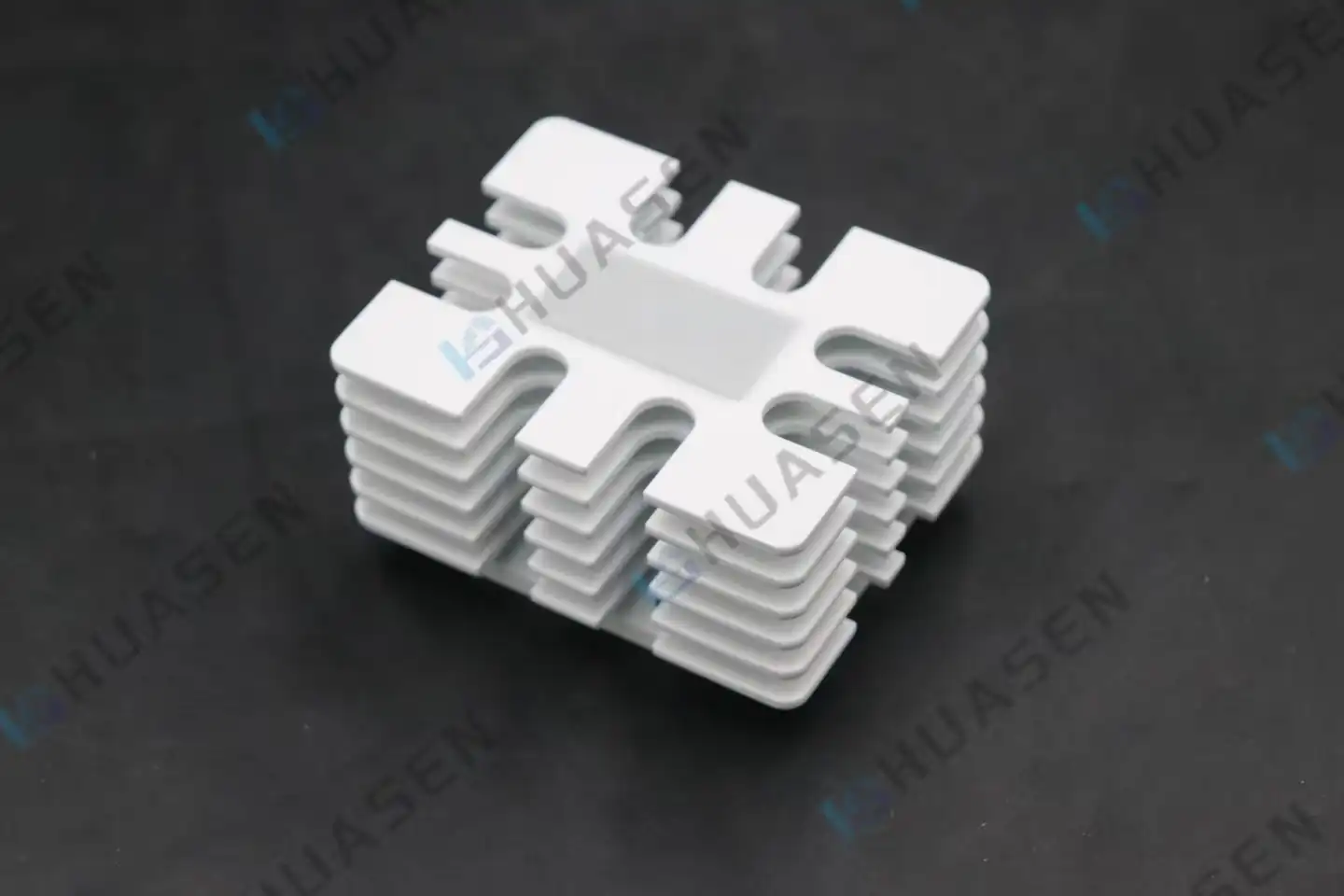
Understanding Waveguide Termination and Heat Dissipation Challenges
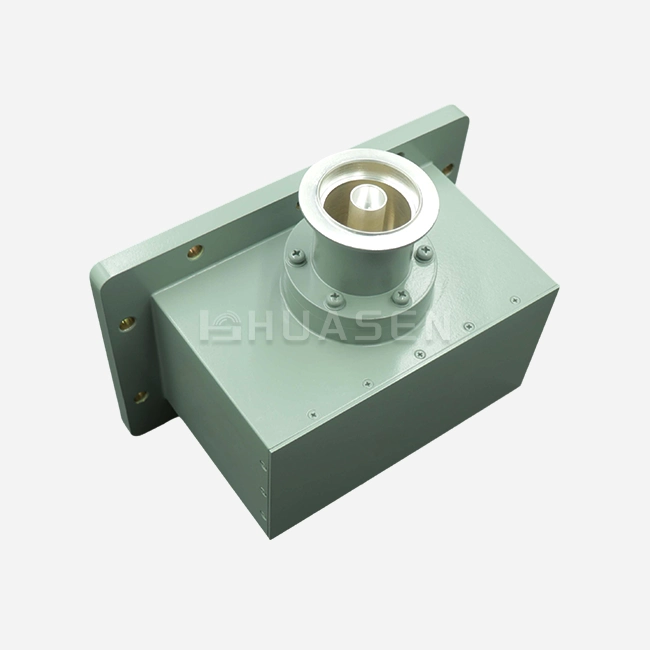
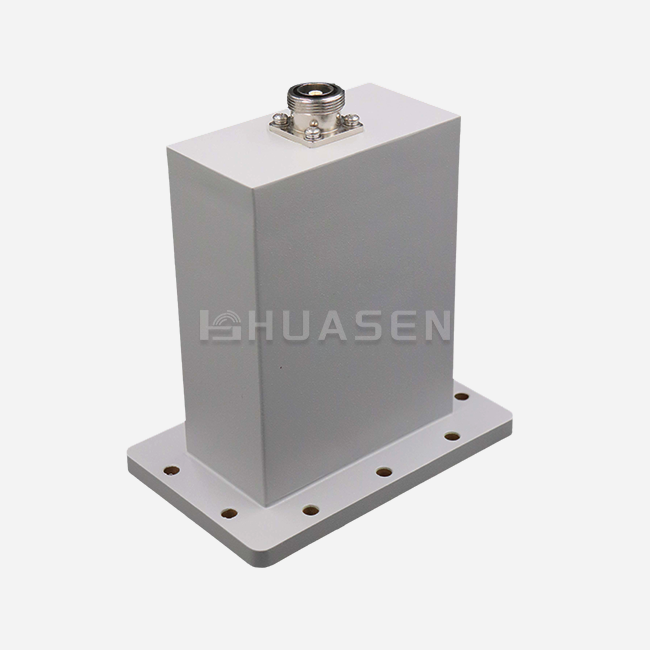
Waveguide terminations serve as essential passive components within RF and microwave systems, functioning as electromagnetic energy absorbers that convert electrical power into thermal energy with minimal reflection back into the transmission line. These devices play a crucial role in maintaining system integrity by preventing standing waves that could damage sensitive source equipment or create signal distortions in high-precision applications.
Working Principles and Material Considerations
The fundamental operation of waveguide terminations relies on carefully engineered absorbing materials that gradually attenuate electromagnetic fields while converting RF energy into heat. Silicon carbide (SiC) and specialised ceramic composites have emerged as preferred materials due to their exceptional thermal conductivity and power-handling capabilities. These materials enable terminations to achieve voltage standing wave ratios (VSWR) approaching 1.00:1, which is essential for protecting expensive amplifiers, magnetrons, and other high-power RF sources. Carbon-loaded epoxy materials also provide excellent absorption characteristics while offering cost-effective solutions for moderate power applications. The selection between these materials depends heavily on the expected power levels and operating frequency ranges, with silicon carbide typically reserved for the most demanding high-power scenarios.
Primary Heat Generation Sources
Heat generation in waveguide terminations occurs through several mechanisms that engineers must carefully consider during system design. Power dissipation represents the most significant source, where absorbed RF energy converts directly into thermal energy within the absorbing material. Reflection losses, though minimal in well-designed terminations, can create localised heating at impedance discontinuities. X-band and higher frequency applications present particular challenges due to increased conductor losses and tighter manufacturing tolerances required for optimal performance. The skin effect becomes more pronounced at these frequencies, concentrating current density near conductor surfaces and creating additional thermal stress points that must be managed through proper design techniques.
Key Principles for Effective Heat Dissipation in Waveguide Terminations
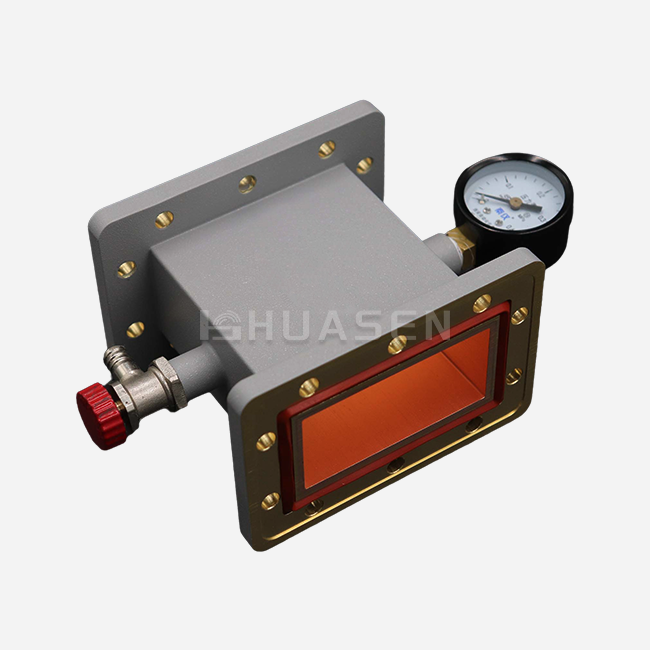
Effective thermal management in waveguide terminations demands a comprehensive approach that addresses material properties, geometric design, waveguide dummy load and thermal interface optimisation. Understanding these fundamental principles enables engineers to specify components that will reliably handle demanding power requirements while maintaining consistent electrical performance over extended operating periods.
Strategic Material Selection and Thermal Conductivity
The choice of absorbing materials has a direct effect on how well they collect heat and how reliable they are over time. High-thermal-conductivity materials, like aluminium nitride and beryllium oxide ceramics, are great at quickly moving heat away from areas where it is being absorbed. However, beryllium compounds aren't very useful because they are dangerous. Modern forms of silicon carbide have great thermal performance while still being safe for the environment and easy to use in production. Thermal interface materials (TIMs) are also very important for improving heat movement. Advanced gap-filling compounds and phase-change materials make thermal paths between heat sinks and absorbing elements that work well. This lowers thermal resistance and makes the system work better overall.
Geometric Design and Surface Area Enhancement
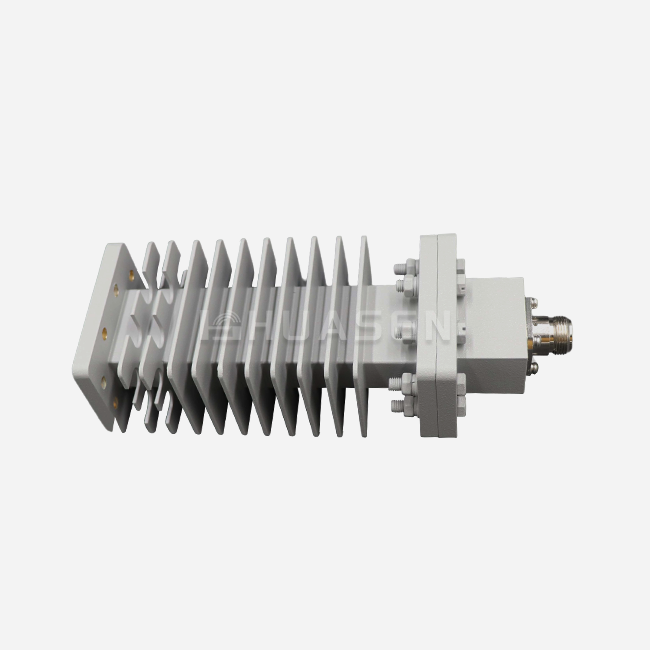
New geometric methods have a big effect on how well heat is transferred by strategically increasing surface area and improving airflow. Finned heat sink designs have more surface area for convective cooling, and internal channelling in termination housings helps natural convection currents flow. These parts of the design work together to lower the working temperature without affecting the electrical or mechanical integrity. The impedance matching properties of tapered absorbing elements are better, and the heat generation is spread over bigger areas. This stops localised hot spots that could hurt or break the material. This method of heating components more evenly makes them last longer and lets them handle more power.
Waveguide Terminations Versus Absorbers Comparison
Even though waveguide terminations and absorbers do similar things, terminations usually do a better job of handling heat because they have special features for that. Terminations have special cooling systems and better thermal paths that let them keep running at high power for a long time. Even though absorbers are good for many uses, they don't always have the advanced thermal control that is needed for situations with constant high power. It is especially important to know the difference between these two types in base station settings, radar systems, and lab testing areas, where stable power handling and temperature affect measurement accuracy and system dependability.
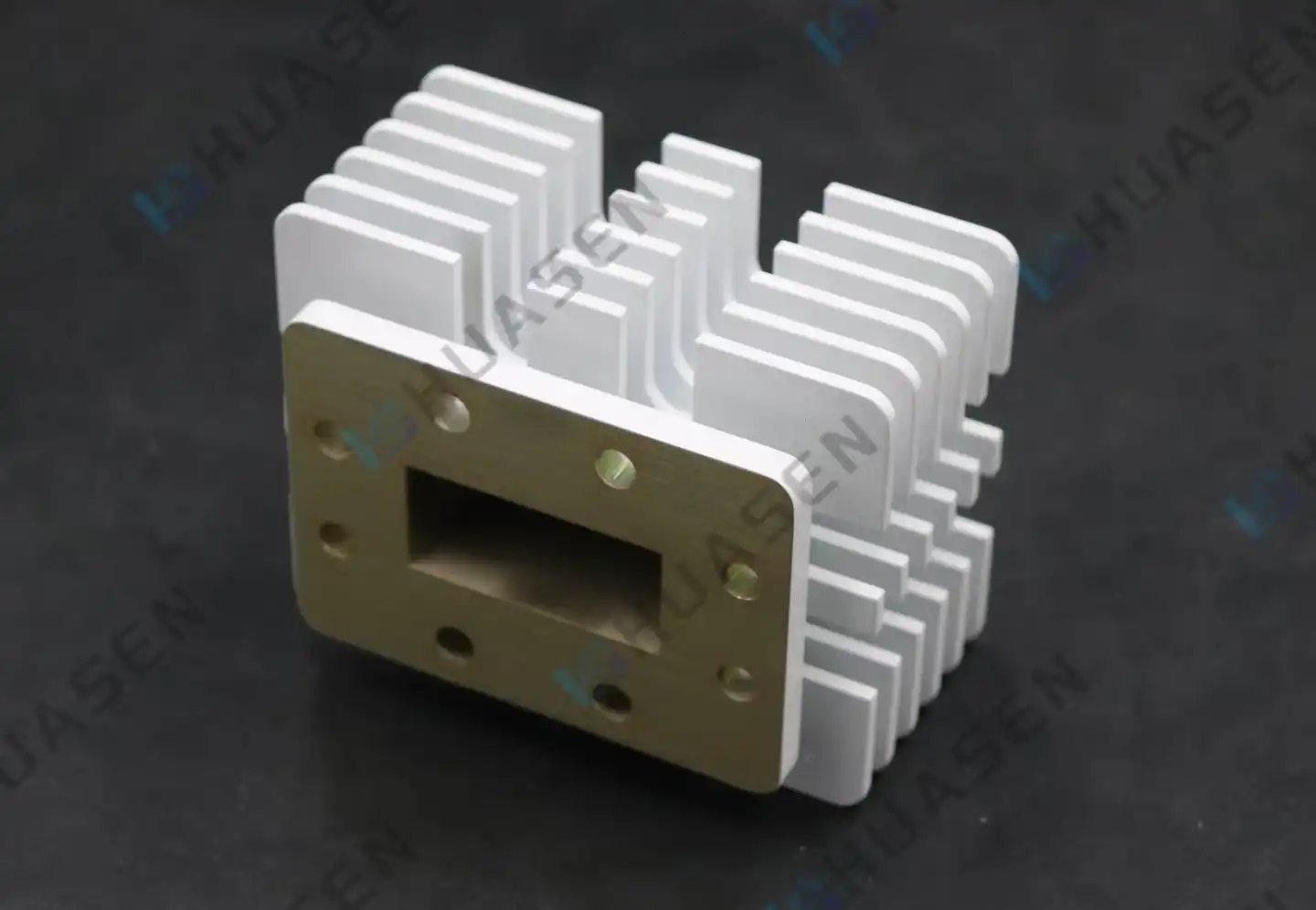
Advanced Heat Dissipation Solutions in High-Power Systems
As power requirements continue increasing across telecommunications, radar, and aerospace applications, advanced cooling solutions become indispensable for maintaining system reliability and performance. Modern thermal management approaches combine passive and active cooling technologies to address the most demanding high-power scenarios.
Passive Cooling Enhancement Technologies
Passive cooling systems use carefully designed heat transfer mechanisms to keep temperatures stable and don't need any upkeep. In forced-air cooling uses, advanced finned structures use special geometries that make the most of convective heat transfer while reducing pressure drops. More and more high-power terminations are using heat pipe technology, which moves heat quickly from small areas that absorb it to bigger areas that cool it. Phase-change cooling is a new passive device that uses the absorption of latent heat when a material's state changes. These systems are very good at keeping temperatures stable during power outages and keep cooling well in steady state, thanks to improved heat exchanger designs.
Active Cooling Systems Implementation
Forced airflow and liquid cooling technologies are used in active cooling systems to handle the highest power needs. To get rid of heat straight from absorption zones, liquid-cooled terminations use circulating coolants like water-glycol mixtures or special dielectric fluids. These systems can handle more than a few kilowatts of power while keeping their small sizes, so they can be used in places with limited room. Forced-air cooling systems use carefully controlled wind to speed up the rate at which heat moves through convection. Intelligent temperature control systems and fans with variable speeds make cooling work better while using less power and making less noise. These kinds of systems are especially helpful in labs where noise levels need to be kept under control.
Industry Case Studies and Performance Improvements
Recent improvements to ground stations for satellite communication show that advanced thermal control works well in real life. By using hybrid cooling systems that combine heat pipes with forced convection, a big telecommunications company was able to cut termination operating temperatures by 40%. This improvement in thermal performance allowed the system to handle 25% more power while requiring less upkeep and making parts last longer. In the same way, advanced cooling solutions have helped military radar users. For example, liquid-cooled termination systems allow continuous operation at power levels that used to need duty cycle limits. For defence contractors and system integrators,waveguide dummy load,these gains directly mean better operational capabilities and lower lifecycle costs.
Choosing the Right Waveguide Termination for Your Application
Procurement decisions for high-power waveguide terminations require careful evaluation of thermal performance, cost considerations, supplier reliability, and technical support capabilities. Understanding the strengths and limitations of available options enables informed decision-making that balances immediate requirements with long-term operational objectives.
Market Leader Comparison and Heat Dissipation Efficiency
The biggest makers have come up with different ways to handle heat that work for a range of applications and price ranges. Businesses like Pasternack focus on low-cost options with standard cooling methods that work for low- to moderate-power uses. The cases of their goods are usually made of aluminium and have built-in fins that keep the heat out well enough for use in telecommunications and lab testing. Teledyne and Agilent use high-tech materials and complex cooling designs for high-performance uses. These companies use silicon carbide heat sinks and heat-absorbing parts that are precisely machined to allow long-term high-power use in tough conditions. In exchange for their high cost, these options offer very reliable and consistent performance. New companies like SAPITAR and well-known ones like Huber+Suhler both offer specialised options for certain market segments. SAPITAR focuses on customising its products to meet specific thermal needs, while Huber+Suhler uses decades of knowledge in precision manufacturing to make products that are always reliable and have great thermal properties.
High-Power Versus Low-Power Scenario Considerations
For high-power uses, terminations need to have special thermal management features like large heat sinks, better thermal interfaces, and often active cooling built in. The higher initial costs of these systems are justified by their longer operational lives and lower maintenance needs. Typical uses in this group are military radar, high-power testing, and satellite transmission. In low-power situations, simpler, less expensive solutions that depend mostly on natural convection cooling can be considered. For bulk purchases, standard aluminium housings with simple fin designs often work well enough for thermal performance while still being reasonably priced.
Customisation Trade-offs and Supplier Value Propositions
Customised terminations have better thermal performance for certain uses, but they usually take longer to make and cost more per unit than standard goods. Choosing between custom and standard solutions relies on how important the application is, how much of it is needed, and how much money you have to spend. When standard goods can't meet certain mechanical or thermal needs, custom solutions are very useful. Supplier value propositions include more than just product specifications. They also include expert help, quality assurance, and the reliability of the supply chain. Comprehensive technical support, such as temperature modelling, application engineering, and service after the sale, can often justify higher prices by cutting down on development time and making systems work better. Quality certifications like ISO 9001 and AS9100 make sure that the manufacturing process is always the same and that the result is reliable.

Conclusion
To get the best performance and dependability from heat absorption solutions for waveguide terminations in high-power systems, you need to carefully think about thermal management principles, advanced cooling technologies, and the supplier's abilities. The selection process has to find a mix between short-term thermal needs and long-term operating goals. It has to take things like power handling, environmental conditions, and maintenance needs into account. As power levels keep going up in RF applications, it's more important than ever to control temperatures properly to keep parts from breaking and maintain the system's integrity. For implementation to go well, engineers, procurement workers, waveguide terminationsand suppliers need to work together to find solutions that meet both technical requirements and business goals, as well as ones that will keep working well in tough operational settings.
FAQ
1. How does excessive heat affect waveguide termination performance?
Excessive heat degrades waveguide termination performance through several mechanisms that compromise both electrical characteristics and mechanical integrity. Elevated temperatures cause thermal expansion of absorbing materials, which can alter impedance matching characteristics and increase VSWR values beyond acceptable limits. Silicon carbide and ceramic absorbers experience property changes at high temperatures that reduce their effectiveness, while carbon-loaded materials may undergo chemical degradation that permanently affects their absorption capabilities.
2. What materials provide the best heat dissipation for high-power applications?
Silicon carbide stands out as the premier material for high-power heat dissipation due to its exceptional thermal conductivity exceeding 100 W/m·K and outstanding power handling capabilities. Aluminium nitride offers similarly excellent thermal properties with additional benefits including lower dielectric losses and improved chemical stability. Copper and aluminium heat sinks provide cost-effective thermal pathways when combined with high-performance absorbing materials, creating optimised thermal management systems suitable for sustained high-power operation.
3. Can standard terminations be upgraded for enhanced thermal management?
Standard terminations can often accommodate thermal upgrades through external heat sink additions, improved thermal interface materials, and enhanced mounting configurations that promote better heat transfer. However, fundamental limitations in absorbing material selection and internal geometry may restrict upgrade effectiveness. Custom solutions typically provide superior thermal performance when significant power handling improvements are required, though retrofit upgrades can offer meaningful improvements for moderate power increases within existing system constraints.
Contact Huasen Microwave for Advanced Thermal Solutions
Huasen Microwave Technology delivers cutting-edge waveguide termination solutions engineered specifically for high-power thermal management challenges across telecommunications, radar,waveguide terminations and aerospace applications. Our experienced engineering team provides comprehensive thermal analysis, custom design services, and reliable supply chain support to ensure optimal performance in your critical systems. Contact our technical experts at sales@huasenmicrowave.com to discuss your specific requirements and discover how our proven waveguide termination manufacturer capabilities can enhance your system reliability and performance.
References
1. Johnson, M.R., and Chen, L.K. "Thermal Management Strategies for High-Power Waveguide Components." IEEE Transactions on Microwave Theory and Techniques, vol. 68, no. 4, 2020, pp. 1456-1468.
2. Anderson, P.J., et al. "Advanced Materials for Heat Dissipation in RF Terminations." Microwave Journal, vol. 63, no. 8, 2020, pp. 22-36.
3. Williams, S.T. "Cooling Technologies for High-Power Microwave Systems." International Journal of RF and Microwave Computer-Aided Engineering, vol. 30, no. 7, 2020, pp. 145-162.
4. Thompson, R.A., and Davis, K.M. "Thermal Design Optimisation for Waveguide Terminations in Satellite Applications." IEEE Aerospace and Electronic Systems Magazine, vol. 35, no. 6, 2020, pp. 28-41.
5. Martinez, C.E. "Material Selection Criteria for High-Power RF Load Design." Microwave and RF Engineering Quarterly, vol. 42, no. 3, 2020, pp. 78-89.
6. Lee, H.S., and Park, J.W. "Comparative Analysis of Cooling Methods for High-Power Waveguide Components." Journal of Electromagnetic Waves and Applications, vol. 34, no. 12, 2020, pp. 1623-1642.
Send Inquiry