
Home / Blog
Blog
0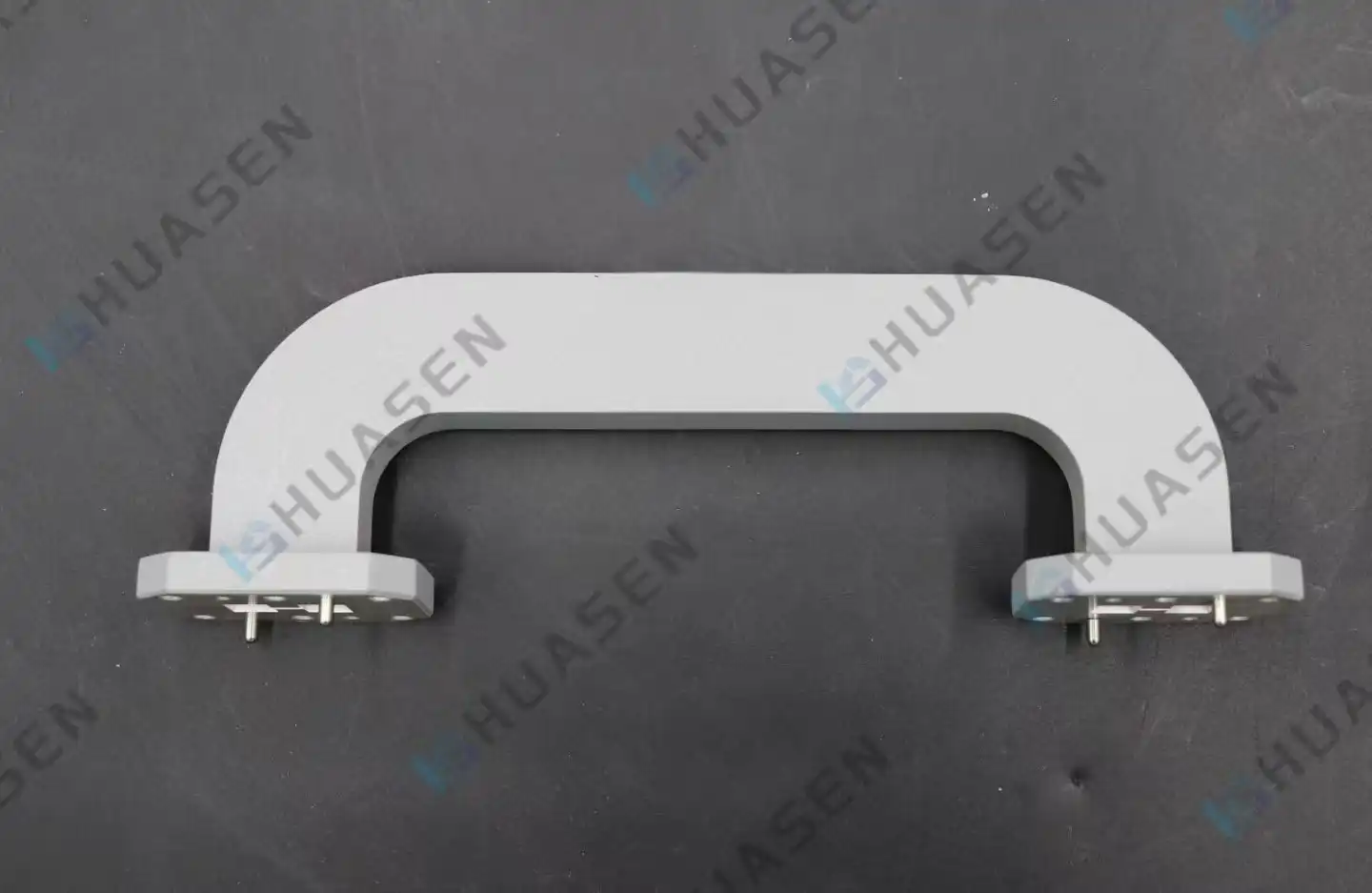
Custom Double Ridged Waveguide Bend Guide
Advanced RF and microwave systems require specific components to route electromagnetic signals around tight corners without decreasing performance. A double-ridged waveguide bend is essential here. In a double-ridged waveguide construction, this precision-engineered component modifies electromagnetic wave propagation while preserving ultra-wide bandwidth and low signal distortion. The internal ridges capacitively load the guide, lowering the cutoff frequency and enabling multi-octave coverage—often spanning frequency ratios of 3:1 or greater—essential for modern 5G infrastructure, satellite communications, and electronic warfare systems where a single hardware assembly must efficiently handle diverse frequency allocations.VIEW MORE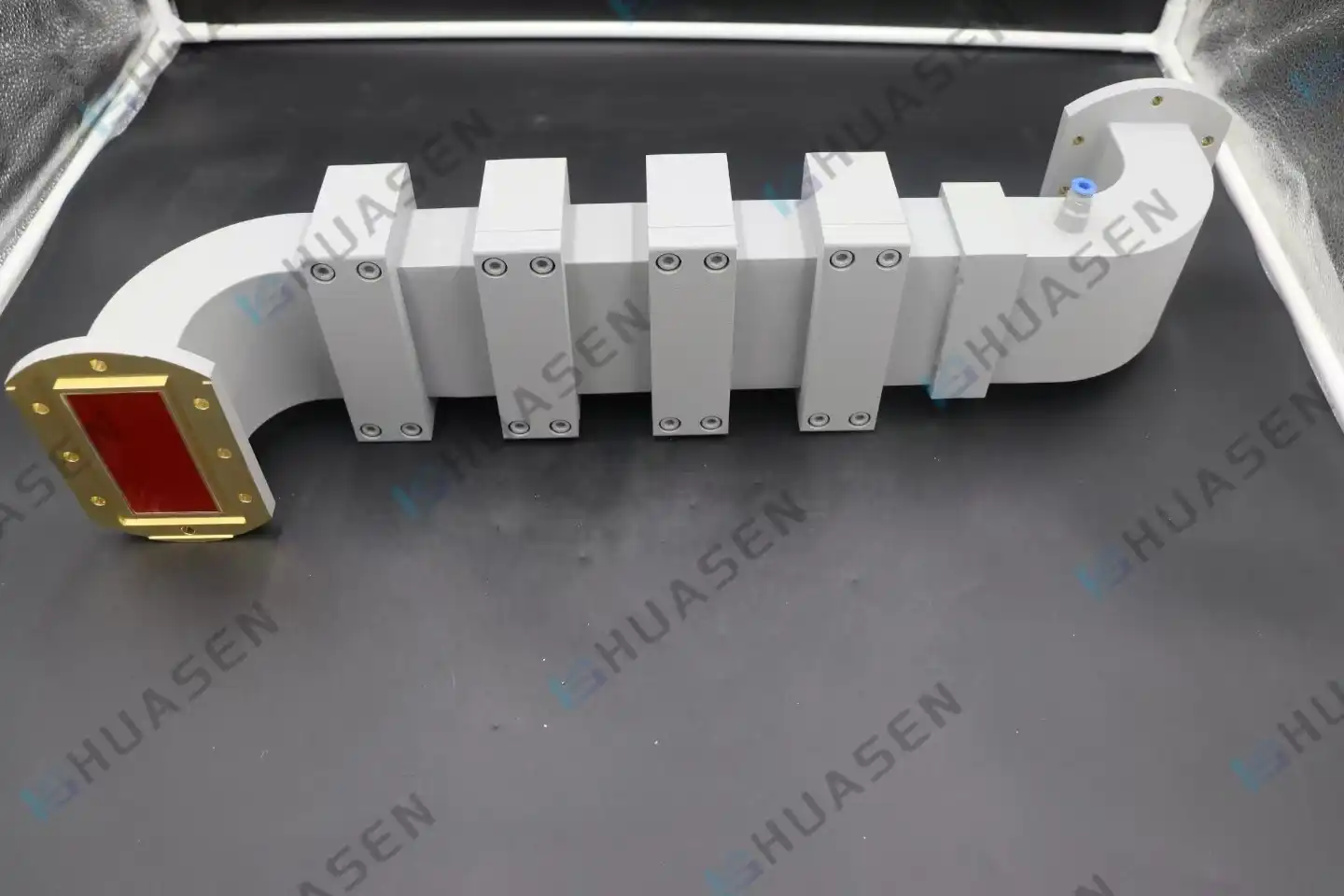
Inflatable Waveguide Bend for Rapid Installation
Inflatable waveguide bends are essential for efficient, high-quality telecommunications infrastructure installations. By injecting dry nitrogen or dehydrated air at 5–30 PSI, this pressurisable microwave component joins stiff waveguide sections while retaining hermetic integrity. The pressure-tight designs avoid moisture infiltration, internal arcing in high-power RF applications, and mechanical vibration between transmitters and antenna feeds, unlike ordinary flexible waveguides. Huasen Microwave has seen how these revolutionary components save installation time by up to 40% compared to rigid alternatives, lowering labour costs and speeding up project schedules for system integrators and equipment manufacturers.VIEW MORE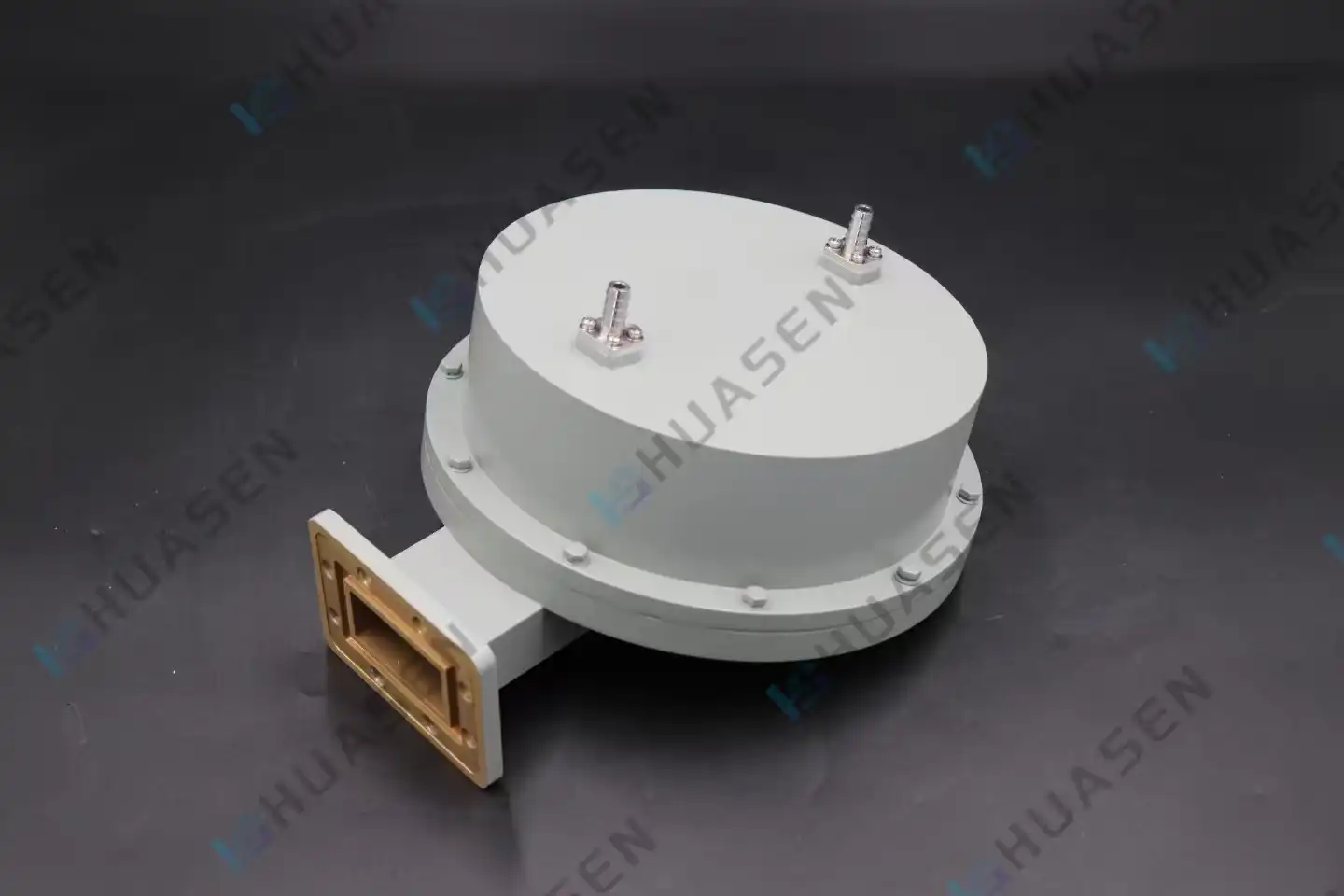
Maintaining Water Cooled Load for Long Service Life
Water-cooled load maintenance is crucial for high-power RF and radio system reliability and longevity. These well-designed termination devices convert RF energy into heat, which must be swiftly removed by moving cooling. Regular maintenance maintains temperatures, prevents costly equipment failures, and maximises investment. This tutorial discusses strategies to extend the life of telephones, radar, and industrial microwaves while satisfying their demands.VIEW MORE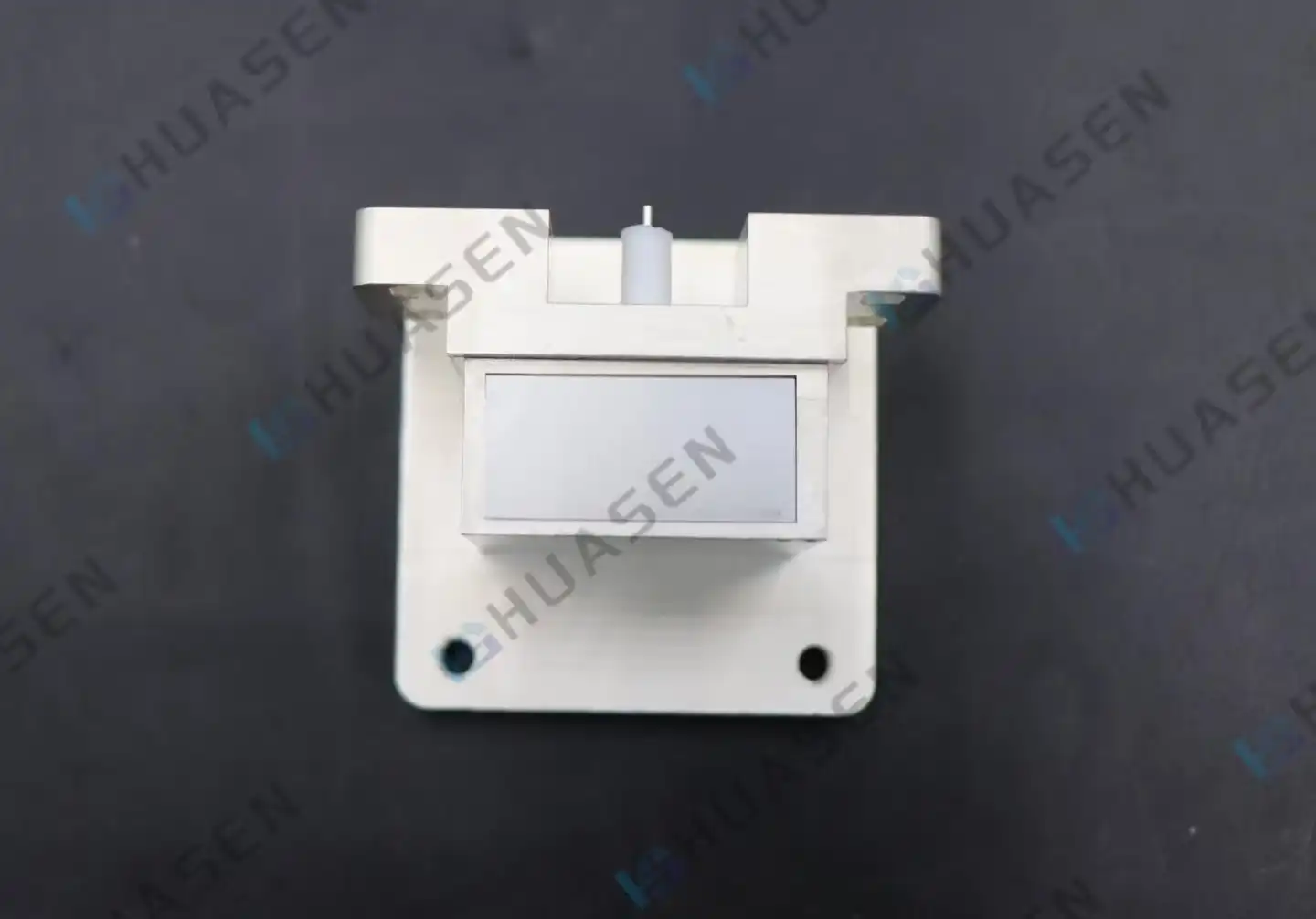
Choosing Waveguide to Microstrip Transition for mmWave
Many technical and practical factors need to be carefully considered when choosing the right Waveguide to Microstrip Transition for millimetre-wave uses. These link parts are very important for connecting high-power waveguide systems to small planar circuits. They make it possible for signals to be sent quickly and efficiently across a wide range of frequencies, from Ku-band for satellite packages to W-band for car radar. Not only does the decision affect signal integrity and bandwidth coverage, but it also affects the dependability of the system, the cost of making it, and the upkeep it needs over time. If you understand the basic design factors like impedance matching accuracy, material properties, mechanical tolerance, and weather longevity, you can be sure that your mmWave infrastructure meets strict performance standards and stays cost-effective and scalable for large-scale operations.VIEW MORE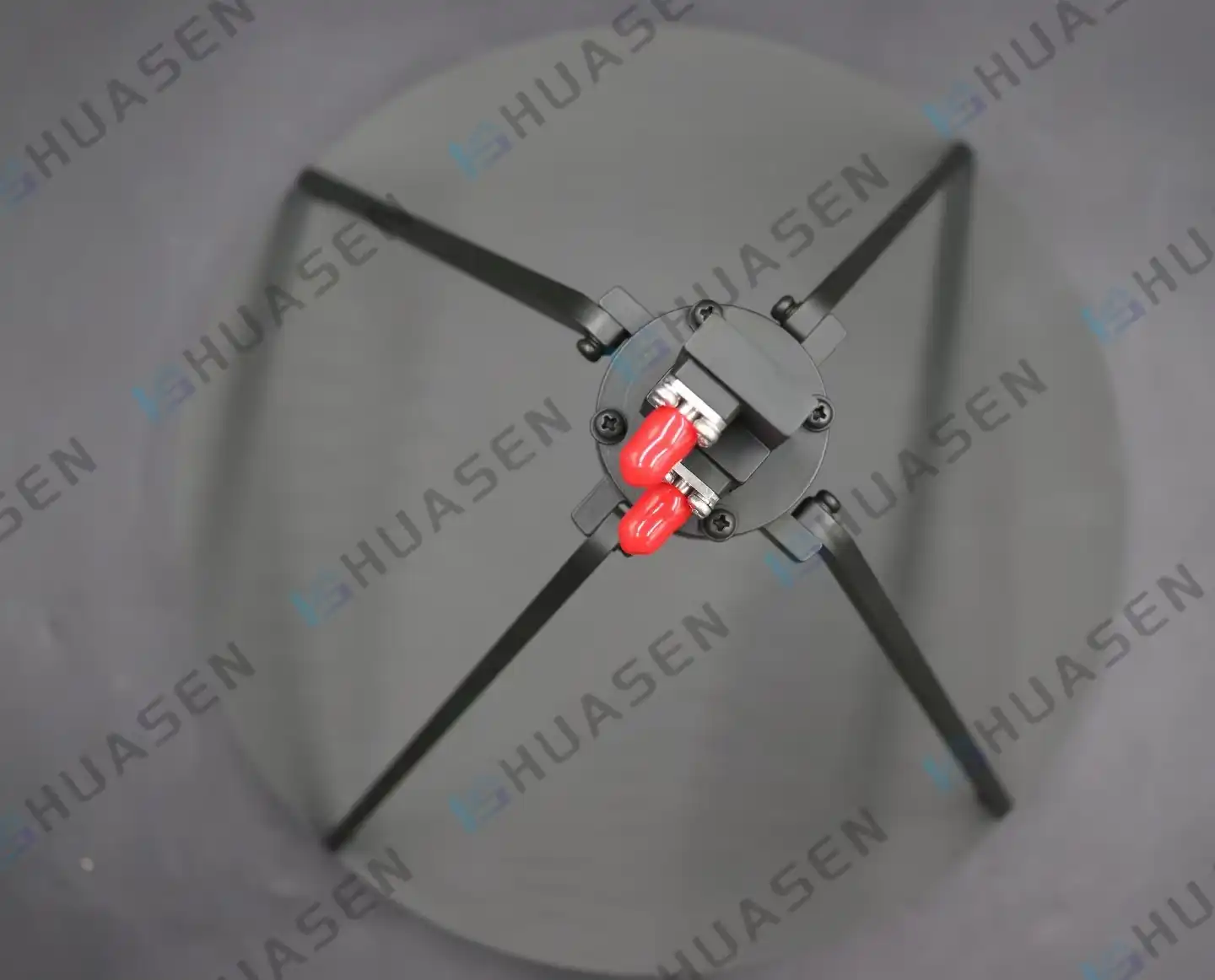
Parabolic Antenna Material and Weather Resistance Features
Due to its strength and directionality, the Parabolic Antenna is the optimum antenna for radar systems, 5G backup networks, and satellite communications. The materials used to create an antenna and its weather resistance determine its durability. Huasen Microwave has designed parabolic reflector antennas for 30 years that can withstand tough situations and maintain signal strength. When procurement personnel grasp these technical variables, they may make smarter decisions that minimise the total cost of ownership and ensure mission-critical dependability in various deployments.VIEW MORE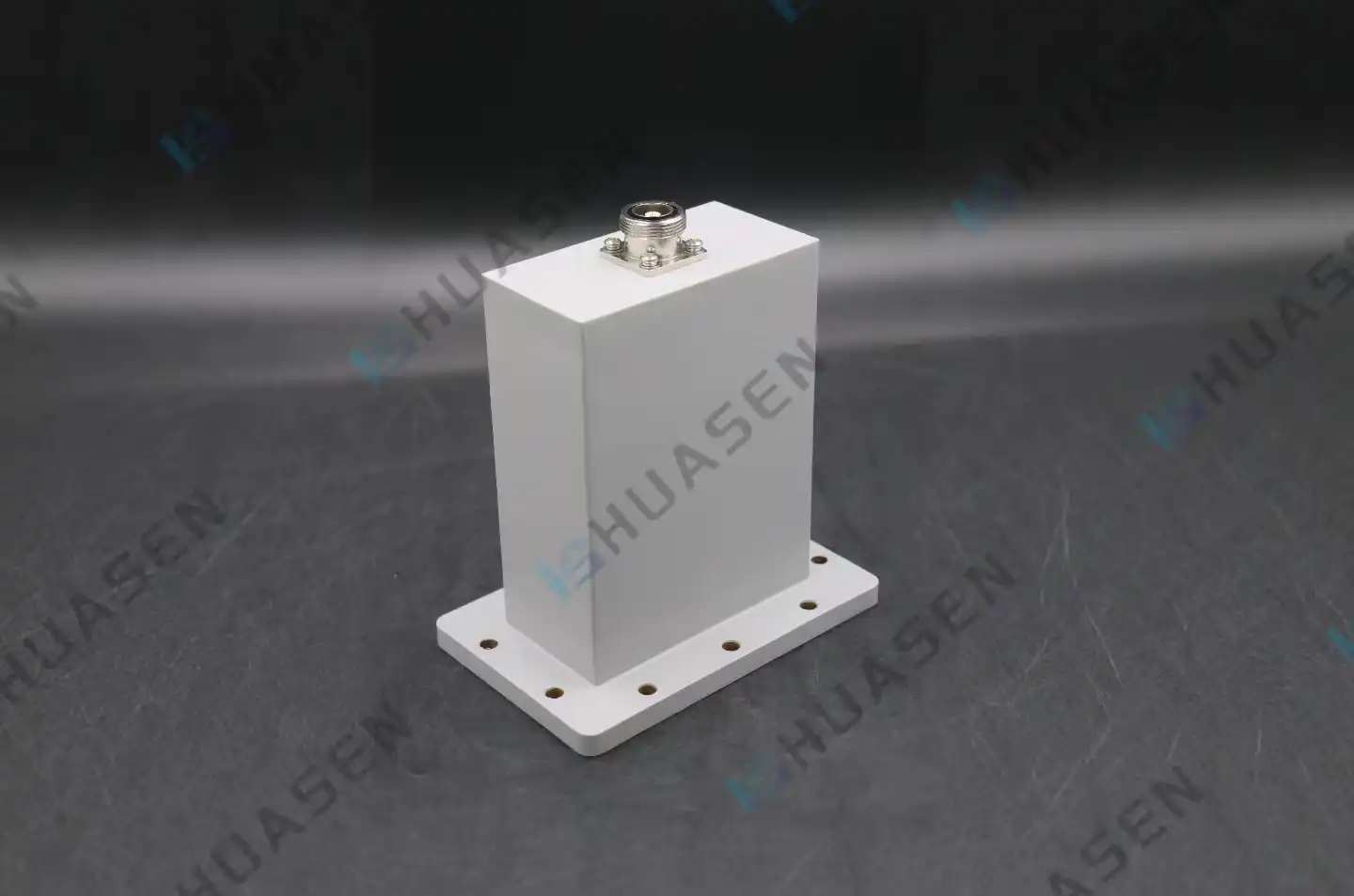
Performance Limits of End Launch Waveguide to Coaxial Adapter
It is very important to know the performance limits of transition components when building high-frequency RF systems. The End Launch Waveguide to Coaxial Adapter changes electromagnetic energy from TE10 mode to TEM mode at the point where rectangular waveguide transmission lines meet coaxial systems. There are basic physical limits that set performance limits. These limits include impedance mismatch at the transition point, material conductivity losses, and geometric gaps that cause echoes. Typical limitations include insertion loss that can be anywhere from 0.2 dB to 0.8 dB, depending on frequency, VSWR performance getting worse near band ends, and power handling limits that are set by the coaxial connection rather than the waveguide's capacity. The behavior of these adapters changes with frequency, with higher millimeter-wave bands losing more signal because of skin depth and surface roughness effects.VIEW MORE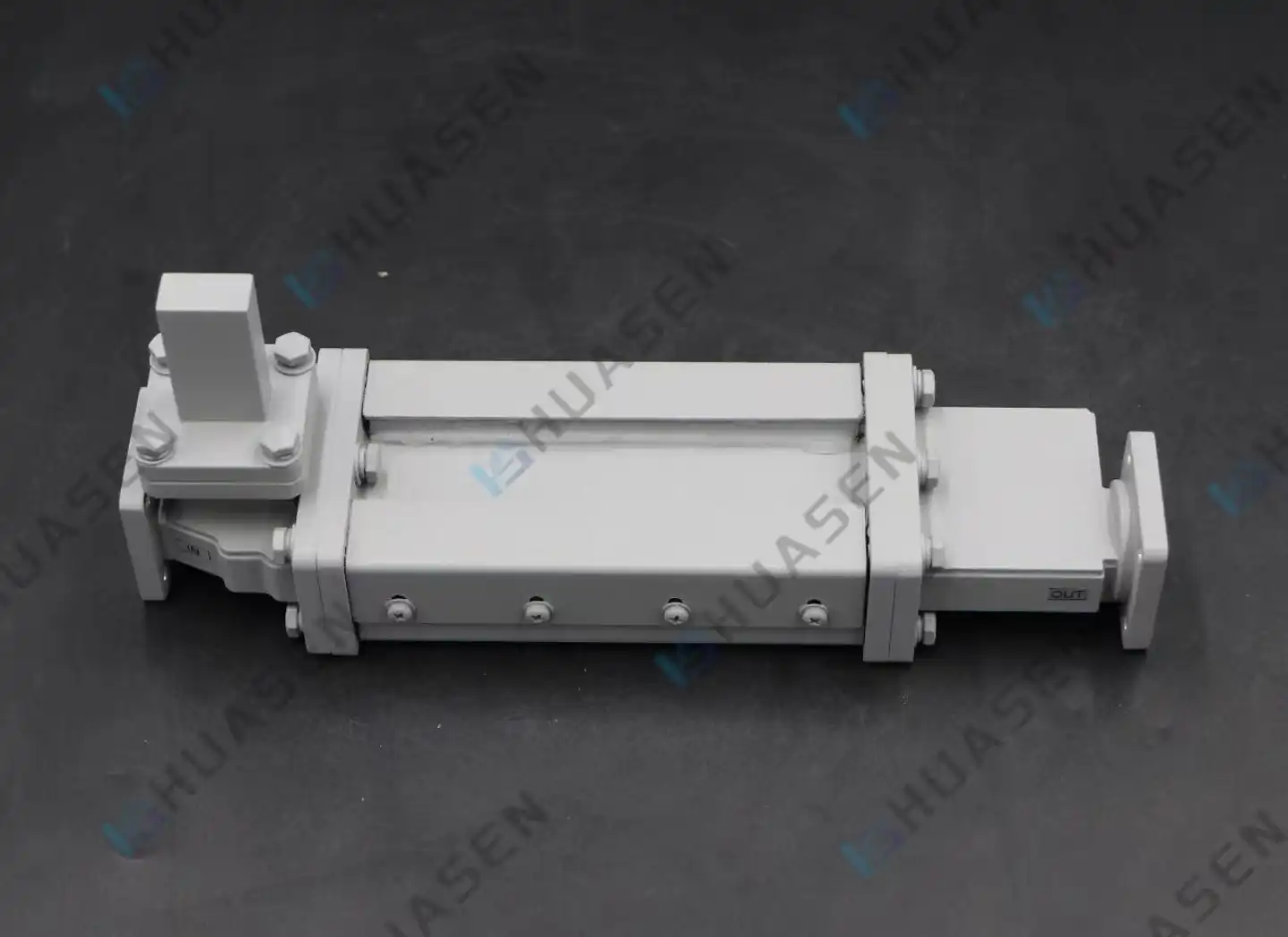
High Power Differential Phase Shift Isolator Explained
Normal junction isolators can't handle the heat and electricity stress of protecting megawatt-level microwave sources from damaging echoes. There is a special non-reciprocal device called a High Power Waveguide Differential Phase Shift Isolator that is used to protect klystrons, magnetrons, and solid-state power amplifiers in radar, particle accelerators, and industrial heating systems. This device has a dual-mode design with 3dB hybrid couplers and longitudinally magnetized ferrite bars. It spreads RF energy absorption over larger surface areas and sends reflected power to external high-capacity loads instead of back to weak sources.VIEW MORE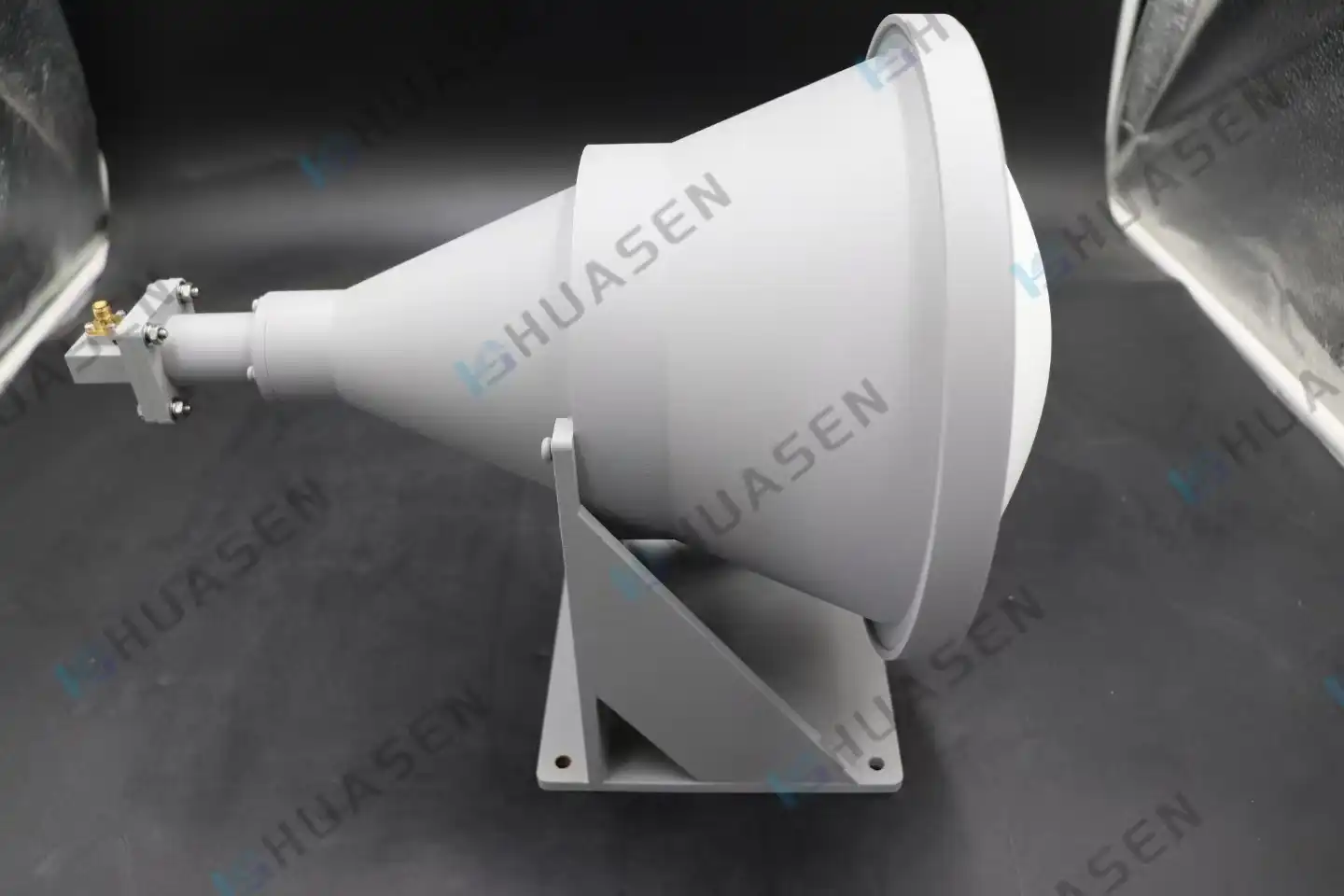
Lens Horn Antenna Performance Factors to Evaluate
Procurement professionals must evaluate Lens Horn Antenna performance based on a few important parameters that affect system efficiency and ROI. A Lens Horn Antenna flattens spherical wavefronts using a dielectric lens and horn construction. The antenna becomes straighter and shorter. When choosing an antenna, gain efficiency, sidelobe suppression, return loss, polarisation purity, and environmental resilience are key factors. All of these aspects affect the antenna's ability to fulfil demanding 5G backhaul, satellite communications, radar systems, and RF testing criteria for accuracy and reliability.VIEW MORE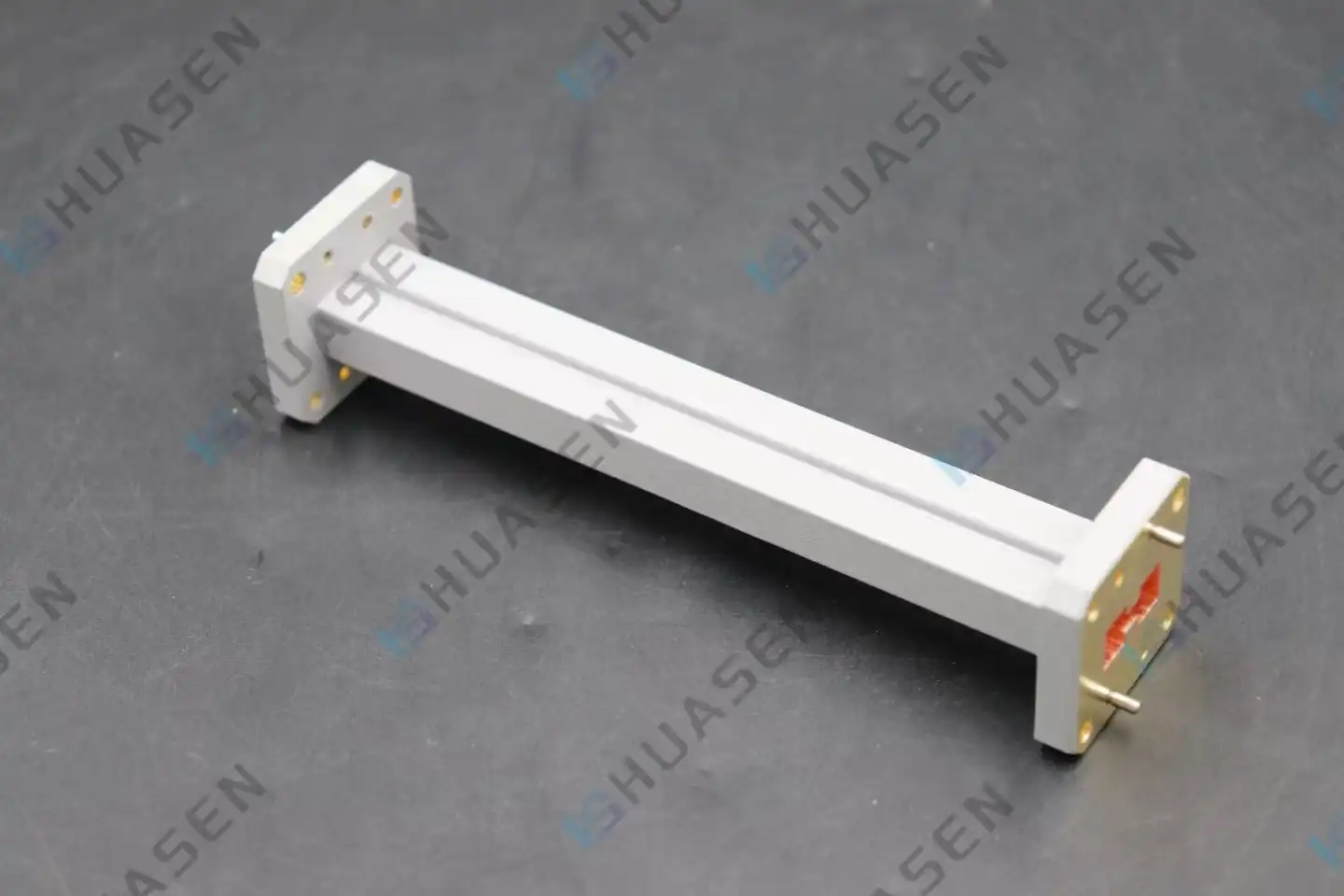
Designing with Double Ridged Straight Waveguide
When using Double Ridged Straight Waveguide technology in design, you have to find a balance between electromagnetic performance and mechanical usability. Engineers have to think about how to best use bandwidth, keep temperatures under control, and make sure that these parts work with other parts when they put them together in broad systems like radar feeds and electronic warfare platforms. The Double Ridged Straight Waveguide structure changes the field distribution to cover multiple octaves while keeping low reflection coefficients. This makes it essential in situations where frequency flexibility and a small size are required.VIEW MORE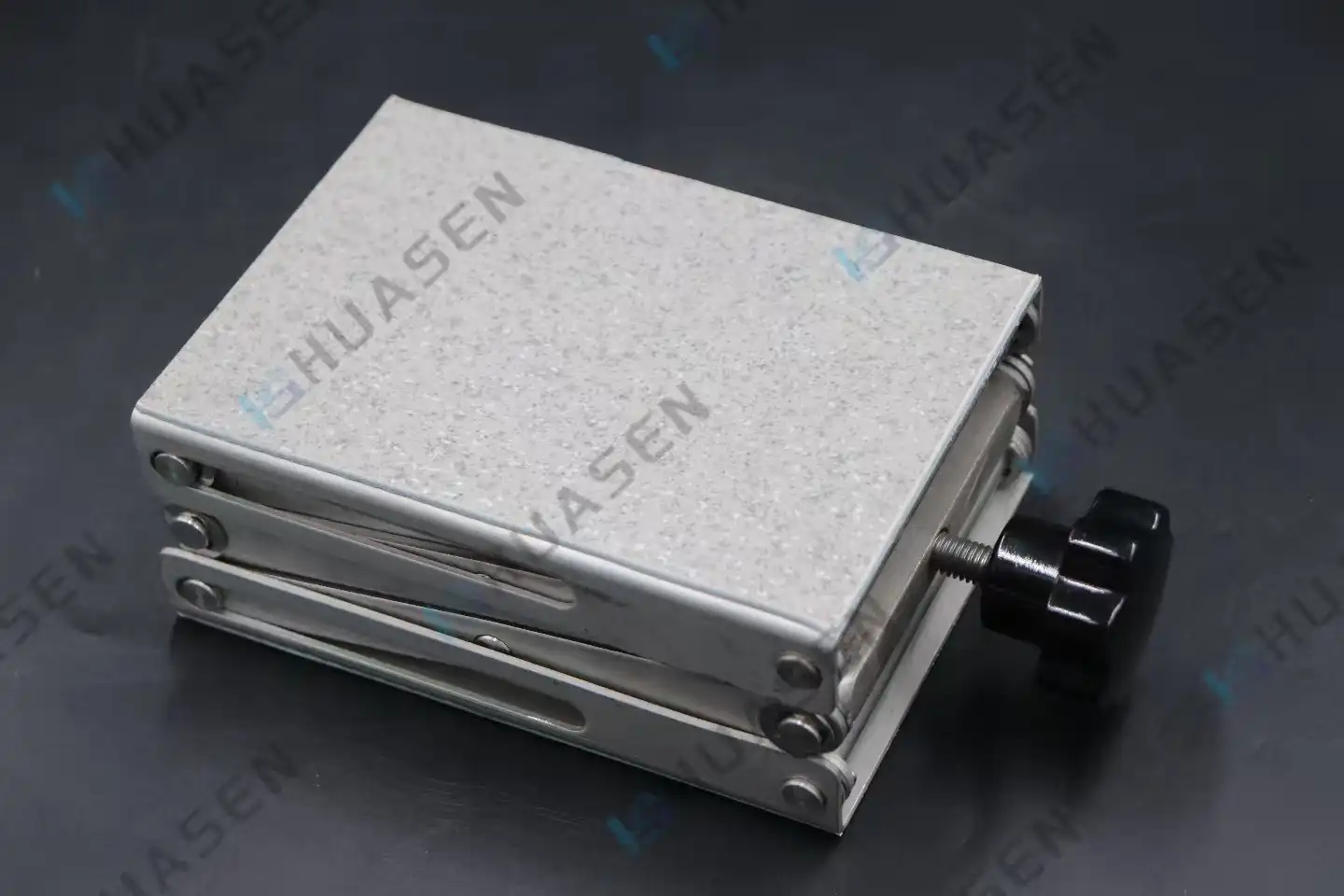
Waveguide Elevating Platform in Radar Sites
As a precise mechanical positioning device, a Waveguide Elevating Platform is used to move and level radar waveguide parts in radar sites. With accuracy of less than a millimetre, these platforms allow microwave transmission lines, antenna systems, and RF front-end modules to move vertically under control. In radar site uses, they solve the very important problem of keeping phase stability and mechanical alignment while placing equipment, which is something that regular lifting equipment can't always do. Because they are made to military standards and can precisely control slope, they are essential for keeping radar communication chains' signals intact.VIEW MORE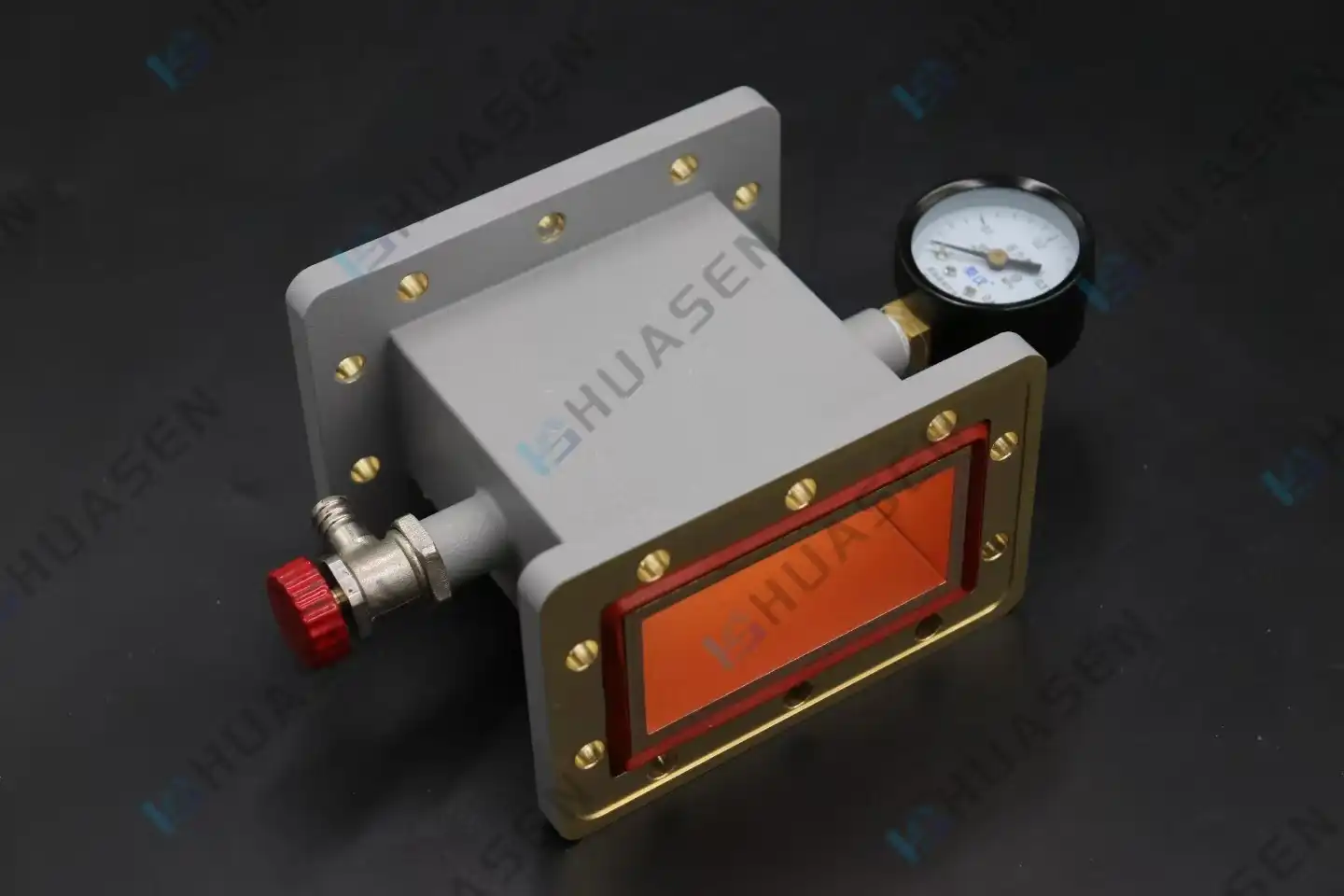
Inflatable Straight Waveguide in Field Operations
Inflatable Straight Waveguides revolutionise tactical communication systems that need to be put up fast without RF loss. Special gearbox architectures maintain cross-sectional geometry with air pressure. They direct electromagnetic waves efficiently and take up less space than rigid waveguides. This method overcomes the "Logistical-Electromagnetic Paradox" using superior metallised materials and inflatable design. It provides broadcast-grade signal integrity in lightweight units that one person can transport and put up in minutes over rugged terrain.VIEW MORE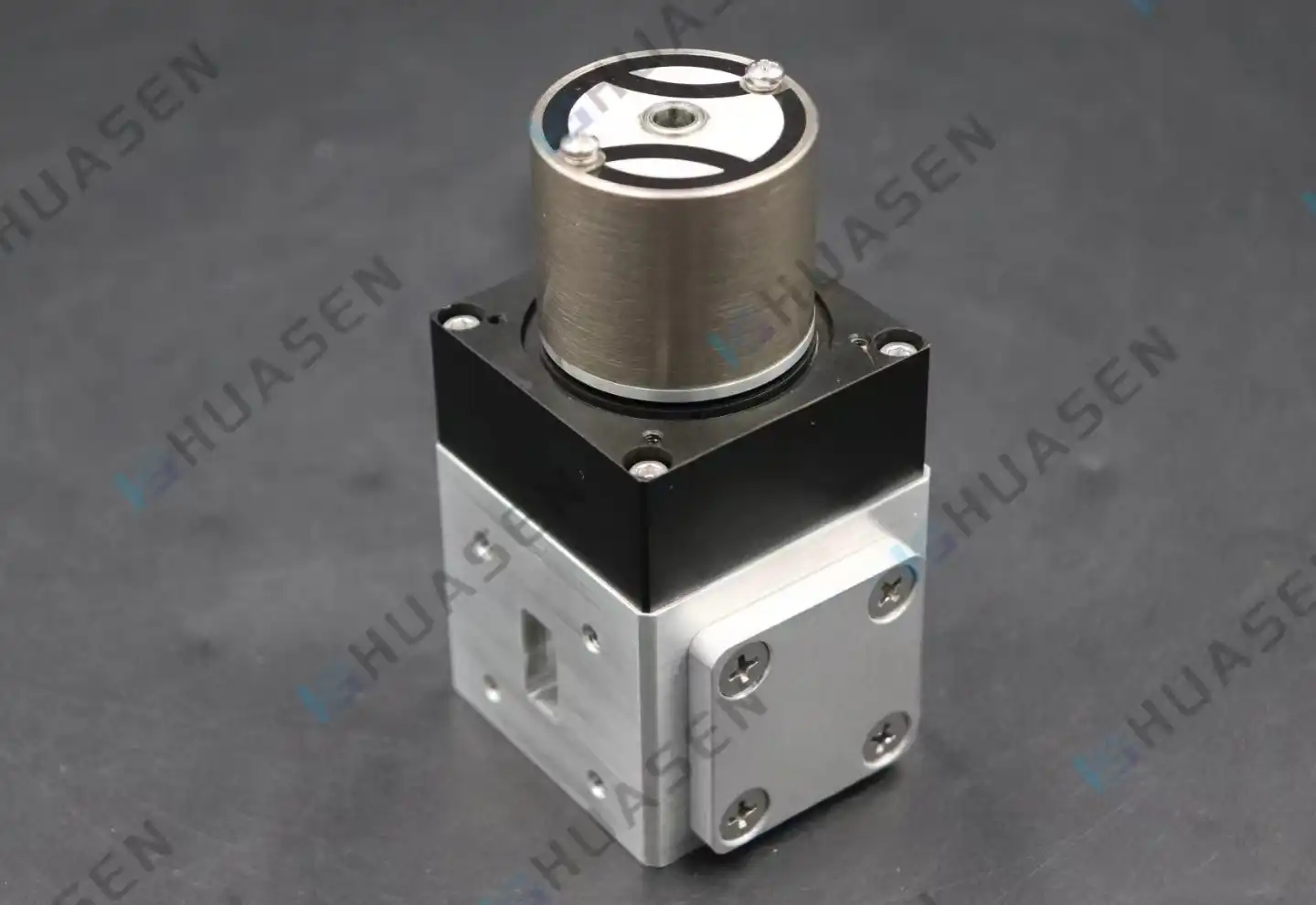
Manual Waveguide Switch Integration Guide
To get the best performance out of Manual Waveguide Switches in RF and microwave systems, they need to be carefully planned out. A Manual Waveguide Switch is a precise electromechanical part that moves electromagnetic data between waveguide ports without the need for external power or complicated control circuits. This is done by hand by the user. These devices work great in high-power situations where dependability, signal purity, and fail-safe operation are very important. Knowing the right way to integrate things, like how to line the flanges and how much force to use, has a direct effect on insertion loss, isolation performance, and long-term durability. This guide shows you how to choose the right products, how to install them correctly, and how to fix problems so that they work perfectly in radar systems, test labs, satellite earth stations, and internet infrastructure.VIEW MORE
- 1
- 18
- 19
- 20
- 21
- 22
- 60
Total 60 pages
