Custom Double Ridged Waveguide Bend Guide






2026-05-20 21:46:46
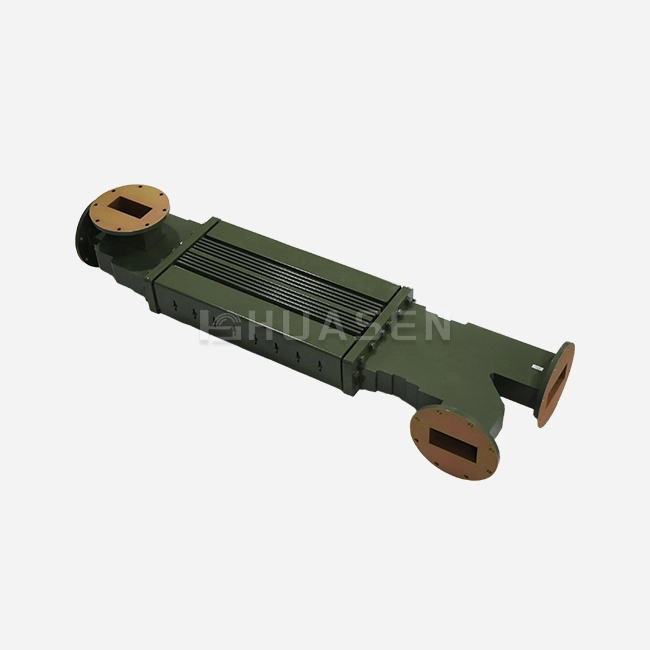
Advanced RF and microwave systems require specific components to route electromagnetic signals around tight corners without decreasing performance. A double-ridged waveguide bend is essential here. In a double-ridged waveguide construction, this precision-engineered component modifies electromagnetic wave propagation while preserving ultra-wide bandwidth and low signal distortion. The internal ridges capacitively load the guide, lowering the cutoff frequency and enabling multi-octave coverage—often spanning frequency ratios of 3:1 or greater—essential for modern 5G infrastructure, satellite communications, and electronic warfare systems where a single hardware assembly must efficiently handle diverse frequency allocations.
Understanding Double Ridged Waveguide Bends
Structure and Working Principles
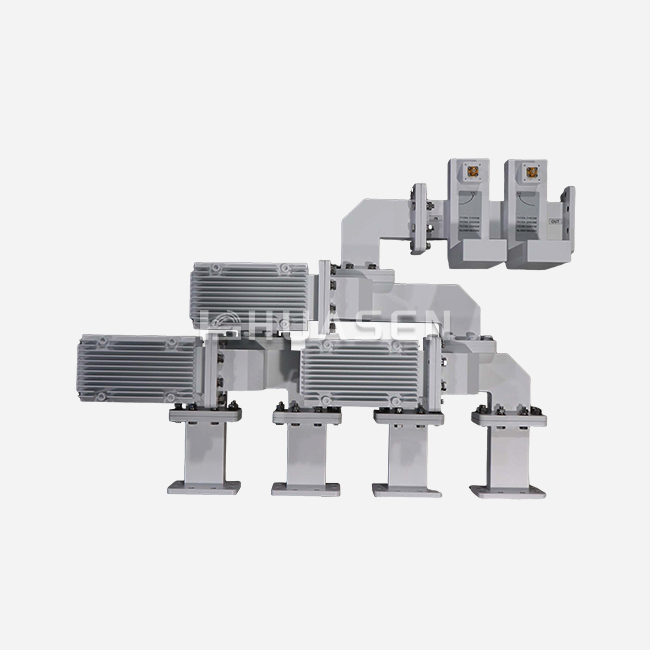
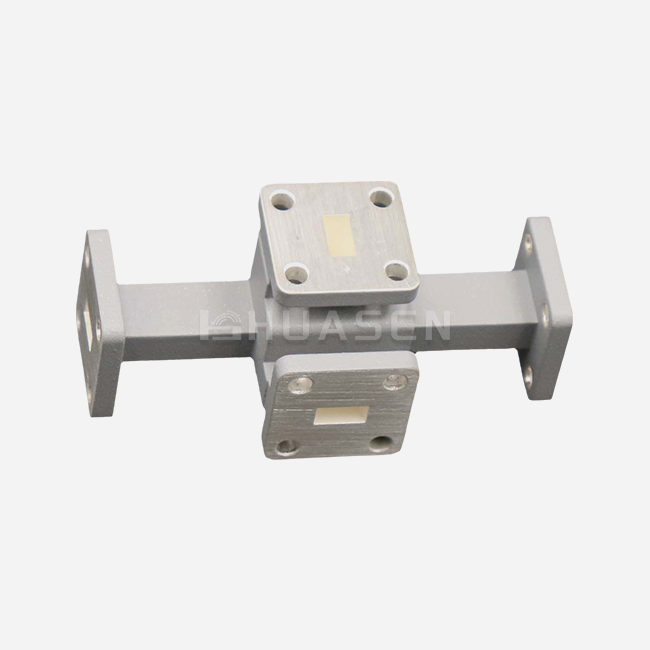
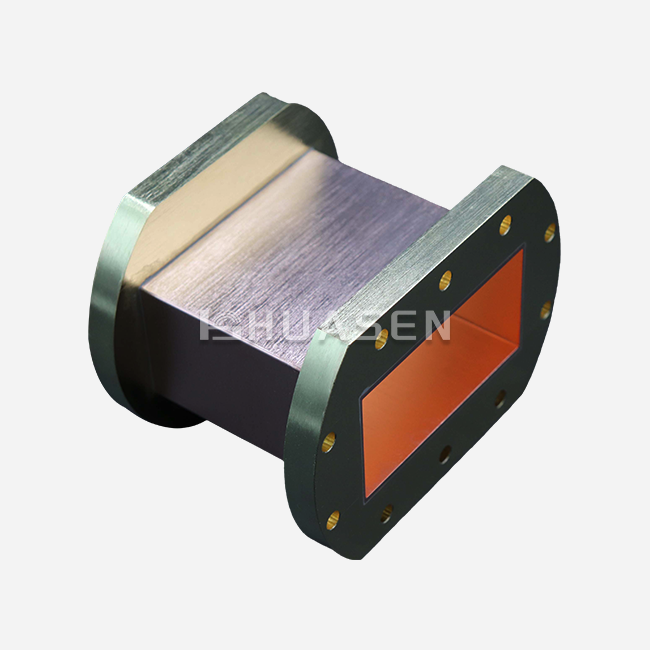
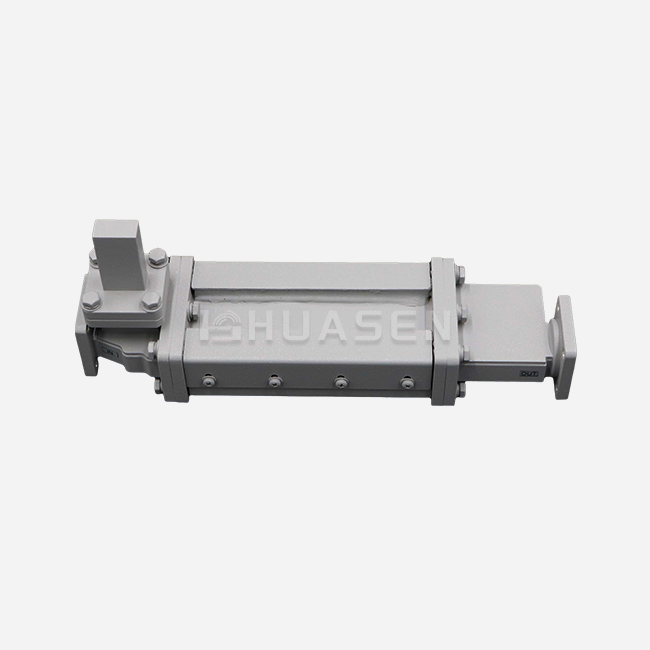
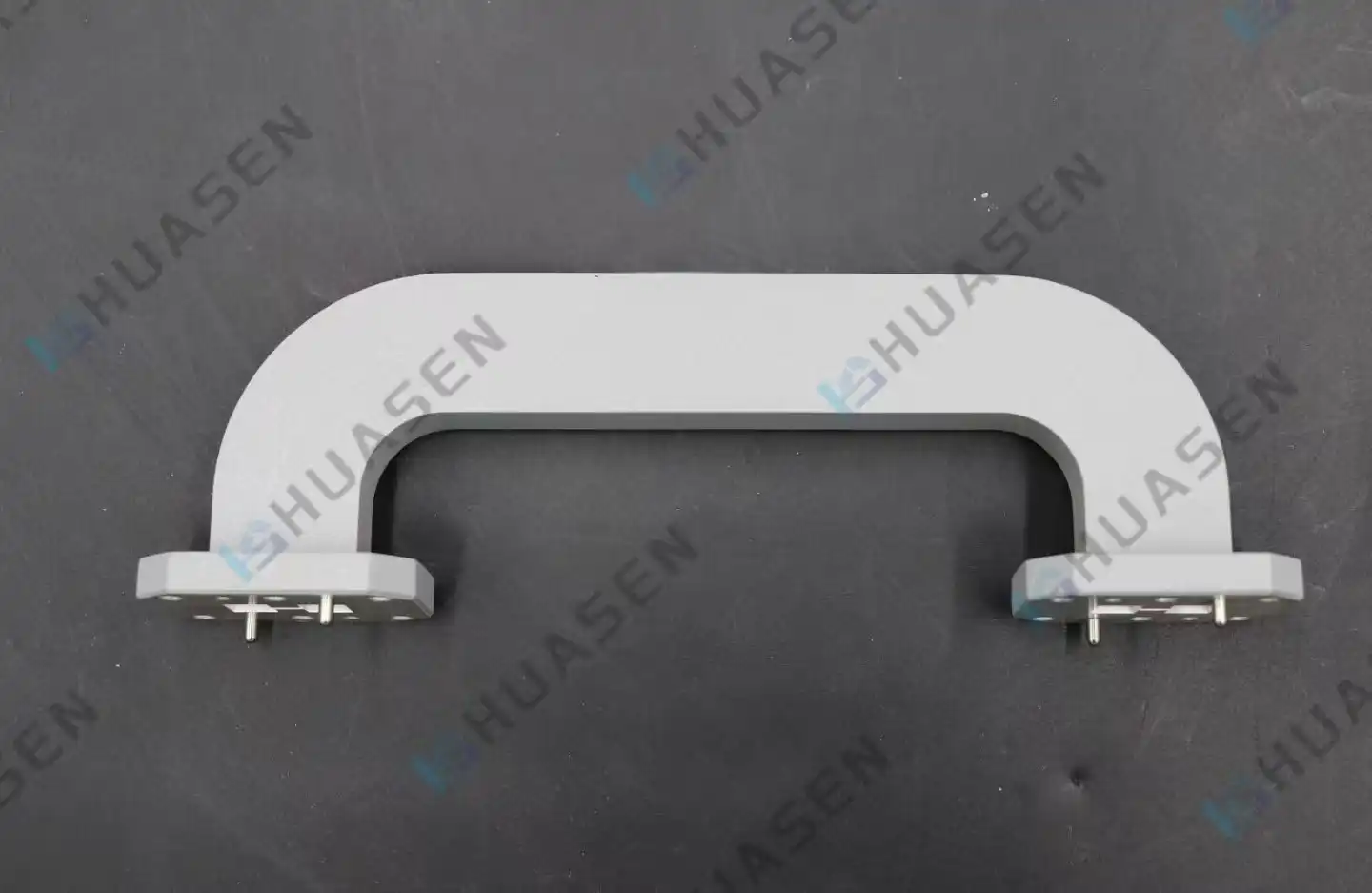
Double-ridged waveguide bends have two metallic ridges machined along the wide walls of a rectangular waveguide profile. These ridges change the electric field distribution and lower the dominant mode cutoff frequency, unlike rectangular guides that support narrow bandwidths. The bend geometry uses sweeping radii or mitred corners to maintain characteristic impedance as the waveguide turns 90° or 45°. This architecture eliminates signal distortion and power loss from reflections and higher-order mode excitation.
The bends are available in two primary orientations: E-plane bends (DRWEB), where the bend occurs along the direction of the electric field, and H-plane bends (DRWHB), where the turn follows the magnetic field orientation. Each configuration accommodates varied system designs and geographical restrictions, allowing installation flexibility.
Unique Advantages and Technical Specifications
Broadband performance is very appealing. Custom bends cover 0.84–40 GHz communication bands and eliminate hardware changes during testing and deployment. These capabilities simplify inventory management and lower the total cost of ownership, a major issue for big system integrators and equipment manufacturers.
Another important skill is power management. These components operate without failure at high peak power levels in radar pulses and base station transmitter applications. The VSWR criterion (≤1.25 throughout most bands and ≤1.3 at higher frequencies) guarantees good impedance matching and insertion loss < 0.15 dB per bend. Low loss is essential for signal integrity in cascaded systems or lengthy transmission channels.
Material choice affects performance and durability. Aluminium with an oxidised coating is lightweight for aerospace and drone-mounted systems, while copper with a silver-plated coating enhances conductivity for high-power terrestrial applications. Both alternatives fulfil outdoor base station, marine communications, and military deployment resilience requirements by resisting corrosion and temperature extremes.
Customisable FP and FM flanges meet different mounting needs and infrastructure compatibility. Modularity facilitates quick integration into legacy and planned next-generation platforms.
Comparing Double Ridged Waveguide Bends with Alternatives
Performance Metrics and Technical Trade-Offs
Most rectangular waveguide bends function within a single-octave range. Standard bends require many units to span 6 GHz to 18 GHz, adding complexity and connecting points where losses accrue. Double-ridged waveguide bend variations combine this for improved bandwidth and mechanical robustness.
Comparisons of insertion loss show benefits. Coaxial cable assemblies are flexible but have higher microwave attenuation and struggle with high power. Flexible waveguides simplify routeing but increase loss and VSWR instability. For precise applications like RF testing labs and satellite ground stations, ridge waveguide bends provide structural integrity and electrical performance.
Quality is determined by VSWR. Lower VSWR values improve impedance matching and decrease reflections, protecting sensitive transmitters and amplifiers. Our bends consistently achieve VSWR ≤ 1.25, surpassing typical solutions at 1.4 or more.
Procurement Considerations and Cost of Ownership
The price reflects precise machining and material quality for the double-ridged waveguide bend. Although unit prices surpass normal waveguide bends, lifetime value is realised through decreased inventory, maintenance frequency, and operating lifespan—often over 15 years in controlled circumstances. Bulk purchase agreements lower per-unit costs, making them ideal for countrywide 5G rollouts or satellite constellation operations.
Complexity of customisation affects lead times. Standard catalogue bends ship in two weeks, while custom designs with unique flange patterns or coatings may take 4–6 weeks. Avoid project delays and guarantee seamless integration during installation windows by planning procurement schedules around these dates.
Custom Double Ridged Waveguide Bends: Design and Application Considerations
Critical Design Factors for Tailored Solutions
Dimensional tolerances matter greatly. Ridge gap accuracy of ±0.01 mm guarantees impedance consistency across all frequencies. Any variation causes resonant spikes or mode conversion, decreasing system performance. Huasen Microwave CNC machining maintains extremely precise tolerances, validated by thorough inspection.
Select materials that balance weight, conductivity, and environmental resistance. Copper provides optimal conductivity for ground-based high-power devices, whereas aluminium suits weight-sensitive flying platforms. Surface treatments like oxidation coatings or silver plating improve corrosion resistance and skin-depth optimisation, essential for severe environment reliability.
Optimisation of bend radius reduces signal reflection. Smooth impedance transitions are achieved via progressive, sweeping radii, not sharp corners. Our engineers use modern tools to model electromagnetic field distributions to evaluate designs before production, guaranteeing each unique bend satisfies strict VSWR and insertion loss standards.
Key Application Scenarios
Military aircraft ECM systems need ultra-wide bandwidth to jam numerous radar frequencies. Compact bend designs allow high-power jamming signals to pass through wingtip pods without degrading mission effectiveness. A single component covering 6–18 GHz simplifies system architecture and decreases weight.
Satellite ground connectors link transceivers to orthomode transducers feeding parabolic reflectors via these bends. The broadband capacity of double-ridged waveguide bend designs is needed to operate X-band and Ku-band concurrently. Our corrosion-resistant coatings and sturdy mechanical structure enable ongoing operation in outdoor installations from -55°C to +85°C.
High-power fields are driven into anechoic chambers by immunity testing RF labs. These power levels cause flexible coaxial cables to overheat and lose at 18 GHz and beyond. Rigid waveguide bends efficiently transmit signals from amplifier racks to horn antennas, ensuring calibrated field strength accuracy for test results. Broadband coverage lets test engineers switch transmission lines from 0.84 GHz to 40 GHz without stopping, decreasing test cycle times and personnel costs.
Procurement and Supply Chain Insights for B2B Clients
Sourcing from Reputable Manufacturers
Product dependability depends on supplier credentials. ISO 9001 accreditation guarantees quality management, whereas RoHS compliance assures environmental and regulatory compliance. OEM agreements with top equipment manufacturers verify technical expertise and production accuracy. To ensure vendors meet your quality requirements, obtain certification and audit reports.
Established manufacturers like Huasen Microwave have 30 years of high-frequency component competence, including double-ridged bends. Inexperienced competitors lack polished production procedures, proprietary design expertise, and problem-solving skills. Long-term industry presence indicates supply chain reliability, which is crucial when production plans depend on component delivery.
Pricing Structures and Lead Time Management
Strategic buying earns volume discounts. Orders above 50 units receive 15–20% discounts, with bigger volumes saving more. Blanket purchase agreements mitigate against raw material cost changes and enable accurate budget planning by locking in pricing for 12 months.
Customisation depth affects lead times. Standard catalogue products with common flanges arrive in 10–14 days. Custom bends with custom frequency bands, coatings, or dimensions take 4–6 weeks. Early requirements communication and buffer stock for key projects reduce schedule interruptions. We give clear production schedules and milestone updates to help procurement managers manage project timeframes.
Logistics and After-Sales Support
Global shipping networks supply to key markets in 5–7 working days via accelerated services. Standard freight takes 15–20 days but saves money for non-urgent goods. Customs paperwork support speeds up cross-border transactions, reducing inventory delays.
Risk is reduced by 24-month manufacturer failure warranties. Installation, performance, and system integration questions are answered by technical assistance. Repair services improve component lifespan and safeguard your investment by fixing accidental or environmental damage. Replacement components and calibration data facilitate long-term operational preparedness.
Brand and Manufacturer Spotlight: Why Trust Established Suppliers?
Manufacturing Capabilities and Industry Certifications
Since 1993, Huasen Microwave Technology Co., Ltd. has operated CNC machining centres and precise inspection equipment for high-frequency component manufacture. ISO 9001 certification requires dimension verification, surface finish inspection, and electrical performance testing of every bend before shipping. RoHS compliance shows environmental responsibility and allows sales in hazardous material-regulated markets.
We make waveguide components, millimetre-wave antennas, and coaxial devices for telecommunications, radar, aerospace, and military. Technically diverse, this portfolio allows integrated system solutions with different component types interacting flawlessly.
Customer Feedback and Real-World Trust
Major telecom infrastructure providers' engineering teams rave about our ridge waveguide bends' field dependability. A European base station maker claimed zero failures in 5,000 units deployed over three years in coastal locations, where salt spray and humidity promote corrosion. Such performance builds trust and repeat business.
On-time delivery and open communication are procurement managers' priorities. One North American defence contractor said our ability to offer unique bends for prototype development in three weeks instead of six helped them reach programme goals and win follow-on contracts.
OEM and Custom Manufacturing Services
Collaborative design services improve hardware from unclear needs. Our engineers collaborate with RF architects to optimise Double Ridged Bend configurations for electrical performance and mechanical restrictions. Design validation before production tooling reduces costly iterations with 3D modelling and electromagnetic simulation.
Perform prototype runs to test system performance before scaling to production. This tiered strategy reduces risk and guarantees product compliance. Custom branding and serialisation enable OEM integration of our bends into bigger assemblies.
Conclusion
Waveguide bend selection affects system performance, operational costs, and dependability. Designers of 5G networks, satellite terminals, and radar systems confront issues that Double Ridged Waveguide Bend designs solve with unsurpassed bandwidth, low loss, and strong construction. Custom solutions for your frequency bands, power levels, and surroundings increase efficiency and reduce integration issues. Your projects stay on schedule and within budget when you work with experienced manufacturers with technical skills and reliable supply chains. These insights help procurement teams and engineers make educated decisions and confidently specify components that will perform well in challenging applications.
FAQ
1. What frequency ranges do double-ridged waveguide bends support?
Our bespoke bends support L, S, C, X, Ku, and Ka bands from 0.84 to 40 GHz. This extensive coverage simplifies system design and inventories by eliminating many components, ensuring broad compatibility across diverse RF architectures.
2. How does customisation improve performance?
Bend radius, ridge gap size, and material selection maximise impedance matching and reduce insertion loss for your frequency band and power level. Custom flanges prevent adapter losses and mechanical stress areas by matching existing infrastructure seamlessly.
3. What factors influence lead times for custom orders?
Time is driven by complexity. Standard catalogue items arrive in 2 weeks. Special frequency bands or coatings require 2–4 weeks for design confirmation and manufacture setup. Early engineering team participation and clear specification communication speed up delivery.
Partner with Huasen Microwave for Precision Waveguide Solutions
Huasen Microwave offers custom-engineered ridged waveguide bends for your next project. We provide low prices, fast customer service, and three decades of manufacturing experience as a trusted Double Ridged Waveguide Bend supplier worldwide. Our aluminum and copper structures, configurable flanges, and proven VSWR performance provide 5G, satellite, and radar system dependability. Please email sales@huasenmicrowave.com to discuss your needs, get technical datasheets, or get a quote. Design advice, sample trials, and extensive after-sales support assure your success.
References
1. Balanis, Constantine A. Advanced Engineering Electromagnetics, 2nd Edition. Hoboken: Wiley, 2012.
2. Marcuvitz, Nathan. Waveguide Handbook. London: IET Press, 1986.
3. Pozar, David M. Microwave Engineering, 4th Edition. New York: Wiley, 2011.
4. Skolnik, Merrill I. Introduction to Radar Systems, 3rd Edition. Boston: McGraw-Hill, 2001.
5. IEEE Standard 149-1979. IEEE Standard Test Procedures for Antennas. New York: IEEE, 1979.
6. MIL-DTL-85/3C. Waveguides and Waveguide Flanges, Rigid, Rectangular. U.S. Department of Defense, 2015.
Send Inquiry