Inflatable Straight Waveguide in Field Operations






2026-05-18 22:31:26
Inflatable Straight Waveguides revolutionise tactical communication systems that need to be put up fast without RF loss. Special gearbox architectures maintain cross-sectional geometry with air pressure. They direct electromagnetic waves efficiently and take up less space than rigid waveguides. This method overcomes the "Logistical-Electromagnetic Paradox" using superior metallised materials and inflatable design. It provides broadcast-grade signal integrity in lightweight units that one person can transport and put up in minutes over rugged terrain.
Understanding Inflatable Straight Waveguides
The Core Technology Behind Pressure-Maintained RF Transmission
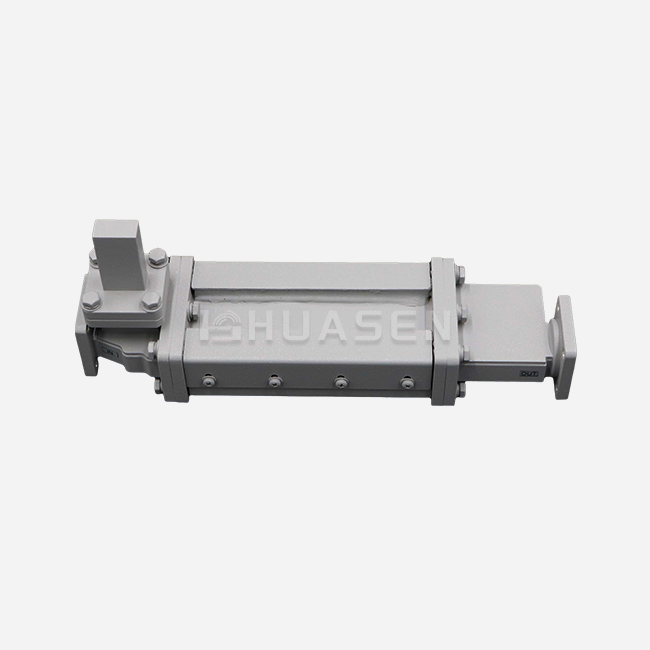
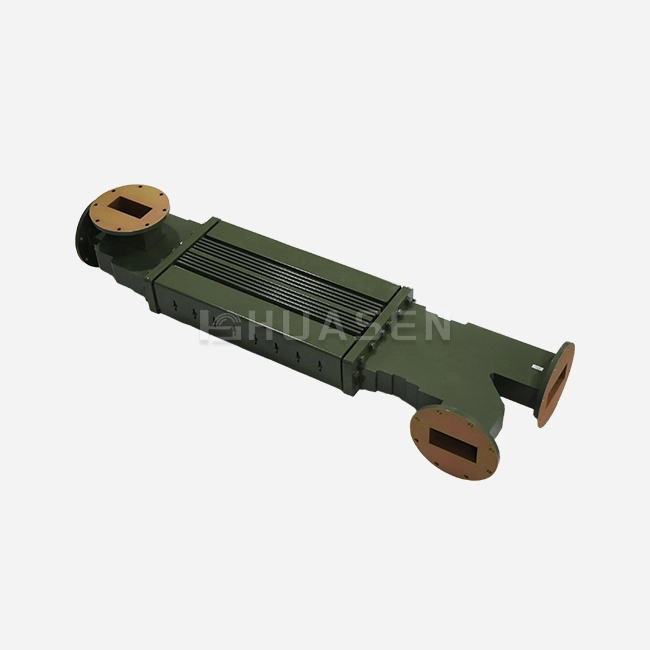
Inflatable Straight Waveguide systems function differently from copper or aluminium frames. These devices employ regulated air pressure to maintain the critical cross-sectional aperture required for electromagnetic waves to move without loss instead of heavy metal barriers. Air nozzles connected to pressure control systems are precisely placed on waveguide walls. This maintains geometry regardless of temperature or field stress.
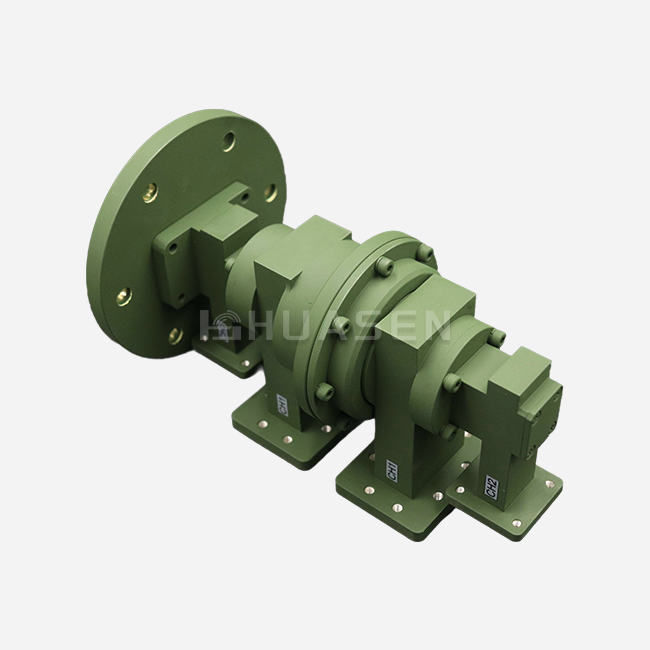
Huasen Microwave's QWAL line uses this method. Precision-machined air nozzles are embedded in the waveguide walls of each unit. These nozzles aid pressure-environment purposes that prevent moisture and dust in outdoor RF installations. The design prevents exogenous toxins from affecting signal quality or the device's internals during long-term field operation.
Performance Metrics That Matter in Real-World Deployments
Any RF part's voltage standing wave ratio (VSWR) is the greatest indicator of signal transmission. Too many echoes from impedance mismatches waste electricity and degrade data. Over all frequency ranges, most QWAL models maintain VSWR values below 1.05, which is excellent. High-frequency millimetre-wave versions retain VSWR at 1.1 or greater to maximise power transfer from transmitter to receiver or system elements.
Field durability also depends on material selection. According to Huasen Microwave, there are two primary construction options for distinct uses. Different varieties of aluminium have oxidised surfaces that naturally prevent corrosion and are lightweight. This makes them ideal for aerostat platforms or drone-mounted systems where every gram matters for flight endurance. Copper with silver plating conducts electricity better for high-power usage. They reduce insertion loss to nearly nothing in radar feeds or HPM testing sets with uncompromising signal integrity.
Customisation Capabilities for Diverse Field Requirements
Problems vary throughout the field. Rescue personnel putting up communications after a tropical hurricane have less weather pressure than satellite uplink operators in the cold. Device builders may optimise pressure distribution by arranging air nozzles differently depending on how the device is placed and exposed to the environment.
This flexibility extends beyond tip placement. Choose the frequency range, flange interface standards, and physical measures to match your tools. Properly described Inflatable Straight Waveguide components may connect to earlier WR-series waveguide standards or modern modular antenna arrays without losing performance and maintaining mechanical compatibility for multi-vendor system designs.

Practical Applications in Field Operations
Satellite Communication Rapid Deployment
Mobile satellite terminal ground segment operators struggle to maintain RF performance as vehicles move and the ground changes. The Inflatable Straight Waveguide portions that link multiplexers to antenna feed units bend yet maintain signal integrity as the platform moves. This feature keeps truck or trailer tracking devices linked without waveguide routing, like rigid pieces.
Emergency communicators using Ku-band or Ka-band VSATs in disaster zones employ Inflatable Straight Waveguides to connect despite infrastructure destruction. Guy-wire stabilisation may temporarily hold light RF lines instead of specialised mounting brackets when regular installation surfaces aren't accessible or suitable. Teams value having the ability to adjust feed networks to match antenna installation in remote places with unpredictable weather.
Military and Tactical Radar Systems
Every system portion must work hard for protection. Radar systems must be operational rapidly to maintain safety. Even when dusty, hot, or vibrating from neighbouring activity, the device must operate. Weight limits tactical vehicle sensors and job duration. Inflatable Straight Waveguide technology meets all needs.
Forward-deployed air surveillance radars link ground-based transmit/receive units to higher-up antenna arrays via Inflatable Straight Waveguide feed networks. Lightweight waveguide systems allow fewer teams to cover places that stiff waveguide systems cannot. High-power capability is crucial. Inflatable Straight Waveguide parts that are correctly designed can withstand peak powers comparable to conventional choices when sized for frequency and duty cycle. Even at kilowatt average power, silver-plated copper infrastructure has negligible insertion loss. So, the sensing range doesn't worsen.
Benefits of inflatable Straight Waveguide parts include rapid design changes for electronic countermeasure equipment. Jamming works best when transmitters are hard to discover and deactivate. Set up, run, and relocate RF chains quickly to maximise survivability and electromagnetic task effectiveness.
Telecommunications Infrastructure Expansion
When commercial wireless companies try to expand their service to areas that aren't well served, they run into economic problems that make the costs of deployment too high to be viable. For traditional tower-mounted waveguide installations, you need bucket trucks, specialised teams, and building windows that depend on the weather. Inflatable options get rid of these problems by letting smaller groups do installs with simple tools. Backhaul link devices that connect faraway cell sites to fibre networks get the same RF performance with much shorter installation times.
Broadcast TV operations that cover short-term events like big sports events, political meetings, and disaster aid coordination need high-quality signals without having to invest in permanent infrastructure. Inflatable Straight Waveguide parts that connect portable satellite uplink trucks to quickly deployed antenna farms provide the needed RF performance while still being cost-effective for short-term uses. The gear can be packed up into standard shipping cases and moved from one event to the next. This saves money on the ongoing costs of site-specific engineering and custom construction that are needed for set installs.
Maritime communication devices on all kinds of ships, from business cargo ships to offshore platform support boats, have to deal with special weather stresses. Traditional waveguide construction is hard because of salt spray, steady vibration, and a lack of equipment room. Inflatable Straight Waveguide parts can get through tight areas that rigid ones can't, and the structure that stays under pressure is better at resisting corrosion than regular flange systems that are exposed to coastal environments. Fishing ships and research vessels that work in areas that aren't covered by land depend on satellite connections kept up by RF infrastructure that is strong enough for offshore conditions but light enough that it doesn't affect the stability of smaller boats.
Procurement Guide for Inflatable Straight Waveguides
Evaluating Supplier Capabilities and Technical Support
It takes more than just comparing specification sheets to buy an Inflatable Straight Waveguide successfully. The technology is still very specialised, so the knowledge of the source has a direct effect on how the project turns out. Companies should give more weight to makers who can show they have a lot of knowledge in RF tech and real-world experience deploying radios in the field. Technical help is important, especially when the system is first being put together, and questions come up about pressure requirements, closing against the environment, or custom interface specs.
Huasen Microwave has been making RF parts for more than 30 years and is now working on developing Inflatable Straight Waveguides. Because of this knowledge, goods are made with real-world situations in mind instead of theoretical ideals. When engineers know about the real stresses and trade-offs that come with tactical deployments, they can make solutions that work reliably instead of parts that just meet the requirements on paper. Having access to this design information during the buying process helps buyers choose options that are best for their needs.
Understanding Lead Times and Order Quantities
Standard catalogue items usually ship within four to six weeks, but this depends on how busy the factory is and how much stock is on hand. Companies that need to send things somewhere by a certain date should start talking to suppliers early enough to account for wait times in production and shipping to final destinations. Depending on how complicated the change is, production windows can be extended to eight or twelve weeks for custom setups that need specific frequency bands, non-standard flange connections, or different air nozzle placements.
The smallest amount you can buy depends on the type of product and level of customisation. Standard QWAL series Inflatable Straight Waveguides usually have MOQs of five to ten units. This is because each production run needs its own unique tools and quality control steps. System integrators that are planning large-scale deployments should talk to OEMs about possible partnership setups and volume price models that could offer better terms for committed orders. Supply chain problems can be avoided when deployments go beyond the initial test phases by building relationships with suppliers who can increase production as the project grows.
Quality Verification and Warranty Provisions
The success of a task depends on the reliability of RF components, so quality assurance methods are very important when choosing a supplier. Reliable makers give full test reports for every production unit that show how well the VSWR works across the required frequency range, check for pressure stability, and show how accurate the interface dimensions are. This paperwork should be sent with the goods so that it can be checked upon arrival to make sure it meets the requirements before installation starts.
Warranty terms show how confident the maker is in the product's longevity. Twelve to twenty-four months of standard coverage protect against material faults and production flaws, but not damage caused by improper installation or use outside of the rated environmental limits. For important uses where replacing equipment would cost more than the price of a single part, extended warranty choices may be offered. Knowing the warranty's coverage and how to file a claim before buying something keeps disagreements from happening when something fails in the field, and the circumstances aren't clear.
Buyers should find out if there is after-sales help, especially for foreign deployments, where getting new parts right away might be hard to arrange. Setting up fast shipping or keeping extra parts in stock locally can help businesses reduce the amount of downtime they experience when parts fail during important activities. When suppliers offer field service training, internal technical teams can fix and troubleshoot basic problems without having to rely on factory help for all of their regular maintenance needs.
Future Trends and Innovations in Inflatable Waveguide Technology
Advanced Materials Extending Operational Capabilities
As material science progresses, Inflatable Straight Waveguides can do more and better. More research into graphene-enhanced conductive layers could lead to even less insertion loss while keeping the flexibility that is needed for Inflatable Straight Waveguide construction. These next-generation surfaces might make millimetre-wave uses possible that weren't possible before because of the skin effect losses in regular metallised fabrics. If phone companies are going to build backhaul infrastructure for 5G and eventually 6G, they could use better materials to make lightweight microwave lines work at frequencies that are currently only possible with rigid waveguides.
Another avenue of development is the use of self-repairing polymer layers. Membranes embedded with microencapsulated repair agents automatically seal small punctures before pressure loss becomes an issue. This innovation could significantly improve the reliability of Inflatable Waveguide installations in tactical or field environments, where accidental damage from handling, debris, or rough deployment is still a concern despite safety precautions.
Integration with Autonomous Deployment Systems
Robotics and telecoms systems coming together open up whole new ways of deploying things. Self-driving cars or drones with Inflatable Straight Waveguide packages could set up communication networks in dangerous places without anyone being there. In disaster zones where buildings could fall down, contaminated areas that need to be watched from afar, or disputed areas where the safety of operators can't be guaranteed, robotic launch systems are clearly the best choice. The lightweight and easy installation of Inflatable Straight Waveguides work nicely with the limitations on payload and movement that autonomous platforms have.
Market Evolution and Strategic Procurement Implications
Analysts predict that the markets for tactical communication equipment will continue to grow steadily. This is because frequency congestion is getting worse, mobile coverage needs are growing, and defence modernisation programmes are still going strong. This growth means that more Inflatable Straight Waveguides are being used because procurement departments are realising that quick setup and lower transportation costs save money overall. Early adopters have an edge over their competitors because they learn how to select and use these specialised parts before they become standard solutions in the industry.
To make sure that their buying plans keep up with how technology changes, procurement managers should keep an eye on potential roadmaps from well-known makers. Companies that plan to use Inflatable Straight Waveguides for a long time can benefit from building ties with providers who are investing in new materials and more products. These partnerships make sure that people can get better features as they come out, and they also make sure that current equipment can still work with new features by using standard interface specs.
Conclusion
In field operations where standard solid infrastructure is too heavy, takes too long to set up, or is hard to move around, Inflatable Straight Waveguides have been shown to work well. The technology provides RF performance that is similar to other options while greatly lowering the complexity of deployment and the weight of the system. The QWAL series from Huasen Microwave is a great example of this ability because it has great VSWR performance, strong environmental protection through built-in air vent systems, and a variety of material choices that are best for different application needs. As defence systems, emergency response tools, and communication networks become more mobile and easy to set up quickly, Inflatable Straight Waveguide technology will become more important for making it possible for people to communicate effectively in difficult settings around the world.
Frequently Asked Questions About Inflatable Waveguide Systems
1. What operational advantages do inflatable solutions provide over traditional waveguides?
Inflatable Straight Waveguides make systems up to 90% lighter than similar hard metal options. This means that installations that used to require multiple people can now be done quickly by a single user. When the structures are folded, they can be packed up into small spaces for travel. When they are needed, regular pressure sources can inflate them to their full rigidity within minutes. This blend of portability and quick deployment is especially useful in situations like emergency response, tactical military operations, and temporary phone connections where setup time has a direct effect on how well the task is done.
2. Can these components handle high-power applications reliably?
When built for the right frequency and duty cycle, properly specified Inflatable Straight Waveguides can handle power levels that are similar to those of standard options. They can handle kilowatt-level average rates and still have low insertion loss, which makes them good for radar feeds and high-power microwave tests. Working with skilled makers like Huasen Microwave is important because they can choose the right cross-sectional measurements and materials based on the specific needs of the application rather than general requirements.
3. How do procurement teams address customisation needs?
Reliable providers let you make a lot of changes to the frequency bands, flange interfaces, physical measurements, and where the air nozzles are placed. Early on in the project planning process, organisations should start technical talks to make sure that custom settings work with system designs and delivery plans. Giving makers detailed information about the application helps them suggest the best specs and find any possible integration problems before production starts.
Partner with Experienced Inflatable Waveguide Manufacturers
Companies that need solid RF performance in tough field conditions need sources with a lot of technical know-how and a track record of making good products. The QWAL Inflatable Straight Waveguide line from Huasen Microwave has great VSWR performance, strong environmental protection, and material choices that are best for uses ranging from tactical radar systems to satellite communications. Our engineering team works directly with procurement managers and system designers to define configurations that meet exact practical needs and make sure that new equipment works with old ones without any problems.
Whether you need standard catalogue items that can be used right away or custom solutions that are made to fit your specific frequency bands and interface needs, Huasen Microwave is here to help you through the whole process of design, purchase, and integration. You can email our technical sales team at sales@huasenmicrowave.com to talk about your unique application needs, get full specification sheets, or set up sample evaluation units. As a well-known provider of Inflatable Straight Waveguides with more than thirty years of experience making RF components, we give important communication systems the quality, dependability, and technical know-how they need.
References
1. Balanis, Constantine A. Advanced Engineering Electromagnetics, 2nd Edition. Wiley, 2012.
2. Pozar, David M. Microwave Engineering, 4th Edition. Wiley, 2011.
3. IEEE Standard 149-2021. IEEE Standard for Test Procedures for Antennas. Institute of Electrical and Electronics Engineers, 2021.
4. Marcuvitz, Nathan. Waveguide Handbook. MIT Radiation Laboratory Series, McGraw-Hill, 1951.
5. Silver, Samuel. Microwave Antenna Theory and Design. MIT Radiation Laboratory Series Volume 12, Dover Publications, 1984.
6. Collins, Robert E. Field Theory of Guided Waves, 2nd Edition. IEEE Press, 1991.
Send Inquiry