Designing with Double Ridged Straight Waveguide






2026-05-18 22:31:30
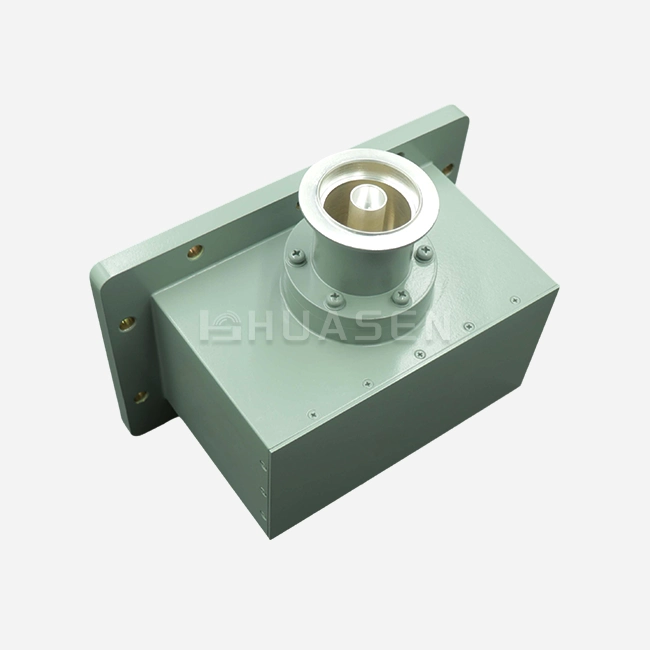
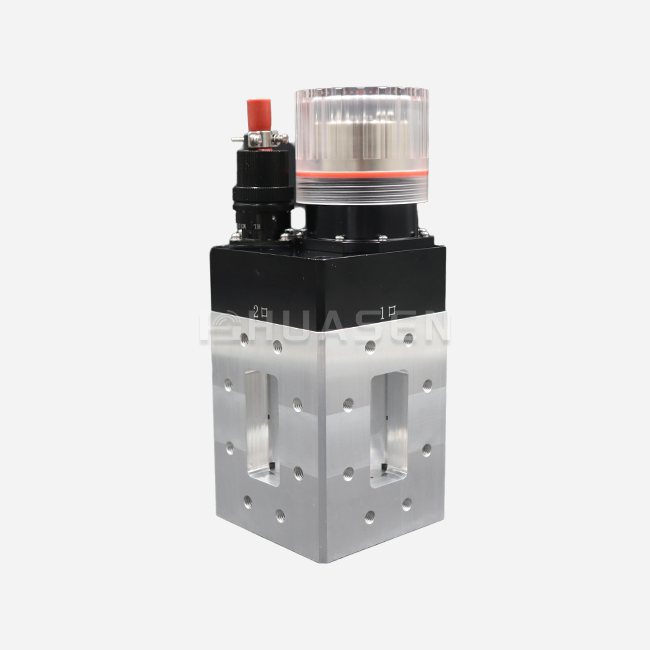
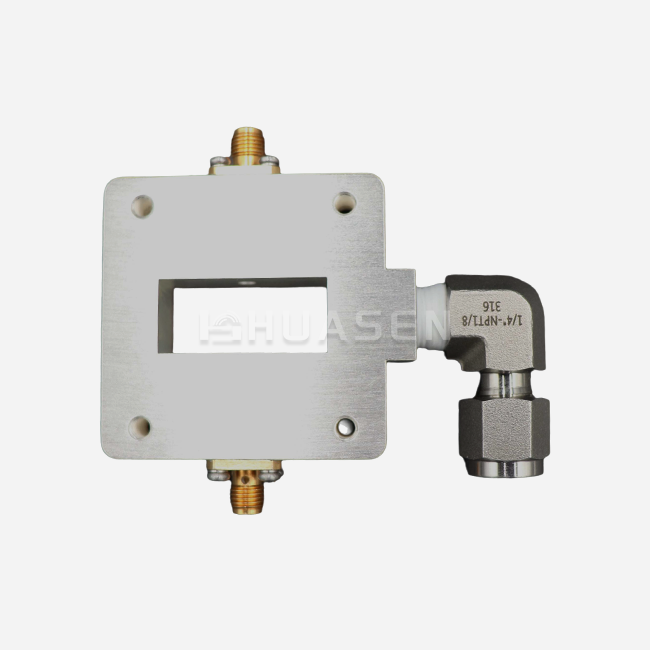
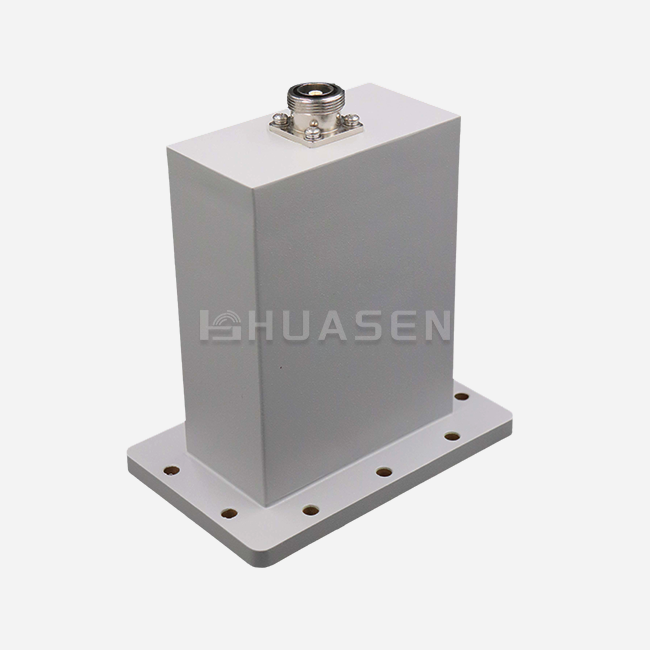
When using Double Ridged Straight Waveguide technology in design, you have to find a balance between electromagnetic performance and mechanical usability. Engineers have to think about how to best use bandwidth, keep temperatures under control, and make sure that these parts work with other parts when they put them together in broad systems like radar feeds and electronic warfare platforms. The Double Ridged Straight Waveguide structure changes the field distribution to cover multiple octaves while keeping low reflection coefficients. This makes it essential in situations where frequency flexibility and a small size are required.
Understanding Double-Ridged Straight Waveguides: Principles and Advantages
The Core Principle Behind Ridge-Loaded Waveguide Design
When using traditional rectangular waveguides, systems are usually limited to a 1.5:1 frequency ratio because they have strict limits on working bandwidth. This limitation comes from the fact that physical measurements and cutoff frequencies of spreading modes are always linked in the same way. The design changes the electromagnetic boundary conditions by adding metallic spikes down the middle of two broad walls that face each other. The grooves focus the electric field energy, which lowers the cutoff frequency of the basic TE10 mode while raising the cutoff frequency of higher-order modes like TE20. This double motion makes the frequency range useful to two or even three octaves all in one housing.
Electromagnetic Advantages Enabling Wideband Performance
System builders can see real gains from the changed field distribution. It is now possible to get bandwidth ratios higher than 2.6:1 without using mode reduction filters or switching networks. The DRWAL series from Huasen Microwave is a good example of this because it covers frequencies from 0.84 GHz to 40 GHz and keeps the VSWR value below 1.15 at lower frequencies and below 1.2 at higher bands. Base station operators and satellite ground terminals have said that "wide bandwidth and comprehensive coverage" is a problem that needs to be fixed right away. System builders can combine what used to be three separate waveguide runs into a single component. This makes construction easier and lowers the cost of keeping extra parts on hand.
Material Selection Impacting Long-Term Reliability
The choice of material affects both how well it conducts electricity and how long it lasts in harsh environments. Aluminium alloys (6061-T6) are strong but light, making them good for flying uses. Copper (ASTM B152), on the other hand, is better at conducting electricity, so it reduces insertion loss in high-frequency ranges. Treatments of the surface become very important; silver or gold finishing stops rust that would weaken signals over time. Huasen Microwave uses precise finishing methods to make sure that marine and outdoor installations don't rust. This is a direct response to the need for "strong environmental adaptability" in radar arrays and base station front-ends. To make sure that mating surfaces are always the same and have low VSWR even when temperatures change, flange flatness limits must stay within micrometres.

Comparative Analysis: Double Ridged Straight Waveguide versus Alternatives
Performance Metrics Against Standard Rectangular Waveguides
Standard rectangular waveguides are most common in narrowband uses because they are easy to use and have low loss over a narrow range of frequencies. But when the needs of the system go beyond single-band operation, it's clear that they are limited. A normal X-band waveguide (WR-90) works well from 8.2 to 12.4 GHz, but it needs extra hardware and transition parts to work with both X and Ku bands. Double-ridged straight waveguide systems get rid of this variety. With an insertion loss of less than 0.3 dB across the whole range, the WRD-750 shape steadily absorbs both bands from 7.5 to 18 GHz. This merging cuts down on both physical room (which is very important for airborne pods because every cubic centimetre affects fuel economy) and places where things could go wrong at the connections.
Comparing Coaxial and Ridged Waveguide Transmission
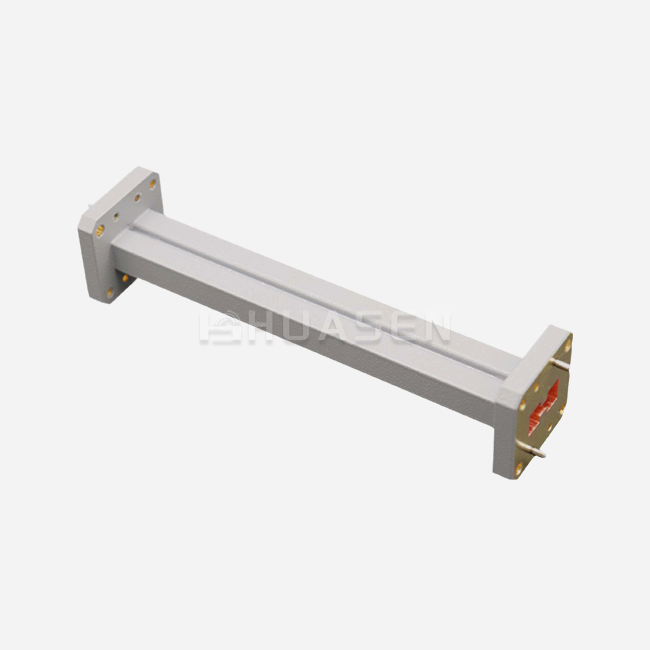
Coaxial cables are good for lab sets and short cable runs because they can be routed in a variety of ways and have easy-to-use connection ecosystems. However, their inability to handle high amounts of power and frequency-dependent loss makes them useless in electronic countermeasure and high-power radar feeds. At 18 GHz, high-quality low-loss coaxial lines lose close to 1 dB per metre, while properly built waveguide assemblies keep only a small part of that amount. Huasen Microwave's Double Ridged Straight Waveguide solutions can be made in lengths that can be customised from 0.1 mm to 500 mm while maintaining the same electrical properties. This makes flexible system designs possible. The rigid structure also keeps the phase stable even when the structure shakes, which is important for synthetic aperture radar coherence and secure communications phase linearity.
Evaluating Supplier Credibility and Product Portfolios
When purchasing managers look at waveguide makers, they should look at more than just the catalogue specs. The accuracy of manufacturing has a direct effect on the performance of VSWR. The machining tolerances that affect the shape of the ridges and the alignment of the walls must match the design tolerances, which are usually within 0.025 mm. Following certification rules gives you peace of mind, and following MIL-STD-3922 for waveguide parts shows that you are committed to defence-grade dependability. Huasen Microwave was founded in 1993 and has 30 years of experience in radio frequency (RF) technology. They are in line with ISO 9001 and RoHS regulations and provide full S-parameter paperwork for all of their product lines. It's just as important to have the right technical support infrastructure. Quick engineering help during the integration stages and calibration data delivery speed up time-to-deployment, which is important for system developers with short development cycles.
Practical Design Considerations When Integrating Double Ridged Straight Waveguides
Optimising Ridge Geometry for Bandwidth Maximisation
The operating frequency limits are set by the ridge dimensions. The electromagnetic performance is not directly affected by the height, width, and spacing factors. The TE10 cutoff is lowered when the ridge height is raised, but there is a greater chance of unwanted modes being excited at the higher frequency limit. Simulation tools that use finite element methods let creators make these maps before they start making the thing. The characteristic impedance is affected by the distance between the ridges. With careful setting, a nominal 50-ohm match to coaxial connections can be achieved while keeping the reflection coefficients low. The design team at Huasen Microwave uses special electromagnetic modelling that has been improved over many years to find the best values for these parameters. This makes sure that the products meet strict VSWR standards across all of their stated frequency ranges.
Reducing Insertion Loss and Managing Thermal Loads
In cascaded systems or long waveguide runs, even small losses add up to a lot. Skin-effect losses are made worse by rough surfaces. Electroplated finishes with controlled thickness and smoothness make this problem less noticeable. In high-power continuous-wave uses, like jamming transmitters that work at kilowatt levels, thermal control is very important. Copper is a better thermal conductor than aluminium (about 400 W/m·K vs. 205 W/m·K), which makes it easier for heat to escape from lossy transitions or close active components. By planning the right thermal paths and thinking about forced-air or conduction cooling interfaces, you can keep joint temperatures within safe working limits. This keeps the electrical performance and mechanical integrity over long mission durations.
Material Trade-Offs: Aluminum, Copper, and Plating Options
Aluminium is denser than copper (8.9 g/cm³ vs. 2.7 g/cm³), which is important for platforms that need to be light, like UAVs and spaceships. But because it is less conductive, thicker metal layers are needed to get the same RF performance. Copper waveguides have the lowest insertion loss, but they need to be carefully protected against rust in marine settings. Nickel underplating followed by gold overcoating is a strong way to protect them from salt fog and changes in humidity. Because it is stable and easy to work with, brass has a niche use in precise scientific standards. Huasen Microwave has all three platforms for materials, so users can choose based on their unique performance goals, weight constraints, and environmental exposure. Because it allows for direct customisation, this feature directly addresses the "strong customisation capabilities" pain point for companies that build radar systems and test equipment.
Case Study: Solving Multi-Band Radar Integration Challenges
A defence firm working on a frequency-agile flying radar ran into problems when they tried to feed a shared aperture across the C, X, and Ku bands. The first designs, which used different waveguide lines for each band, took up too much space and had trouble keeping the phases aligned when switching frequencies quickly. By switching to a Double Ridged Straight Waveguide design, the feed network was merged into a single path. This cut the weight by 2.3 kg and improved phase coherence by getting rid of different thermal expansion rates between multiple parallel runs. The measured VSWR stayed below 1.18 over the working range of 6.5 to 18 GHz, which met system standards and made the mechanical mounting interface easier. Proper attention to double ridge waveguide sizes was key in achieving multi-band performance without compromising mechanical and thermal stability.
Procurement Guide: How to Source and Purchase Double Ridged Straight Waveguides
Identifying Trusted Distribution Channels
Different procurement paths are used based on the number of orders, the level of customisation, and how important wait time is. Manufacturers that have been around for a while usually have direct sales teams that can handle OEM partnerships that need technical cooperation and volume deals. Distributors meet needs for smaller quantities and fast development, but they may only be able to offer customisations based on catalogue combinations. Online platforms are making it easier to look for specifications and get basic quotes, which speeds up the finding phase. When reviewing sources, find out how they produce—do they make things themselves or hire other companies to do it? Vertically integrated companies, like Huasen Microwave, keep an eye on quality at every stage, from the basic extrusion to the final plating and testing. This lowers variation and makes sure that parts can be tracked for defence and aircraft uses that need full paperwork.
Analysing Pricing Influencers and Cost Structures
Unit price takes into account more than just the cost of materials. Machine time is affected by how complicated the ridge shape is, and profiles with tight tolerances or non-standard flange connections cost more. Specifications for plating have a big effect on cost. Gold plating is much more expensive than silver plating, but it may be worth it for the long life in acidic settings. Making a promise to a certain number of units can help you save money. For example, when you go from making 10 prototypes to making 500 or more units, the cost of each unit usually drops by 30 to 50 per cent. Customisation inherently adds non-recurring engineering (NRE) charges to cover design validation and tooling; clearly defining specifications upfront minimises costly mid-project revisions. Huasen Microwave offers clear pricing that splits one-time costs from ongoing costs. This lets buying teams that are watching their budgets make accurate predictions of the total cost of ownership.
Understanding Lead Times and Delivery Logistics
Standard catalogue items with popular flange types (UG-series) and finishing choices usually ship within two weeks from well-known companies that keep stock. Custom designs make delivery times longer; the availability of the cutting queue, the ordering of plating batches, and the capacity for the final test all affect delivery. If the plan is complicated and needs electromagnetic confirmation, the cycle may take an extra 4–6 weeks. When you send things internationally, there are a lot of things that can go wrong. For example, plane freight is faster but costs more, while water transport is cheaper but takes weeks longer. Pay close attention to the packaging rules for fragile RF parts; if the cushions aren't right, the flanges could get damaged, which would lower the electrical performance. Setting clear Incoterms at the beginning makes it clear who is responsible for shipping plans and security.
After-Sales Support and Warranty Considerations
The availability of technical help affects value after the initial purchase. Does the provider offer S-parameter files in the standard Touchstone format that can be used with simulations? Can the engineering team help with mounting problems that aren't common or suggest the best plans for switching to coaxial or other waveguide types? Different providers offer different lengths of warranties. Reliable ones cover manufacturing flaws for 12 to 24 months, covering both material failures and problems with the work. Damage caused by improper handling or operation beyond the stated specs, on the other hand, is usually not covered. This dedication to service meets the "technical support and services" need that lab users and system developers have marked as important.
Procurement Checklist for Specification Verification
Before finalising orders, make sure the following factors match what the system needs:
- Frequency Range Compatibility – Make sure that the waveguide's working band covers the whole frequency range of your system, including any guard bands that may be needed for frequency-agile operation.
- Power Rating Sufficiency – Make sure that the specs for both continuous-wave and peak power handling match or go beyond the output of your transmitter. This includes safety margins for pulse uses.
- Flange Type and Connector Standards – Make sure that the fastening ports match the hardware that is already in place; adapters can cause extra loss and VSWR decline.
- Environmental Ratings – Make sure that the temperature range, resistance to humidity, and shaking requirements are suitable for the operation environment, especially for mobile or outdoor platforms.
- Certification Documentation – If your quality management system or a contract says you have to, ask for compliance certificates for important standards like MIL-STD and RoHS.
- Delivery Timeline Alignment – Check that lead times are in line with project goals and plan for possible delays at customs when sending goods internationally.
Conclusion
To add Double Ridged Straight Waveguide technology to microwave systems, you need to pay close attention to electromagnetic basics, the qualities of the materials, and how to get them. The increased bandwidth meets the needs of current frequency-agile platforms and makes system designs easier to understand by combining components into fewer ones. The choice of materials strikes a mix between electrical function, weight, and exposure to the environment. A successful purchase depends on evaluating suppliers based on their manufacturing quality, expert support infrastructure, and clear cost structures. Engineers and procurement professionals can safely choose parts that provide reliable wideband performance in demanding aerospace, defence, and telecommunications applications by using the design factors and procurement frameworks described here.
Frequently Asked Questions
1. What frequency ranges do Double Ridged Straight Waveguides typically support?
Depending on the shape measurements, Double Ridged Straight Waveguide designs cover a wide range of frequencies. From sub-GHz bands up to 40 GHz, these are the most common combinations. The DRWAL line from Huasen Microwave works from 0.84 GHz to 40 GHz, and each type is designed to work best in a certain range to balance bandwidth and size. Lower frequency models have bigger cross-sections, while millimetre-wave models have small profiles that make them good for placements with limited room.
2. How does the ridge design improve bandwidth compared to standard waveguides?
The bumps change the frequencies at which propagating modes stop. By dropping the basic mode cutoff and raising the higher-order mode cutoffs, the useful bandwidth grows by a huge amount, often reaching 2.5:1 or higher ratios instead of the 1.5:1 ratios that are common for standard rectangular guides. This lets a single component cover a lot of different frequency ranges.
3. Can I order custom Double Ridged Straight Waveguides for specialised applications?
Customisation lets you meet the specific needs of your system. With Huasen Microwave, you can change things like length (from 0.1 to 500 mm), flange types, plate materials, and even the shape of the ridges. Giving clear instructions from the start, like the frequency range, power levels, and environmental conditions, speeds up the design approval process and makes sure the end product exactly meets your needs.
Partner with Huasen Microwave for Superior Waveguide Solutions
Huasen Microwave has the best Double Ridged Straight Waveguide technology in the business and is ready to help you build your next-generation microwave system. Our DRWAL line has a great bandwidth range from 0.84 GHz to 40 GHz. It is backed by strict quality control and 30 years of experience making RF products. Our engineering team is available to help you with technical issues at any time during the lifecycle of your project, whether you need catalogue setups for quick launch or fully customised designs made just for you. System developers, procurement managers, and design engineers are welcome to look through our full range of products and talk to us about how our solutions can best meet your needs. Email our sales team at sales@huasenmicrowave.com to get full datasheets, low prices for large orders, or to start a consultation for a custom design. Find out why top companies in the defence, aerospace, and telecoms industries choose Huasen Microwave as their waveguide provider of choice.
References
1. Marcuvitz, N. (1986). Waveguide Handbook. Institution of Engineering and Technology, London.
2. Ramo, S., Whinnery, J. R., & Van Duzer, T. (1994). Fields and Waves in Communication Electronics. John Wiley & Sons, New York.
3. Pozar, D. M. (2011). Microwave Engineering (4th Edition). John Wiley & Sons, Hoboken, New Jersey.
4. Collin, R. E. (1991). Field Theory of Guided Waves (2nd Edition). IEEE Press, Piscataway, New Jersey.
5. Chen, Y. J., & Chu, Q. X. (2008). "Design of Double-Ridged Rectangular Waveguides with Wide Bandwidth." IEEE Transactions on Microwave Theory and Techniques, 56(9), 2148-2155.
6. Balanis, C. A. (2016). Advanced Engineering Electromagnetics (2nd Edition). John Wiley & Sons, Hoboken, New Jersey.
Send Inquiry