Waveguide Elevating Platform in Radar Sites






2026-05-18 22:31:28
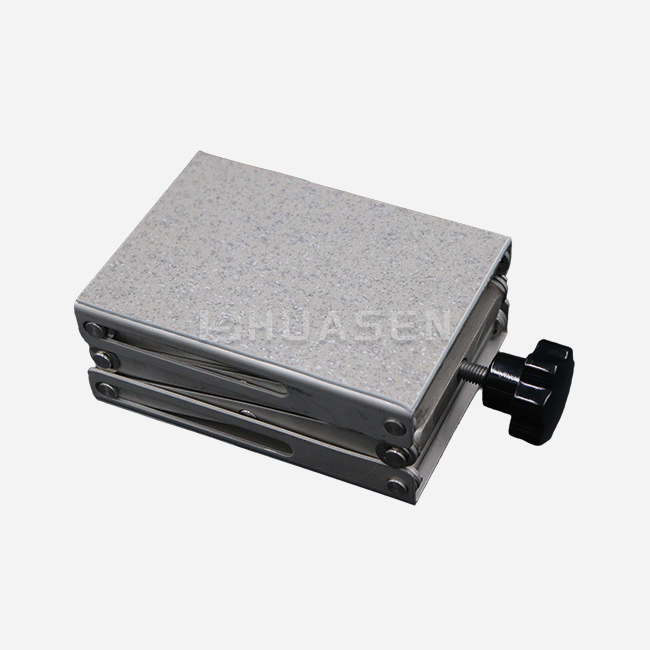
As a precise mechanical positioning device, a Waveguide Elevating Platform is used to move and level radar waveguide parts in radar sites. With accuracy of less than a millimetre, these platforms allow microwave transmission lines, antenna systems, and RF front-end modules to move vertically under control. In radar site uses, they solve the very important problem of keeping phase stability and mechanical alignment while placing equipment, which is something that regular lifting equipment can't always do. Because they are made to military standards and can precisely control slope, they are essential for keeping radar communication chains' signals intact.
Understanding Waveguide Elevating Platforms and Their Role in Radar Sites
When working with waveguide systems for radar setups, you need to be very precise about where you put them. These specialised platforms use both mechanical accuracy and RF engineering to provide positioning solutions that can't be met by regular lifting equipment.
Core Functionality in Radar Infrastructure
The main goal of these lifting devices is to allow controlled vertical movement while keeping electromagnetic performance high. Radar sites need tools that can work with hard waveguide sections without putting stress on the links at the flanges. When regular lifting mechanisms bend while they're working, they cause phase mistakes that hurt the performance of radars. Our platforms don't have this problem because they are built to last and have precise drive systems.
When antennas need to be serviced, these platforms are often used by military radar sites. Heavy waveguide switches and power combiners are set at exact heights on the platforms compared to fixed mounting points. They are used by civil aviation radar facilities for yearly repair windows when techs need to get to high waveguide runs without taking apart whole transmission paths. Meteorological radar systems are useful because they can exactly place rotating joints and feed units within measurement zones.
Engineering Design Optimised for Radar Environments
The engineering behind these platforms' structures takes into account many natural factors at the same time. Radar spots are usually out in the open, where bad weather like wind, high temperatures, and rain can make operations difficult. Platforms made for these conditions use materials that don't rust and protected bearing systems that keep their position accuracy even when they're exposed to bad weather.
Another important planning factor is how the load is distributed. Waveguide systems and high-power amplifiers can weigh more than 80 kilograms, so bases need to be able to hold a lot of weight. Quality platforms are made of all metal, which gives them the structural strength they need to hold these loads without bowing. This steadiness is very important when placing tools within very small tolerances.
Operational Integration with Radar Systems
Radar site operations need as little downtime as possible during repair. The Waveguide Elevating Platform shortens the time between services because they let techs reach waveguide links without having to move large amounts of scaffolding or a crane. Standardised flange connectors that work with common waveguide standards let the platforms connect immediately to mounting hardware that is already in place.
System engineers like that the platforms can work with both waveguide and coaxial parts. During the fitting process, platforms hold together parts while workers use laser measuring tools to make sure they are lined up correctly. With an elevation range of 36 mm to 260 mm, it can handle the positioning needs of most radar setups, from small X-band systems to bigger S-band installs.

Advantages of Waveguide Elevating Platforms over Traditional Lifting Solutions in Radar Sites
Radar site managers who are looking at lifting options find that specialised raising platforms and regular ones don't work nearly as well as each other. Knowing these differences helps procurement teams make choices about investments that are in line with their goals for business reliability.
Performance Metrics That Matter
The amount of weight that something can hold is only one part of the story. Scissor lifts may say they can hold more weight, but they can't be placed precisely enough for RF uses. Elevating platforms designed for radar work can place objects repeatedly within 0.05 mm, which is something that general-purpose lifts can't do. This level of accuracy directly leads to better signal quality and less work having to be redone during installation.
Specialised platforms are different from general manufacturing tools because they are more durable and can be used continuously. Radar sites are open all year, and they are usually in rural areas where equipment problems can cause long periods of downtime. When military-grade parts and protected drive systems are used to build platforms, they work reliably in temperature ranges that would stop most hydraulic lifts from working. Mechanical drive systems are also more energy efficient than hydraulic ones, which means they cost less to run over a long period of time.
Before going into the specific benefits these tools offer, it's clear that radar settings have their own set of operational difficulties. In radar site uses, these tools offer the following main benefits:
- Precision Positioning: Mechanical drive systems offer positioning accuracy that is ten times better than normal hydraulic solutions. This means that techs can get exact alignment without having to make multiple changes.
- Environmental Resilience: Sealed bearings and corrosion-resistant design keep working even when exposed to salt spray, changing temperatures, and rain, which can happen at seaside and high-altitude radar sites.
- Reduced Electromagnetic Interference: Structures with non-conductive parts and motor units that are shielded stop RF coupling that could mess up important radar readings during repair work.
- Simplified Cable Management: Built-in support structures allow rigid waveguide routeing without putting stress on flange connections, which gets rid of a common way for homemade lifting setups to fail.
All of these benefits make it easier for radar site managers to do their jobs than when they use standard lifting tools. In the long run, the extra money spent on specialised Waveguide Elevating Platform units pays off because they require less upkeep and last longer.
Safety Features Tailored to Radar Site Conditions
When installing radar, there are extra safety concerns that don't come up in normal workplaces. Lifting tools that people can move from a distance are needed in high-power RF radiation zones so that people aren't exposed too much during energised tests. Modern elevating platforms have remote setting tools that let workers change the height of their equipment while staying safe.
When the power goes out, the self-locking drive mechanisms in good platforms make sure that the system can still work. Mechanical worm-gear drives stay in place without any extra power, while hydraulic systems can move when the pressure drops. This quality is very important when bases hold expensive test equipment or radar parts during long repair periods.
Selecting the Right Waveguide Elevating Platform for Radar Site Procurement
Decisions about purchases have long-term effects on how radar sites work. Teams that are in charge of choosing equipment have to weigh the needs of the current project against the costs and working freedom over the course of the equipment's life.
Specification Evaluation Framework
When choosing a Waveguide Elevating Platform, load capacity is a good place to start, but buying teams should also include gaps that go beyond basic needs. Most waveguide assemblies can fit on a base designed for a 40–80 kg capacity, and there is room for future system improvements. The elevation range needs to include all the vertical adjustments needed for different radar setups. Usually, the 36mm to 260mm range is enough for most installations.
Outdoor radar places need to pay close attention to environmental requirements. Permanent platforms need to be built in a way that makes them waterproof, with grades higher than IP65, so they can handle rain and dust. Specifications for temperatures should include all possible local weather conditions. This is especially important in desert or arctic operations, where high temperatures can make equipment less reliable.
Evaluating Manufacturers and Supply Chain Reliability
Established companies that have been making RF components for decades bring subject knowledge to the table that general equipment providers can't match. Since their founding in 1993, companies like Huasen Microwave have gained thirty years of engineering experience in microwave and millimetre-wave uses. This specialisation makes sure that platform designs take into account the specific needs of RF settings instead of using solutions that work in other fields.
Long-term platform support is affected by how stable the supply chain is. Manufacturers who keep large stocks of parts can provide new parts without having to wait for longer lead times. Having access to technology support teams that know how to use radar applications speeds up the troubleshooting process when practical issues come up. These reasons make it important to carefully evaluate suppliers beyond just the initial buy price.
Cost Optimisation Strategies for Bulk Procurement
Large-scale deployments of radar networks make it possible to negotiate prices based on volume. System developers who need to buy platforms for more than one site should ask the makers for quantity discounts, which are usually given for orders of more than ten units. Longer payment terms or lease choices that match cash flows with project milestone payments may be part of financing deals.
Coverage for warranties and service agreements should be carefully looked over during the buying process. Standard warranty periods of one to two years cover problems with the way the product was made, but extended service contracts offer ongoing help that is useful for sites that are far away. The procurement team should make it clear how long it takes to get technical help and how many field service workers are available to deal with problems on-site.
Installation and Maintenance of Waveguide Elevating Platforms at Radar Sites
When something is installed correctly, it sets the stage for effective long-term success. The factors at a radar site mean that building methods need to take both mechanical and radio frequency (RF) issues into account.
Installation Protocol and Site Preparation
The first part of the site inspection is making sure the base is strong enough to support the Waveguide Elevating Platform. To keep vertical drive systems from getting stuck, concrete pads must have flat areas that are within 0.5 degrees of being level. Anchor bolt designs should meet the manufacturer's instructions to make sure that the load is evenly spread across all fastening spots.
Aligning the platform during construction affects how accurately it can be placed later. Precision levels and laser alignment tools are used by technicians to make sure that the vertical journey paths stay straight and parallel to the mounting surfaces. Any change causes side loads on the drive parts, which speeds up wear and makes it harder to repeat the position. To keep electromagnetic interference from happening with nearby radar equipment, electrical lines need to be properly grounded.
Routine Maintenance and Reliability Optimisation
Preventive repair plans make platforms last longer and reduce unexpected downtime. Every month, the drive system should be inspected to make sure it is well-oiled and to see if there are any signs of water getting past the seals. Measurements of positioning accuracy are made every three months using standardised clock indicators to find early signs of mechanical wear before they affect performance.
In most platform designs, the drive motor brushes are the most common part that needs to be replaced. Inspection times depend on the job cycle, but most parts need to be replaced every 2,000 to 5,000 hours of use. Keeping extra brush assemblies on-site lets you change them quickly without having to wait for them to be sent from service centres. Bearing sets usually only need to be serviced every few years if they are used in an area that meets certain standards.
Technical Support Resources
Premium suppliers are different from basic suppliers because they offer technical help from experts. When manufacturers give engineering teams direct lines of contact, they go above and beyond normal customer service. When odd working conditions cause performance issues, engineers who know how platforms are designed can suggest fixes that field service techs might not know about.
The quality of the documentation affects how well support works across all lifecycles of a platform. Site workers can fix common problems on their own with the help of detailed service guides that include exploded diagrams and flowcharts. Video tools that show how to do upkeep tasks cut down on the need for training when employees switch jobs.
Future Trends and Innovations in Waveguide Elevating Platforms for Radar Applications
RF test tools and radar systems are still changing as technology advances. Using new technologies in a Waveguide Elevating Platform gives investors the ability to protect their money for the future.
Smart Technology Integration
Traditional platforms don't give you the operational insight that remote monitoring tools do. IoT sensors built into drive mechanisms keep track of performance factors like motor current signatures, load distribution, and changes in location accuracy. Analytics systems use this data to guess what maintenance needs to be done before they happen. This lets condition-based service happen, which lowers the cost of ownership over time.
Automatic positioning systems and radio control software can work together to let repair work be done without a person being there. Platforms with network connections can take positioning orders straight from system controllers, so they don't have to be adjusted by hand. This automation is especially helpful when measuring antenna patterns that need to be raised and lowered many times during test runs.
Environmental Compliance and Noise Reduction
More and more, regulations are limiting the noise that manufacturing equipment makes. People are more likely to be concerned about working noise effects at radar sites that are close to populated areas. Vibration isolation and acoustic damping technologies built into next-generation platforms lower operating sound pressure levels below 50 decibels, meeting strict noise laws without affecting performance.
Specifications for energy use affect buying choices as businesses try to meet their environmental goals. Through efficient motor drivers and optimised mechanical designs, modern systems can match the performance of older designs while using 30 to 40 per cent less power. These changes help the climate and lower the costs of running the business.
Modular Design and Future Adaptability
Platform designs that use modular parts make it possible to improve as needs change. Different pieces of equipment can fit on different load plates, so the platform doesn't have to be replaced completely. As radar systems change how they work, they can be integrated with new automation protocols thanks to control units that can be swapped out.
As radar systems move to higher frequencies, compatibility with millimetre-wave parts becomes more important. Platforms made to work with equipment from 26.5GHz to 40GHz have features that reduce RF echoes and keep electromagnetic compatibility over a wide frequency range. This forward-looking method of design keeps buying investments from becoming useless too soon.
Conclusion
A Waveguide Elevating Platform represents a specialised infrastructure part that has a direct effect on the operating efficiency and stability of radar systems. They offer precise placement, resistance to environmental conditions, and the ability to carry weight. These benefits cannot be achieved by changing regular industrial lifting equipment. When organisations buy these platforms, they should look for ones made by companies with a lot of experience in RF engineering and who know how to work in radar settings. Procurement choices that produce long-term value are based on a thorough analysis of requirements, supply chain stability, and lifecycle support capabilities. As radar technology improves, it will have higher frequencies and be more automated. Companies that invest in systems with modular designs and smart monitoring features will be better able to react to changing operating needs.
Frequently Asked Questions
1. What safety standards do radar site lifting platforms need?
MIL-STD-810 weather requirements and MIL-STD-461 electromagnetic compatibility standards must usually be met by a Waveguide Elevating Platform that works in defence-related radar sites. Commercial radar sites may accept platforms that have been approved to meet IEC 61010 safety standards and have been tested for use in open environments. According to CISPR guidelines, testing for electromagnetic compatibility ensures that platform motor controllers don't cause radio frequency interference that changes radar readings.
2. How do these platforms improve maintenance efficiency compared to traditional lifts?
When compared to traditional methods that need ladders or mobile cranes, specialised elevating platforms cut down on repair windows by 40 to 60%. Precision positioning gets rid of the need for repeated changes that take time during alignment processes. Stress on waveguide links is kept from happening by integrated cable management, which cuts down on the need to fix broken parts. Technicians can work quickly and safely while staying away from RF components that are activated with remote placement.
3. Are flexible procurement options available for project-specific needs?
Manufacturers know that capital spending limits are different for each project and business. Short-term rental agreements allow for temporary installations or testing times before a buy is made. With lease-to-own funding, costs are spread out over operating budgets instead of having to be paid for all at once. Installing multiple units across radar networks gets system designers savings based on the number of units they use. Most well-known makers offer custom designs that are made to fit the needs of each installation.
Partner with Huasen Microwave for Precision Elevating Solutions
When buying a radar site, you need people who are both great at manufacturing and know a lot about RF tech. With more than 30 years of experience, Huasen Microwave has been making precise parts for tough microwave uses. For radar sites, our Waveguide Elevating Platform has the military-grade steadiness, precise adjustment range, and strong load-bearing capacity that they need. If you need bases for testing antennas, help putting together a system, or millimetre-wave setups that work with parts from 26.5GHz to 40GHz, our engineering team can make solutions that are exactly what you need. We help procurement workers by giving them thorough technical advice, offering low prices for large orders, and providing full service after the sale. Talk to our team at sales@huasenmicrowave.com about your project needs and find out why top system designers choose Huasen Microwave as their waveguide elevating platform provider.
References
1. Skolnik, M. I. (2008). Radar Handbook, Third Edition. McGraw-Hill Education.
2. Balanis, C. A. (2016). Antenna Theory: Analysis and Design, Fourth Edition. John Wiley & Sons.
3. Pozar, D. M. (2011). Microwave Engineering, Fourth Edition. John Wiley & Sons.
4. IEEE Standard 149-2021. IEEE Standard for Antenna Measurements. Institute of Electrical and Electronics Engineers.
5. Collin, R. E. (2001). Foundations for Microwave Engineering, Second Edition. Wiley-IEEE Press.
6. Saad, T. S. (1971). Microwave Engineers' Handbook, Volume 1. Artech House Publishers.
Send Inquiry