Manual Waveguide Switch Integration Guide






2026-05-18 22:31:24
To get the best performance out of Manual Waveguide Switches in RF and microwave systems, they need to be carefully planned out. A Manual Waveguide Switch is a precise electromechanical part that moves electromagnetic data between waveguide ports without the need for external power or complicated control circuits. This is done by hand by the user. These devices work great in high-power situations where dependability, signal purity, and fail-safe operation are very important. Knowing the right way to integrate things, like how to line the flanges and how much force to use, has a direct effect on insertion loss, isolation performance, and long-term durability. This guide shows you how to choose the right products, how to install them correctly, and how to fix problems so that they work perfectly in radar systems, test labs, satellite earth stations, and internet infrastructure.
Understanding Manual Waveguide Switches: Basics and Working Principles
How Manual Waveguide Switches Route Signals
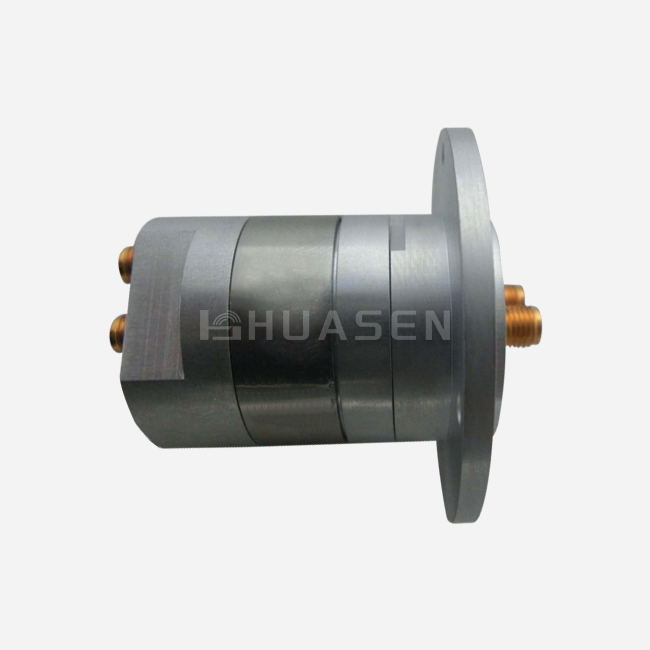
A rotor inside a perfectly machined waveguide housing moves manually and controls Manual Waveguide Switches. When the outside handle or bar is turned, the rotor lines up with certain waveguide channels. This makes a continuous way for electromagnetic waves to travel along. The detent device locks the rotor into set places, making sure that the same thing happens every time and stopping it from getting out of line by chance while it's working. Waveguide switches use air-dielectric transmission lines instead of contact pins like coaxial switches do. This naturally lowers insertion loss and power handling limits.
Core Technical Specifications That Matter
Coverage ranges from 1.72 GHz to 112 GHz, so it can be used for everything from L-band cell phones to W-band satellite lines. Isolation performance usually goes above 70 dB, which stops signals from leaking between ports. This is very important in high-dynamic-range test sets where weak received signals need to stay away from strong send routes. It's still very low: less than 0.1 dB at lower frequencies and less than 0.5 dB at millimeter-wave bands. These specs directly lead to better system performance and lower power use by the amplifiers.
Structural Configurations and Port Arrangements
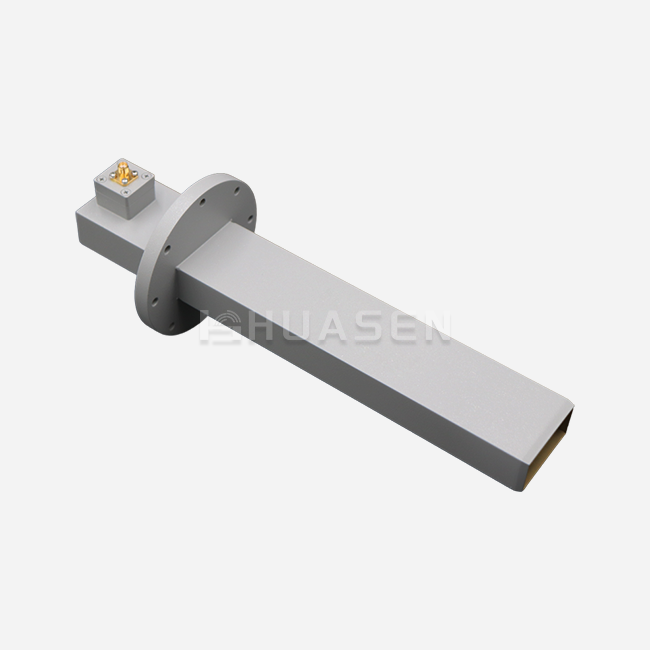
The market is mostly made up of two main structure designs: E-plane (WES) and H-plane (WHS). E-plane switches send signals perpendicular to the waveguide's wide wall. They have small sizes that make them perfect for antenna arrays that don't have a lot of room. Because their internal cross-sections are bigger, H-plane switches can handle more power because they route signals straight to the broad wall. Both designs work with rectangular waveguide standards (WR-series) and dual-ridge waveguide types, which raise the cutoff frequency to increase bandwidth. SPDT (single-pole double-throw), DPDT (double-pole double-throw), and three-channel six-port designs are all possible for port setups. These allow for redundancy switching, signal comparison, and multi-path routing all in one device.
In mission-critical settings, the benefits of operating things by hand become clear. When you use simple mechanical actuation, you don't have to worry about control voltages, software drivers, or electromagnetic interference, which can happen when radar waves or deliberate jamming hit automatic switches. The tactile feedback from detent settings lets workers know right away what the switch state is, which improves safety rules during repair on live transmission systems.

Comparing Manual Waveguide Switches with Alternative Switch Types
Manual Versus Electromechanical Motorized Switches
Motorized waveguide switches are easy to control from a distance, but they are more complicated because they have DC motors, limit sensors, and control electronics. When exposed to tough conditions like vibrations, changes in temperature, or radiation, these parts start to break down. These weaknesses don't affect the switching performance of Manual Waveguide Switches, which have a longer mean time between failures (MTBF) of more than 100,000 cycles. The cost-performance ratio favors hand-made designs when technology doesn't improve operations, like in labs where engineers have to physically watch over test equipment.
Manual Waveguide Versus Coaxial RF Switches
Coaxial switches use contact-based switching to handle lower frequencies and power levels. Even though they are small and cheap, they have higher insertion loss (often 0.5 to 2 dB), contact wear, and can only handle a small amount of power (under 100 watts CW). Waveguide switches are very important in radar emitters, high-power amplifier redundancy systems, and broadcast transmitters because they can handle peak power of kilowatts to megawatts without contact loss. The frictionless air-dielectric design also makes sure that the device works the same way after millions of switching cycles, with no mechanical damage to the signal routes.
Trade-Offs in Switching Speed and Integration Complexity
Electronic solid-state switches can switch in nanoseconds, but they aren't very good at handling power (usually less than 50 watts), uniformity, or insertion loss (1-3 dB). It takes seconds for a manual switch to be activated, but this isn't a problem in situations where switching doesn't happen very often, like when an amplifier's backup switching or a test bench's reconfiguration is needed. When engineers are choosing between switch types, they should think about whether the extra complexity, cost, and possible loss of reliability that comes with motorization or computer control circuits is worth it for remote control.
Integration and Maintenance Best Practices for Manual Waveguide Switches
Pre-Installation Verification and Flange Compatibility
Before installing, make sure that the waveguide flange types of the Manual Waveguide Switch and any linked parts match. UG-cover flanges need flat surfaces to touch, but UG-choke flanges have grooved grooves that stop RF leaks without the need for gaskets. When the types of flanges don't match, they create gaps that raise VSWR and lower the performance of isolation. Use a straightedge and a feeler gauge to check the flatness of the lip. Deviations greater than 0.002 inches may need to be lapped to restore proper contact. Isopropyl alcohol should be used to clean all mating surfaces to get rid of any oxidation, machine grease, or dirt that could cause air gaps and make insertion loss worse.
Torque Specifications and Fastener Selection
When tightening flange bolts, use the torque values recommended by the manufacturer. These values are usually between 15 and 40 inch-pounds, but can vary based on the size of the waveguide. Under-torquing lets RF leaks and intermittent contact happen, while over-torquing bends flanges and stresses waveguide walls, which could crack plates or change the size of the inside. To make the clamping force more even, use a torque wrench that has been measured and tightened in a star design. When installed outside, stainless steel gear doesn't rust, and silver-plated brass bolts keep the low-resistance electrical connection between flanges.
System-Level VSWR Optimization Strategies
A vector network analyzer should be used to measure S-parameters across the working frequency band after the mechanical installation is complete. Too much return loss is usually a sign of a misaligned lip, internal dirt, or dimensions that don't stack well. Loosen the screws a little and rotate the switch case to lower the VSWR. Then, tighten the screws back up while keeping an eye on the real-time S11 readings. By separating the switch from parts further down the line, inline precise waveguide shorts or matched loads make debugging easier. By writing down standard measures, you can use them as a guide for future maintenance and see if performance is dropping over time.
Preventive Maintenance Protocols
Compared to motorized switches, manual switches don't need as much upkeep, but a regular check-up makes them last longer. Take apart the flanges every 10,000 cycles or once a year to check the rotor surfaces for cutting, metal wear, or foreign material buildup. Use lint-free wipes and compressed air to clean the inside surfaces. Don't use oils unless the maker says to, because most waveguide switches work without them to keep the dielectric from getting dirty. Check that engaging the locking mechanism gives you strong clicks at every position, which means the rotor is in the right place. To keep the specs for isolation and accuracy, replace worn detent springs or broken blades right away.
A telecommunications company added manual SPDT switches to a device that backs up coastal base station amplifiers. The switches let the system quickly switch to backup amps while repair was being done, so the system never went down. The switches kept their original insertion loss and isolation specs after five years of constant operation in salt-air environments. This shows that they are very resistant to environmental stress. The simple mechanical design didn't need any software updates, control wires, or calibration changes, so it was cheaper over its lifetime than automatic options.
Procurement Guide: Where, What, and How to Buy Manual Waveguide Switches
Defining Your Technical Requirements
Before you start the buying process, you need to be clear about the frequency range, port layout, power handling needs, and environmental restrictions. Commercial-grade switches can be used in climate-controlled labs, but outdoor base stations or installs on ships need waterproof housing, finishes that don't rust, and higher temperature ratings. Write down the interface needs, such as waveguide size (WR number), flange type (UG, CPR, or PDR), and mounting direction. Find out which setup (E-plane or H-plane) works best for the space you have and the way your system is set up.
Evaluating Supplier Capabilities and Lead Times
Well-known companies keep basic configurations of the Manual Waveguide Switch in stock, so they can deliver within two to four weeks for popular frequency bands. Lead times can go up to 8 to 12 weeks if you need custom specs like wider bandwidth, special flanges, or MIL-STD outdoor testing. This depends on how complicated the engineering is. Ask for full datasheets with swept S-parameter plots, mechanical drawings with interface measurements, and test results that show proof of power handling. Reliable sellers give out calibration certificates that can be traced back to national standards. This is an important part of making sure the quality of products used in defense and aircraft.
Warranty Terms and Long-Term Support Considerations
Standard warranties cover flaws in the way the product was made for 12 to 24 months, but for important infrastructure projects, look into choices for longer warranties. Clarify the parts of the guarantee that don't cover abuse, over-torquing, or using the product with more power than it's designed for. Suppliers who give expert support during integration lower the risks of commissioning by helping with application engineering. This helps improve system performance and fix problems that come up out of the blue. Check to see if new parts are available for wear parts like detent springs or rotor hubs. This will make sure that the product can be maintained for many years.
Bulk Purchasing Strategies for Cost Optimization
When you buy more than 10 of the same basic configuration, you can get tier pricing, which lowers the cost of each unit by 15 to 30 percent. Talk to your suppliers about consignment inventory deals so that they can store parts at your plant. This will help you respond faster to production builds and allow you to delay payment until the parts are used in production. International buyers should make sure that the packaging meets the rules for exporting and know how taxes, shipping costs, and the time it takes to clear customs affect the total landing cost.
Leading Brands and Product Solutions of Manual Waveguide Switches
Established Global Manufacturers
Keysight Technologies uses decades of experience with test tools to make precise Manual Waveguide Switches that are designed to be repeatable in a lab setting. In metrology applications, where measurement error has a direct effect on product development cycles, their designs focus on low insertion loss and high separation. Engineers can work through interface problems with the help of detailed instructions and application notes.
Teledyne Microwave Solutions makes high-quality parts for the defense and aircraft industries. Their manual switches are put through a lot of external stress tests, such as being heated and cooled, vibrated, and exposed to high humidity. This makes them MIL-STD-810 compliant. This strict testing makes sure that fighter planes, missile systems, and satellite packages all work the same way. Failures in these areas could have disastrous results if they go wrong in the field.
The main focus of Pasternack Enterprises is on quick and cheap options for business phone systems. Their huge catalogue covers frequency bands from 1.7 GHz to 110 GHz, and they ship same-day on in-stock items, so you can get what you need quickly and meet deadlines for prototype development. Their goods are made to meet the high standards of industrial quality and can be used in base station infrastructure and broadcast systems.
Huasen Microwave Technology Solutions
Huasen Microwave Technology has been sending high-performance waveguide parts to users around the world since 1993. These parts are used in radar, communications, and aircraft. In our manual switch line, we have SPDT, DPDT, and six-port models that work with frequencies from 1.72 GHz to 112 GHz. Modern production techniques can make both rectangular and dual-ridge waveguide shapes, which improves bandwidth coverage for tough uses. Insertion loss requirements of less than 0.1 dB at lower frequencies and less than 0.5 dB at millimeter-wave bands ensure the highest level of system efficiency. Isolation levels above 70 dB stop signal leaks in multi-channel test sets. Before being sent out, each unit is checked with a vector network analyzer and put through mechanical cycle tests. This makes sure that the performance is always the same.
Customization options solve specific problems that come up when putting systems together. Engineers work with customers to make sure that non-standard flange types, weather closing needs, or unique mounting connections are met. Respondent technical support speeds up integration with application-specific help, sample evaluation programs, and help with fixing problems after delivery. Competitive prices and dependable delivery plans support both the development of prototypes and the production of large quantities.
Conclusion
To integrate a Manual Waveguide Switch successfully, you need to find a mix between electrical performance, mechanical compatibility, and working needs. When installing, making sure the flanges are lined up correctly, controlling the power, and checking the VSWR stop common failure modes and guarantee long-term dependability. Whether to use a manual or an automatic switch relies on the needs of the application in terms of cost, ease, and the need for a remote control. A thorough review of suppliers, taking into account their technical skills, quality certifications, and how quickly they can respond to customer service requests, lowers buying risks and helps the project succeed. It doesn't matter if you're putting switches in test labs, radar systems, satellite ground stations, or other places. If you follow the best practices in this guide, you'll get the most out of your investment and have less system downtime and maintenance.
Frequently Asked Questions About Manual Waveguide Switch Integration
1. What frequency ranges do manual waveguide switches support?
Modern versions work with frequencies from 1.72 GHz to 112 GHz, which means they can be used for L-band and W-band tasks. By lowering the cutoff frequencies, dual-ridge waveguide designs increase the useful bandwidth. This lets a single Manual Waveguide Switch replace multiple narrow-band units, which makes system architectures simpler.
2. How does maintenance affect operational lifespan?
When properly kept, manual switches can handle more than 100,000 switching rounds without losing their original specs. Performance loss can be avoided by checking the rotor surfaces, locking mechanisms, and flange contacts on a regular basis. Motorized switches need to have their computer parts replaced, but manual designs don't wear out as quickly when they're used within their power limits.
3. Can manufacturers customize switches for specific applications?
Suppliers you can trust offer a wide range of customization options, such as non-standard flanges, environmental seals, custom port designs, and wider frequency coverage. Working together during the planning process ensures that switches work well with the limitations of the current system while also meeting specific performance needs.
Partner with Huasen Microwave for Your Waveguide Switch Requirements
With 30 years of experience making RF components and providing customer-focused technical support, Huasen Microwave can provide reliable waveguide switching options. Our line of Manual Waveguide Switches meets the tough needs of defense systems, internet infrastructure, and precision test settings. For specialized uses, we offer quick customization while keeping a large inventory of common configurations. To speed up your development processes, technical teams help with integration through design reviews, sample evaluation programs, and full test data. Get reasonable quotes from our sales engineering team at sales@huasenmicrowave.com to talk about your waveguide switch needs and find out how working with a reliable Manual Waveguide Switch provider can improve the performance and reliability of your system.
References
1. Pozar, David M. Microwave Engineering, 4th Edition. Wiley, 2011.
2. Saad, Theodore S. Microwave Engineers' Handbook, Volume 2. Artech House, 1991.
3. IEEE Standard 1785.1-2012, Rectangular Waveguides - Specifications, Institute of Electrical and Electronics Engineers, 2012.
4. Montgomery, Carol G., et al. Principles of Microwave Circuits, MIT Radiation Laboratory Series. McGraw-Hill, 1948.
5. Collin, Robert E. Foundations for Microwave Engineering, 2nd Edition. Wiley-IEEE Press, 2001.
6. MIL-DTL-3922, Detail Specification: Waveguide, Rigid, Rectangular, U.S. Department of Defense, 2019.
Send Inquiry