
Exploring Flexible Waveguide Advantages in Microwave Transmission Systems






2025-11-12 22:52:49
Flexible waveguides have become a game-changing technology in the field of microwave transmission systems, delivering benefits that stiff waveguides can't match. These flexible parts are very important for making systems work better, making installation easier, and making them more reliable in a wide range of situations. Flexible waveguides are changing the way we deal with microwave transmission problems in fields like telecommunications and aerospace. Because they can bend, twist, and fit into complicated shapes while keeping the signal quality high, they are essential in current RF and microwave systems. As we learn more about flexible waveguides, we'll look at their special qualities, compare them to typical rigid waveguides, and look at how they might be used in cutting-edge technology. Engineers and system designers who want to get the best performance and efficiency out of their microwave transmission systems need to know the benefits of flexible waveguides.
What advantages do flexible waveguides offer in microwave transmission systems?
Flexible waveguides are a big help for microwave transmission systems since they fix a lot of the problems that come with stiff waveguides. They are quite useful in many difficult situations and settings since they may be used in many different ways.
Mechanical Flexibility and Installation Ease
One of the best things about flexible waveguides is that they can bend and twist to fit around complicated paths and uneven surfaces. This mechanical flexibility makes installation much easier, especially in tight or unusual places. Rigid waveguides need to be carefully planned in before and made to fit specific angles and bends. Flexible waveguides, on the other hand, can be simply routed around obstacles and changed on-site. This flexibility not only cuts down on installation time, but it also cuts down on the number of fixed parts needed, including elbows and straight sections. This saves a lot of money and makes the system work better.
Vibration and Misalignment Compensation
Flexible waveguides are great at absorbing mechanical movement in places where there is vibration, shock, or thermal expansion. This feature is very important for keeping delicate equipment safe from stress and possible damage. Flexible waveguides make sure that performance stays consistent even in tough conditions by allowing for misalignments between parts. This makes them perfect for use in aerospace, defense, and mobility platforms where stability is very important.
Space Optimization and Weight Reduction
The ability of flexible waveguides to navigate tight corners and fit around existing structures enables more compact system designs. In space-constrained environments such as aircraft or satellites, this can result in significant space savings - up to 40% in some configurations. Additionally, the elimination of multiple heavy flanges and support structures often leads to noticeable weight reductions, a critical factor in aerospace and mobile applications where every gram counts.
Enhanced Reliability and Durability
Flexible waveguides often feature continuous construction, reducing the number of flanged connections compared to rigid waveguide systems. Fewer connection points mean fewer potential sites for signal degradation, mechanical failure, or moisture ingress. This design characteristic contributes to improved long-term reliability and decreased maintenance requirements, especially in harsh operational conditions where system integrity is crucial.
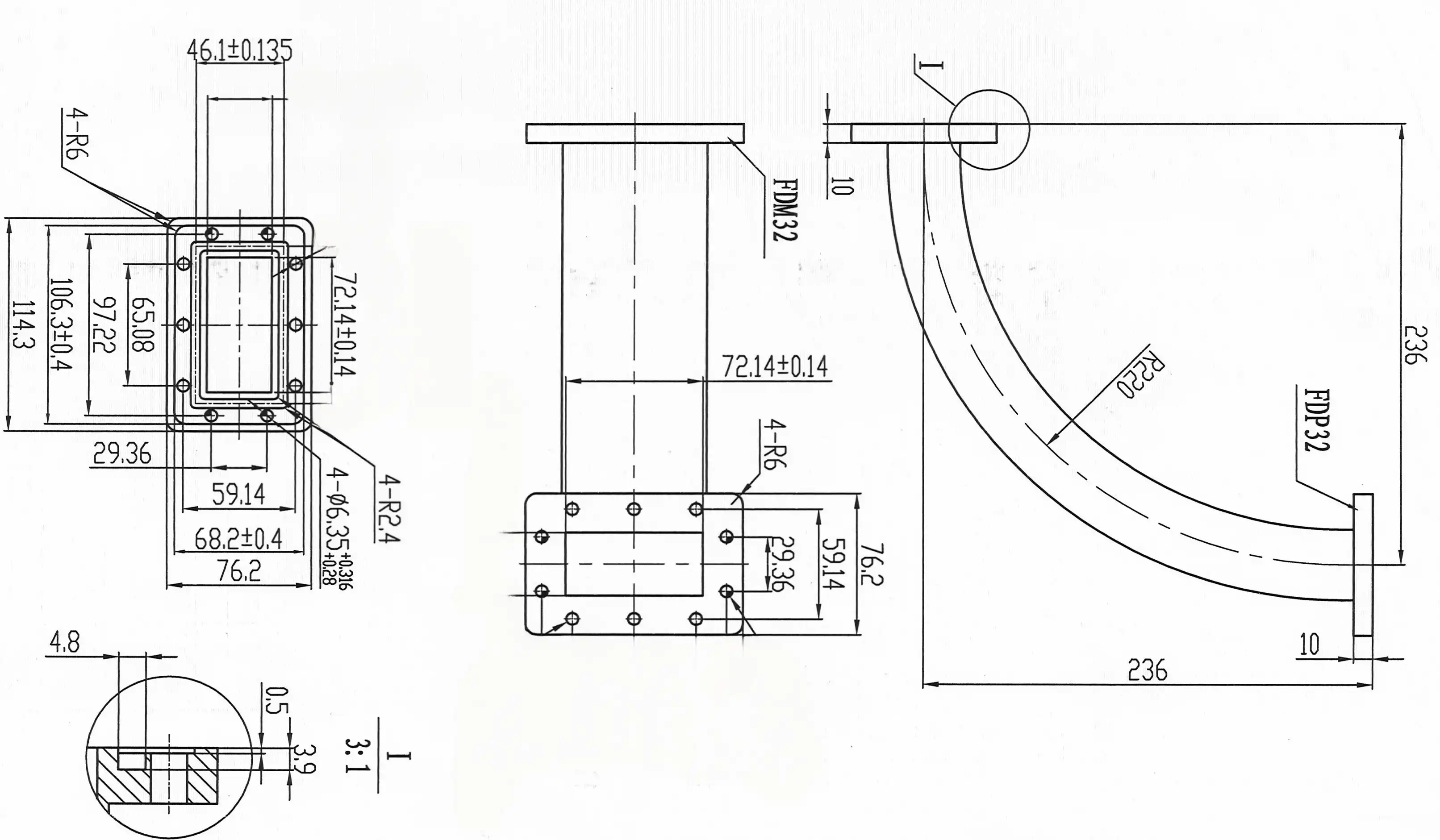
How flexible waveguides compare to rigid waveguides in terms of performance and cost?
When evaluating flexible waveguides against their rigid counterparts, it's essential to consider both performance characteristics and overall system costs. While rigid waveguides have long been the standard in many applications, flexible options are increasingly proving their worth in various scenarios.
Signal Integrity and Electrical Performance
In straight-line, fixed applications, rigid waveguides often offer slightly better electrical performance, notably in terms of lower insertion loss. But new production methods and materials have made this gap much smaller for flexible waveguides. Even when bent or twisted, modern flexible waveguides keep their electrical performance steady and consistent. This includes things like insertion loss and impedance matching. This consistency stops signal reflections and standing waves, which are frequent in rigid systems with a lot of joints.
Frequency Range and Power Handling
It is possible to make both rigid and flexible waveguides that work with a wide range of frequencies and power levels. But in really high-power applications, rigid waveguides may have a modest advantage because they are built to last. Flexible waveguides can handle a lot of power, although their maximum ratings may not be as high as those of rigid waveguides. The decision between the two usually relies on what the application needs, although flexible alternatives work well for most modern systems.
Installation and Maintenance Costs
When looking at the total costs of a system, flexible waveguides generally come out on top. Because they are easy to install, they cut down on the amount of time and tools needed to do the job. It is easier to maintain and improve the system when flexible elements may be quickly replaced or reconfigured. This could minimize long-term operating expenses. Flexible waveguides may cost more to make at first than rigid ones, but the whole cost of the system, including installation and maintenance, is often lower with flexible choices.
Lifecycle and Durability Considerations
Flexible waveguides are frequently more durable than rigid systems in dynamic situations, which means they last longer in certain conditions. Their ability to absorb vibration and movement means that connected parts don't wear out as quickly, which might make the whole system last longer. However, in static, regulated situations, rigid waveguides may last as long or perhaps longer than flexible ones because they are made of solid materials.
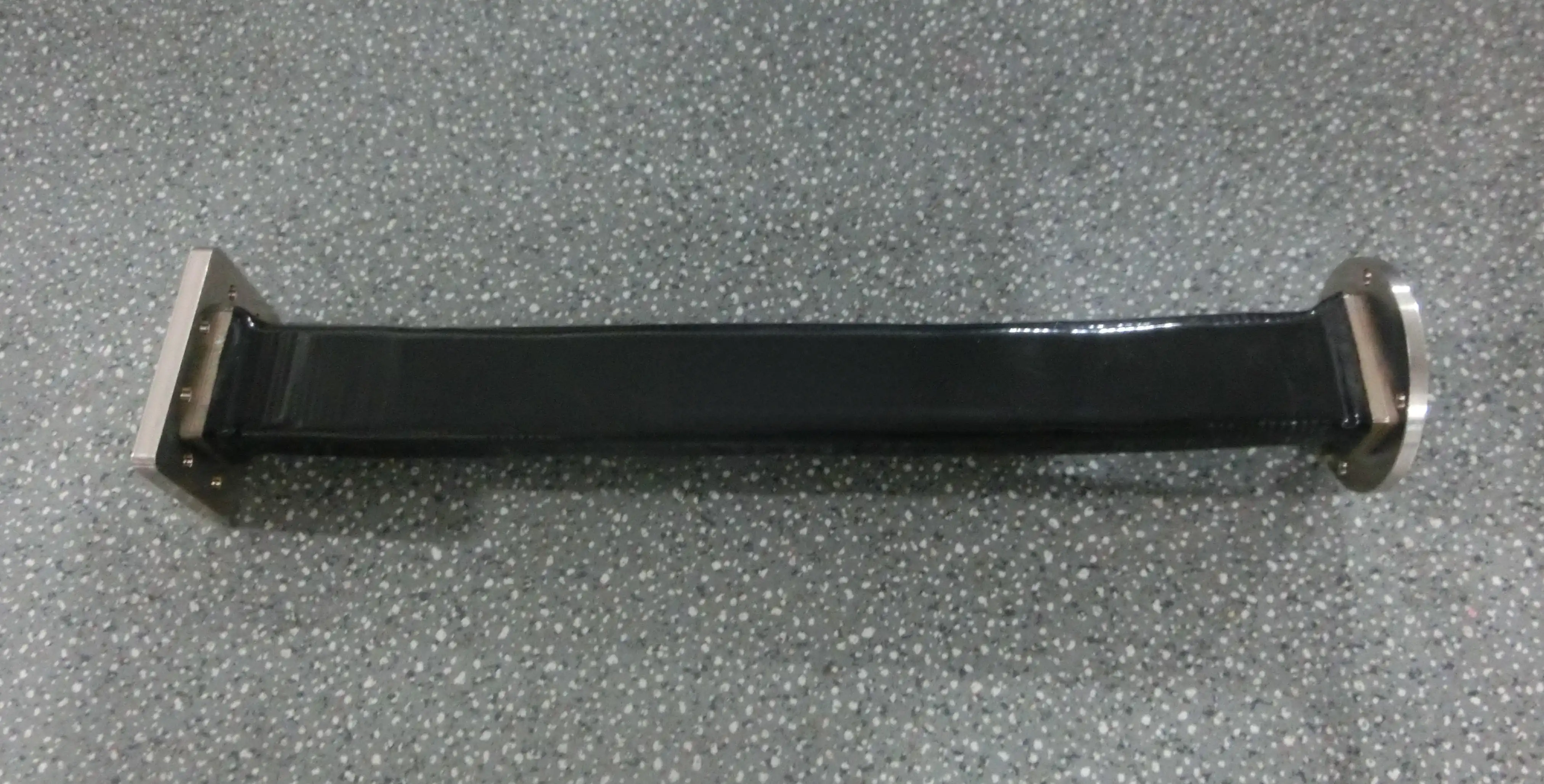
Flexible waveguide use-cases: satellite, UAV, and mobile platform microwave links
The versatility of flexible waveguides makes them ideal for a wide range of applications, particularly in challenging and dynamic environments. Let's explore some key use cases where flexible waveguides are making a significant impact.
Satellite Communications Systems
Flexible waveguides are very useful in satellite applications where space is limited and weight is very important. They let you have small antenna feed systems, which makes it easier to send satellite packages along the tough paths they need. To make the most of the small room on a satellite, designers can make communication systems that can bend and twist without losing their quality. The flexibility of waveguides is also very important for launch and orbital movements because it keeps delicate parts from breaking under mechanical stress.
Unmanned Aerial Vehicles (UAVs)
Drones, or UAVs, really benefit from using flexible waveguides in their radar and communication systems. Flexible waveguides are light, which helps the plane lose weight overall. This makes it fly longer and makes it easier to move around. It is very useful that they can fit the aerodynamic designs of UAV bodies without affecting RF performance. Also, flexible waveguides are strong enough to work in conditions with a lot of vibration, which means they can keep important communication and sensing capacities throughout flight.
Mobile Platform Microwave Links
In mobile platforms such as military vehicles, ships, or aircraft, flexible waveguides serve a critical role in maintaining dependable microwave communications. In these places, there is generally a lot of movement, vibration, and exposure to bad weather. Flexible waveguides are great at taking this mechanical stress, which protects delicate RF equipment and makes sure signals are always sent. Their flexibility makes them easier to install and maintain in the small places that are common on mobile platforms, which cuts down on downtime and makes operations more efficient.
Radar Systems
Advanced radar systems, like those used in military and space, use flexible waveguides to make them work better and be more reliable. When radar antennas spin, they move all the time, but flexible waveguides can handle it without changing the signal quality. They can be made smaller and more effective because they can bend around complicated shapes inside radar housings. This is useful in places with limited room, like aircraft nose cones or installations on ships.
In conclusion, flexible waveguides are very important parts of modern microwave transmission systems because they offer the best combination of mechanical flexibility, electrical performance, and longevity. They are great for hard jobs in satellite communications, unmanned aerial vehicles (UAVs), mobile platforms, and advanced radar systems because they are easy to install, take up little room, and don't break when they shake. As time goes on, flexible waveguides will likely become an even more important part of making radio systems smaller, more reliable, and more efficient. This will make many people think of new ideas.
You need to work with a specialized manufacturer if you need high-performance microwave transmission options for your business or use. Huasen Microwave Technology Co., Ltd. has been making RF and microwave parts for many years. There are many different types of flexible waveguide options that they provide, so they can meet any need. The experts at Huasen can help you make your microwave transmission systems better, whether you're working on new mobile platforms, cutting-edge satellite communication systems, or hi-tech radars.
FAQ
1. What are the main benefits of employing flexible waveguides in microwave systems?
Flexible waveguides are easy to install, may be used in dynamic situations, and can help save space in complicated systems. They are great at absorbing vibrations and making up for misalignments, which makes them perfect for situations where stiff waveguides won't work.
2. What is the difference in signal performance between flexible and rigid waveguides?
In straight-line applications, rigid waveguides may have a little less insertion loss, but current flexible waveguides work the same way no matter how they are bent or twisted. Flexible waveguides are competitive in most applications because advanced manufacturing procedures make sure that impedance matching stays stable and signal loss stays low.
3. What are the most typical uses for flexible waveguides?
Flexible waveguides are widely used in the aerospace, defense, telecommunications, and mobile communications fields. They are especially useful in satellite systems, unmanned aerial vehicles (UAVs), mobile radar platforms, and other situations where dependable microwave transmission is needed in changing or limited spaces.
4. What things should you think about when deciding between flexible and stiff waveguides?
Some important things to think about include the installation environment (space limitations, vibration or movement), power handling needs, frequency range, total system cost (including installation and maintenance), and the application's specific performance criteria. Flexible waveguides are frequently better for complicated setups and changing surroundings.
Unlock the Power of Flexible Waveguides | Huasen Microwave
Are you ready to improve your microwave transmission systems with the newest flexible waveguide solutions? Huasen Microwave Technology Co., Ltd. has a full line of high-performance flexible waveguides that can fulfill the needs of the most demanding industries. Our team of experts is ready to help you choose the best flexible waveguide solution for your needs, making sure it works well and is reliable. Don't let strict rules stop your system from reaching its full potential. Email us at sales@huasenmicrowave.com today to talk about your project needs and find out how our flexible waveguide technology may help you come up with new ideas. When you work with Huasen Microwave, you'll see how decades of RF experience can improve your microwave systems.
References
1. Johnson, R. C., & Jasik, H. (2018). Antenna Engineering Handbook (5th ed.). McGraw-Hill Education.
2. Pozar, D. M. (2011). Microwave Engineering (4th ed.). John Wiley & Sons.
3. Balanis, C. A. (2015). Advanced Engineering Electromagnetics (3rd ed.). Wiley.
4. Collin, R. E. (2001). Foundations for Microwave Engineering (2nd ed.). Wiley-IEEE Press.
5. Simons, R. N. (2001). Coplanar Waveguide Circuits, Components, and Systems. Wiley-IEEE Press.
6. Wade, P. (2006). Microwave Antenna Book. W1GHZ Publishing.
Send Inquiry


Related Industry Knowledge
- Key Performance Factors to Consider in AC Power Amplifiers
- Coaxial Bandpass Filter Design Guide: Frequency Range and Performance Tips
- Why Coaxial Isolators Are Critical for Stable RF Transmission?
- Why Choose a Planar Slot Antenna? Key Benefits and Advantages?
- What Factors Affect the Phase Shift Accuracy of Waveguide Phase Shifters? How to Minimize Errors?
- What is the working principle of a waveguide sliding short?
- Coaxial Load vs. Coaxial Attenuator: What’s the Difference?
- Test Results Inaccurate? 5 Common Faults of Standard Gain Antennas & Quick Fixes
- How Does a Coplanar WG Perform in High-Speed Signal Transmission?
- What Are the Application Scenarios of Waveguide Flex in Radar Systems?
