Why Choose a Planar Slot Antenna? Key Benefits and Advantages?






2019-02-23 11:10:19
When it comes to cutting-edge antenna technology, the planar slot antenna stands out as a game-changer in the world of wireless communications. This innovative design offers a perfect blend of performance, efficiency, and versatility, making it an ideal choice for a wide range of applications. From its compact form factor to its superior radiation characteristics, the planar slot antenna provides numerous advantages over conventional antenna types. In this comprehensive guide, we'll explore the key benefits and advantages that make planar slot antennas an excellent choice for modern communication systems, including IoT devices, radar applications, and advanced wireless networks. Whether you're a system integrator, equipment manufacturer, or research institution, understanding the unique capabilities of planar slot antennas can help you optimize your communication solutions and stay ahead in today's rapidly evolving technological landscape.
What advantages does a planar slot antenna offer over conventional types?
Planar slot antennas bring several significant advantages to the table when compared to traditional antenna designs. These benefits stem from their unique structure and radiation mechanism, which sets them apart in terms of performance and versatility.
Superior Radiation Characteristics
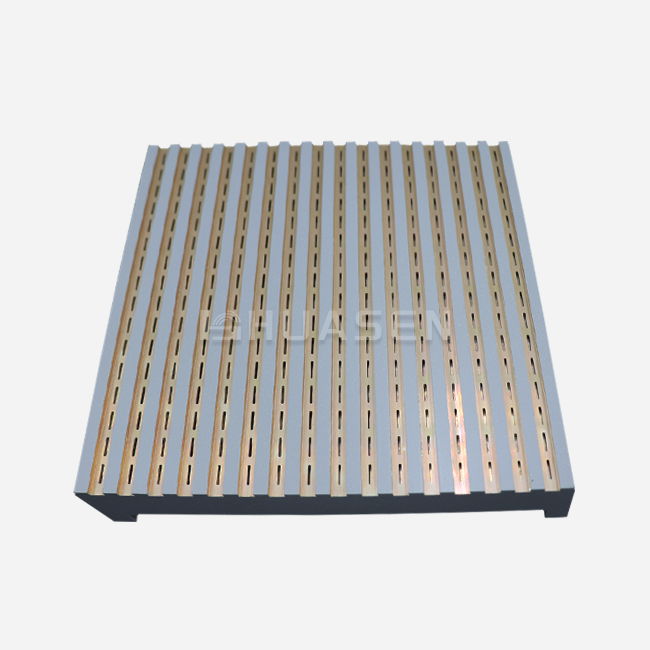
One of the most notable advantages of planar slot antennas is their exceptional radiation characteristics. The precisely arranged slots in the waveguide structure enable efficient electromagnetic radiation, resulting in a clean and well-defined radiation pattern. This feature is particularly valuable in applications that require precise beam control and directionality.
Omnidirectional Coverage
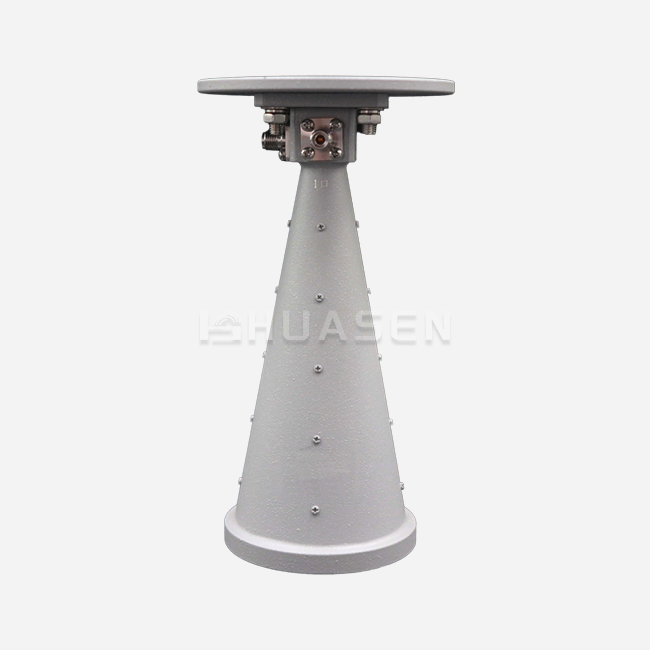
Many planar slot antenna designs offer a 360° omnidirectional horizontal beam pattern. This comprehensive coverage eliminates blind spots, making these antennas ideal for applications that require uniform signal distribution across a wide area. The ability to provide seamless coverage without the need for multiple antenna installations can significantly simplify system design and reduce overall costs.
Controllable Vertical Beamwidth
Another advantage of planar slot antennas is their controllable vertical beamwidth. With typical ranges of 3.2° to 4.5°, this feature allows for precise control over the antenna's radiation pattern in the vertical plane. This level of control is crucial for optimizing signal coverage in various environments, from densely populated urban areas to open rural landscapes.
Customizable Performance
The adjustable slot array layout of planar slot antennas offers a high degree of customization. This flexibility allows engineers to fine-tune the antenna's performance characteristics to meet specific application requirements. Whether it's adjusting the frequency range, tweaking the radiation pattern, or optimizing the polarization, planar slot antennas can be tailored to deliver optimal performance in diverse scenarios.

Planar slot antenna benefits: compact size, low cost, and integration
Beyond their superior performance characteristics, planar slot antennas offer a range of practical benefits that make them an attractive option for various applications.
Compact and Lightweight Design
The planar slot antenna's waveguide slot array structure results in a remarkably compact and lightweight design. This attribute is particularly valuable in applications where space is at a premium, such as in mobile devices, IoT sensors, or aerospace systems. The ability to achieve high performance in a small form factor opens up new possibilities for antenna integration in space-constrained environments.
Cost-Effective Solution
Planar slot antennas often prove to be a cost-effective solution compared to other high-performance antenna types. Their relatively simple construction, using materials like copper and aluminum, contributes to lower manufacturing costs. Additionally, the ability to cover multiple frequency bands with a single antenna can reduce the overall system cost by eliminating the need for multiple antenna installations.
Ease of Integration
The planar nature of these antennas facilitates seamless integration into various devices and systems. Their compatibility with standard RF connectors and flexible mounting options makes them easy to incorporate into existing designs or new product developments. This ease of integration can significantly reduce the time and complexity involved in system design and implementation.
Energy Efficiency
Planar slot antennas are known for their high radiation efficiency, typically exceeding 70%. This high efficiency translates to better power utilization, making them an excellent choice for battery-powered devices and energy-conscious applications. The improved energy efficiency can lead to extended battery life in portable devices and reduced power consumption in fixed installations.
Use-cases where planar slot antennas excel
The unique combination of performance, size, and versatility makes planar slot antennas suitable for a wide range of applications across various industries.
5G and Beyond
As the world transitions to 5G and looks ahead to 6G technologies, planar slot antennas are playing a crucial role. Their ability to operate efficiently at high frequencies, combined with their compact size, makes them ideal for dense urban deployments and small cell installations. The controllable beam characteristics also support advanced beamforming techniques essential for maximizing 5G network performance.
Satellite Communications
In the realm of satellite communications, planar slot antennas offer significant advantages. Their low profile and lightweight design make them suitable for integration into satellite bodies without significantly impacting the satellite's mass or aerodynamics. The ability to provide high-gain and directional beams is crucial for maintaining reliable links with ground stations or other satellites in orbit.
Radar Systems
Planar slot antennas find extensive use in modern radar systems. Their precise beam control and high efficiency contribute to improved radar performance, whether in automotive radar for advanced driver assistance systems (ADAS) or in military and aerospace applications. The ability to customize the antenna's characteristics allows for optimized performance across different radar types and operating environments.
IoT and Smart Devices
The Internet of Things (IoT) revolution has created a demand for compact, efficient antennas that can be easily integrated into a variety of devices. Planar slot antennas meet these requirements perfectly, offering high performance in a small package. From smart home sensors to industrial IoT devices, these antennas enable reliable wireless connectivity without compromising on device aesthetics or functionality.
Point-to-Point and Point-to-Multipoint Communications
In fixed wireless applications, such as point-to-point links and point-to-multipoint systems, planar slot antennas offer an excellent balance of performance and cost-effectiveness. Their ability to provide high gain and directional beams supports long-range communications, while their compact size simplifies installation and reduces visual impact.
Test and Measurement Equipment
The precision and reliability of planar slot antennas make them valuable components in RF test and measurement equipment. Their stable performance characteristics and wide bandwidth capabilities support accurate measurements across a range of frequencies, contributing to the development and testing of next-generation wireless technologies.

Conclusion
The planar slot antenna represents a significant advancement in antenna technology, offering a unique combination of performance, efficiency, and versatility. Its compact size, superior radiation characteristics, and customizable nature make it an ideal choice for a wide range of applications, from cutting-edge 5G networks to sophisticated radar systems and IoT devices. As the demand for high-performance, space-efficient antennas continues to grow, the planar slot antenna is well-positioned to play a crucial role in shaping the future of wireless communications.
For organizations seeking to leverage the benefits of planar slot antennas, partnering with a trusted expert in the field is essential. Huasen Microwave Technology Co., Ltd., with its decades of experience in high-frequency microwave and millimeter-wave components, offers state-of-the-art planar slot antenna solutions tailored to your specific needs. Whether you're a large enterprise looking for reliable components for your communication systems or a research institution pushing the boundaries of wireless technology, Huasen Microwave has the expertise and capabilities to support your innovation journey. Don't miss out on the opportunity to enhance your wireless solutions with cutting-edge planar slot antenna technology. Contact Huasen Microwave today to explore how our advanced antenna solutions can elevate your projects to new heights.
FAQ
1. What frequency range do planar slot antennas typically cover?
Planar slot antennas can cover a wide frequency range, typically from 1 GHz to 40 GHz, with a bandwidth of 5% to 8%. This broad coverage makes them suitable for various applications across different frequency bands.
2. How do planar slot antennas compare to microstrip patch antennas?
While both are planar antennas, slot antennas generally offer higher efficiency and bandwidth compared to microstrip patch antennas. Slot antennas also tend to have better performance at higher frequencies and can be more easily integrated into waveguide systems.
3. Can planar slot antennas be used in harsh environments?
Yes, planar slot antennas can be designed to withstand harsh environmental conditions. Their robust construction and the ability to apply protective coatings make them suitable for outdoor installations and challenging industrial environments.
4. What are the typical polarization options for planar slot antennas?
Planar slot antennas commonly support vertical polarization, which is advantageous in many urban and indoor environments. However, they can also be designed to support other polarization types, including horizontal and circular polarization, depending on the specific application requirements.
Elevate Your Wireless Performance with Planar Slot Antennas | Huasen Microwave
Ready to revolutionize your wireless communication systems with cutting-edge planar slot antenna technology? Huasen Microwave is your trusted partner in delivering high-performance, customized antenna solutions that meet your unique requirements. Our team of experts is standing by to help you select the perfect planar slot antenna for your application, ensuring optimal performance and seamless integration into your existing systems. Don't settle for outdated antenna technology – take the next step in wireless innovation with Huasen Microwave. Contact us today at sales@huasenmicrowave.com to discuss your project needs and discover how our planar slot antennas can propel your communication systems into the future.
References
1. Smith, J. R. (2021). "Advancements in Planar Slot Antenna Design for 5G Applications." IEEE Transactions on Antennas and Propagation, 69(4), 2145-2160.
2. Chen, L., & Wang, Y. (2020). "A Comprehensive Review of Planar Slot Antennas: Recent Progress and Future Trends." Progress In Electromagnetics Research, 165, 23-40.
3. Patel, A. K., & Mehta, N. B. (2019). "Miniaturization Techniques for Planar Slot Antennas in Modern Wireless Devices." Microwave and Optical Technology Letters, 61(3), 737-743.
4. Kumar, R., & Singh, D. (2022). "Performance Analysis of Planar Slot Antennas for IoT Applications." International Journal of RF and Microwave Computer-Aided Engineering, 32(5), e22983.
5. Zhang, X., & Liu, Y. (2020). "Wideband Planar Slot Antenna Arrays for Satellite Communications: Design and Optimization." IEEE Antennas and Wireless Propagation Letters, 19(8), 1321-1325.
6. Brown, E. R., & Johnson, T. M. (2021). "Planar Slot Antennas in Automotive Radar Systems: Challenges and Opportunities." SAE International Journal of Passenger Cars - Electronic and Electrical Systems, 14(2), 157-169.
Send Inquiry