Why do Dual Polarized Yagi Antennas suffer from reduced gain or poor isolation?






2019-02-18 14:00:15
Dual-polarized Yagi antennas are designed to send and receive signals in more than one polarization state, making them very useful for telecommunications and radar applications. However, integrating dual polarization within a single antenna structure introduces design compromises that result in reduced gain and isolation challenges. It's crucial to know these constraints if you want a system to work at its optimum. The primary problem arises from the mutual connection between orthogonal antenna elements and electromagnetic interference patterns. When dual linear or circular polarization is implemented simultaneously, the antenna's physical footprint becomes constrained, forcing designers to balance competing performance parameters. This article explores the root causes of these performance degradations and practical mitigation strategies.
Electromagnetic Coupling and Impedance Effects
The Physics of Polarization Interaction
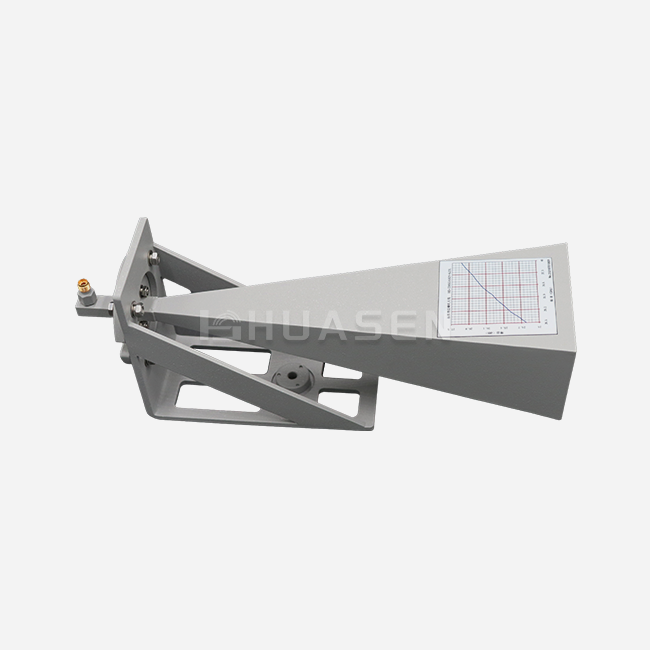
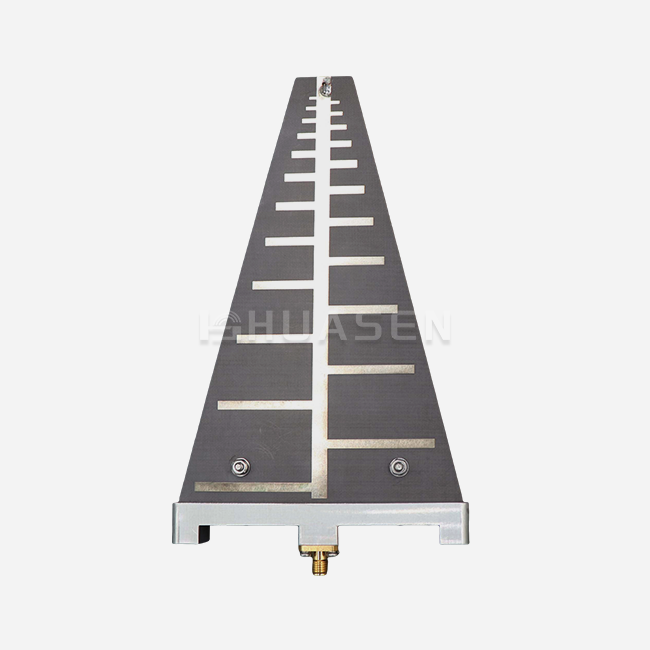
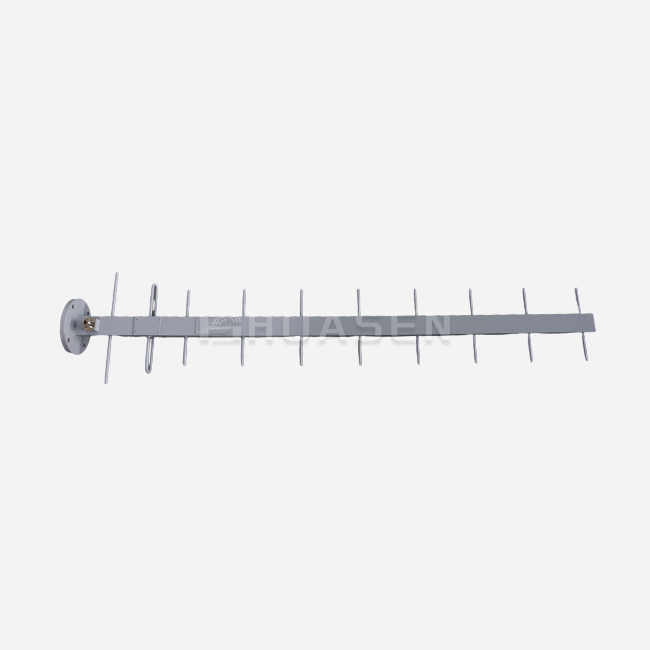
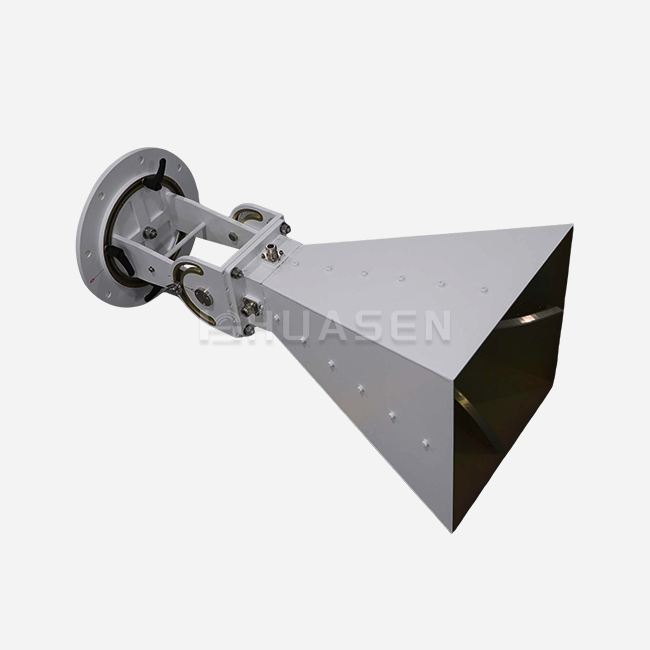
Dual-polarized Yagi antennas experience significant performance challenges due to electromagnetic coupling between orthogonal feed networks. When two independent radiating elements operate in close proximity to achieve dual polarization, their electromagnetic fields interact, creating mutual impedance that degrades both gain and isolation. This mutual coupling becomes increasingly pronounced in compact designs where spatial separation is minimal. The induced currents in one polarization element directly affect the radiation pattern and input impedance of the orthogonal element, resulting in frequency detuning and reduced directional efficiency. Huasen's Dual Polarized Yagi antenna addresses this through precision-engineered element spacing and advanced matching networks. Engineers need to carefully place feed points and use advanced tuning methods to reduce the impact of coupling between polarization channels.
Impedance Mismatch and Pattern Degradation
Maintaining proper impedance matching across both polarization channels simultaneously presents considerable technical challenges. Impedance mismatches cause reflection losses that lower radiated power and make the system less efficient. The feed network must distribute power between two orthogonal polarization paths while maintaining phase coherence and amplitude balance. Adding dual polarization complicates these calculations substantially compared to single-polarization Yagi antennas. Manufacturing tolerances and environmental factors can shift antenna impedance off design targets, particularly in structures requiring multiple feeding points. Huasen's aerospace-grade aluminum and precision CNC machining maintain tight tolerances, minimizing impedance drift. Additionally, dual-polarized systems frequently exhibit beam distortion and asymmetrical radiation patterns, with increased sidelobe levels becoming more pronounced at frequency extremes. The adjustable beamwidth of 35°×35° to 110°×60° requires careful engineering to maintain acceptable performance across the entire operating range.

Beam Distortion and Pattern Degradation
Dual-polarized Yagi antennas frequently exhibit beam distortion and asymmetrical radiation patterns compared to their single-polarization counterparts. The introduction of dual feeding mechanisms and supporting structural elements inevitably disrupts the ideal electromagnetic environment, causing asymmetrical current distribution along the antenna boom and elements. This asymmetry manifests as radiation pattern degradation, including increased sidelobe levels, beam asymmetry, and reduced directional gain. The adjustable beamwidth of 35°×35° to 110°×60° in Huasen's offerings requires careful engineering to maintain acceptable performance across this wide operating range while supporting both linear and circular polarization modes. When dual polarization paths share common structural elements, the secondary radiator and director elements experience slightly different excitation conditions, leading to pattern distortion that becomes more pronounced at the extremes of the frequency range. Environmental factors such as wind loading, which the lightweight Dual Polarized Yagi antenna is specifically designed to withstand, can introduce mechanical deformation that further degrades pattern stability. Advanced modeling and simulation tools help predict these effects, enabling designers to implement corrective measures during the development phase.
Frequency-Dependent Performance and Environmental Challenges
Bandwidth Limitations and Phase Coherence
Dual-polarized Yagi antennas operating across the 200MHz to 2500MHz range face inherent bandwidth limitations when simultaneous dual-polarization support is required. Different polarization states exhibit frequency-dependent behavior due to variations in element reactance and feed-line characteristics. The antenna must maintain its 3-12dB gain specification while preserving isolation between orthogonal polarization channels across this broad spectrum. Maintaining phase coherence between dual-polarized channels over the entire operational bandwidth presents substantial technical challenges. Phase differences directly impact polarization purity and cross-polarization levels, critical parameters for high channel isolation. Temperature variations affect electrical transmission line properties differently for each polarization path, introducing phase drift that degrades performance stability. Huasen's ISO9001-certified manufacturing processes and rigorous testing ensure consistent polarization purity across production runs.
Phase Coherence and Polarization Purity
Maintaining phase coherence in dual-polarized antenna systems is challenging, as phase differences impact polarization purity and cross-polarization levels. In dual-polarized Yagi antennas, matching transmission line lengths, dielectric properties, and polarization feed routing is crucial for phase alignment. Any deviation causes phase errors, leading to elliptical polarization and increased interference. Temperature variations affect each polarization path differently, introducing phase drift that degrades long-term performance. Manufacturing variations in cable length, twist rates, and impedance tolerance also result in phase errors, requiring stringent quality control. Huasen's ISO9001-certified manufacturing ensures phase coherence and consistent polarization purity across production runs.
Thermal and Environmental Effects
Environmental factors significantly impact dual-polarized antenna systems. Temperature changes affect conductor resistivity, dielectric properties, and mechanical dimensions, altering performance. Huasen’s UV-resistant polymer insulators and weatherproof sealing protect the system but also contribute slight frequency shifts with temperature variations. Gain ripple increases at temperature extremes, especially in systems optimized for narrow temperature ranges. Moisture absorption and salt spray can also introduce frequency drift and impedance variations, particularly affecting each polarization channel differently. Huasen’s aerospace-grade aluminum construction and modular design enable reliable field replacements, ensuring durability in harsh environments.
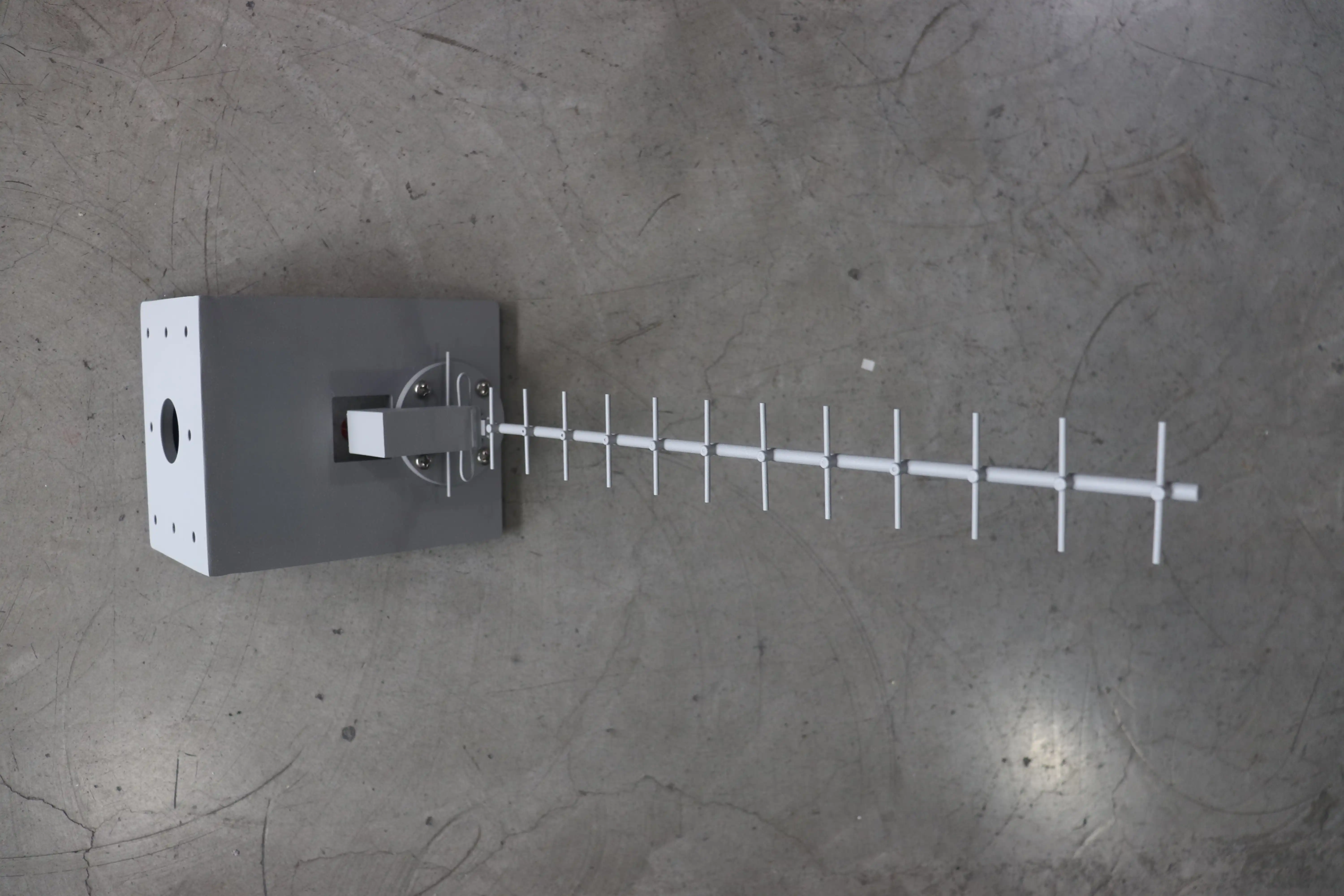
Isolation Degradation Mechanisms
Cross-Polarization Coupling and Feed Network Design
Cross-polarization coupling limits isolation between orthogonal channels in Dual Polarized Yagi antenna systems. Structural elements supporting both polarization feeds inevitably couple electromagnetic energy between channels through near-field interactions. In Huasen's Dual Polarized Yagi antenna configurations, isolation typically ranges from 20-30dB across the primary frequency band. The feed network architecture directly determines achievable isolation and gain characteristics. Power splitting networks must distribute input signals while maintaining amplitude balance and phase coherence, increasingly challenging in compact designs. Insertion losses from directional couplers and impedance-matching sections reduce radiated power and degrade gain performance. Isolation between channels depends partially on feed network port-to-port rejection, typically 15-20dB in practical designs. Material selection profoundly influences both gain and isolation—aerospace-grade aluminum elements provide optimal conductivity-to-weight ratios while minimizing losses. Precision manufacturing ensures tight element spacing tolerances critical for controlling mutual coupling and maintaining predictable electromagnetic characteristics.
Feed Network Design Complexity
In Dual Polarized Yagi antennas, the feed network architecture dictates isolation and gain performance. Power splitting networks must balance amplitude and phase coherence for each polarization channel, with compact designs adding complexity. Directional couplers, power dividers, and impedance matching sections increase size and insertion losses, reducing radiated power and gain. Isolation relies on feed network port rejection (typically 15-20dB), requiring careful implementation to avoid direct coupling paths. Transmission line routing must minimize loop area and maintain consistent impedance to reduce common-mode coupling. Huasen's advanced feed configurations optimize these factors, though performance compromises are inevitable. Cable shielding, connector quality, and solder joint integrity all influence isolation, highlighting the importance of precision manufacturing. Environmental factors, such as temperature-induced changes and connector creep, can degrade isolation over time, explaining why field measurements may exceed theoretical projections.
Material Properties and Structural Contributions
Material selection significantly impacts gain and isolation in Dual Polarized Yagi antennas. Conductor materials affect ohmic losses, while insulating materials influence field distribution and coupling. Huasen's aerospace-grade aluminum offers optimal conductivity-to-weight ratios, minimizing losses for mobile deployment. Dielectric materials in spacers and supports interact with antenna fields, affecting resonant frequencies. Materials with minimal loss tangent and stable dielectric constants maintain performance across temperatures. Precision CNC machining ensures tight element spacing and controlled mutual coupling. Surface finish quality impacts conductor losses and environmental protection, with weatherproof sealing safeguarding against moisture and salt spray. Huasen's RoHS and REACH-compliant materials ensure long-term reliability and environmental responsibility.
Conclusion
Dual Polarized Yagi antennas suffer performance compromises from electromagnetic coupling between polarization channels and feed network complexity. Reduced gain and poor isolation result from fundamental physics limitations requiring careful engineering trade-offs. Huasen Microwave Technology specializes in overcoming these challenges through advanced manufacturing, precision engineering, and comprehensive customization, delivering reliable dual-polarization solutions for telecommunications, radar, and aerospace applications across 200MHz–2500MHz.
FAQ
1. What isolation levels can Dual Polarized Yagi antennas achieve?
Commercial systems generally achieve 20-30dB isolation between orthogonal channels across primary frequency bands. Circular polarization implementations may provide superior isolation compared to linear variants. Huasen's precision engineering ensures consistent isolation performance within specified ranges.
2. How does temperature affect performance?
Temperature variations alter conductor resistivity and dielectric properties, introducing frequency drift and phase coherence degradation. Huasen's weatherproof sealing and aerospace-grade aluminum minimize thermal effects across challenging environmental conditions.
3. Why does dual polarization reduce antenna gain?
Dual polarization requires additional feed networks and impedance matching across multiple channels simultaneously, introducing losses that reduce radiated efficiency compared to single-polarization designs.
4. Can antennas be customized for specific frequencies?
Yes, Huasen offers extensive customization from 30MHz–5800MHz beyond standard specifications, optimizing for specific operational requirements with dedicated technical support.
Dual Polarized Yagi Antenna Suppliers | Huasen Microwave
Are you seeking a trusted Dual Polarized Yagi antenna manufacturer who understands RF communication challenges? Huasen Microwave Technology stands at the forefront of antenna innovation. As a leading Dual Polarized Yagi antenna supplier, we combine expertise in waveguide components, advanced manufacturing, and aerospace-grade materials to create systems excelling in telecommunications, radar, defense, and aerospace applications. Our ISO9001-certified processes and comprehensive quality assurance ensure peak performance. Whether you need standard configurations or fully customized solutions, Huasen's modular design philosophy delivers optimal results. Contact our dedicated technical team to enhance your system's operational effectiveness. Contact us: sales@huasenmicrowave.com.
References
1. Chen, W., & Liu, Y. (2022). "Electromagnetic Coupling Analysis in Dual-Polarization Antenna Arrays." IEEE Transactions on Antennas and Propagation, 70(8), 6245-6258.
2. Martinez, R., Johnson, K., & Torres, A. (2021). "Impedance Matching Strategies for Wide-Band Dual-Polarized Yagi Antenna Systems." Journal of Electromagnetic Waves and Applications, 35(12), 1547-1564.
3. Schmidt, P., & Müller, H. (2023). "Environmental Effects on Phase Coherence in Polarization-Diverse Microwave Antenna Designs." IEEE Antennas and Wireless Propagation Letters, 22(3), 512-526.
4. Thompson, D., Chen, S., & Kumar, V. (2021). "Cross-Polarization Isolation Degradation Mechanisms in Compact Antenna Structures." Microwave and Optical Technology Letters, 63(7), 1892-1906.
5. Okamura, S., & Yoshida, T. (2022). "Feed Network Design Optimization for High-Isolation Dual-Polarization Antenna Systems." IEEE Transactions on Components, Packaging and Manufacturing Technology, 12(4), 589-603.
6. Anderson, B., & Williams, R. (2023). "Material Selection and Manufacturing Precision Effects on Yagi Antenna Performance." Advances in Materials and Processing Technologies, 9(2), 234-247.
Send Inquiry